BMW 3 Series ActiveHybrid (F30) specifications and photos
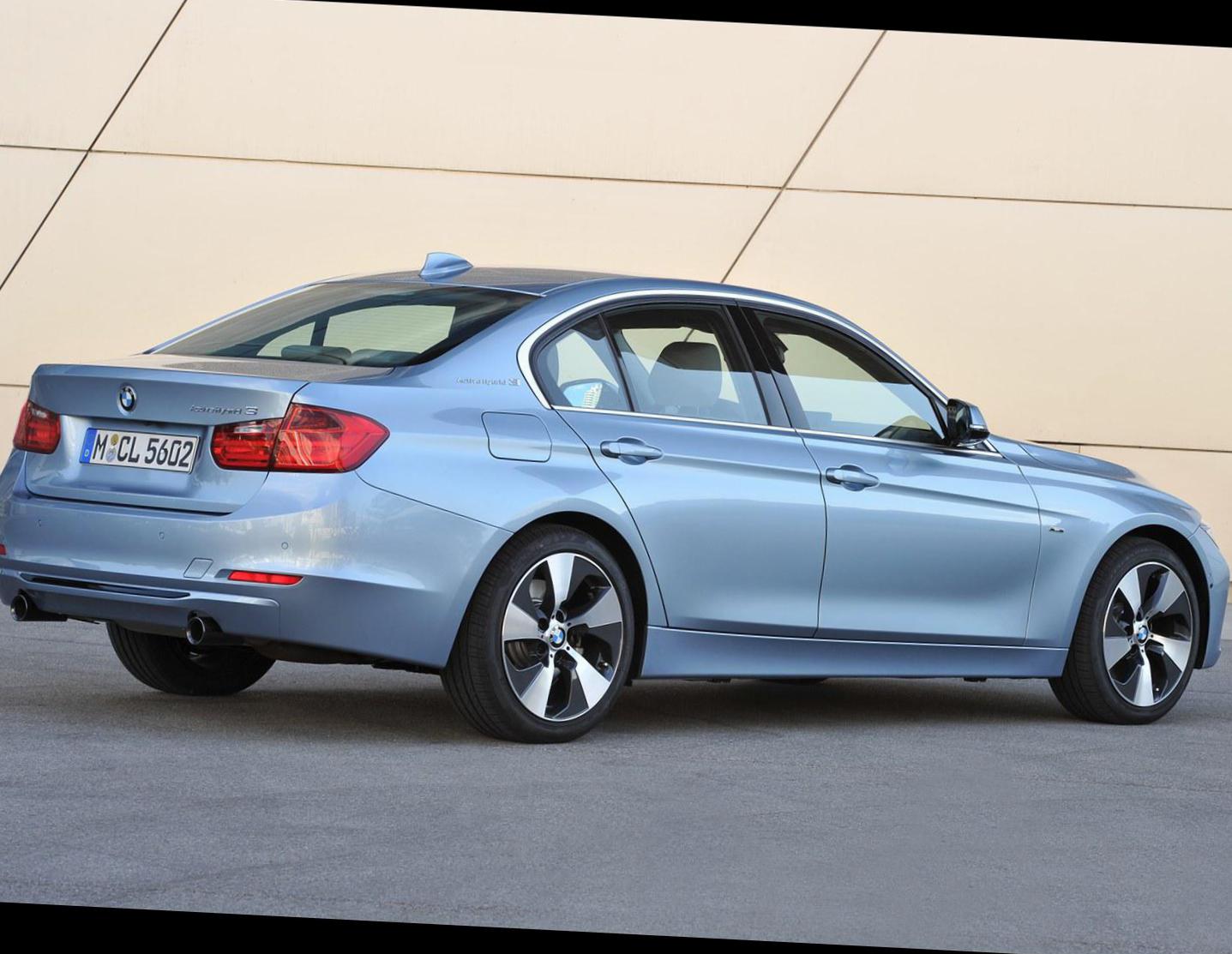
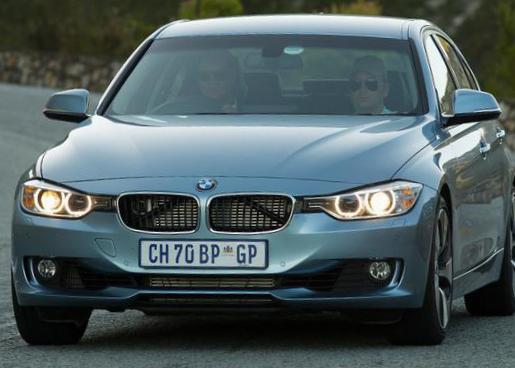
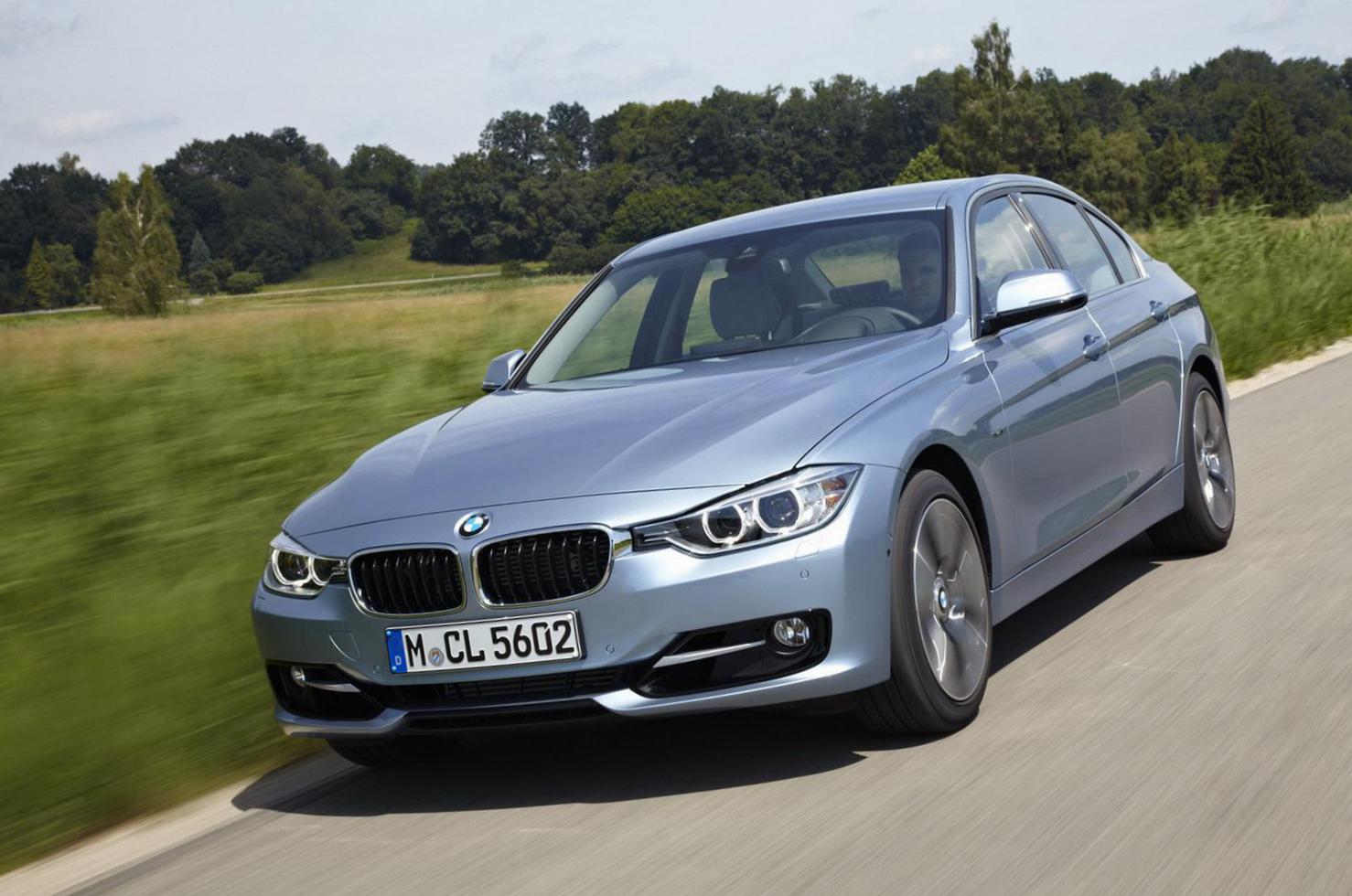
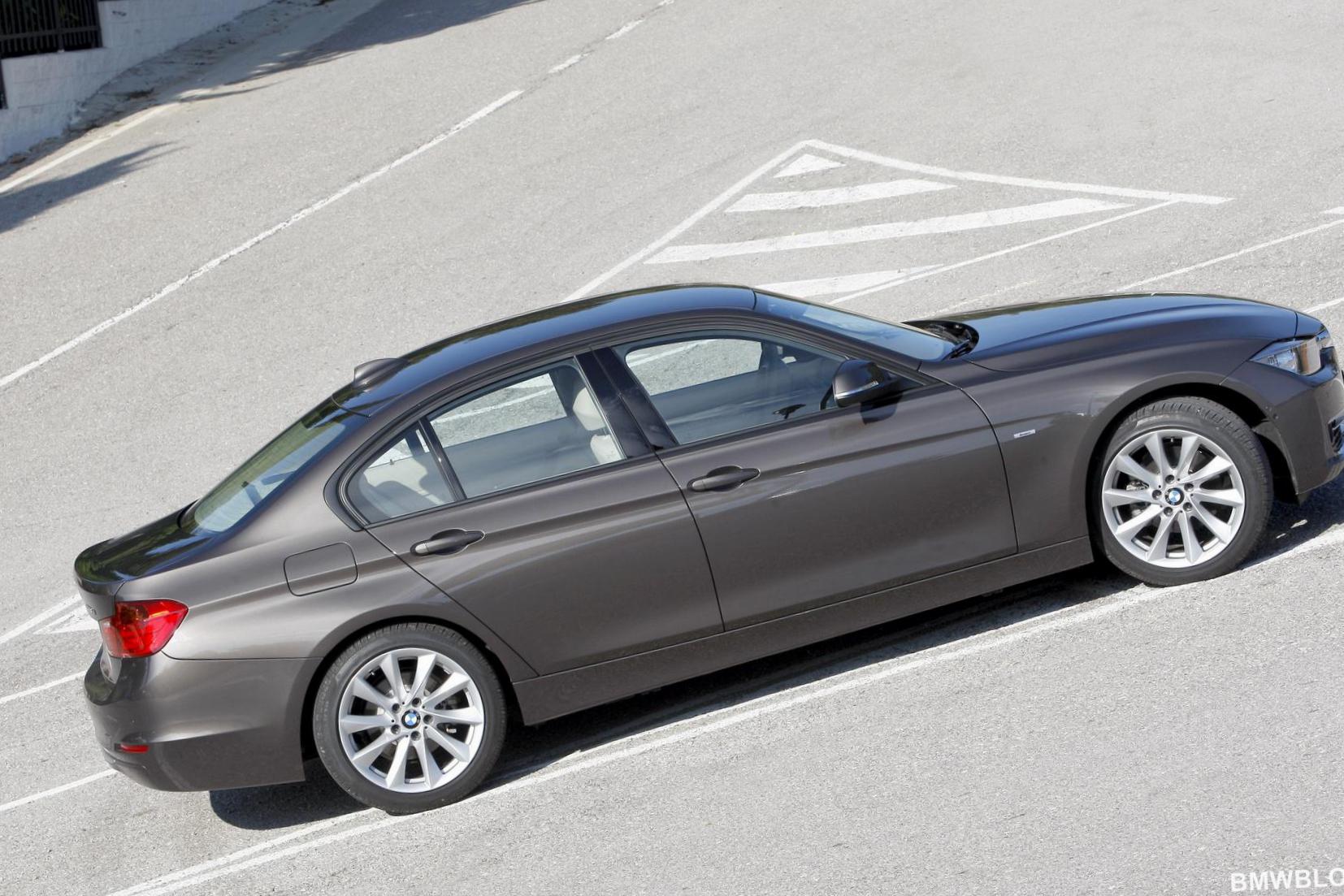
BMW 3 Series ActiveHybrid (F30) specifications are shown with trim options, key technical data, and a model photo gallery. Compare 1 configurations by engine size, power, seating, and transmission. The gallery includes 25 photos for visual reference.
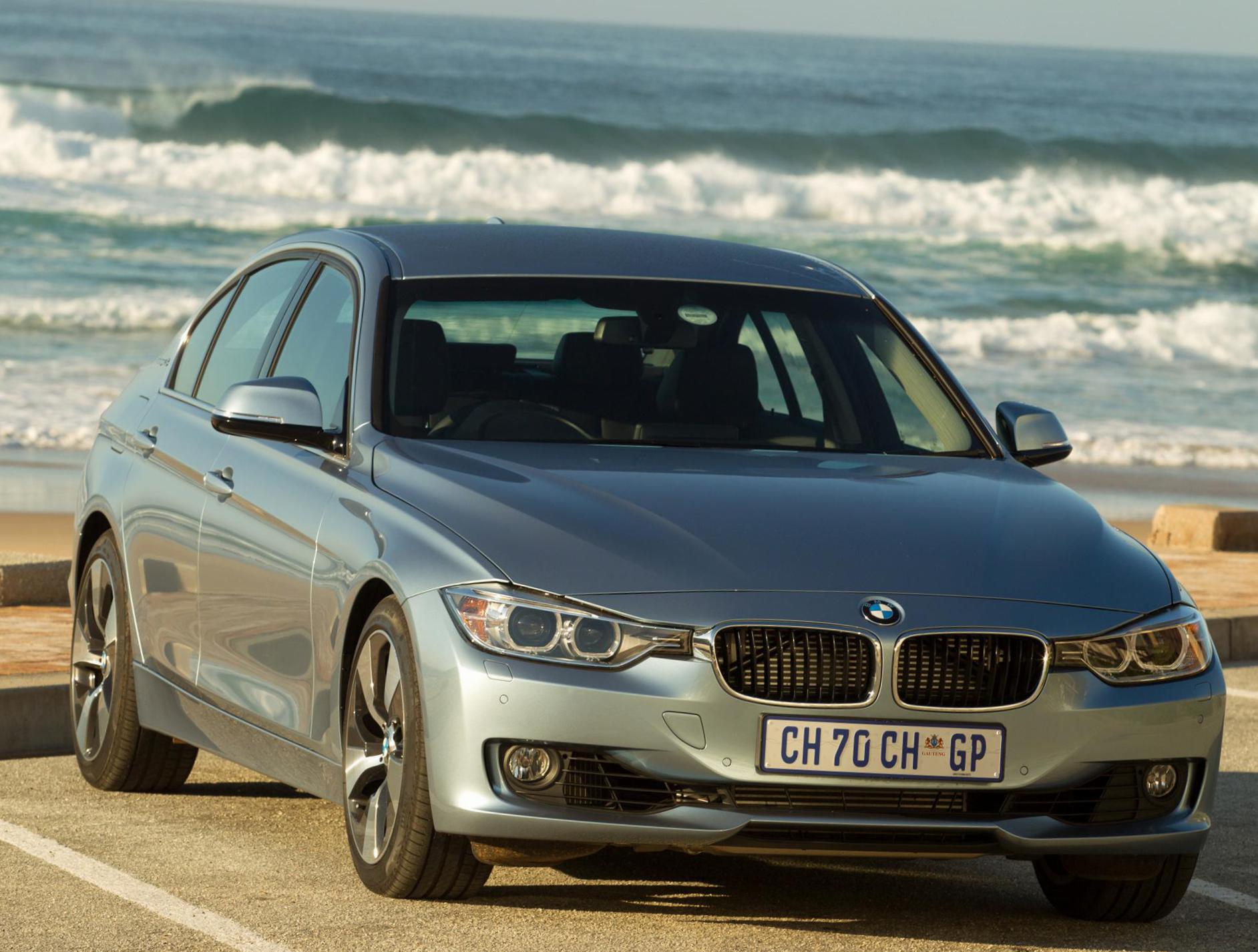
BMW 3 Series ActiveHybrid (F30) at a glance
Quick model context before comparing photos and trim-level specifications.
Use this BMW 3 Series ActiveHybrid (F30) page as a compact reference for photos, trim comparison, and detailed technical specifications. The current data covers 340 hp and 2979 cc engine displacement. For exact values, open a trim section because specifications can differ between configurations.
- Power: 340 hp
- Engine displacement: 2979 cc
- Transmissions: 8
- Seating: 5 seats
Photos, trims and specifications for BMW 3 Series ActiveHybrid (F30)
This model page brings gallery images, trim comparison, and detailed technical data together for the 2013 generation.
Trims and key specifications
Use this table to compare the main differences between available configurations.
| Trim / modification | Engine | Power | Seats | Transmission |
|---|---|---|---|---|
| ActiveHybrid | 2979 cc | 340 hp | 5 | 8 |
Specifications can vary by market, model year, and equipment package. Use the trim sections below to review the full data for each configuration.
BMW 3 Series ActiveHybrid (F30) photo gallery
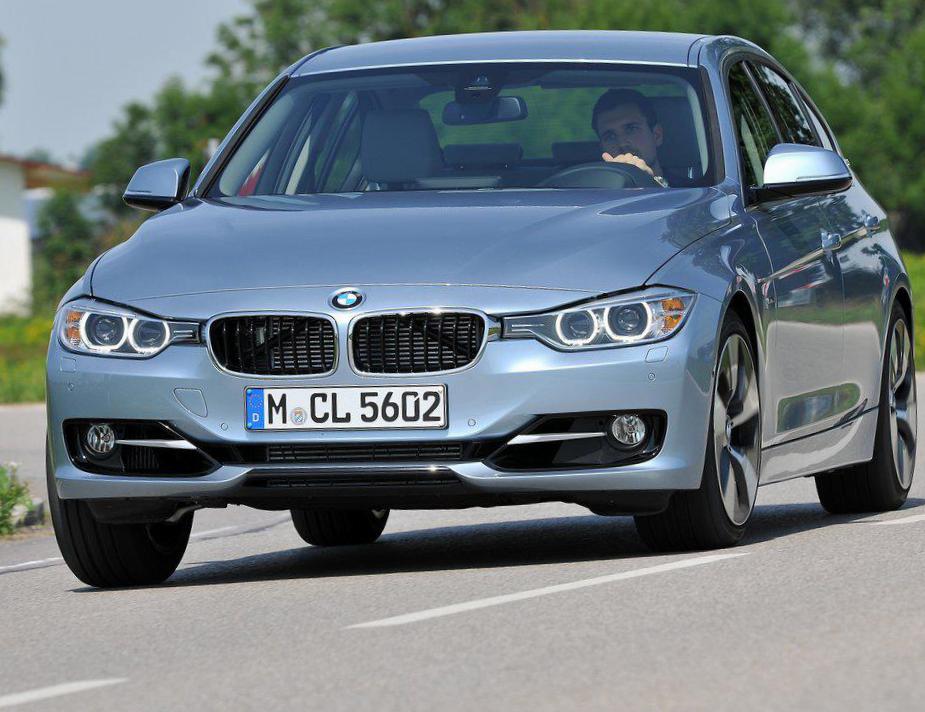
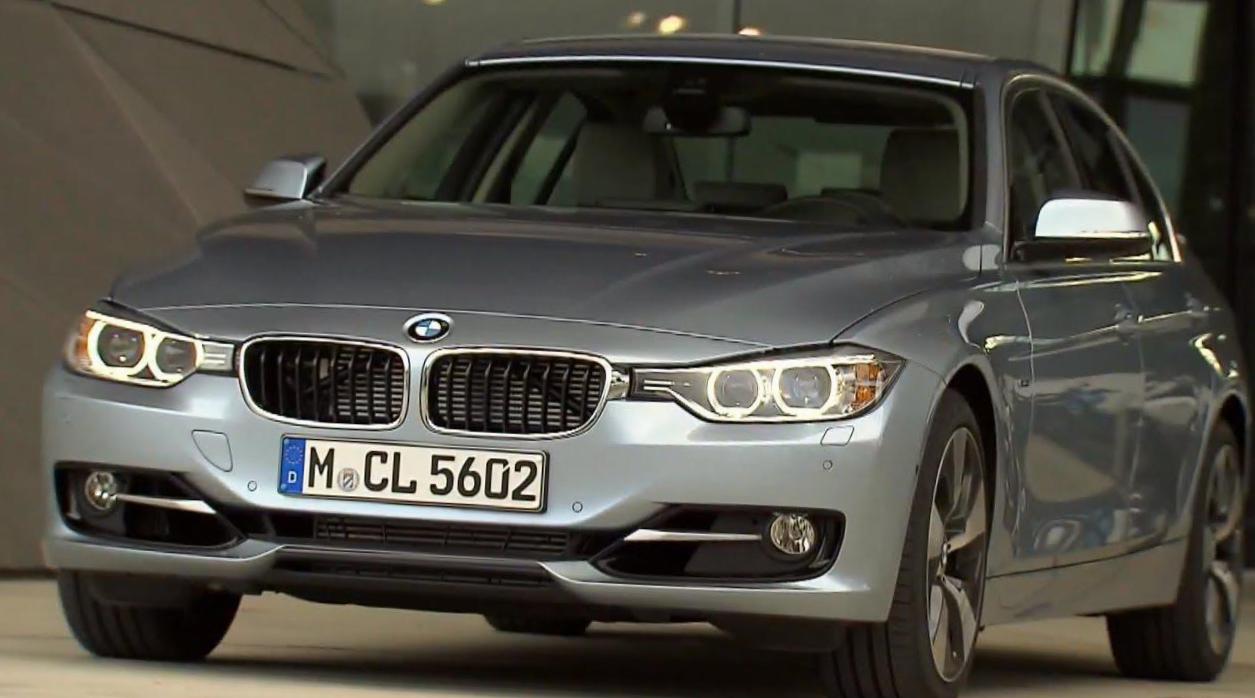
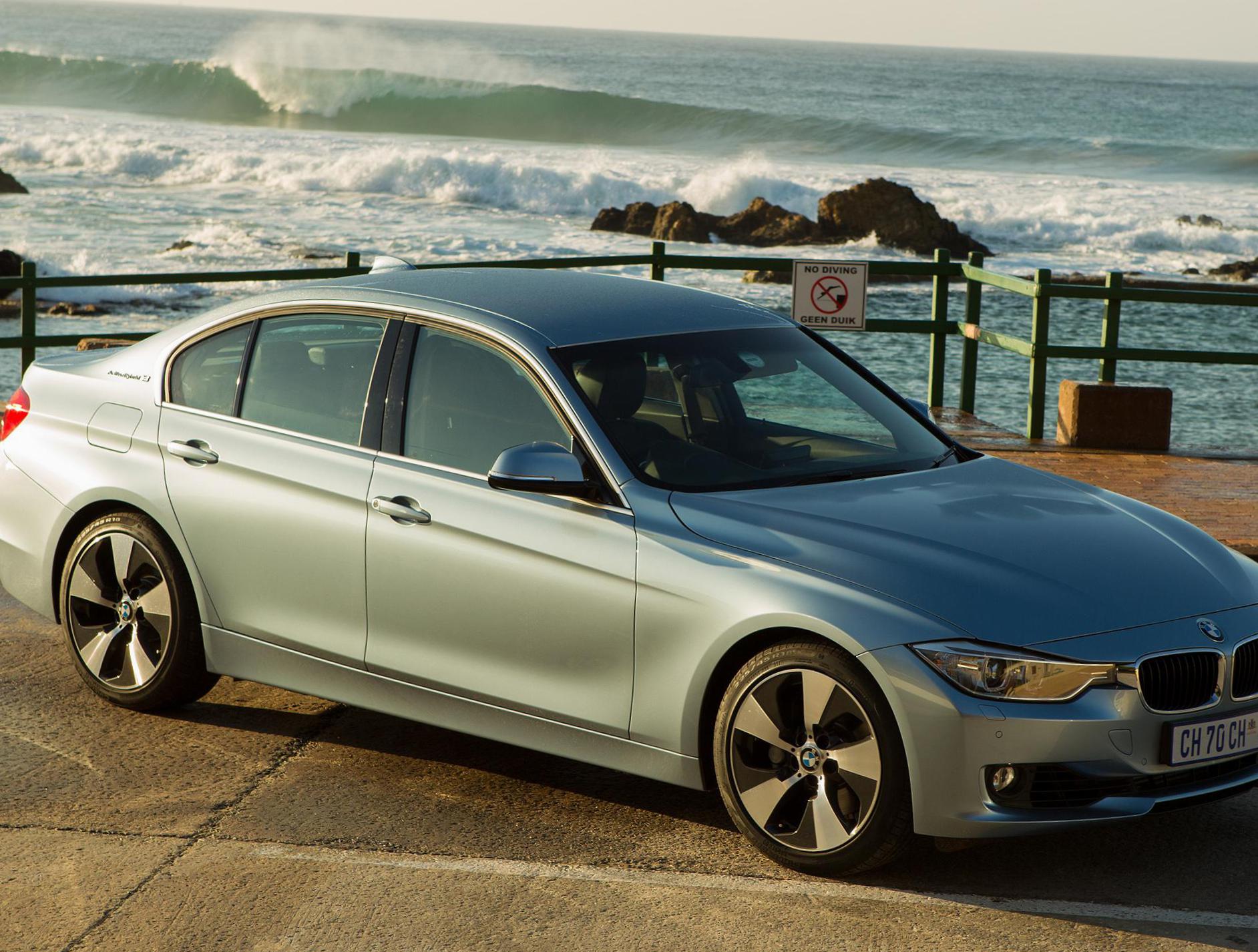
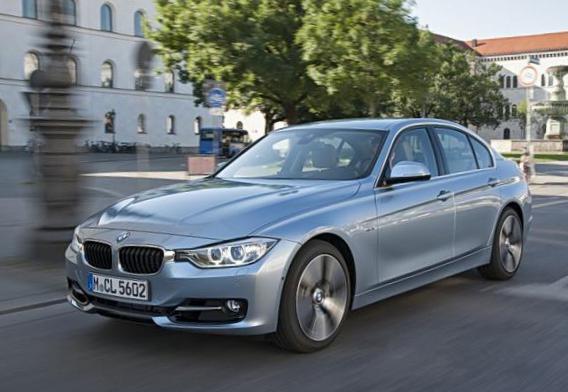
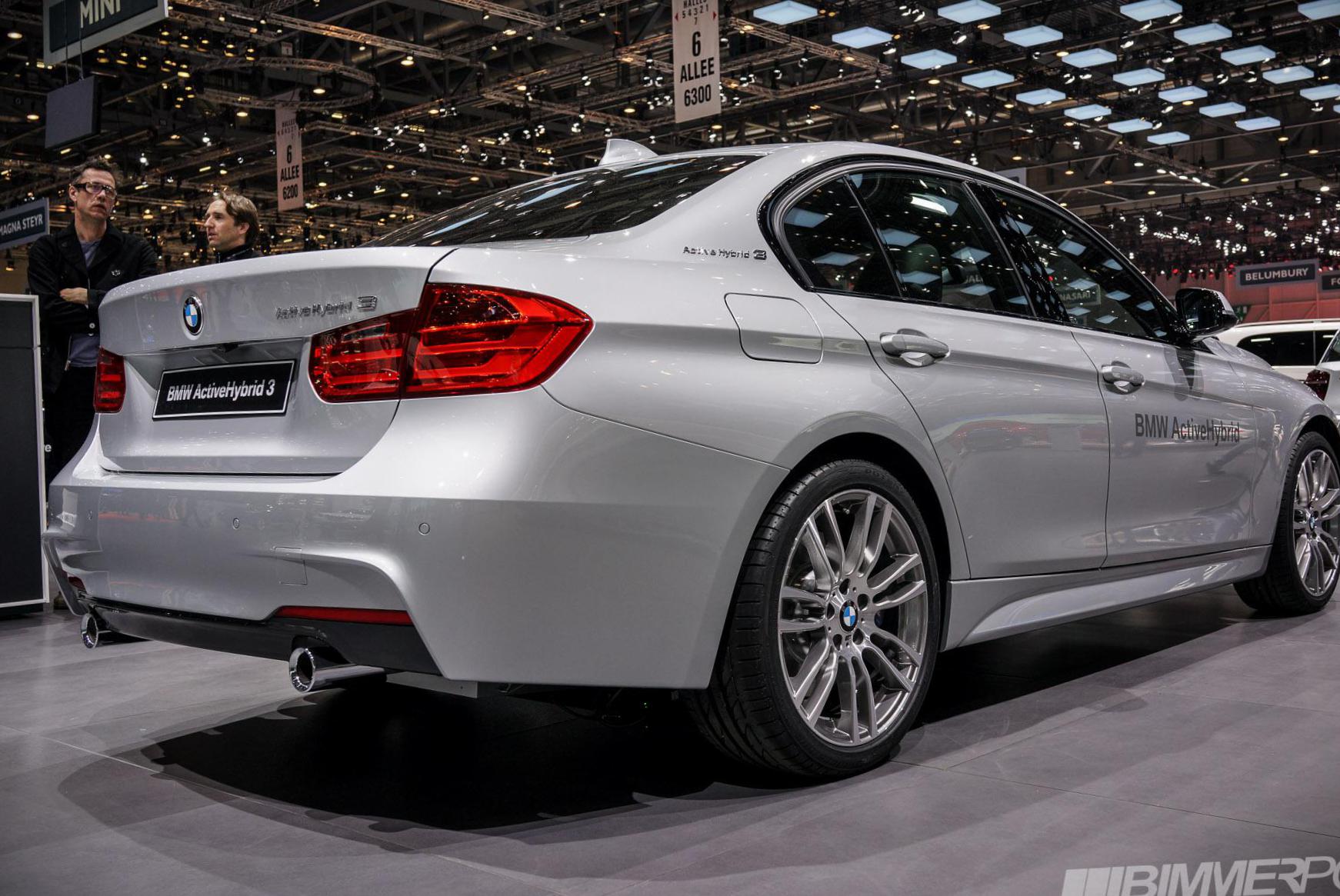
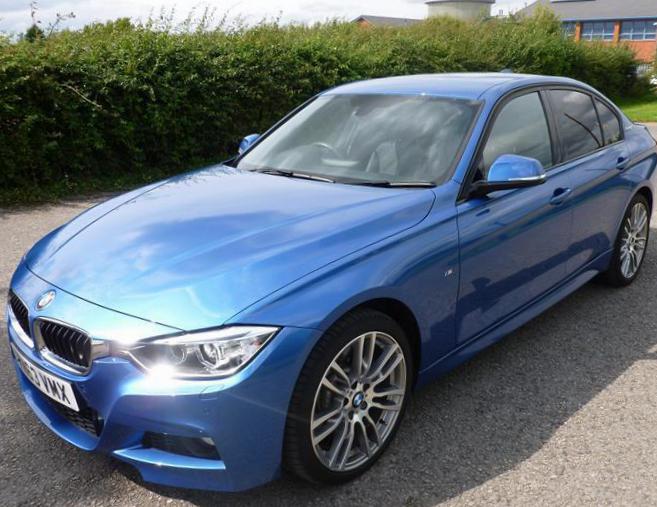
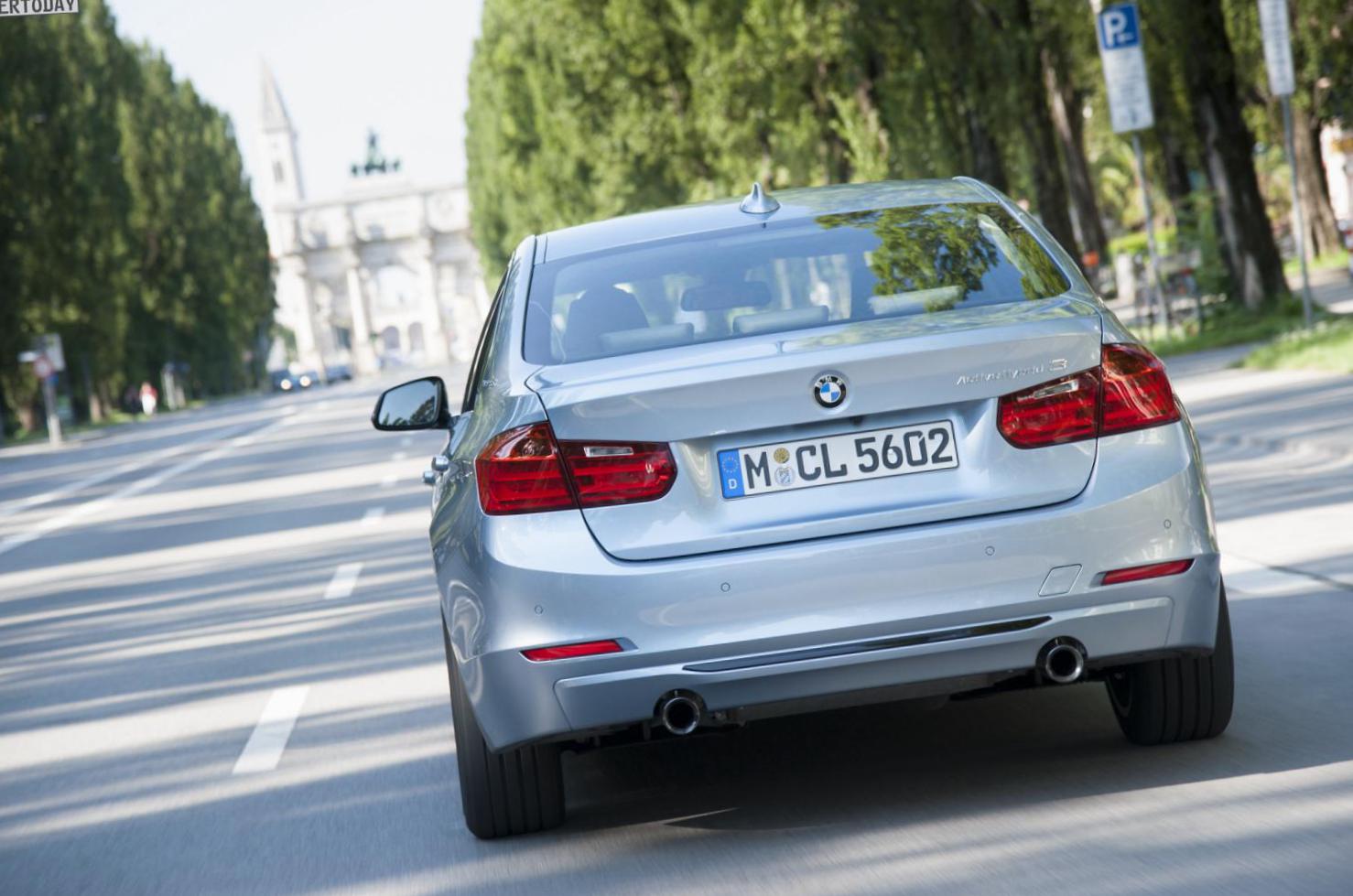
25 images are collected here with the main specifications and trim data for this model.
Photo BMW 3 Series ActiveHybrid (F30)
Specifications by trim
Choose a configuration below to open full technical data grouped by category.
ActiveHybrid 48 specifications
Specifications
Engine
| Type of engine | Hybrid |
|---|---|
| Type of fuel | Gasoline |
| Displacement, cc | 2979 |
| Cylinders location | inline |
| Number of cylinders | 6 |
| Valves | 24 |
| Power, hp | 340 |
| Torque, Nm | 450 |
| Engine | 3.0h |
| Compression | 10.2 |
| Turbo | + |
| Power electric motor HP | 55 |
| the motor torque Nm | 210 |
| Engine power, hp | 306 |
| Revolutions max. Engine power, vol. / min. | 5800-6400 |
| the engine torque, Nm | 400 |
| Revolutions max. engine torque, vol. / min. | 1200-5000 |
| Engine code | N55B30+electric |
| EV-mode | + |
Performance
| Fuel consumption (urban cycle), l. 100 km | 5.5 |
|---|---|
| Fuel consumption (urban), l. 100 km | 6.2 |
| Fuel consumption (combined), l. 100 km | 5.9 |
| Acceleration (0-100 km/h), s | 5.3 |
| The maximum speed, km / h. | 250 |
| The rate of toxicity | Euro VI |
Dimensions
| Seats | 5 |
|---|---|
| Length mm | 4624 |
| Width | 1811 |
| Height mm | 1413 |
| Wheelbase mm | 2810 |
| Front track, mm | 1543 |
| Rear track, mm | 1583 |
| Kerb weight, kg | 1655 |
| Trunk capacity, L | 391 |
| Fuel tank, l | 57 |
| Ground clearance, mm | 140 |
| Gross weight, kg | 2185 |
Transmission
| Automatic transmission | + |
|---|---|
| Number of gears | 8 |
| Drive | Rear |
| Transmission | 8-Steptronic (8HP) |
| Gearbox | Automatic |
| Transmission manufacturer | ZF |
| Transmission country of origin | Germany |
Brake system
| The front brakes | Ventilated discs |
|---|---|
| Rear brakes | Ventilated discs |
Equipment
Wheels
| Disc diameter | 17 |
|---|---|
| Tires | 225/50R17 |
BMW 3 Series ActiveHybrid (F30) questions
Short answers based on the specifications and photos available in this catalog.
How many trims are listed for the BMW 3 Series ActiveHybrid (F30)?
This page lists 1 trim for the BMW 3 Series ActiveHybrid (F30), with key data shown in the comparison table and full specifications grouped below.
What is the power range for the BMW 3 Series ActiveHybrid (F30)?
The listed configurations show a power range of 340 hp. Exact output can vary by engine, transmission, market, and model year.
What engine displacement is shown for the BMW 3 Series ActiveHybrid (F30)?
The available specification data shows engine displacement from 2979 cc across the trims listed on this page.
Which transmissions are listed for the BMW 3 Series ActiveHybrid (F30)?
The transmission options currently shown for this model are: 8. Open a trim section to see the full data for a specific configuration.
Are there photos for the BMW 3 Series ActiveHybrid (F30)?
Yes. The gallery includes 25 photos for the BMW 3 Series ActiveHybrid (F30), including exterior and interior views where available.
Why can specifications differ for the same model?
Automotive specifications can differ by market, production year, body style, trim package, and transmission. Use the trim selector and detailed specification sections to compare exact configurations.