Dacia Dokker Van specifications and photos
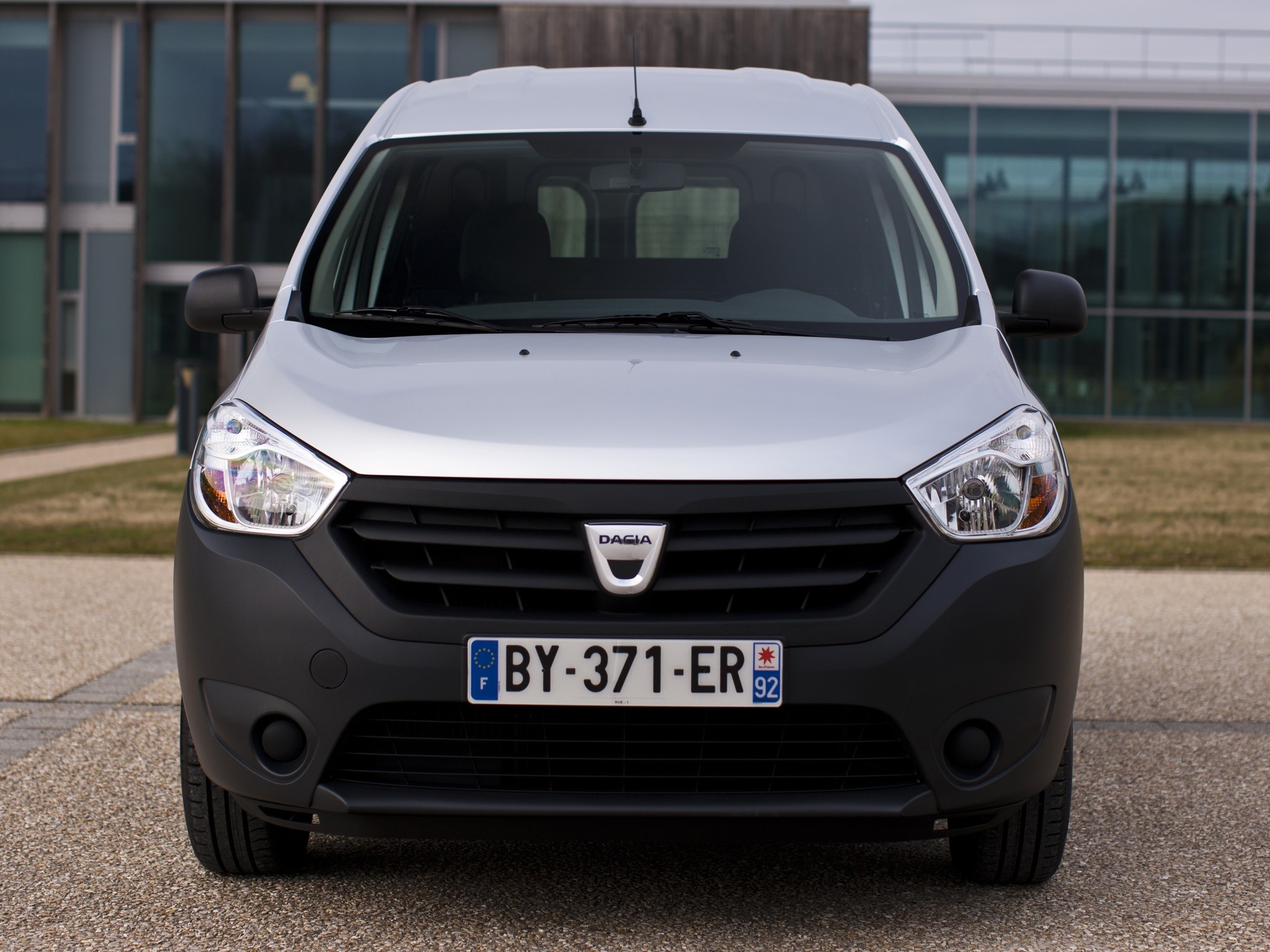
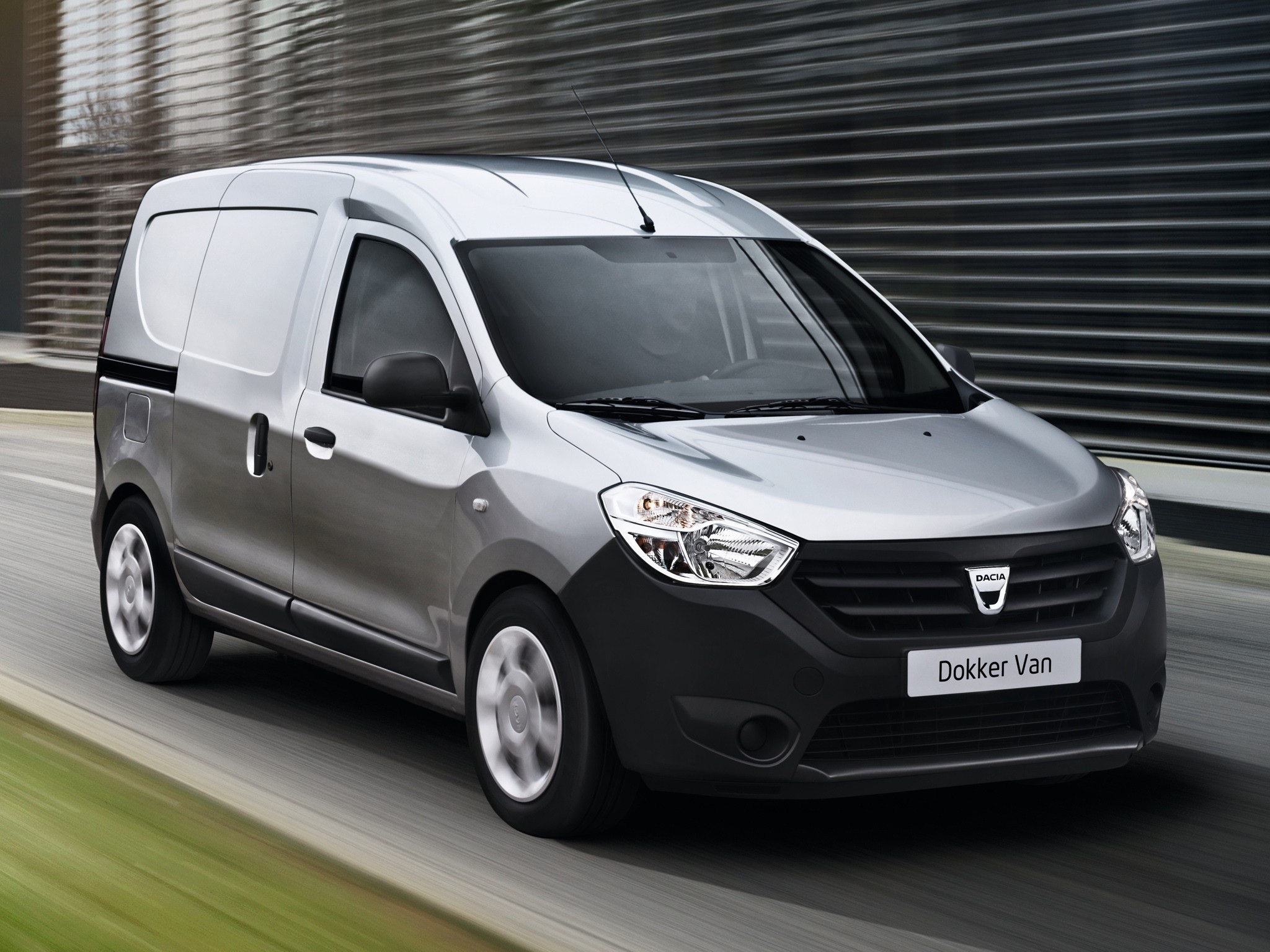
The 2012 Dacia Dokker Van is a front-wheel-drive commercial panel van sharing a platform with the Dacia Lodgy. Built for budget-conscious business operators, it focuses on utility and straightforward functionality.
Dacia Dokker Van at a glance
Quick model context before comparing photos and trim-level specifications.
Revealed at the 2012 Casablanca Auto Show and built in Tangier, Morocco, the Dacia Dokker Van was developed as a direct competitor in the light commercial vehicle segment, drawing conceptual inspiration from the Renault Kangoo. Measuring 4.36 meters long, it is slightly shorter than the Lodgy passenger car but uses its height and square profile to optimize rear cargo space. The vehicle caters to commercial buyers who require maximum cargo volume and low operating costs without paying for unnecessary luxury features. It combines a simple front-wheel-drive chassis with a selection of efficient small-displacement petrol and diesel engines, serving as a reliable workhorse for urban deliveries and trade services.
- Power: 75-115 hp
- Engine displacement: 1198-1598 cc
- Transmissions: 5-speed manual
- Seating: 2 seats
Photos, trims and specifications for Dacia Dokker Van
This model page brings gallery images, trim comparison, and detailed technical data together for the 2012 generation.
Estimate fuel cost
Use trim-level fuel consumption data to estimate monthly and yearly fuel spending.
Fuel costs are estimates. Real consumption can change with driving style, traffic, tires, weather, load, and market-specific equipment.
Dacia Dokker Van overview
Editorial context for design, cabin, performance, practicality, and buyer notes.
Design
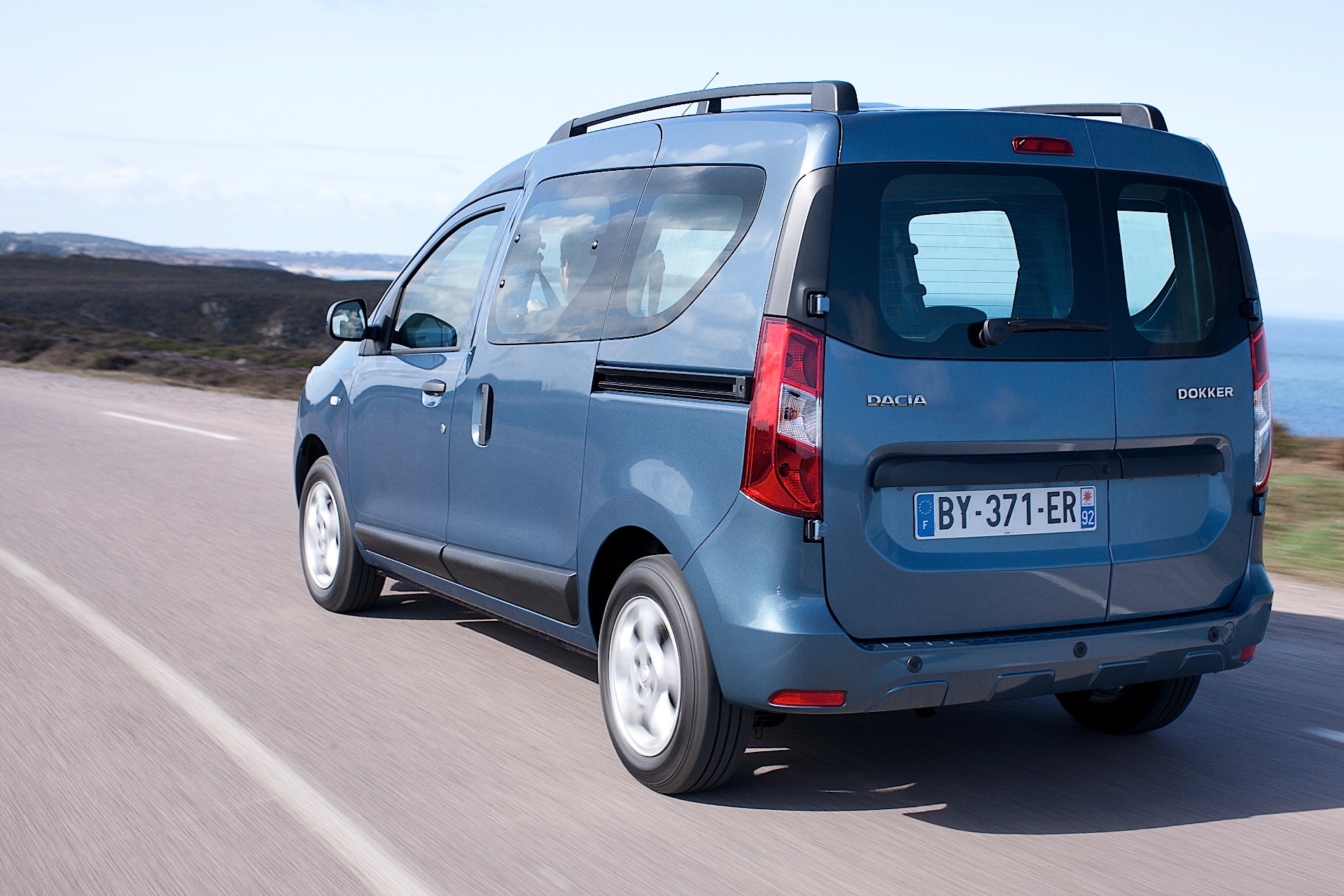
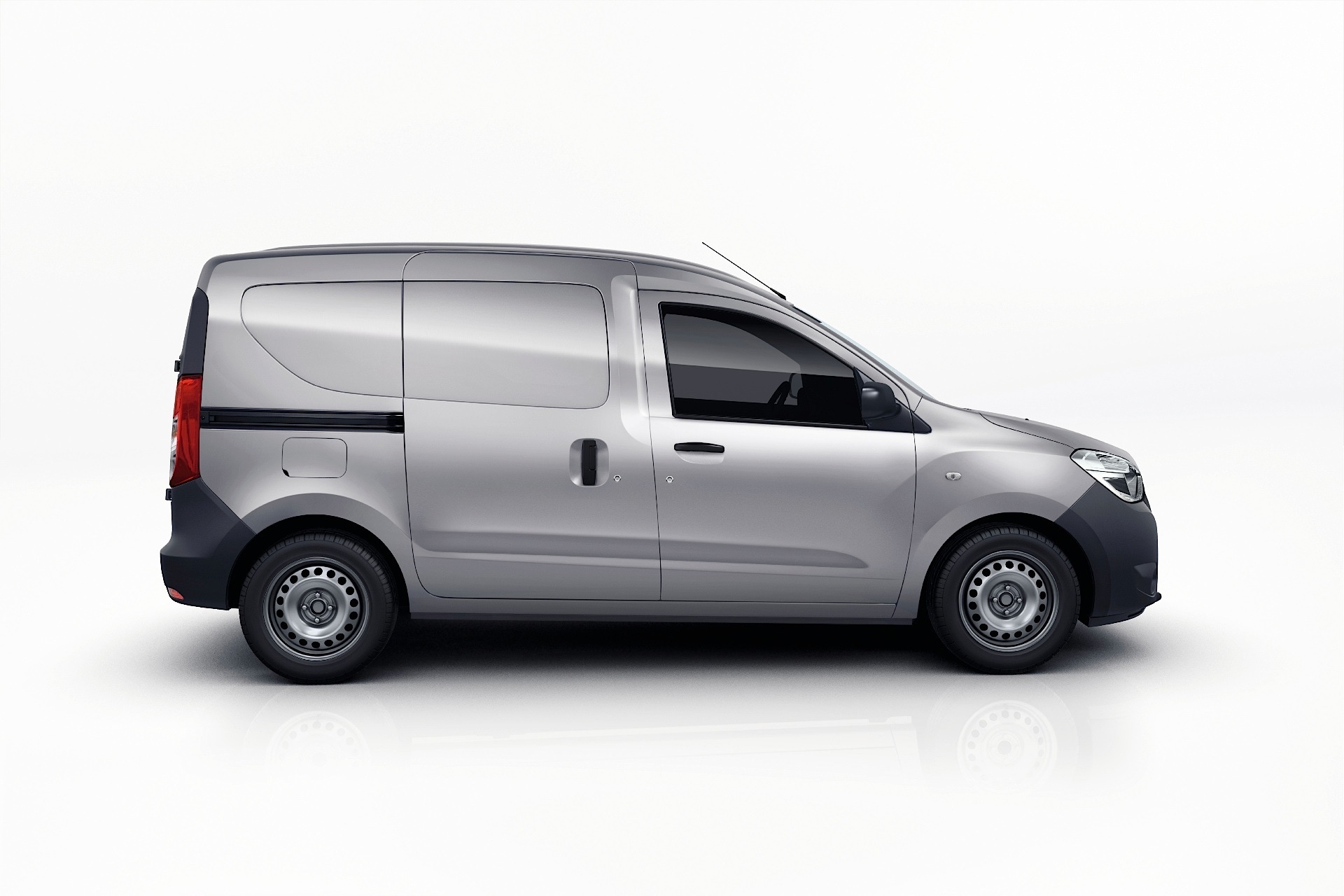
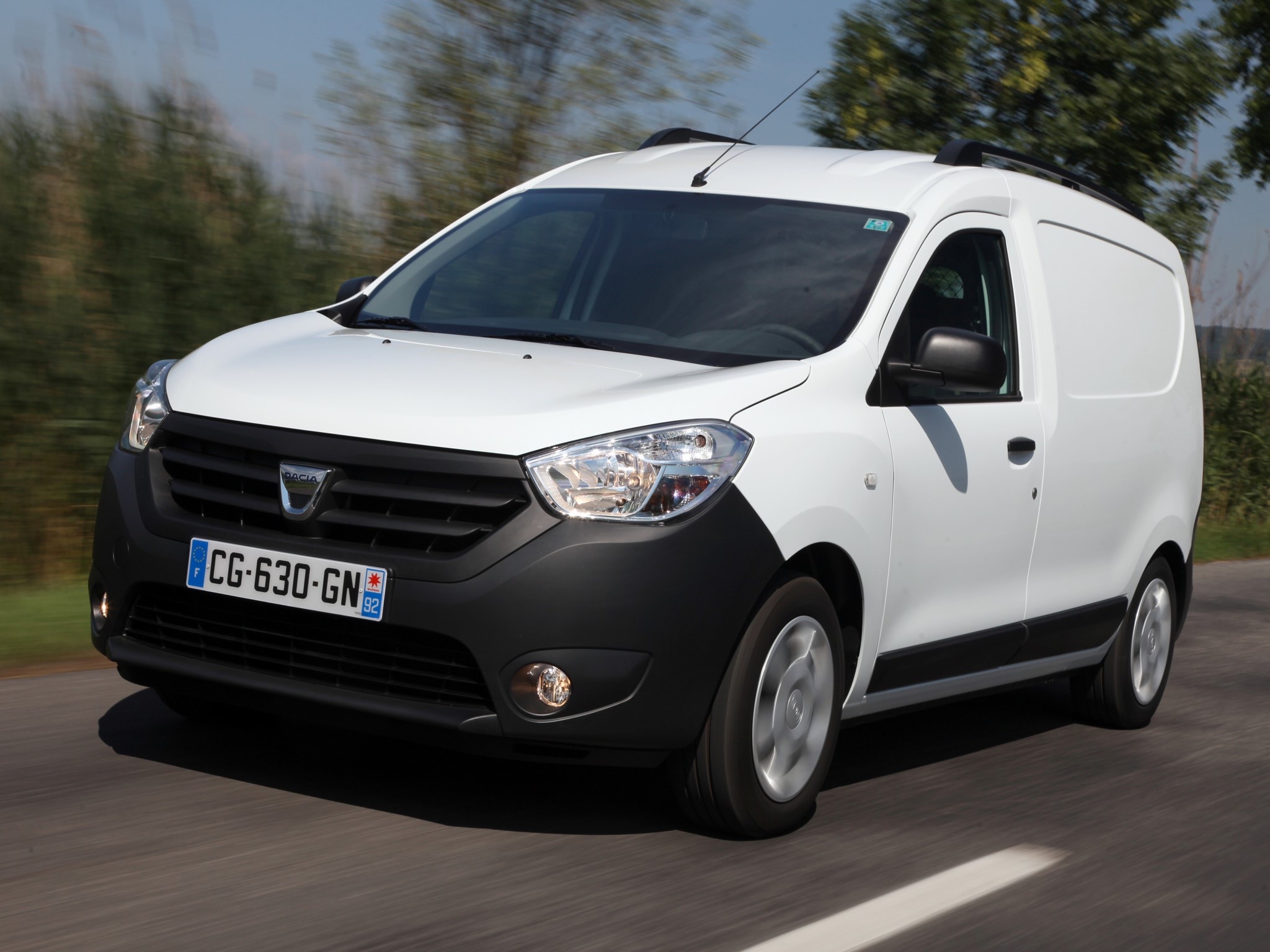
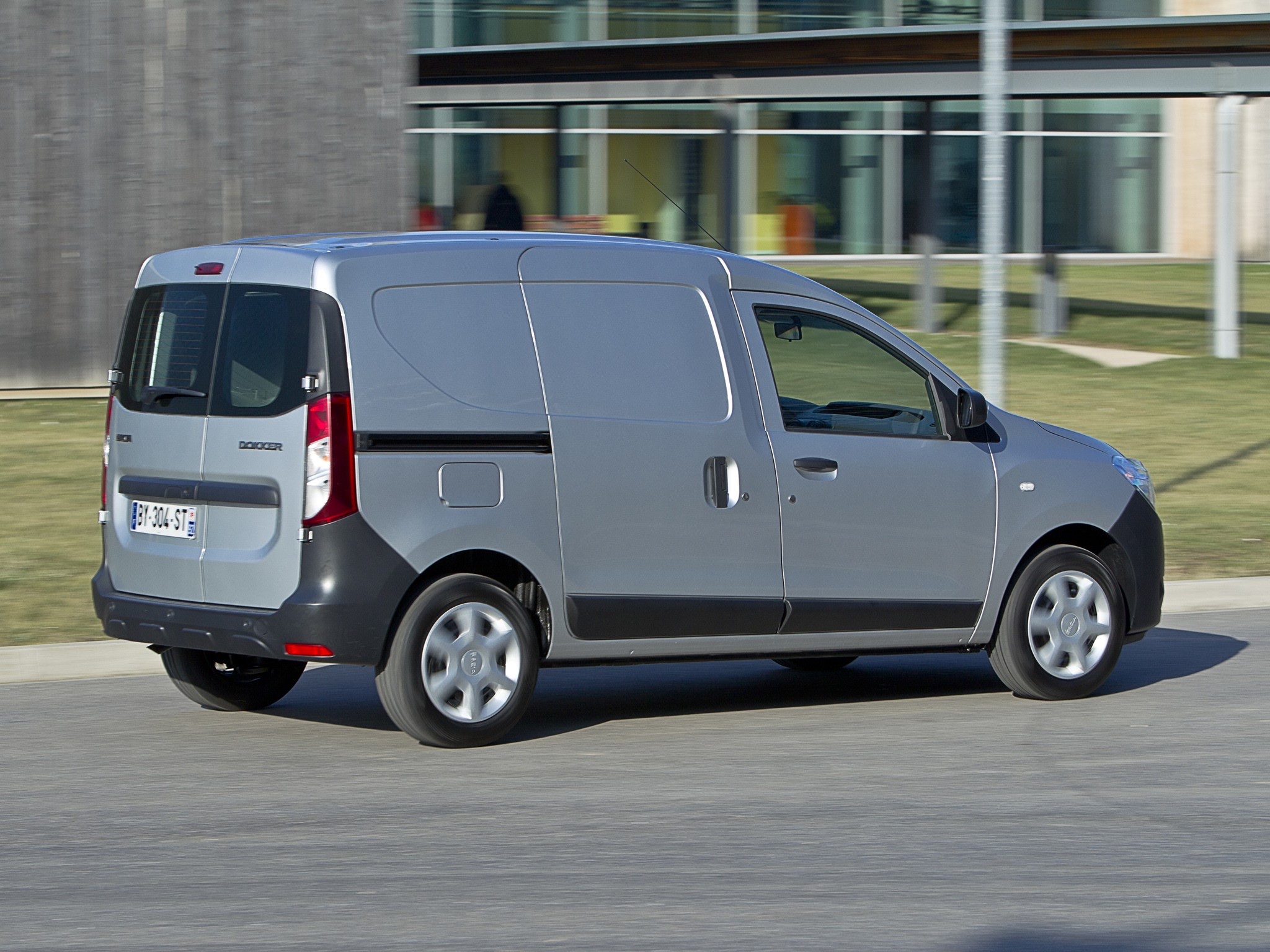
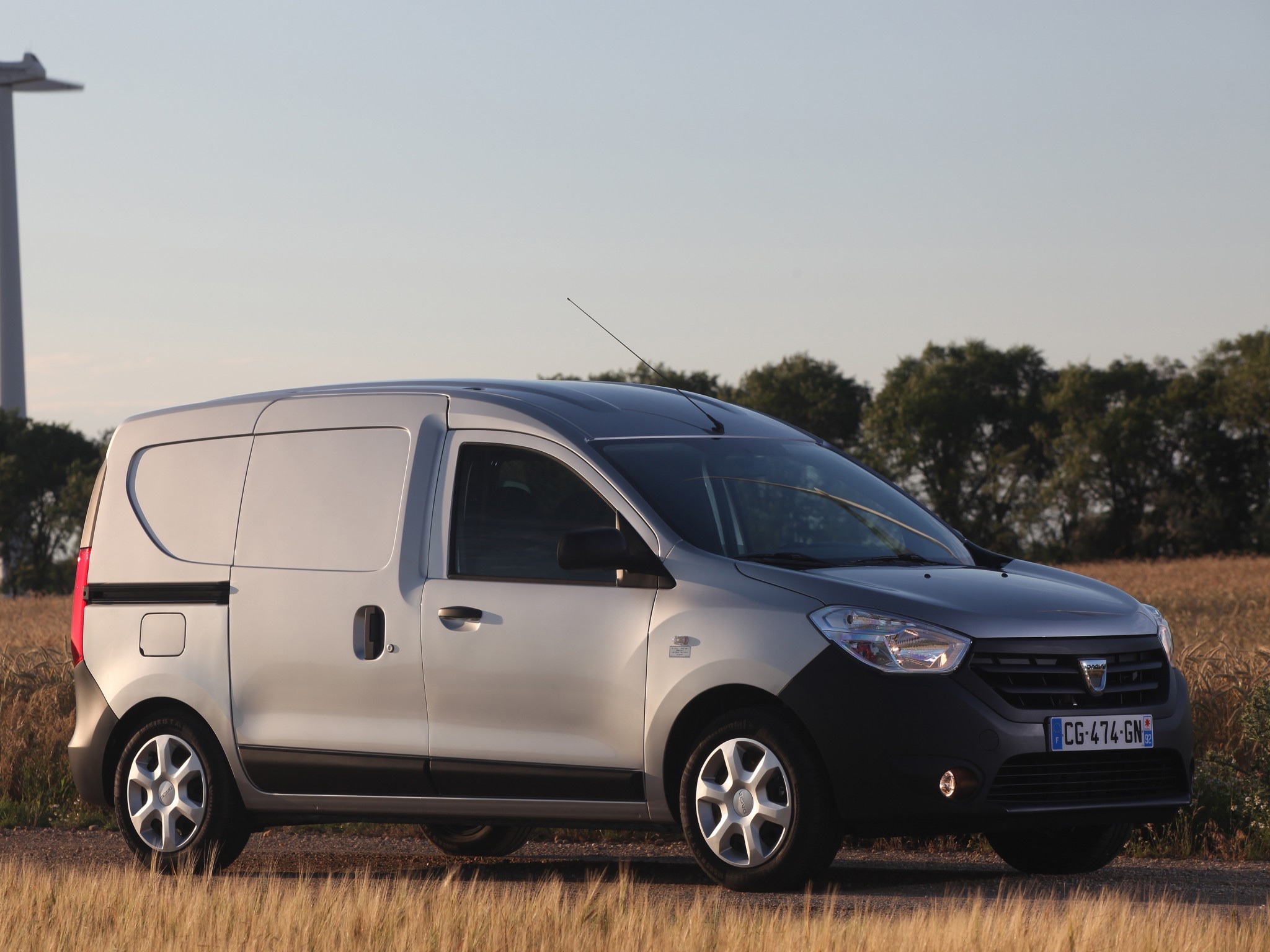
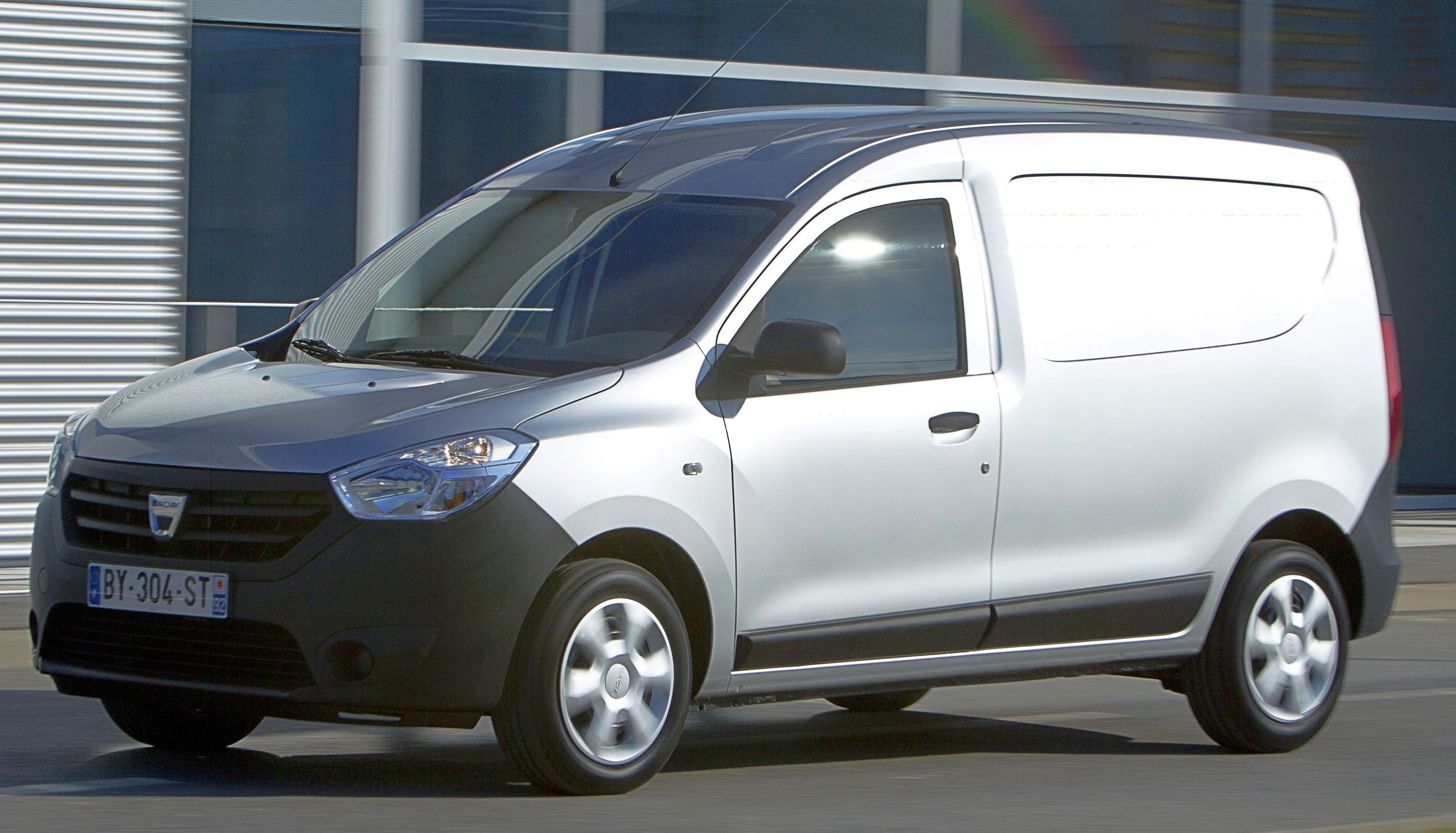
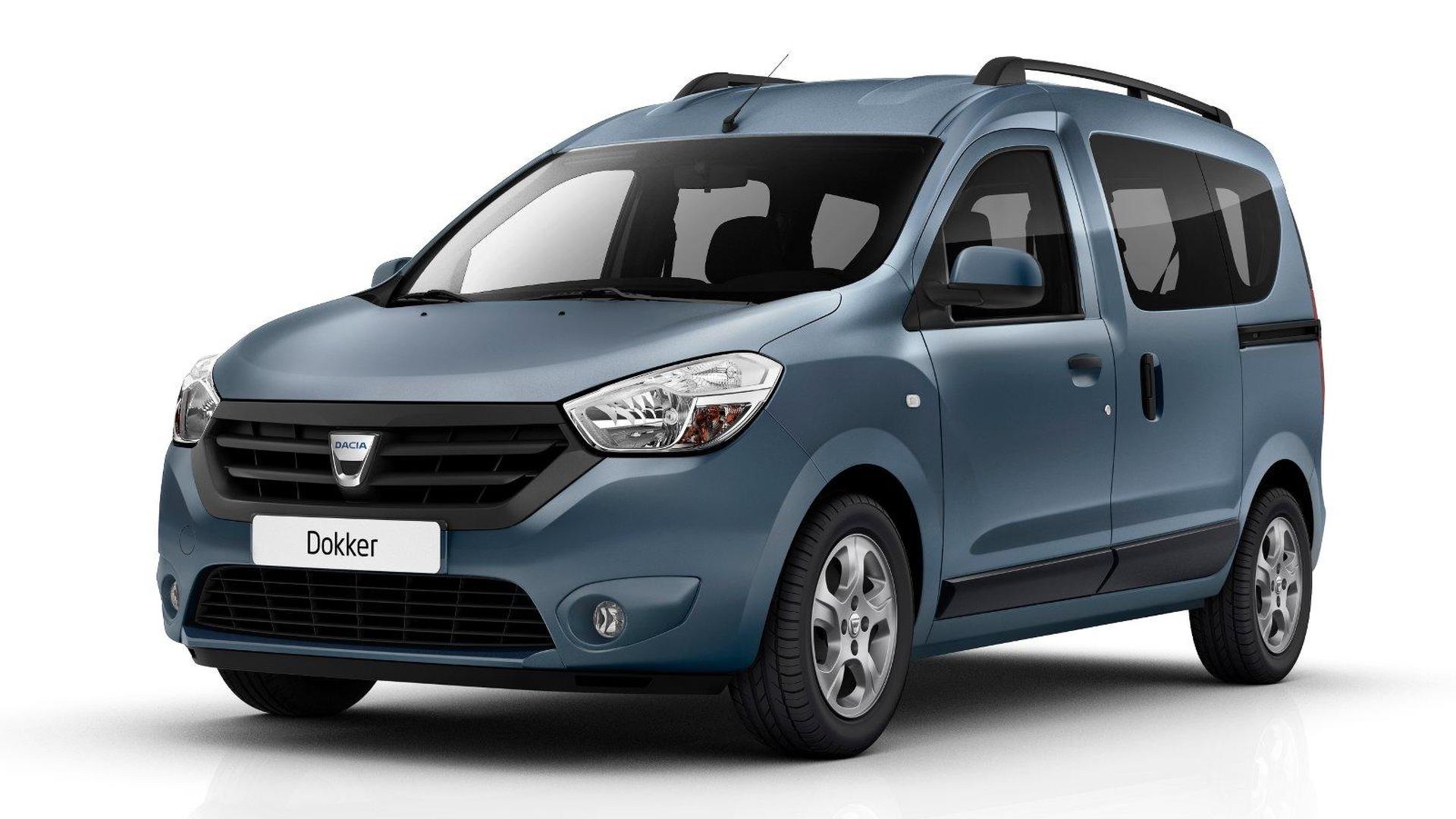
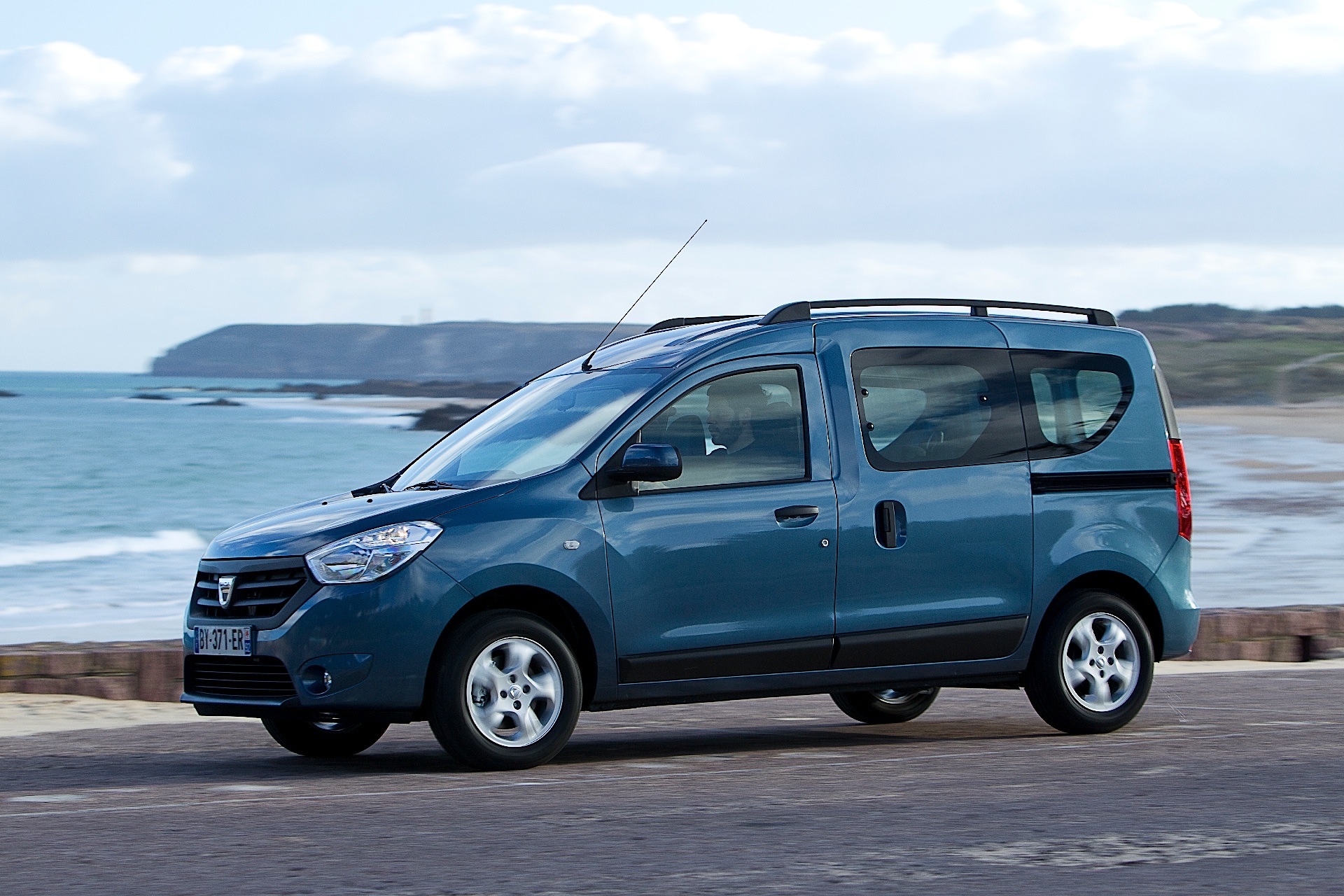
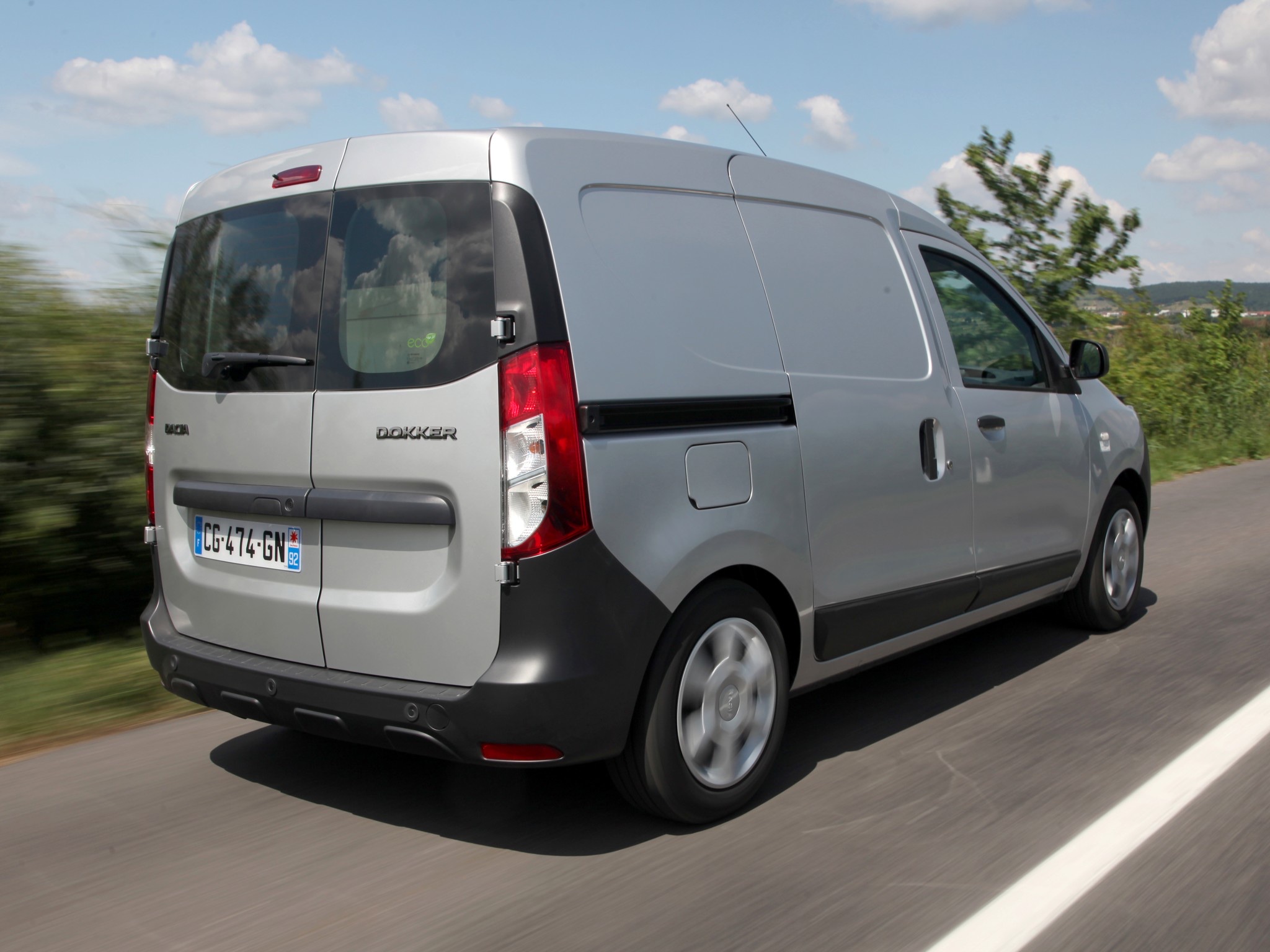
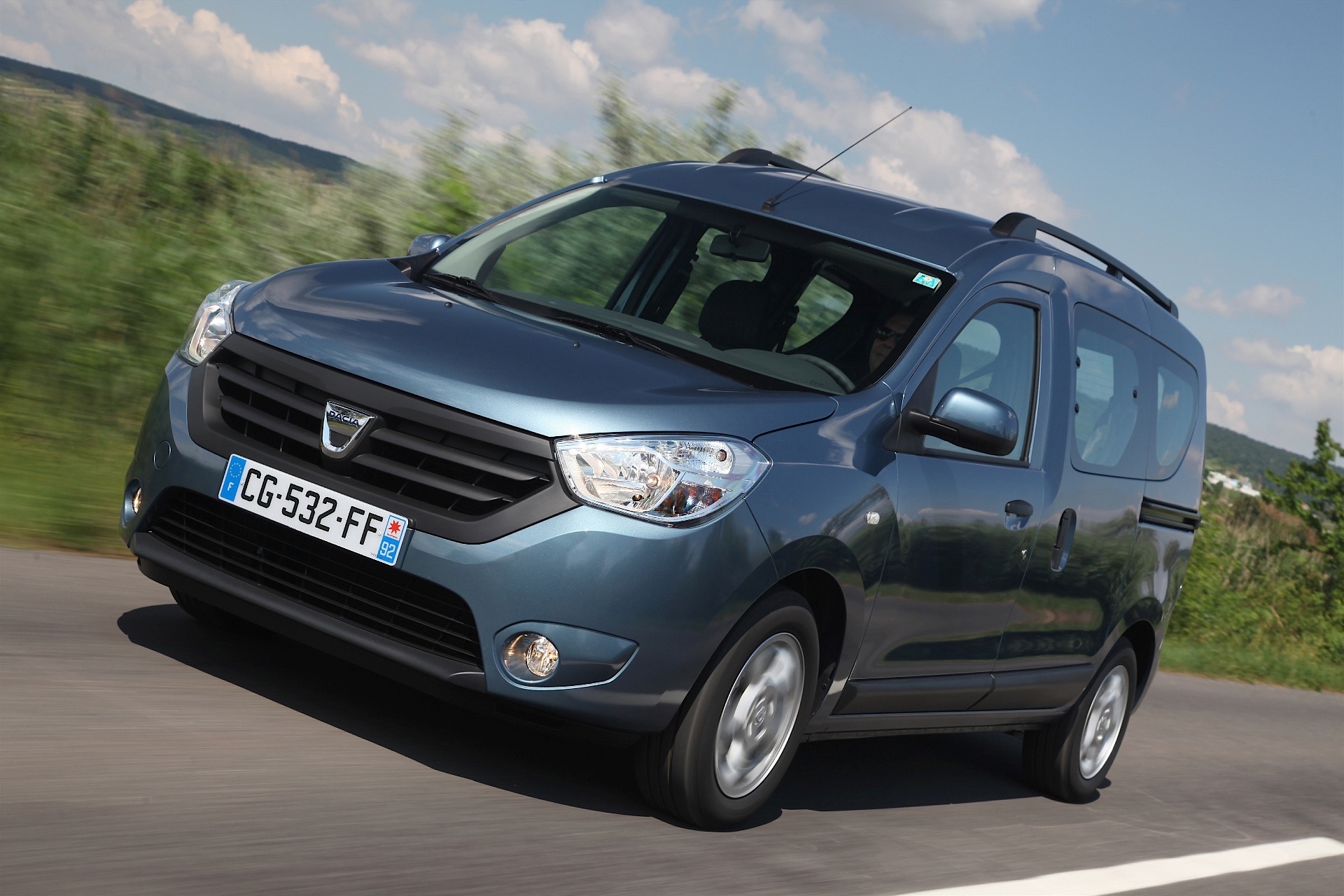
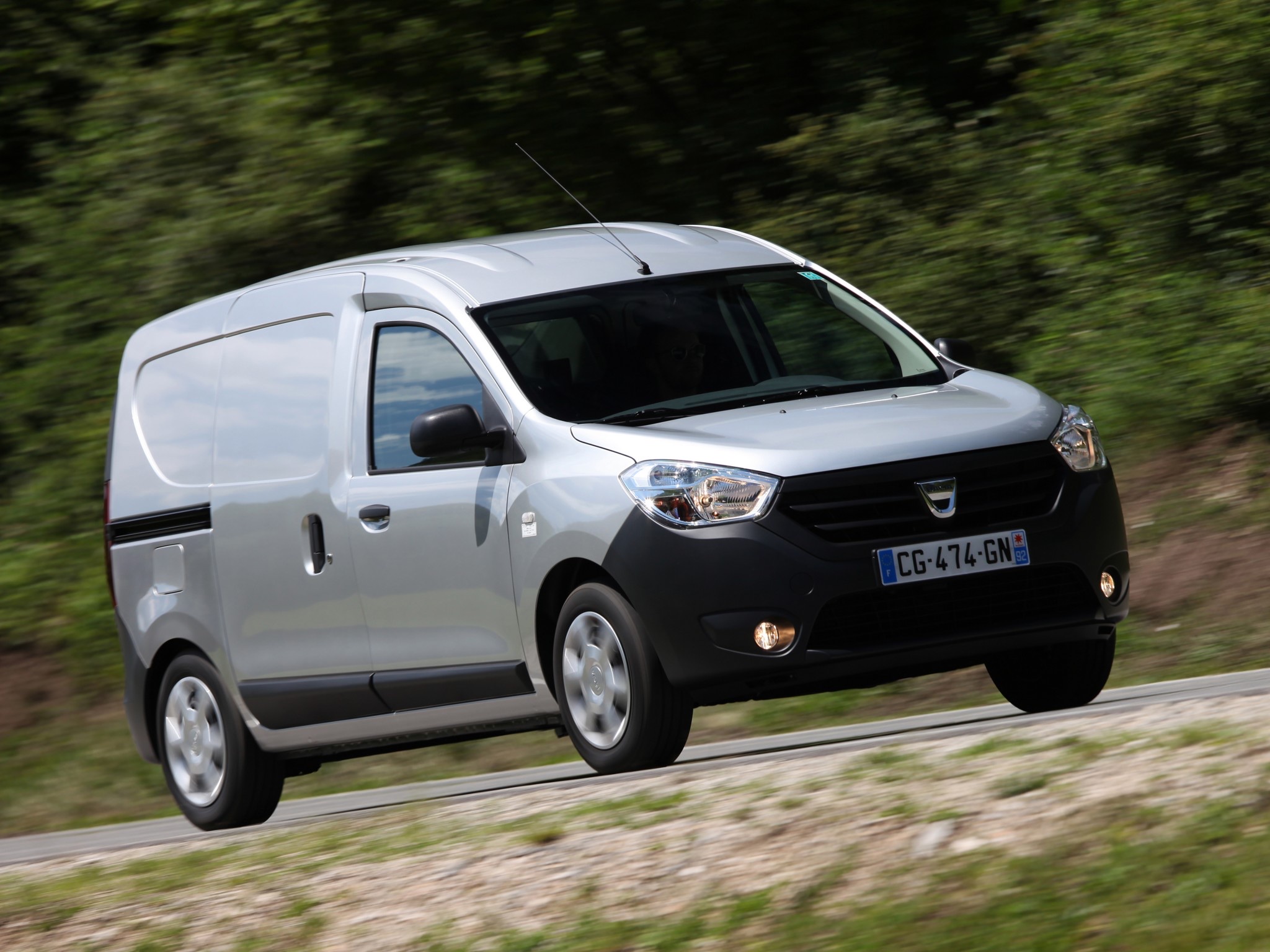
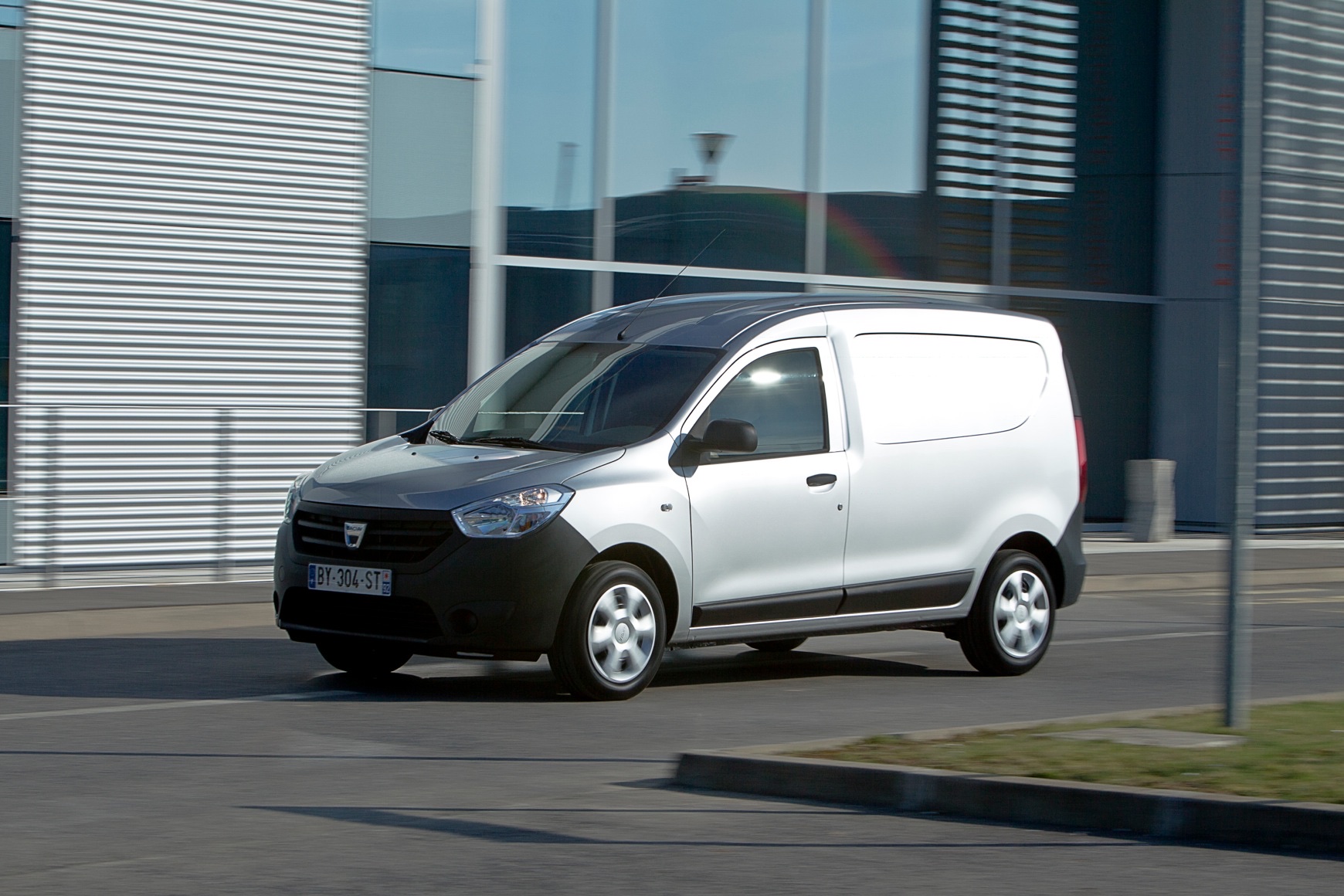
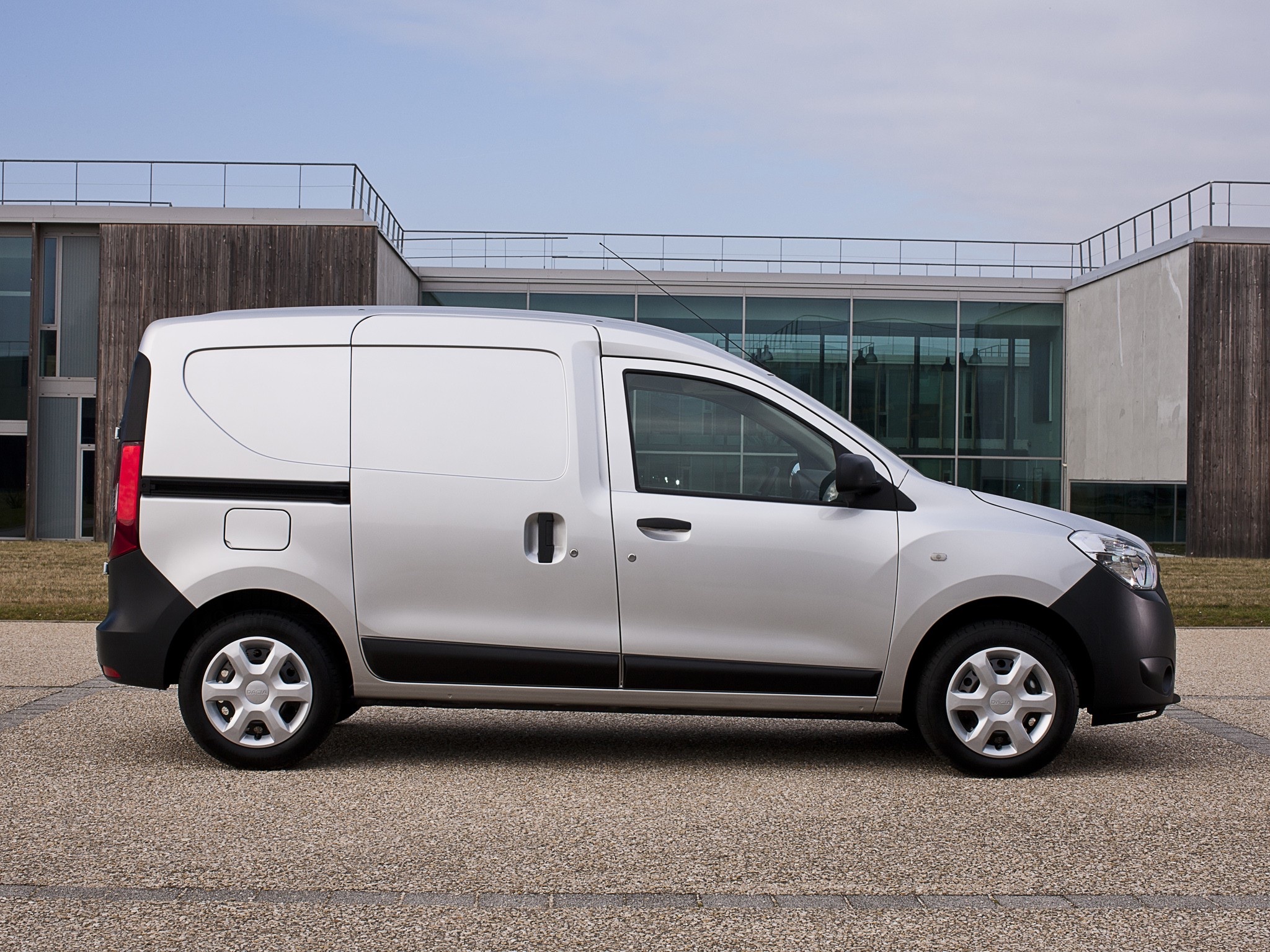
The Dacia Dokker Van features a purely functional exterior design with a tall, boxy rear compartment optimized for loading. It spans 4,363 mm in length, 1,751 mm in width, and 1,809 mm in height, resting on a 2,810 mm wheelbase. The design features a short front overhang and a high roofline, aligning with Dacia's simple, rugged design language. Ground clearance is rated at 120 mm. Access to the cargo area is facilitated by rear panel doors, designed to handle daily commercial loading demands in tight urban environments.
Interior
Designed as a two-seater, the cabin of the Dokker Van prioritizes durability with hard-wearing plastics and robust upholstery. The dashboard layout is simple and driver-focused, omitting complex controls to keep utility high. While base models are minimally equipped, the cabin can be optioned with comfort features such as air conditioning, cruise control, and a Media Nav infotainment system featuring a 7-inch color touchscreen display and navigation.
Performance
Engine options include both petrol and diesel powerplants, all paired with a five-speed manual transmission driving the front wheels. The petrol line-up consists of a 1.6-liter engine producing 102 horsepower and a turbocharged 1.2-liter TCe unit delivering 115 horsepower, which offers the quickest 0-100 km/h sprint of 10.4 seconds. The diesel options rely on a 1.5-liter dCi engine available in 75-horsepower and 90-horsepower trims, both returning a highly economical combined fuel consumption of 4.1 liters per 100 km.
Practicality
Practicality is the core strength of the Dokker Van, offering a cargo volume of 3.0 cubic meters (3,000 liters) within its compact footprint. The cabin accommodates two occupants, leaving the entire rear section dedicated to goods. With a curb weight of 1,083 kg and a gross vehicle weight rating of 1,736 kg, the van can carry significant payloads, while its 11.1-meter turning circle ensures decent maneuverability in narrow streets.
Safety and tech
Standard safety and tech features are basic, keeping in line with the vehicle's budget positioning. The vehicle utilizes a front-wheel-drive setup for predictable handling under load. Optional tech upgrades include rear parking sensors, cruise control, speed limiter, and a touchscreen navigation system to assist drivers on delivery routes.
Buyer notes
When choosing a Dacia Dokker Van, buyers should match the engine to their driving habits. The 1.5-liter dCi diesel engines are ideal for fleet buyers and long-distance drivers due to their fuel economy. The 1.2-liter TCe petrol unit is better suited for shorter, urban trips where its quicker acceleration is beneficial. Since standard configurations are very basic, buyers should check for optional extras like air conditioning and parking sensors on the used market.
Trims and key specifications
Use this table to compare the main differences between available configurations.
| Trim / modification | Engine | Power | Seats | Transmission |
|---|---|---|---|---|
| 1.2 TCe (115 hp) 5-speed manual | 1198 cc | 115 hp | 2 | 5-speed manual |
| 1.5 DCI (75 hp) 5-speed manual | 1461 cc | 75 hp | 2 | 5-speed manual |
| 1.5 dCi (90 hp) 5-speed manual | 1461 cc | 90 hp | 2 | 5-speed manual |
| 1.6i (102 hp) 5-speed manual | 1598 cc | 102 hp | 2 | 5-speed manual |
Specifications can vary by market, model year, and equipment package. Use the trim sections below to review the full data for each configuration.
Dacia Dokker Van photo gallery
20 images are collected here with the main specifications and trim data for this model.
Photo Dacia Dokker Van
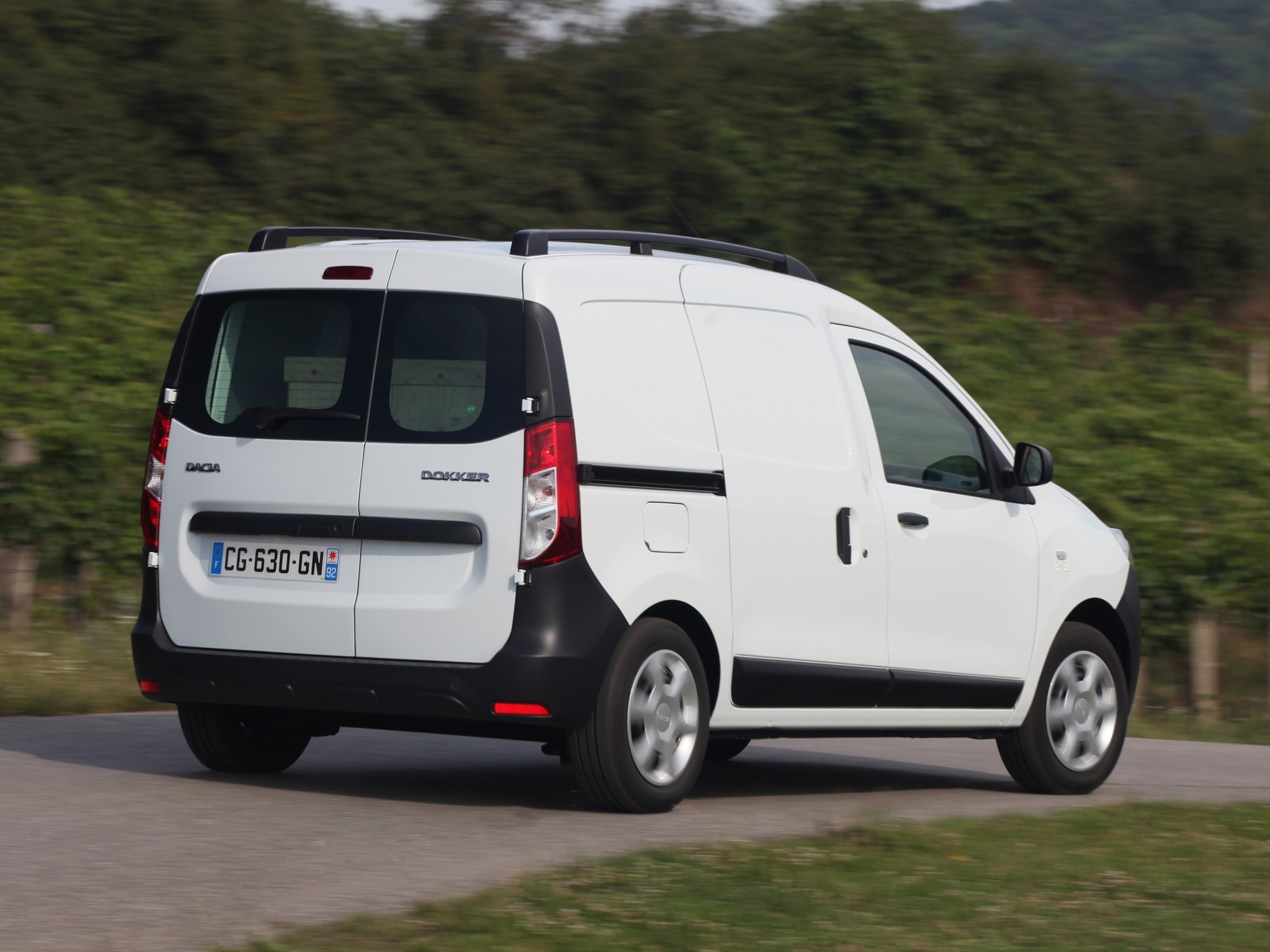
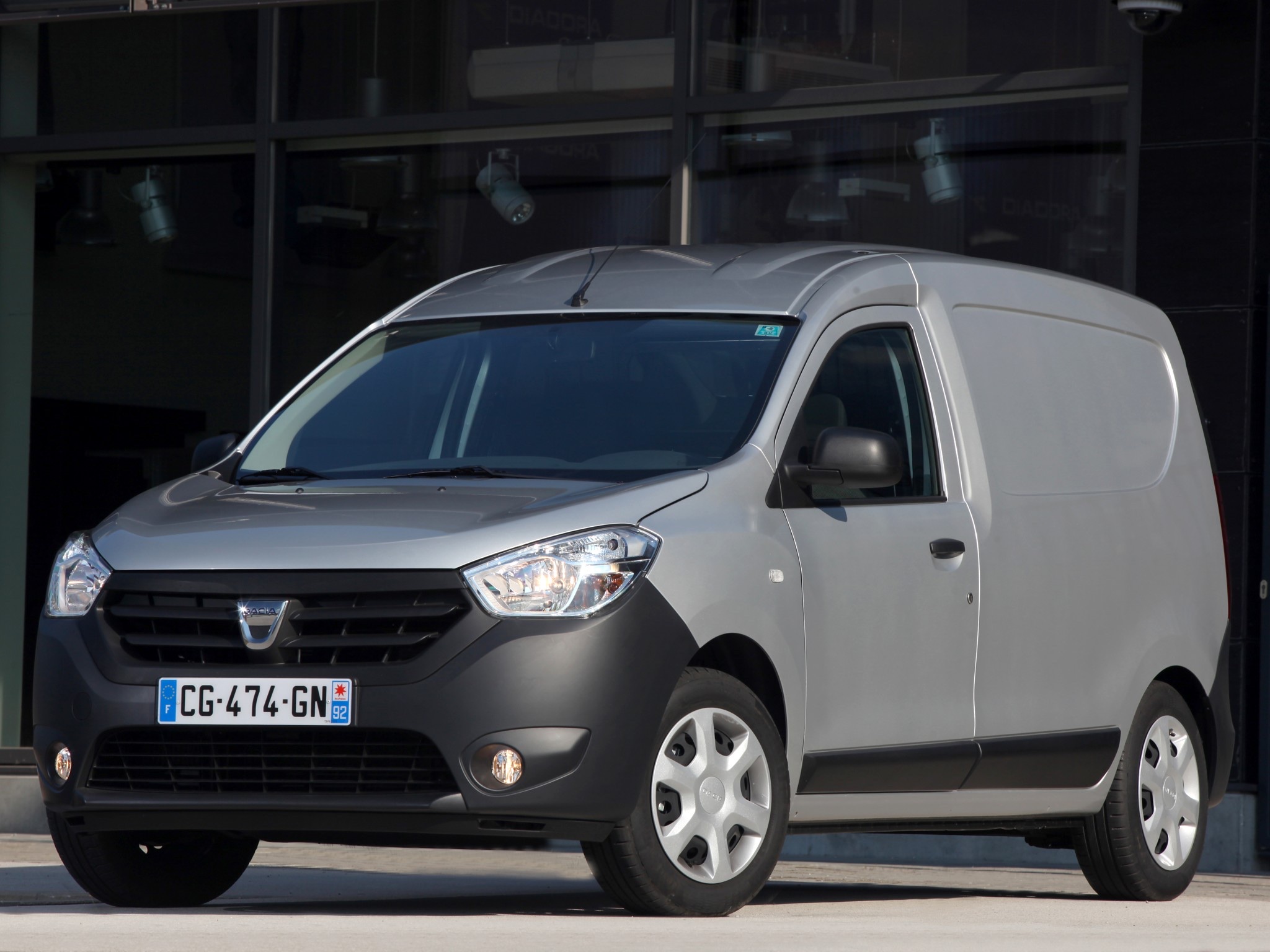
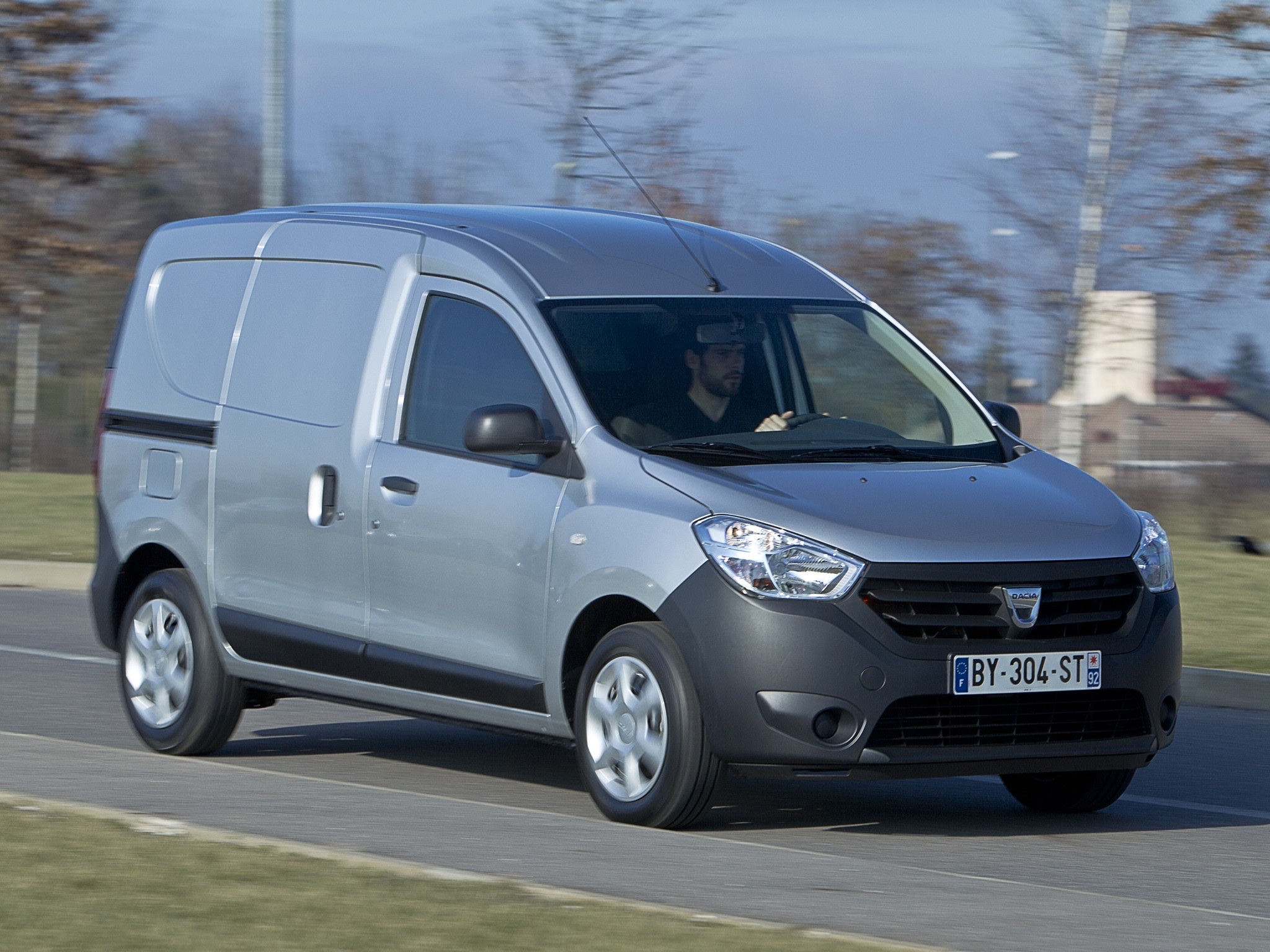
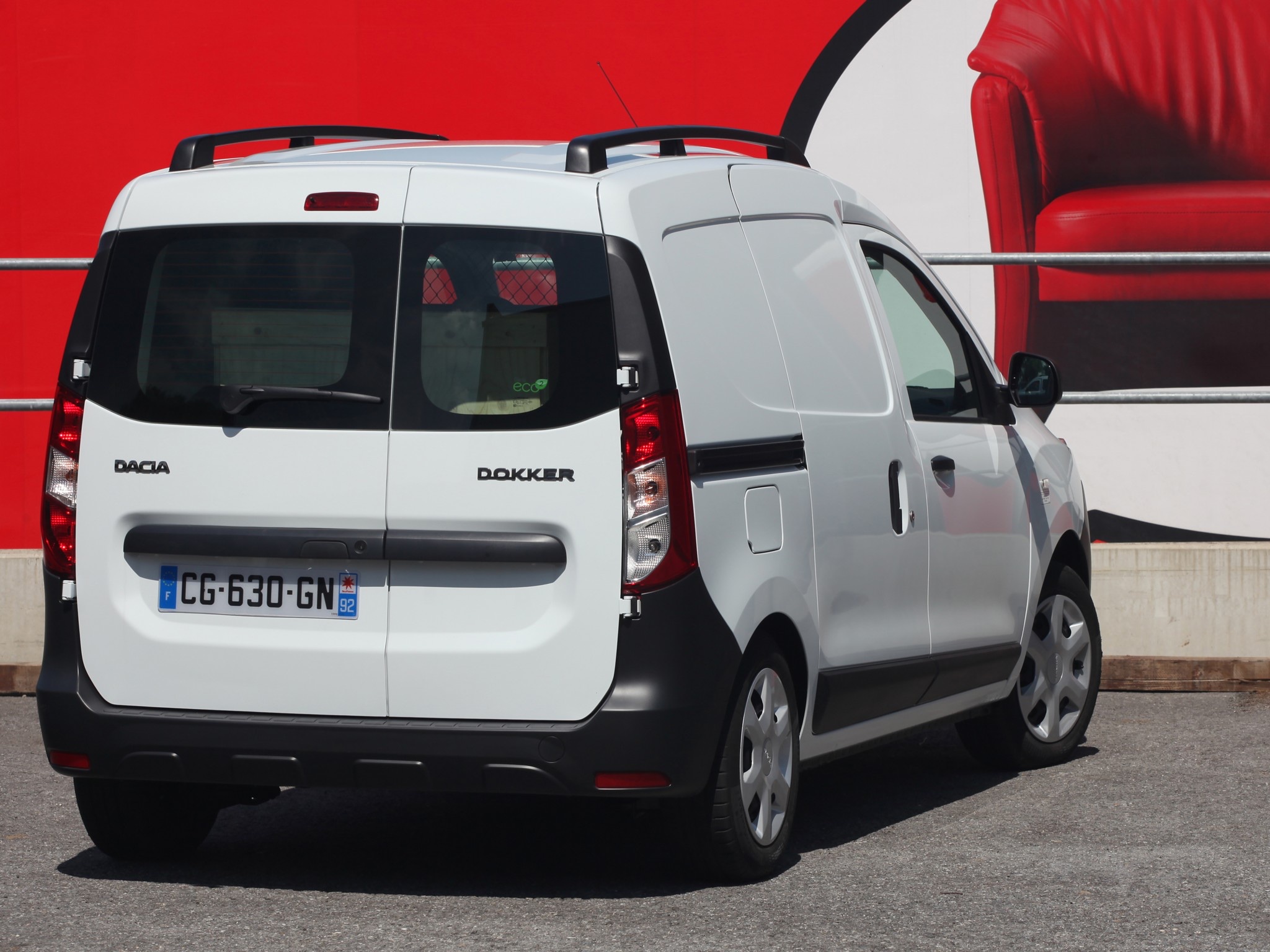
Specifications by trim
Choose a configuration below to open full technical data grouped by category.
1.2 TCe (115 hp) 5-speed manual 39 specifications
Specifications
Performance and consumption
| Fuel consumption city, L/100 km | 7.3 |
|---|---|
| Fuel consumption highway, L/100 km | 5.2 |
| Fuel consumption combined, L/100 km | 6 |
| Top speed, km/h | 175 |
| Acceleration 0-100 km/h, s | 10.4 |
| Emissions standard | Euro VI |
Engine
| Engine | 1.2 TCe |
|---|---|
| Engine code | H5Ft |
| Engine type | Internal combustion engine |
| Fuel type | Gasoline |
| Engine displacement, cc | 1198 |
| Cylinder layout | Inline |
| Number of cylinders | 4 |
| Valves | 16 |
| Turbocharger | + |
| Compression ratio | 10.0:1 |
| Power, hp | 115 |
| RPM at max power | 4500 |
| Torque, Nm | 190 |
| RPM at max torque | 2000 |
Dimensions
| Seats | 2 |
|---|---|
| Length, mm | 4363 |
| Width, mm | 1751 |
| Height, mm | 1809 |
| Wheelbase, mm | 2810 |
| Front track, mm | 1492 |
| Rear track, mm | 1478 |
| Kerb weight, kg | 1083 |
| Gross weight, kg | 1736 |
| Fuel tank capacity, L | 50 |
| Turning circle, m | 11.1 |
| Ground clearance, mm | 120 |
| Cargo compartment volume, m3 | 3000 |
Transmission and drive
| Transmission | 5-speed manual |
|---|---|
| Transmission type | manual |
| Drive | Front-wheel drive |
| Number of gears | 5 |
| Transmission manufacturer | RMR |
| Transmission country | Romania |
1.5 DCI (75 hp) 5-speed manual 39 specifications
Specifications
Performance and consumption
| Fuel consumption city, L/100 km | 4.4 |
|---|---|
| Fuel consumption highway, L/100 km | 4 |
| Fuel consumption combined, L/100 km | 4.1 |
| Top speed, km/h | 152 |
| Acceleration 0-100 km/h, s | 15.5 |
| Emissions standard | Euro VI |
Engine
| Engine | 1.5 DCI |
|---|---|
| Engine code | K9K |
| Engine type | Internal combustion engine |
| Fuel type | Diesel |
| Engine displacement, cc | 1461 |
| Cylinder layout | Inline |
| Number of cylinders | 4 |
| Valves | 8 |
| Turbocharger | + |
| Compression ratio | 15.5:1 |
| Power, hp | 75 |
| RPM at max power | 4000 |
| Torque, Nm | 200 |
| RPM at max torque | 1750 |
Dimensions
| Seats | 2 |
|---|---|
| Length, mm | 4363 |
| Width, mm | 1751 |
| Height, mm | 1809 |
| Wheelbase, mm | 2810 |
| Front track, mm | 1492 |
| Rear track, mm | 1478 |
| Kerb weight, kg | 1083 |
| Gross weight, kg | 1736 |
| Fuel tank capacity, L | 50 |
| Turning circle, m | 11.1 |
| Ground clearance, mm | 120 |
| Cargo compartment volume, m3 | 3000 |
Transmission and drive
| Transmission | 5-speed manual |
|---|---|
| Transmission type | manual |
| Drive | Front-wheel drive |
| Number of gears | 5 |
| Transmission manufacturer | RMR |
| Transmission country | Romania |
1.5 dCi (90 hp) 5-speed manual 39 specifications
Specifications
Performance and consumption
| Fuel consumption city, L/100 km | 4.4 |
|---|---|
| Fuel consumption highway, L/100 km | 4 |
| Fuel consumption combined, L/100 km | 4.1 |
| Top speed, km/h | 163 |
| Acceleration 0-100 km/h, s | 13.3 |
| Emissions standard | Euro VI |
Engine
| Engine | 1.5 dCi |
|---|---|
| Engine code | K9K 608/609/612 |
| Engine type | Internal combustion engine |
| Fuel type | Diesel |
| Engine displacement, cc | 1461 |
| Cylinder layout | Inline |
| Number of cylinders | 4 |
| Valves | 8 |
| Turbocharger | + |
| Compression ratio | 15.5:1 |
| Power, hp | 90 |
| RPM at max power | 4000 |
| Torque, Nm | 220 |
| RPM at max torque | 2000 |
Dimensions
| Seats | 2 |
|---|---|
| Length, mm | 4363 |
| Width, mm | 1751 |
| Height, mm | 1809 |
| Wheelbase, mm | 2810 |
| Front track, mm | 1492 |
| Rear track, mm | 1478 |
| Kerb weight, kg | 1083 |
| Gross weight, kg | 1736 |
| Fuel tank capacity, L | 50 |
| Turning circle, m | 11.1 |
| Ground clearance, mm | 120 |
| Cargo compartment volume, m3 | 3000 |
Transmission and drive
| Transmission | 5-speed manual |
|---|---|
| Transmission type | manual |
| Drive | Front-wheel drive |
| Number of gears | 5 |
| Transmission manufacturer | RMR |
| Transmission country | Romania |
1.6i (102 hp) 5-speed manual 37 specifications
Specifications
Performance and consumption
| Fuel consumption city, L/100 km | 7.7 |
|---|---|
| Fuel consumption highway, L/100 km | 5.3 |
| Fuel consumption combined, L/100 km | 6.2 |
| Top speed, km/h | 170 |
| Acceleration 0-100 km/h, s | 12.7 |
| Emissions standard | Euro VI |
Engine
| Engine | 1.6i |
|---|---|
| Engine code | H4M |
| Engine type | Internal combustion engine |
| Fuel type | Gasoline |
| Engine displacement, cc | 1598 |
| Cylinder layout | Inline |
| Number of cylinders | 4 |
| Valves | 16 |
| Power, hp | 102 |
| RPM at max power | 5500 |
| Torque, Nm | 156 |
| RPM at max torque | 4000 |
Dimensions
| Seats | 2 |
|---|---|
| Length, mm | 4363 |
| Width, mm | 1751 |
| Height, mm | 1809 |
| Wheelbase, mm | 2810 |
| Front track, mm | 1492 |
| Rear track, mm | 1478 |
| Kerb weight, kg | 1083 |
| Gross weight, kg | 1736 |
| Fuel tank capacity, L | 50 |
| Turning circle, m | 11.1 |
| Ground clearance, mm | 120 |
| Cargo compartment volume, m3 | 3000 |
Transmission and drive
| Transmission | 5-speed manual |
|---|---|
| Transmission type | manual |
| Drive | Front-wheel drive |
| Number of gears | 5 |
| Transmission manufacturer | RMR |
| Transmission country | Romania |
Dacia Dokker Van questions
Short answers based on the specifications and photos available in this catalog.
What is the cargo capacity of the Dacia Dokker Van?
The Dacia Dokker Van has a cargo volume of 3.0 cubic meters (3,000 liters), making it one of the roomiest options in its class relative to its external dimensions.
What engine options were offered on the 2012 Dokker Van?
The model was offered with a 1.2 TCe petrol (115 hp), a 1.6i petrol (102 hp), and a 1.5 dCi diesel engine available in two outputs of 75 hp and 90 hp.
How fuel-efficient is the diesel Dacia Dokker Van?
Both the 75 hp and 90 hp versions of the 1.5 dCi diesel engine consume an average of 4.1 liters of fuel per 100 km in the combined cycle.
Where is the Dacia Dokker Van manufactured?
Production of the Dacia Dokker Van is located at the company's assembly plant in Tangier, Morocco.