Genesis G80 specifications and photos
The 2020 Genesis G80 represents the third generation of the premium midsize sedan, introducing a bold design direction and a modernized chassis. Built on a rear-wheel-drive platform shared with the GV80 SUV, this model focuses on combining high-end luxury with improved driving dynamics. It offers three turbocharged engine options alongside a host of comfort and driver-assistance technologies.
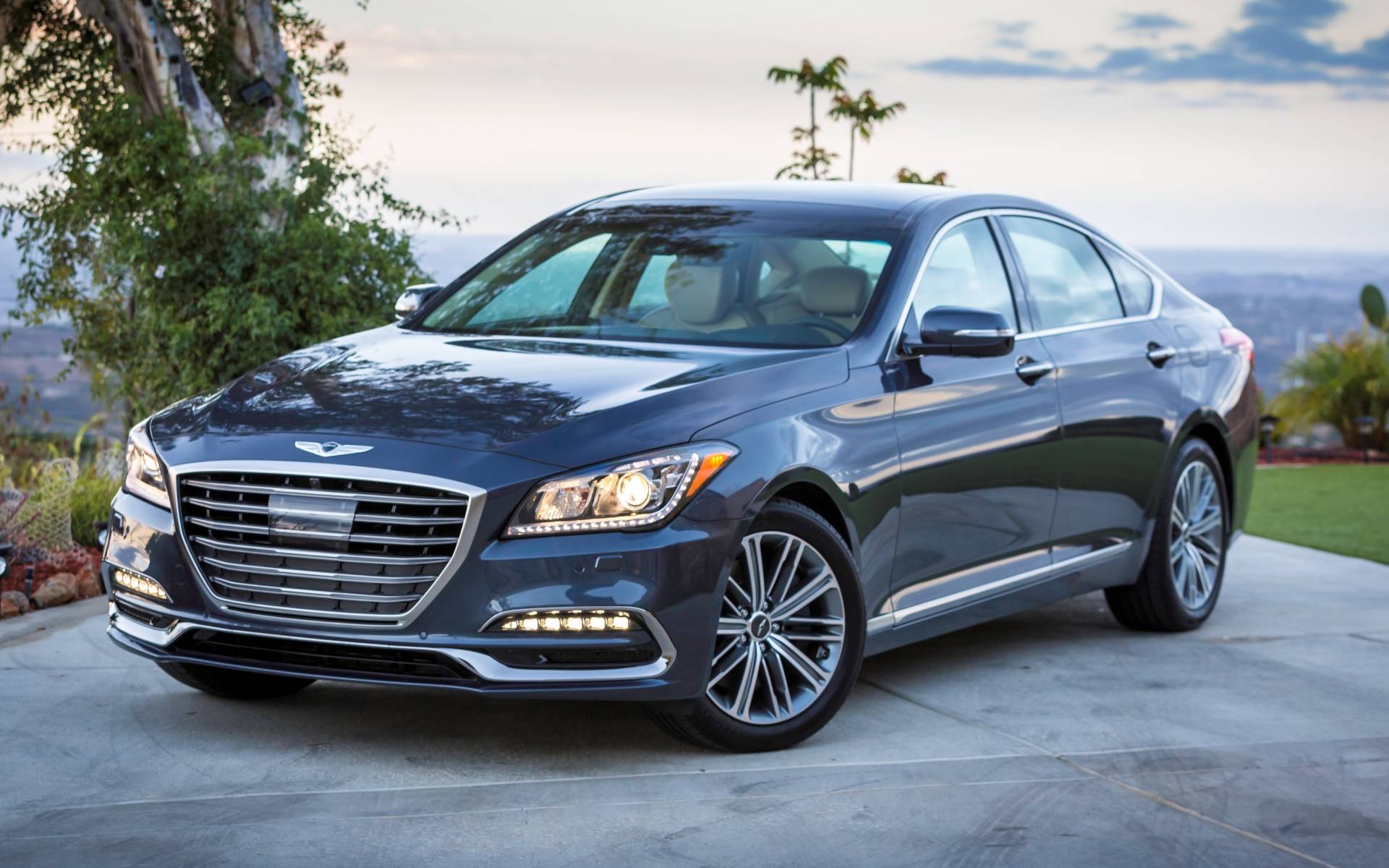
Genesis G80 at a glance
Quick model context before comparing photos and trim-level specifications.
The third-generation Genesis G80, officially debuted online in March 2020, marks a significant step forward for the brand's midsize luxury E-segment offering. The vehicle sits on a new rear-wheel-drive platform that lowers the center of gravity and overall body height compared to its predecessor. Through the extensive use of lightweight materials, including 19% aluminum and 42% ultra-high-strength steel in the structure, the chassis sheds 125 kg compared to the previous model. This weight reduction benefits both handling and fuel efficiency. Buyers can choose between rear-wheel drive and all-wheel drive configurations. The overall layout aims to deliver a classic executive sports sedan balance, competing directly with established luxury players by offering high-end features, quiet ride characteristics, and a spacious cabin environment as standard.
- Power: 210-380 hp
- Engine displacement: 2151-3470 cc
- Transmissions: 8-speed automatic
- Seating: 5 seats
Photos, trims and specifications for Genesis G80
This model page brings gallery images, trim comparison, and detailed technical data together for the 2020 generation.
Estimate fuel cost
Use trim-level fuel consumption data to estimate monthly and yearly fuel spending.
Fuel costs are estimates. Real consumption can change with driving style, traffic, tires, weather, load, and market-specific equipment.
Genesis G80 overview
Editorial context for design, cabin, performance, practicality, and buyer notes.
Design
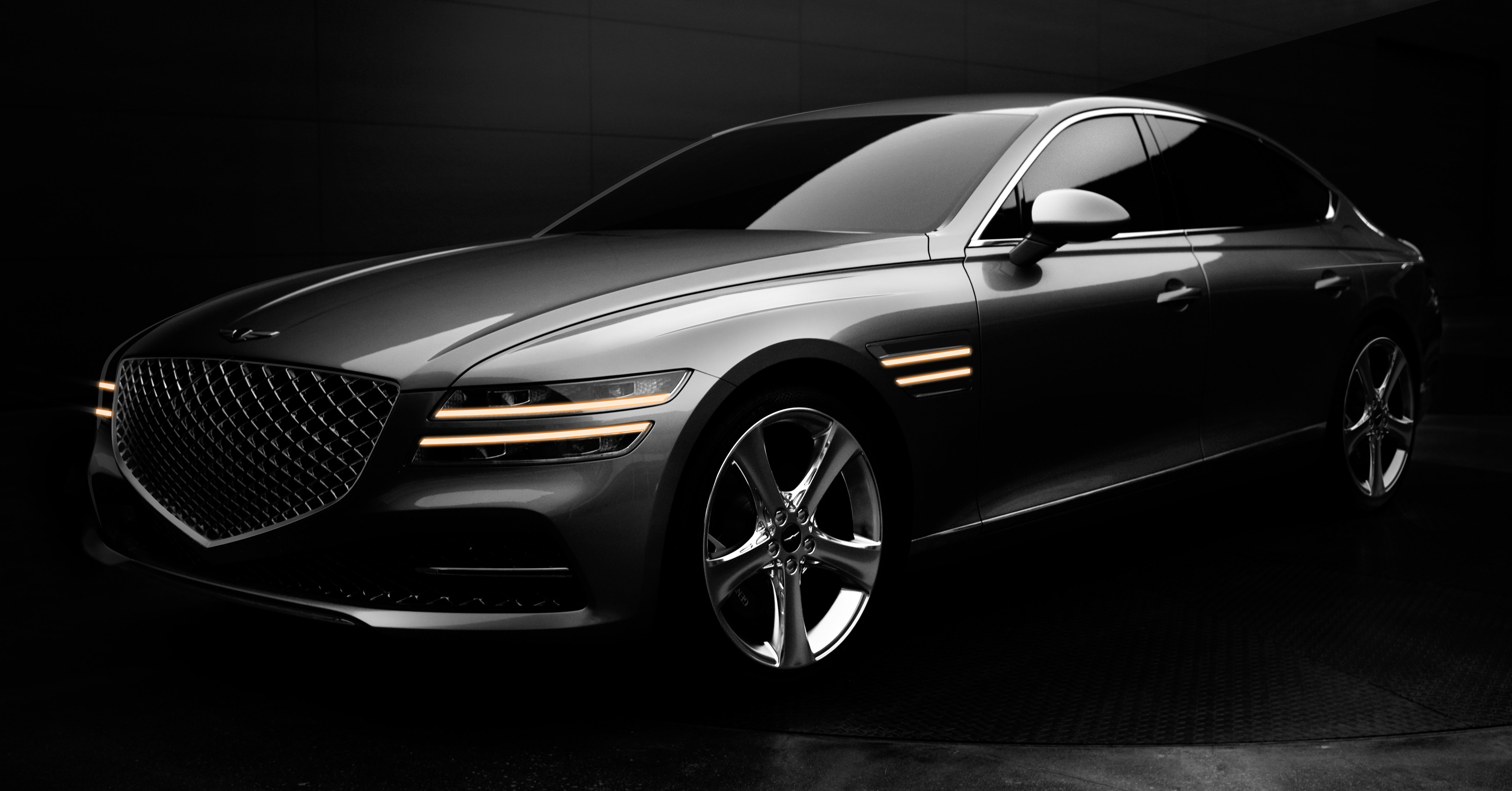
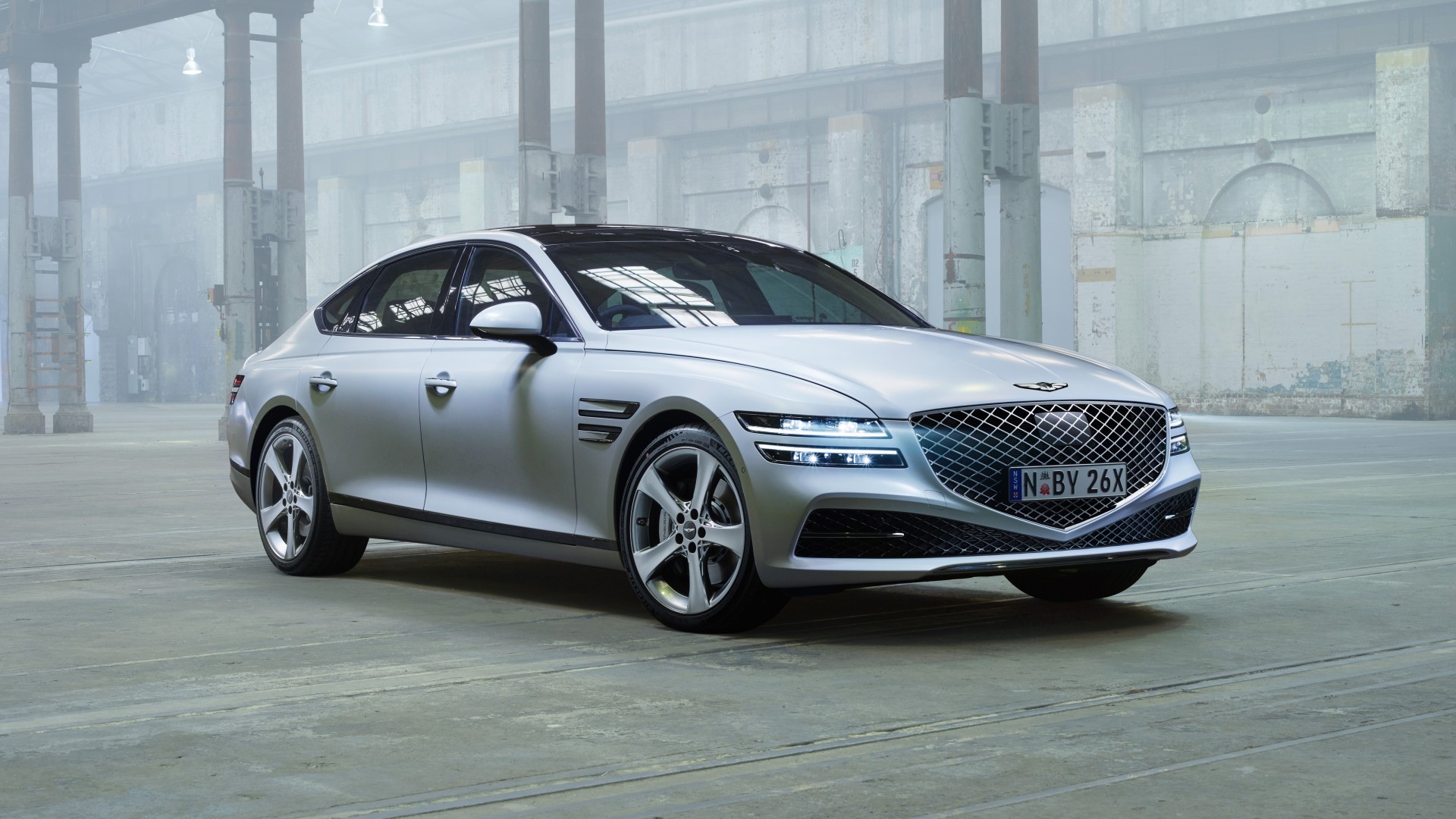
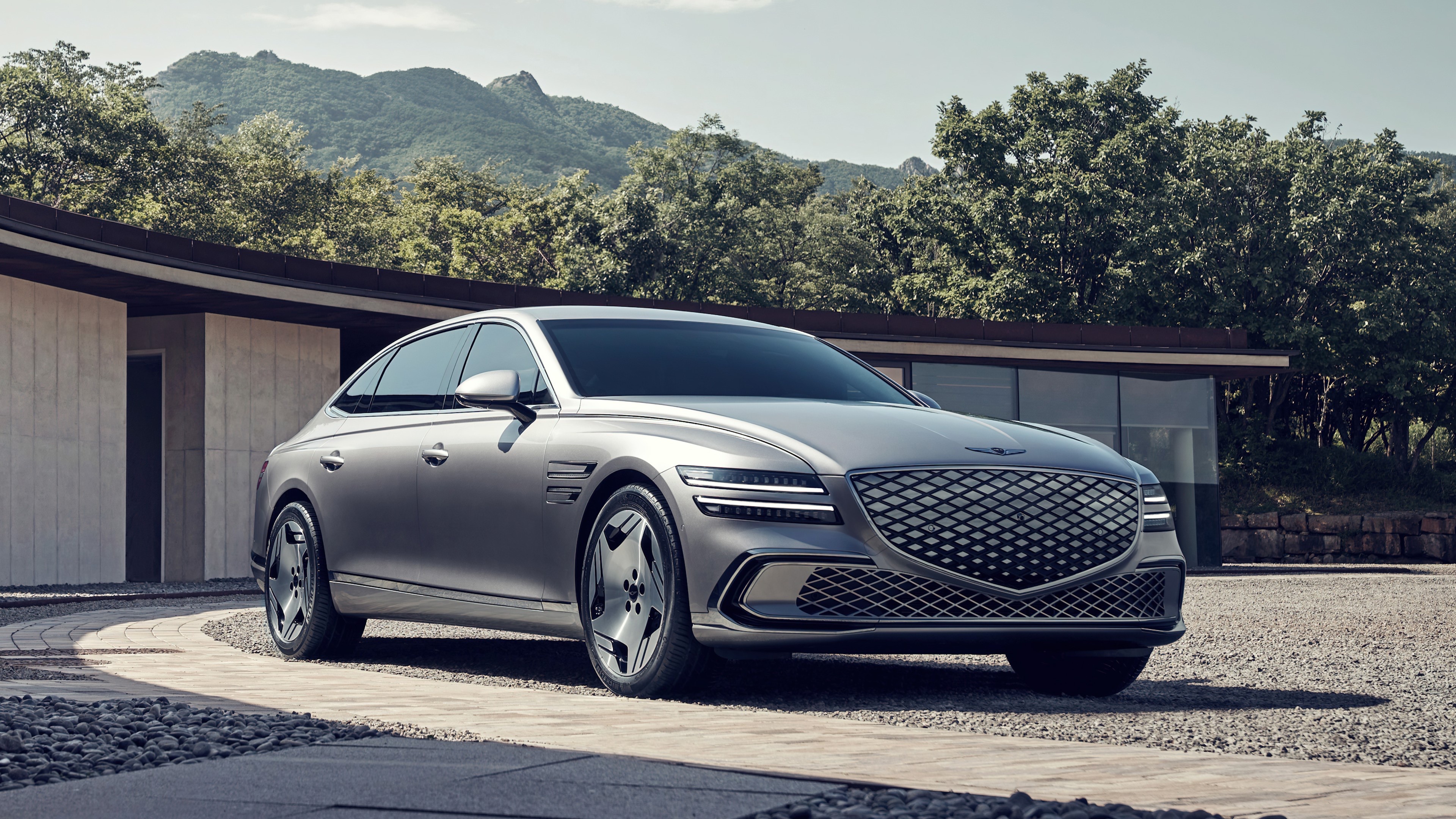
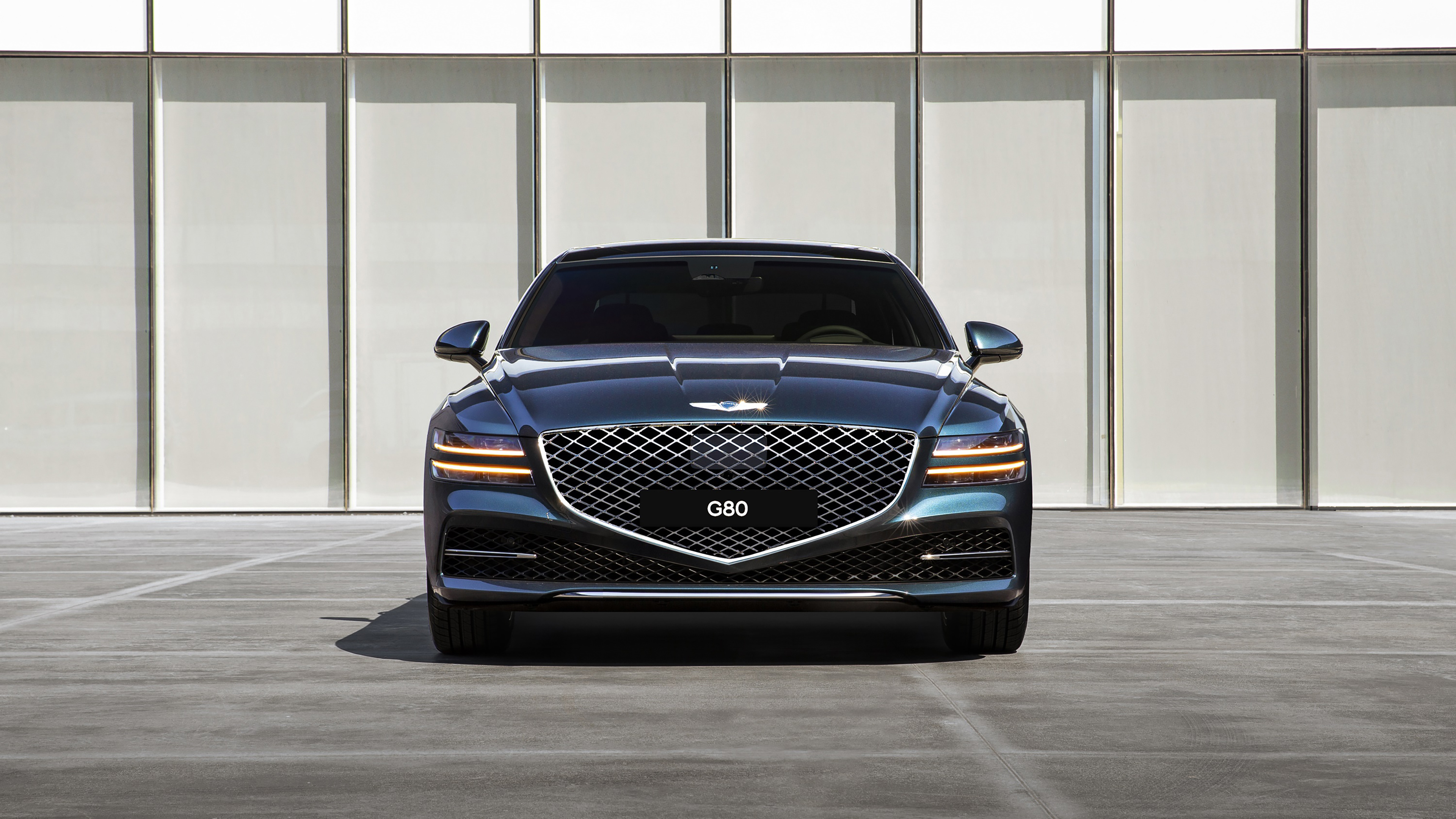
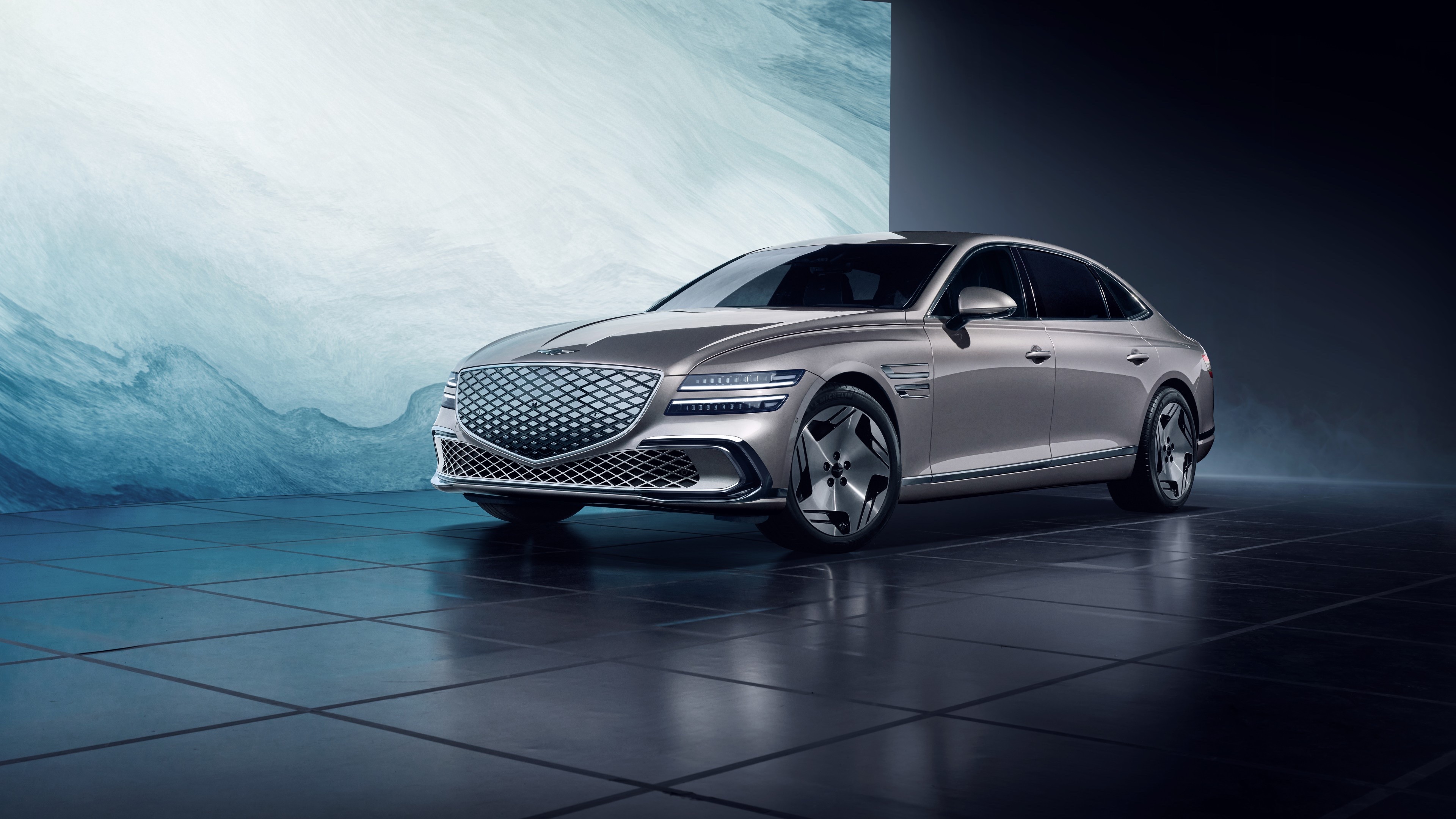
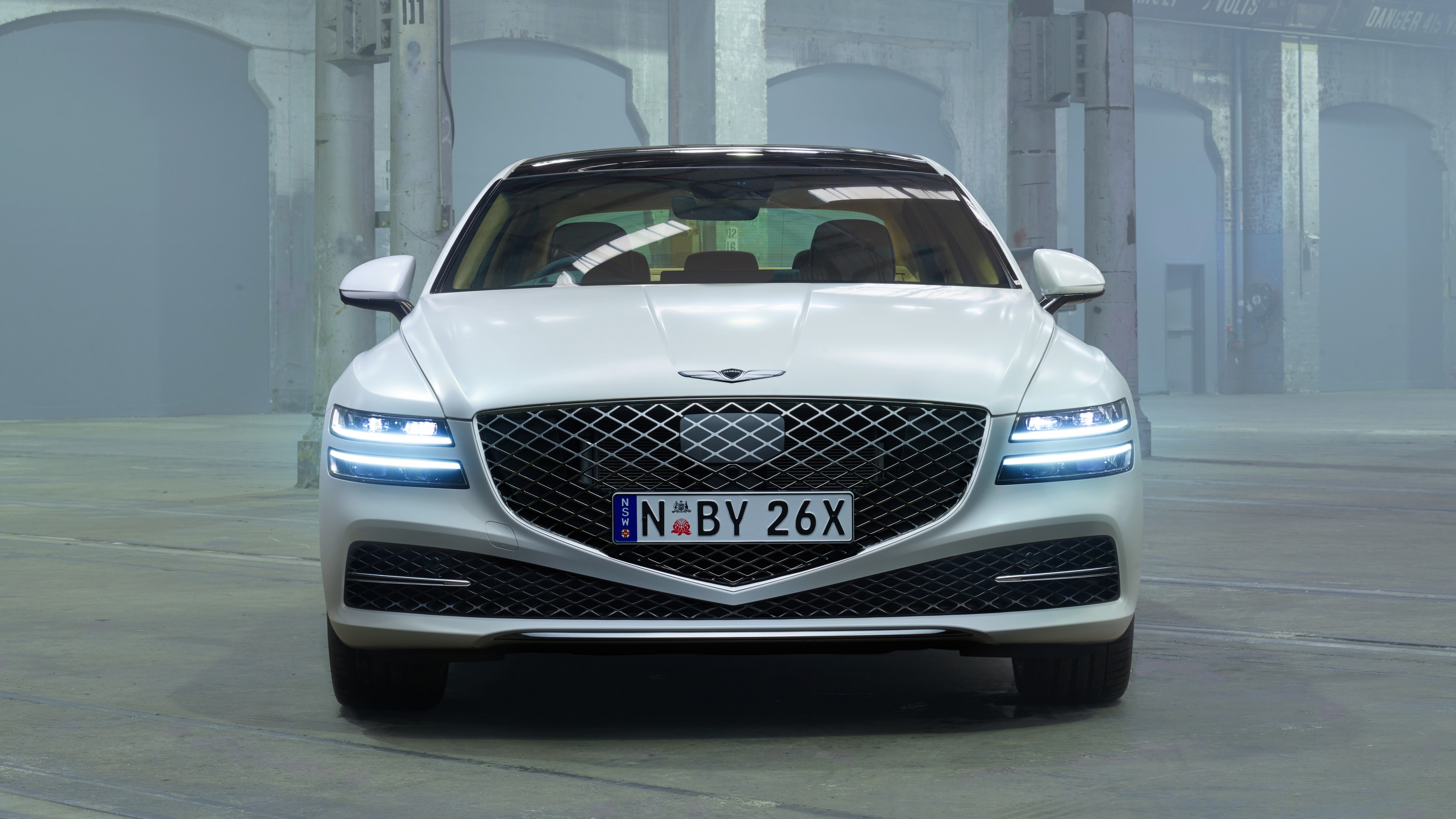
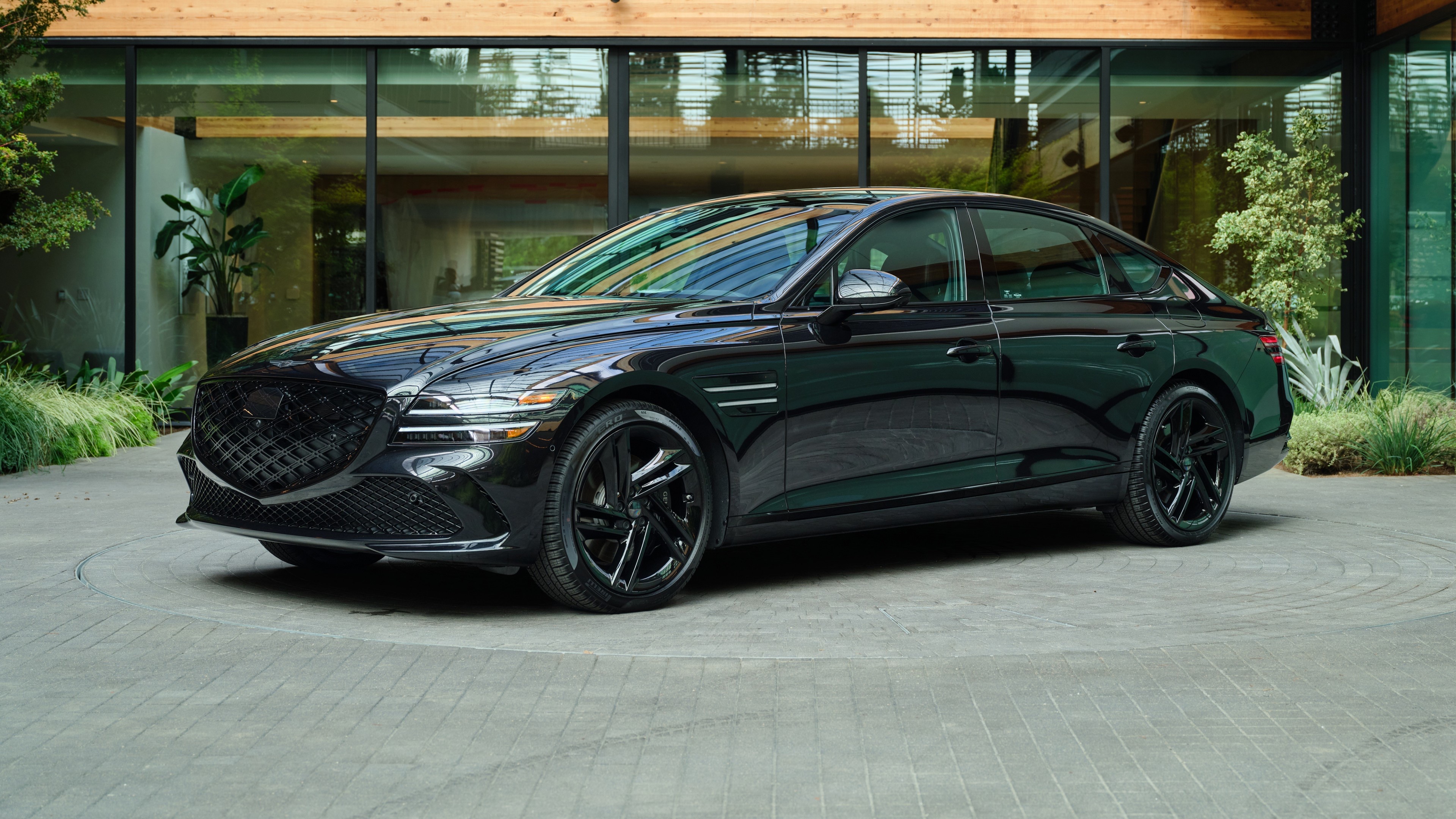
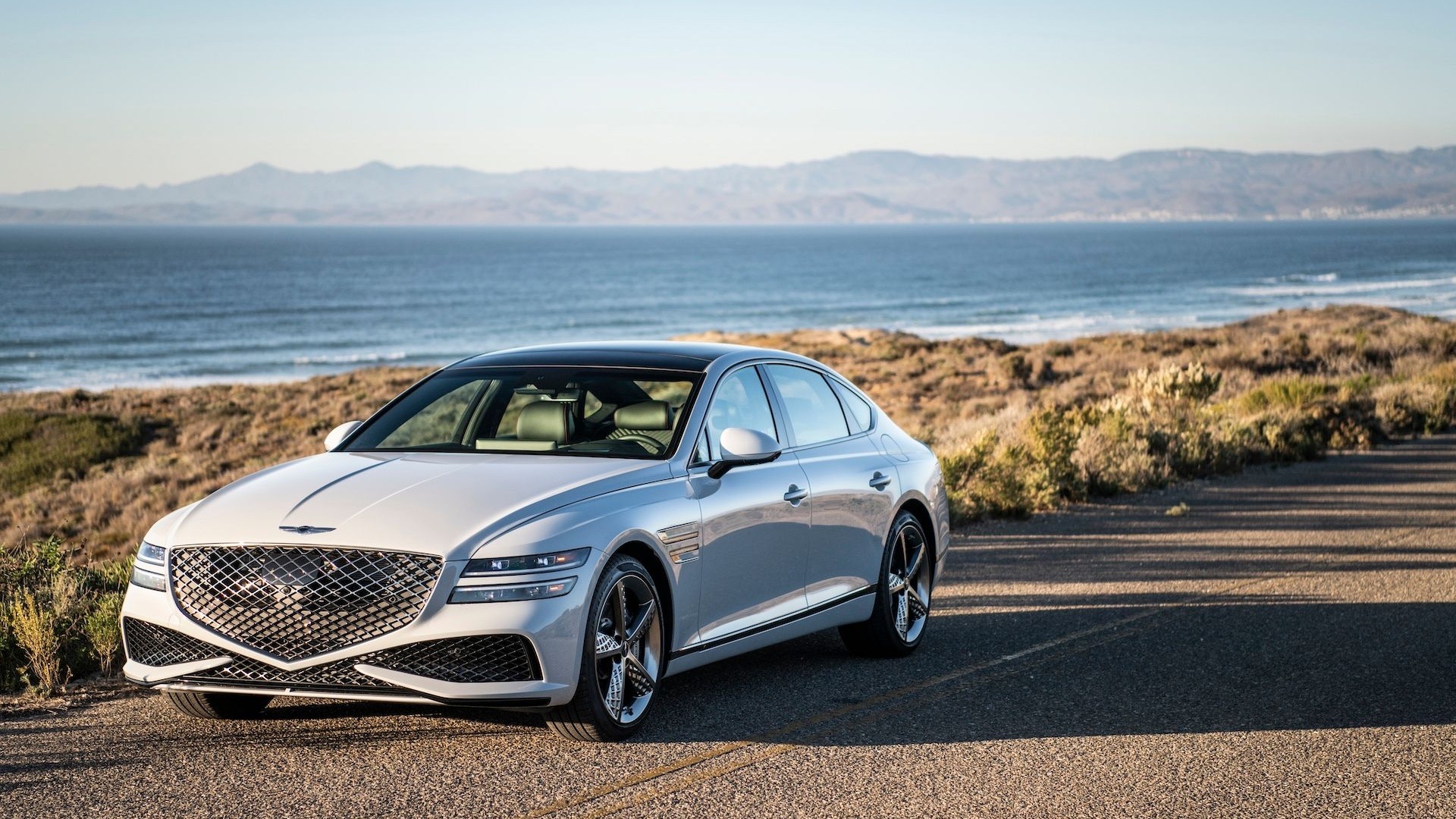
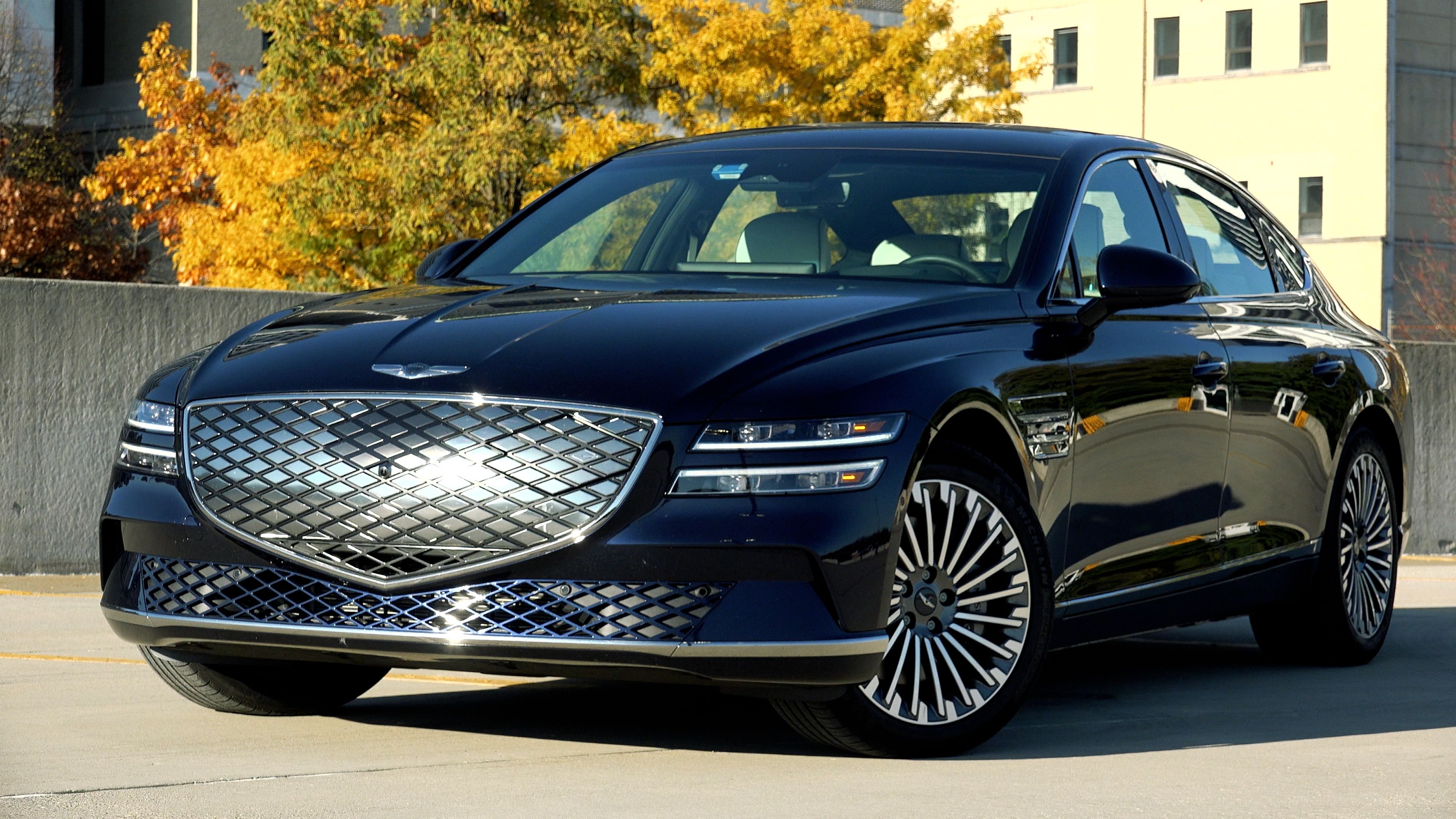
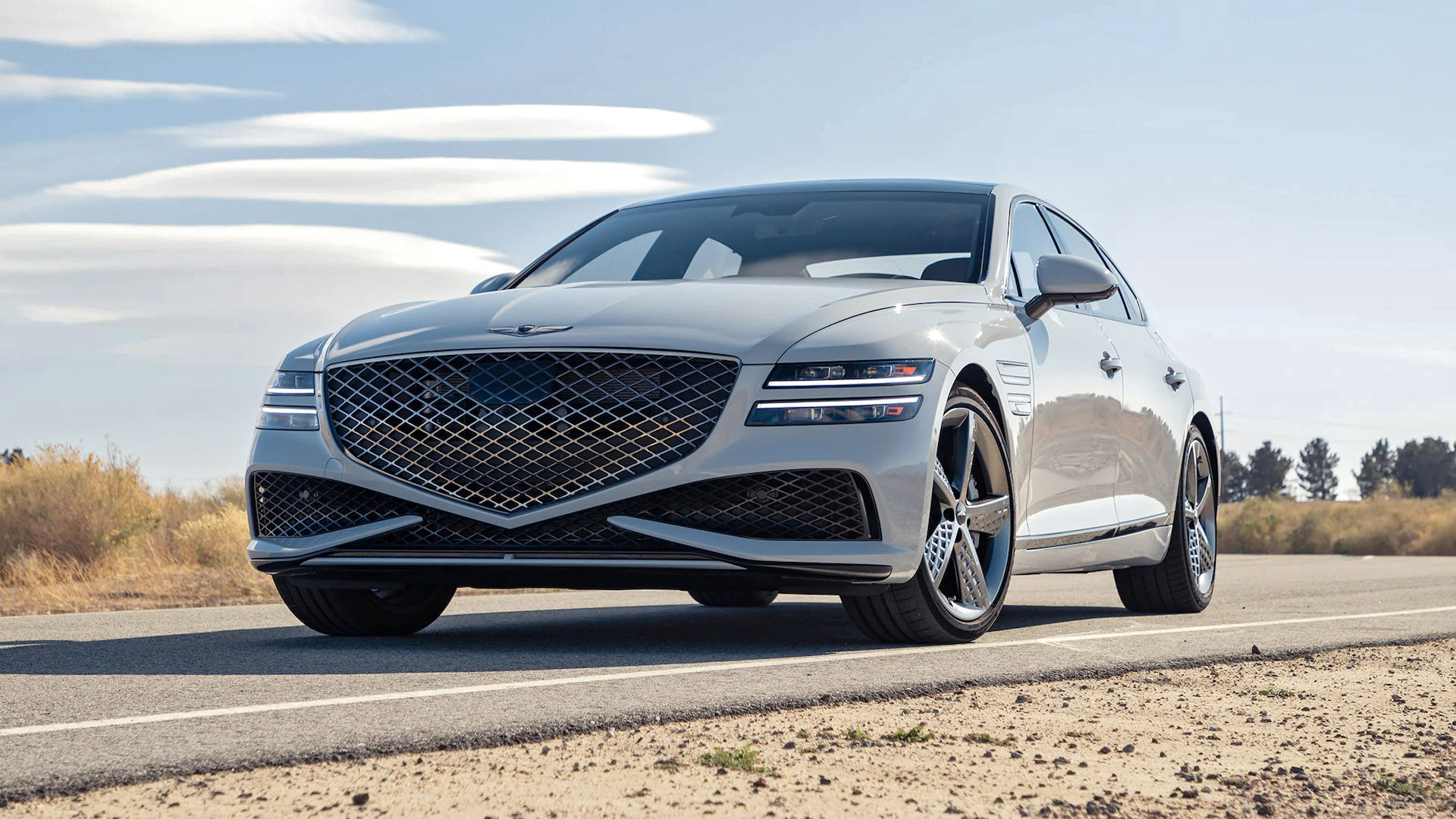
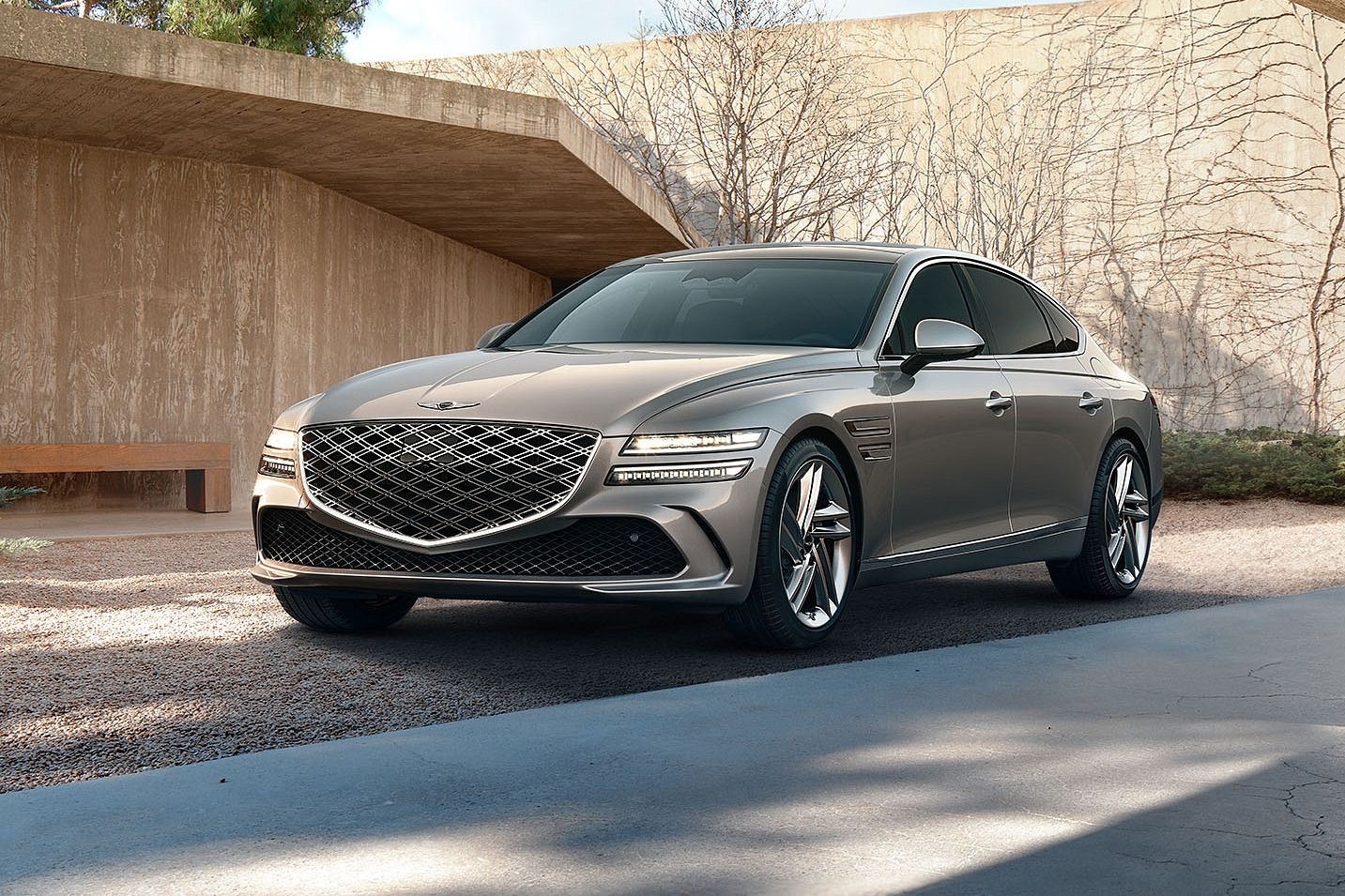
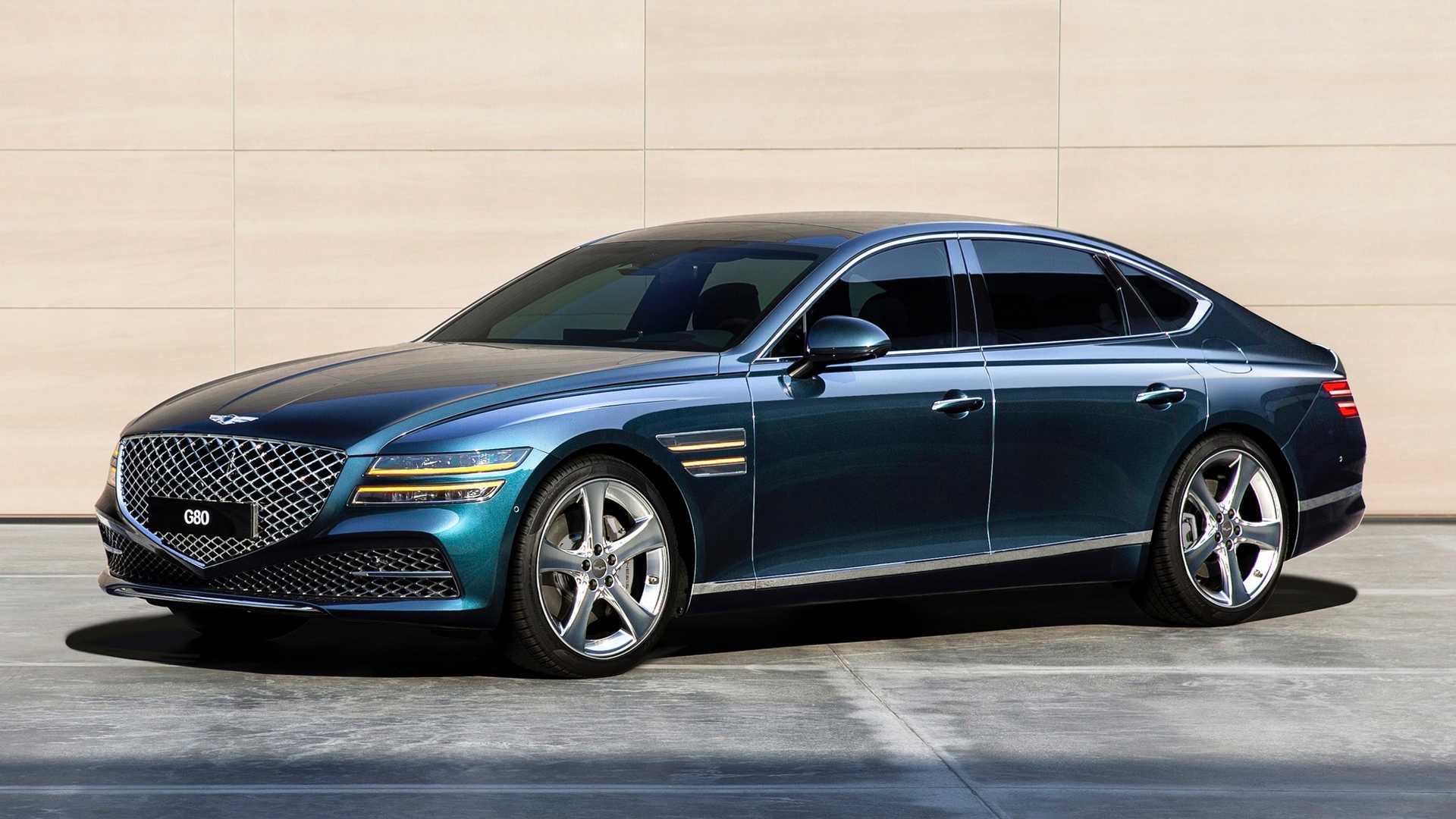
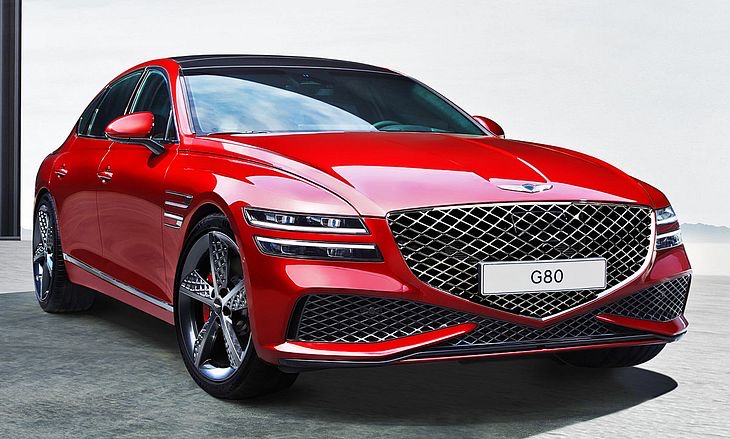
The 2020 G80 adopts the brand's updated styling language, highlighted by a large crest grille and distinct double-stripe horizontal lights at both the front and rear. Its exterior proportions lean toward a classic fastback silhouette, characterized by a long hood and a sweeping roofline. Sharp creases along the hood and side panels define its profile. Chrome accents run along the lower doors, front bumper, and trunk lid, while the dual exhaust outlets are shaped to mimic the front grille. The car grew slightly, adding 35 mm in width and 5 mm in length, while height was reduced by 15 mm to create a wider, lower stance.
Interior
Inside, the G80 cabin utilizes a clean, two-level dashboard design anchored by a wide central console. The driver is greeted by a 12.3-inch 3D-capable digital instrument cluster, while a 14.5-inch infotainment screen handles navigation and media. Control is managed via touch or a rotary console controller featuring a handwriting-recognition touchpad. The traditional gear lever is replaced by an electronic rotary dial. Double-paned glass in the windshield and doors, along with enhanced firewall insulation, keeps cabin noise to a minimum. Rear-seat passengers can be optioned with dual touchscreen displays, while a premium 18-speaker Lexicon audio system is available.
Performance
The vehicle offers three turbocharged powertrains, all paired with an eight-speed automatic transmission. The entry gasoline engine is a 2.5-liter turbocharged four-cylinder putting out 304 horsepower and 422 Nm of torque. A larger 3.5-liter twin-turbo V6 is available for higher performance, generating 380 horsepower and 530 Nm of torque. Both gasoline engines utilize a liquid-cooled intercooler and a dual-injection system. For specific markets, a 2.2-liter inline-four turbo diesel produces 210 horsepower and 441 Nm of torque. Power is routed to either the rear wheels or all four wheels via an electronically controlled multi-plate clutch.
Practicality
As a midsize executive sedan, the G80 is designed for comfortable daily commuting and long trips. It maintains a long 3010 mm wheelbase, ensuring generous legroom for all five passengers. The lowered chassis improves entry and exit ergonomics, while the 65-liter fuel tank offers decent highway range. While the fastback roofline slopes aggressively, headroom remains adequate for adult passengers. The trunk space is practical for daily needs, and the quiet cabin configuration makes it highly suitable for family road trips or professional executive use.
Safety and tech
Technology features are highly prominent, starting with navigation-based adaptive cruise control and a camera-linked adaptive suspension that adjusts damping based on the road surface ahead. Safety assists include junction-turning collision avoidance, rear cross-traffic monitoring, and an active safe exit system that locks the doors if a vehicle is approaching from behind. Inside, the driver benefits from a seven-chamber pneumatic massaging seat. Ventilation and heating are available for both front and rear seats, controlled via a three-zone automatic climate control system.
Buyer notes
When shopping for a 2020 Genesis G80, buyers should evaluate their engine and drivetrain requirements carefully. The 2.5-liter turbo provides ample power for daily driving and gets better fuel economy than the 3.5-liter V6, which is geared toward enthusiasts wanting maximum acceleration. Rear-wheel drive models offer a sportier driving feel, whereas the all-wheel-drive variants add confidence in winter climates. Exact feature availability, such as the 18-speaker audio system or the rear-seat entertainment screens, varies by trim level and original market configuration.
Trims and key specifications
Use this table to compare the main differences between available configurations.
| Trim / modification | Engine | Power | Seats | Transmission |
|---|---|---|---|---|
| 2.5 T-GDI (304 hp) 8-speed automatic | 2497 cc | 304 hp | 5 | 8-speed automatic |
| 2.5 T-GDI (304 hp) 8-speed automatic 4x4 | 2497 cc | 304 hp | 5 | 8-speed automatic |
| 2.2 e-VGT (210 hp) 8-speed automatic | 2151 cc | 210 hp | 5 | 8-speed automatic |
| 2.2 e-VGT (210 hp) 8-speed automatic 4x4 | 2151 cc | 210 hp | 5 | 8-speed automatic |
| 3.5 T-GDI (380 hp) 8-speed automatic | 3470 cc | 380 hp | 5 | 8-speed automatic |
| 3.5 T-GDI (380 hp) 8-speed automatic 4x4 | 3470 cc | 380 hp | 5 | 8-speed automatic |
Specifications can vary by market, model year, and equipment package. Use the trim sections below to review the full data for each configuration.
Genesis G80 photo gallery
16 images are collected here with the main specifications and trim data for this model.
Photo Genesis G80
Specifications by trim
Choose a configuration below to open full technical data grouped by category.
2.5 T-GDI (304 hp) 8-speed automatic 33 specifications
Specifications
Performance and consumption
| Fuel consumption city, L/100 km | 11.1 |
|---|---|
| Fuel consumption highway, L/100 km | 8.3 |
| Fuel consumption combined, L/100 km | 10 |
| Emissions standard | Euro VI |
Engine
| Engine | 2.5 T-GDI |
|---|---|
| Engine code | G4KR |
| Engine type | Internal combustion engine |
| Fuel type | Gasoline |
| Engine displacement, cc | 2497 |
| Cylinder layout | Inline |
| Number of cylinders | 4 |
| Valves | 16 |
| Turbocharger | + |
| Compression ratio | 10.5:1 |
| Power, hp | 304 |
| RPM at max power | 5800 |
| Torque, Nm | 422 |
| RPM at max torque | 1650-4000 |
Dimensions
| Seats | 5 |
|---|---|
| Length, mm | 4995 |
| Width, mm | 1925 |
| Height, mm | 1465 |
| Wheelbase, mm | 3010 |
| Front track, mm | 1630 |
| Rear track, mm | 1637 |
| Kerb weight, kg | 1800 |
| Fuel tank capacity, L | 65 |
Transmission and drive
| Transmission | 8-speed automatic |
|---|---|
| Transmission type | automatic |
| Drive | Rear-wheel drive |
| Number of gears | 8 |
| Transmission manufacturer | Hyundai |
| Automatic transmission | + |
2.5 T-GDI (304 hp) 8-speed automatic 4x4 33 specifications
Specifications
Performance and consumption
| Fuel consumption city, L/100 km | 12.5 |
|---|---|
| Fuel consumption highway, L/100 km | 9.1 |
| Fuel consumption combined, L/100 km | 11.1 |
| Emissions standard | Euro VI |
Engine
| Engine | 2.5 T-GDI |
|---|---|
| Engine code | G4KR |
| Engine type | Internal combustion engine |
| Fuel type | Gasoline |
| Engine displacement, cc | 2497 |
| Cylinder layout | Inline |
| Number of cylinders | 4 |
| Valves | 16 |
| Turbocharger | + |
| Compression ratio | 10.5:1 |
| Power, hp | 304 |
| RPM at max power | 5800 |
| Torque, Nm | 422 |
| RPM at max torque | 1650-4000 |
Dimensions
| Seats | 5 |
|---|---|
| Length, mm | 4995 |
| Width, mm | 1925 |
| Height, mm | 1465 |
| Wheelbase, mm | 3010 |
| Front track, mm | 1630 |
| Rear track, mm | 1637 |
| Kerb weight, kg | 1800 |
| Fuel tank capacity, L | 65 |
Transmission and drive
| Transmission | 8-speed automatic |
|---|---|
| Transmission type | automatic |
| Drive | All-wheel drive |
| Number of gears | 8 |
| Transmission manufacturer | Hyundai |
| Automatic transmission | + |
2.2 e-VGT (210 hp) 8-speed automatic 31 specifications
Specifications
Performance and consumption
| Fuel consumption city, L/100 km | 8.3 |
|---|---|
| Fuel consumption highway, L/100 km | 5.9 |
| Fuel consumption combined, L/100 km | 7.1 |
| Emissions standard | Euro VI |
Engine
| Engine | 2.2 e-VGT |
|---|---|
| Engine type | Internal combustion engine |
| Fuel type | Diesel |
| Engine displacement, cc | 2151 |
| Cylinder layout | Inline |
| Number of cylinders | 4 |
| Valves | 16 |
| Turbocharger | + |
| Power, hp | 210 |
| RPM at max power | 3800 |
| Torque, Nm | 441 |
| RPM at max torque | 1750-2750 |
Dimensions
| Seats | 5 |
|---|---|
| Length, mm | 4995 |
| Width, mm | 1925 |
| Height, mm | 1465 |
| Wheelbase, mm | 3010 |
| Front track, mm | 1630 |
| Rear track, mm | 1637 |
| Kerb weight, kg | 1800 |
| Fuel tank capacity, L | 65 |
Transmission and drive
| Transmission | 8-speed automatic |
|---|---|
| Transmission type | automatic |
| Drive | Rear-wheel drive |
| Number of gears | 8 |
| Transmission manufacturer | Hyundai |
| Automatic transmission | + |
2.2 e-VGT (210 hp) 8-speed automatic 4x4 31 specifications
Specifications
Performance and consumption
| Fuel consumption city, L/100 km | 9.1 |
|---|---|
| Fuel consumption highway, L/100 km | 6.6 |
| Fuel consumption combined, L/100 km | 8.3 |
| Emissions standard | Euro VI |
Engine
| Engine | 2.2 e-VGT |
|---|---|
| Engine type | Internal combustion engine |
| Fuel type | Diesel |
| Engine displacement, cc | 2151 |
| Cylinder layout | Inline |
| Number of cylinders | 4 |
| Valves | 16 |
| Turbocharger | + |
| Power, hp | 210 |
| RPM at max power | 3800 |
| Torque, Nm | 441 |
| RPM at max torque | 1750-2750 |
Dimensions
| Seats | 5 |
|---|---|
| Length, mm | 4995 |
| Width, mm | 1925 |
| Height, mm | 1465 |
| Wheelbase, mm | 3010 |
| Front track, mm | 1630 |
| Rear track, mm | 1637 |
| Kerb weight, kg | 1800 |
| Fuel tank capacity, L | 65 |
Transmission and drive
| Transmission | 8-speed automatic |
|---|---|
| Transmission type | automatic |
| Drive | All-wheel drive |
| Number of gears | 8 |
| Transmission manufacturer | Hyundai |
| Automatic transmission | + |
3.5 T-GDI (380 hp) 8-speed automatic 32 specifications
Specifications
Performance and consumption
| Fuel consumption city, L/100 km | 14.2 |
|---|---|
| Fuel consumption highway, L/100 km | 9 |
| Fuel consumption combined, L/100 km | 11.2 |
| Emissions standard | Euro VI |
Engine
| Engine | 3.5 T-GDI |
|---|---|
| Engine code | G6DS |
| Engine type | Internal combustion engine |
| Fuel type | Gasoline |
| Engine displacement, cc | 3470 |
| Cylinder layout | V-type |
| Number of cylinders | 6 |
| Valves | 24 |
| Compression ratio | 11.0:1 |
| Power, hp | 380 |
| RPM at max power | 5800 |
| Torque, Nm | 530 |
| RPM at max torque | 1300-4500 |
Dimensions
| Seats | 5 |
|---|---|
| Length, mm | 4995 |
| Width, mm | 1925 |
| Height, mm | 1465 |
| Wheelbase, mm | 3010 |
| Front track, mm | 1630 |
| Rear track, mm | 1637 |
| Kerb weight, kg | 1800 |
| Fuel tank capacity, L | 65 |
Transmission and drive
| Transmission | 8-speed automatic |
|---|---|
| Transmission type | automatic |
| Drive | Rear-wheel drive |
| Number of gears | 8 |
| Transmission manufacturer | Hyundai |
| Automatic transmission | + |
3.5 T-GDI (380 hp) 8-speed automatic 4x4 32 specifications
Specifications
Performance and consumption
| Fuel consumption city, L/100 km | 14.3 |
|---|---|
| Fuel consumption highway, L/100 km | 10 |
| Fuel consumption combined, L/100 km | 12.5 |
| Emissions standard | Euro VI |
Engine
| Engine | 3.5 T-GDI |
|---|---|
| Engine code | G6DS |
| Engine type | Internal combustion engine |
| Fuel type | Gasoline |
| Engine displacement, cc | 3470 |
| Cylinder layout | V-type |
| Number of cylinders | 6 |
| Valves | 24 |
| Compression ratio | 11.0:1 |
| Power, hp | 380 |
| RPM at max power | 5800 |
| Torque, Nm | 530 |
| RPM at max torque | 1300-4500 |
Dimensions
| Seats | 5 |
|---|---|
| Length, mm | 4995 |
| Width, mm | 1925 |
| Height, mm | 1465 |
| Wheelbase, mm | 3010 |
| Front track, mm | 1630 |
| Rear track, mm | 1637 |
| Kerb weight, kg | 1800 |
| Fuel tank capacity, L | 65 |
Transmission and drive
| Transmission | 8-speed automatic |
|---|---|
| Transmission type | automatic |
| Drive | All-wheel drive |
| Number of gears | 8 |
| Transmission manufacturer | Hyundai |
| Automatic transmission | + |
Genesis G80 questions
Short answers based on the specifications and photos available in this catalog.
What body style is the 2020 Genesis G80?
The 2020 Genesis G80 is a midsize executive four-door sedan. It features a fastback-like sloping roofline, combining classic sedan proportions with a sleek profile.
What generation is this G80 model?
This model represents the third generation of the sedan, counting from the original Hyundai Genesis launched in 2008. It introduces a brand-new platform and design language.
What engine options are available for the 2020 G80?
Buyers can choose from three turbocharged engines: a 2.5-liter four-cylinder gasoline engine (304 hp), a 3.5-liter V6 gasoline engine (380 hp), and a 2.2-liter four-cylinder diesel engine (210 hp). All engines are paired with an eight-speed automatic transmission.
Does the 2020 Genesis G80 have all-wheel drive?
Yes, the G80 is available with either rear-wheel drive or all-wheel drive. The all-wheel-drive system uses an electronically controlled coupling to route power to the front wheels when needed.
What safety features are equipped on this model?
Key safety technologies include navigation-linked adaptive cruise control, junction collision warning, rear cross-traffic alert, and a system that locks the doors if it detects an oncoming vehicle while passengers are exiting.
How is the infotainment system controlled?
The 14.5-inch central infotainment screen can be operated directly by touch or via a rotary controller on the center console. The controller also features a touchpad that supports handwriting recognition for entering letters and numbers.