Nissan Leaf specifications and photos
The 2026 Nissan Leaf marks the introduction of the electric hatchback's third generation. Designed with a focus on aerodynamics and digital integration, it transitions the long-running model into a more premium and long-range contender. This generation targets buyers looking for a practical, zero-emission family vehicle with modern tech.
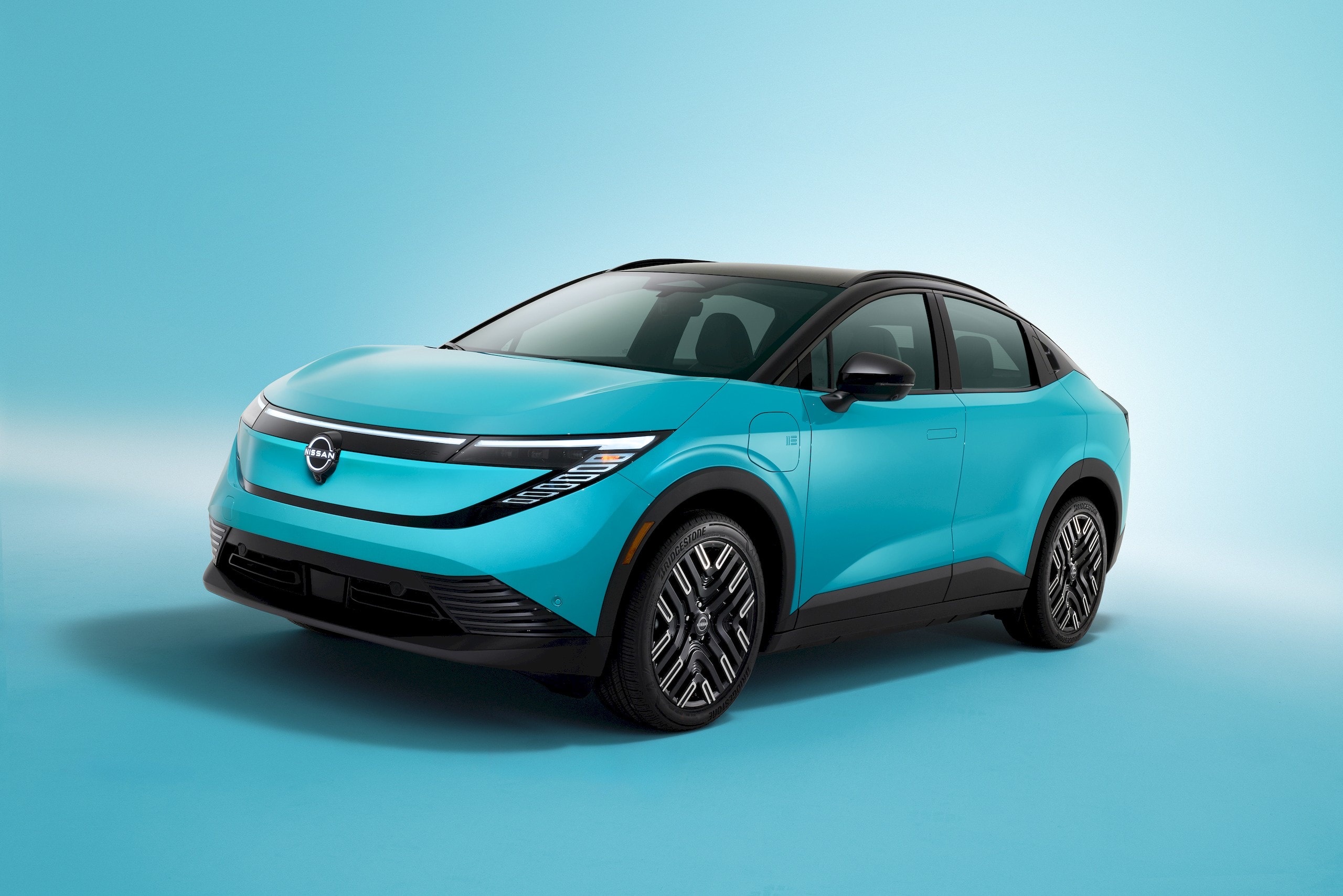
Nissan Leaf at a glance
Quick model context before comparing photos and trim-level specifications.
The third-generation 2026 Nissan Leaf represents a comprehensive redesign, evolving from a basic electric commuter into a sleek, high-tech compact hatchback. Positioned as a direct alternative to traditional combustion-engine family cars, it is built on a front-wheel-drive platform and offers two battery sizes to suit different driving needs. The entry-level model balances daily usability with efficiency, while the extended-range version targets drivers needing long-distance capability. Major highlights of this generation include significantly improved aerodynamics, advanced driver assistance systems, and built-in Google services. By upgrading the technology, cabin space, and charging performance, Nissan aims to lower the barriers to electric vehicle ownership for mainstream buyers.
- Power: 177-217 hp
- Transmissions: single-speed reduction gear
- Seating: 5 seats
Photos, trims and specifications for Nissan Leaf
This model page brings gallery images, trim comparison, and detailed technical data together for the 2026 generation.
Nissan Leaf overview
Editorial context for design, cabin, performance, practicality, and buyer notes.
Design
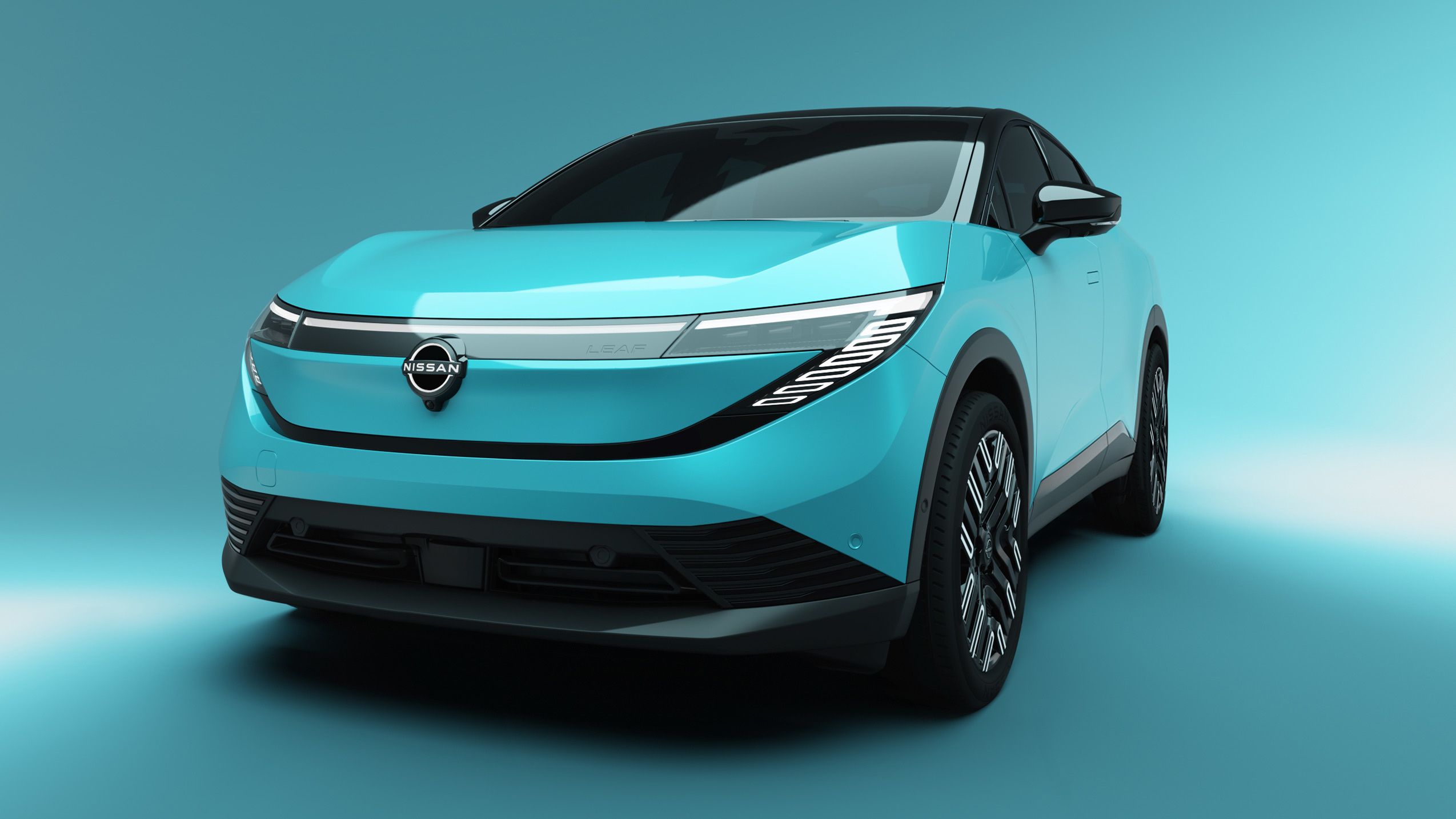
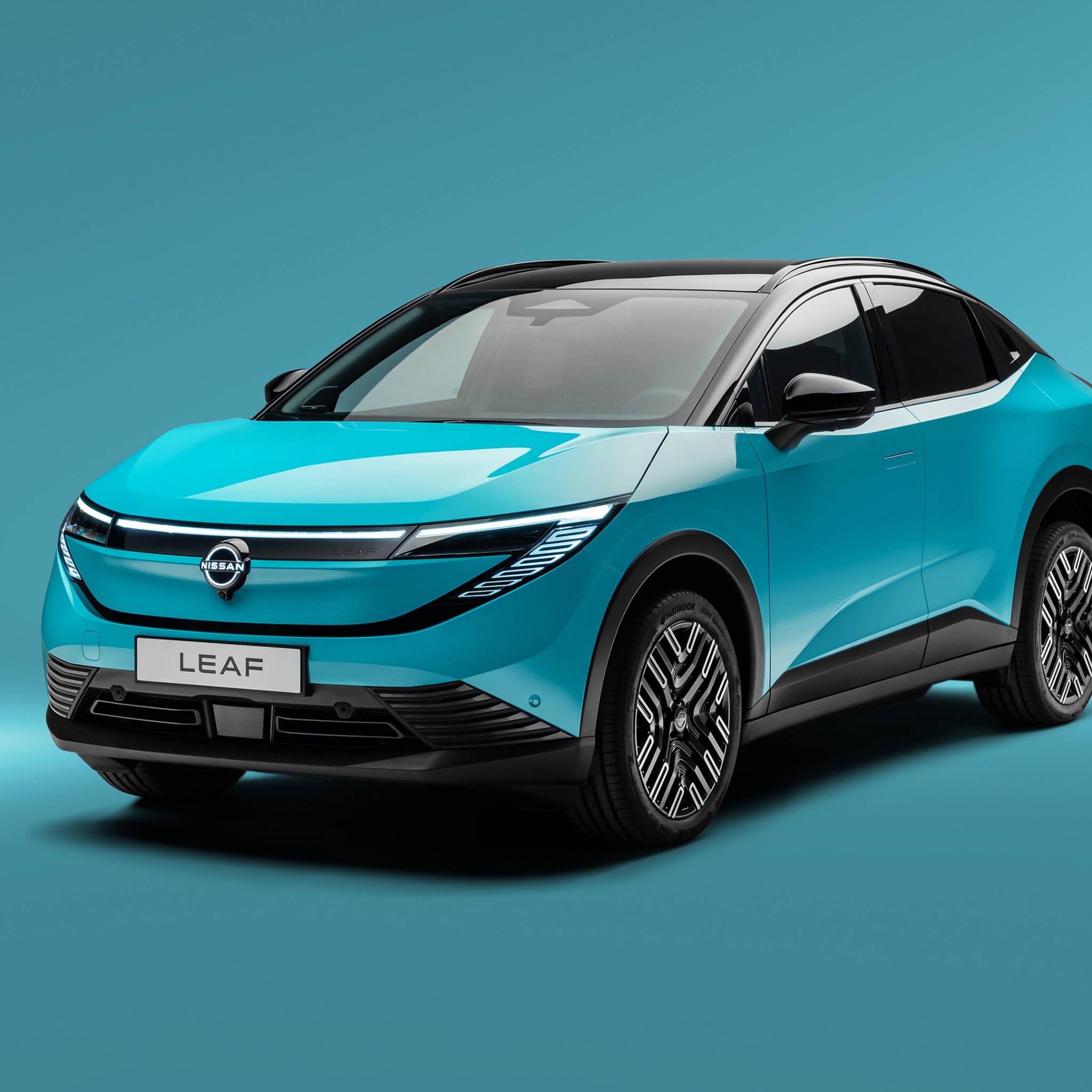
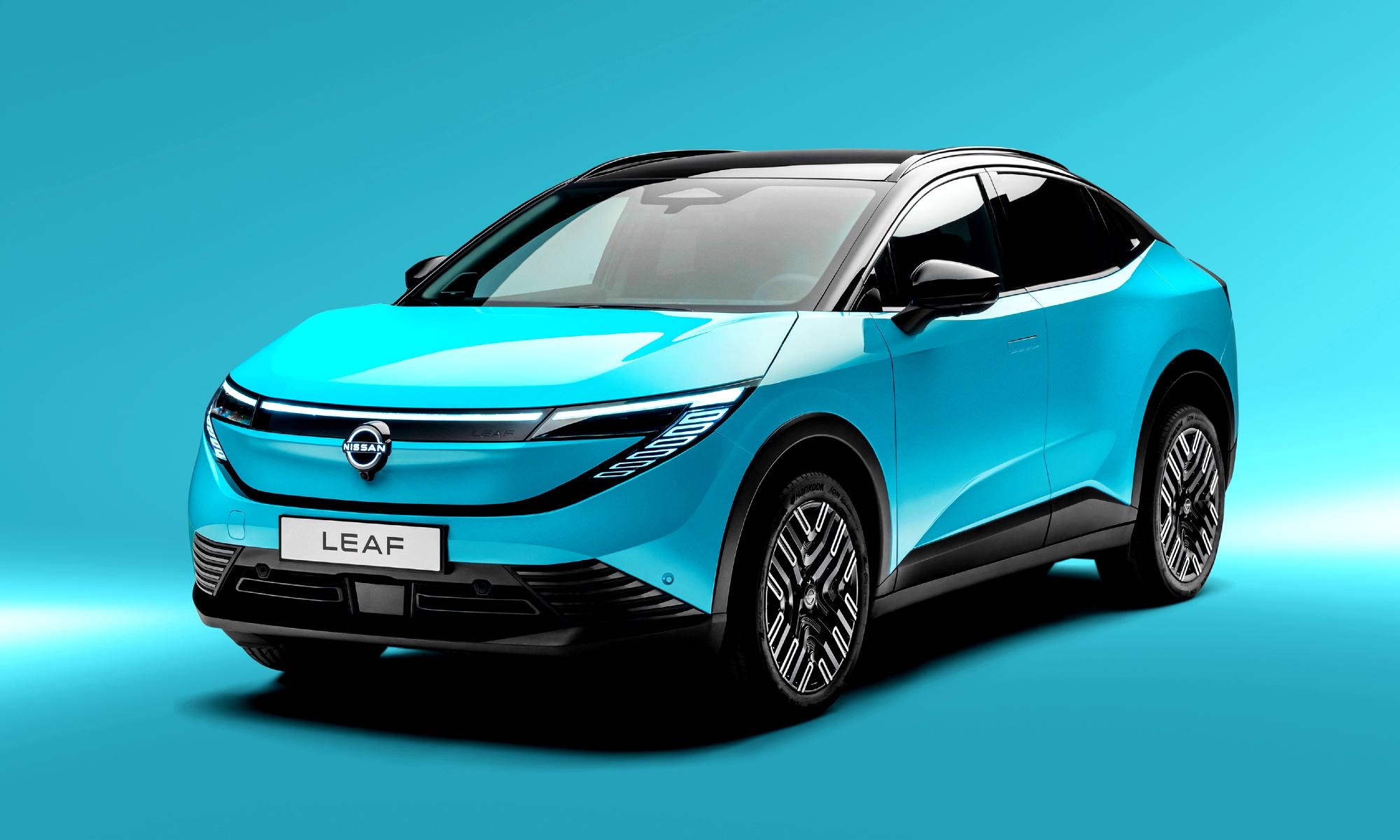
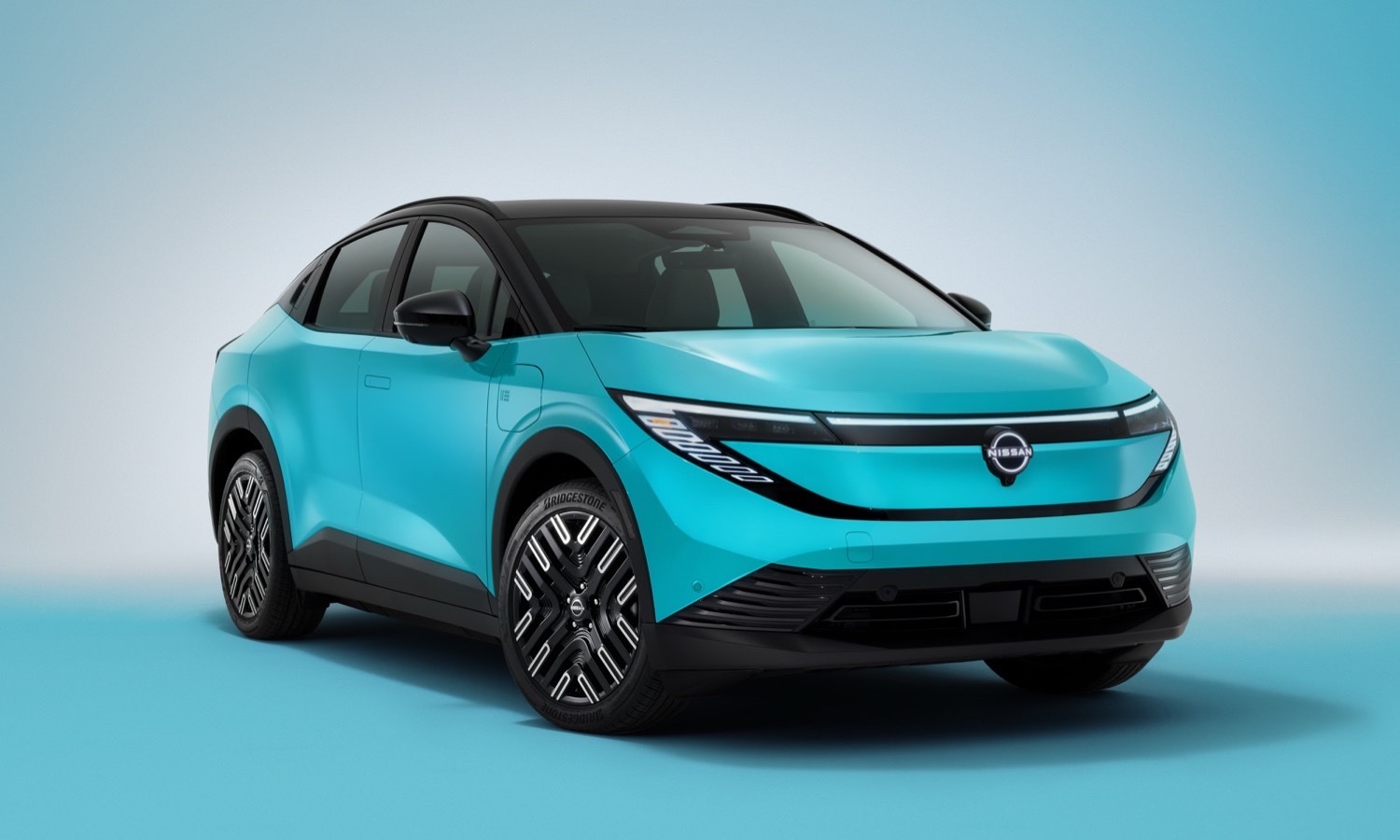
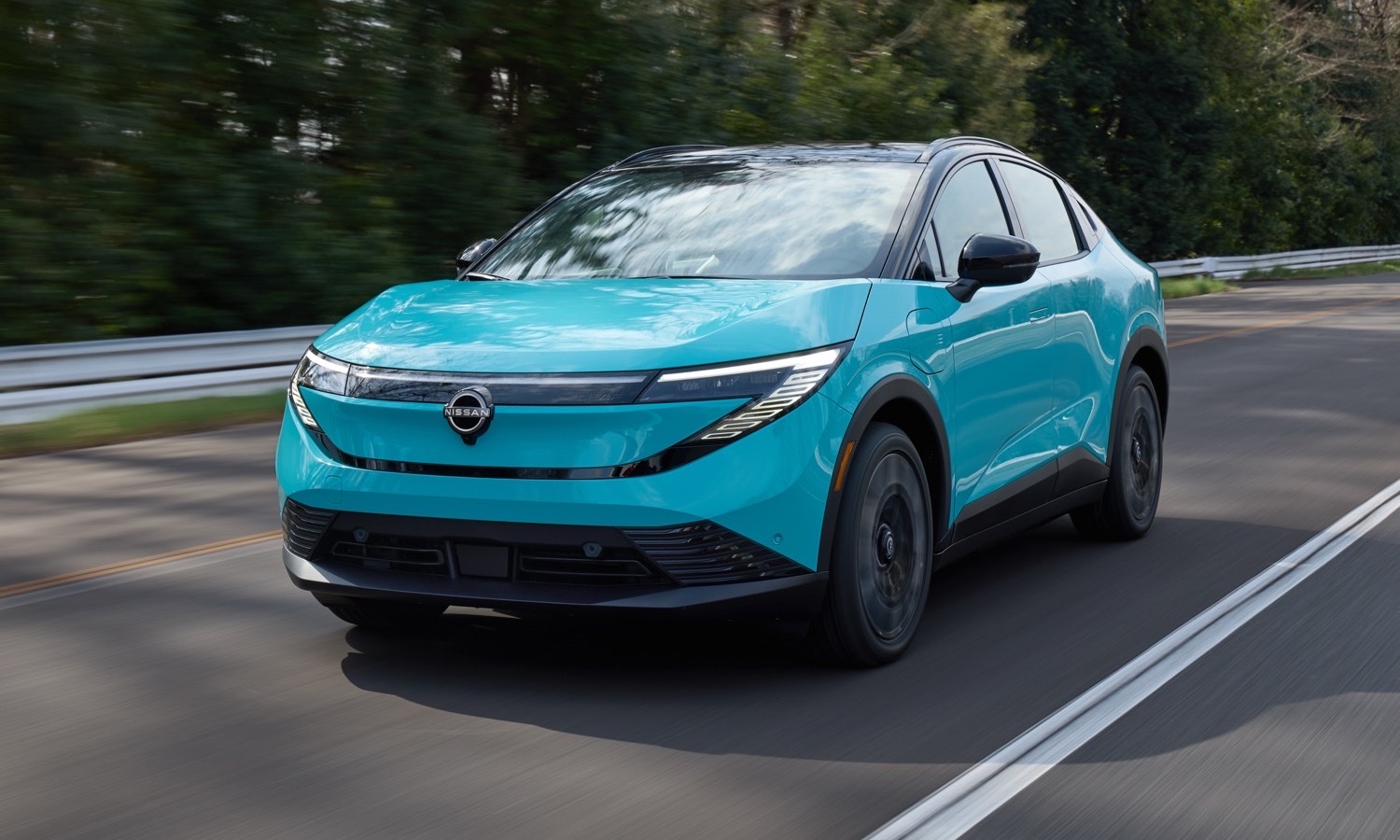
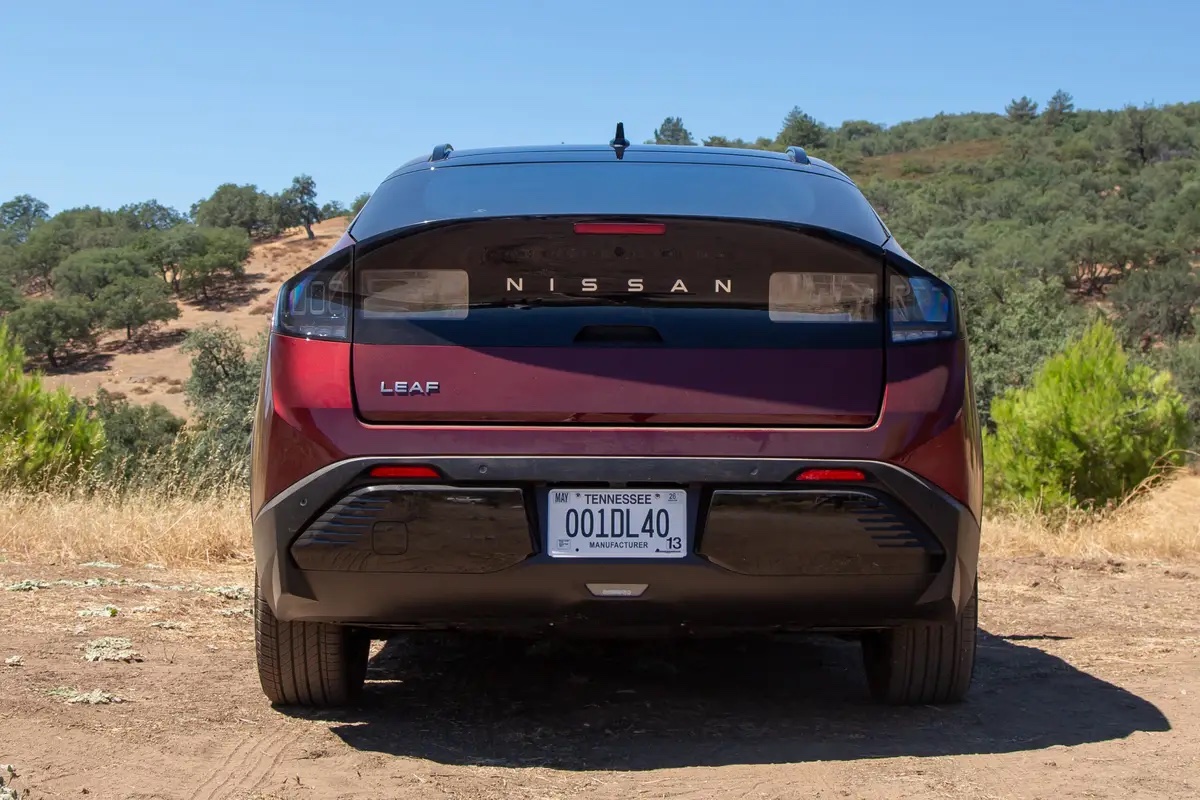
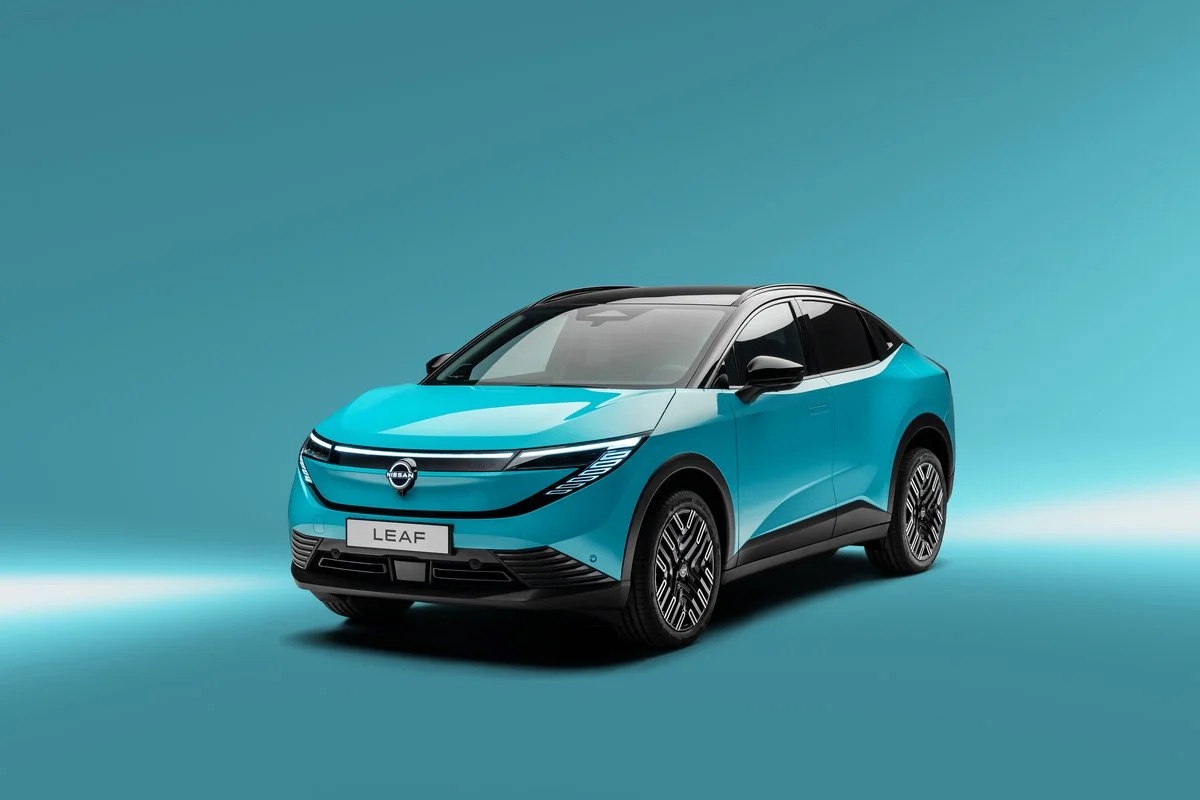
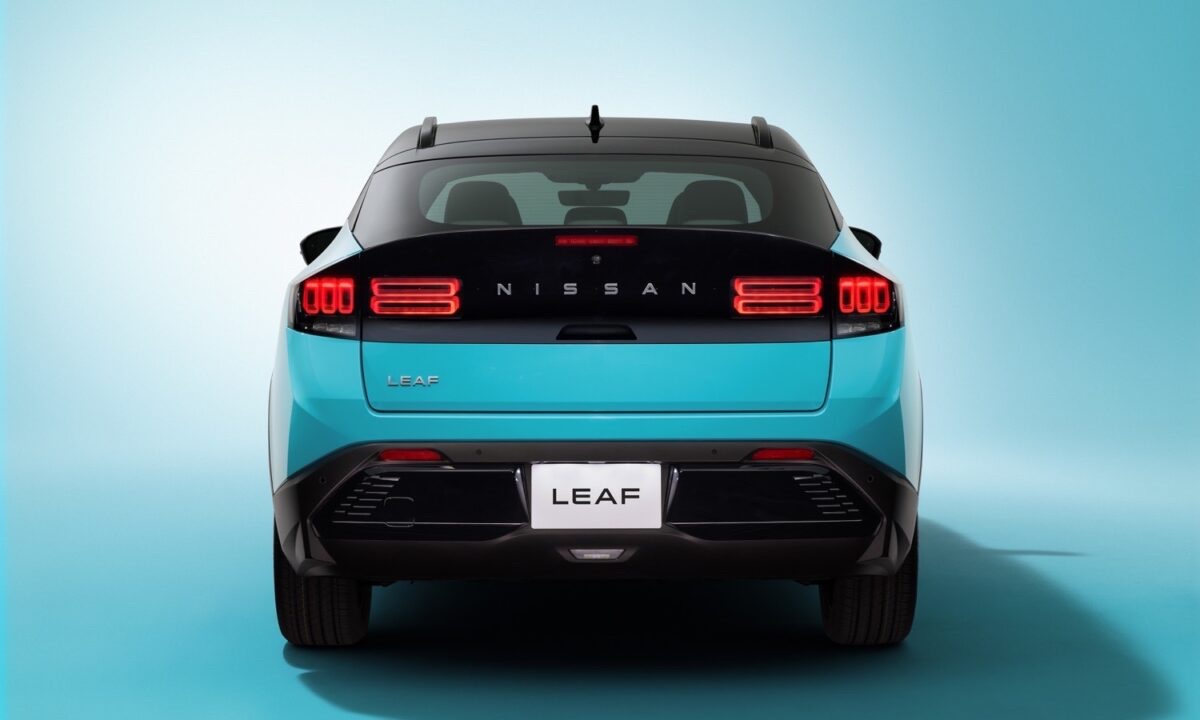
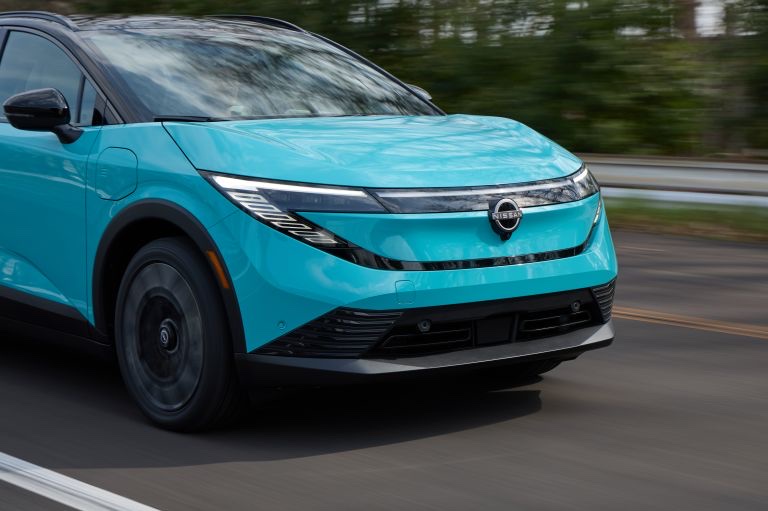
Focusing heavily on efficiency, the exterior of the 2026 Nissan Leaf features a streamlined silhouette that achieves a drag coefficient of 0.25. Key aerodynamic elements include a smooth roofline, hidden door handles, a fully covered underbody, and specially designed 18-inch or 19-inch alloy wheels. The vehicle's styling is defined by a distinctive lighting setup with 3D rear lights. The paint color palette includes seven choices, featuring a unique Luminous Teal option.
Interior
The cabin emphasizes visibility and modern styling, utilizing a clean dashboard layout. Drivers are greeted by a dual 14.3-inch display system that consolidates navigation, media, and vehicle settings. The interior can be configured in black or white with contrasting purple accents. Notable comfort features include a panoramic glass roof with a dimming function and a premium BOSE audio system that integrates speakers into the driver's headrest for clear navigation and call audio. Storage space is practical, though source data shows minor discrepancies between 437 and 473 liters of cargo capacity, accessed via a power tailgate.
Performance
The Nissan Leaf is available with two front-wheel-drive configurations. The base setup features a 52 kWh battery and a 130 kW (177 hp) electric motor, delivering a 0-100 km/h acceleration time of 8.6 seconds and a WLTP range of up to 436 km. The long-range version upgrades to a 75 kWh battery and a 160 kW (217 hp) motor, reducing the sprint to 100 km/h to 7.6 seconds and extending the range up to 604 km. DC fast charging supports up to 150 kW, allowing a 20% to 80% charge in under 30 minutes.
Practicality
As a five-seat hatchback, the vehicle is optimized for daily utility and family duty. It features a 2690 mm wheelbase, which supports passenger comfort in both rows. Ground clearance stands at 135 mm, making it suitable for urban streets. Everyday usability is enhanced by the cargo space and the power-assisted tailgate. Additionally, a V2L (Vehicle-to-Load) system provides up to 3.6 kW of power, enabling the vehicle to run external electrical appliances during road trips or home power outages.
Safety and tech
Technology is a major selling point, led by the integration of built-in Google software including Maps, Assistant, and Play, allowing voice control for key features. Driver assistance comes via the ProPILOT Assist system, which adjusts speed based on navigation data and road signs. Low-speed maneuvering is aided by a 3D Around View Monitor featuring an 'Invisible Hood View' to show the ground directly in front of the vehicle. Drivers can also use the e-Pedal Step for single-pedal driving alongside adaptive regenerative braking.
Buyer notes
When shopping for the 2026 Nissan Leaf, the choice between the 52 kWh and 75 kWh battery packs will be the most significant decision, directly impacting range and performance. While the base battery is ample for city commuting and short trips, buyers seeking highway usability will benefit from the larger pack, which maintains a range of over 330 km even at cruising speeds of 130 km/h. Standard equipment and trim names may vary by region, so buyers should verify exact specifications for their local market.
Trims and key specifications
Use this table to compare the main differences between available configurations.
| Trim / modification | Engine | Power | Seats | Transmission |
|---|---|---|---|---|
| 130 kW (177 hp) | - | 177 hp | 5 | single-speed reduction gear |
| 160kW (217 hp) | - | 217 hp | 5 | single-speed reduction gear |
Specifications can vary by market, model year, and equipment package. Use the trim sections below to review the full data for each configuration.
Nissan Leaf photo gallery
10 images are collected here with the main specifications and trim data for this model.
Photo Nissan Leaf
Specifications by trim
Choose a configuration below to open full technical data grouped by category.
130 kW (177 hp) 22 specifications
Specifications
Performance and consumption
| Top speed, km/h | 160 |
|---|---|
| Acceleration 0-100 km/h, s | 8.6 |
Engine
| Engine | 130 kW |
|---|---|
| Engine type | Electric |
| Power, hp | 177 |
| Torque, Nm | 345 |
| Number of electric motors | 1 |
Dimensions
| Seats | 5 |
|---|---|
| Length, mm | 4350 |
| Width, mm | 2098 |
| Height, mm | 1550 |
| Wheelbase, mm | 2690 |
| Front track, mm | 1585 |
| Rear track, mm | 1577 |
| Kerb weight, kg | 1789 |
| Turning circle, m | 10.8 |
| Ground clearance, mm | 135 |
| Width without mirrors, mm | 1810 |
| Trunk capacity, L | 473 |
Transmission and drive
| Transmission | single-speed reduction gear |
|---|---|
| Drive | Front-wheel drive |
| Automatic transmission | + |
160kW (217 hp) 22 specifications
Specifications
Performance and consumption
| Top speed, km/h | 160 |
|---|---|
| Acceleration 0-100 km/h, s | 7.6 |
Engine
| Engine | 160kW |
|---|---|
| Engine type | Electric |
| Power, hp | 217 |
| Torque, Nm | 355 |
| Number of electric motors | 1 |
Dimensions
| Seats | 5 |
|---|---|
| Length, mm | 4350 |
| Width, mm | 2098 |
| Height, mm | 1550 |
| Wheelbase, mm | 2690 |
| Front track, mm | 1585 |
| Rear track, mm | 1577 |
| Kerb weight, kg | 1789 |
| Turning circle, m | 10.8 |
| Ground clearance, mm | 135 |
| Width without mirrors, mm | 1810 |
| Trunk capacity, L | 473 |
Transmission and drive
| Transmission | single-speed reduction gear |
|---|---|
| Drive | Front-wheel drive |
| Automatic transmission | + |
Nissan Leaf questions
Short answers based on the specifications and photos available in this catalog.
What generation is the 2026 Nissan Leaf?
The 2026 Nissan Leaf belongs to the third generation of the electric hatchback, which was officially revealed for the European market in June 2025.
What battery and range options are available for the 2026 Nissan Leaf?
Buyers can choose between a base 52 kWh battery providing up to 436 km of WLTP range, and a larger 75 kWh battery that offers up to 604 km of range.
How fast can the 2026 Nissan Leaf charge?
With DC fast charging of up to 150 kW, the Nissan Leaf can charge from 20% to 80% in less than 30 minutes.
Does the 2026 Nissan Leaf support powering external devices?
Yes, the vehicle features a V2L (Vehicle-to-Load) system that provides up to 3.6 kW of electricity to power household appliances or electronic devices.
What is the cargo capacity of the 2026 Nissan Leaf?
The vehicle features a cargo area with a capacity of approximately 437 to 473 liters, depending on the specific source configuration, and is equipped with a power tailgate.