Porsche Panamera Turbo (971) specifications and photos
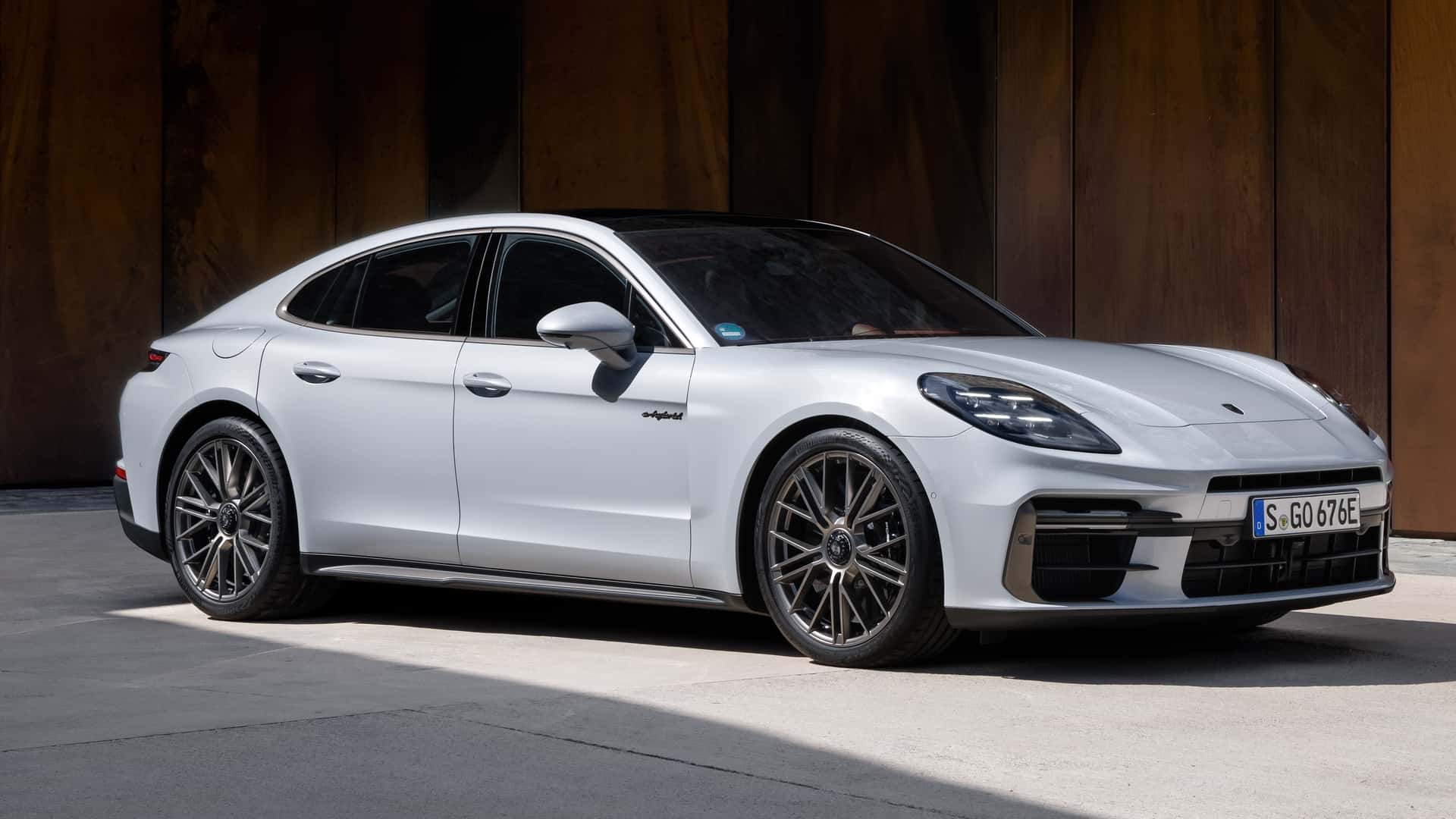
The 2020 Porsche Panamera Turbo (971) represents a high-performance peak in the luxury liftback class, combining sports car speed with four-door comfort. Available in both traditional V8 gasoline and plug-in hybrid forms, this facelifted model offers refined driving dynamics and upgraded technology. It serves as a spacious alternative to traditional executive sedans for drivers who prioritize performance.
Porsche Panamera Turbo (971) at a glance
Quick model context before comparing photos and trim-level specifications.
The 2020 refresh of the second-generation Porsche Panamera Turbo (971) introduces significant updates to its high-performance lineup. Porsche restructured the range by positioning the Turbo S as the primary non-hybrid performance leader, replacing the outgoing standard Turbo. The update introduces two main options: the gas-only Turbo S and the plug-in Turbo S E-Hybrid. Both versions can also be ordered in the Executive configuration, which stretches the wheelbase by 150 mm to provide more rear-seat legroom. Porsche re-engineered key chassis components, including the active dampers, three-chamber air suspension, active roll stabilization, and torque vectoring systems. These updates aim to broaden the car's capabilities, making it more comfortable for daily commuting while remaining sharp and responsive during aggressive driving. Standard rear-axle steering and carbon-ceramic brakes further enhance high-speed stability and braking performance across the line.
- Power: 630-700 hp
- Engine displacement: 3996 cc
- Transmissions: 8-speed dual-clutch
- Seating: 4 seats
Photos, trims and specifications for Porsche Panamera Turbo (971)
This model page brings gallery images, trim comparison, and detailed technical data together for the 2020 generation.
Estimate fuel cost
Use trim-level fuel consumption data to estimate monthly and yearly fuel spending.
Fuel costs are estimates. Real consumption can change with driving style, traffic, tires, weather, load, and market-specific equipment.
Porsche Panamera Turbo (971) overview
Editorial context for design, cabin, performance, practicality, and buyer notes.
Design
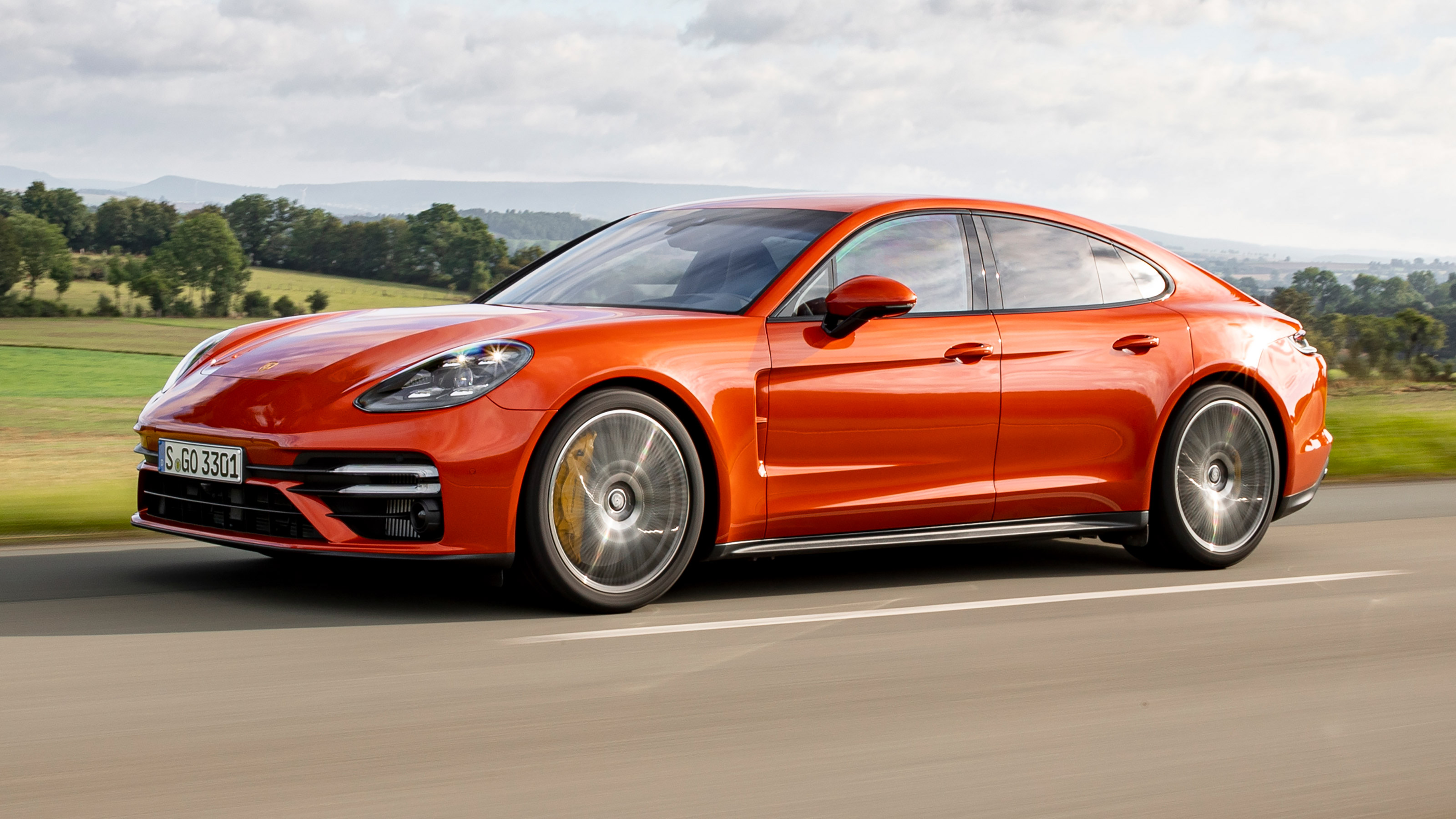
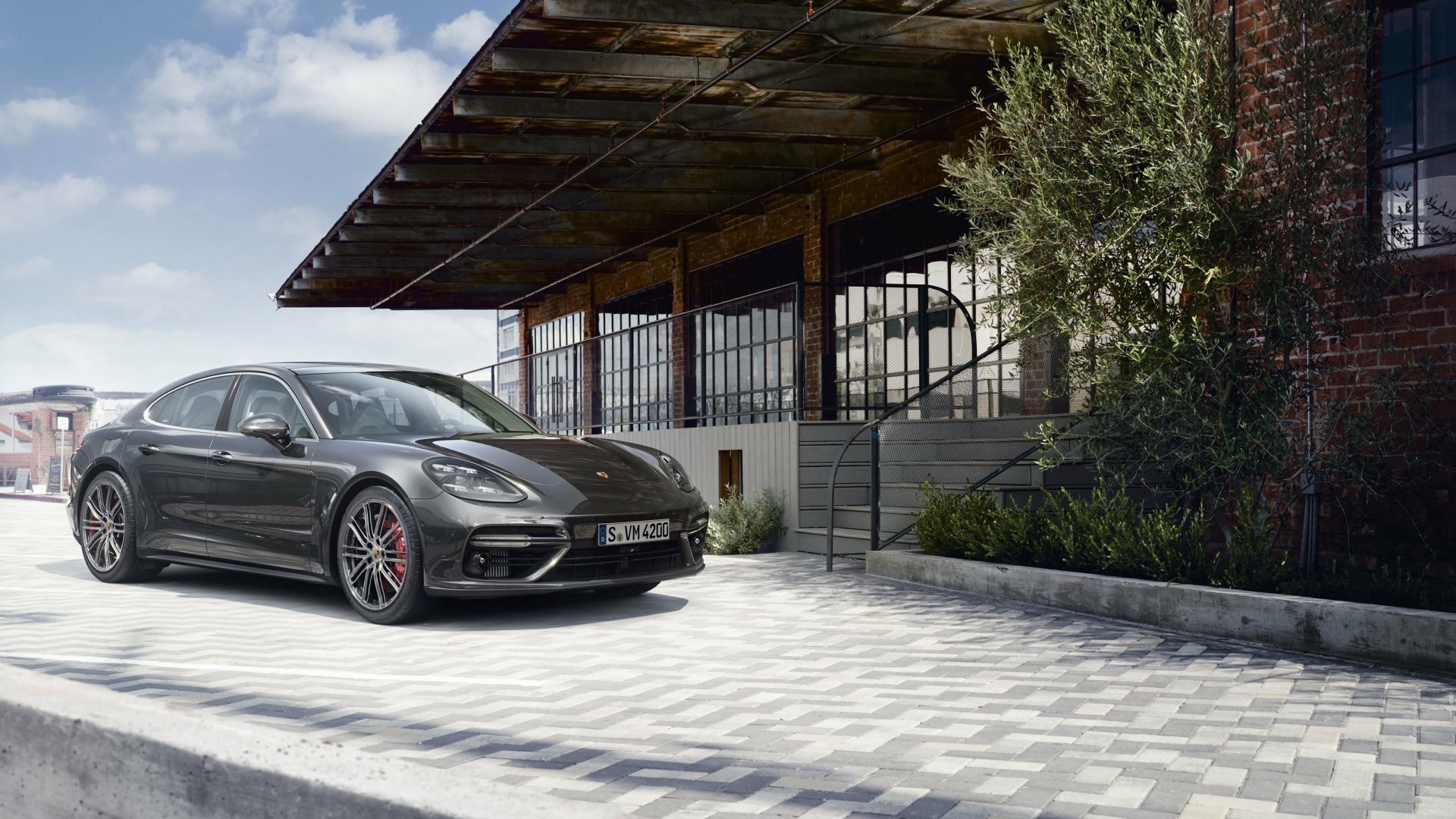
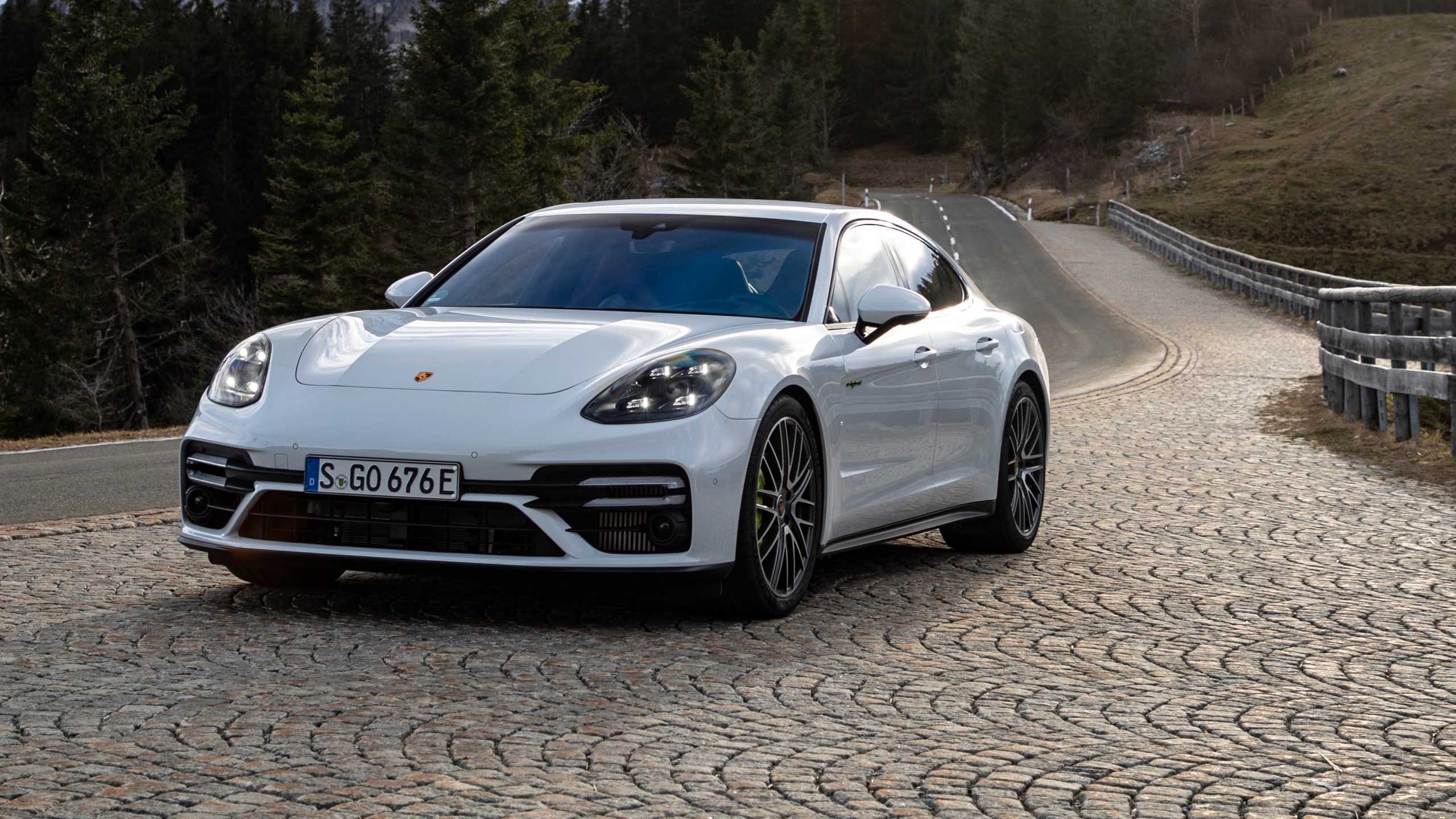
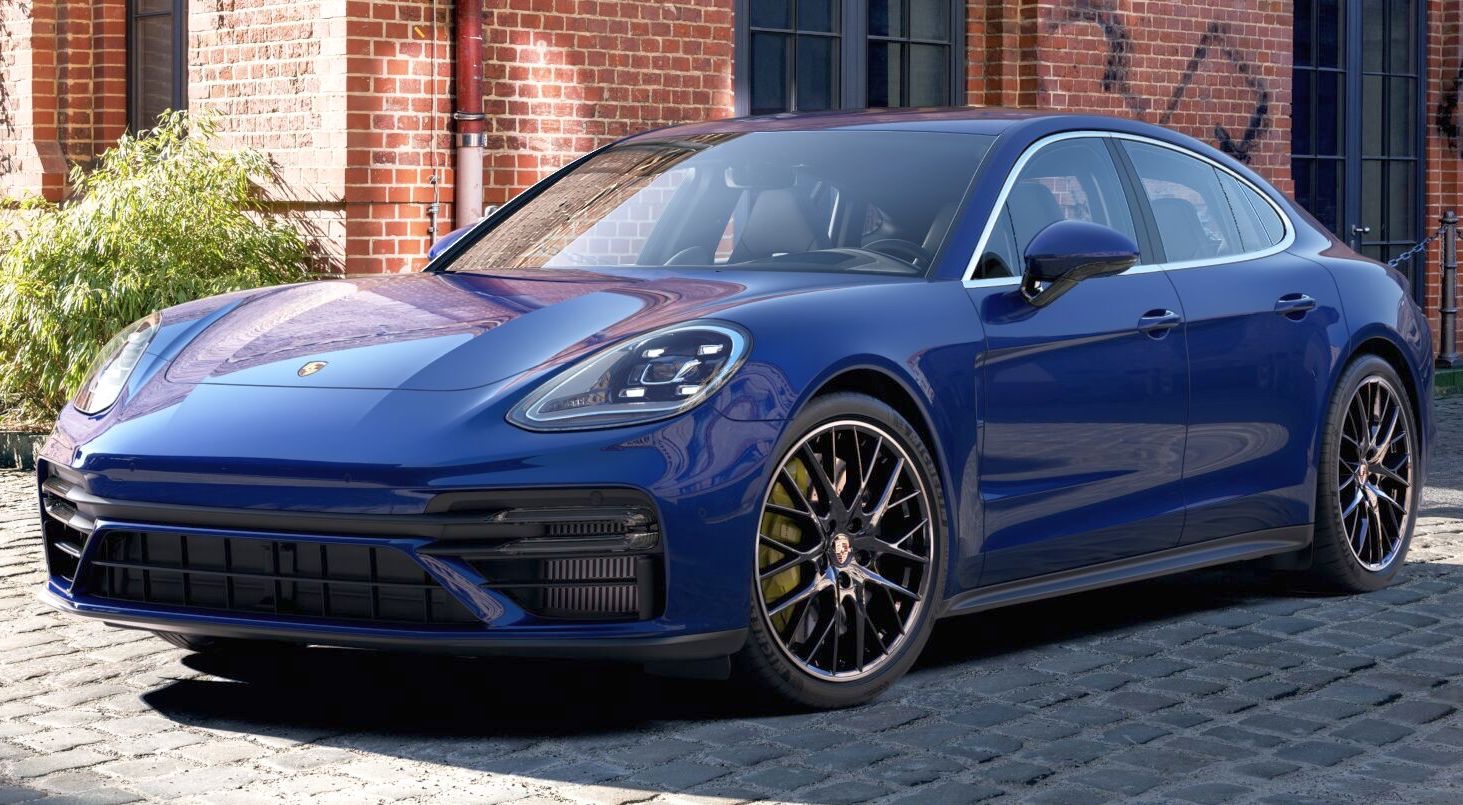
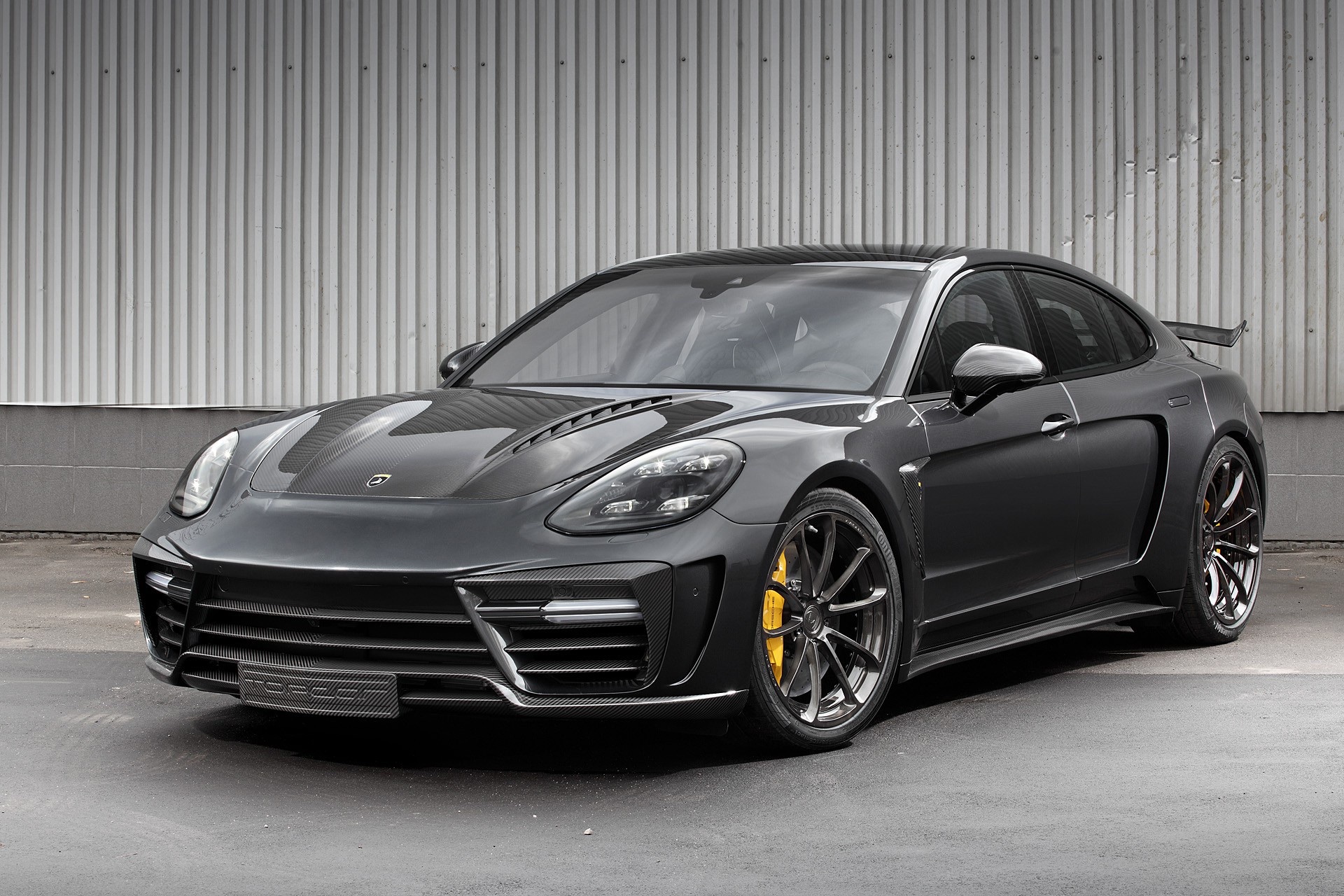
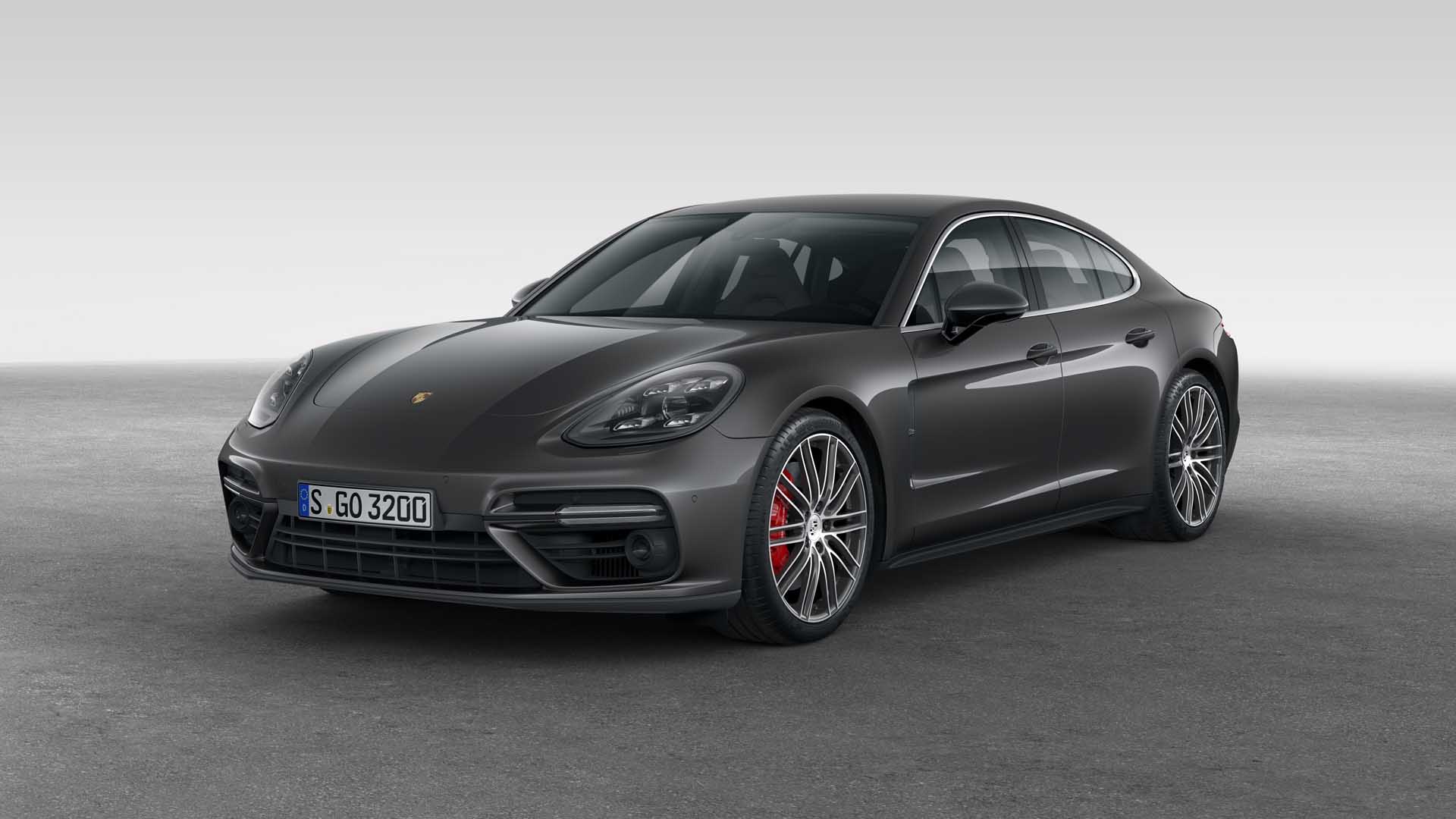
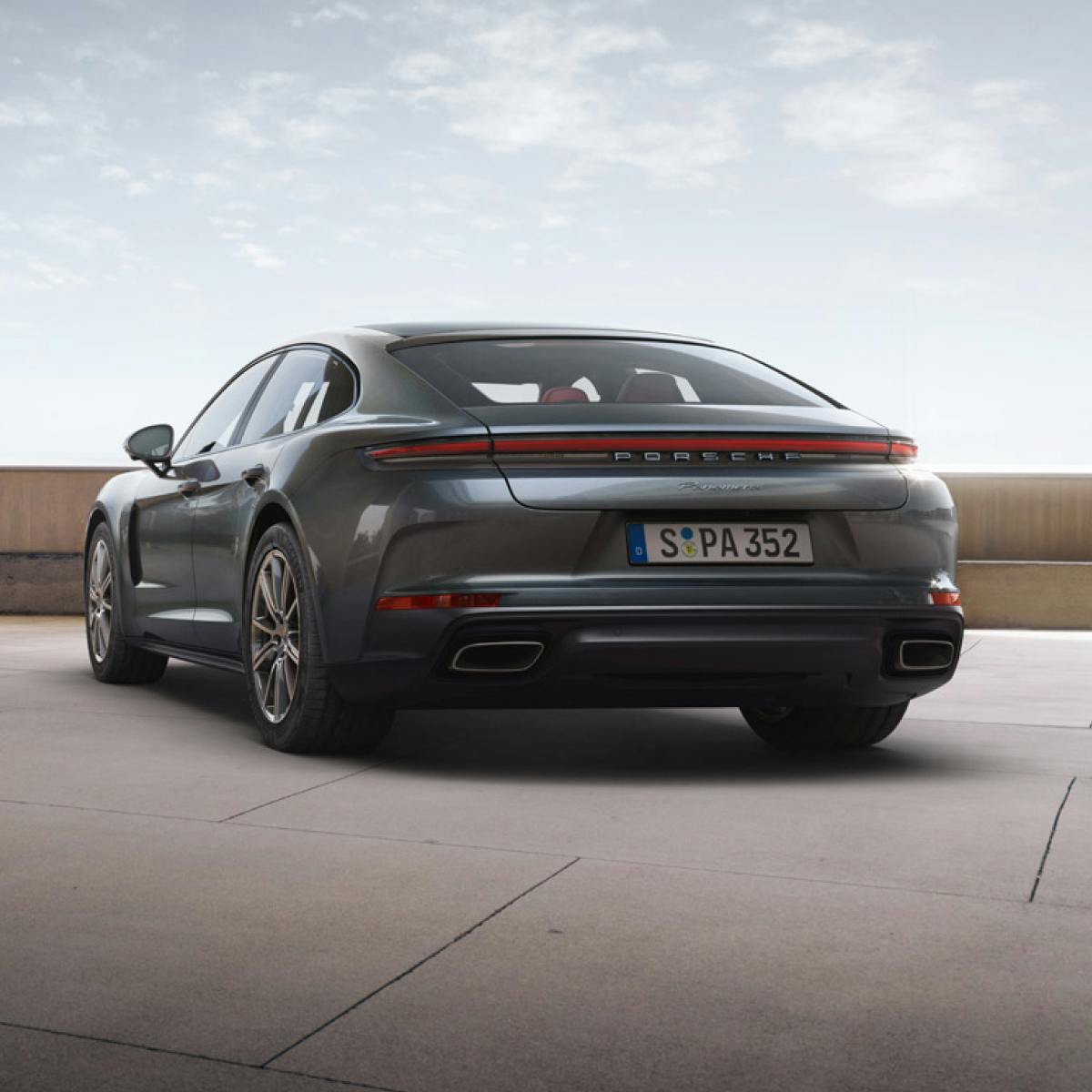
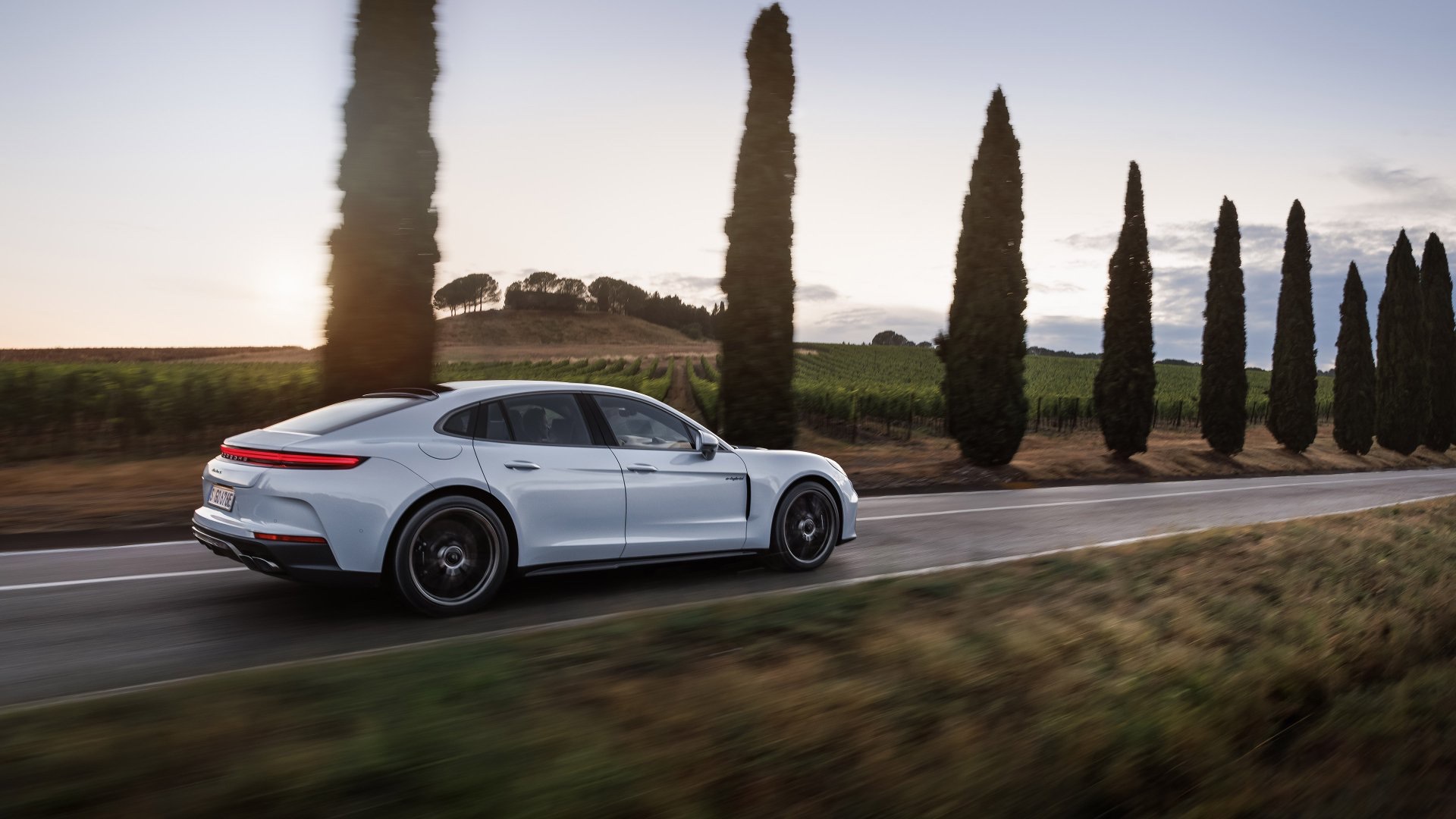
Exterior updates for this model year are subtle but distinguish it from earlier second-generation versions. The front bumper features a restyled layout with a prominent body-colored trapezoidal element, while the rear showcases updated, flatter light clusters that are noticeably darkened. Standard hybrid variants are instantly recognizable by their bright yellow brake calipers. The profile retains its signature low-slung, athletic silhouette, blending coupe-like rooflines with the proportions of a large luxury hatchback. Wheel designs start with standard 19-inch alloy wheels, keeping a balance between ride comfort and visual presence. The overall design emphasizes aerodynamics and cooling efficiency, necessary for managing the thermal demands of the powerful V8 engines.
Interior
Inside the cabin, the changes focus on digital updates and refinement. Drivers will notice a redesigned steering wheel that takes its styling cues directly from the 992-generation Porsche 911. The dashboard center contains a 12-inch touchscreen display, which features improved screen resolution for clearer maps and menus. The Porsche Communication Management (PCM) infotainment system has been upgraded with more responsive voice controls and now supports wireless Apple CarPlay integration. Materials are premium throughout, with standard leather seating and aluminum doorsill guards. The cabin accommodates four occupants in supportive, individual bucket seats, ensuring passenger comfort during high-speed cornering.
Performance
Performance is defined by two heavily updated powertrains paired with an eight-speed PDK dual-clutch transmission and all-wheel drive. The Turbo S is powered by a 4.0-liter twin-turbo V8 engine generating 630 horsepower and 820 Nm of torque, enabling a 0-100 km/h acceleration time of 3.1 seconds and a top speed of 315 km/h. The Turbo S E-Hybrid pairs a 571-horsepower version of the V8 with a 136-horsepower electric motor, producing a combined output of 700 horsepower and 870 Nm of torque. The hybrid accelerates to 100 km/h in 3.2 seconds. A larger 17.9 kWh battery pack allows the E-Hybrid to travel up to 50 kilometers on pure electric power based on the WLTP cycle.
Practicality
As a liftback, this vehicle offers greater cargo flexibility than typical three-box luxury sedans. The rear luggage compartment provides 467 liters of space in the standard gasoline Turbo S, though this capacity drops to 403 liters in hybrid models to accommodate electrical components. Folding the rear seats increases usable cargo volume significantly. For passengers, the four-seat cabin offers good passenger space, which can be expanded by choosing the Executive trim. The Executive version extends the wheelbase to 3100 mm, directing all the extra length toward rear-seat legroom, making it suitable for chauffeured use.
Safety and tech
The vehicle comes equipped with advanced chassis management systems that double as safety and performance aids. Standard equipment includes the Porsche Active Suspension Management (PASM), Porsche Dynamic Chassis Control Sport (PDCC Sport) active stabilizers, and Porsche Torque Vectoring Plus (PTV Plus). Electronic stability control and anti-lock brakes manage traction during high-speed driving. Driver convenience features include cruise control, a tire pressure monitoring system, keyless entry and start, and an electric parking brake. Bright lighting and parking cameras help drivers navigate tight urban spaces safely.
Buyer notes
When comparing models, buyers should decide between the pure combustion experience of the Turbo S and the electric-only commuting capability of the Turbo S E-Hybrid. The hybrid offers lower fuel consumption in mixed driving but carries extra weight and has slightly less trunk capacity. For buyers who prioritize rear cabin comfort, the Executive version is highly recommended because of its longer wheelbase and added passenger room. Equipment availability, specific option packages, and interior materials may vary depending on the destination market, so buyers should verify the exact configuration of used models.
Trims and key specifications
Use this table to compare the main differences between available configurations.
| Trim / modification | Engine | Power | Seats | Transmission |
|---|---|---|---|---|
| Panamera Turbo S | 3996 cc | 630 hp | 4 | 8-speed dual-clutch |
| Panamera Turbo S E-Hybrid | 3996 cc | 700 hp | 4 | 8-speed dual-clutch |
| Panamera Turbo S E-Hybrid Executive | 3996 cc | 700 hp | 4 | 8-speed dual-clutch |
| Panamera Turbo S E-Hybrid | 3996 cc | 700 hp | 4 | 8-speed dual-clutch |
| Panamera Turbo S Executive | 3996 cc | 630 hp | 4 | 8-speed dual-clutch |
| Panamera Turbo S | 3996 cc | 630 hp | 4 | 8-speed dual-clutch |
Specifications can vary by market, model year, and equipment package. Use the trim sections below to review the full data for each configuration.
Porsche Panamera Turbo (971) photo gallery
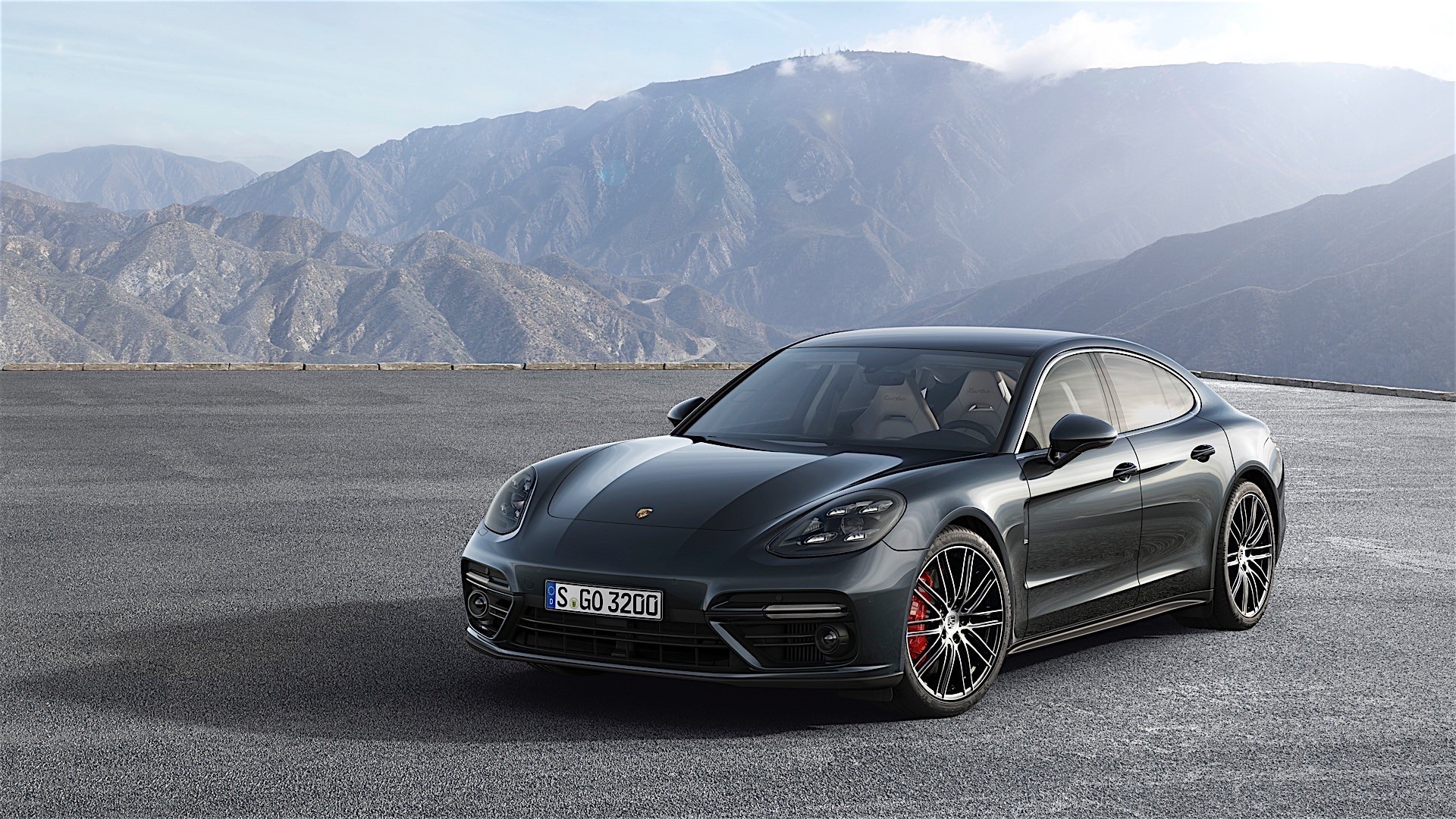
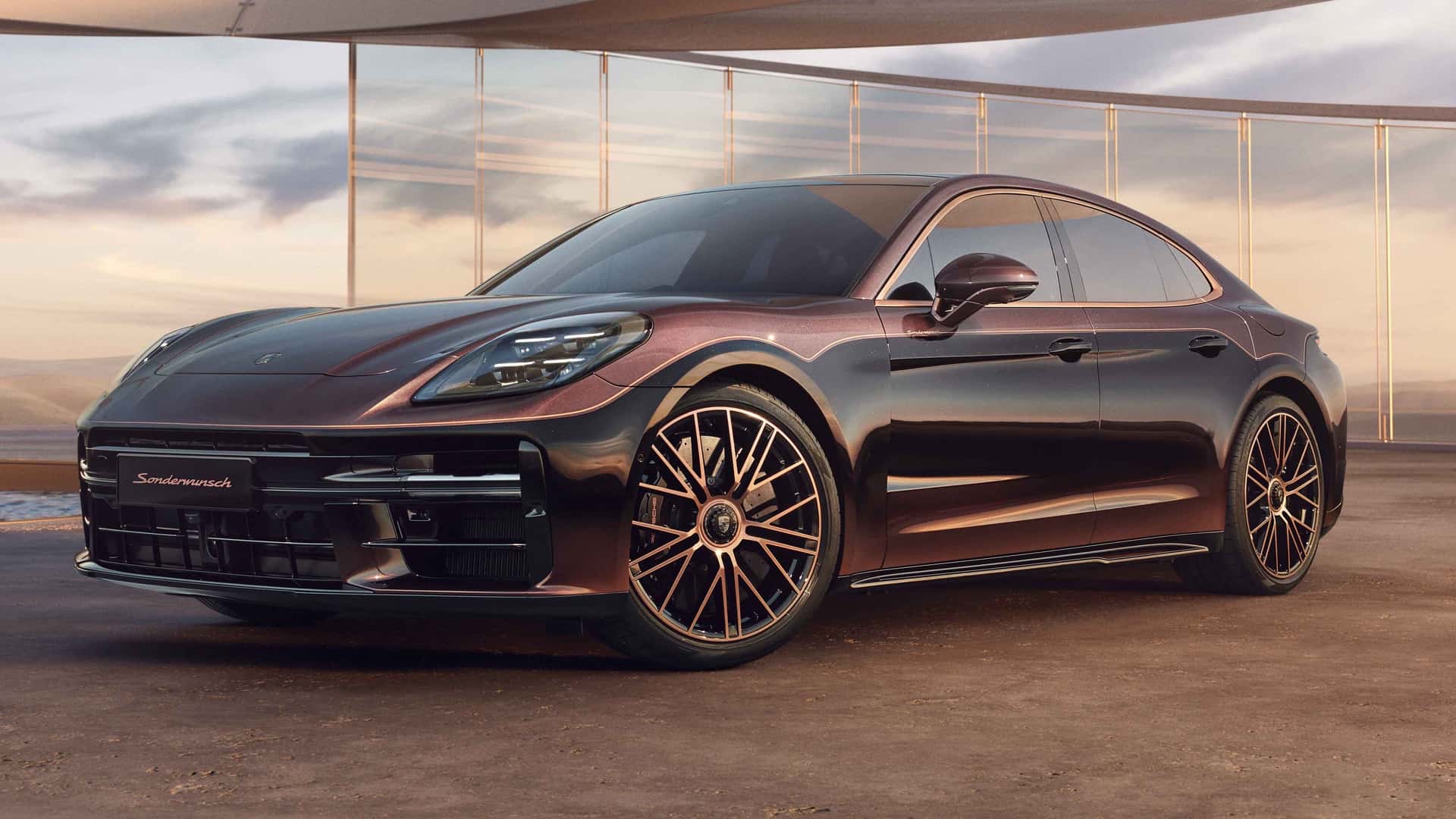
11 images are collected here with the main specifications and trim data for this model.
Photo Porsche Panamera Turbo (971)
Specifications by trim
Choose a configuration below to open full technical data grouped by category.
Panamera Turbo S 37 specifications
Specifications
Performance and consumption
| Fuel consumption city, L/100 km | 14.9 |
|---|---|
| Fuel consumption highway, L/100 km | 8.5 |
| Fuel consumption combined, L/100 km | 10.8 |
| Top speed, km/h | 315 |
| Acceleration 0-100 km/h, s | 3.1 |
| Emissions standard | Euro VI |
Engine
| Engine | 4.0 V8 |
|---|---|
| Engine code | EA825 |
| Engine type | Internal combustion engine |
| Fuel type | Gasoline |
| Engine displacement, cc | 3996 |
| Cylinder layout | V-type |
| Number of cylinders | 8 |
| Valves | 32 |
| Power, hp | 630 |
| RPM at max power | 6000 |
| Torque, Nm | 820 |
| RPM at max torque | 2300–4500 |
Dimensions
| Seats | 4 |
|---|---|
| Length, mm | 5049 |
| Width, mm | 1937 |
| Height, mm | 1427 |
| Wheelbase, mm | 2950 |
| Front track, mm | 1657 |
| Rear track, mm | 1637 |
| Kerb weight, kg | 2080 |
| Gross weight, kg | 2585 |
| Fuel tank capacity, L | 90 |
| Width without mirrors, mm | 2165 |
| Trunk capacity, L | 467 |
Transmission and drive
| Transmission | 8-speed dual-clutch |
|---|---|
| Transmission type | 2-speed automated manual |
| Drive | All-wheel drive |
| Number of gears | 8 |
| Transmission manufacturer | ZF |
| Automatic transmission | + |
| Transmission country | Germany |
Panamera Turbo S E-Hybrid 42 specifications
Specifications
Performance and consumption
| Fuel consumption combined, L/100 km | 2.7 |
|---|---|
| Top speed, km/h | 315 |
| Acceleration 0-100 km/h, s | 3.2 |
| Emissions standard | Euro VI |
Engine
| Engine | 4.0 V8 E-Hybrid |
|---|---|
| Engine code | EA825 |
| Engine type | Hybrid |
| Fuel type | Gasoline |
| Engine displacement, cc | 3996 |
| Cylinder layout | V-type |
| Number of cylinders | 8 |
| Valves | 32 |
| Power, hp | 700 |
| Torque, Nm | 870 |
| Number of electric motors | 1 |
| EV mode | + |
| Plug-in charging support | + |
| Electric motor power, hp | 136 |
| Combustion engine power, hp | 571 |
| Combustion engine RPM at max power | 5750–6000 |
| Combustion engine torque, Nm | 770 |
| Combustion engine RPM at max torque | 2100–4500 |
| Electric motor torque, Nm | 400 |
Dimensions
| Seats | 4 |
|---|---|
| Length, mm | 5049 |
| Width, mm | 1937 |
| Height, mm | 1427 |
| Wheelbase, mm | 2950 |
| Front track, mm | 1657 |
| Rear track, mm | 1637 |
| Kerb weight, kg | 2080 |
| Gross weight, kg | 2585 |
| Fuel tank capacity, L | 90 |
| Width without mirrors, mm | 2165 |
| Trunk capacity, L | 467 |
Transmission and drive
| Transmission | 8-speed dual-clutch |
|---|---|
| Transmission type | 2-speed automated manual |
| Drive | All-wheel drive |
| Number of gears | 8 |
| Transmission manufacturer | ZF |
| Automatic transmission | + |
| Transmission country | Germany |
Panamera Turbo S E-Hybrid Executive 67 specifications
Specifications
Performance and consumption
| Fuel consumption combined, L/100 km | 2.7 |
|---|---|
| Top speed, km/h | 315 |
| Acceleration 0-100 km/h, s | 3.2 |
| Emissions standard | Euro VI |
Engine
| Engine | 4.0 V8 E-Hybrid |
|---|---|
| Engine code | EA825 |
| Engine type | Hybrid |
| Fuel type | Gasoline |
| Engine displacement, cc | 3996 |
| Cylinder layout | V-type |
| Number of cylinders | 8 |
| Valves | 32 |
| Power, hp | 700 |
| Torque, Nm | 870 |
| Number of electric motors | 1 |
| EV mode | + |
| Plug-in charging support | + |
| Electric motor power, hp | 136 |
| Combustion engine power, hp | 571 |
| Combustion engine RPM at max power | 5750–6000 |
| Combustion engine torque, Nm | 770 |
| Combustion engine RPM at max torque | 2100–4500 |
| Electric motor torque, Nm | 400 |
Dimensions
| Seats | 4 |
|---|---|
| Length, mm | 5049 |
| Width, mm | 1937 |
| Height, mm | 1427 |
| Wheelbase, mm | 2950 |
| Front track, mm | 1657 |
| Rear track, mm | 1637 |
| Kerb weight, kg | 2350 |
| Gross weight, kg | 2810 |
| Fuel tank capacity, L | 80 |
| Width without mirrors, mm | 2165 |
| Trunk capacity, L | 403 |
Transmission and drive
| Transmission | 8-speed dual-clutch |
|---|---|
| Transmission type | 2-speed automated manual |
| Drive | All-wheel drive |
| Number of gears | 8 |
| Transmission manufacturer | ZF |
| Automatic transmission | + |
| Transmission country | Germany |
Suspension
| Front suspension type | Aluminum double wishbone |
|---|---|
| Rear suspension type | multi-link |
Brake system
| Front brakes | Disc |
|---|---|
| Rear brakes | Disc |
Equipment
Exterior
| Rear spoiler | + |
|---|---|
| Door sill plates with aluminum inserts | + |
Comfort
| Cruise control | + |
|---|---|
| Paddle shifters | + |
| Tire pressure monitoring | + |
| Multifunction steering wheel | + |
| Keyless entry and start | + |
| Adjustable steering column | + |
| Electric parking brake | + |
Interior
| Leather interior | + |
|---|---|
| Multifunction instrument display | + |
| 12V power outlet | + |
| Sport steering wheel | + |
Wheels
| Rim diameter | 19 |
|---|---|
| Rim type | Alloy |
Climate and sound insulation
| Heated front seats | + |
|---|---|
| Heated rear seats | + |
| Dual-zone climate control | + |
Security
Electronic systems
| Anti-lock braking system (ABS) | + |
|---|---|
| Electronic stability control | + |
Anti-theft systems
| Immobilizer | + |
|---|
Panamera Turbo S E-Hybrid 65 specifications
Specifications
Performance and consumption
| Fuel consumption combined, L/100 km | 2.7 |
|---|---|
| Top speed, km/h | 315 |
| Acceleration 0-100 km/h, s | 3.2 |
| Emissions standard | Euro VI |
Engine
| Engine | 4.0 V8 E-Hybrid |
|---|---|
| Engine code | EA825 |
| Engine type | Hybrid |
| Fuel type | Gasoline |
| Engine displacement, cc | 3996 |
| Cylinder layout | V-type |
| Number of cylinders | 8 |
| Valves | 32 |
| Power, hp | 700 |
| Torque, Nm | 870 |
| Number of electric motors | 1 |
| EV mode | + |
| Plug-in charging support | + |
| Electric motor power, hp | 136 |
| Combustion engine power, hp | 571 |
| Combustion engine RPM at max power | 5750–6000 |
| Combustion engine torque, Nm | 770 |
| Combustion engine RPM at max torque | 2100–4500 |
| Electric motor torque, Nm | 400 |
Dimensions
| Seats | 4 |
|---|---|
| Length, mm | 5049 |
| Width, mm | 1937 |
| Height, mm | 1427 |
| Wheelbase, mm | 2950 |
| Front track, mm | 1657 |
| Rear track, mm | 1637 |
| Kerb weight, kg | 2350 |
| Gross weight, kg | 2810 |
| Fuel tank capacity, L | 80 |
| Width without mirrors, mm | 2165 |
| Trunk capacity, L | 403 |
Transmission and drive
| Transmission | 8-speed dual-clutch |
|---|---|
| Transmission type | 2-speed automated manual |
| Drive | All-wheel drive |
| Number of gears | 8 |
| Transmission manufacturer | ZF |
| Automatic transmission | + |
| Transmission country | Germany |
Suspension
| Front suspension type | Aluminum double wishbone |
|---|---|
| Rear suspension type | multi-link |
Brake system
| Front brakes | Disc |
|---|---|
| Rear brakes | Disc |
Equipment
Exterior
| Rear spoiler | + |
|---|---|
| Door sill plates with aluminum inserts | + |
Comfort
| Cruise control | + |
|---|---|
| Paddle shifters | + |
| Tire pressure monitoring | + |
| Multifunction steering wheel | + |
| Keyless entry and start | + |
| Adjustable steering column | + |
| Electric parking brake | + |
Interior
| Leather interior | + |
|---|---|
| Multifunction instrument display | + |
| 12V power outlet | + |
| Sport steering wheel | + |
Wheels
| Rim diameter | 19 |
|---|---|
| Rim type | Alloy |
Climate and sound insulation
| Dual-zone climate control | + |
|---|
Security
Electronic systems
| Anti-lock braking system (ABS) | + |
|---|---|
| Electronic stability control | + |
Anti-theft systems
| Immobilizer | + |
|---|
Panamera Turbo S Executive 62 specifications
Specifications
Performance and consumption
| Fuel consumption city, L/100 km | 14.9 |
|---|---|
| Fuel consumption highway, L/100 km | 8.5 |
| Fuel consumption combined, L/100 km | 10.8 |
| Top speed, km/h | 315 |
| Acceleration 0-100 km/h, s | 3.1 |
| Emissions standard | Euro VI |
Engine
| Engine | 4.0 V8 |
|---|---|
| Engine code | EA825 |
| Engine type | Internal combustion engine |
| Fuel type | Gasoline |
| Engine displacement, cc | 3996 |
| Cylinder layout | V-type |
| Number of cylinders | 8 |
| Valves | 32 |
| Power, hp | 630 |
| RPM at max power | 6000 |
| Torque, Nm | 820 |
| RPM at max torque | 2300–4500 |
Dimensions
| Seats | 4 |
|---|---|
| Length, mm | 5049 |
| Width, mm | 1937 |
| Height, mm | 1427 |
| Wheelbase, mm | 2950 |
| Front track, mm | 1657 |
| Rear track, mm | 1637 |
| Kerb weight, kg | 2080 |
| Gross weight, kg | 2585 |
| Fuel tank capacity, L | 90 |
| Width without mirrors, mm | 2165 |
| Trunk capacity, L | 467 |
Transmission and drive
| Transmission | 8-speed dual-clutch |
|---|---|
| Transmission type | 2-speed automated manual |
| Drive | All-wheel drive |
| Number of gears | 8 |
| Transmission manufacturer | ZF |
| Automatic transmission | + |
| Transmission country | Germany |
Suspension
| Front suspension type | Aluminum double wishbone |
|---|---|
| Rear suspension type | multi-link |
Brake system
| Front brakes | Disc |
|---|---|
| Rear brakes | Disc |
Equipment
Exterior
| Rear spoiler | + |
|---|---|
| Door sill plates with aluminum inserts | + |
Comfort
| Cruise control | + |
|---|---|
| Paddle shifters | + |
| Tire pressure monitoring | + |
| Multifunction steering wheel | + |
| Keyless entry and start | + |
| Adjustable steering column | + |
| Electric parking brake | + |
Interior
| Leather interior | + |
|---|---|
| Multifunction instrument display | + |
| 12V power outlet | + |
| Sport steering wheel | + |
Wheels
| Rim diameter | 19 |
|---|---|
| Rim type | Alloy |
Climate and sound insulation
| Heated front seats | + |
|---|---|
| Heated rear seats | + |
| Dual-zone climate control | + |
Security
Electronic systems
| Anti-lock braking system (ABS) | + |
|---|---|
| Electronic stability control | + |
Anti-theft systems
| Immobilizer | + |
|---|
Panamera Turbo S 60 specifications
Specifications
Performance and consumption
| Fuel consumption city, L/100 km | 14.9 |
|---|---|
| Fuel consumption highway, L/100 km | 8.5 |
| Fuel consumption combined, L/100 km | 10.8 |
| Top speed, km/h | 315 |
| Acceleration 0-100 km/h, s | 3.1 |
| Emissions standard | Euro VI |
Engine
| Engine | 4.0 V8 |
|---|---|
| Engine code | EA825 |
| Engine type | Internal combustion engine |
| Fuel type | Gasoline |
| Engine displacement, cc | 3996 |
| Cylinder layout | V-type |
| Number of cylinders | 8 |
| Valves | 32 |
| Power, hp | 630 |
| RPM at max power | 6000 |
| Torque, Nm | 820 |
| RPM at max torque | 2300–4500 |
Dimensions
| Seats | 4 |
|---|---|
| Length, mm | 5049 |
| Width, mm | 1937 |
| Height, mm | 1427 |
| Wheelbase, mm | 2950 |
| Front track, mm | 1657 |
| Rear track, mm | 1637 |
| Kerb weight, kg | 2080 |
| Gross weight, kg | 2585 |
| Fuel tank capacity, L | 90 |
| Width without mirrors, mm | 2165 |
| Trunk capacity, L | 467 |
Transmission and drive
| Transmission | 8-speed dual-clutch |
|---|---|
| Transmission type | 2-speed automated manual |
| Drive | All-wheel drive |
| Number of gears | 8 |
| Transmission manufacturer | ZF |
| Automatic transmission | + |
| Transmission country | Germany |
Suspension
| Front suspension type | Aluminum double wishbone |
|---|---|
| Rear suspension type | multi-link |
Brake system
| Front brakes | Disc |
|---|---|
| Rear brakes | Disc |
Equipment
Exterior
| Rear spoiler | + |
|---|---|
| Door sill plates with aluminum inserts | + |
Comfort
| Cruise control | + |
|---|---|
| Paddle shifters | + |
| Tire pressure monitoring | + |
| Multifunction steering wheel | + |
| Keyless entry and start | + |
| Adjustable steering column | + |
| Electric parking brake | + |
Interior
| Leather interior | + |
|---|---|
| Multifunction instrument display | + |
| 12V power outlet | + |
| Sport steering wheel | + |
Wheels
| Rim diameter | 19 |
|---|---|
| Rim type | Alloy |
Climate and sound insulation
| Dual-zone climate control | + |
|---|
Security
Electronic systems
| Anti-lock braking system (ABS) | + |
|---|---|
| Electronic stability control | + |
Anti-theft systems
| Immobilizer | + |
|---|
Porsche Panamera Turbo (971) questions
Short answers based on the specifications and photos available in this catalog.
What body style is the 2020 Porsche Panamera Turbo (971)?
The 2020 Porsche Panamera Turbo (971) is a five-door luxury liftback. It is also available in an extended-wheelbase Executive version that offers more interior space.
What are the engine options for this model?
Buyers can choose between a standard 4.0-liter V8 gasoline engine producing 630 horsepower in the Turbo S, or a plug-in hybrid powertrain producing a combined 700 horsepower in the Turbo S E-Hybrid. Both engines are paired with an eight-speed PDK dual-clutch transmission and all-wheel drive.
How far can the hybrid version drive on electric power?
The Turbo S E-Hybrid uses an updated 17.9 kWh battery pack. This allows the vehicle to travel up to 50 kilometers solely on electric power under the WLTP test cycle before the V8 engine takes over.
What changed in the 2020 facelift?
Exterior changes include a redesigned front bumper with a body-colored trapezoidal trim piece and updated, darker rear light strips. Inside, the car received a new steering wheel inspired by the 911, a higher-resolution 12-inch touchscreen, and wireless Apple CarPlay.
Is the Porsche Panamera Turbo practical for daily use?
Yes, the liftback body style provides a large tailgate and a cargo capacity of up to 467 liters in the gasoline version. The four-seat cabin is spacious, especially in the long-wheelbase Executive trim which adds 150 mm of legroom for rear passengers.