Renault Express Van specifications and photos
The 2021 Renault Express Van is a compact, front-wheel-drive commercial vehicle designed for urban deliveries and small business tasks. Serving as a heavily updated successor to the first-generation Dokker Van, it features modern styling and improved utility.
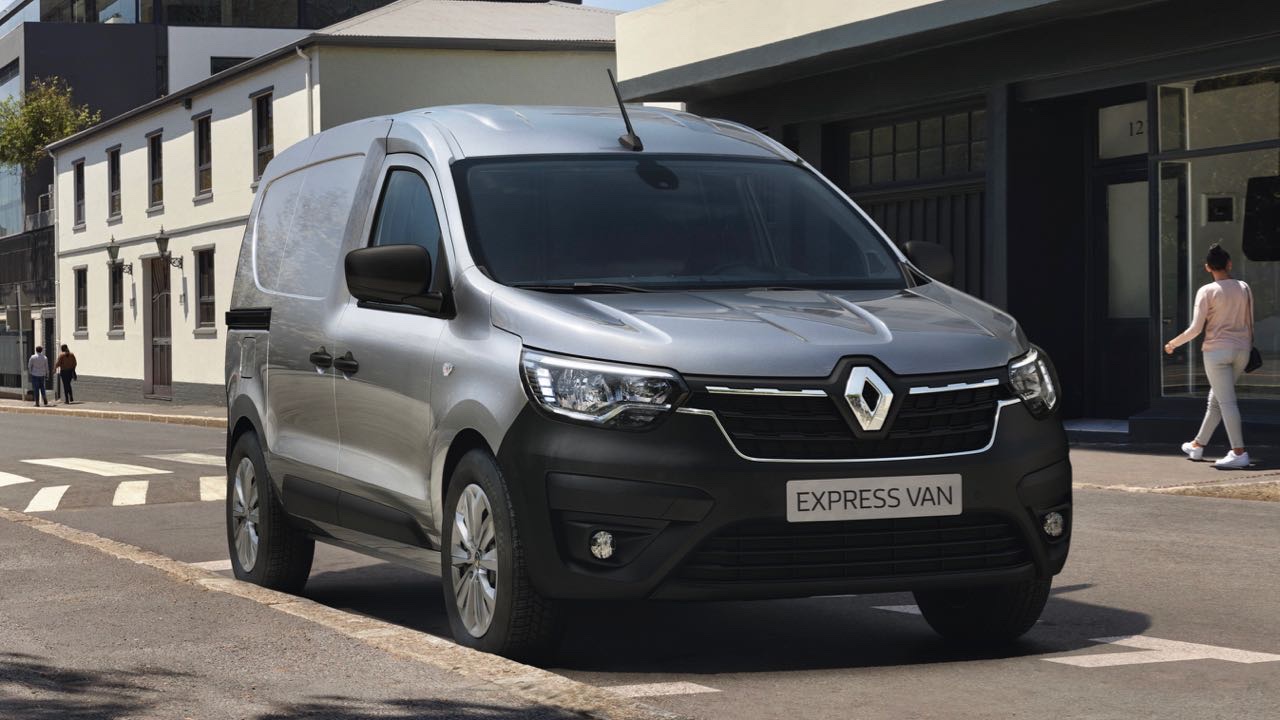
Renault Express Van at a glance
Quick model context before comparing photos and trim-level specifications.
Introduced in late 2020 as a 2021 model, the Renault Express Van replaces the Dokker Van in the brand's commercial lineup. The redesign brings it in line with Renault's modern passenger vehicle design language, sharing visual styling cues with contemporary SUVs like the Duster and Arkana. It targets small business owners and fleet operators looking for a compact city van that balances maneuverability with a practical payload. To handle heavy duty work, the rear suspension is equipped with traditional coil springs rather than a torsion beam, which helps maintain stability under load. Offered with either petrol or turbodiesel engines paired exclusively with manual transmissions, this model focuses on durability and low running costs. In Ukraine and similar European markets, the Express Van positions itself as an entry-level workhorse, providing basic modern conveniences while focusing heavily on cargo capacity and operational efficiency for daily commercial transport.
- Power: 95-110 hp
- Engine displacement: 1461-1598 cc
- Transmissions: 6-speed manual, 5-speed manual
- Seating: 2 seats
Photos, trims and specifications for Renault Express Van
This model page brings gallery images, trim comparison, and detailed technical data together for the 2021 generation.
Estimate fuel cost
Use trim-level fuel consumption data to estimate monthly and yearly fuel spending.
Fuel costs are estimates. Real consumption can change with driving style, traffic, tires, weather, load, and market-specific equipment.
Renault Express Van overview
Editorial context for design, cabin, performance, practicality, and buyer notes.
Design
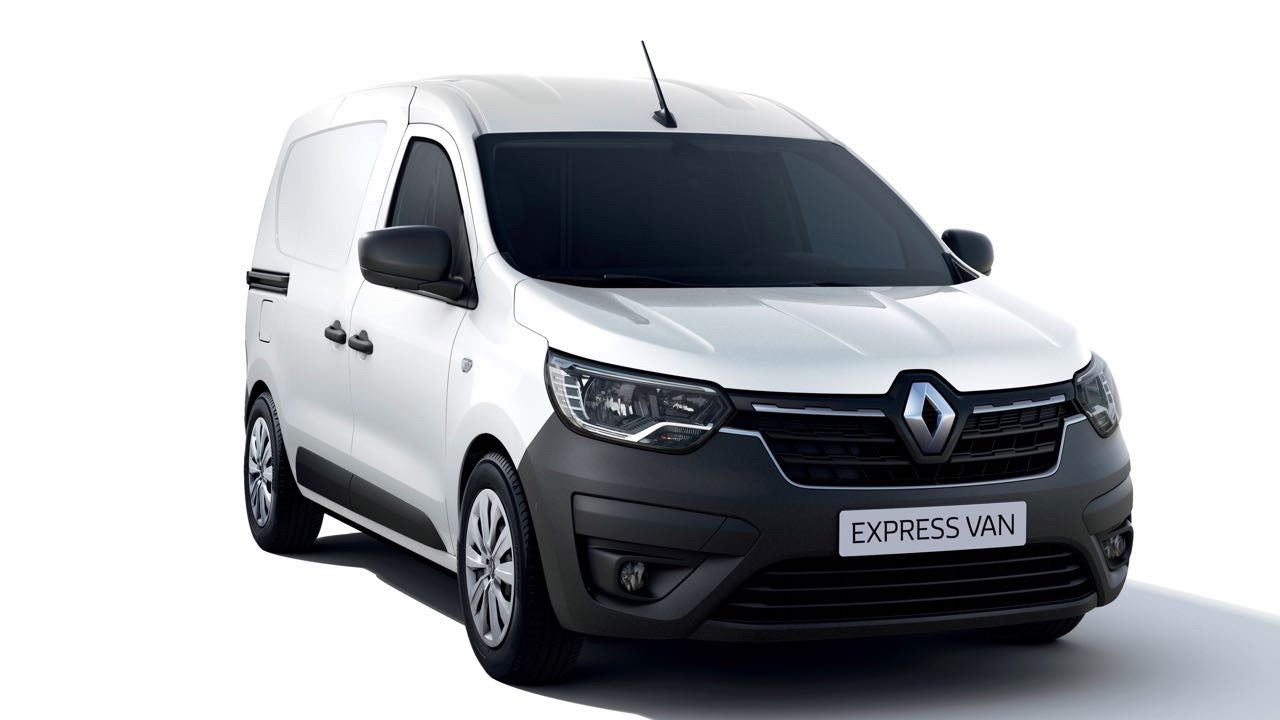
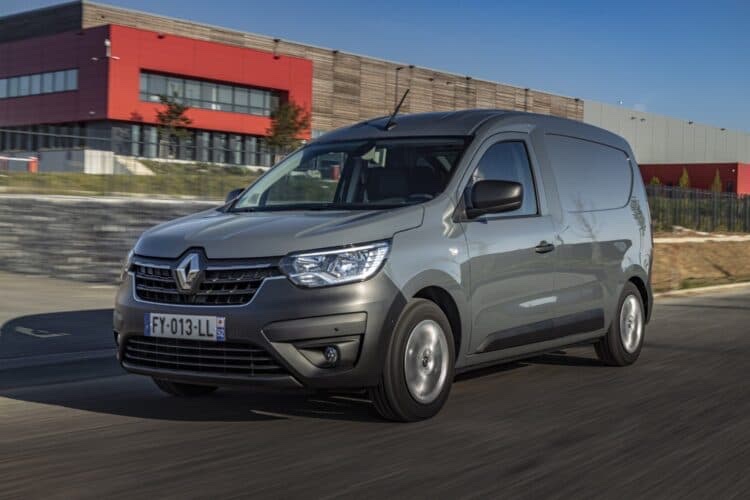
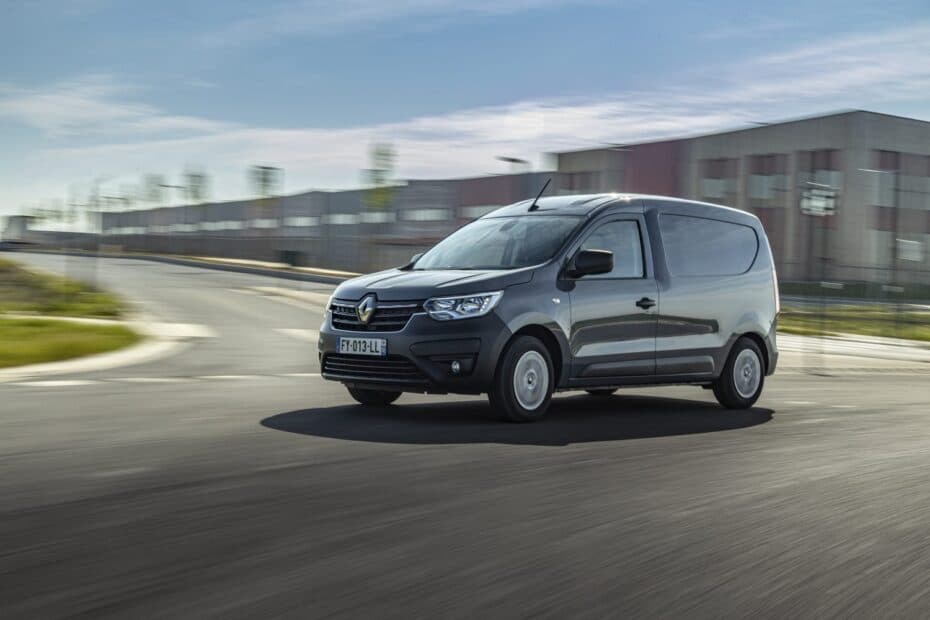
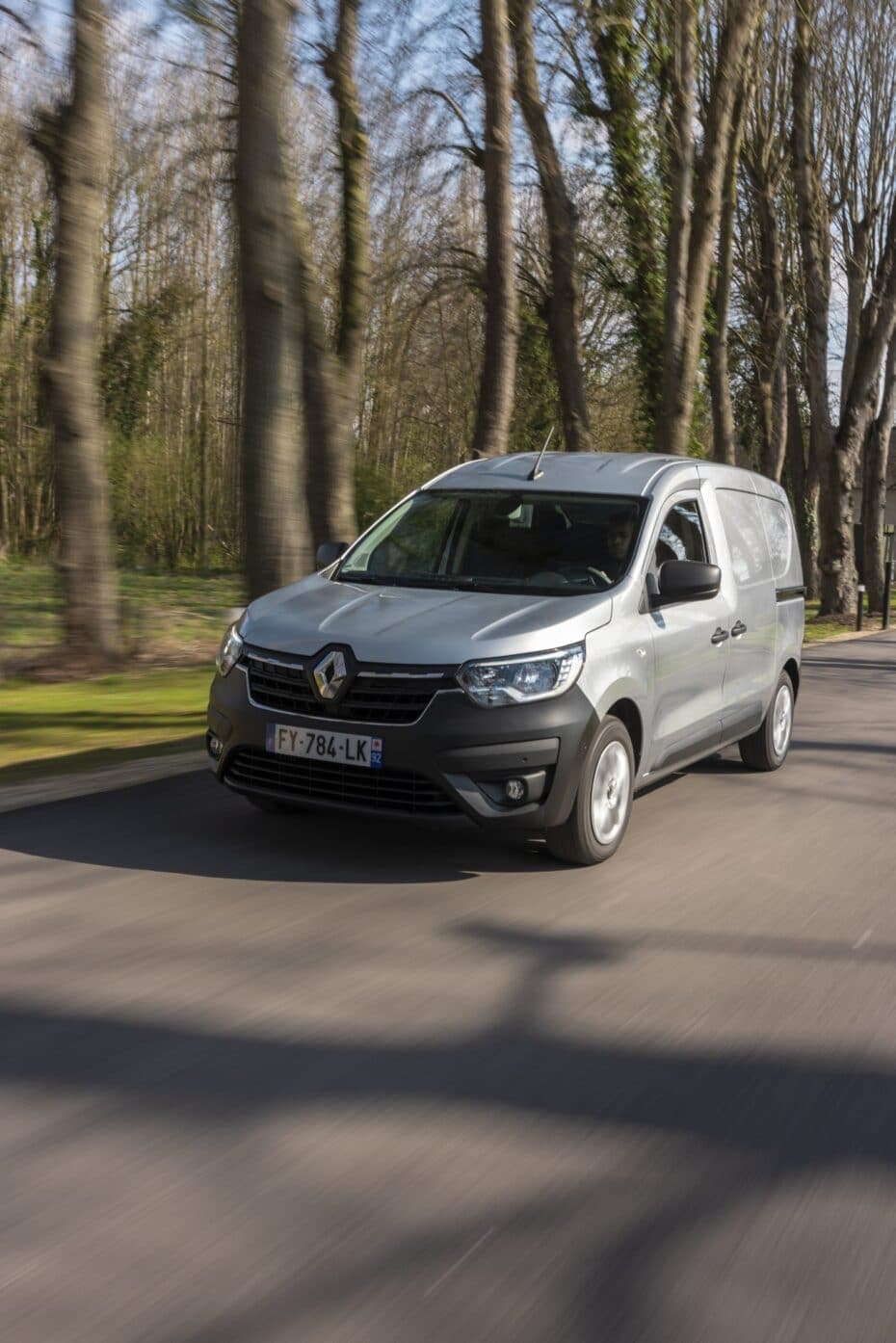
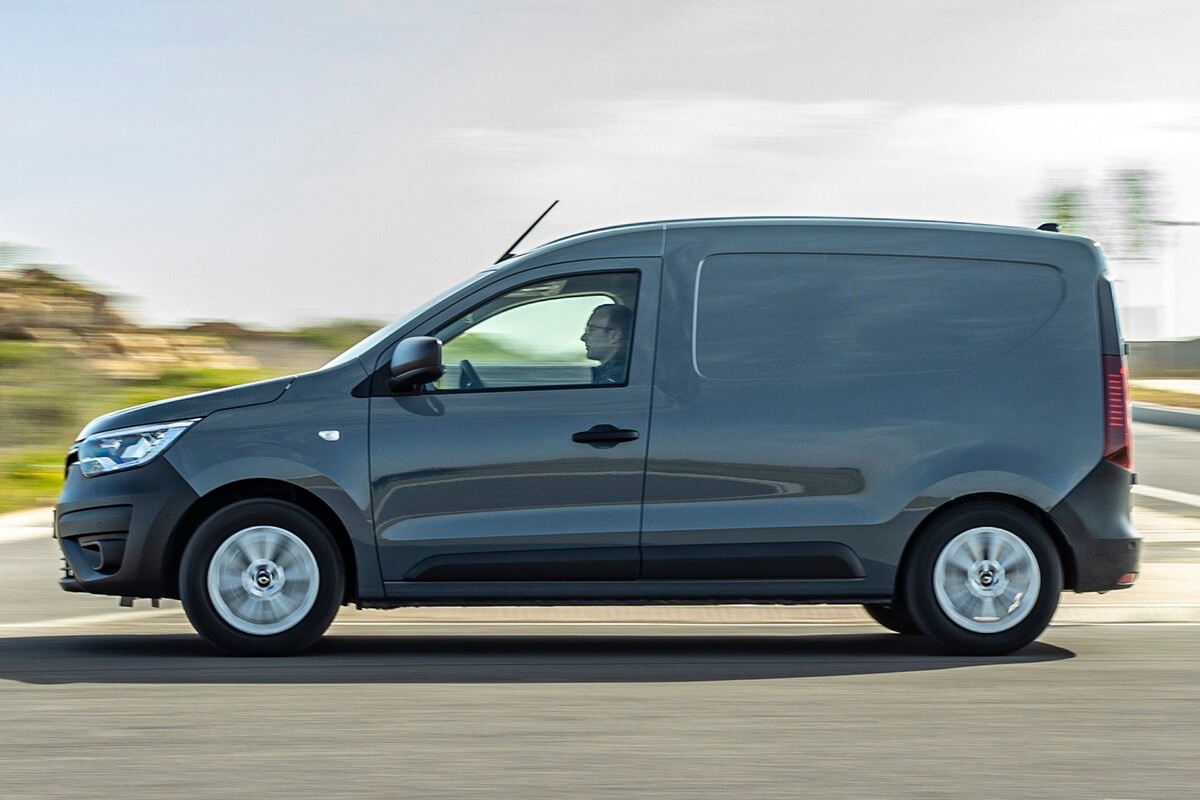
The exterior design of the Express Van is marked by a more expressive front end compared to its predecessor, featuring a restyled hood, a fresh grille, and updated headlights. Buyers can configure the vehicle with either one or two sliding side doors, which provide a 716 mm entry width, alongside rear double swing doors. Un-glazed panels are standard to keep cargo secure, but glazed door options are available for better visibility. The overall vehicle length measures 4,393 mm, making it easy to park in crowded urban areas.
Interior
The cabin design borrows elements from Renault's passenger models, offering a more refined and driver-centric dashboard layout. A standard metal partition separates the two-seat passenger compartment from the cargo area to protect occupants. The basic Advance trim includes essentials like front power windows, manual air conditioning, and a two-speaker audio system with an antenna. Higher trims can be configured with premium amenities, including heated seats, passenger safety upgrades, wireless smartphone charging, and a modern infotainment system supporting Apple CarPlay and Android Auto integrations.
Performance
The vehicle is powered by one of two inline-four engine options. The first is a 1.6-liter naturally aspirated petrol engine (K4M) producing 110 horsepower and 156 Nm of torque, mated to a five-speed manual transmission. The second option is a 1.5-liter dCi turbodiesel engine (K9K) generating 95 horsepower and 220 Nm of torque, which uses a six-speed manual gearbox. Both configurations are strictly front-wheel drive, with the diesel model emphasizing fuel economy (averaging 5.1 liters per 100 km) and the petrol version offering a slightly higher payload limit.
Practicality
Cargo capacity is a key highlight, with a standard cargo volume ranging from 3.3 to 3.7 cubic meters. The standard cargo floor length is 1.91 meters, but an optional swiveling mesh partition combined with a folding front passenger seat allows for transporting longer items up to 2.36 meters. Six floor-mounted tie-down loops are standard. Depending on the engine, the maximum payload capacity ranges from 627 kg for the diesel version to 675 kg for the petrol version.
Safety and tech
The Express Van comes equipped with safety features including electronic stability control, hill start assist, and ABS with electronic brakeforce distribution. The standard setup includes a driver airbag, while upgraded models can feature up to six airbags, a rearview camera, parking sensors, and a blind-spot monitoring system. LED daytime running lights are standard for improved visibility, and the vehicle can also support trailer stability control systems.
Buyer notes
When shopping for a used or new 2021 Renault Express Van, buyers should carefully compare the engine options. The 1.5-liter diesel offers superior torque and fuel economy, making it ideal for high-mileage drivers, whereas the 1.6-liter petrol model offers a slightly higher overall payload. Additionally, pay attention to the interior configurations, as the presence of the folding passenger seat and swiveling partition significantly changes the vehicle's long-item transport capabilities. Equipment packages and the number of side sliding doors vary depending on the target market.
Trims and key specifications
Use this table to compare the main differences between available configurations.
| Trim / modification | Engine | Power | Seats | Transmission |
|---|---|---|---|---|
| 1.5 dCi MT Advance | 1461 cc | 95 hp | 2 | 6-speed manual |
| 1.5 dCi (95 hp) 6-speed manual | 1461 cc | 95 hp | 2 | 6-speed manual |
| 1.6i (110 hp) 5-speed manual | 1598 cc | 110 hp | 2 | 5-speed manual |
Specifications can vary by market, model year, and equipment package. Use the trim sections below to review the full data for each configuration.
Renault Express Van photo gallery
11 images are collected here with the main specifications and trim data for this model.
Photo Renault Express Van
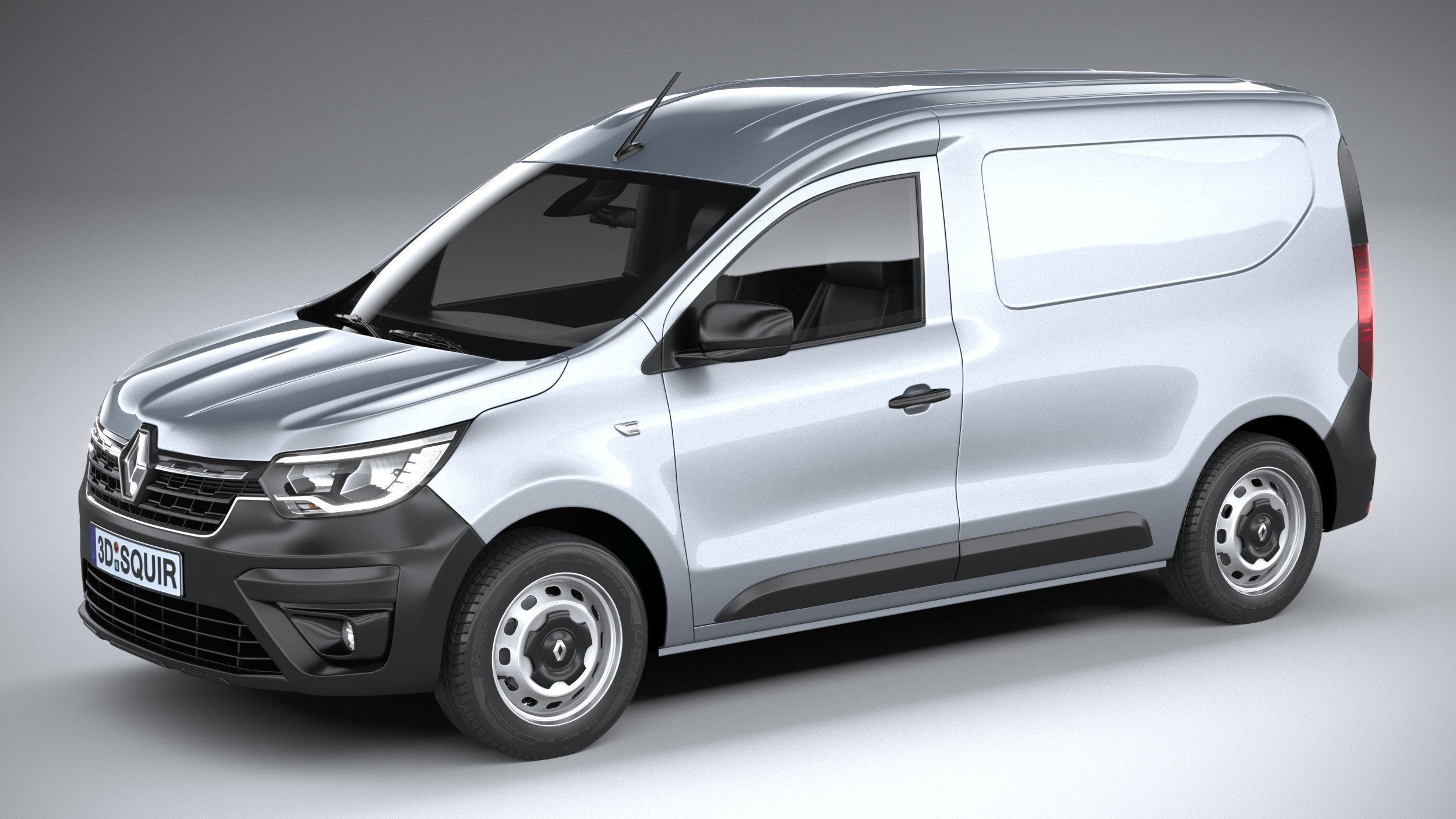
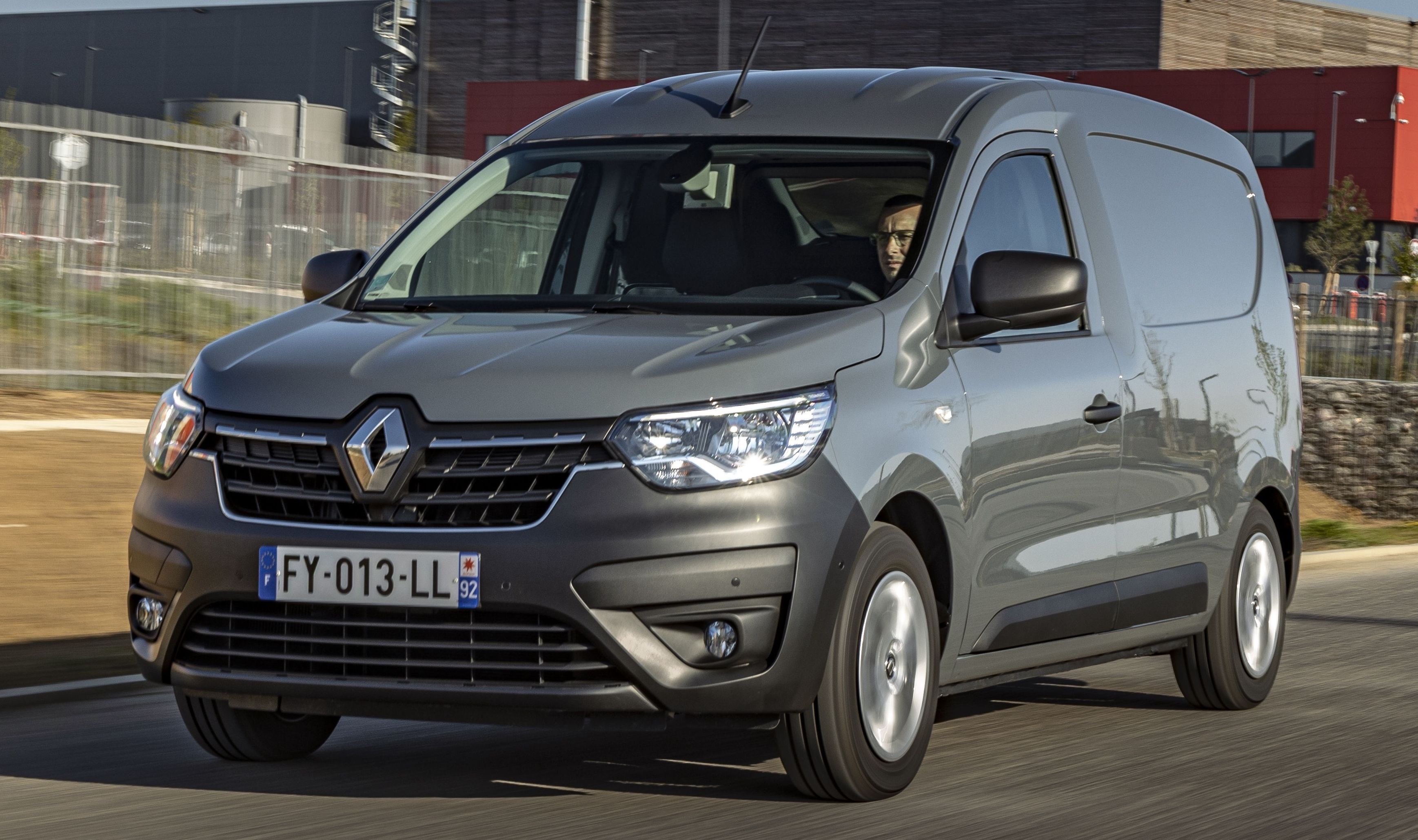
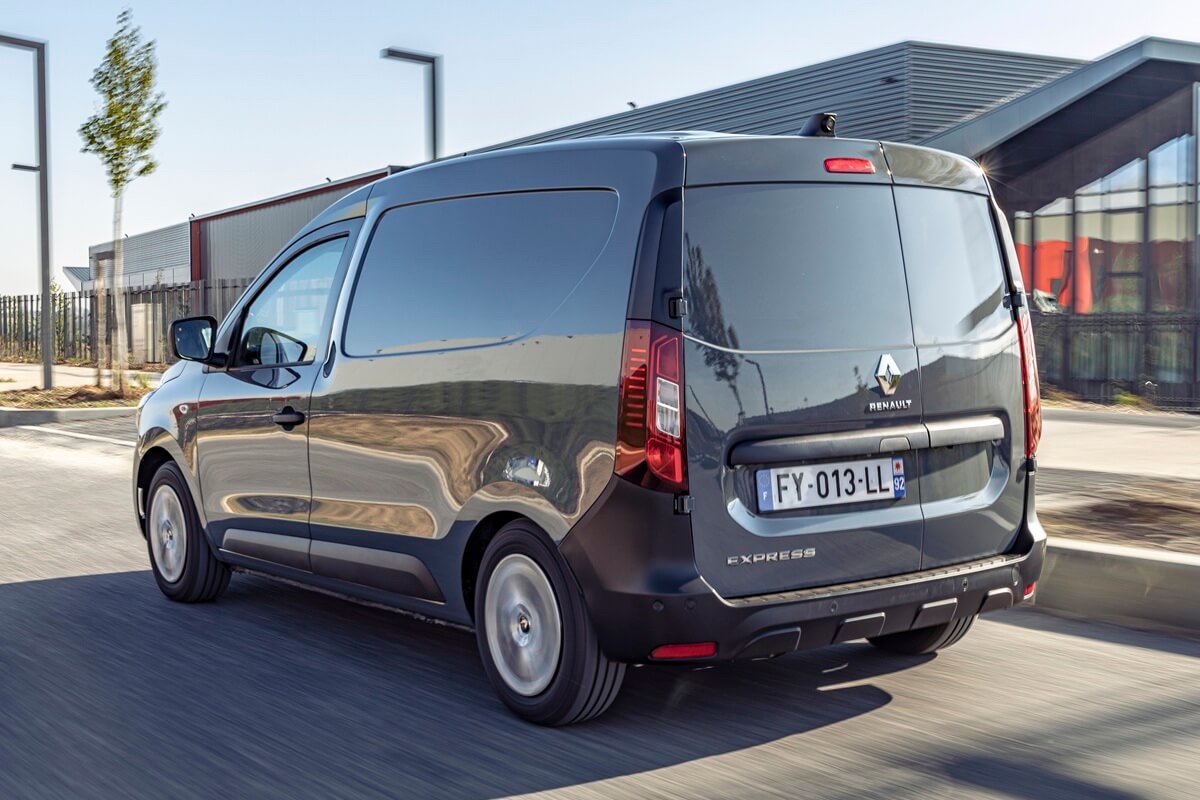
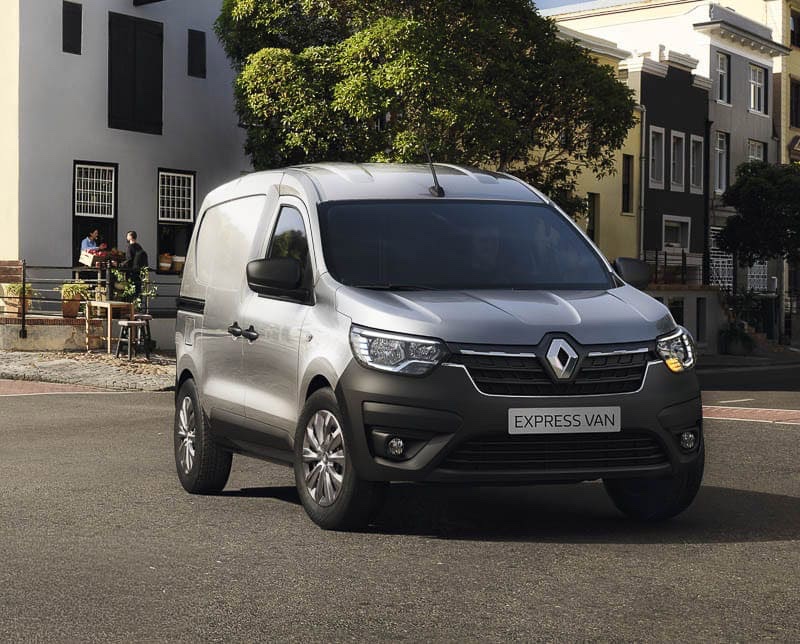
Specifications by trim
Choose a configuration below to open full technical data grouped by category.
1.5 dCi MT Advance 56 specifications
Specifications
Performance and consumption
| Fuel consumption city, L/100 km | 5.8 |
|---|---|
| Fuel consumption highway, L/100 km | 4.6 |
| Fuel consumption combined, L/100 km | 5.1 |
| Top speed, km/h | 160 |
| Acceleration 0-100 km/h, s | 12.2 |
Engine
| Engine | 1.5 dCi |
|---|---|
| Engine code | K9K |
| Engine type | Internal combustion engine |
| Fuel type | Diesel |
| Engine displacement, cc | 1461 |
| Cylinder layout | Inline |
| Number of cylinders | 4 |
| Valves | 8 |
| Turbocharger | + |
| Power, hp | 95 |
| RPM at max power | 3750 |
| Torque, Nm | 220 |
| RPM at max torque | 1500 |
Dimensions
| Seats | 2 |
|---|---|
| Length, mm | 4393 |
| Width, mm | 2079 |
| Height, mm | 1850 |
| Wheelbase, mm | 2812 |
| Front track, mm | 1488 |
| Rear track, mm | 1478 |
| Kerb weight, kg | 1338 |
| Gross weight, kg | 1965 |
| Fuel tank capacity, L | 50 |
| Turning circle, m | 11.1 |
| Ground clearance, mm | 160 |
| Width without mirrors, mm | 1775 |
Transmission and drive
| Transmission | 6-speed manual |
|---|---|
| Transmission type | manual |
| Drive | Front-wheel drive |
| Number of gears | 6 |
| Transmission manufacturer | RMR |
Equipment
Exterior
| Solid rear swing doors | + |
|---|---|
| Right unglazed sliding door | + |
Wheels
| Rim diameter | 15 |
|---|---|
| Rim type | Steel |
| Spare wheel | Full-size spare wheel |
Climate and sound insulation
| Air conditioning | + |
|---|
Off-road
| Hill-start assist | + |
|---|---|
| Engine protection plate | + |
Headlights and lighting
| LED daytime running lights | + |
|---|
Multimedia and instruments
| Number of speakers | 2 |
|---|---|
| Antenna | + |
Glass, mirrors and sunroof
| Heated side mirrors | + |
|---|---|
| Front power windows | + |
| Power-adjustable side mirrors | + |
Body paint and exterior parts
| Black side mirrors | + |
|---|---|
| Black front bumper | + |
Security
Electronic systems
| Anti-lock braking system (ABS) | + |
|---|---|
| Electronic stability control | + |
| Electronic brakeforce distribution | + |
Airbags
| Driver airbag | + |
|---|
1.5 dCi (95 hp) 6-speed manual 36 specifications
Specifications
Performance and consumption
| Fuel consumption city, L/100 km | 5.8 |
|---|---|
| Fuel consumption highway, L/100 km | 4.6 |
| Fuel consumption combined, L/100 km | 5.1 |
| Top speed, km/h | 160 |
| Acceleration 0-100 km/h, s | 12.2 |
Engine
| Engine | 1.5 dCi |
|---|---|
| Engine code | K9K |
| Engine type | Internal combustion engine |
| Fuel type | Diesel |
| Engine displacement, cc | 1461 |
| Cylinder layout | Inline |
| Number of cylinders | 4 |
| Valves | 8 |
| Turbocharger | + |
| Power, hp | 95 |
| RPM at max power | 3750 |
| Torque, Nm | 220 |
| RPM at max torque | 1500 |
Dimensions
| Seats | 2 |
|---|---|
| Length, mm | 4393 |
| Width, mm | 2079 |
| Height, mm | 1850 |
| Wheelbase, mm | 2812 |
| Front track, mm | 1488 |
| Rear track, mm | 1478 |
| Kerb weight, kg | 1338 |
| Gross weight, kg | 1965 |
| Fuel tank capacity, L | 50 |
| Turning circle, m | 11.1 |
| Ground clearance, mm | 160 |
| Width without mirrors, mm | 1775 |
Transmission and drive
| Transmission | 6-speed manual |
|---|---|
| Transmission type | manual |
| Drive | Front-wheel drive |
| Number of gears | 6 |
| Transmission manufacturer | RMR |
1.6i (110 hp) 5-speed manual 36 specifications
Specifications
Performance and consumption
| Fuel consumption city, L/100 km | 10.1 |
|---|---|
| Fuel consumption highway, L/100 km | 6.8 |
| Fuel consumption combined, L/100 km | 8 |
| Top speed, km/h | 169 |
| Acceleration 0-100 km/h, s | 11.6 |
Engine
| Engine | 1.6i |
|---|---|
| Engine code | K4M |
| Engine type | Internal combustion engine |
| Fuel type | Gasoline |
| Engine displacement, cc | 1598 |
| Cylinder layout | Inline |
| Number of cylinders | 4 |
| Valves | 16 |
| Power, hp | 110 |
| RPM at max power | 5500 |
| Torque, Nm | 156 |
| RPM at max torque | 4000 |
Dimensions
| Seats | 2 |
|---|---|
| Length, mm | 4393 |
| Width, mm | 2079 |
| Height, mm | 1850 |
| Wheelbase, mm | 2812 |
| Front track, mm | 1488 |
| Rear track, mm | 1478 |
| Kerb weight, kg | 1338 |
| Gross weight, kg | 1965 |
| Fuel tank capacity, L | 50 |
| Turning circle, m | 11.1 |
| Ground clearance, mm | 160 |
| Width without mirrors, mm | 1775 |
Transmission and drive
| Transmission | 5-speed manual |
|---|---|
| Transmission type | manual |
| Drive | Front-wheel drive |
| Number of gears | 5 |
| Transmission manufacturer | RMR |
| Transmission country | Romania |
Renault Express Van questions
Short answers based on the specifications and photos available in this catalog.
What is the cargo volume of the 2021 Renault Express Van?
The standard cargo compartment offers a volume between 3.3 and 3.7 cubic meters. The usable cargo length is 1.91 meters up to the partition, which can be extended to 2.36 meters with the optional folding passenger seat.
What engines are available for the 2021 Renault Express Van?
Buyers can choose between a 1.6-liter petrol engine making 110 horsepower and a 1.5-liter dCi turbodiesel engine producing 95 horsepower. Both engines are paired with manual transmissions: a five-speed for the petrol and a six-speed for the diesel.
Is the Renault Express Van front-wheel drive or all-wheel drive?
All configurations of the 2021 Renault Express Van are strictly front-wheel drive. There is no all-wheel-drive option available for this generation.
What is the maximum payload of this van?
The payload capacity depends on the engine choice. The petrol version can carry up to 675 kg, while the diesel version supports a maximum payload of 627 kg.
How does the Renault Express Van compare to the Renault Dokker?
The Renault Express Van is a heavily updated, restyled version of the first-generation Dokker Van. Along with updated styling and interior revisions inspired by passenger cars, it was rebranded under the Express Van name.