Renault Talisman Estate specifications and photos
The 2020 Renault Talisman Estate is a mid-size D-segment station wagon that combines distinctive styling with everyday utility. This model year brings a mid-cycle update, introducing refreshed design elements, enhanced cabin technology, and updated safety features. It serves as a comfortable, long-distance cruiser tailored for families and fleet buyers alike.
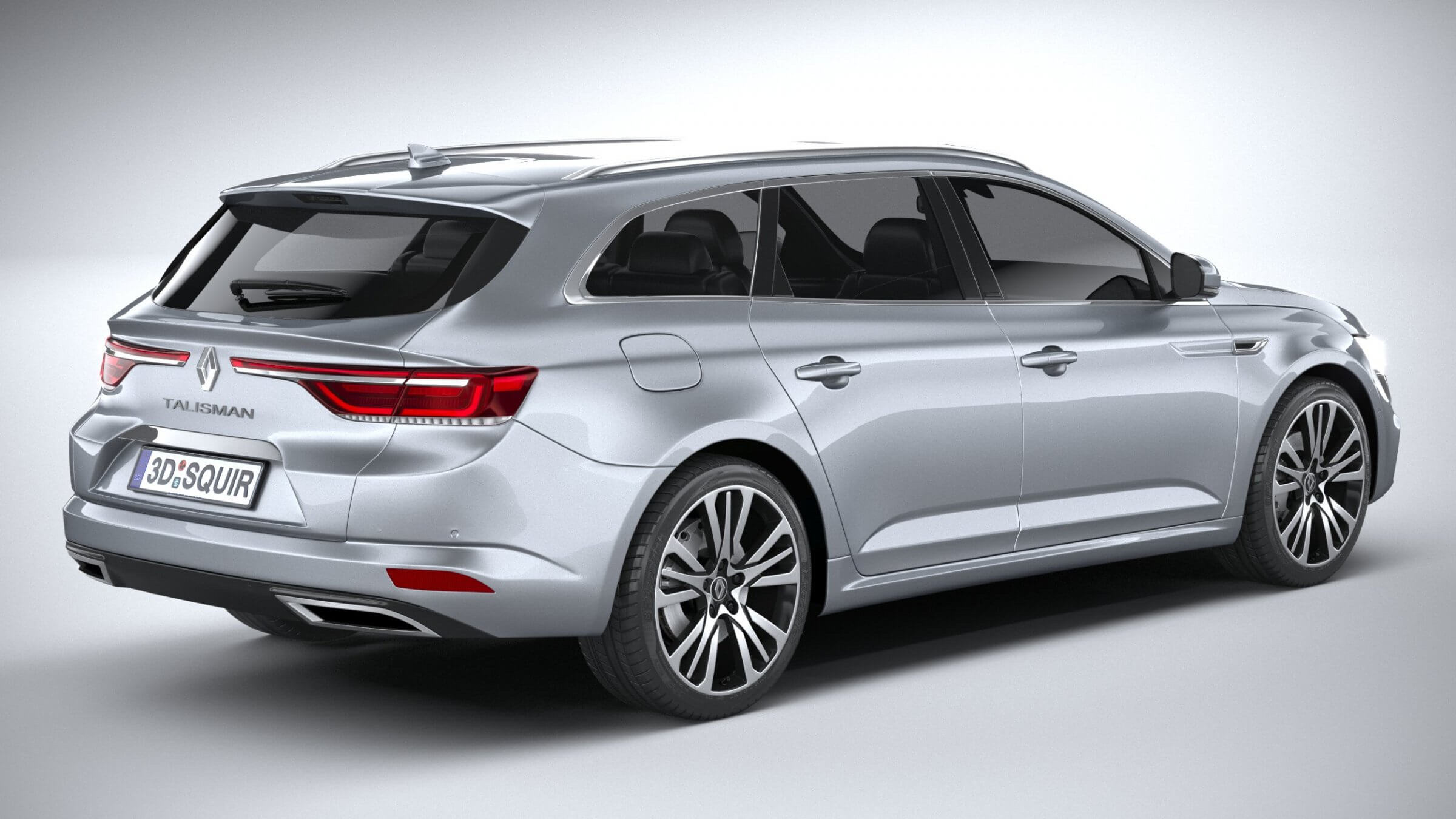
Renault Talisman Estate at a glance
Quick model context before comparing photos and trim-level specifications.
The 2020 Talisman Estate represents a mid-cycle facelift for the first generation of Renault's flagship D-segment wagon. First introduced in early 2020, this update focuses on subtle exterior styling tweaks, a heavily modernized dashboard, and upgraded driver assistance systems. Positioning itself against established European competitors, the Talisman Estate offers an alternative for buyers who want the cargo capacity of an SUV but prefer the lower ride height and efficiency of a traditional wagon. The update addresses previous technological shortcomings with a new digital gauge cluster and a larger infotainment display, while keeping the core mechanical package intact. Renault has also refined the trim structures and engine options, offering a selection of turbocharged gasoline and diesel powertrains that comply with strict emissions standards. It caters to families looking for a spacious travel vehicle and professionals requiring a comfortable, highway-oriented company car.
- Power: 150-225 hp
- Engine displacement: 1332-1997 cc
- Transmissions: 6-speed manual, 7-EDC, 6-EDC (QuickShift)
- Seating: 5 seats
Photos, trims and specifications for Renault Talisman Estate
This model page brings gallery images, trim comparison, and detailed technical data together for the 2020 generation.
Estimate fuel cost
Use trim-level fuel consumption data to estimate monthly and yearly fuel spending.
Fuel costs are estimates. Real consumption can change with driving style, traffic, tires, weather, load, and market-specific equipment.
Renault Talisman Estate overview
Editorial context for design, cabin, performance, practicality, and buyer notes.
Design
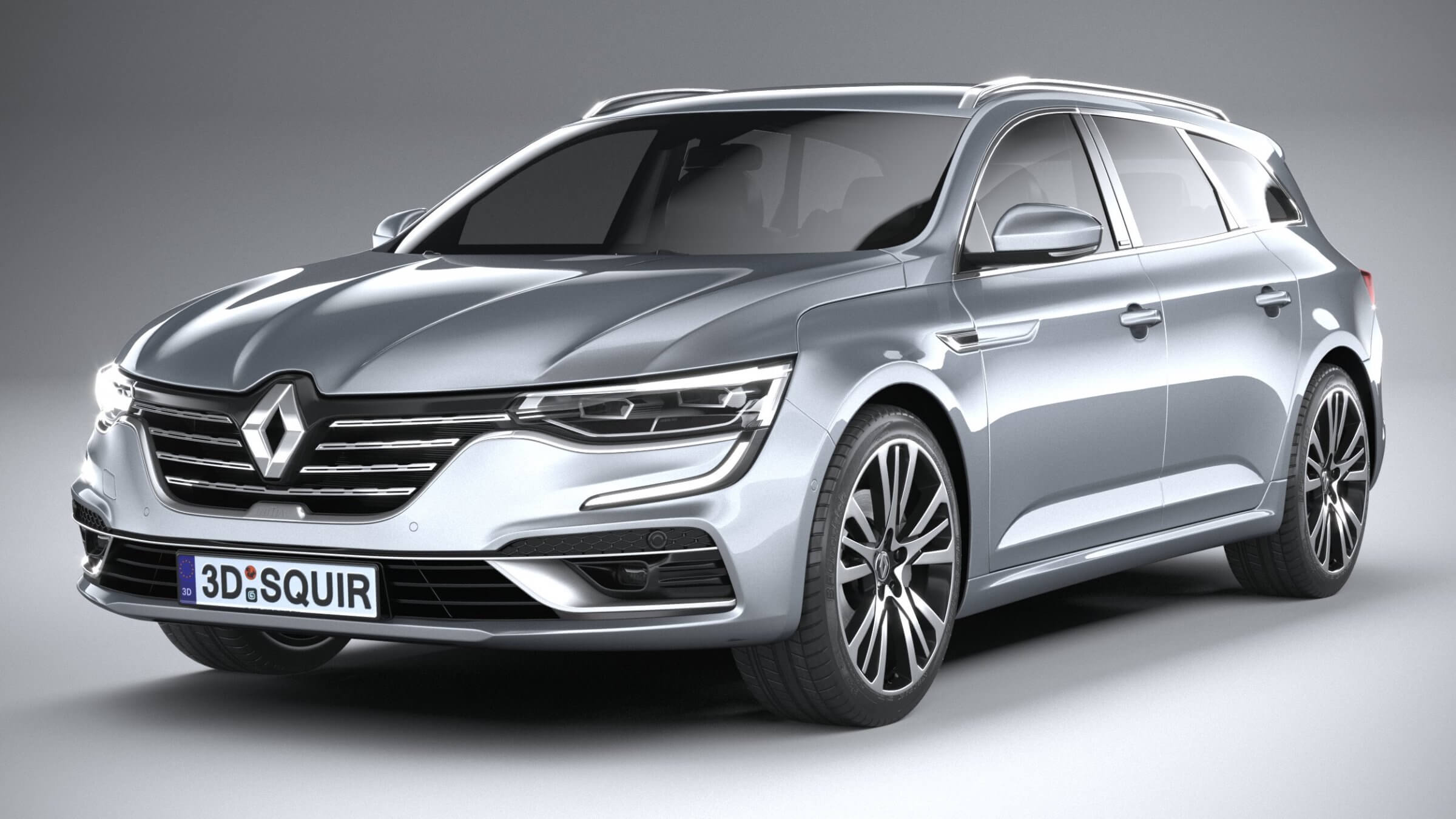
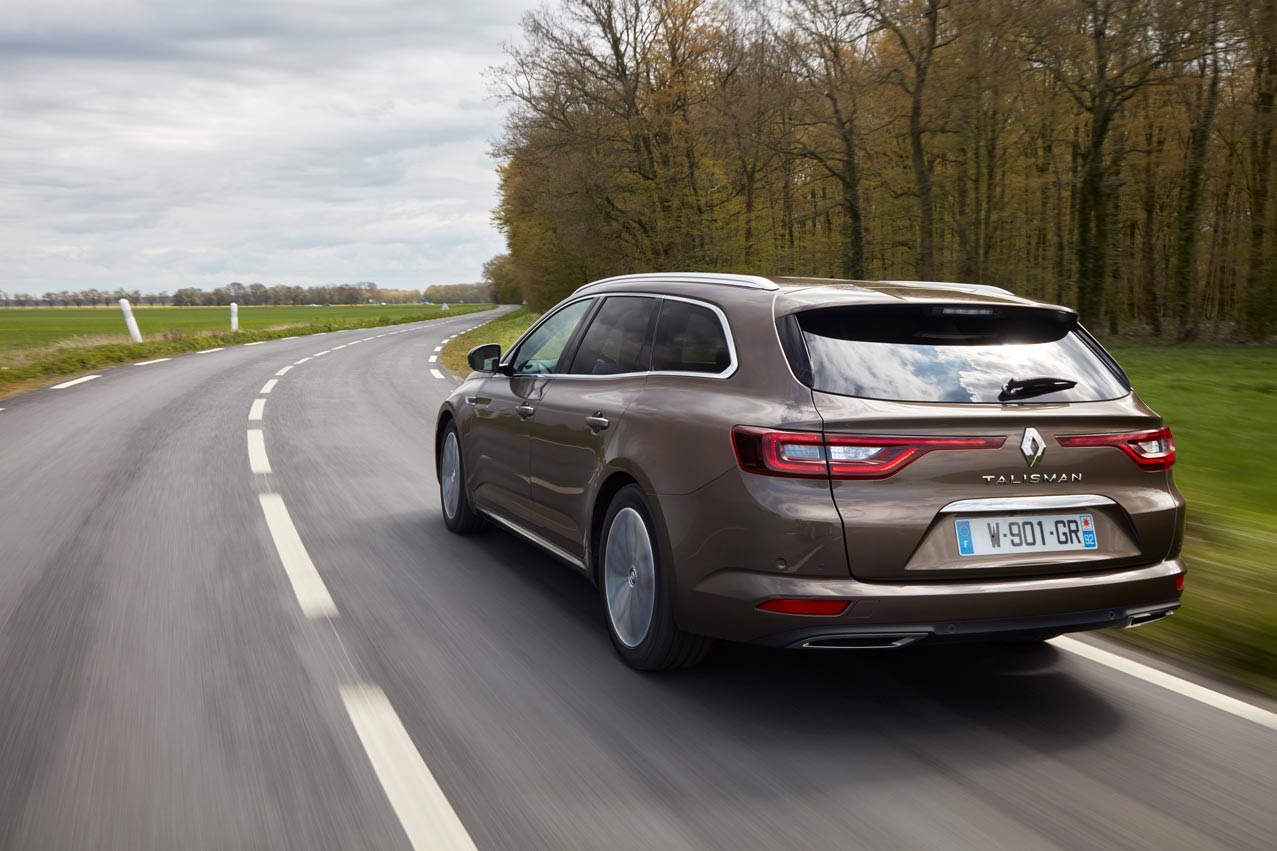
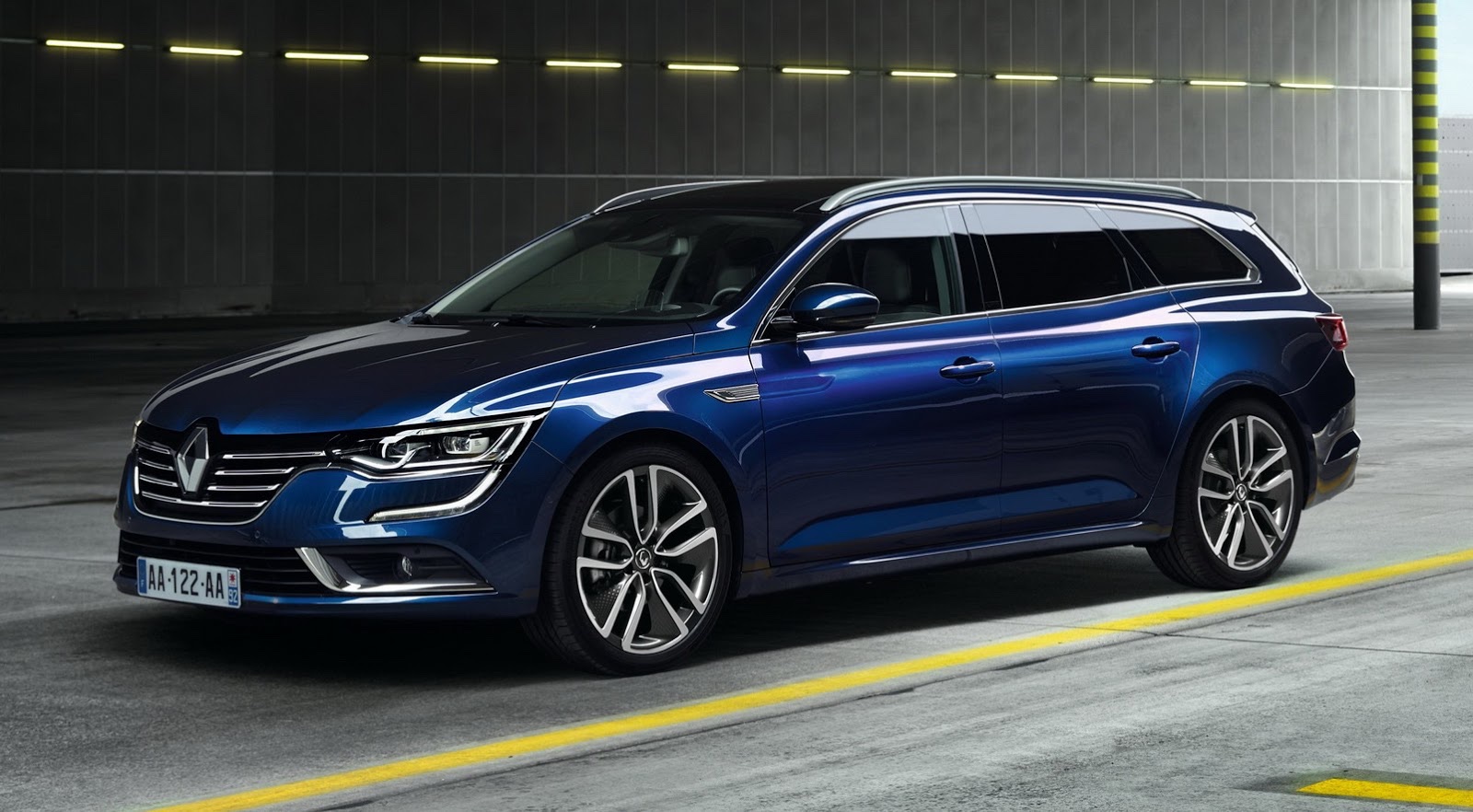
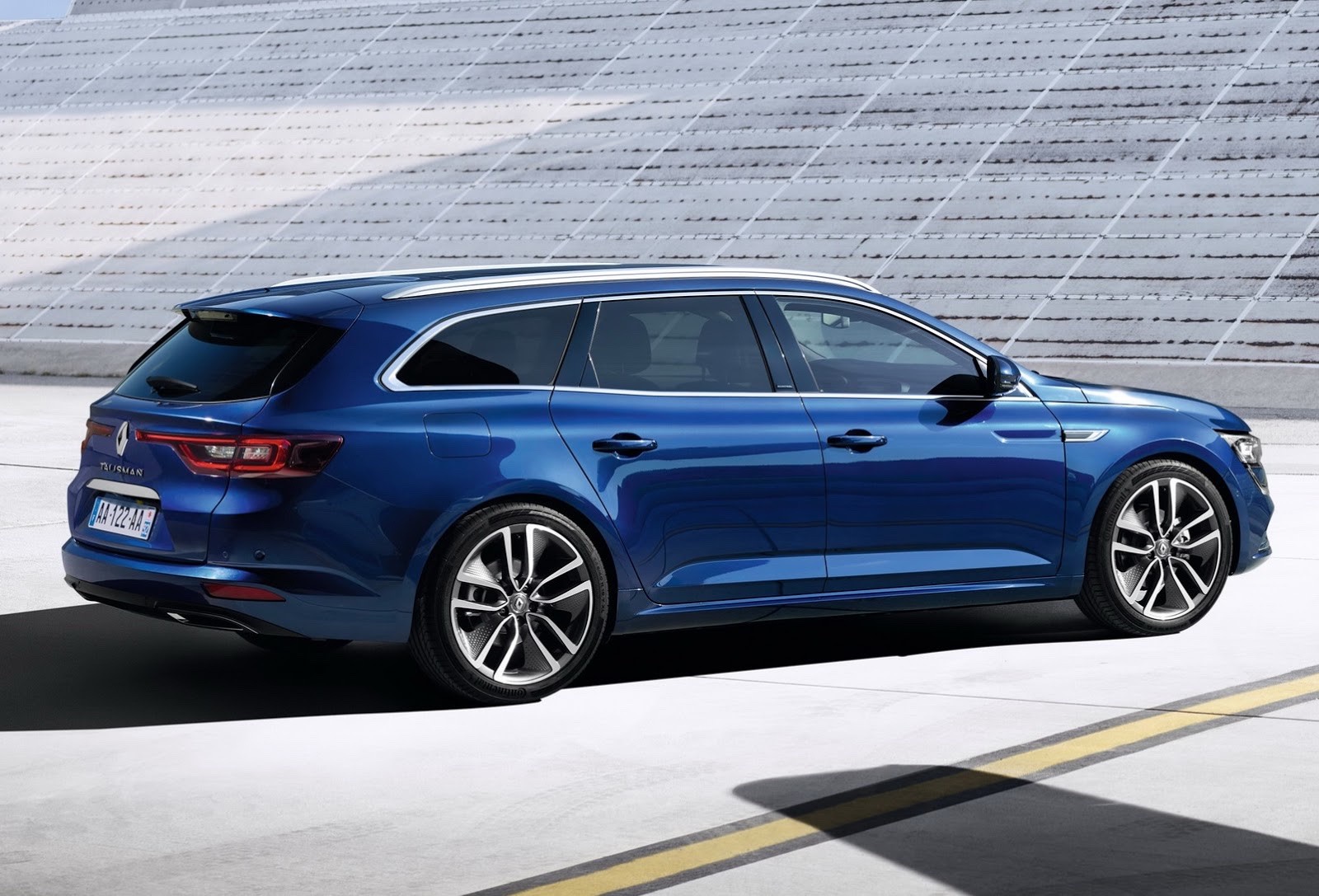
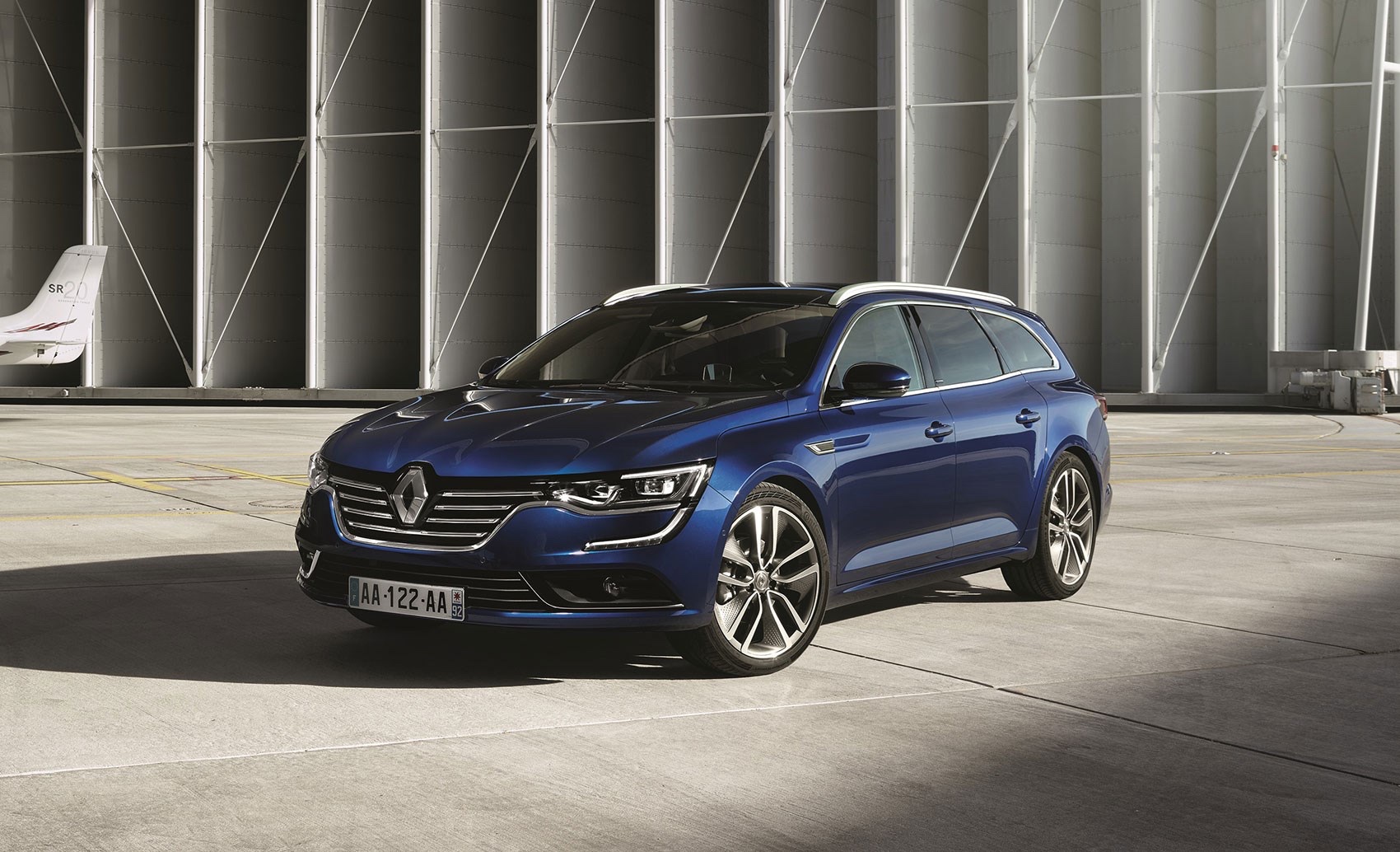
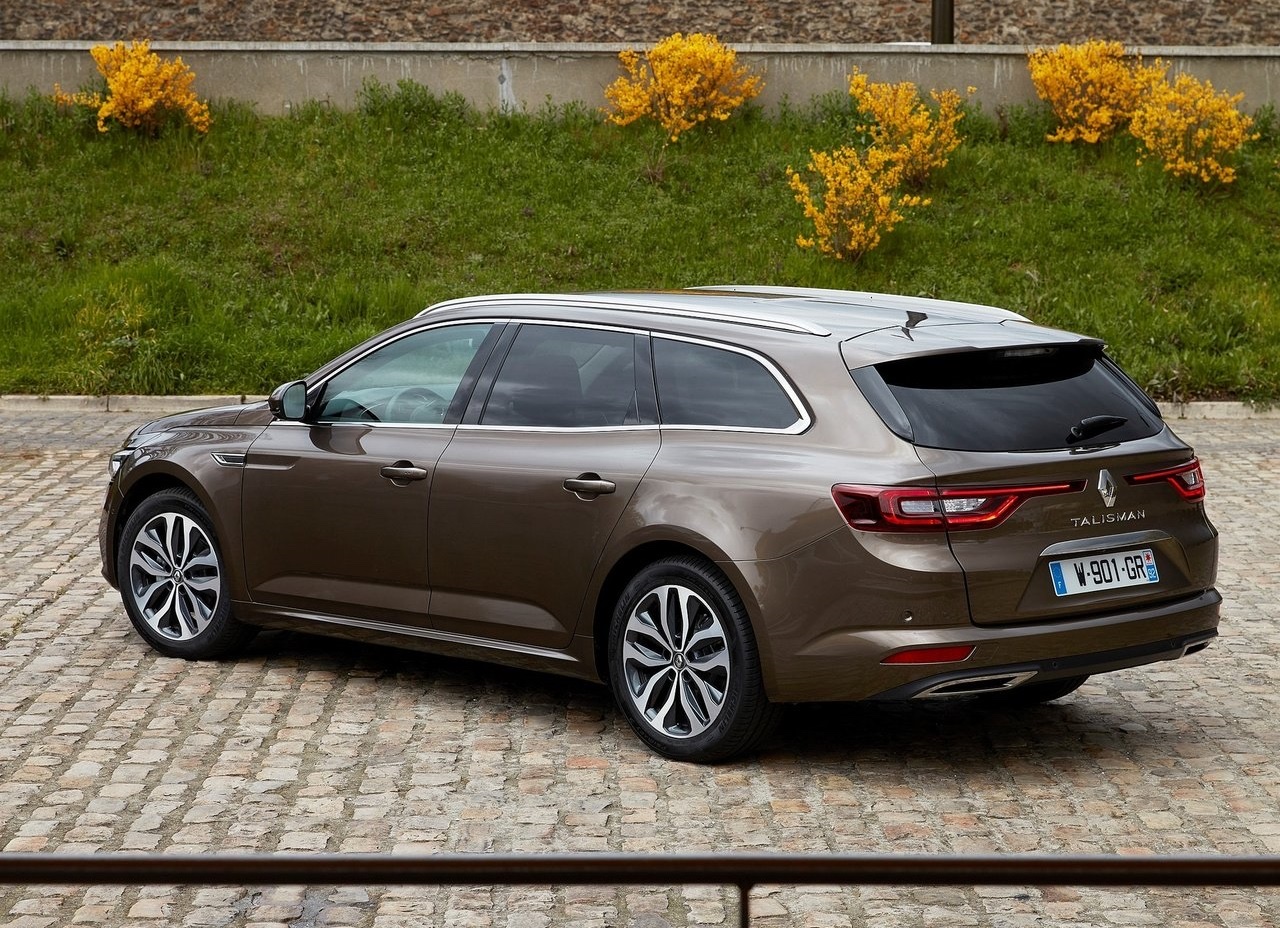
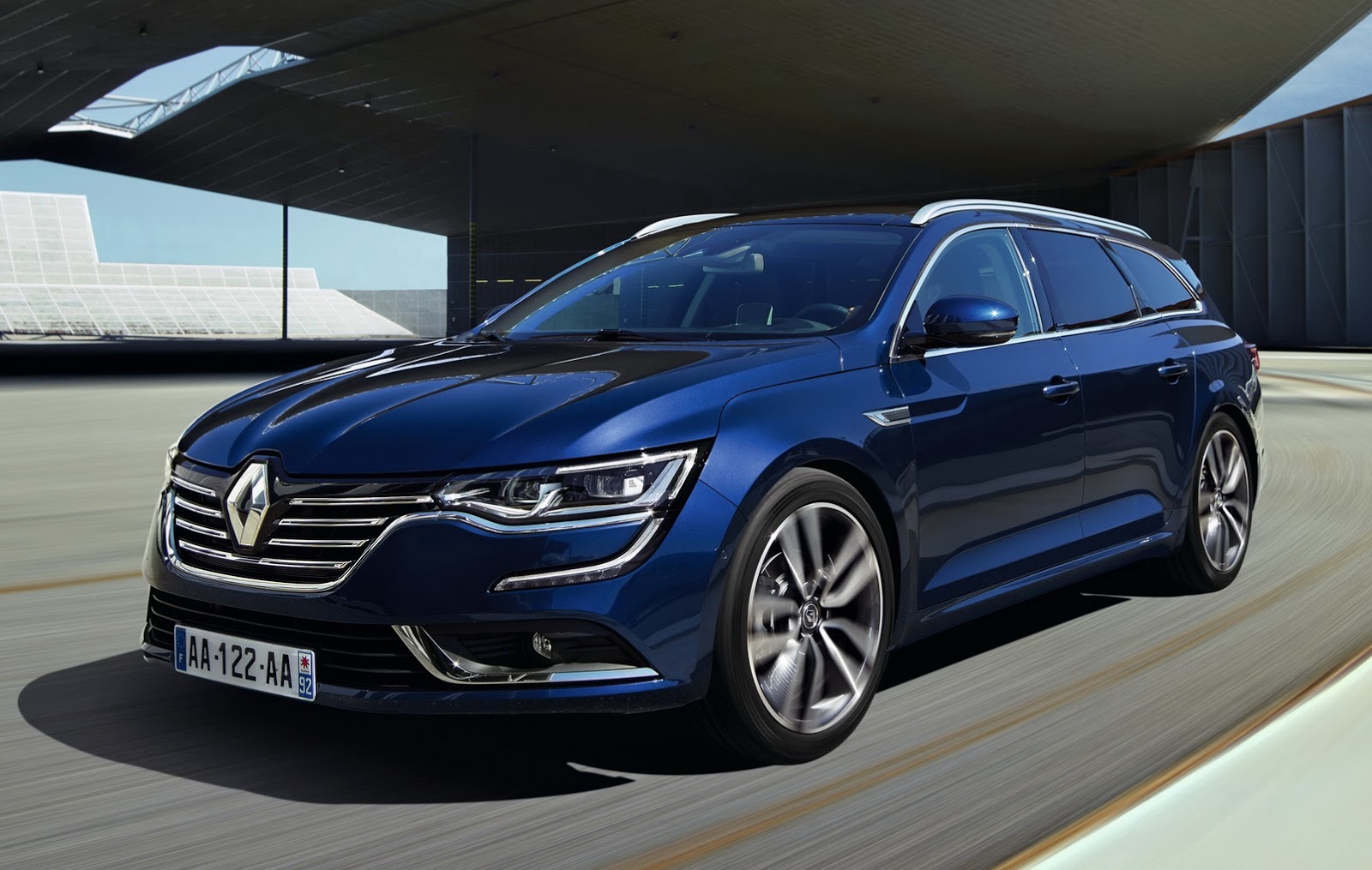
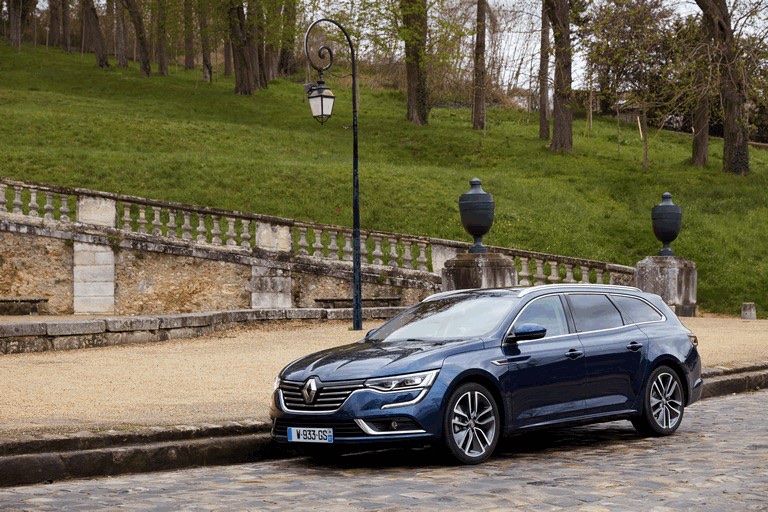
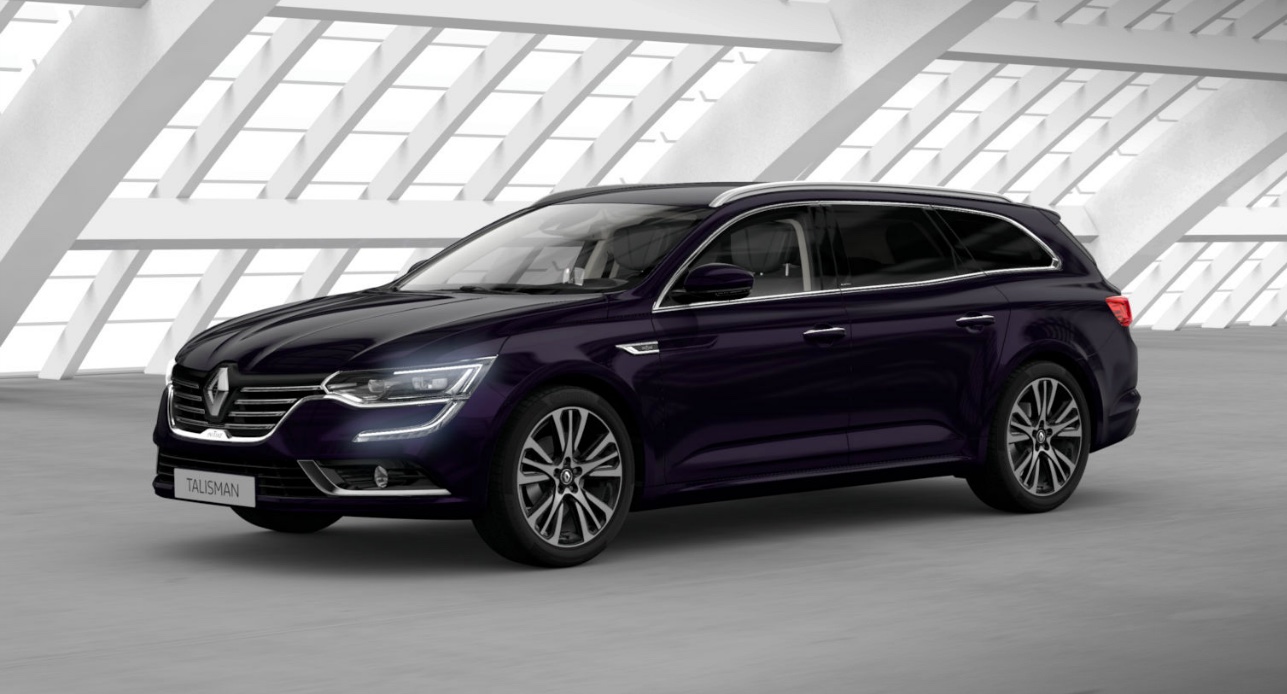
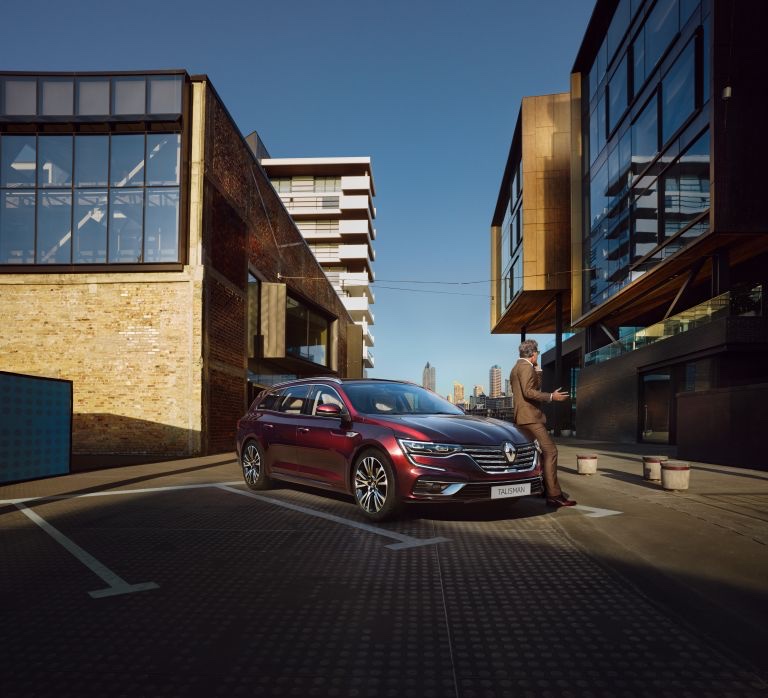
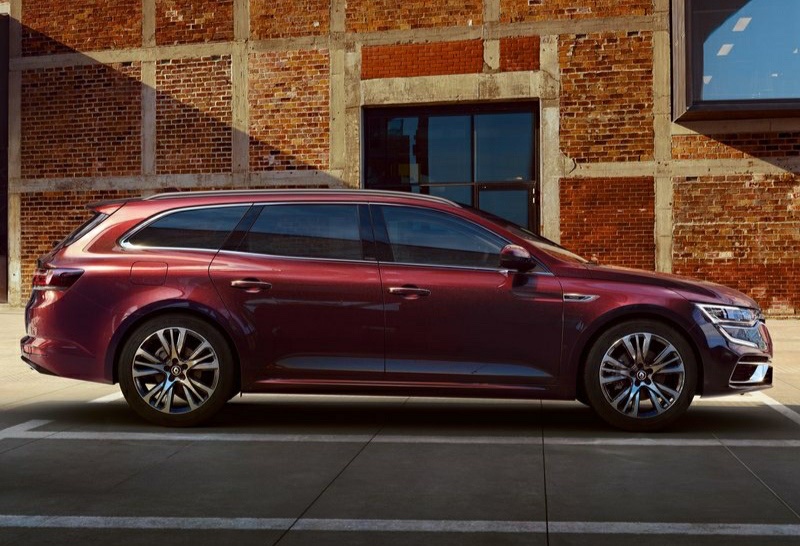
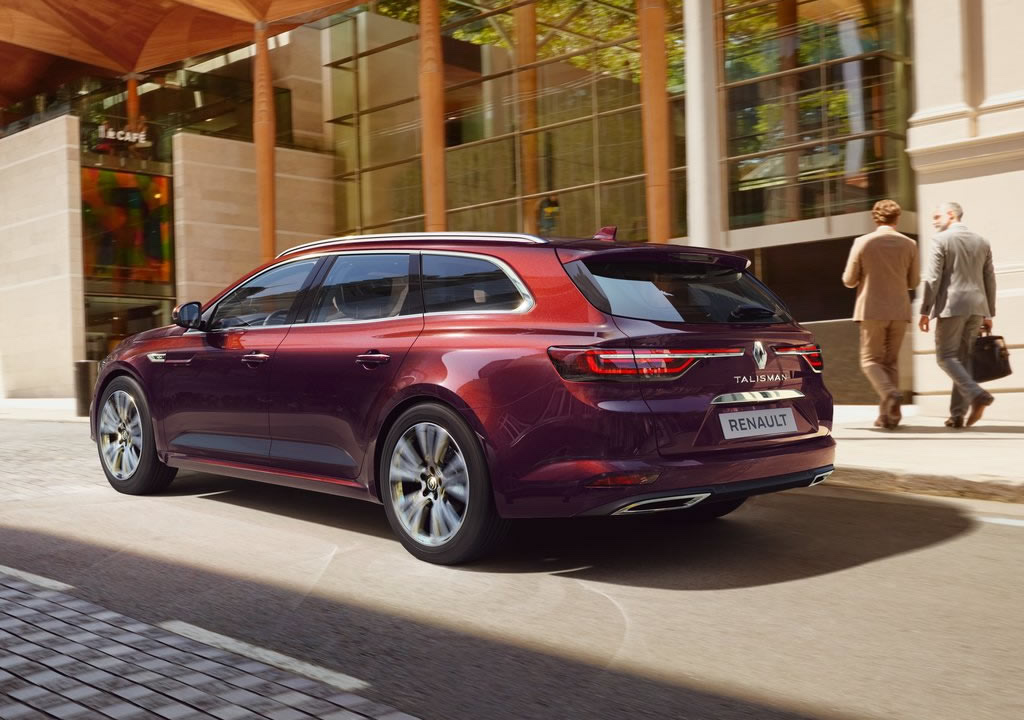
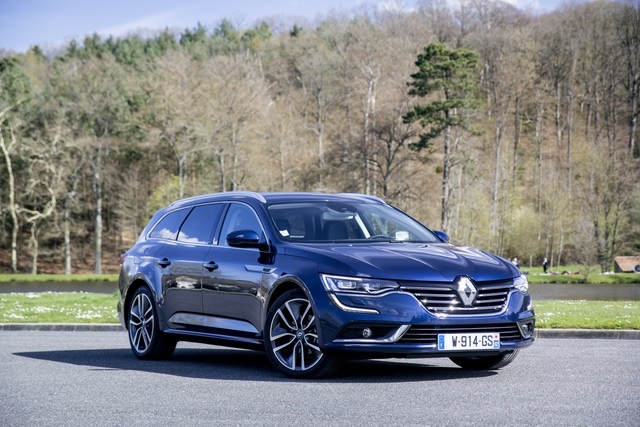
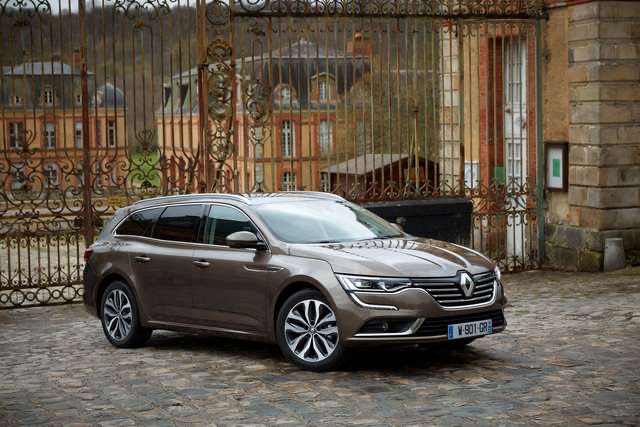
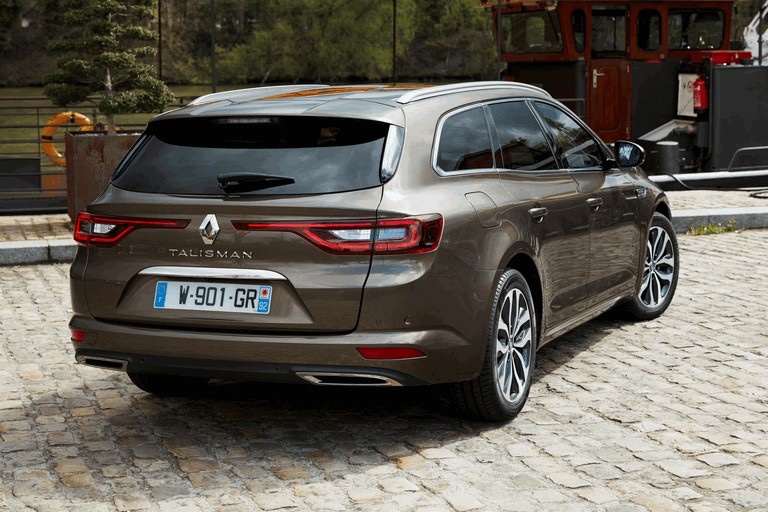
Exterior changes on the 2020 Talisman Estate are subtle, preserving its distinctive look while adding modern details. Up front, the wagon features a redesigned bumper with a full-width chrome trim strip and a modified grille pattern. The lighting signature is updated with standard LED headlights, while premium trims receive advanced matrix LED technology that adjusts the beam pattern to avoid dazzling other drivers. The rear design is refreshed with new LED tail lights accented by horizontal chrome strips and sequential turn signals. New 17-inch to 19-inch alloy wheels with updated designs complete the exterior changes, helping the wagon maintain a polished, executive appearance on the road.
Interior
Inside, the cabin receives a notable technological upgrade designed to improve usability and comfort. Drivers are greeted by a new 10.2-inch digital instrument cluster and a larger, portrait-oriented 9.3-inch touchscreen for the infotainment system. The physical controls have been revised, featuring updated climate dials that display the selected temperature directly on their faces. Ergonomics are further improved with a consolidated climate control button array and cruise control functions relocated to the steering wheel. Standard and optional features include a wireless smartphone charging pad on the center console, larger illuminated cup holders, and a frameless rearview mirror. Higher-end packages offer Nappa leather upholstery, ventilated front seats with massage functions, and a Bose audio system with active noise cancellation.
Performance
The powertrain lineup consists of multiple turbocharged four-cylinder options. Gasoline choices include a 1.3-liter engine producing 160 horsepower and a larger 1.8-liter engine delivering 225 horsepower, both paired with a seven-speed dual-clutch transmission. For diesel buyers, Renault offers a 1.7-liter engine with 150 horsepower mated to a six-speed manual gearbox, and a 2.0-liter option outputting either 160 or 200 horsepower. The 2.0-liter diesels utilize a six-speed dual-clutch transmission. All configurations are front-wheel drive. Performance is enhanced by the optional 4Control four-wheel steering system, which steers the rear wheels to improve low-speed maneuverability in tight spaces and stability during high-speed cornering, accompanied by an adaptive suspension system.
Practicality
Practicality is a core strength of the Talisman Estate, which measures 4,865 mm in length—slightly longer than its sedan counterpart. The wagon's roofline provides an extra 30 mm of rear headroom compared to the sedan, making the back seats more comfortable for older children and adults. The rear cargo area holds 572 liters of luggage up to the cargo cover. The rear seats fold in a 60:40 split and include a ski hatch for carrying long items. Folding the rear seats flat creates a cargo floor measuring 2,010 mm in length, expanding the total load capacity to approximately 1,700 liters. An optional electric tailgate provides hands-free access.
Safety and tech
The 2020 update brings Level 2 semi-autonomous driving features through the ADAS suite. This includes adaptive cruise control with a stop-and-go function that can automatically resume driving within three seconds, and a lane centering assistant that works on curved roads. The automatic emergency braking system now detects both pedestrians and cyclists. Blind-spot monitoring and rear cross-traffic alert are also present. Technology highlights include over-the-air software updates and remote smartphone integration, allowing users to control select functions and check vehicle status from a mobile application.
Buyer notes
When shopping for a 2020 Talisman Estate, buyers should carefully evaluate the available drivetrains and suspension options. The optional 4Control four-wheel steering system significantly improves handling and maneuverability, making it a highly recommended feature for city driving. Those planning frequent highway trips will appreciate the efficiency of the 2.0-liter Blue dCi diesel engines or the power of the 1.8-liter gasoline engine. Since exact equipment levels, transmission choices, and trim packages can vary widely depending on the market of origin, buyers should verify the specific options list for any individual vehicle they are considering.
Trims and key specifications
Use this table to compare the main differences between available configurations.
| Trim / modification | Engine | Power | Seats | Transmission |
|---|---|---|---|---|
| 1.7 Blue dCi (150 hp) 6-speed manual | 1749 cc | 150 hp | 5 | 6-speed manual |
| 1.3 TCe (160 hp) 7-EDC | 1332 cc | 160 hp | 5 | 7-EDC |
| 1.8 TCe (225 hp) 7-EDC | 1798 cc | 225 hp | 5 | 7-EDC |
| 2.0 Blue dCi (160 hp) 6-EDC (QuickShift) | 1997 cc | 160 hp | 5 | 6-EDC (QuickShift) |
| 2.0 Blue dCi (200 hp) 6-EDC (QuickShift) | 1997 cc | 200 hp | 5 | 6-EDC (QuickShift) |
Specifications can vary by market, model year, and equipment package. Use the trim sections below to review the full data for each configuration.
Renault Talisman Estate photo gallery
16 images are collected here with the main specifications and trim data for this model.
Photo Renault Talisman Estate
Specifications by trim
Choose a configuration below to open full technical data grouped by category.
1.7 Blue dCi (150 hp) 6-speed manual 38 specifications
Specifications
Performance and consumption
| Fuel consumption city, L/100 km | 5.7 |
|---|---|
| Fuel consumption highway, L/100 km | 4.7 |
| Fuel consumption combined, L/100 km | 4.2 |
| Top speed, km/h | 203 |
| Acceleration 0-100 km/h, s | 10.5 |
| Emissions standard | Euro VI |
Engine
| Engine | 1.7 Blue dCi |
|---|---|
| Engine code | R9N |
| Engine type | Internal combustion engine |
| Fuel type | Diesel |
| Engine displacement, cc | 1749 |
| Cylinder layout | Inline |
| Number of cylinders | 4 |
| Valves | 16 |
| Turbocharger | + |
| Power, hp | 150 |
| RPM at max power | 3500 |
| Torque, Nm | 340 |
| RPM at max torque | 1750 |
Dimensions
| Seats | 5 |
|---|---|
| Length, mm | 4865 |
| Width, mm | 2081 |
| Height, mm | 1465 |
| Wheelbase, mm | 2809 |
| Front track, mm | 1614 |
| Rear track, mm | 1609 |
| Kerb weight, kg | 1439 |
| Gross weight, kg | 2049 |
| Fuel tank capacity, L | 51 |
| Turning circle, m | 11.6 |
| Ground clearance, mm | 145 |
| Width without mirrors, mm | 1868 |
| Trunk capacity, L | 572 |
Transmission and drive
| Transmission | 6-speed manual |
|---|---|
| Transmission type | manual |
| Drive | Front-wheel drive |
| Number of gears | 6 |
| Transmission manufacturer | RMR |
1.3 TCe (160 hp) 7-EDC 39 specifications
Specifications
Performance and consumption
| Fuel consumption city, L/100 km | 7.2 |
|---|---|
| Fuel consumption highway, L/100 km | 5.2 |
| Fuel consumption combined, L/100 km | 6 |
| Top speed, km/h | 205 |
| Acceleration 0-100 km/h, s | 9.1 |
| Emissions standard | Euro VI |
Engine
| Engine | 1.3 TCe |
|---|---|
| Engine code | H5Ht/HR13 |
| Engine type | Internal combustion engine |
| Fuel type | Gasoline |
| Engine displacement, cc | 1332 |
| Cylinder layout | Inline |
| Number of cylinders | 4 |
| Valves | 16 |
| Power, hp | 160 |
| RPM at max power | 5500 |
| Torque, Nm | 270 |
| RPM at max torque | 1800-3750 |
Dimensions
| Seats | 5 |
|---|---|
| Length, mm | 4865 |
| Width, mm | 2081 |
| Height, mm | 1465 |
| Wheelbase, mm | 2809 |
| Front track, mm | 1614 |
| Rear track, mm | 1609 |
| Kerb weight, kg | 1439 |
| Gross weight, kg | 2049 |
| Fuel tank capacity, L | 51 |
| Turning circle, m | 11.6 |
| Ground clearance, mm | 145 |
| Width without mirrors, mm | 1868 |
| Trunk capacity, L | 572 |
Transmission and drive
| Transmission | 7-EDC |
|---|---|
| Transmission type | 2-speed automated manual |
| Drive | Front-wheel drive |
| Number of gears | 7 |
| Transmission manufacturer | Getrag |
| Automatic transmission | + |
| Transmission country | Germany |
1.8 TCe (225 hp) 7-EDC 40 specifications
Specifications
Performance and consumption
| Fuel consumption city, L/100 km | 9.6 |
|---|---|
| Fuel consumption highway, L/100 km | 6.1 |
| Fuel consumption combined, L/100 km | 7.4 |
| Top speed, km/h | 240 |
| Acceleration 0-100 km/h, s | 7.5 |
| Emissions standard | Euro VI |
Engine
| Engine | 1.8 TCe |
|---|---|
| Engine code | M5Pt |
| Engine type | Internal combustion engine |
| Fuel type | Gasoline |
| Engine displacement, cc | 1798 |
| Cylinder layout | Inline |
| Number of cylinders | 4 |
| Valves | 16 |
| Turbocharger | + |
| Power, hp | 225 |
| RPM at max power | 5600 |
| Torque, Nm | 300 |
| RPM at max torque | 1750 |
Dimensions
| Seats | 5 |
|---|---|
| Length, mm | 4865 |
| Width, mm | 2081 |
| Height, mm | 1465 |
| Wheelbase, mm | 2809 |
| Front track, mm | 1614 |
| Rear track, mm | 1609 |
| Kerb weight, kg | 1439 |
| Gross weight, kg | 2049 |
| Fuel tank capacity, L | 51 |
| Turning circle, m | 11.6 |
| Ground clearance, mm | 145 |
| Width without mirrors, mm | 1868 |
| Trunk capacity, L | 572 |
Transmission and drive
| Transmission | 7-EDC |
|---|---|
| Transmission type | 2-speed automated manual |
| Drive | Front-wheel drive |
| Number of gears | 7 |
| Transmission manufacturer | Getrag |
| Automatic transmission | + |
| Transmission country | Germany |
2.0 Blue dCi (160 hp) 6-EDC (QuickShift) 40 specifications
Specifications
Performance and consumption
| Fuel consumption city, L/100 km | 5.9 |
|---|---|
| Fuel consumption highway, L/100 km | 4.4 |
| Fuel consumption combined, L/100 km | 4.9 |
| Top speed, km/h | 210 |
| Acceleration 0-100 km/h, s | 10.1 |
| Emissions standard | Euro VI |
Engine
| Engine | 2.0 Blue dCi |
|---|---|
| Engine code | M9R |
| Engine type | Internal combustion engine |
| Fuel type | Diesel |
| Engine displacement, cc | 1997 |
| Cylinder layout | Inline |
| Number of cylinders | 4 |
| Valves | 16 |
| Turbocharger | + |
| Power, hp | 160 |
| RPM at max power | 3750 |
| Torque, Nm | 360 |
| RPM at max torque | 1500 |
Dimensions
| Seats | 5 |
|---|---|
| Length, mm | 4865 |
| Width, mm | 2081 |
| Height, mm | 1465 |
| Wheelbase, mm | 2809 |
| Front track, mm | 1614 |
| Rear track, mm | 1609 |
| Kerb weight, kg | 1439 |
| Gross weight, kg | 2049 |
| Fuel tank capacity, L | 51 |
| Turning circle, m | 11.6 |
| Ground clearance, mm | 145 |
| Width without mirrors, mm | 1868 |
| Trunk capacity, L | 572 |
Transmission and drive
| Transmission | 6-EDC (QuickShift) |
|---|---|
| Transmission type | 2-speed automated manual |
| Drive | Front-wheel drive |
| Number of gears | 6 |
| Transmission manufacturer | Getrag |
| Automatic transmission | + |
| Transmission country | Germany |
2.0 Blue dCi (200 hp) 6-EDC (QuickShift) 40 specifications
Specifications
Performance and consumption
| Fuel consumption city, L/100 km | 5.8 |
|---|---|
| Fuel consumption highway, L/100 km | 4.4 |
| Fuel consumption combined, L/100 km | 4.9 |
| Top speed, km/h | 224 |
| Acceleration 0-100 km/h, s | 9 |
| Emissions standard | Euro VI |
Engine
| Engine | 2.0 Blue dCi |
|---|---|
| Engine code | M9R |
| Engine type | Internal combustion engine |
| Fuel type | Diesel |
| Engine displacement, cc | 1997 |
| Cylinder layout | Inline |
| Number of cylinders | 4 |
| Valves | 16 |
| Turbocharger | + |
| Power, hp | 200 |
| RPM at max power | 3500 |
| Torque, Nm | 400 |
| RPM at max torque | 1750 |
Dimensions
| Seats | 5 |
|---|---|
| Length, mm | 4865 |
| Width, mm | 2081 |
| Height, mm | 1465 |
| Wheelbase, mm | 2809 |
| Front track, mm | 1614 |
| Rear track, mm | 1609 |
| Kerb weight, kg | 1439 |
| Gross weight, kg | 2049 |
| Fuel tank capacity, L | 51 |
| Turning circle, m | 11.6 |
| Ground clearance, mm | 145 |
| Width without mirrors, mm | 1868 |
| Trunk capacity, L | 572 |
Transmission and drive
| Transmission | 6-EDC (QuickShift) |
|---|---|
| Transmission type | 2-speed automated manual |
| Drive | Front-wheel drive |
| Number of gears | 6 |
| Transmission manufacturer | Getrag |
| Automatic transmission | + |
| Transmission country | Germany |
Renault Talisman Estate questions
Short answers based on the specifications and photos available in this catalog.
What body style is the 2020 Renault Talisman Estate?
The 2020 Renault Talisman Estate is a five-door mid-size station wagon (D-segment). It offers additional headroom and cargo space compared to the standard Talisman sedan.
What are the cargo dimensions and capacity of the Talisman Estate?
The boot provides 572 liters of cargo space up to the luggage cover. Folding the 60:40 split rear seats flat extends the loading area length to 2,010 mm and increases the total volume to nearly 1,700 liters.
What engines are available for the 2020 Renault Talisman Estate?
The wagon is available with turbocharged petrol engines (a 1.3-liter with 160 hp and a 1.8-liter with 225 hp) and diesel options (a 1.7-liter with 150 hp and a 2.0-liter with 160 hp or 200 hp).
What safety technology does this model include?
The vehicle features Level 2 driver assistance systems, including adaptive cruise control with stop-and-go capability, lane centering assist, and automatic emergency braking with cyclist and pedestrian detection.
What is the 4Control system mentioned in the specs?
4Control is Renault's active four-wheel steering system. It turns the rear wheels slightly to reduce the turning radius at low speeds and improve stability during high-speed cornering.