Subaru BRZ specifications and photos
The 2021 Subaru BRZ marks the second generation of the brand's dedicated rear-wheel-drive coupe. Officially introduced in November 2020, it builds upon its predecessor's formula with a stiffer chassis, a lower center of gravity, and a larger naturally aspirated engine.
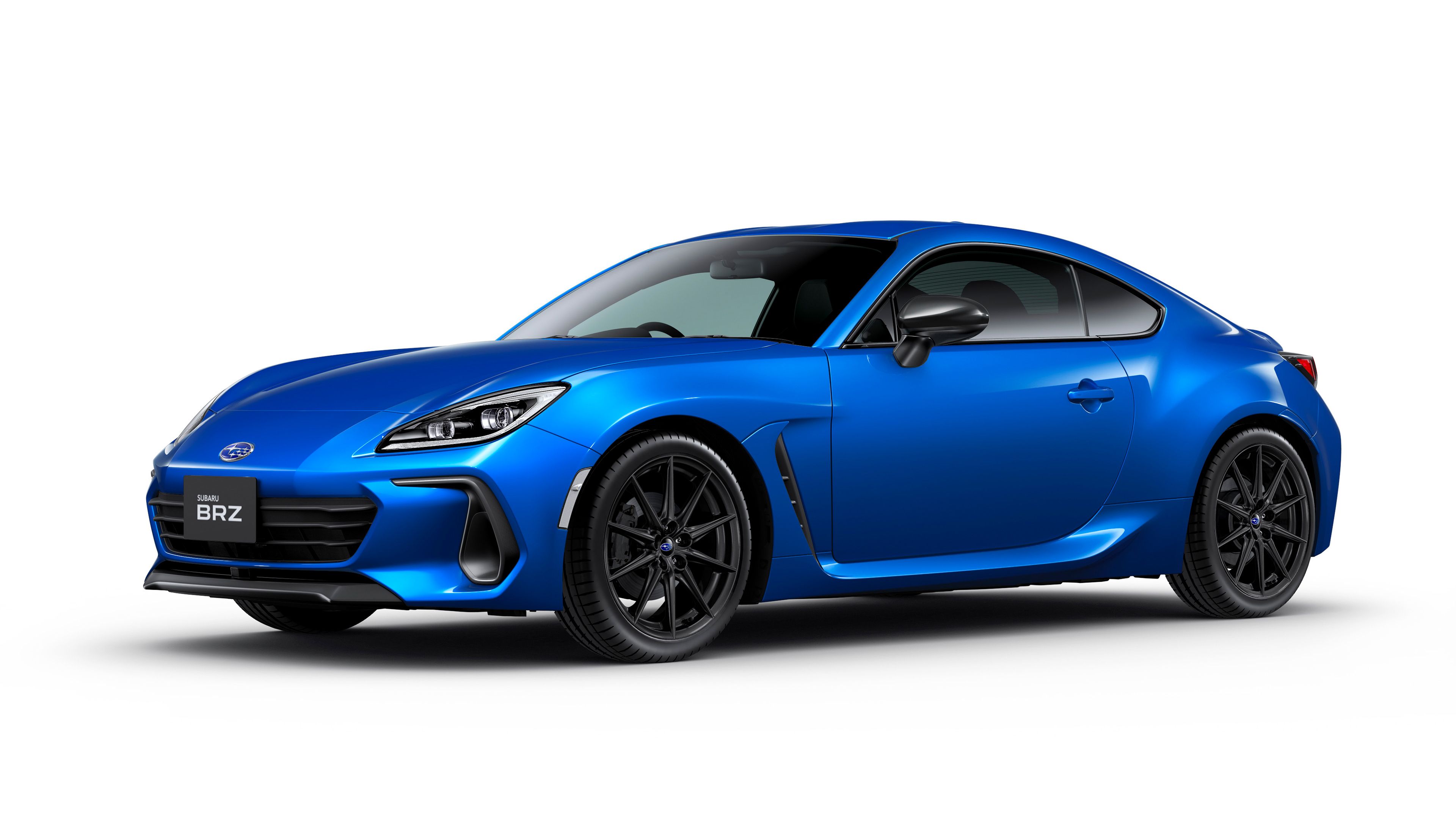
Subaru BRZ at a glance
Quick model context before comparing photos and trim-level specifications.
For its second iteration, Subaru aimed to improve the BRZ for both track days and daily driving. The engineering team focused on retaining a near-ideal weight distribution while significantly increasing body rigidity by 50 percent. To lower the center of gravity further, aluminum was used for the roof, hood, and front fenders. The core layout remains a classic front-engine, rear-wheel-drive setup, paired with a standard Torsen limited-slip differential across all models. This generation continues to prioritize precise handling and driver engagement over raw power, making it a distinct option in the compact sports car segment.
- Power: 231 hp
- Engine displacement: 2387 cc
- Transmissions: 6-speed manual, 6-speed automatic
- Seating: 2 seats
Photos, trims and specifications for Subaru BRZ
This model page brings gallery images, trim comparison, and detailed technical data together for the 2021 generation.
Estimate fuel cost
Use trim-level fuel consumption data to estimate monthly and yearly fuel spending.
Fuel costs are estimates. Real consumption can change with driving style, traffic, tires, weather, load, and market-specific equipment.
Subaru BRZ overview
Editorial context for design, cabin, performance, practicality, and buyer notes.
Design
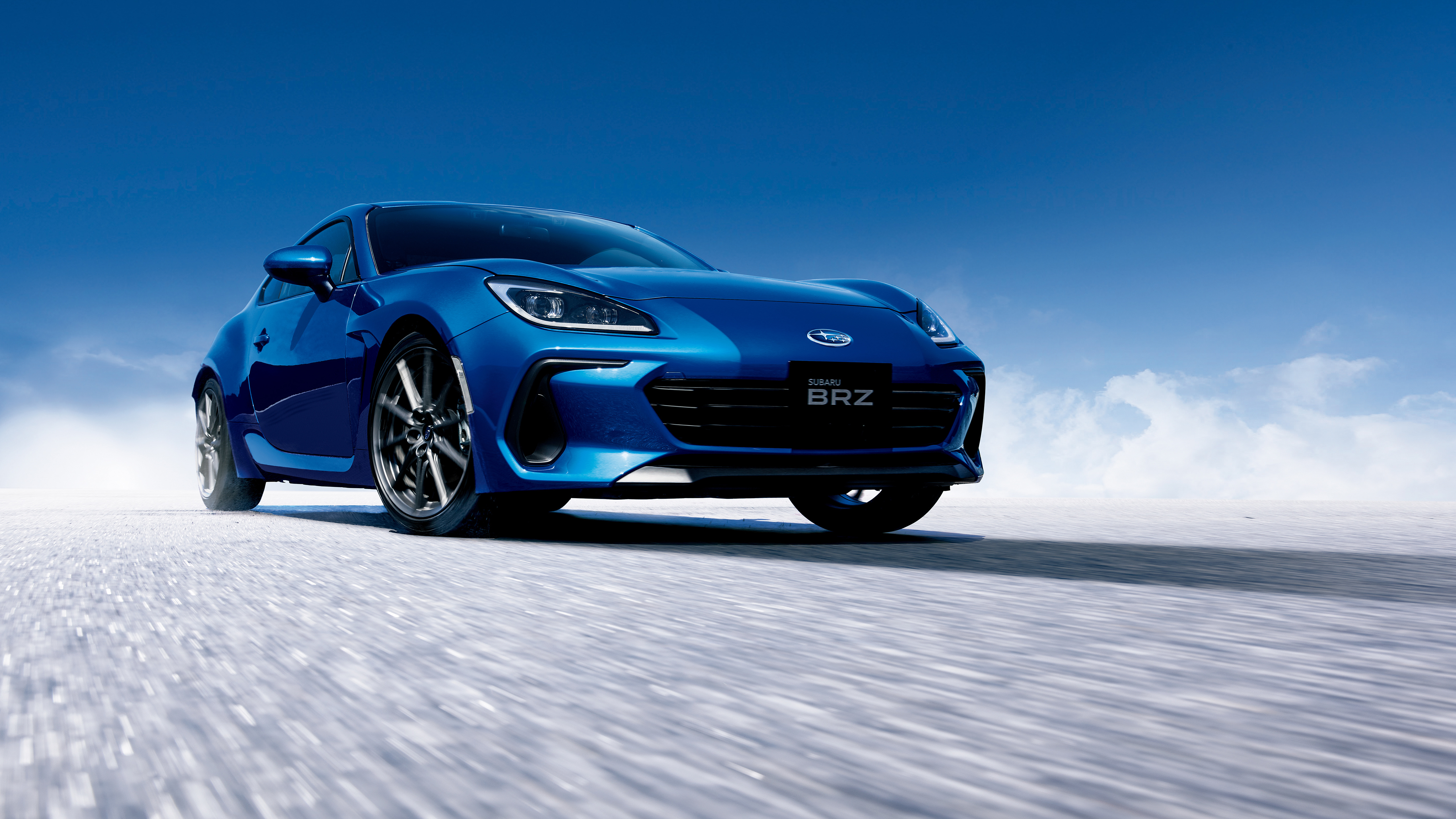
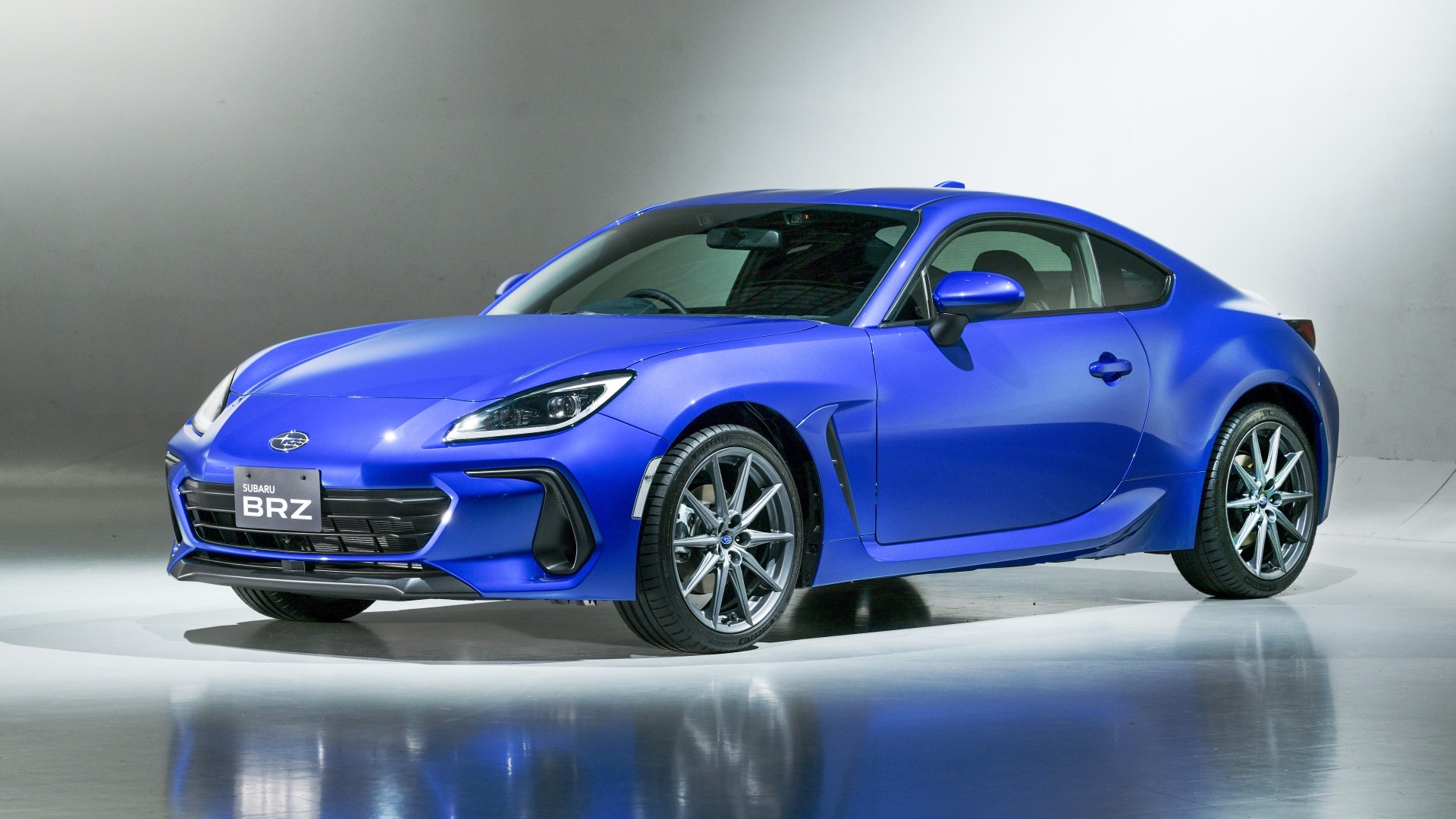
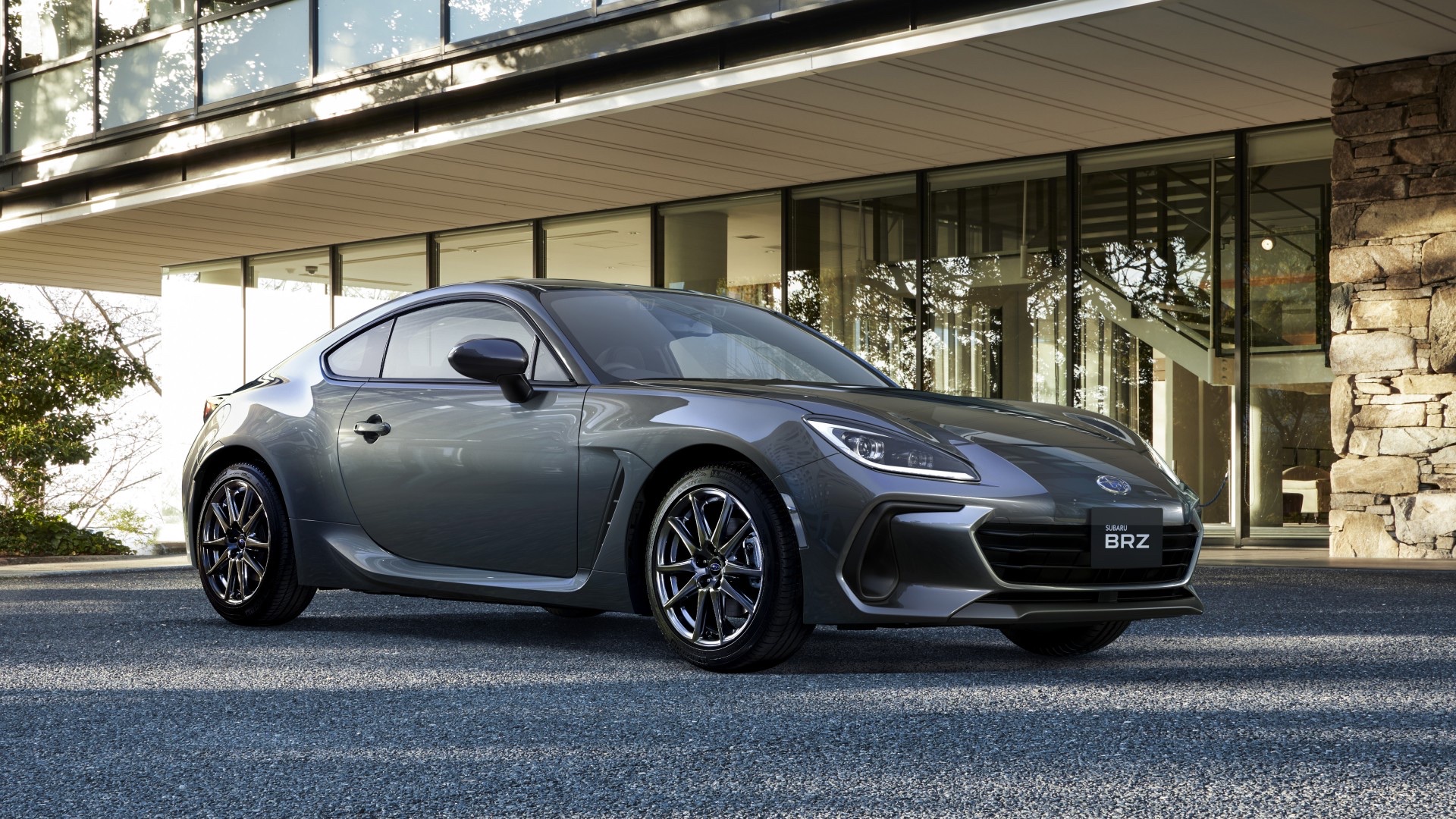
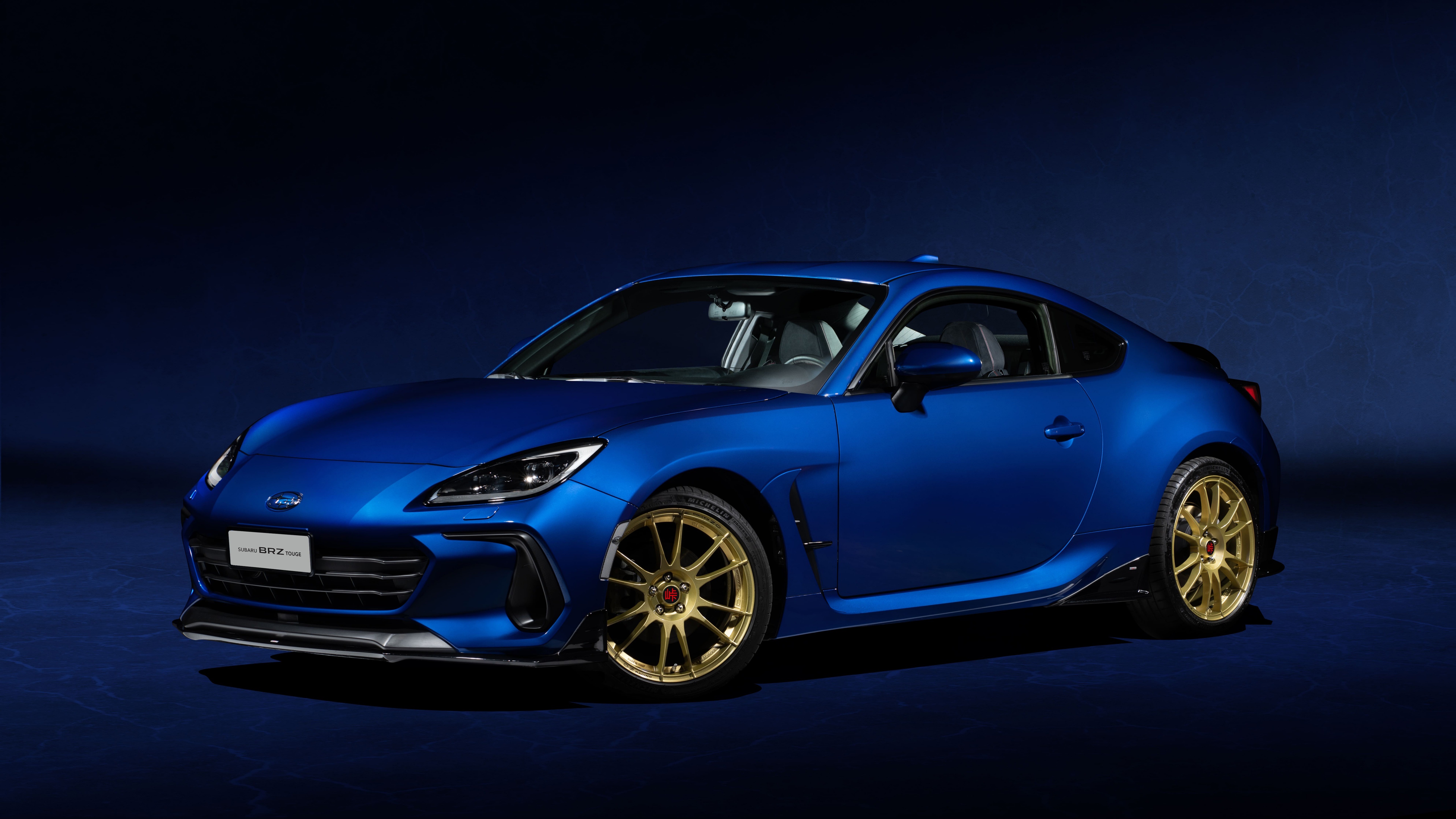
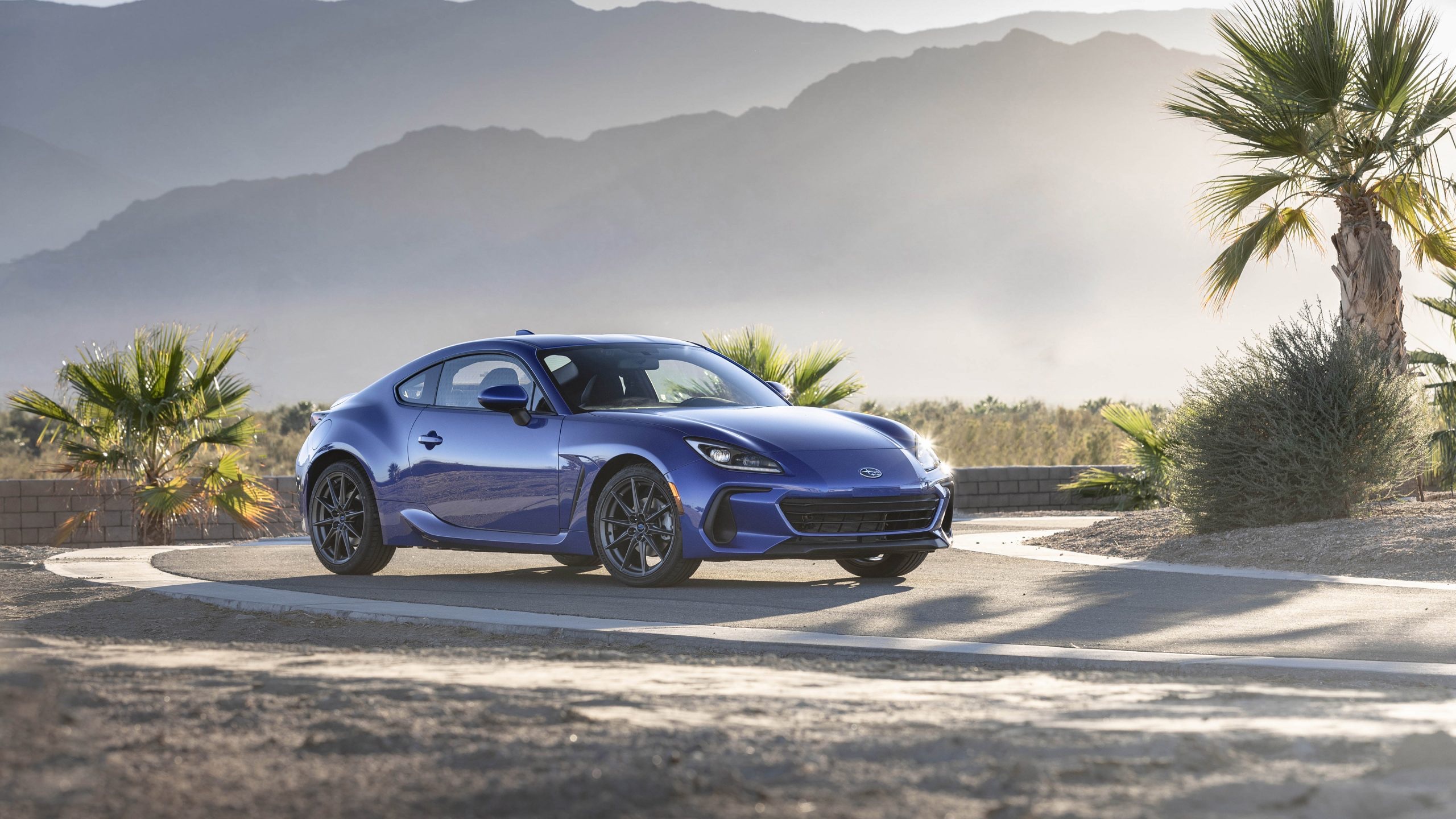
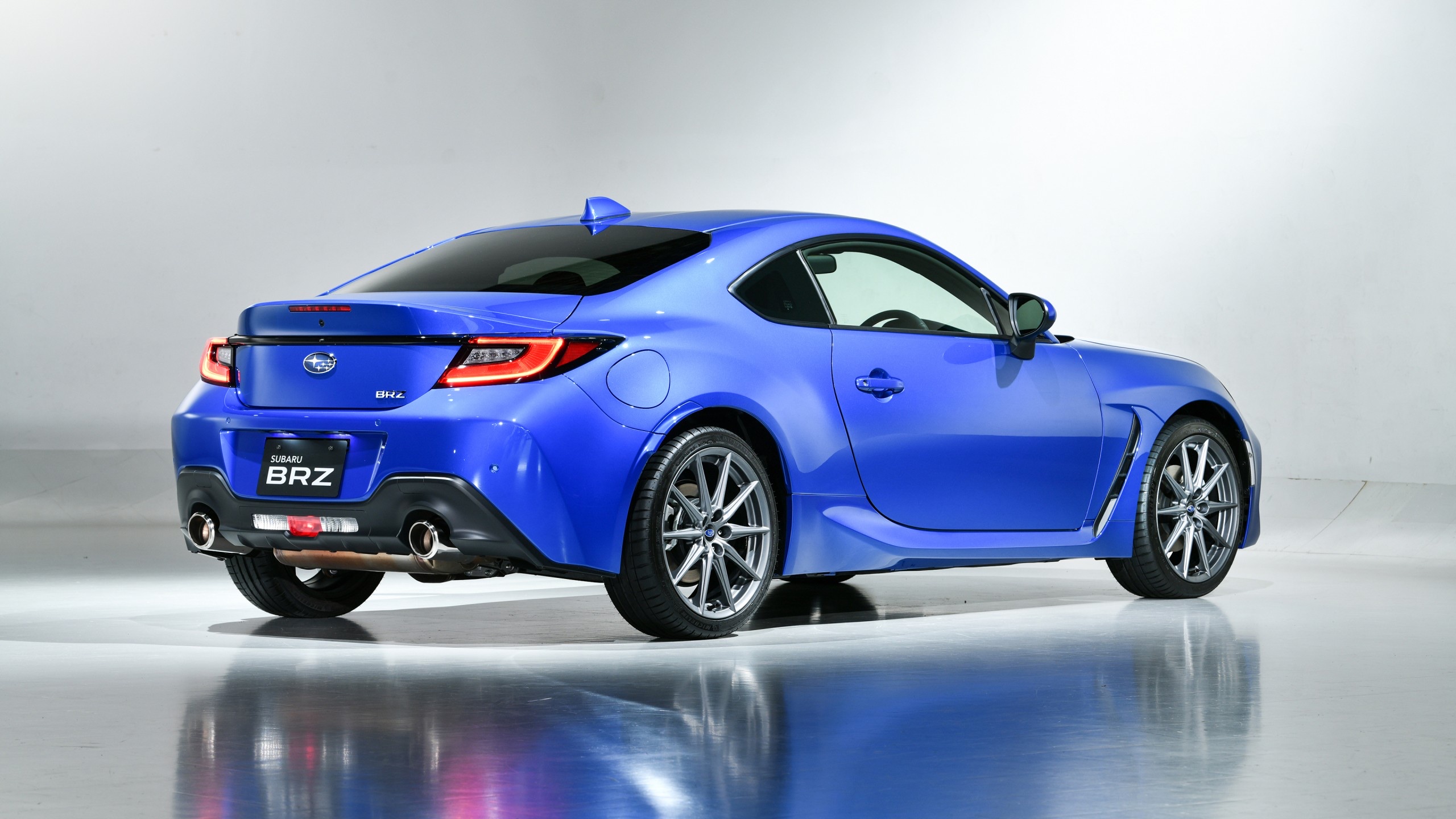
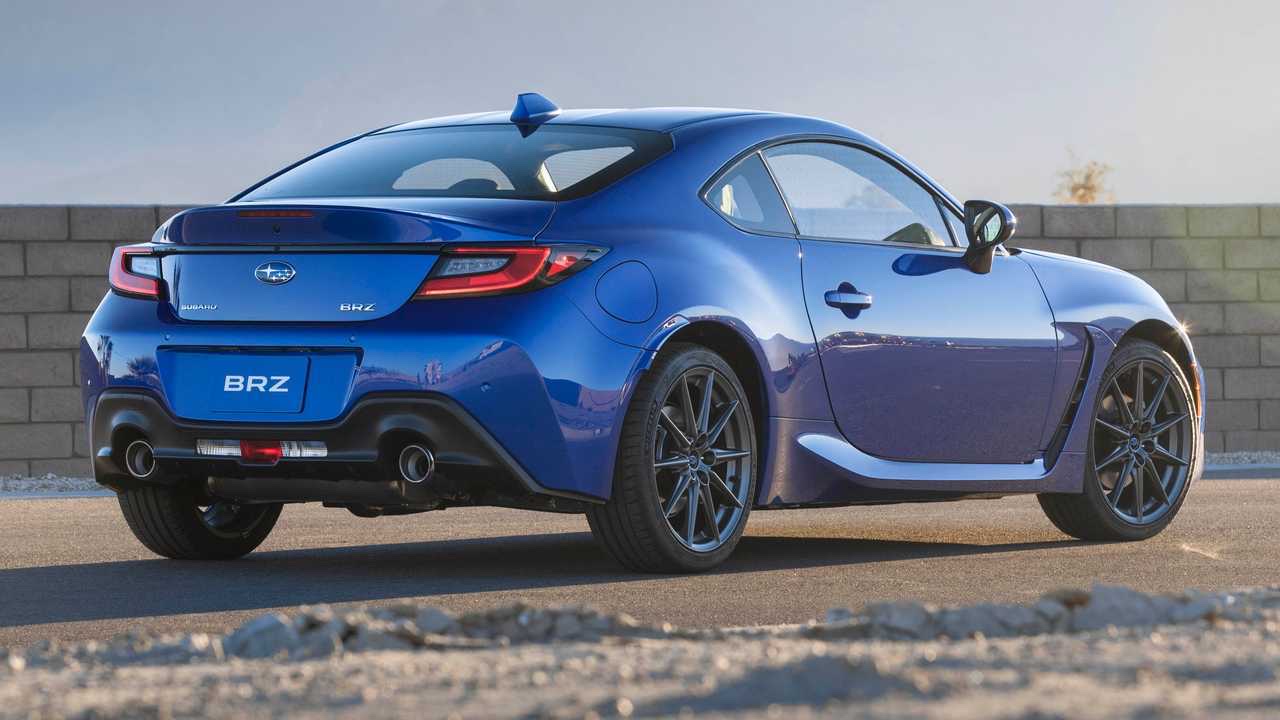
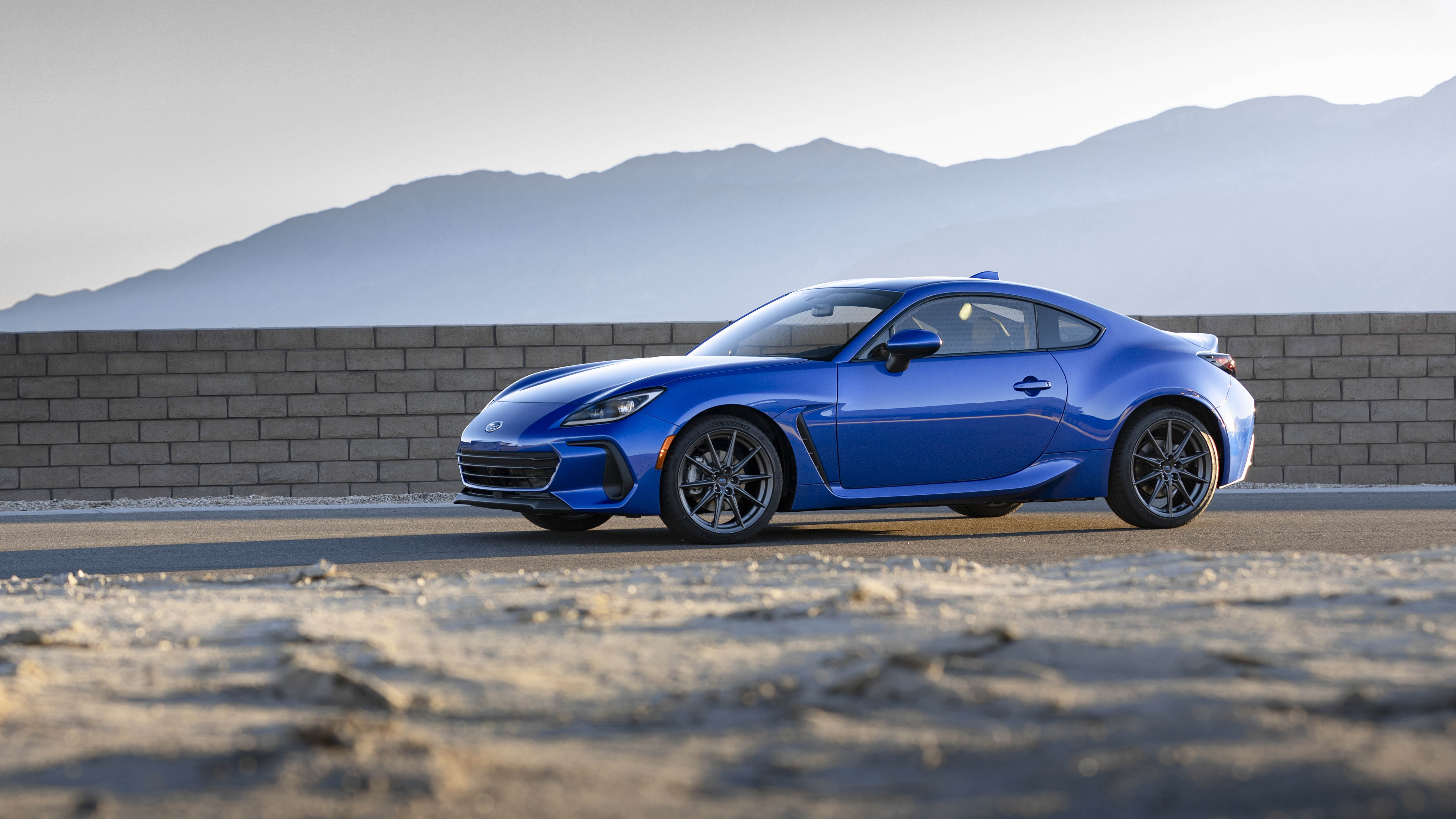
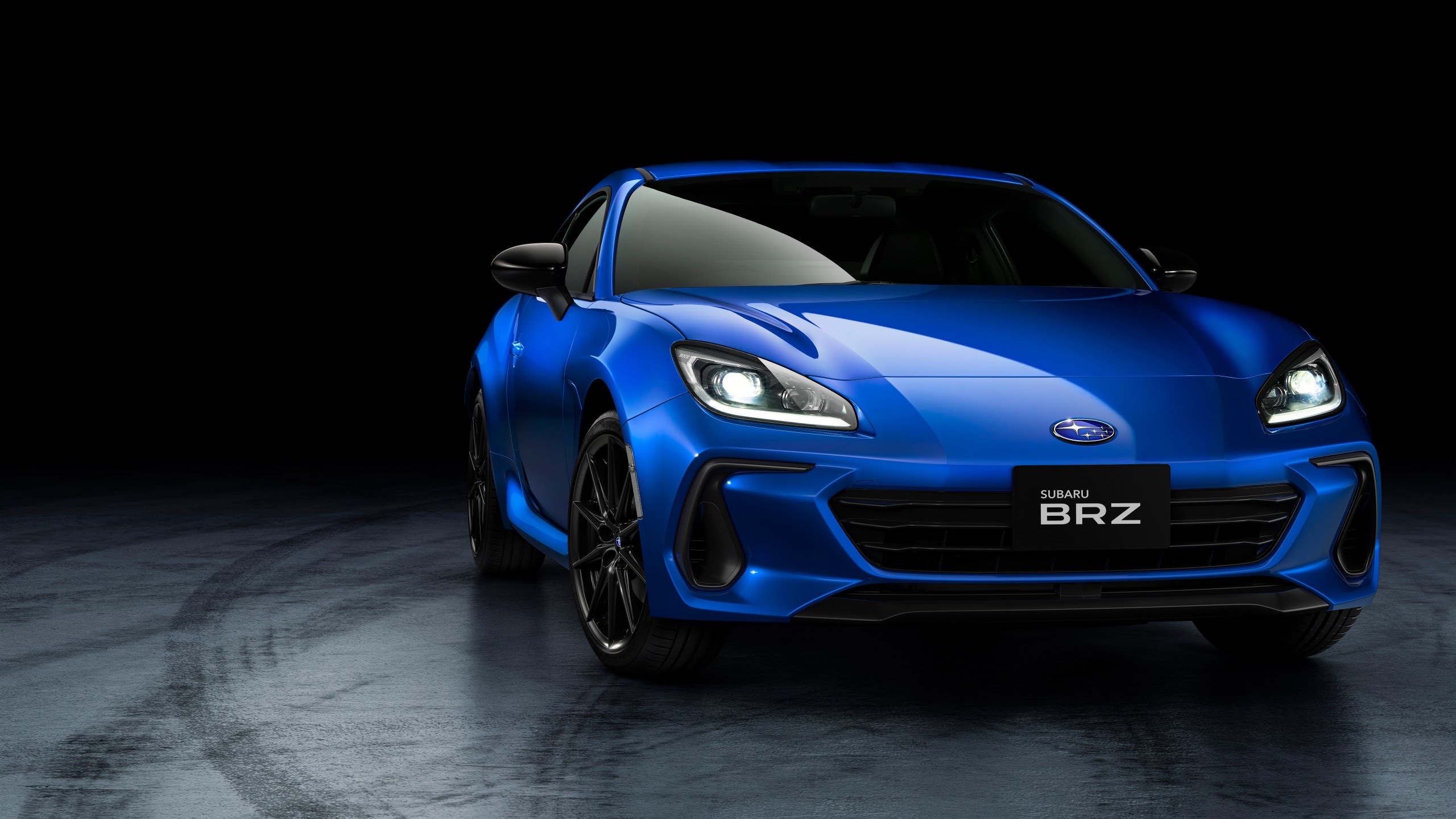
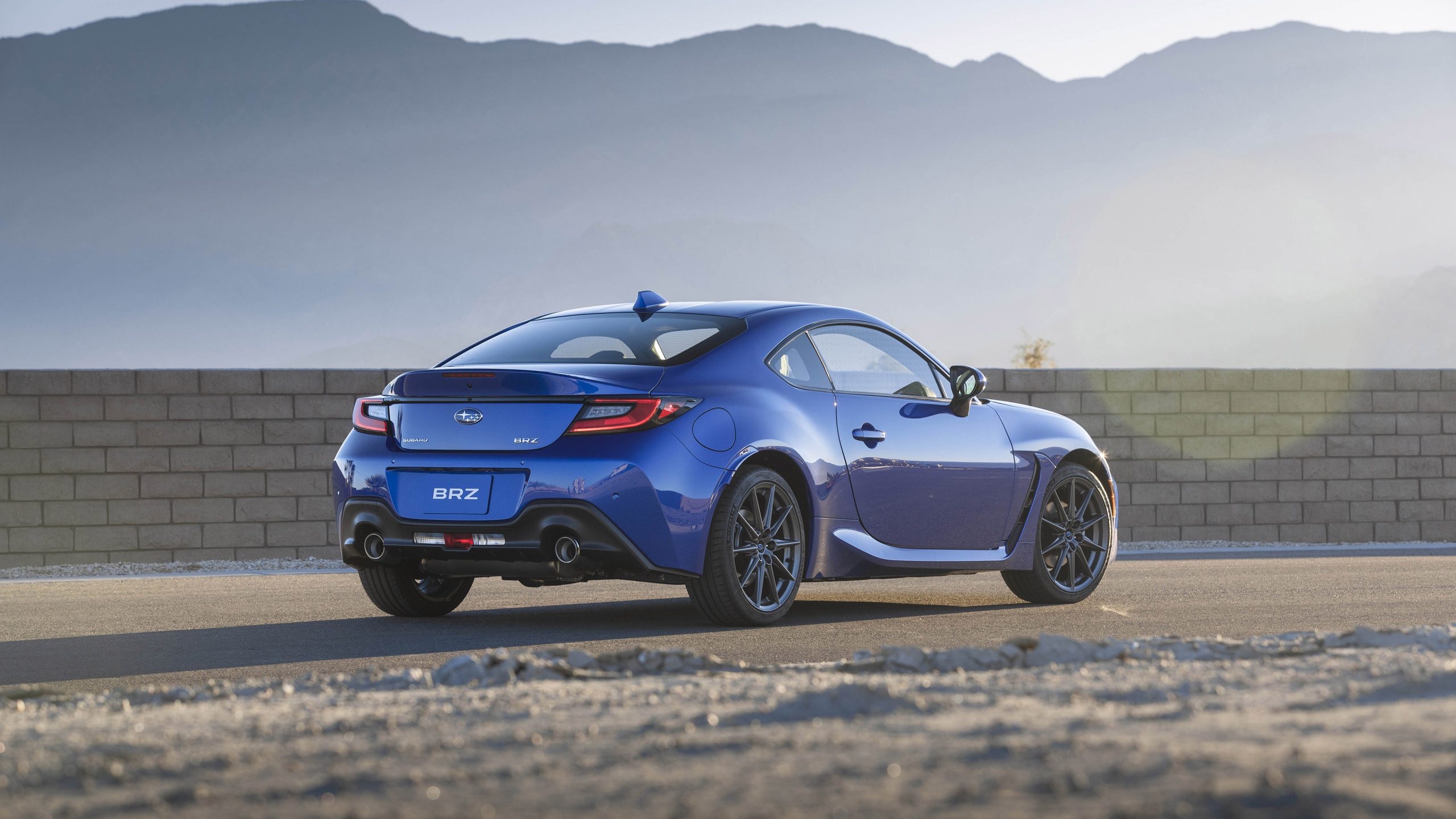
The exterior design retains classic coupe proportions with a long hood and a short rear deck. Structural updates include the use of aluminum panels to help keep the curb weight down to approximately 1,277 kg. The suspension setup utilizes MacPherson struts at the front and a double-wishbone layout at the rear, tuned for sharp, immediate responses. A quick 13.5:1 steering ratio further emphasizes the car's dynamic intentions.
Interior
Inside the cabin, the BRZ features a driver-focused cockpit updated with modern digital displays. The instrument cluster is fully digital, while the center console houses an eight-inch Starlink touchscreen with standard Apple CarPlay and Android Auto integration. Heavily bolstered sport seats are standard to keep occupants secure during cornering. As a 2+2, the rear seats are relatively small but offer the practical ability to fold down completely. This expands upon the standard 178-liter trunk, allowing the car to carry longer items like track gear or an extra set of tires.
Performance
Power comes from a naturally aspirated 2.4-liter flat-four engine (FA24D), which replaces the older 2.0-liter unit. It produces 231 horsepower and 249 Nm of torque, representing a 15 percent increase in peak torque that is accessible across a wider rev range, up to a 7,500 rpm redline. Buyers can choose between a six-speed manual transmission or a six-speed automatic with paddle shifters. The manual version achieves a 0-100 km/h time of 6.1 seconds, while the automatic takes 6.6 seconds.
Practicality
While it is fundamentally a sports car, the BRZ is designed to be usable for everyday driving. The 2+2 seating configuration means the rear seats are suitable reserved for short trips or extra storage. However, the flat-folding rear seatbacks add a surprising amount of utility, making the cargo area flexible enough for weekend getaways or carrying bulky items that wouldn't typically fit in a standard compact coupe.
Safety and tech
The second-generation BRZ updates its technology suite primarily through the new digital gauge cluster and the eight-inch infotainment screen. Models equipped with the automatic transmission receive Subaru's EyeSight Driver Assist Technology. This system utilizes a pair of forward-facing cameras mounted near the rearview mirror to monitor traffic, recognize road markings, and support various active safety features.
Buyer notes
When cross-shopping the BRZ, the primary decision lies in the choice of transmission. The six-speed manual offers slightly faster acceleration and traditional driver engagement, while the automatic brings the added benefit of the EyeSight safety suite. Both versions come standard with the Torsen differential and the 2.4L engine, meaning the core performance hardware is consistent across the lineup.
Trims and key specifications
Use this table to compare the main differences between available configurations.
| Trim / modification | Engine | Power | Seats | Transmission |
|---|---|---|---|---|
| 2.4i (231 hp) 6-speed manual | 2387 cc | 231 hp | 2 | 6-speed manual |
| 2.4i (231 hp) 6-speed automatic | 2387 cc | 231 hp | 2 | 6-speed automatic |
Specifications can vary by market, model year, and equipment package. Use the trim sections below to review the full data for each configuration.
Subaru BRZ photo gallery
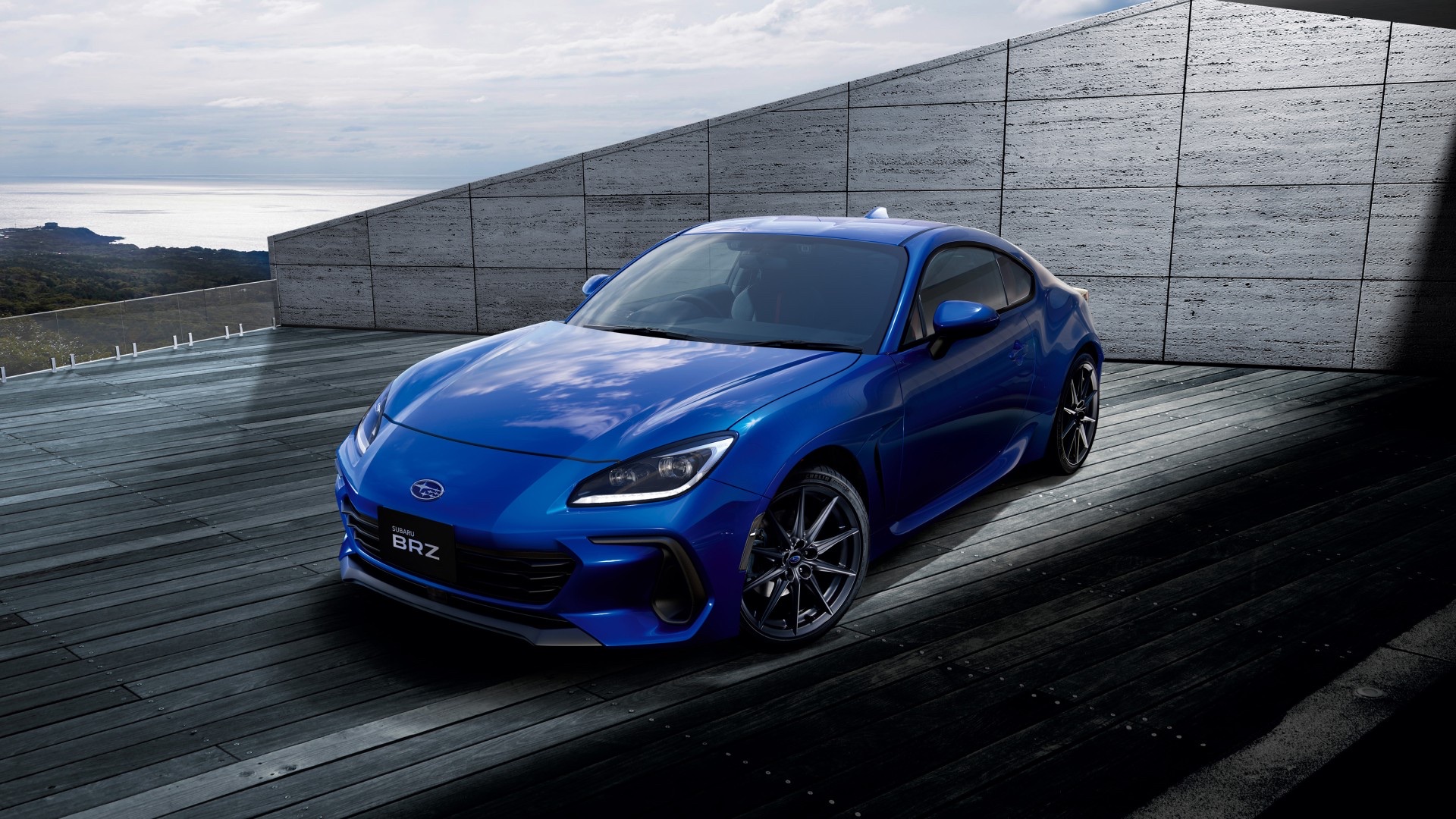
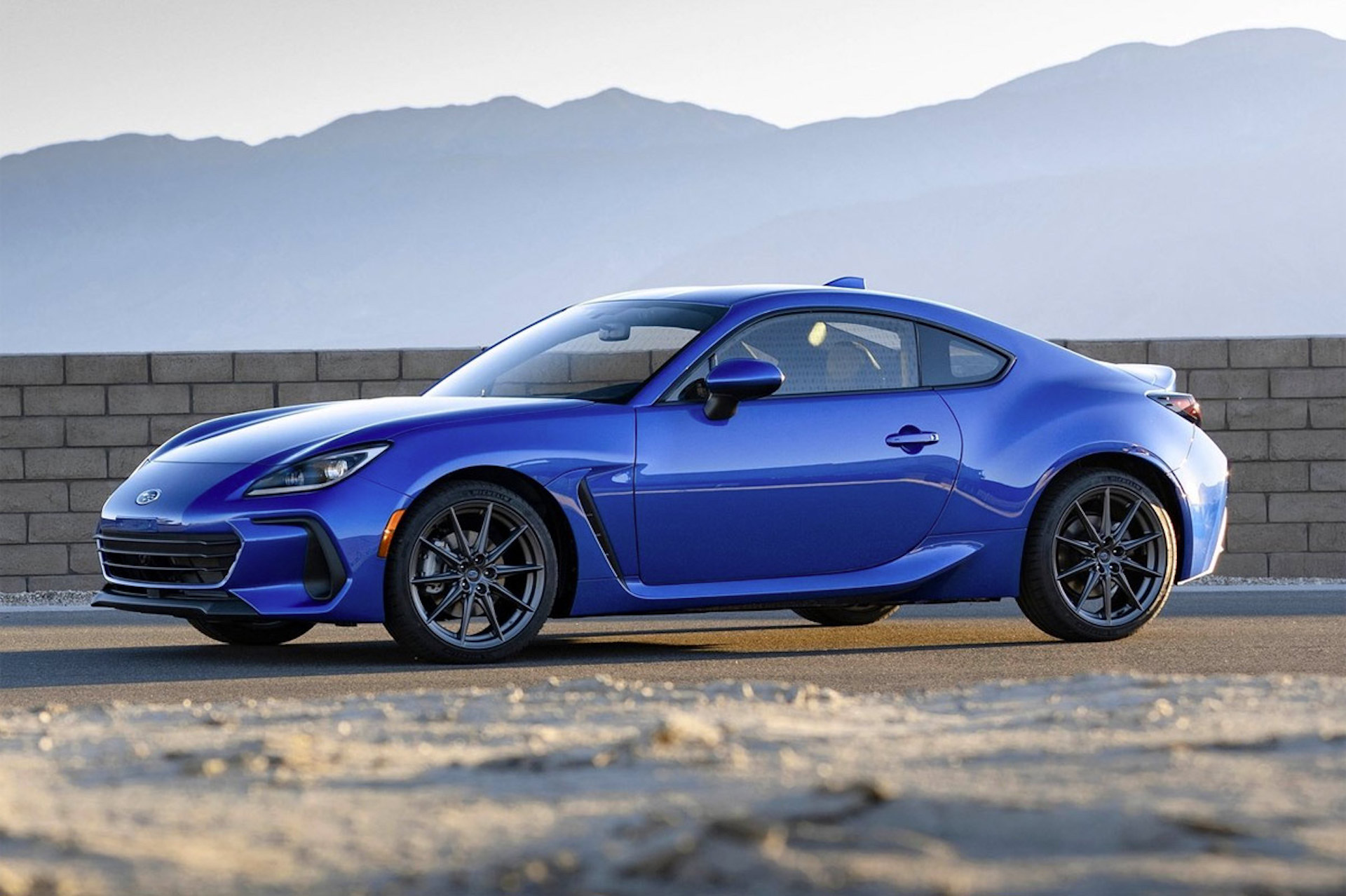
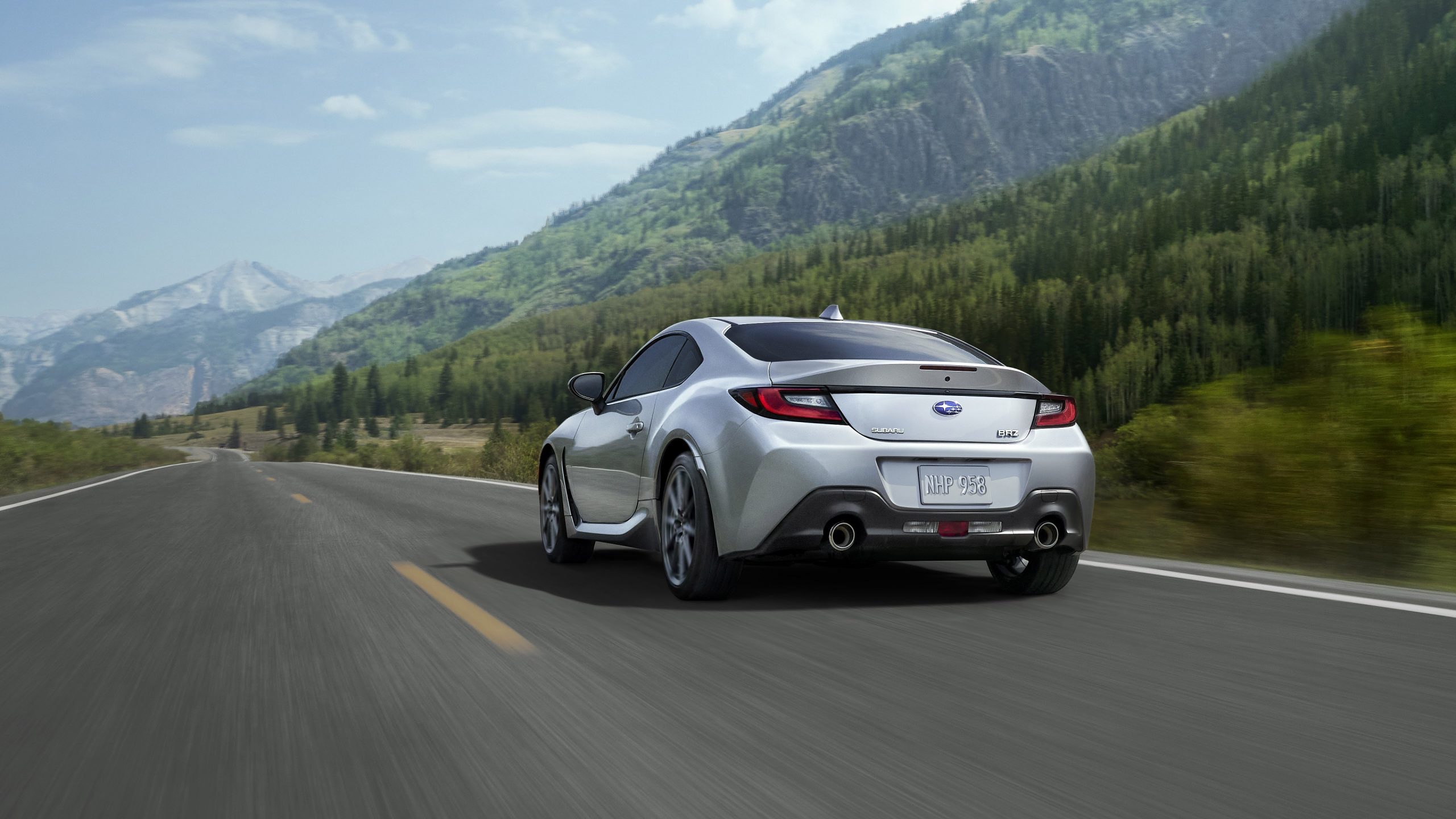
20 images are collected here with the main specifications and trim data for this model.
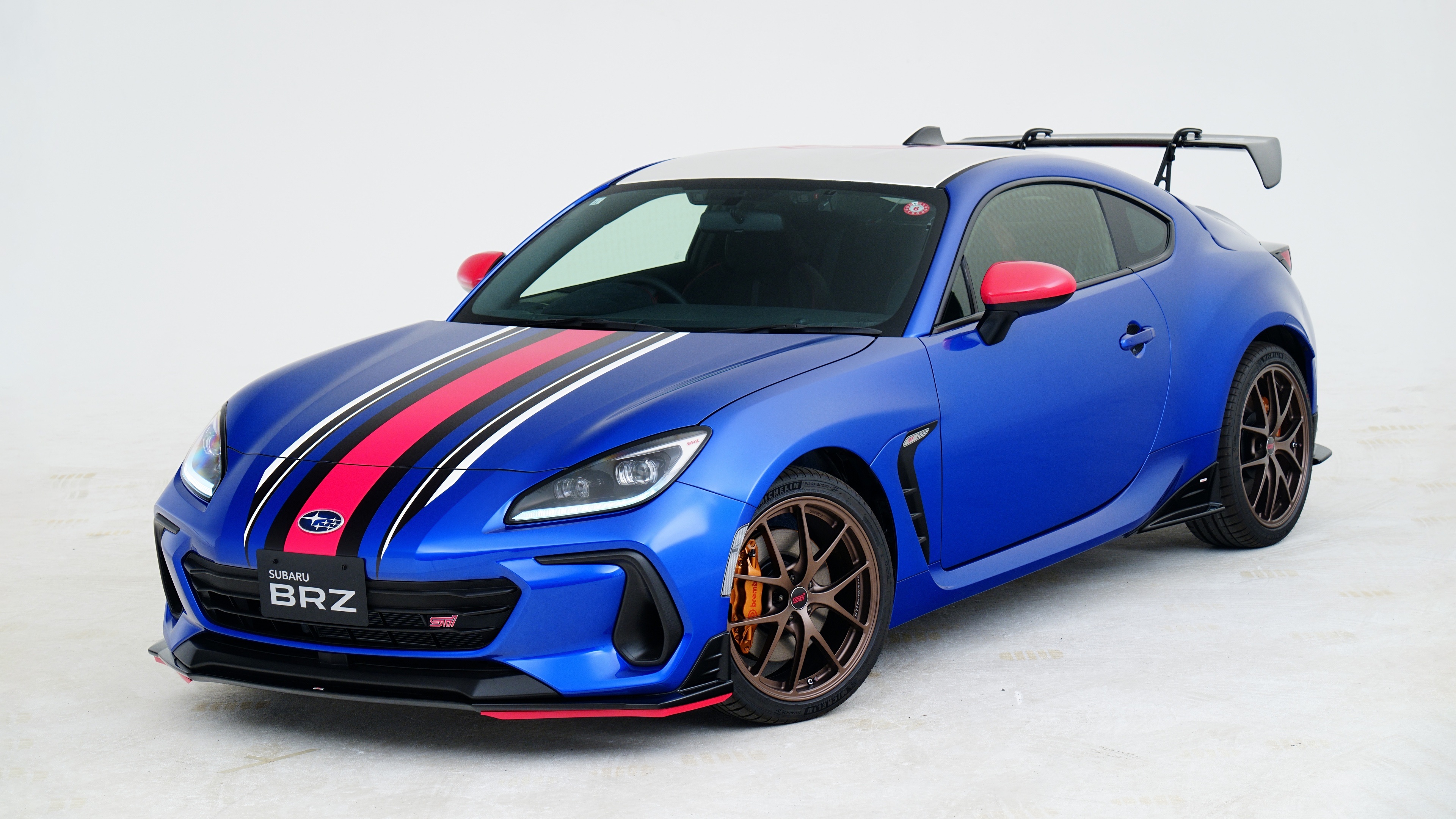
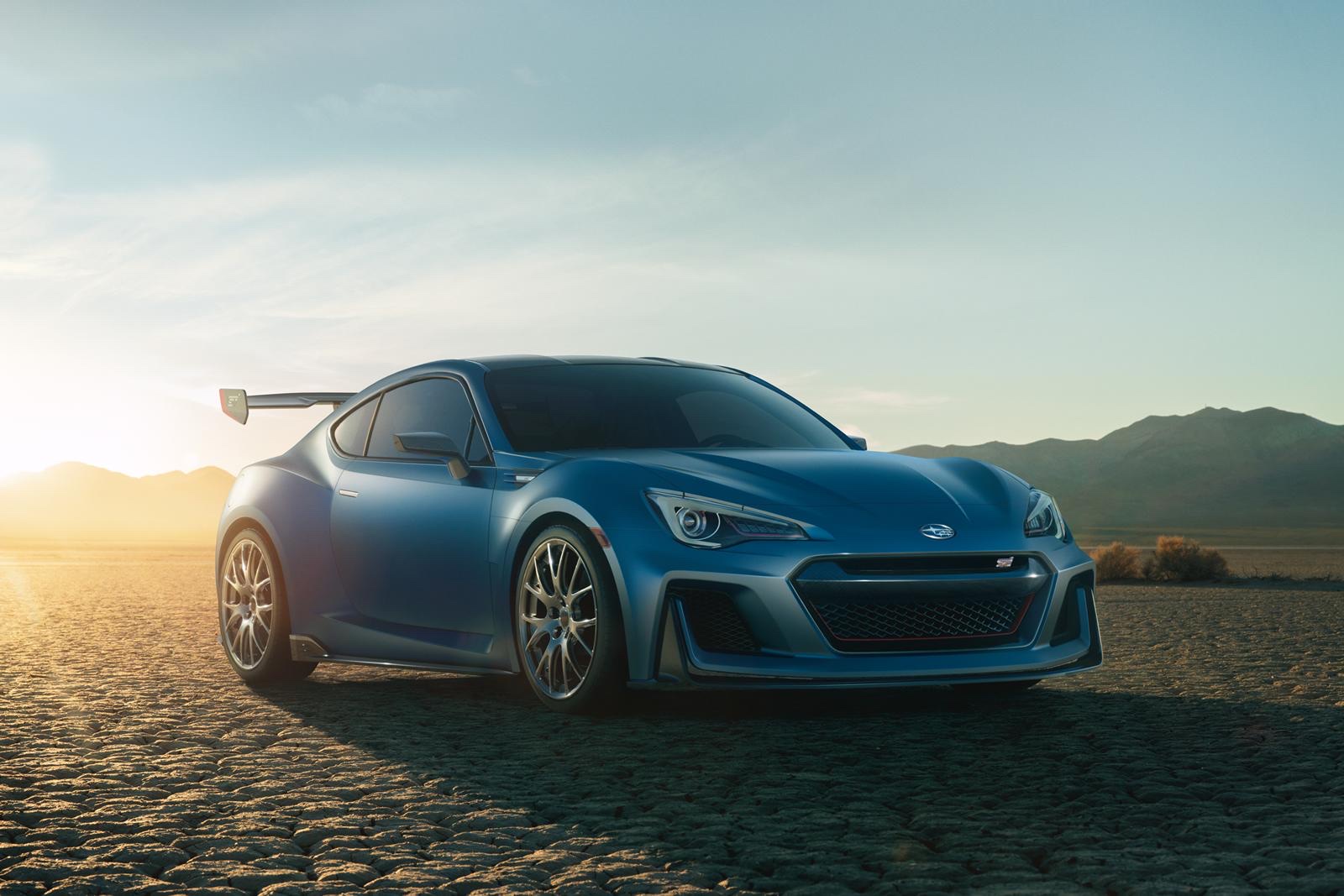
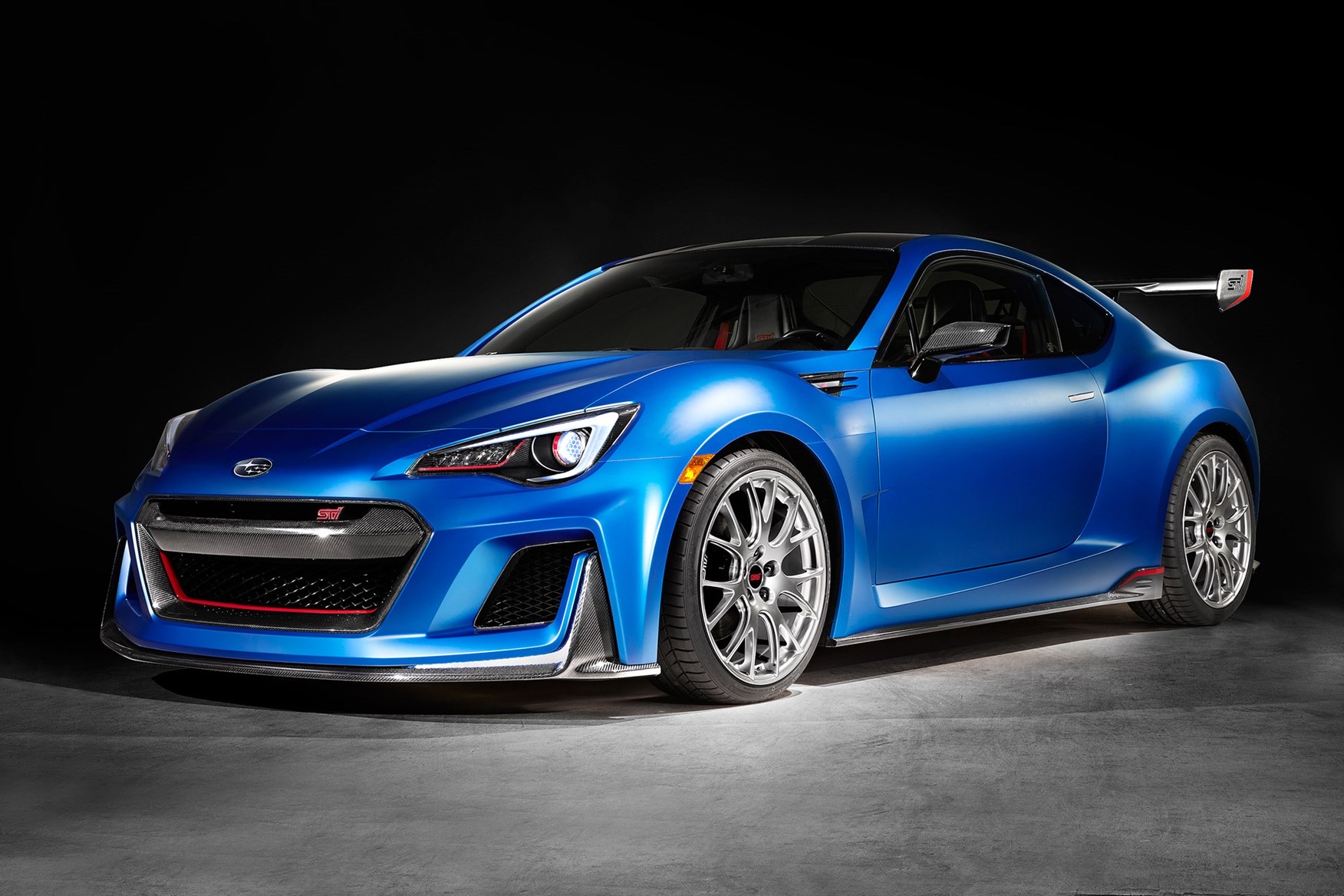
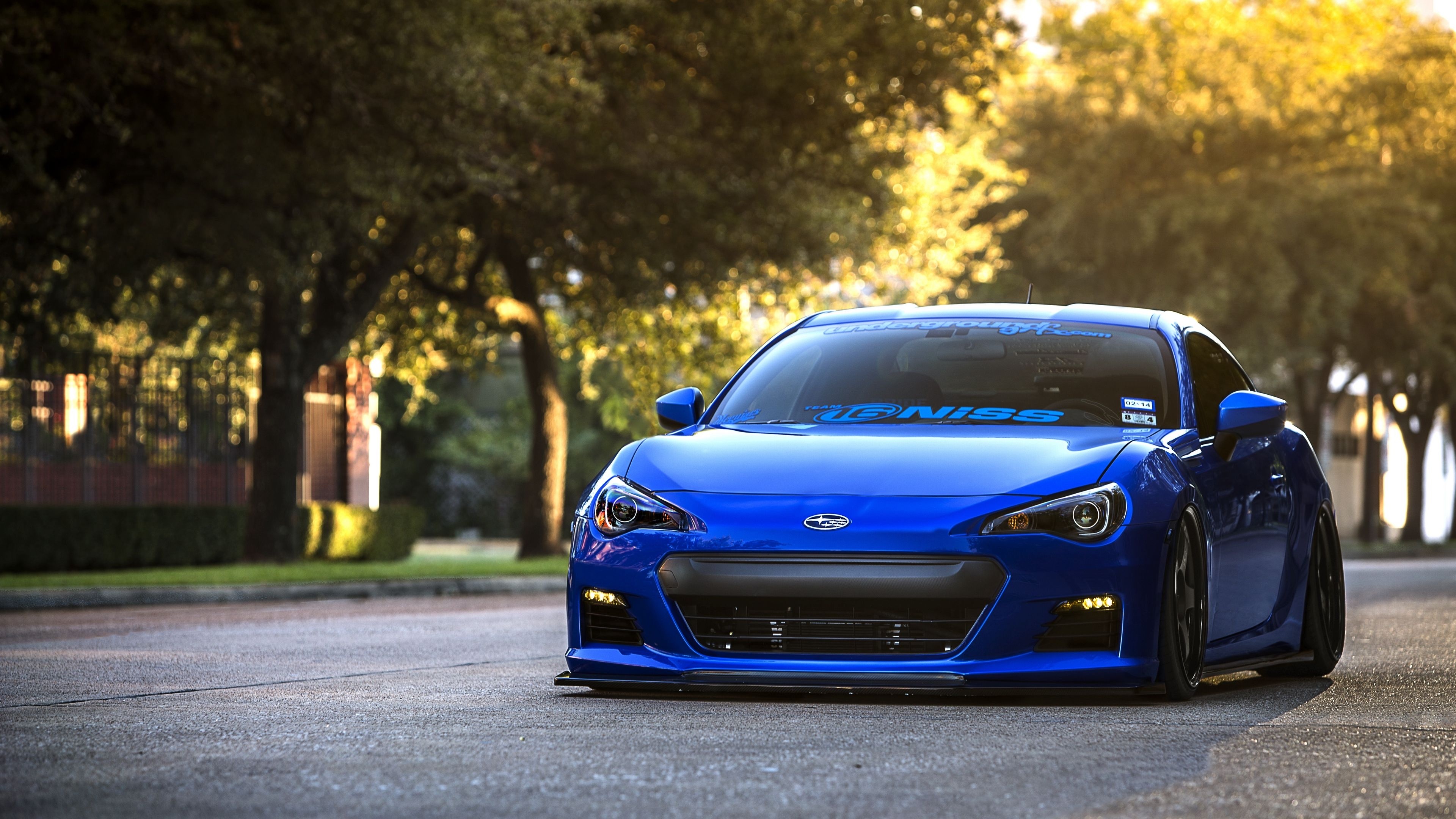
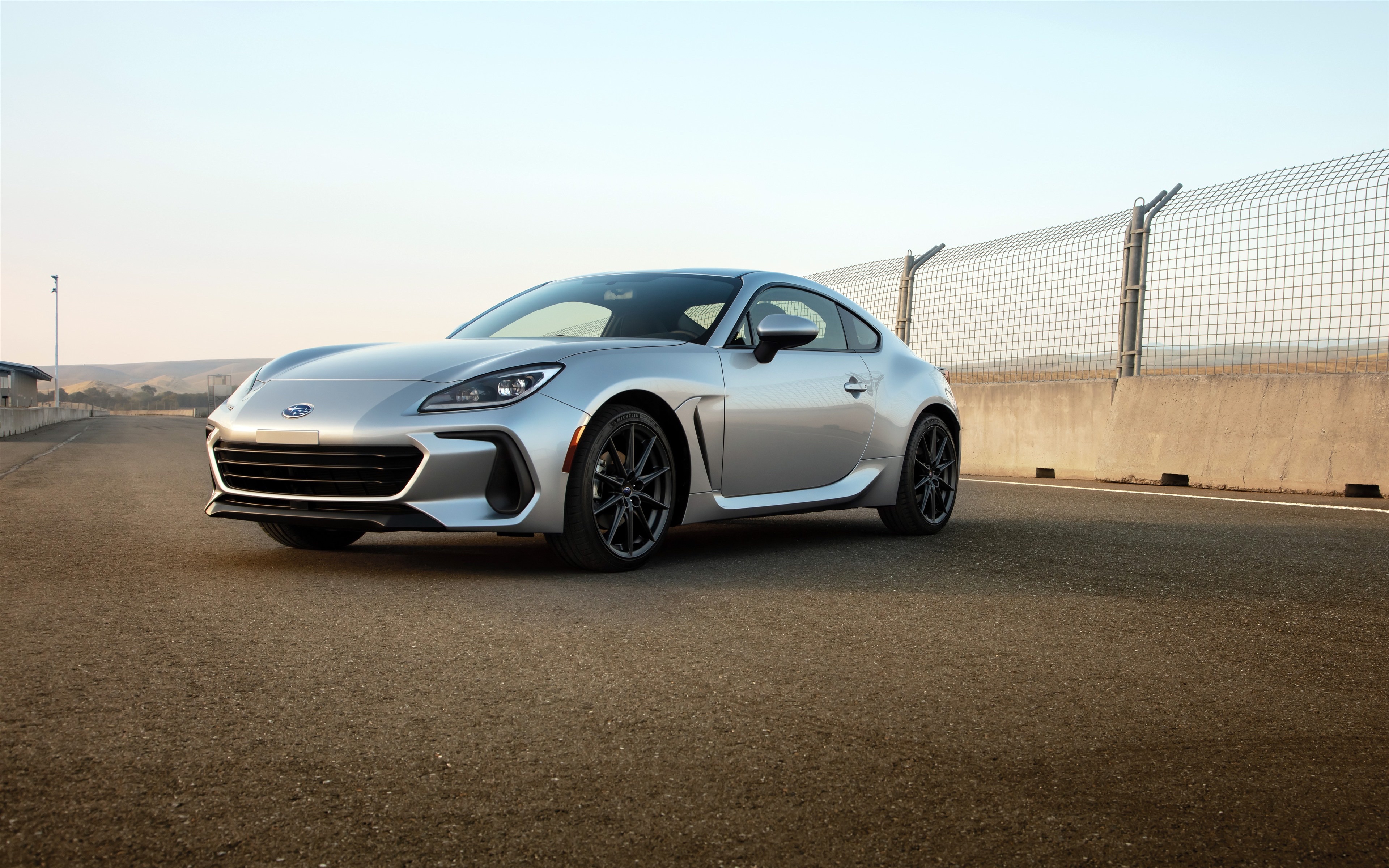
Photo Subaru BRZ
Specifications by trim
Choose a configuration below to open full technical data grouped by category.
2.4i (231 hp) 6-speed manual 36 specifications
Specifications
Performance and consumption
| Fuel consumption city, L/100 km | 12 |
|---|---|
| Fuel consumption highway, L/100 km | 8.8 |
| Top speed, km/h | 225 |
| Acceleration 0-100 km/h, s | 6.1 |
Engine
| Engine | 2.4i |
|---|---|
| Engine code | FA24D |
| Engine type | Internal combustion engine |
| Fuel type | Gasoline |
| Engine displacement, cc | 2387 |
| Cylinder layout | Inline |
| Number of cylinders | 4 |
| Valves | 16 |
| Compression ratio | 12.5:1 |
| Power, hp | 231 |
| RPM at max power | 7500 |
| Torque, Nm | 249 |
| RPM at max torque | 3700 |
Dimensions
| Seats | 2 |
|---|---|
| Length, mm | 4265 |
| Width, mm | 2018 |
| Wheelbase, mm | 2575 |
| Front track, mm | 1520 |
| Rear track, mm | 1550 |
| Kerb weight, kg | 1277 |
| Gross weight, kg | 1670 |
| Fuel tank capacity, L | 50 |
| Turning circle, m | 10.8 |
| Ground clearance, mm | 130 |
| Width without mirrors, mm | 1775 |
| Trunk capacity, L | 178 |
Transmission and drive
| Transmission | 6-speed manual |
|---|---|
| Transmission type | manual |
| Drive | Rear-wheel drive |
| Number of gears | 6 |
| Transmission manufacturer | Subaru |
| Transmission country | Japan |
2.4i (231 hp) 6-speed automatic 37 specifications
Specifications
Performance and consumption
| Fuel consumption city, L/100 km | 11 |
|---|---|
| Fuel consumption highway, L/100 km | 7.7 |
| Top speed, km/h | 216 |
| Acceleration 0-100 km/h, s | 6.6 |
Engine
| Engine | 2.4i |
|---|---|
| Engine code | FA24D |
| Engine type | Internal combustion engine |
| Fuel type | Gasoline |
| Engine displacement, cc | 2387 |
| Cylinder layout | Inline |
| Number of cylinders | 4 |
| Valves | 16 |
| Compression ratio | 12.5:1 |
| Power, hp | 231 |
| RPM at max power | 7500 |
| Torque, Nm | 249 |
| RPM at max torque | 3700 |
Dimensions
| Seats | 2 |
|---|---|
| Length, mm | 4265 |
| Width, mm | 2018 |
| Wheelbase, mm | 2575 |
| Front track, mm | 1520 |
| Rear track, mm | 1550 |
| Kerb weight, kg | 1277 |
| Gross weight, kg | 1670 |
| Fuel tank capacity, L | 50 |
| Turning circle, m | 10.8 |
| Ground clearance, mm | 130 |
| Width without mirrors, mm | 1775 |
| Trunk capacity, L | 178 |
Transmission and drive
| Transmission | 6-speed automatic |
|---|---|
| Transmission type | automatic |
| Drive | Rear-wheel drive |
| Number of gears | 6 |
| Transmission manufacturer | Aisin |
| Automatic transmission | + |
| Transmission country | Japan |
Subaru BRZ questions
Short answers based on the specifications and photos available in this catalog.
What engine does the 2021 Subaru BRZ have?
It is powered by a naturally aspirated 2.4-liter flat-four (boxer) engine producing 231 horsepower and 249 Nm of torque.
Is the Subaru BRZ rear-wheel drive?
Yes, the BRZ features a dedicated front-engine, rear-wheel-drive layout equipped with a standard Torsen limited-slip differential.
Does the BRZ have an automatic transmission option?
Buyers can choose between a standard six-speed manual transmission and an optional six-speed automatic with steering wheel-mounted paddle shifters.
How practical is the BRZ trunk?
The standard trunk holds 178 liters of cargo. However, the 2+2 rear seats can fold flat to create a continuous load floor for longer items.
What are the main differences between the manual and automatic models?
Aside from transmission operation and slightly faster 0-100 km/h acceleration in the manual, automatic models specifically receive the EyeSight suite of driver assistance features.