Toyota 4Runner specifications and photos
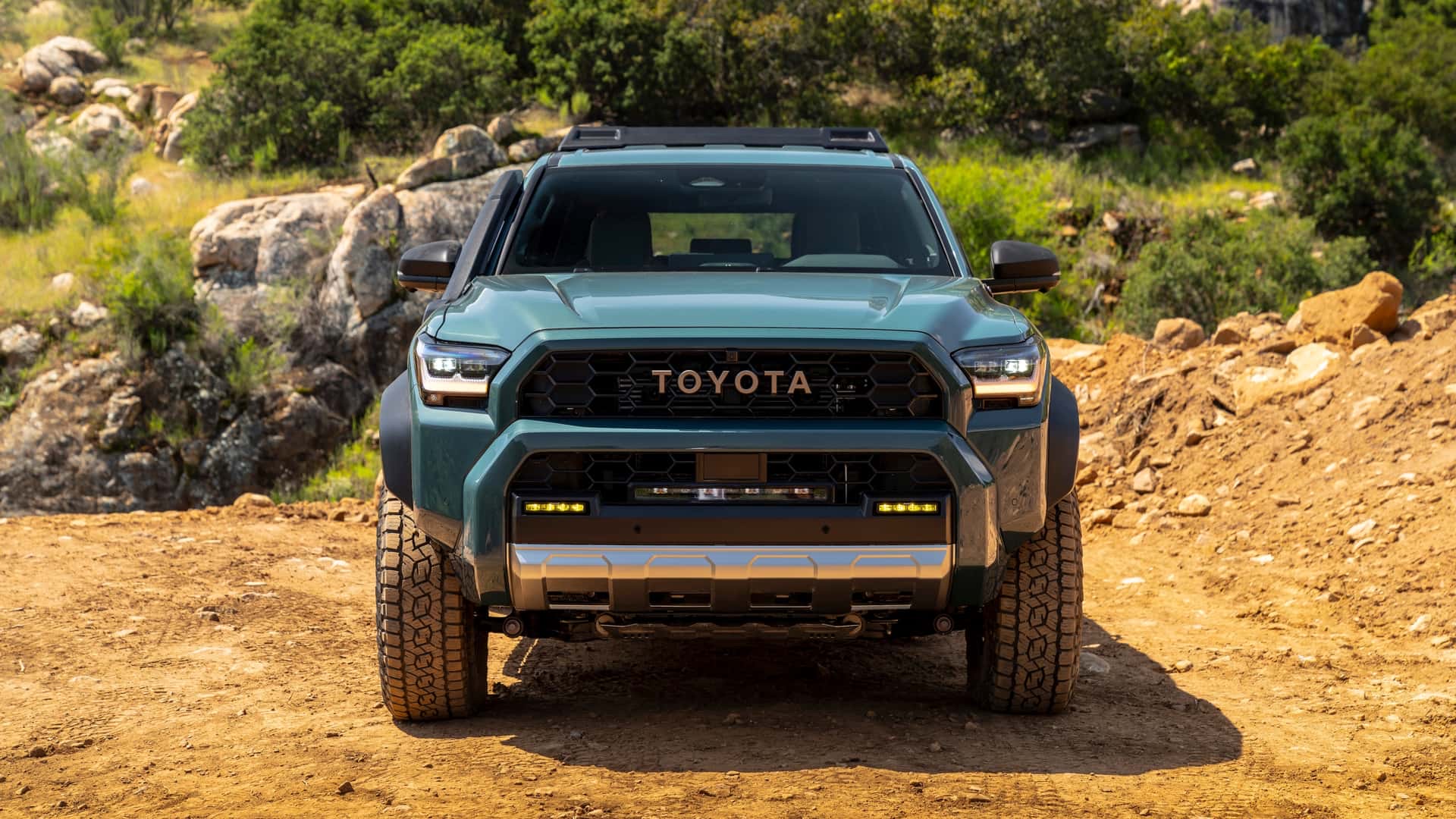
The 2024 Toyota 4Runner marks the introduction of the iconic off-roader's sixth generation, bringing modern turbocharging and hybrid power to the model line. Built for trail enthusiasts and families alike, this SUV updates its classic rugged utility with advanced safety features and modern cabin tech. It is available in rear-wheel or four-wheel drive configurations to suit different driving needs.
Toyota 4Runner at a glance
Quick model context before comparing photos and trim-level specifications.
The 2024 Toyota 4Runner represents the debut of the rugged SUV's sixth generation, which was introduced in December 2024. Built as a mid-size SUV (classified under the K3 segment), the vehicle continues its legacy of off-road capability while integrating modern platform enhancements. This generation is available in both rear-wheel and four-wheel drive configurations, catering to both daily commuters and dedicated trail enthusiasts. Key updates focus on modernization, replacing older powertrains with turbocharged and hybrid options, and updating the cabin with contemporary technology. Buyers can choose between standard internal combustion setups and a powerful hybrid variant. With a body structure designed for demanding terrain, this SUV targets drivers who need a durable, body-on-frame utility vehicle capable of handling challenging trails, daily family duties, and heavy-duty recreation. Its positioning bridges the gap between everyday comfort and serious off-road performance.
- Power: 278-326 hp
- Engine displacement: 2393 cc
- Transmissions: 8-speed automatic
Photos, trims and specifications for Toyota 4Runner
This model page brings gallery images, trim comparison, and detailed technical data together for the 2024 generation.
Estimate fuel cost
Use trim-level fuel consumption data to estimate monthly and yearly fuel spending.
Fuel costs are estimates. Real consumption can change with driving style, traffic, tires, weather, load, and market-specific equipment.
Toyota 4Runner overview
Editorial context for design, cabin, performance, practicality, and buyer notes.
Design
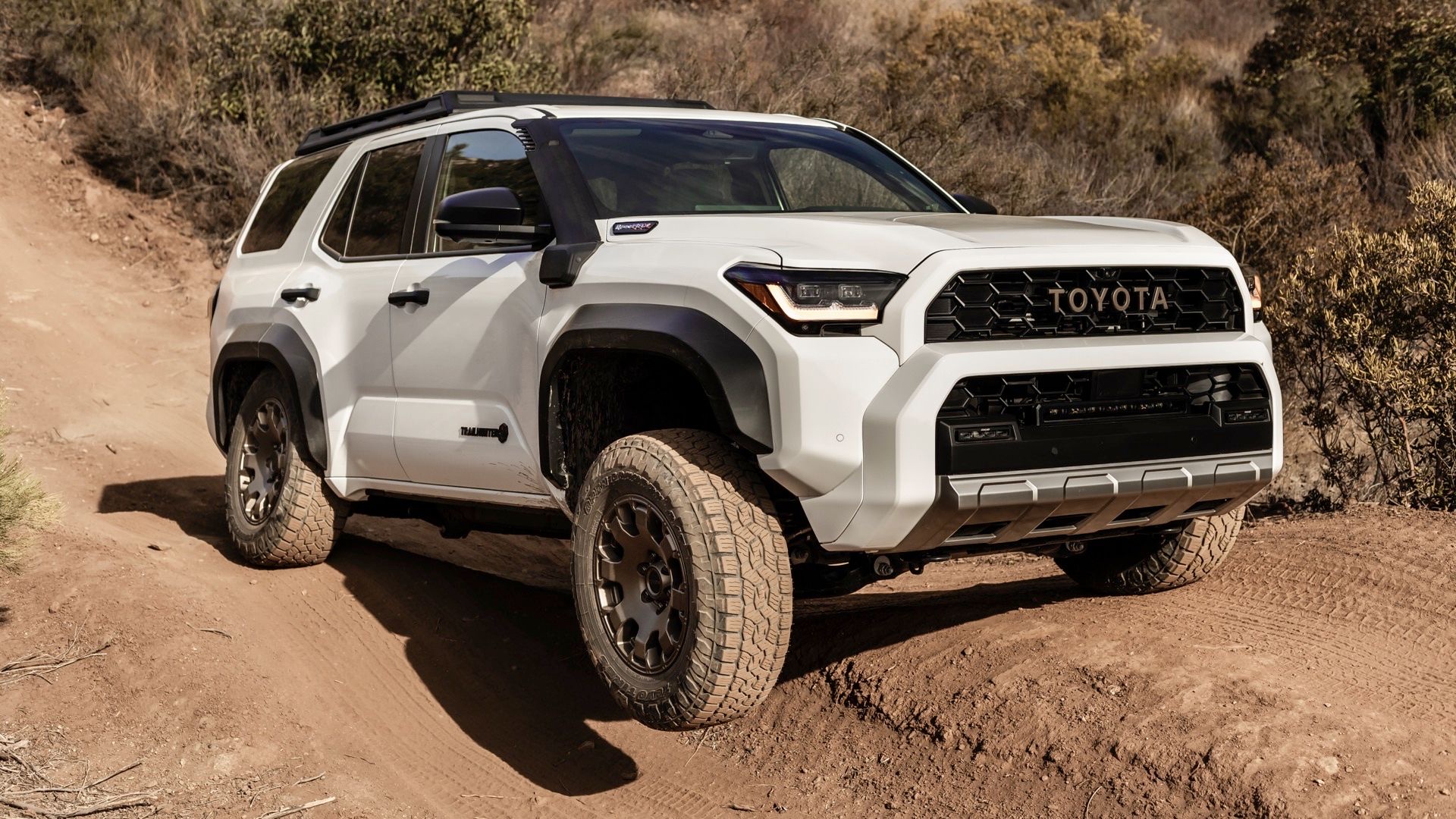
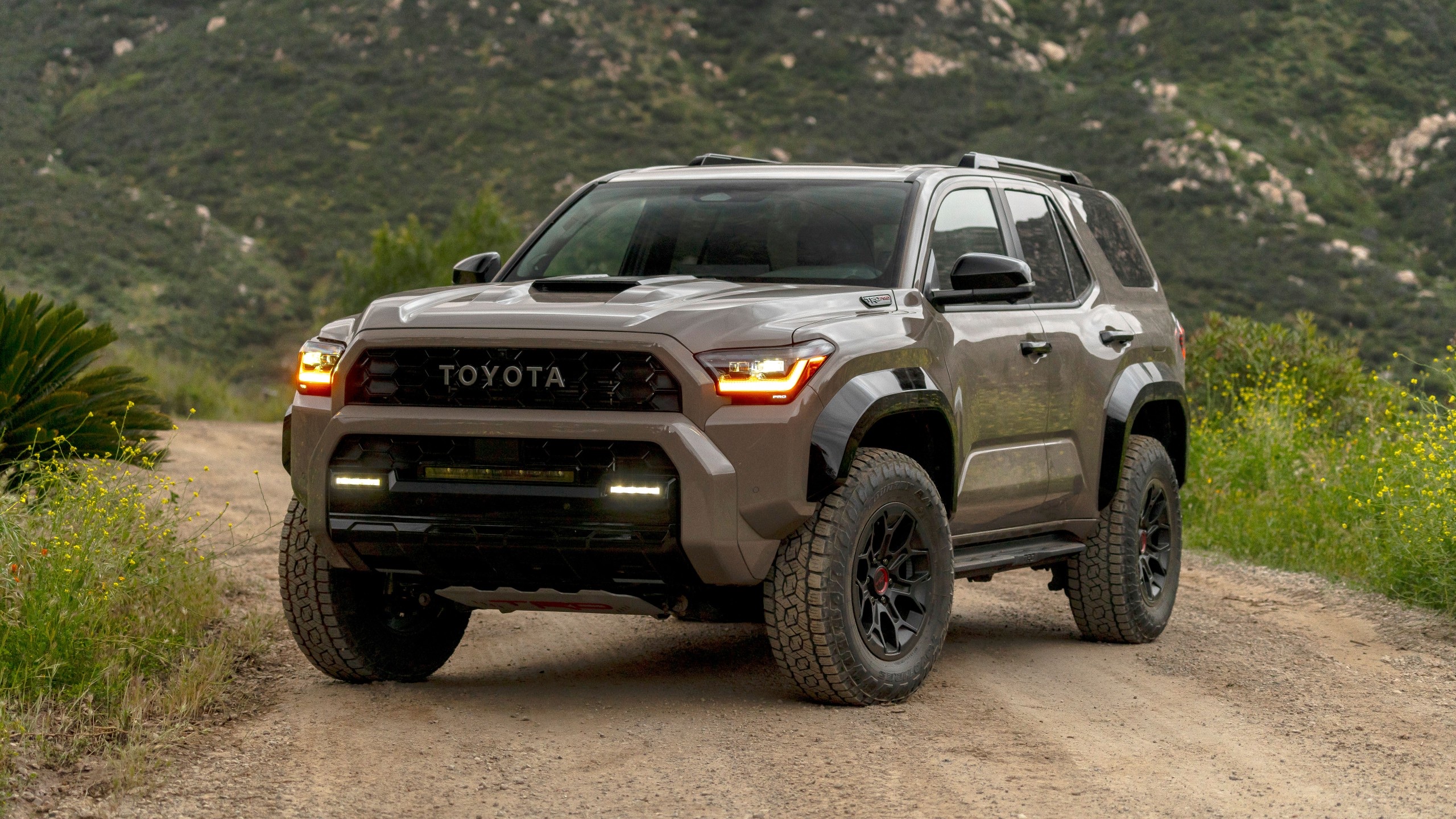
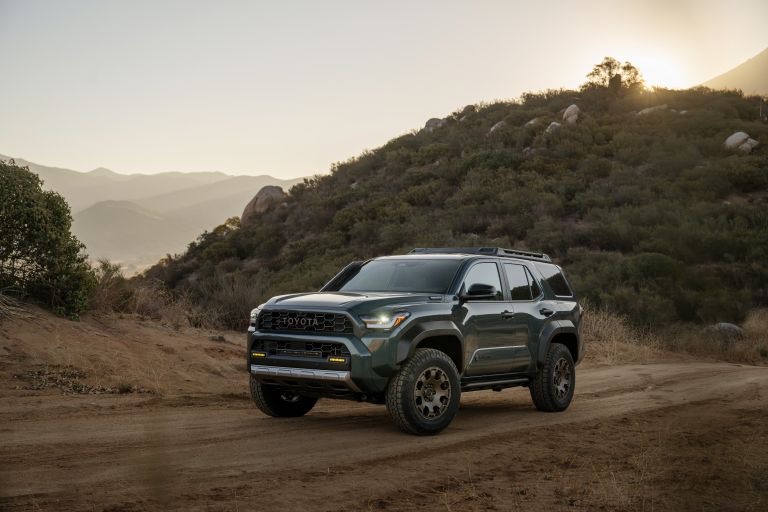
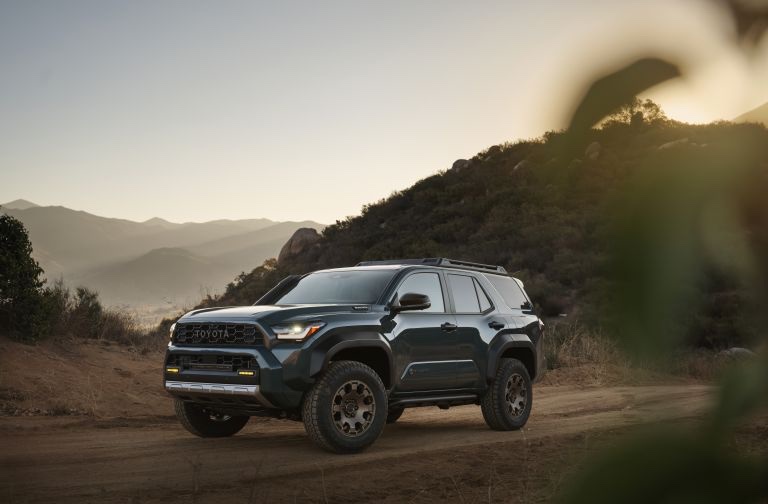
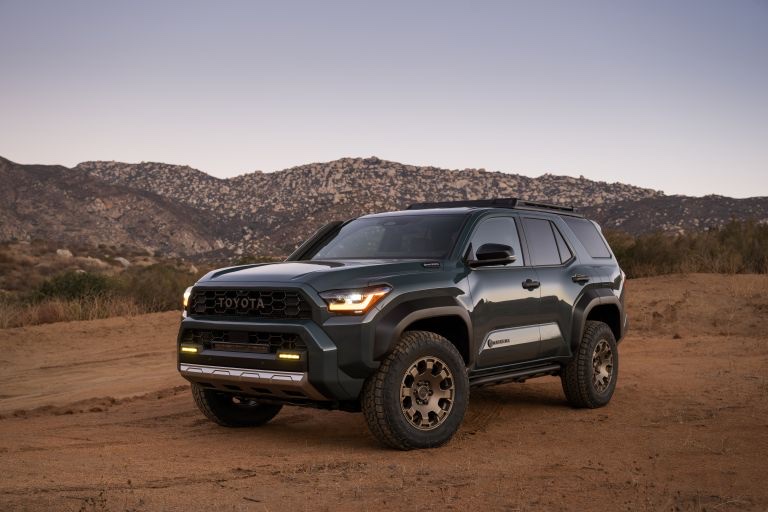
The exterior design of the 2024 4Runner highlights its off-road focus with a rugged, blocky silhouette. It features an aggressive front bumper paired with a prominent grille and modern LED headlights that include daytime running lights. Depending on the chosen trim level, the styling details change significantly. For instance, the Platinum trim features chrome accents for a more premium look, while the Trailhunter trim uses bronze details to emphasize its adventurous purpose. The SUV rides on either 18-inch or 20-inch wheels, which help provide an elevated ground clearance of 206 mm. Additionally, Toyota optimized the vehicle's body aerodynamics to reduce wind resistance, improving stability at higher speeds.
Interior
Inside, the cabin of the 4Runner blends utility with modern technology. It can accommodate either five or seven passengers across its seating configurations. High-quality materials like leather and SofTex upholstery are used throughout the interior. Tech highlights include a 12.3-inch digital instrument cluster for the driver and a 14-inch central touchscreen interface that supports wireless Apple CarPlay and Android Auto. For entertainment, the SUV offers a premium 14-speaker JBL sound system, with select configurations featuring a detachable JBL FLEX portable speaker. An optional panoramic glass roof is available to let natural light into the cabin, while climate control keeps passengers comfortable.
Performance
The performance lineup revolves around two main engine options, both paired with an 8-speed automatic transmission. The base option is a 2.4-liter turbocharged i-FORCE four-cylinder engine generating 278 horsepower and 430 Nm of torque. For enhanced power, buyers can choose the i-FORCE MAX hybrid system. This setup combines the 2.4-liter engine with a 48-horsepower electric motor, producing a total of 326 horsepower and a substantial 630 Nm of torque. Rear-wheel drive is standard on the base model, while full four-wheel drive is available on the turbo and standard on the hybrid. Mixed fuel consumption ranges from 10.2 liters per 100 km for the hybrid to 11.2 liters for the 4x4 turbo model.
Practicality
Designed for utility, the 4Runner offers a flexible interior layout with five-seat and seven-seat configurations. It has a cargo volume of 343 liters behind the seats, offering adequate space for gear and luggage. The vehicle measures 4950 mm in length and 1979 mm in width, giving it a spacious footprint. Everyday usability is supported by a 72-liter fuel tank, a turning diameter of 12 meters, and a substantial 206 mm ground clearance that easily clears obstacles in urban environments or on unpaved trails.
Safety and tech
Technology in the 4Runner is centered on driver assistance and convenience. The SUV features the Toyota Safety Sense 3.0 suite, which includes adaptive cruise control, a pre-collision warning system with pedestrian detection, lane keeping assistance, and road sign recognition. For off-road navigation and parking, a Multi-Terrain Monitor system provides a comprehensive view of the vehicle's surroundings via multiple exterior cameras. Additional technology features include a digital key system, blind-spot monitoring, and parking assistance.
Buyer notes
When comparing trims, buyers should weigh their needs for powertrain efficiency against off-road capabilities. The base 2.4-liter turbo i-FORCE with rear-wheel drive offers the lowest entry price and reasonable efficiency, while the 4x4 model adds crucial traction for winter driving or light trails. For maximum performance and trail capability, the i-FORCE MAX hybrid provides significantly more torque and better mixed fuel economy. Features such as the third-row seating, specific wheel sizes, premium JBL audio, and specialized cosmetic packages like the Trailhunter or Platinum trims will vary depending on the chosen model and market specifications.
Trims and key specifications
Use this table to compare the main differences between available configurations.
| Trim / modification | Engine | Power | Seats | Transmission |
|---|---|---|---|---|
| 2.4 i-FORCE (278 hp) 8-speed automatic ECT-i | 2393 cc | 278 hp | 5/7 | 8-speed automatic |
| 2.4 i-FORCE (278 hp) 8-speed automatic ECT-i 4x4 | 2393 cc | 278 hp | 5/7 | 8-speed automatic |
| 2.4h i-FORCE MAX (326 hp) 8-speed automatic ECT-i 4x4 | 2393 cc | 326 hp | 5/7 | 8-speed automatic |
Specifications can vary by market, model year, and equipment package. Use the trim sections below to review the full data for each configuration.
Toyota 4Runner photo gallery
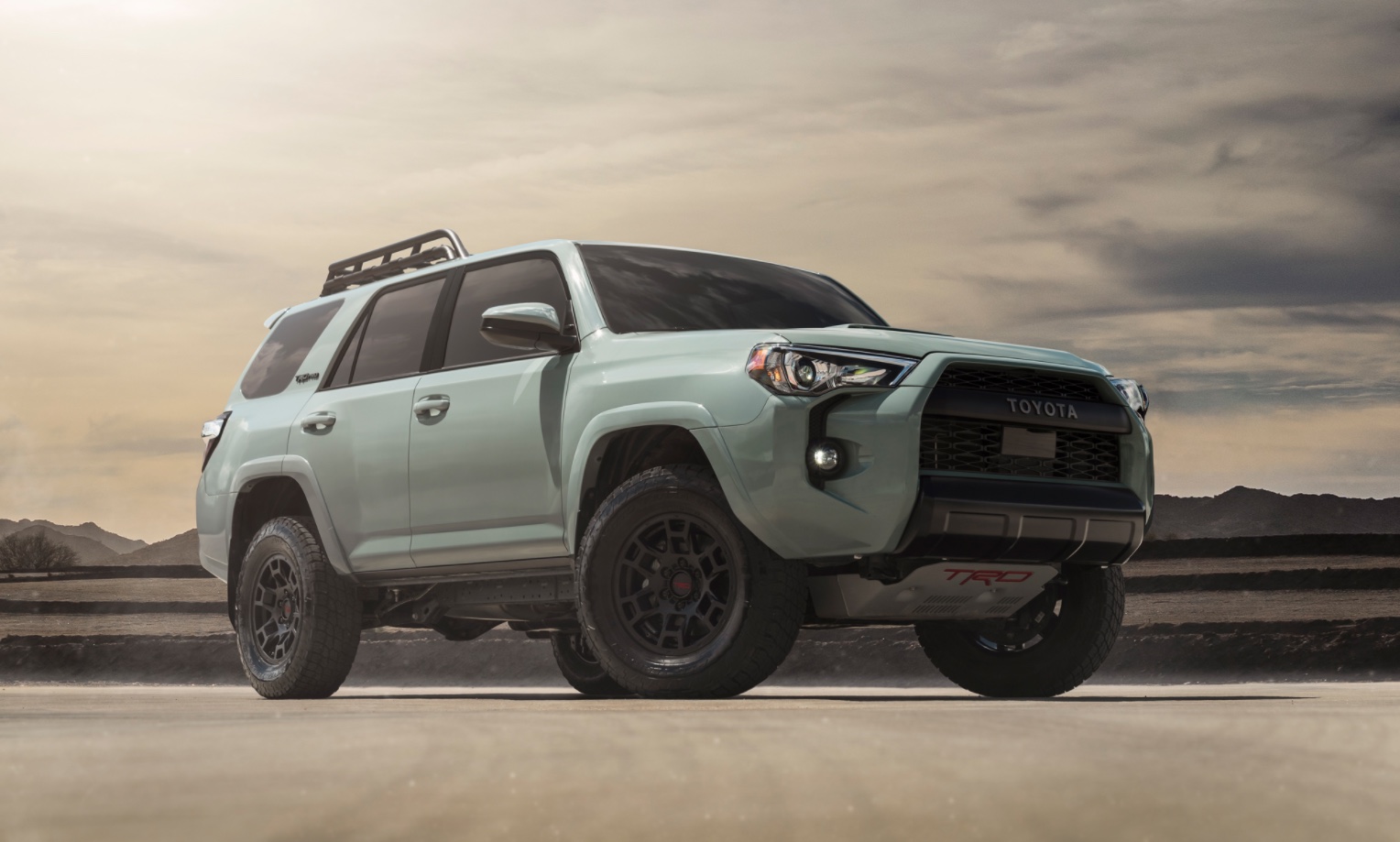
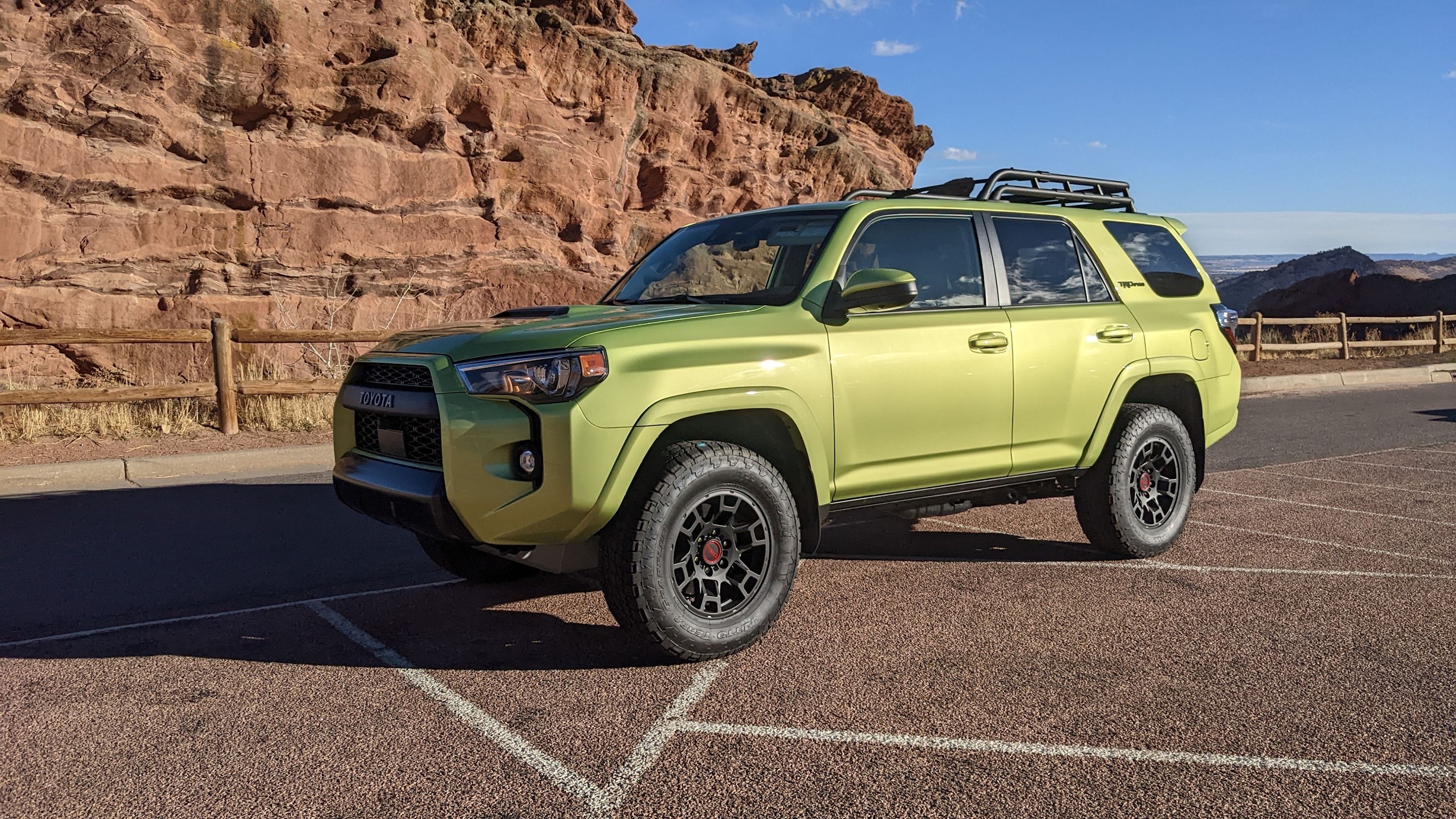
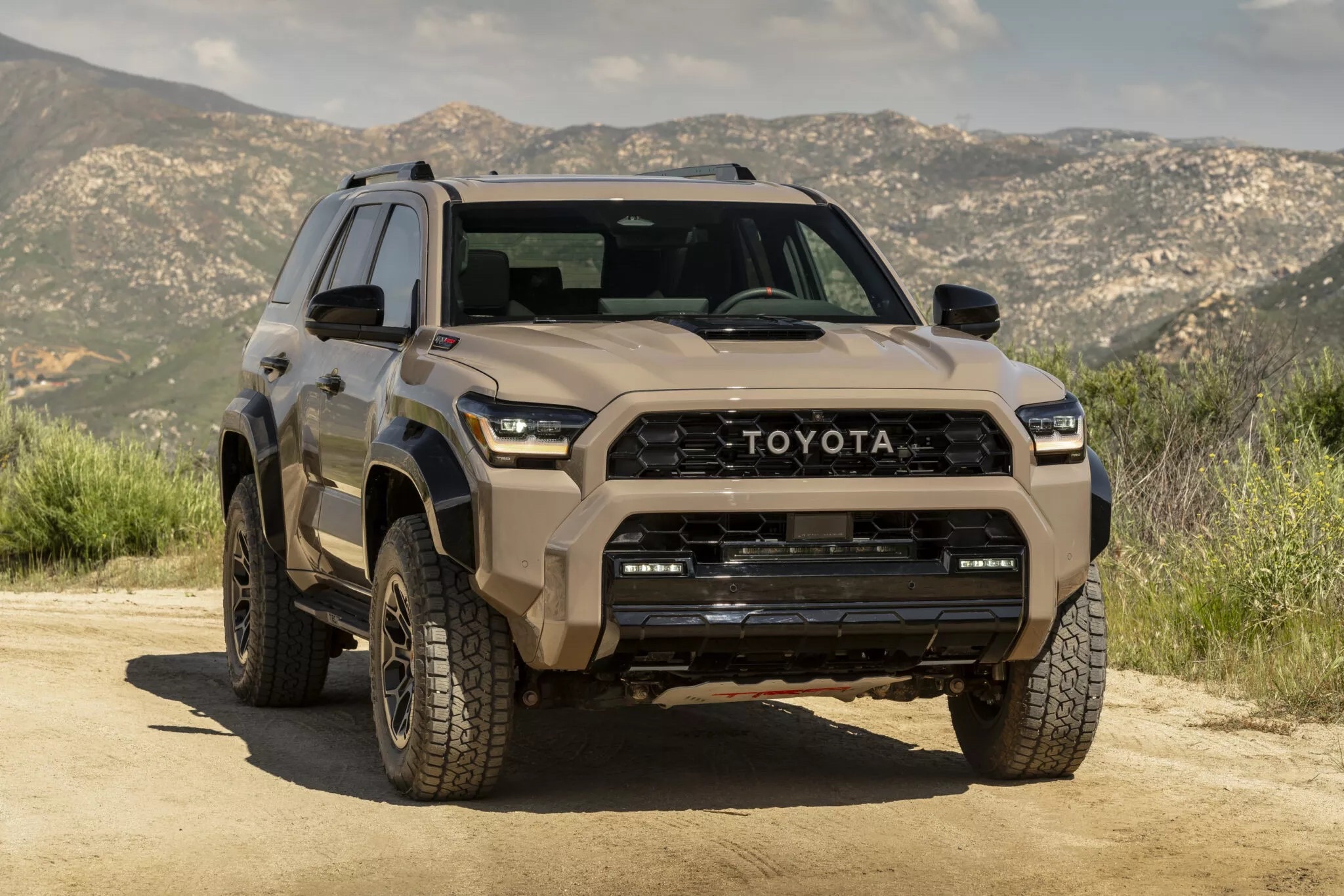
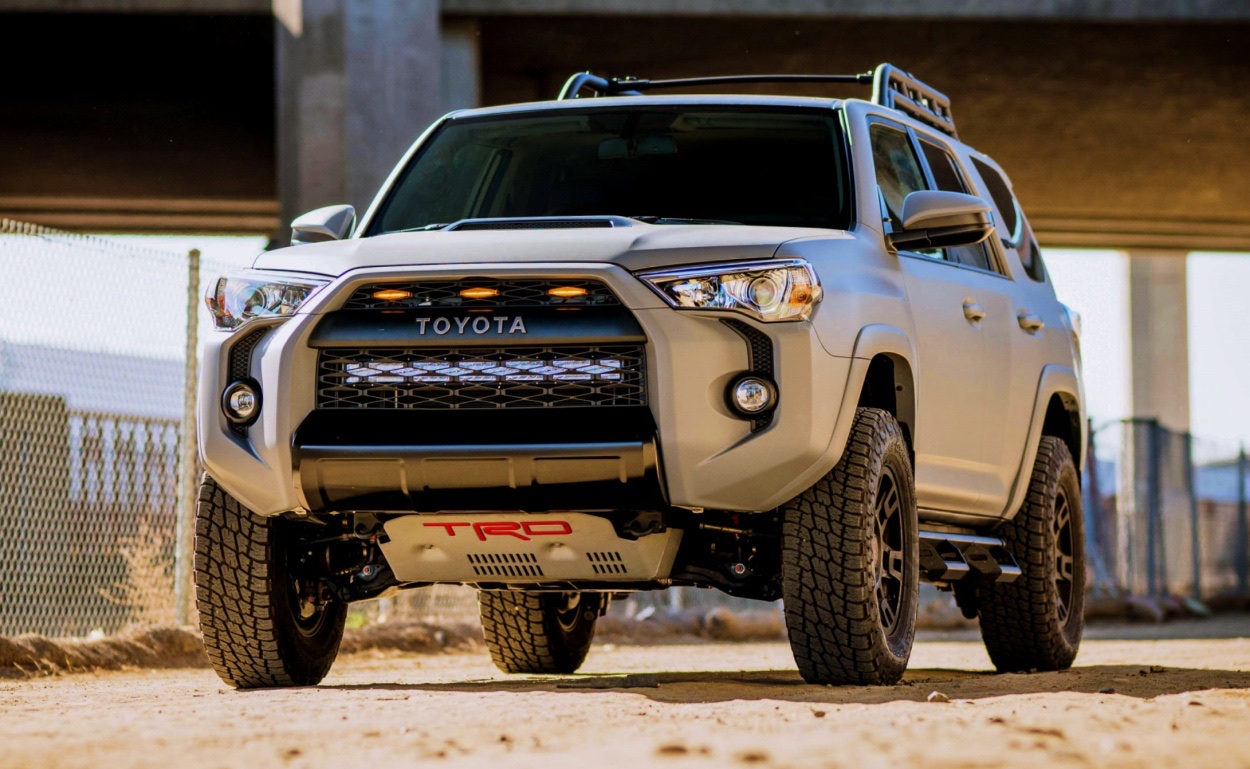
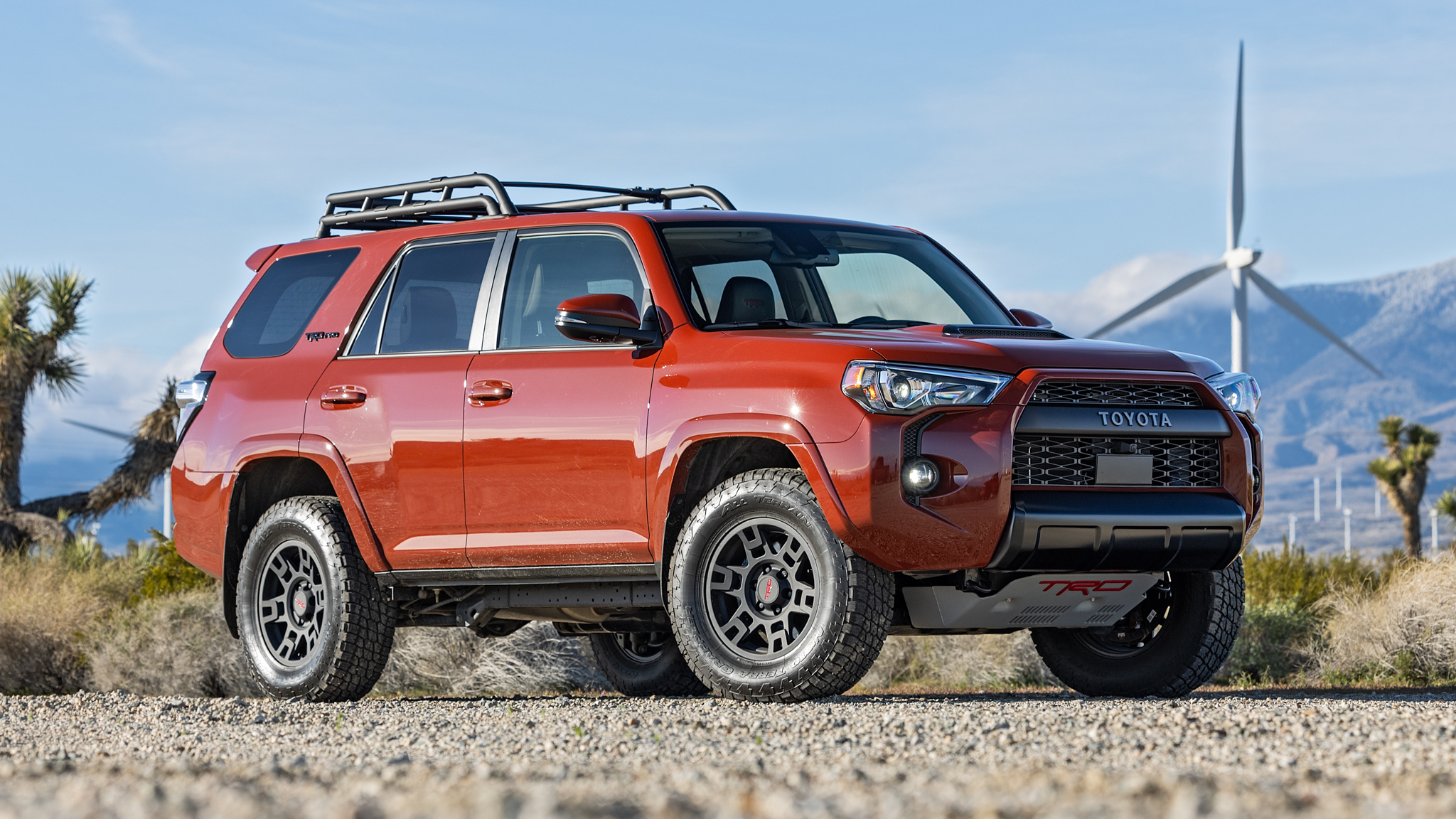
18 images are collected here with the main specifications and trim data for this model.
Photo Toyota 4Runner
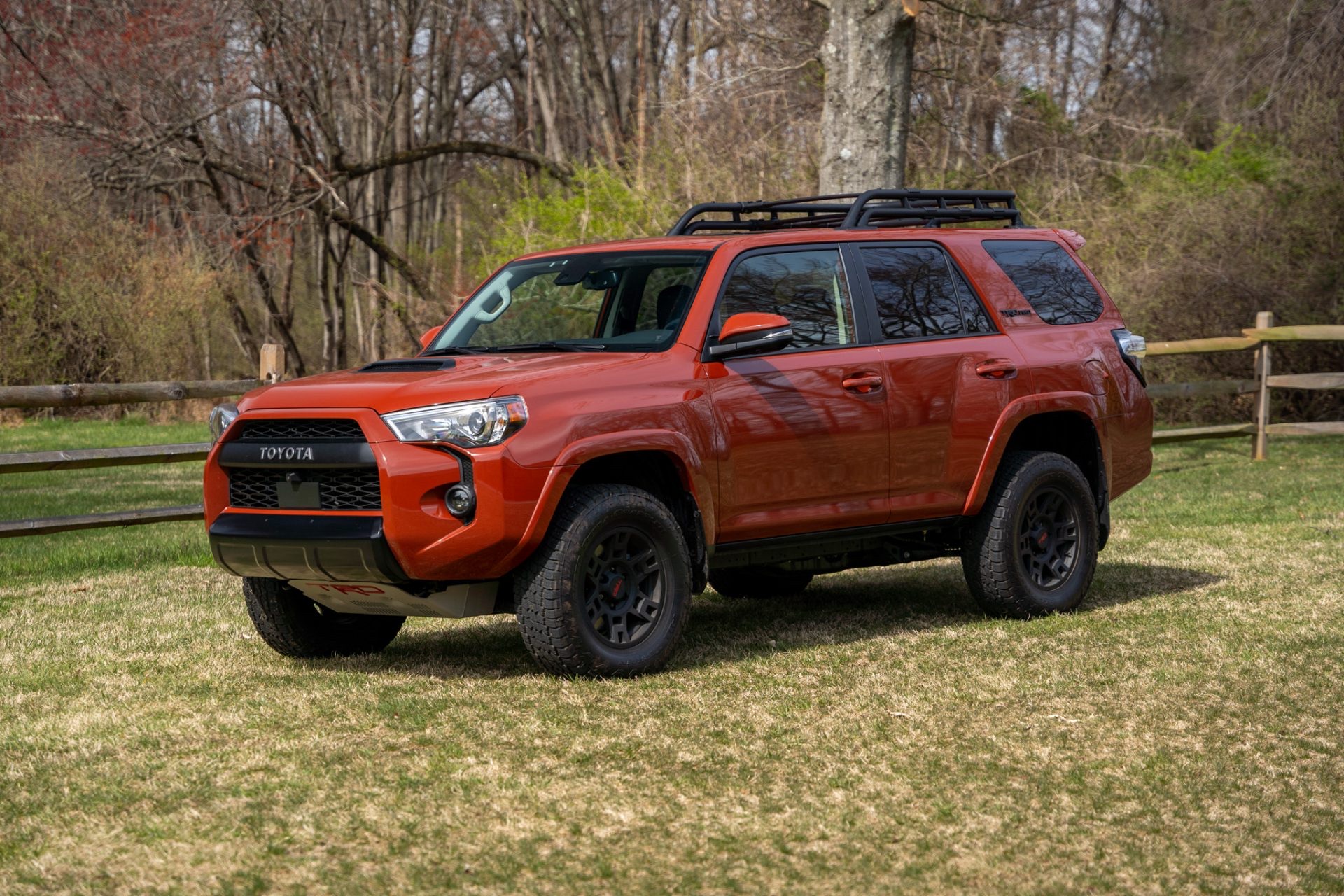
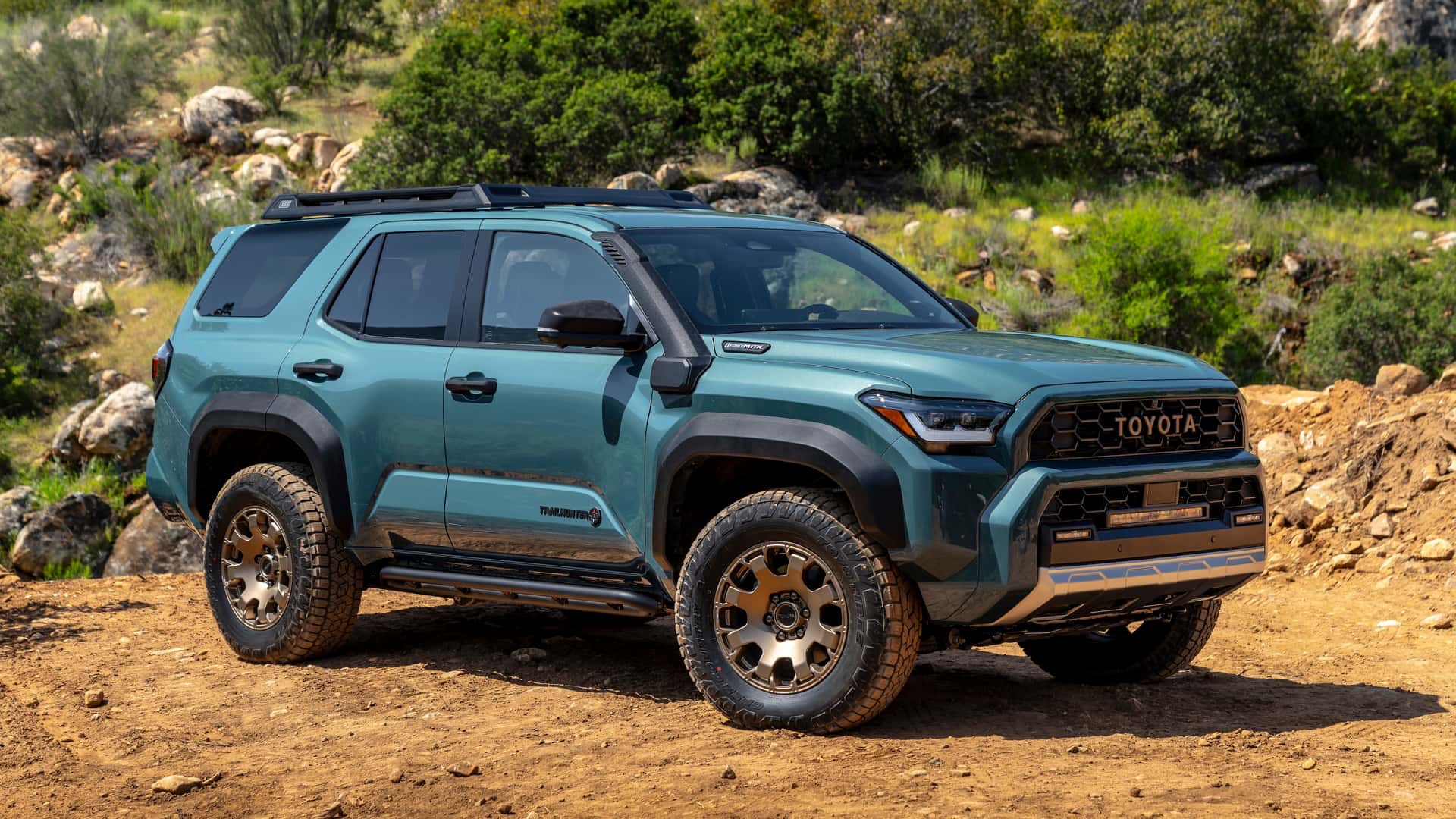
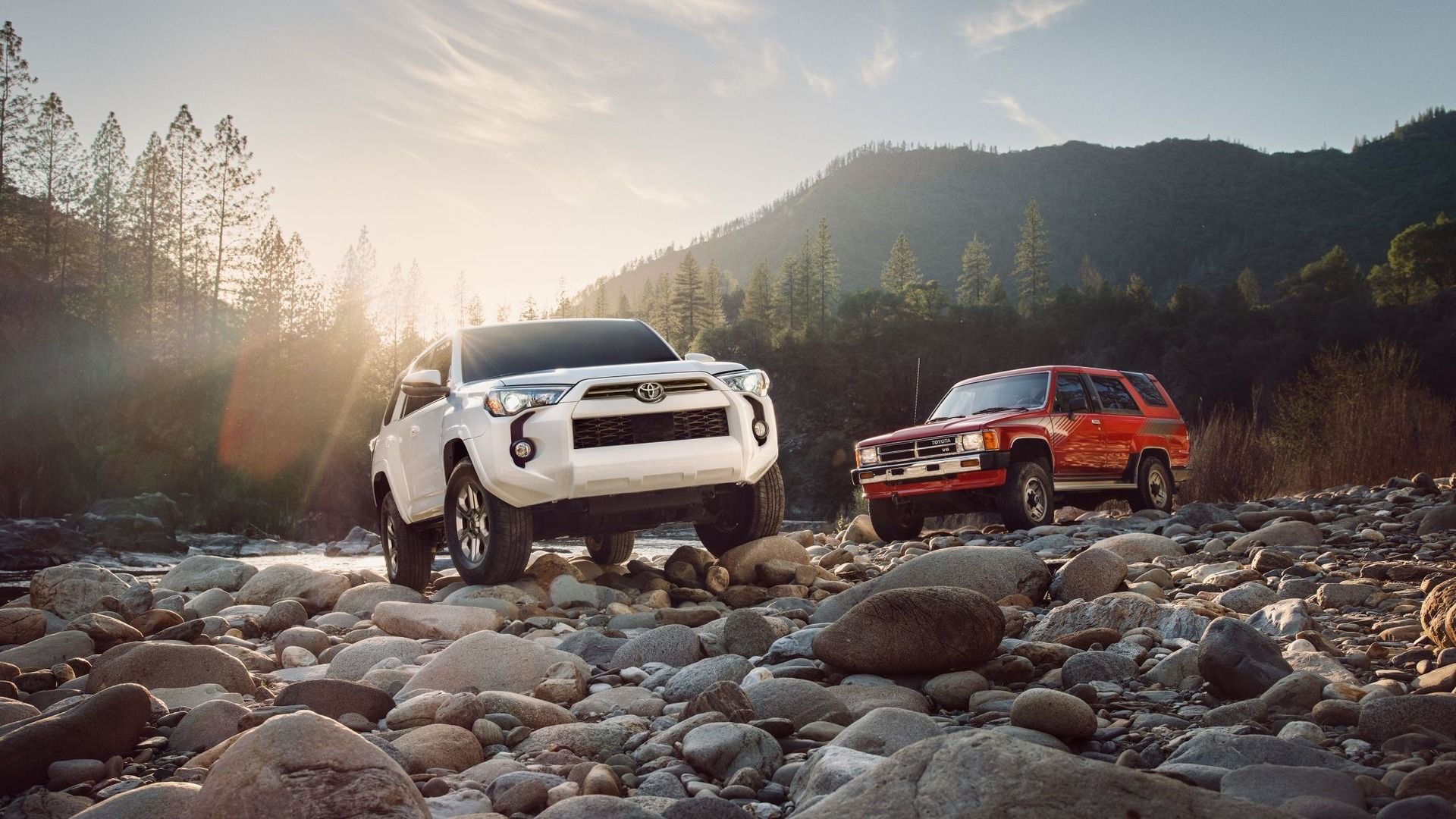
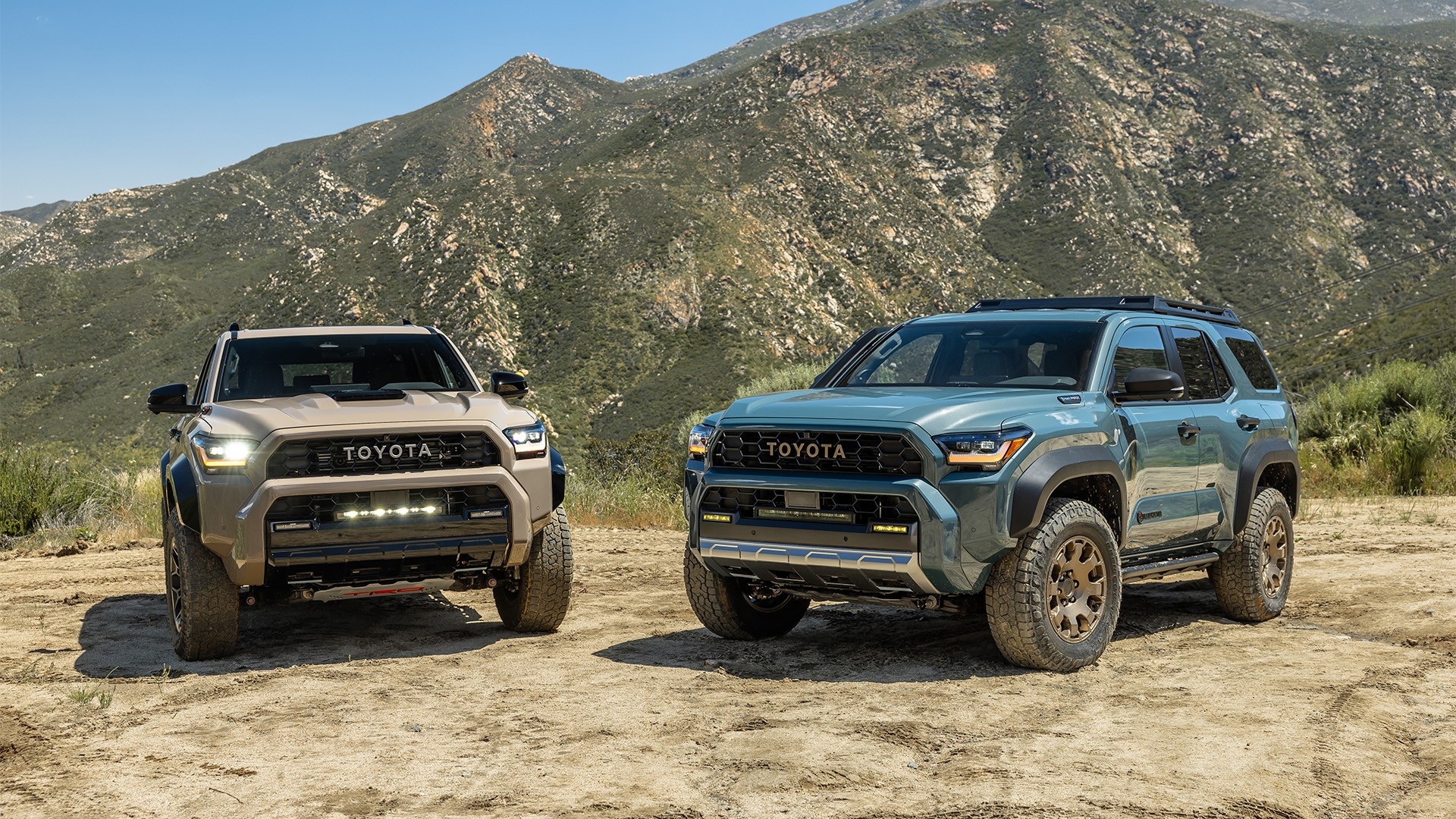
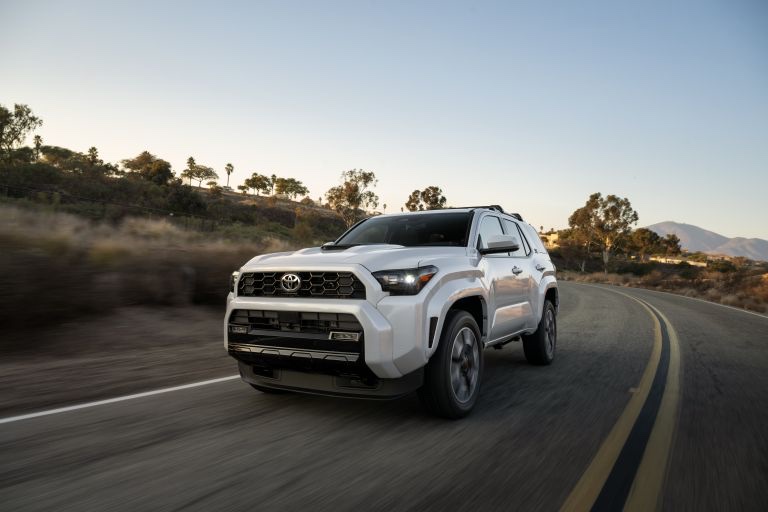
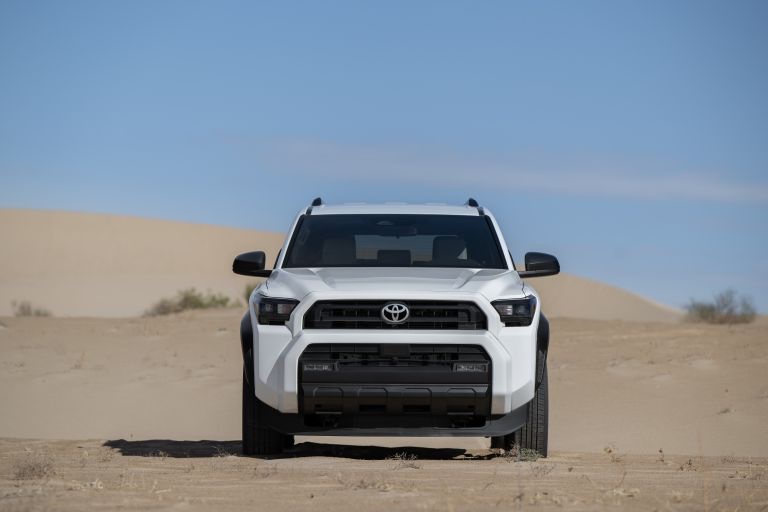
Specifications by trim
Choose a configuration below to open full technical data grouped by category.
2.4 i-FORCE (278 hp) 8-speed automatic ECT-i 31 specifications
Specifications
Performance and consumption
| Fuel consumption combined, L/100 km | 10.7 |
|---|
Engine
| Engine | 2.4 i-FORCE |
|---|---|
| Engine code | T24A-FTS |
| Engine type | Internal combustion engine |
| Fuel type | Gasoline |
| Engine displacement, cc | 2393 |
| Cylinder layout | Inline |
| Number of cylinders | 4 |
| Valves | 16 |
| Turbocharger | + |
| Power, hp | 278 |
| RPM at max power | 6000 |
| Torque, Nm | 430 |
| RPM at max torque | 1700 |
Dimensions
| Seats | 5/7 |
|---|---|
| Length, mm | 4950 |
| Height, mm | 1844 |
| Wheelbase, mm | 2850 |
| Front track, mm | 1666 |
| Rear track, mm | 1669 |
| Kerb weight, kg | 2021 |
| Fuel tank capacity, L | 72 |
| Turning circle, m | 12 |
| Ground clearance, mm | 206 |
| Width without mirrors, mm | 1979 |
| Trunk capacity, L | 343 |
Transmission and drive
| Transmission | 8-speed automatic |
|---|---|
| Transmission type | automatic |
| Drive | Rear-wheel drive |
| Number of gears | 8 |
| Automatic transmission | + |
2.4 i-FORCE (278 hp) 8-speed automatic ECT-i 4x4 31 specifications
Specifications
Performance and consumption
| Fuel consumption combined, L/100 km | 11.2 |
|---|
Engine
| Engine | 2.4 i-FORCE |
|---|---|
| Engine code | T24A-FTS |
| Engine type | Internal combustion engine |
| Fuel type | Gasoline |
| Engine displacement, cc | 2393 |
| Cylinder layout | Inline |
| Number of cylinders | 4 |
| Valves | 16 |
| Turbocharger | + |
| Power, hp | 278 |
| RPM at max power | 6000 |
| Torque, Nm | 430 |
| RPM at max torque | 1700 |
Dimensions
| Seats | 5/7 |
|---|---|
| Length, mm | 4950 |
| Height, mm | 1844 |
| Wheelbase, mm | 2850 |
| Front track, mm | 1666 |
| Rear track, mm | 1669 |
| Kerb weight, kg | 2021 |
| Fuel tank capacity, L | 72 |
| Turning circle, m | 12 |
| Ground clearance, mm | 206 |
| Width without mirrors, mm | 1979 |
| Trunk capacity, L | 343 |
Transmission and drive
| Transmission | 8-speed automatic |
|---|---|
| Transmission type | automatic |
| Drive | All-wheel drive |
| Number of gears | 8 |
| Automatic transmission | + |
2.4h i-FORCE MAX (326 hp) 8-speed automatic ECT-i 4x4 36 specifications
Specifications
Performance and consumption
| Fuel consumption combined, L/100 km | 10.2 |
|---|
Engine
| Engine | 2.4h i-FORCE MAX |
|---|---|
| Engine code | T24A-FTS |
| Engine type | Hybrid |
| Fuel type | Gasoline |
| Engine displacement, cc | 2393 |
| Cylinder layout | Inline |
| Number of cylinders | 4 |
| Valves | 16 |
| Power, hp | 326 |
| RPM at max power | 6000 |
| Torque, Nm | 630 |
| RPM at max torque | 1700 |
| Electric motor power, hp | 48 |
| Combustion engine power, hp | 278 |
| Combustion engine RPM at max power | 6000 |
| Combustion engine torque, Nm | 430 |
| Combustion engine RPM at max torque | 1700 |
| Electric motor torque, Nm | 250 |
Dimensions
| Seats | 5/7 |
|---|---|
| Length, mm | 4950 |
| Height, mm | 1844 |
| Wheelbase, mm | 2850 |
| Front track, mm | 1666 |
| Rear track, mm | 1669 |
| Kerb weight, kg | 2021 |
| Fuel tank capacity, L | 72 |
| Turning circle, m | 12 |
| Ground clearance, mm | 206 |
| Width without mirrors, mm | 1979 |
| Trunk capacity, L | 343 |
Transmission and drive
| Transmission | 8-speed automatic |
|---|---|
| Transmission type | automatic |
| Drive | All-wheel drive |
| Number of gears | 8 |
| Automatic transmission | + |
Toyota 4Runner questions
Short answers based on the specifications and photos available in this catalog.
What engine options are available for the 2024 Toyota 4Runner?
The 4Runner offers two main engine setups. The base option is a 2.4-liter turbocharged i-FORCE four-cylinder engine producing 278 horsepower. A more powerful hybrid option, the i-FORCE MAX, pairs the 2.4-liter engine with an electric motor to generate 326 horsepower.
Does the 2024 Toyota 4Runner come with four-wheel drive?
Yes, the 2024 4Runner is available with either rear-wheel drive (2WD) or four-wheel drive (4x4). The base 2.4-liter turbo engine can be configured with either system, while the 2.4-liter hybrid i-FORCE MAX comes standard with four-wheel drive.
How many seats does the 2024 Toyota 4Runner have?
Depending on the specific configuration and trim level, the SUV can be equipped with either five or seven seats. The interior utilizes quality cabin materials like leather or SofTex to ensure comfort for all passengers.
What safety features are included in the 2024 Toyota 4Runner?
All models are equipped with the Toyota Safety Sense 3.0 suite. This package includes a pre-collision system with pedestrian detection, adaptive cruise control, lane keep assist, and road sign recognition. Additionally, a Multi-Terrain Monitor provides camera views around the vehicle for easier off-road and parking maneuvers.
What are the dimensions and ground clearance of the 2024 Toyota 4Runner?
The SUV has a length of 4950 mm, a width of 1979 mm, and a wheelbase of 2850 mm. It features a ground clearance of 206 mm, which helps it navigate rough terrain and high obstacles.