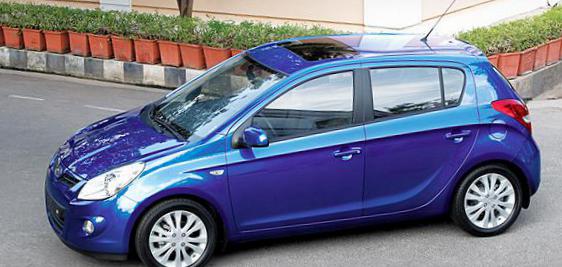
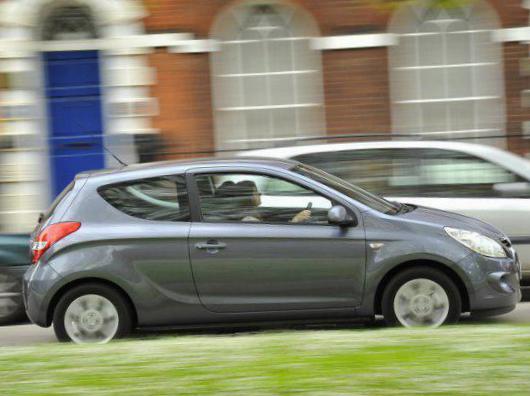
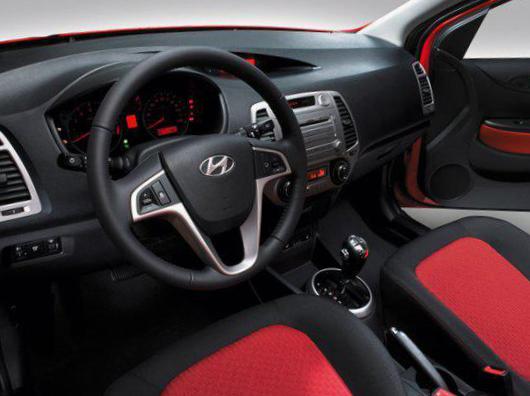
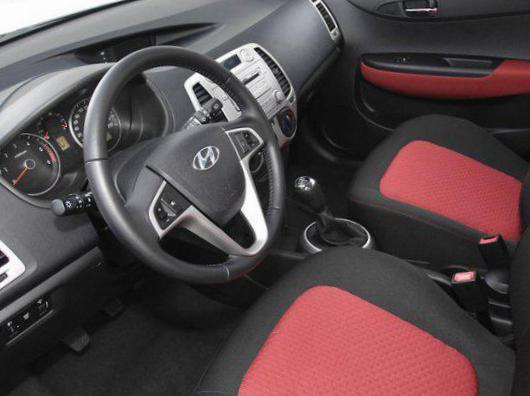
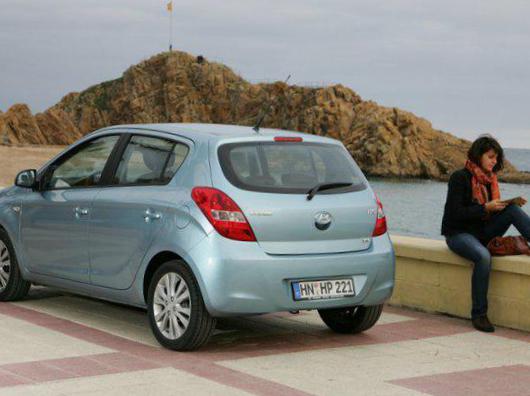
Hyundai i20 3 doors specifications are shown with trim options, key technical data, and a model photo gallery. Compare 2 configurations by engine size, power, seating, and transmission. The gallery includes 8 photos for visual reference.
Years2009 - 2012
Body typehatchback
Trims2
Photos8
Overview
Hyundai i20 3 doors at a glance
Quick model context before comparing photos and trim-level specifications.
Use this Hyundai i20 3 doors page as a compact reference for photos, trim comparison, and detailed technical specifications. The current data covers 78-100 hp and 1248-1396 cc engine displacement. For exact values, open a trim section because specifications can differ between configurations.
Power: 78-100 hp
Engine displacement: 1248-1396 cc
Transmissions: 5, 4
Seating: 5 seats
Research hub
Photos, trims and specifications for Hyundai i20 3 doors
This model page brings gallery images, trim comparison, and detailed technical data together for the 2009 generation.
Independent, McPherson strut with coil springs and stabilizer bar
Rear suspension
Semi-independent beam
Brake system
The front brakes
Disk
Rear brakes
Drum
Steering
Power steering
Electric Power
Equipment
Comfort
Adjustable steering column
+
Wheels
Disc diameter
14
Tires
175/70R14
Spare wheel
dokatka
Cabin climate and noise insulation
Air Conditioning
+
Glass, mirrors and sunroof
Front power windows
+
Heated rear window
+
Multimedia and instruments
Audio preparation
+
Seats
height-adjustable driver's seat
+
Exterior
Bumpers in body color
+
Security
Electronic systems
Anti-lock braking system (ABS)
+
Children's locks
+
Anti-theft systems
alarm
+
Airbags
Driver's airbag
+
1.4 AT Comfort
60 specifications
Specifications
Engine
Type of engine
ICE
Type of fuel
Gasoline
Displacement, cc
1396
Cylinders location
inline
Number of cylinders
4
Valves
16
Power, hp
100
Torque, Nm
137
RPM at max torque
4200
Engine
1.4 MPi
Compression
10.5
RPM at max power
5500
Performance
Fuel consumption (urban cycle), l. 100 km
8
Fuel consumption (urban), l. 100 km
5.1
Fuel consumption (combined), l. 100 km
6.2
Acceleration (0-100 km/h), s
12.9
The maximum speed, km / h.
170
The rate of toxicity
Euro IV
Dimensions
Seats
5
Length mm
3940
Width
1710
Height mm
1490
Wheelbase mm
2525
Front track, mm
1505
Rear track, mm
1503
Kerb weight, kg
1155
Trunk capacity, L
295
Fuel tank, l
45
Turning circle, m
10.4
Ground clearance, mm
160
Gross weight, kg
1565
Transmission
Automatic transmission
+
Number of gears
4
Drive
Forward
Transmission
4-speed automatic
Gearbox
Automatic
Transmission manufacturer
Hyundai
Transmission country of origin
Czech
Suspension
Type of front suspension
Independent, McPherson strut with coil springs and stabilizer bar
Rear suspension
Semi-independent beam
Brake system
The front brakes
Disk
Rear brakes
Disk
Steering
Power steering
Electric Power
Equipment
Comfort
Adjustable steering column
+
Wheels
Disc diameter
14
Tires
175/70R14
Spare wheel
dokatka
Cabin climate and noise insulation
Air Conditioning
+
Glass, mirrors and sunroof
Front power windows
+
Heated side mirrors
+
Heated rear window
+
Power mirrors
+
Multimedia and instruments
Audio preparation
+
CD player
+
Exterior
Bumpers in body color
+
Security
Electronic systems
Anti-lock braking system (ABS)
+
Children's locks
+
Anti-theft systems
Locking
+
alarm
+
Airbags
Driver's airbag
+
FAQ
Hyundai i20 3 doors questions
Short answers based on the specifications and photos available in this catalog.
How many trims are listed for the Hyundai i20 3 doors?
This page lists 2 trims for the Hyundai i20 3 doors, with key data shown in the comparison table and full specifications grouped below.
What is the power range for the Hyundai i20 3 doors?
The listed configurations show a power range of 78-100 hp. Exact output can vary by engine, transmission, market, and model year.
What engine displacement is shown for the Hyundai i20 3 doors?
The available specification data shows engine displacement from 1248-1396 cc across the trims listed on this page.
Which transmissions are listed for the Hyundai i20 3 doors?
The transmission options currently shown for this model are: 5, 4. Open a trim section to see the full data for a specific configuration.
Are there photos for the Hyundai i20 3 doors?
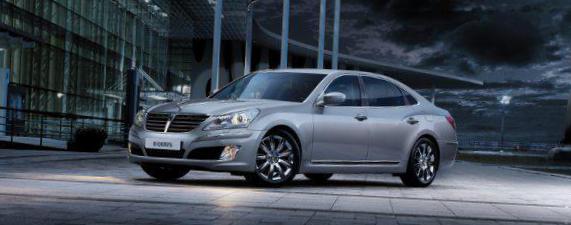
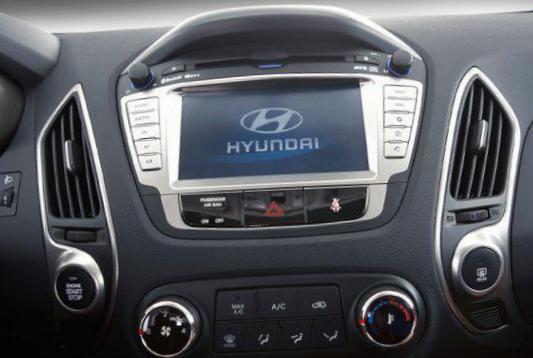
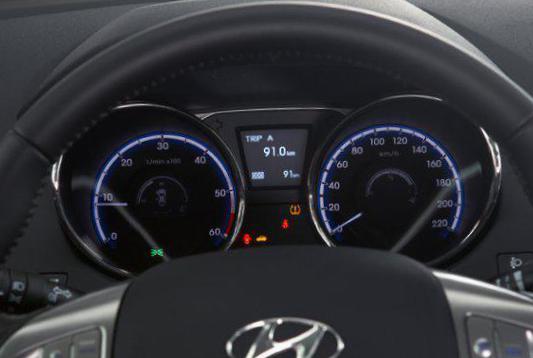
Yes. The gallery includes 8 photos for the Hyundai i20 3 doors, including exterior and interior views where available.
Why can specifications differ for the same model?
Automotive specifications can differ by market, production year, body style, trim package, and transmission. Use the trim selector and detailed specification sections to compare exact configurations.
Explore more
Related model pages
Continue through nearby generations, manufacturer pages, and similar body styles.