Jaguar XF Sportbrake specifications and photos
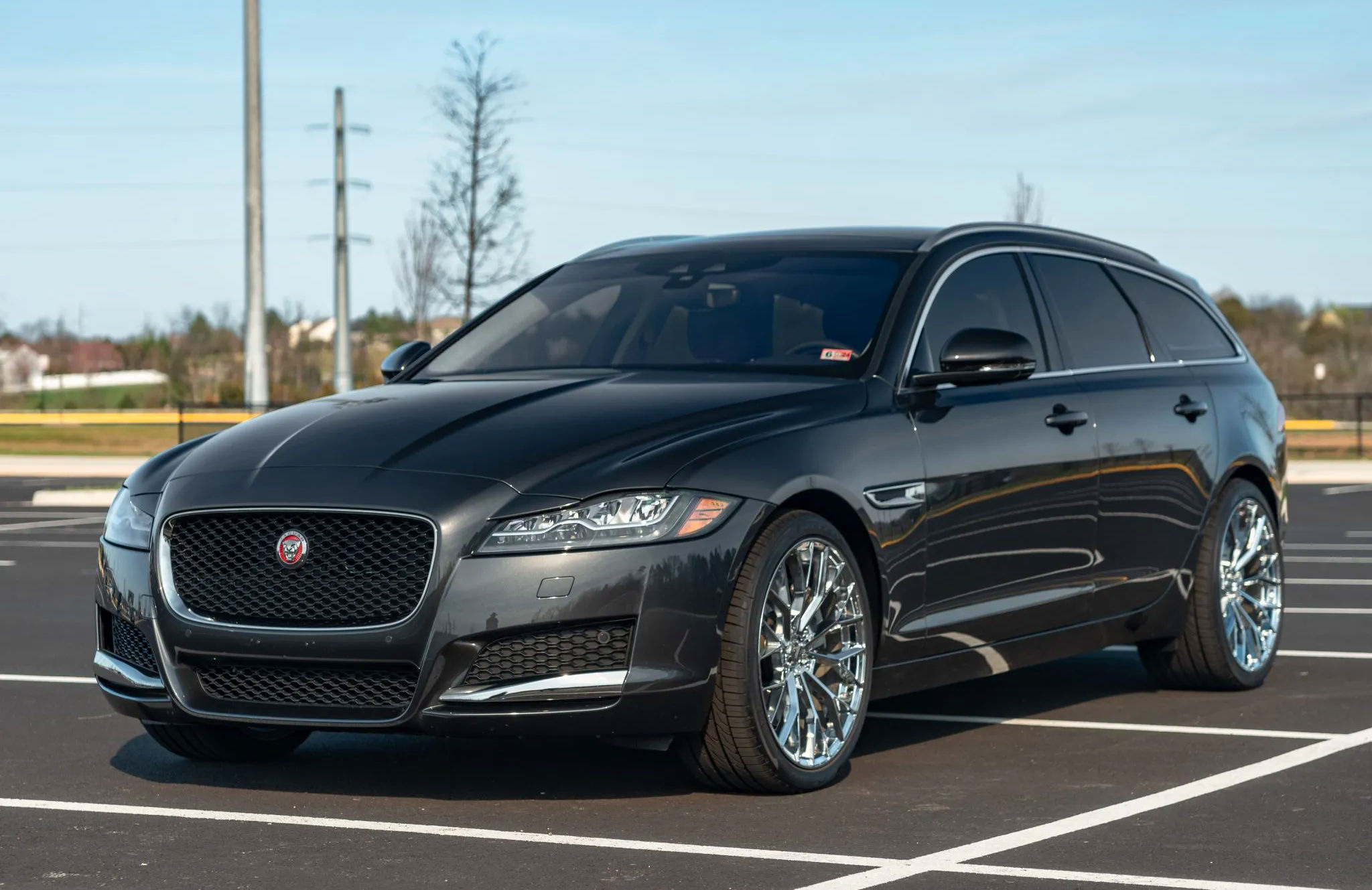
The 2020 Jaguar XF Sportbrake is a premium mid-size wagon offering a blend of utility and distinct styling. This model year brings a mid-cycle refresh with updated exterior details, a completely redesigned dashboard layout, and modernized powertrains. Buyers can choose between mild-hybrid diesel and turbocharged petrol engines with either rear-wheel or all-wheel drive.
Jaguar XF Sportbrake at a glance
Quick model context before comparing photos and trim-level specifications.
The 2020 Jaguar XF Sportbrake represents a mid-generation update for the British brand's premium executive wagon. Designed for buyers who want the extra cargo capacity of a long-roof vehicle without sacrificing the driving dynamics and styling of the XF sedan, the Sportbrake is marginally longer and taller than its sedan counterpart. This taller roofline yields more headroom for both front and rear passengers, alongside a significantly larger trunk. The refresh updates the front fascia with a larger grille, restyled bumpers, and slimmer LED headlights featuring a new daytime running light signature. Under the hood, Jaguar updated the engine lineup to include a mild-hybrid diesel variant and two power outputs for the turbocharged 2.0-liter petrol engine. Inside, the cabin gets a major ergonomic overhaul, featuring a larger infotainment display and updated digital controls. It offers a unique alternative to traditional luxury SUVs, focusing on road presence and estate practicality.
- Power: 204-300 hp
- Engine displacement: 1997-1998 cc
- Transmissions: 8-speed automatic
- Seating: 5 seats
Photos, trims and specifications for Jaguar XF Sportbrake
This model page brings gallery images, trim comparison, and detailed technical data together for the 2020 generation.
Estimate fuel cost
Use trim-level fuel consumption data to estimate monthly and yearly fuel spending.
Fuel costs are estimates. Real consumption can change with driving style, traffic, tires, weather, load, and market-specific equipment.
Jaguar XF Sportbrake overview
Editorial context for design, cabin, performance, practicality, and buyer notes.
Design
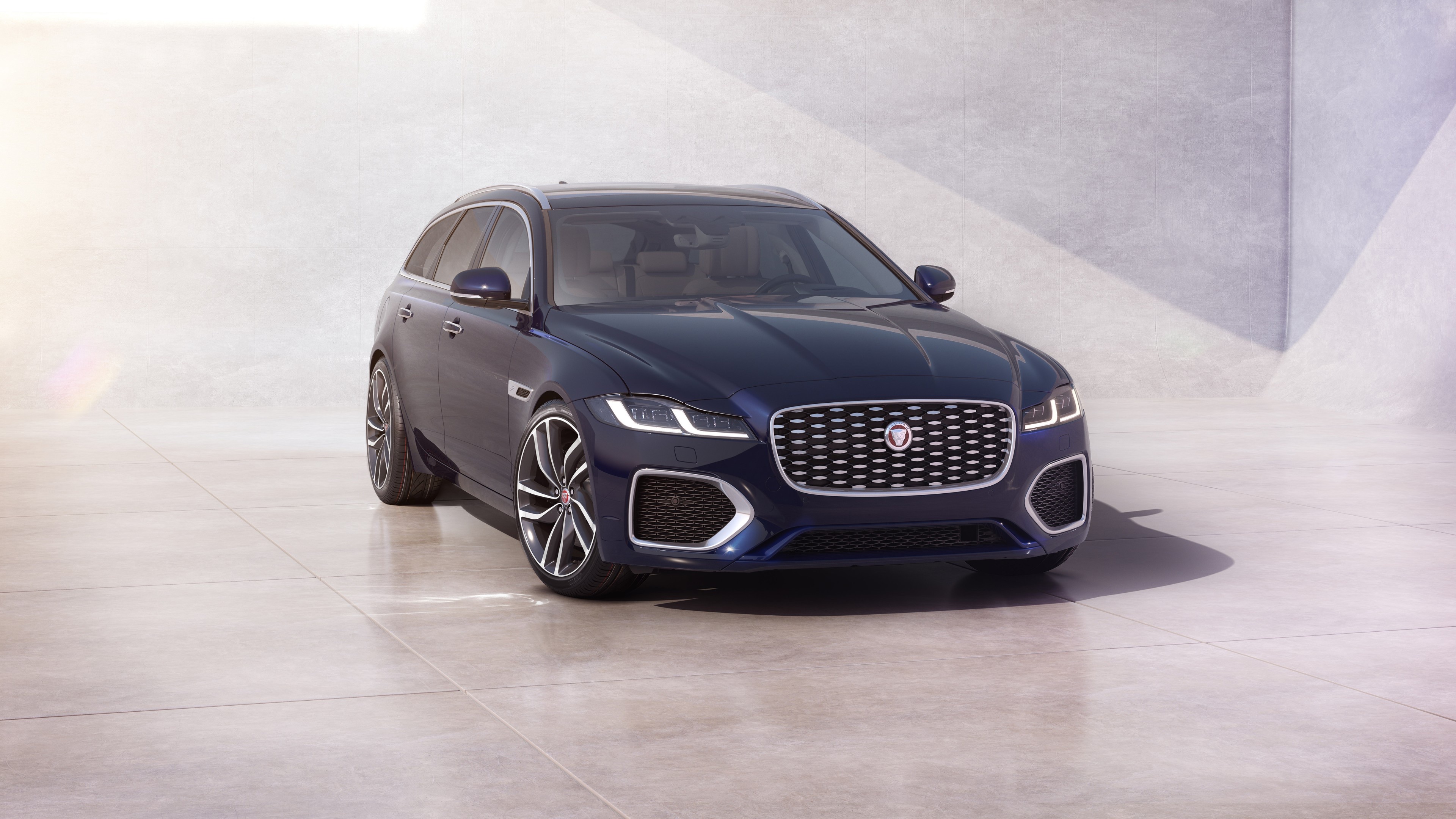
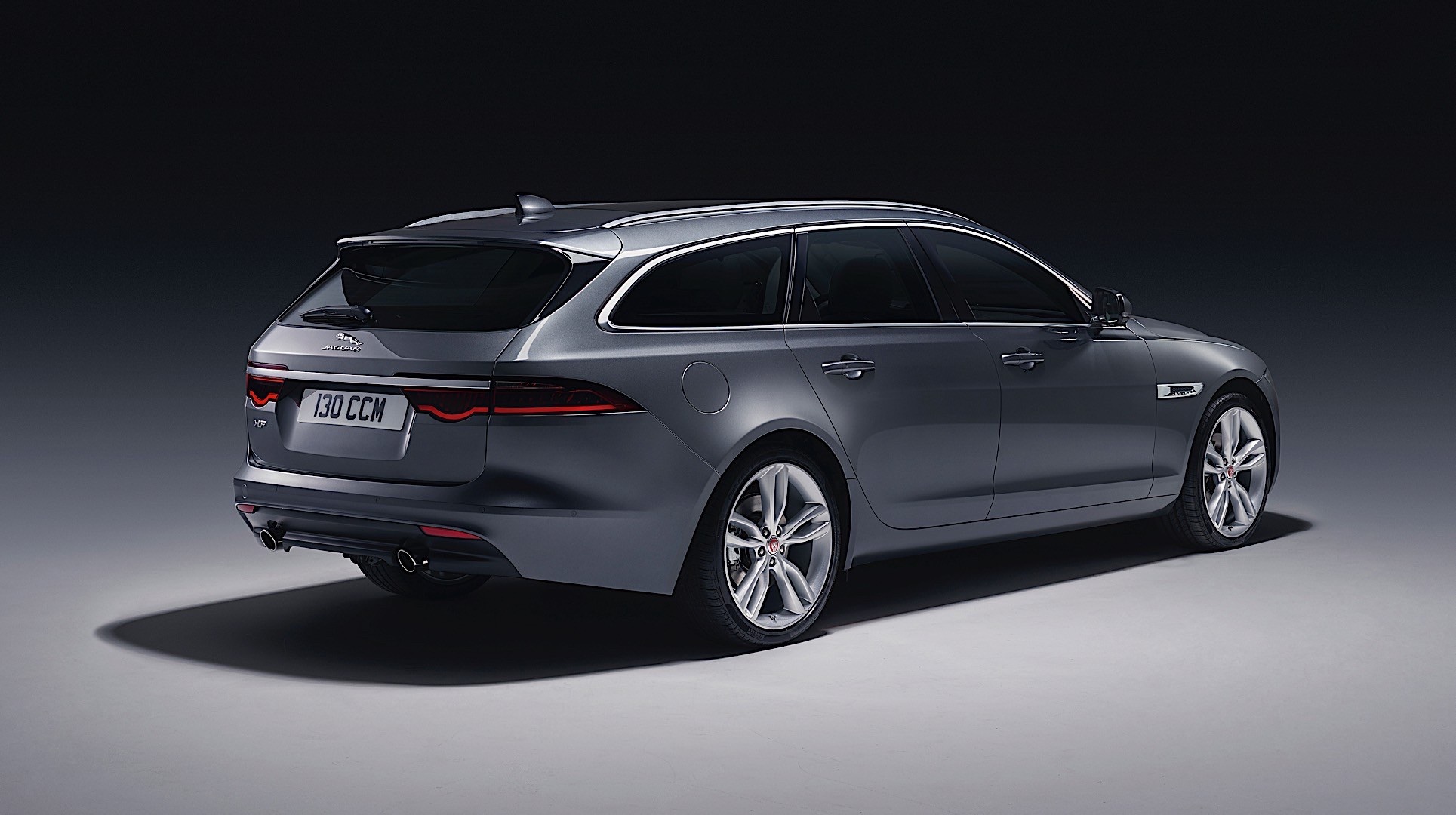
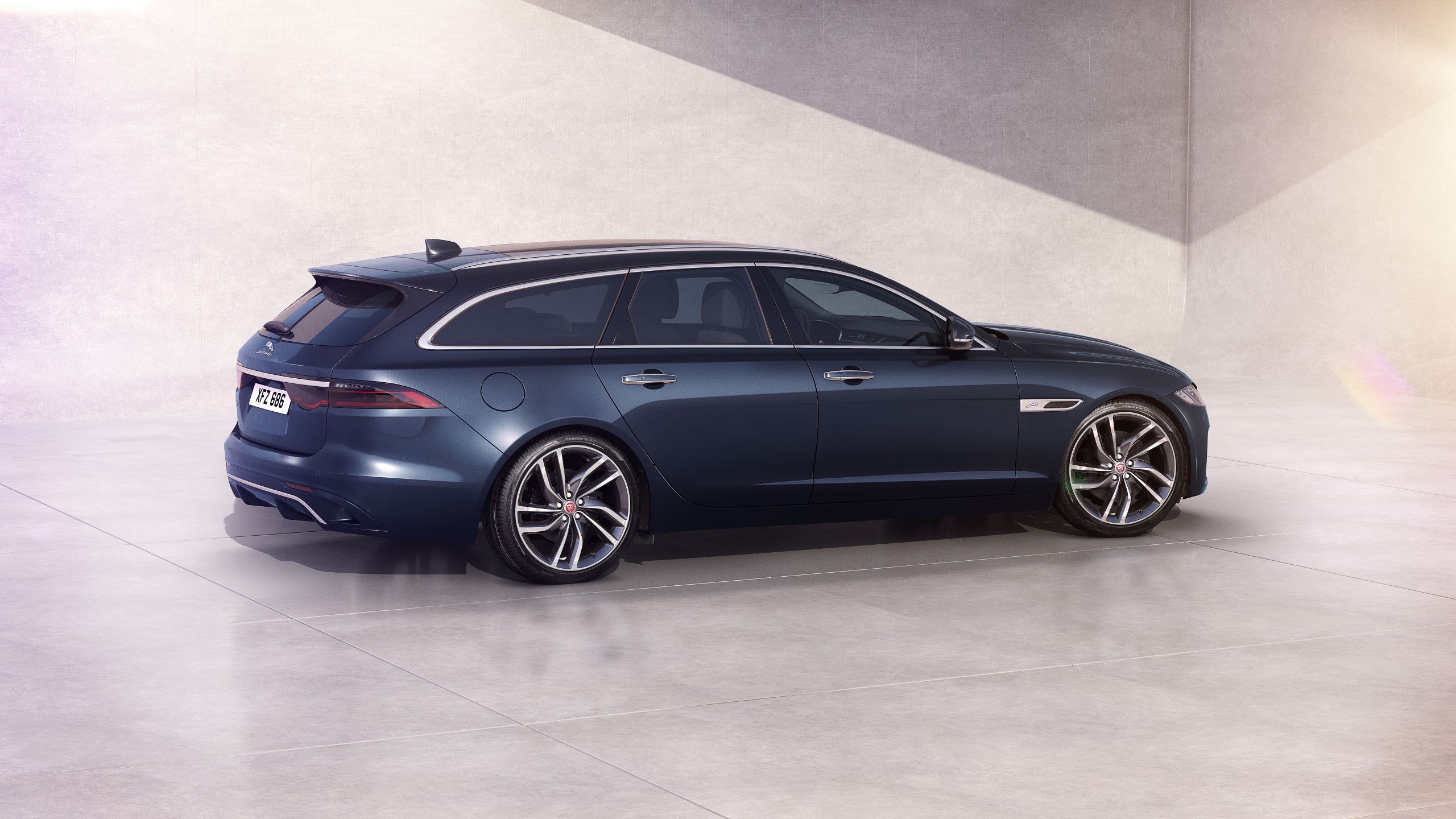
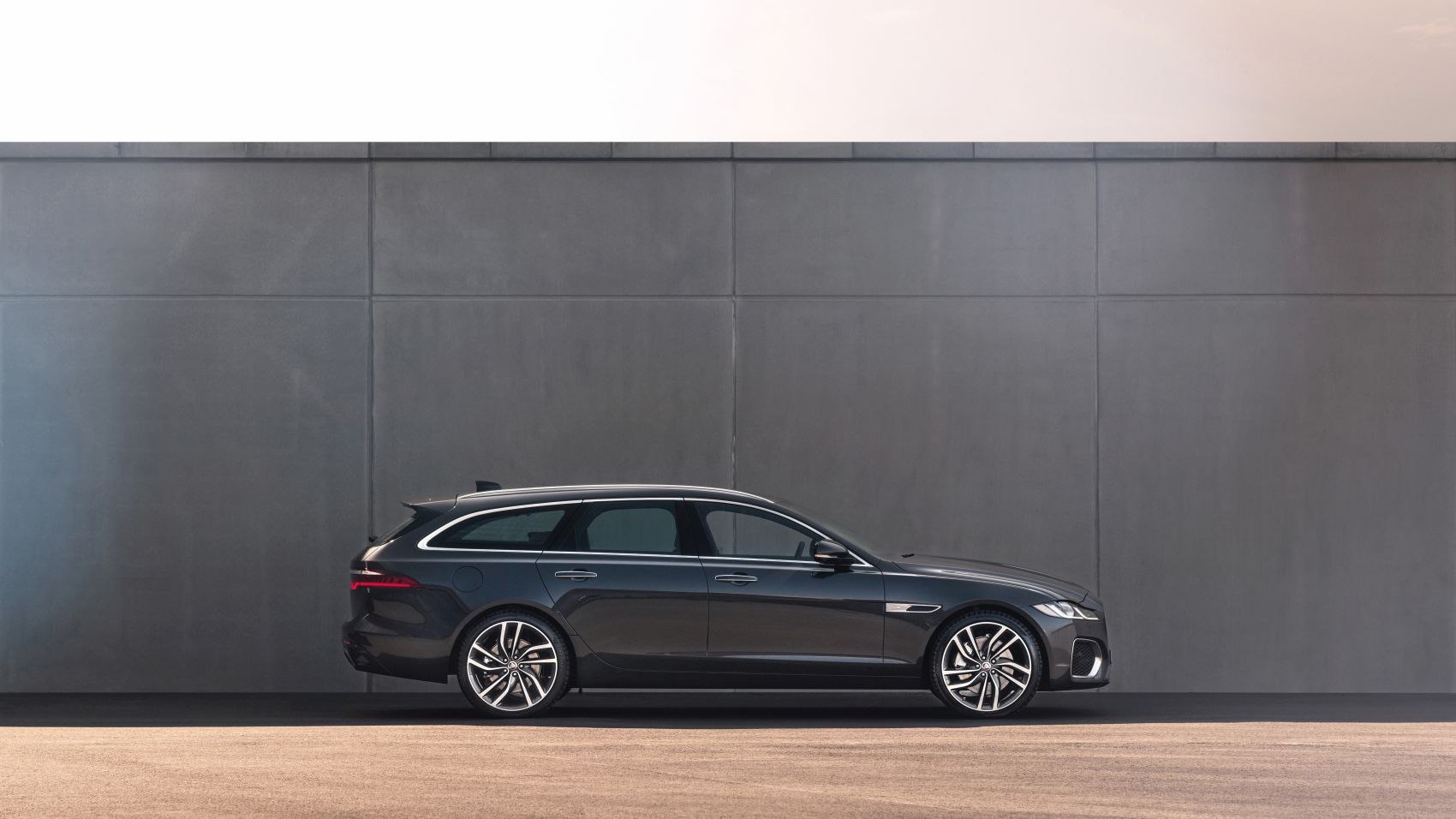
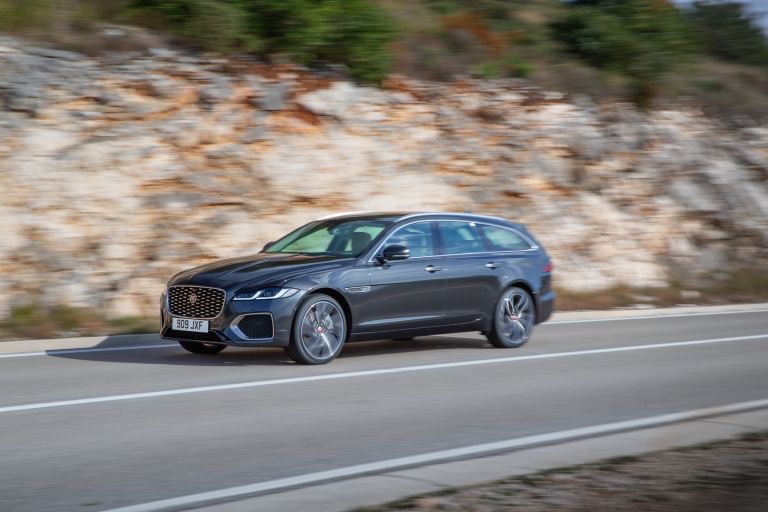
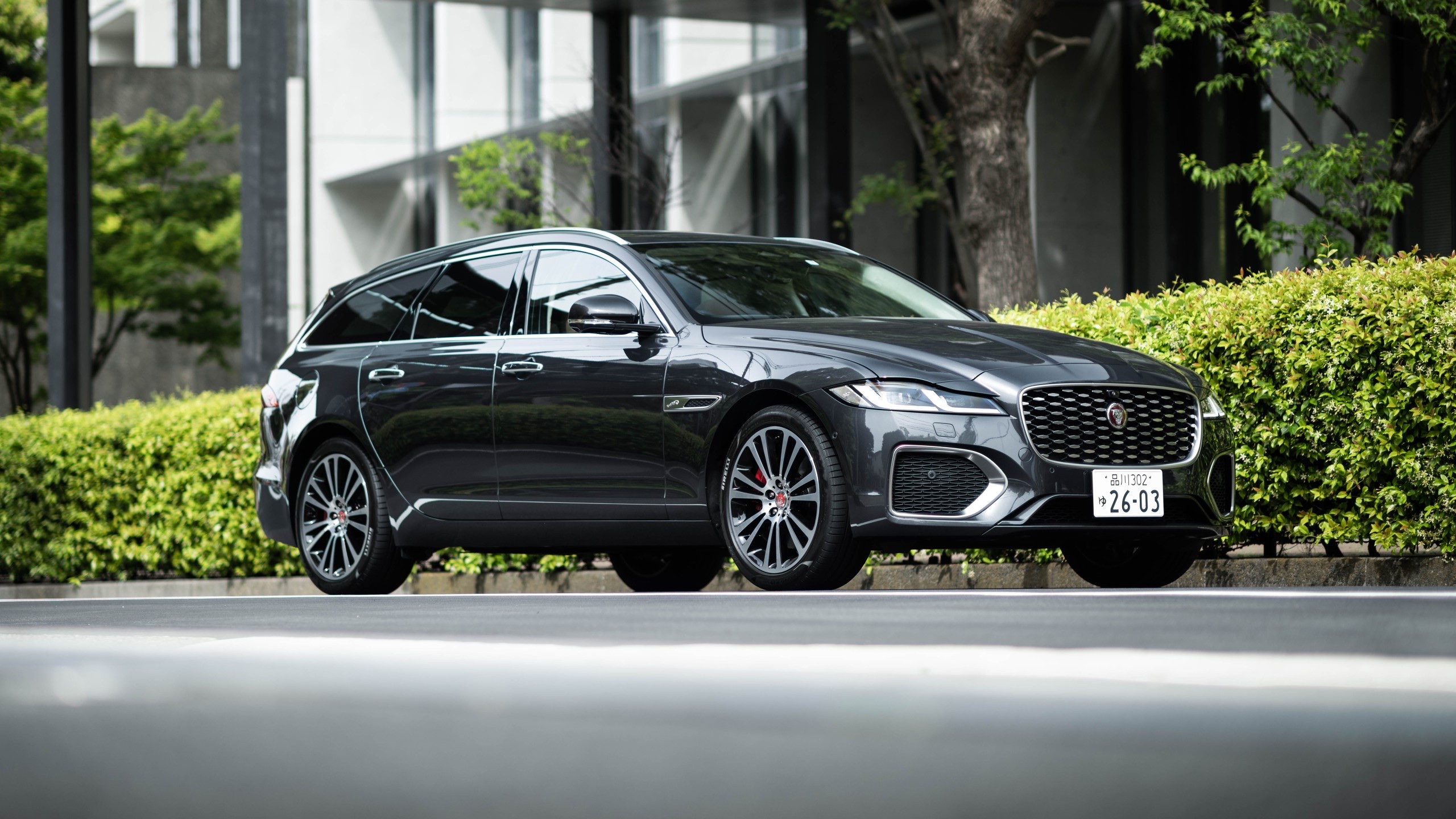
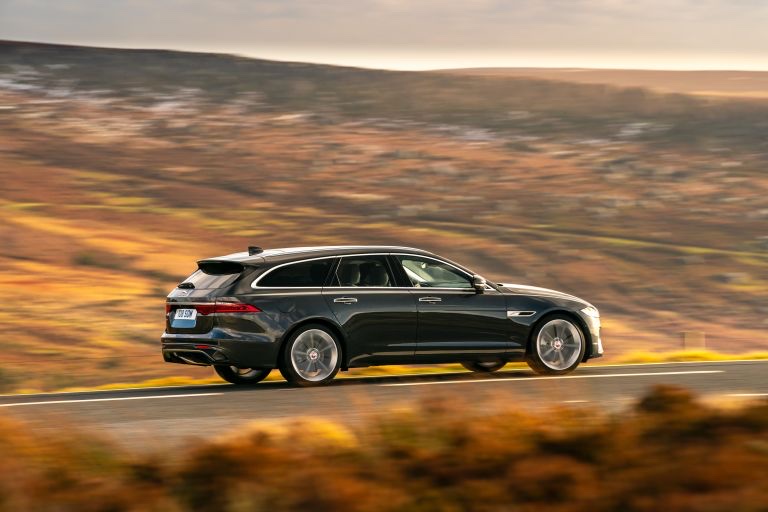
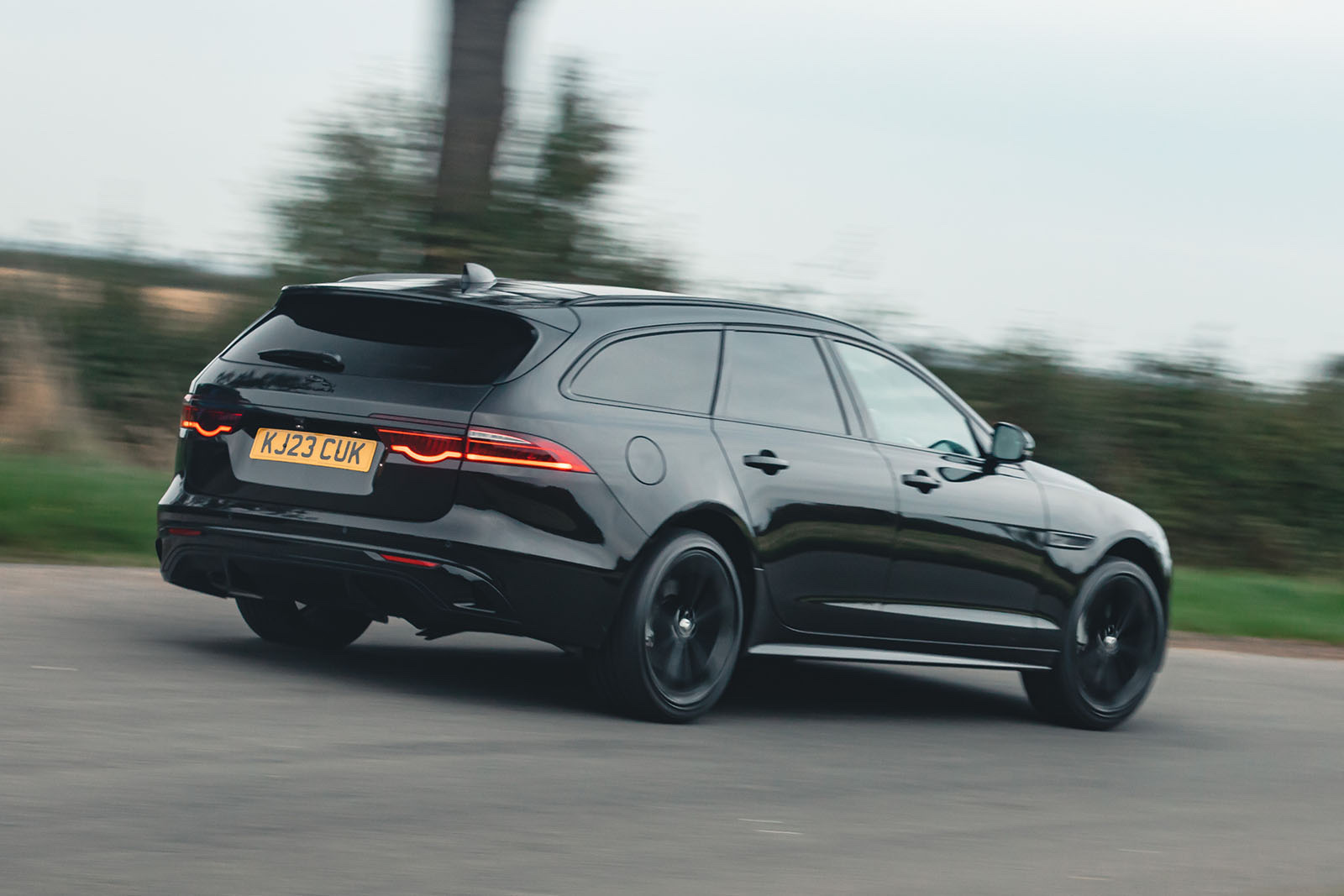
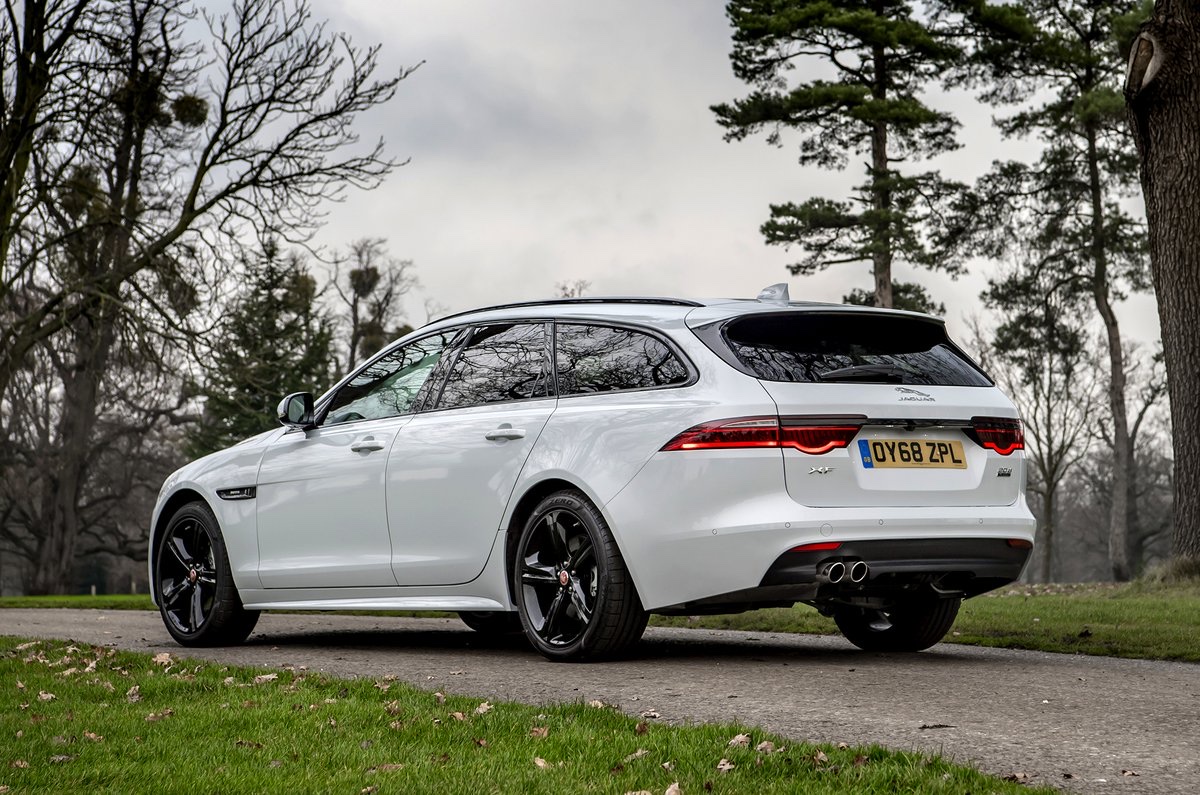
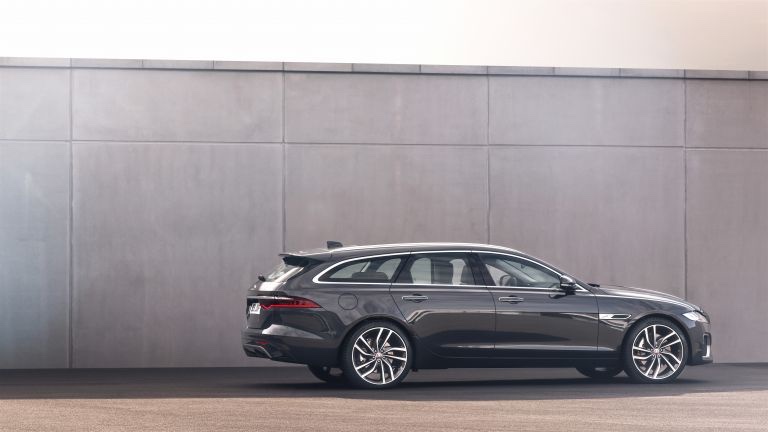
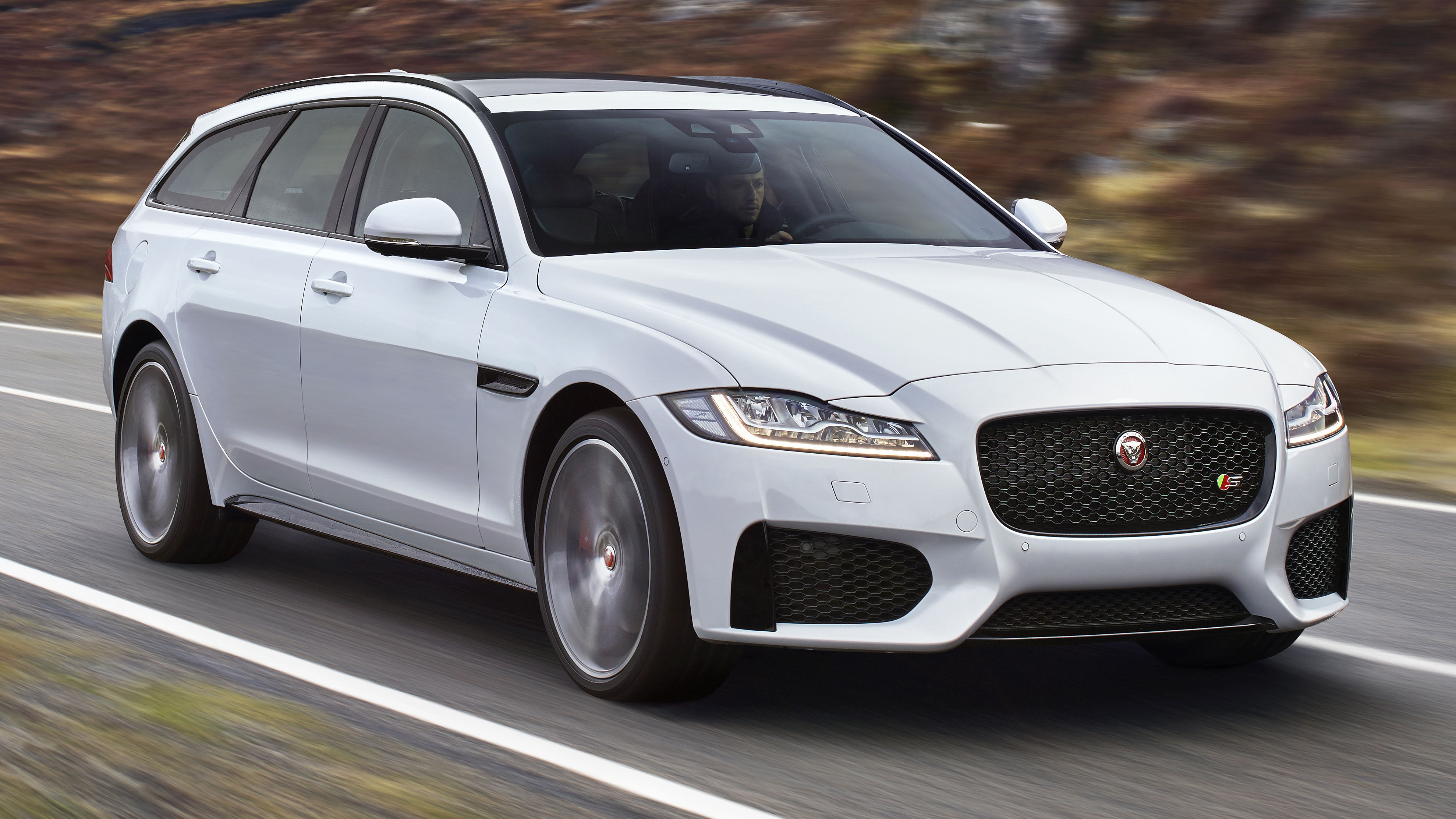
Exterior updates for the 2020 Jaguar XF Sportbrake focus on refining its premium road presence. The front end receives a larger grille with a more pronounced mesh pattern, accompanied by wider bumper air intakes and slimmer LED headlights featuring double J-blade daytime running lights. At the rear, changes include a redesigned bumper and distinct LED tail light signatures. Depending on the chosen trim level, the wagon is equipped with alloy wheels ranging from 18 to 20 inches. Fully LED headlights are standard, while advanced matrix LED technology is available as an option. The long-roof silhouette is only two millimeters longer than the sedan but stands 38 millimeters taller, giving it a balanced, estate proportion.
Interior
The interior of the 2020 XF Sportbrake undergoes a significant digital and physical refresh. The center console is dominated by a prominent 11.4-inch touchscreen that stands proud of the dashboard rather than being integrated into it. Climate controls are updated to a sleek interface consisting of two rotary dials with built-in digital displays and capacitive buttons between them. A smaller, redesigned steering wheel and a low-profile gear selector replacement for the old rotary knob modernize the driving position. Materials include premium Windsor leather upholstery in various colors, alongside real wood veneer or aluminum accents. Tech options include a fully digital instrument cluster with revised graphics and a cabin air purification system with PM2.5 filtration.
Performance
Engine choices for the 2020 XF Sportbrake are centered around 2.0-liter four-cylinder powerplants mated to a ZF eight-speed automatic transmission. The diesel option is the D200 MHEV, a 2.0-liter turbodiesel with mild-hybrid technology producing 204 horsepower and 430 Nm of torque, which can be configured with either rear-wheel or all-wheel drive. Petrol options feature the 2.0-liter turbocharged engine in two states of tune: the P250 with 250 horsepower and 365 Nm of torque driving the rear wheels, and the range-topping P300 with 300 horsepower and 400 Nm of torque, which comes exclusively with all-wheel drive. Standard driving aids include adaptive driving modes and torque vectoring via selective braking to enhance cornering stability.
Practicality
Practicality is where the XF Sportbrake excels over the standard sedan. Its wagon body style provides a large 716-liter cargo area, which can be expanded by folding the 40:20:40 split-folding rear seats. The taller roofline provides an extra 36 millimeters of front headroom and 21 millimeters of rear headroom compared to the sedan, making the cabin more comfortable for taller adults. The rear air suspension features automatic self-leveling to maintain ride height and stability regardless of cargo weight, making it highly suitable for long trips, family duties, and carrying heavy loads.
Safety and tech
The XF Sportbrake comes equipped with a solid suite of driver assistance and safety systems. Standard driver assistance features include lane-keeping assist, cruise control, front and rear parking sensors, and a 360-degree surround-view camera system for easier maneuvering. Lighting technology features standard LED headlamps, with adaptive matrix LED setups offered as an upgrade. Under the skin, standard technology includes All Surface Progress Control, which acts as a low-speed cruise control for slippery surfaces like mud, wet grass, or ice, and variable-ratio steering that adjusts responsiveness depending on speed.
Buyer notes
When shopping for a 2020 Jaguar XF Sportbrake, buyers should carefully evaluate their engine and drivetrain requirements. The mild-hybrid D200 diesel is the fuel-efficient choice, offering low consumption for long-distance drivers and availability in both rear-wheel and all-wheel drive. Those seeking sportier performance should look at the petrol P250 or the high-output P300 AWD, keeping in mind that the P300 offers the fastest acceleration but higher fuel consumption. It is also worth verifying if a vehicle has optional upgrades like the matrix LED headlights, 3D surround camera, or digital driver's display, as equipment lists can vary significantly by market.
Trims and key specifications
Use this table to compare the main differences between available configurations.
| Trim / modification | Engine | Power | Seats | Transmission |
|---|---|---|---|---|
| D200 MHEV | 1997 cc | 204 hp | 5 | 8-speed automatic |
| D200 MHEV | 1997 cc | 204 hp | 5 | 8-speed automatic |
| P250 | 1998 cc | 250 hp | 5 | 8-speed automatic |
| P300 | 1997 cc | 300 hp | 5 | 8-speed automatic |
Specifications can vary by market, model year, and equipment package. Use the trim sections below to review the full data for each configuration.
Jaguar XF Sportbrake photo gallery
16 images are collected here with the main specifications and trim data for this model.
Photo Jaguar XF Sportbrake
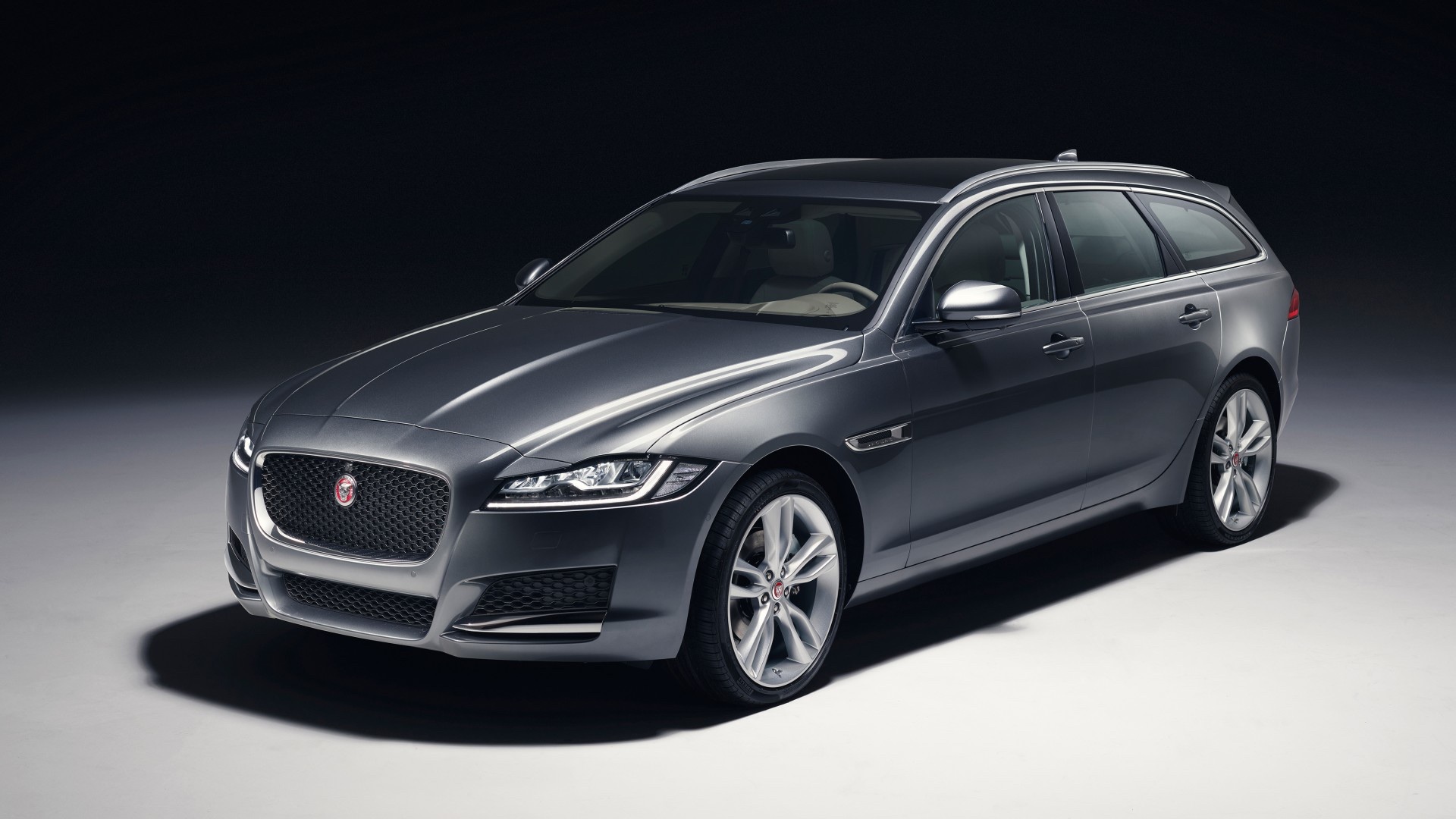
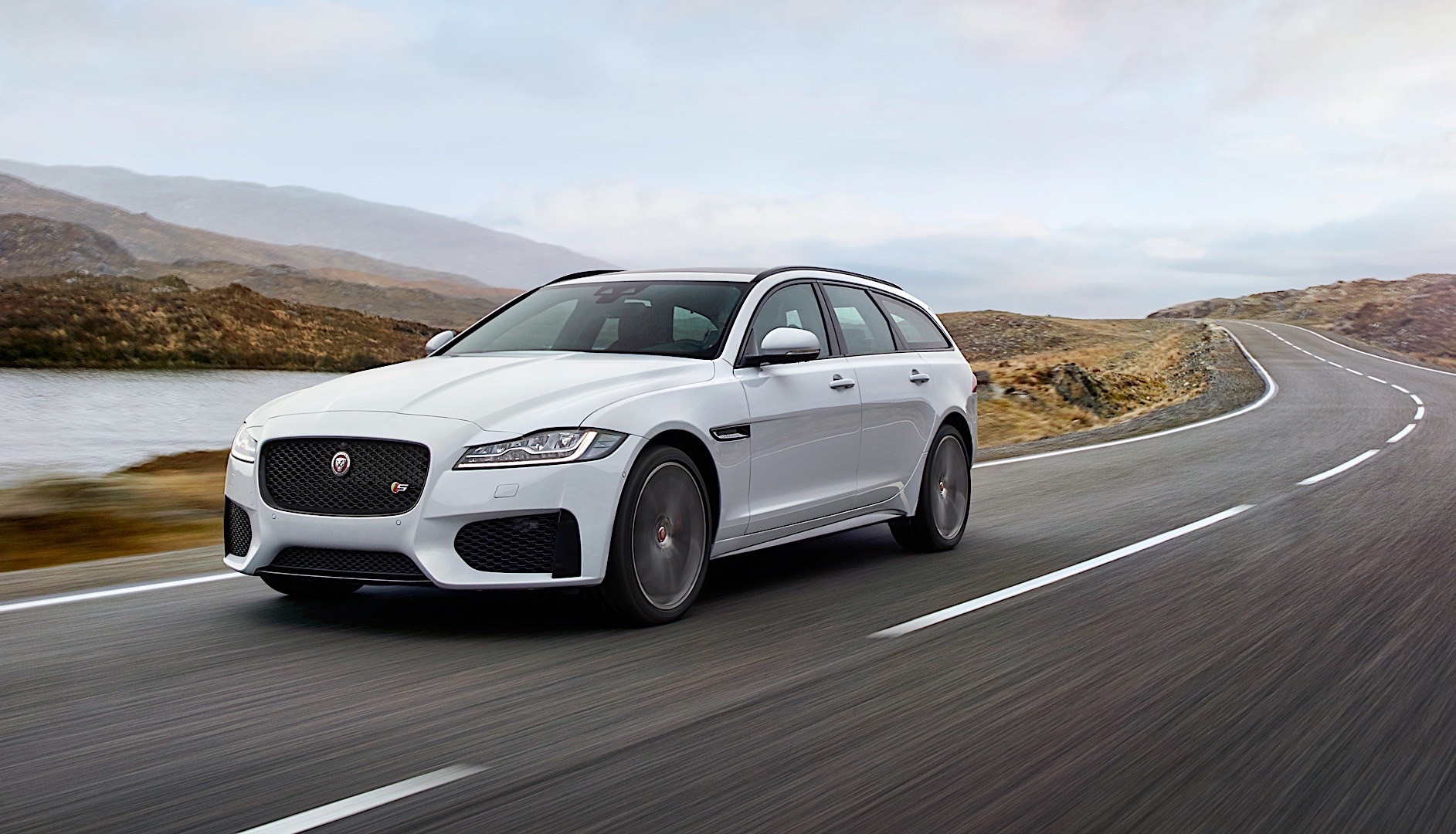
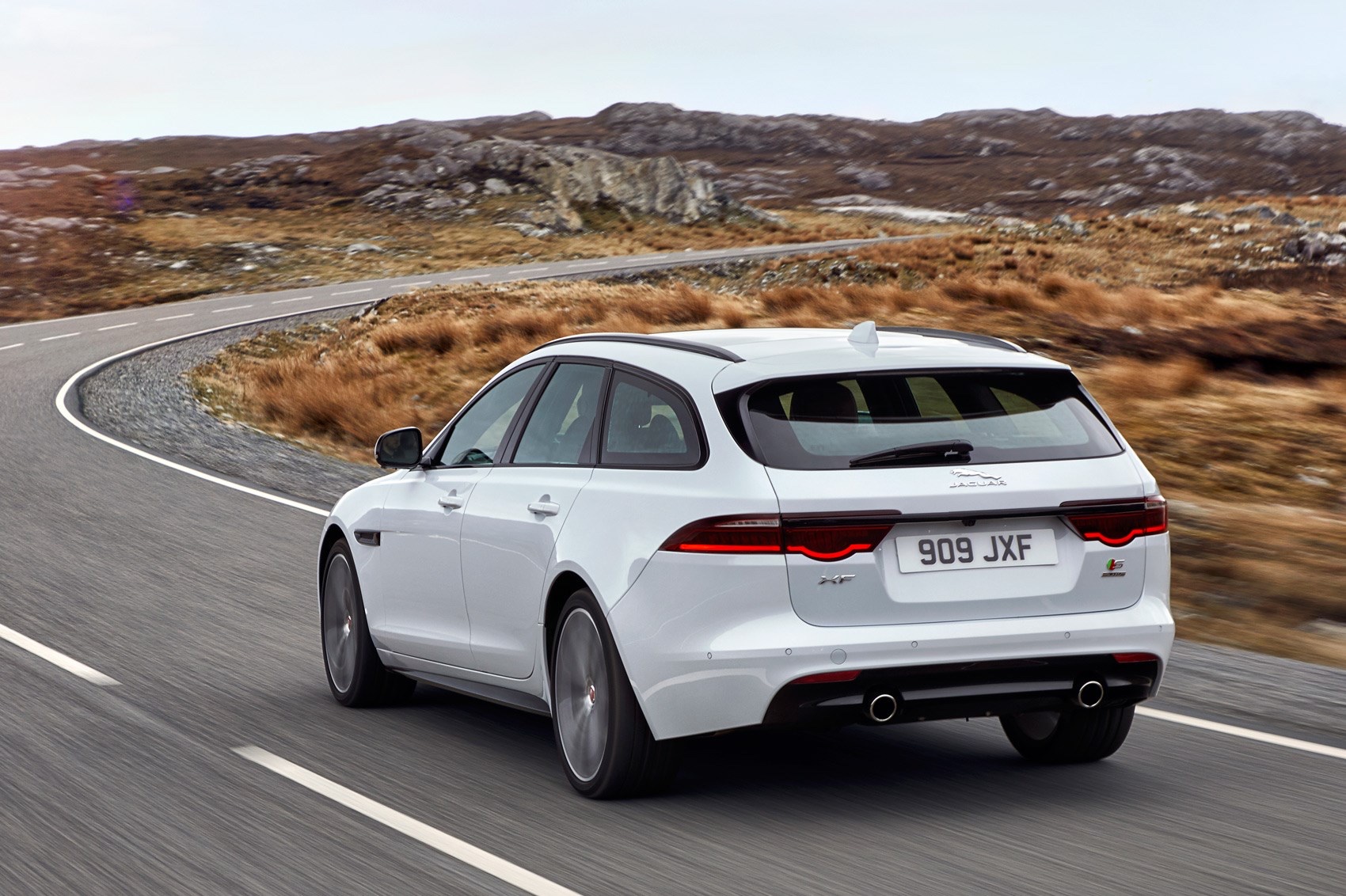
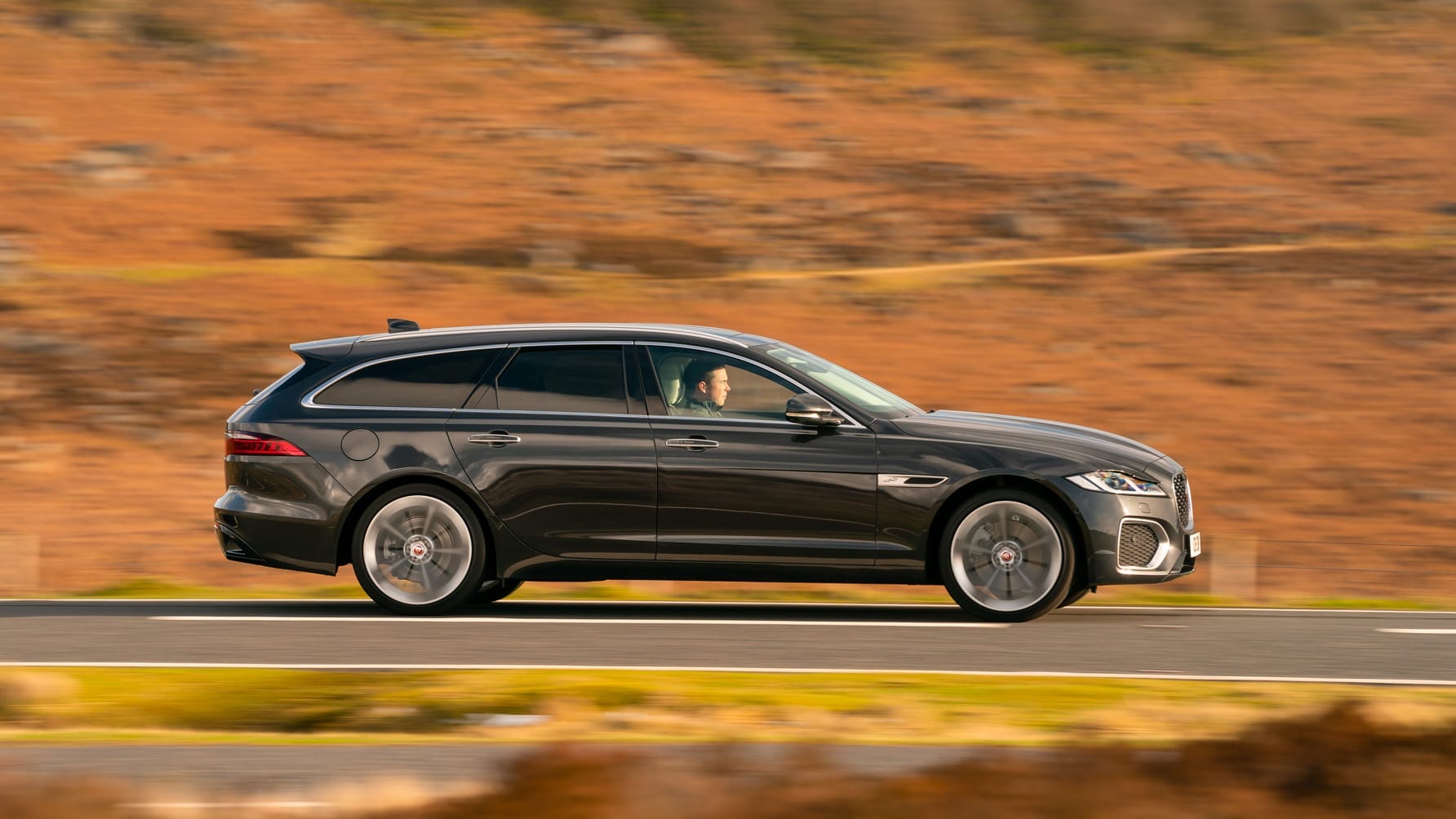
Specifications by trim
Choose a configuration below to open full technical data grouped by category.
D200 MHEV 39 specifications
Specifications
Performance and consumption
| Fuel consumption city, L/100 km | 5.3 |
|---|---|
| Fuel consumption highway, L/100 km | 4.2 |
| Fuel consumption combined, L/100 km | 4.6 |
| Top speed, km/h | 230 |
| Acceleration 0-100 km/h, s | 7.8 |
| Emissions standard | Euro VI |
Engine
| Engine | 2.0d |
|---|---|
| Engine code | MHEV |
| Engine type | Internal combustion engine |
| Fuel type | Diesel |
| Engine displacement, cc | 1997 |
| Cylinder layout | Inline |
| Number of cylinders | 4 |
| Valves | 16 |
| Turbocharger | + |
| Compression ratio | 16.5:1 |
| Power, hp | 204 |
| RPM at max power | 4250 |
| Torque, Nm | 430 |
| RPM at max torque | 1750–2500 |
Dimensions
| Seats | 5 |
|---|---|
| Length, mm | 4964 |
| Width, mm | 2089 |
| Height, mm | 1494 |
| Wheelbase, mm | 2960 |
| Front track, mm | 1602 |
| Rear track, mm | 1604 |
| Kerb weight, kg | 1801 |
| Gross weight, kg | 2330 |
| Fuel tank capacity, L | 74 |
| Turning circle, m | 11.6 |
| Trunk capacity, L | 716 |
Transmission and drive
| Transmission | 8-speed automatic |
|---|---|
| Transmission type | automatic |
| Drive | Rear-wheel drive |
| Number of gears | 8 |
| Transmission manufacturer | ZF |
| Automatic transmission | + |
| Transmission country | Germany |
D200 MHEV 39 specifications
Specifications
Performance and consumption
| Fuel consumption city, L/100 km | 5.5 |
|---|---|
| Fuel consumption highway, L/100 km | 4.4 |
| Fuel consumption combined, L/100 km | 4.8 |
| Top speed, km/h | 230 |
| Acceleration 0-100 km/h, s | 8 |
| Emissions standard | Euro VI |
Engine
| Engine | 2.0d |
|---|---|
| Engine code | MHEV |
| Engine type | Internal combustion engine |
| Fuel type | Diesel |
| Engine displacement, cc | 1997 |
| Cylinder layout | Inline |
| Number of cylinders | 4 |
| Valves | 16 |
| Turbocharger | + |
| Compression ratio | 16.5:1 |
| Power, hp | 204 |
| RPM at max power | 4250 |
| Torque, Nm | 430 |
| RPM at max torque | 1750–2500 |
Dimensions
| Seats | 5 |
|---|---|
| Length, mm | 4964 |
| Width, mm | 2089 |
| Height, mm | 1494 |
| Wheelbase, mm | 2960 |
| Front track, mm | 1602 |
| Rear track, mm | 1604 |
| Kerb weight, kg | 1801 |
| Gross weight, kg | 2330 |
| Fuel tank capacity, L | 74 |
| Turning circle, m | 11.6 |
| Trunk capacity, L | 716 |
Transmission and drive
| Transmission | 8-speed automatic |
|---|---|
| Transmission type | automatic |
| Drive | All-wheel drive |
| Number of gears | 8 |
| Transmission manufacturer | ZF |
| Automatic transmission | + |
| Transmission country | Germany |
P250 37 specifications
Specifications
Performance and consumption
| Fuel consumption city, L/100 km | 9.2 |
|---|---|
| Fuel consumption highway, L/100 km | 5.9 |
| Fuel consumption combined, L/100 km | 7.1 |
| Top speed, km/h | 241 |
| Acceleration 0-100 km/h, s | 7.1 |
| Emissions standard | Euro VI |
Engine
| Engine | 2.0i |
|---|---|
| Engine type | Internal combustion engine |
| Fuel type | Gasoline |
| Engine displacement, cc | 1998 |
| Cylinder layout | Inline |
| Number of cylinders | 4 |
| Valves | 16 |
| Turbocharger | + |
| Power, hp | 250 |
| RPM at max power | 5500 |
| Torque, Nm | 365 |
| RPM at max torque | 1200 |
Dimensions
| Seats | 5 |
|---|---|
| Length, mm | 4964 |
| Width, mm | 2089 |
| Height, mm | 1494 |
| Wheelbase, mm | 2960 |
| Front track, mm | 1602 |
| Rear track, mm | 1604 |
| Kerb weight, kg | 1801 |
| Gross weight, kg | 2330 |
| Fuel tank capacity, L | 74 |
| Turning circle, m | 11.6 |
| Trunk capacity, L | 716 |
Transmission and drive
| Transmission | 8-speed automatic |
|---|---|
| Transmission type | automatic |
| Drive | Rear-wheel drive |
| Number of gears | 8 |
| Transmission manufacturer | ZF |
| Automatic transmission | + |
| Transmission country | Germany |
P300 37 specifications
Specifications
Performance and consumption
| Fuel consumption city, L/100 km | 9.3 |
|---|---|
| Fuel consumption highway, L/100 km | 6.8 |
| Fuel consumption combined, L/100 km | 7.7 |
| Top speed, km/h | 250 |
| Acceleration 0-100 km/h, s | 6.2 |
| Emissions standard | Euro VI |
Engine
| Engine | 2.0 Si4 |
|---|---|
| Engine type | Internal combustion engine |
| Fuel type | Gasoline |
| Engine displacement, cc | 1997 |
| Cylinder layout | Inline |
| Number of cylinders | 4 |
| Valves | 16 |
| Turbocharger | + |
| Power, hp | 300 |
| RPM at max power | 5500 |
| Torque, Nm | 400 |
| RPM at max torque | 1500-4000 |
Dimensions
| Seats | 5 |
|---|---|
| Length, mm | 4964 |
| Width, mm | 2089 |
| Height, mm | 1494 |
| Wheelbase, mm | 2960 |
| Front track, mm | 1602 |
| Rear track, mm | 1604 |
| Kerb weight, kg | 1801 |
| Gross weight, kg | 2330 |
| Fuel tank capacity, L | 74 |
| Turning circle, m | 11.6 |
| Trunk capacity, L | 716 |
Transmission and drive
| Transmission | 8-speed automatic |
|---|---|
| Transmission type | automatic |
| Drive | All-wheel drive |
| Number of gears | 8 |
| Transmission manufacturer | ZF |
| Automatic transmission | + |
| Transmission country | Germany |
Jaguar XF Sportbrake questions
Short answers based on the specifications and photos available in this catalog.
What body style is the 2020 Jaguar XF Sportbrake?
The Jaguar XF Sportbrake is a premium five-door executive wagon (estate). It offers more headroom and cargo capacity than the standard XF sedan while maintaining a similar footprint.
What engines are available in the 2020 Jaguar XF Sportbrake?
Buyers can choose between a 2.0-liter mild-hybrid diesel (D200 MHEV) producing 204 horsepower, and a 2.0-liter turbocharged petrol engine. The petrol engine comes in two outputs: the P250 with 250 horsepower and the P300 with 300 horsepower.
Does the XF Sportbrake offer all-wheel drive?
Yes, all-wheel drive is available. The 300-horsepower petrol P300 is AWD only, the D200 MHEV diesel is available in both rear-wheel drive and all-wheel drive, and the P250 petrol is rear-wheel drive only.
How large is the trunk in the Jaguar XF Sportbrake?
The XF Sportbrake features a 716-liter cargo compartment. This capacity can be expanded by folding down the rear seats, which fold in a flexible 40:20:40 configuration.
What interior updates were introduced for the 2020 model year?
The 2020 refresh introduced a redesigned dashboard layout dominated by a new 11.4-inch curved touchscreen infotainment display. It also added revised climate controls with individual digital dials, a smaller steering wheel, and a low-profile gear selector knob.
Is the rear suspension different from the sedan?
Yes, the XF Sportbrake comes standard with a rear pneumatic suspension featuring automatic self-leveling. This ensures the vehicle remains stable and level even when carrying heavy cargo or towing.