Toyota Fortuner specifications and photos
The 2020 Toyota Fortuner is a body-on-frame mid-size SUV that received a styling update and revised powertrains for this model year. Built on a rugged ladder-frame platform, it offers a choice of rear- or four-wheel drive layouts along with multiple petrol and diesel engine options.
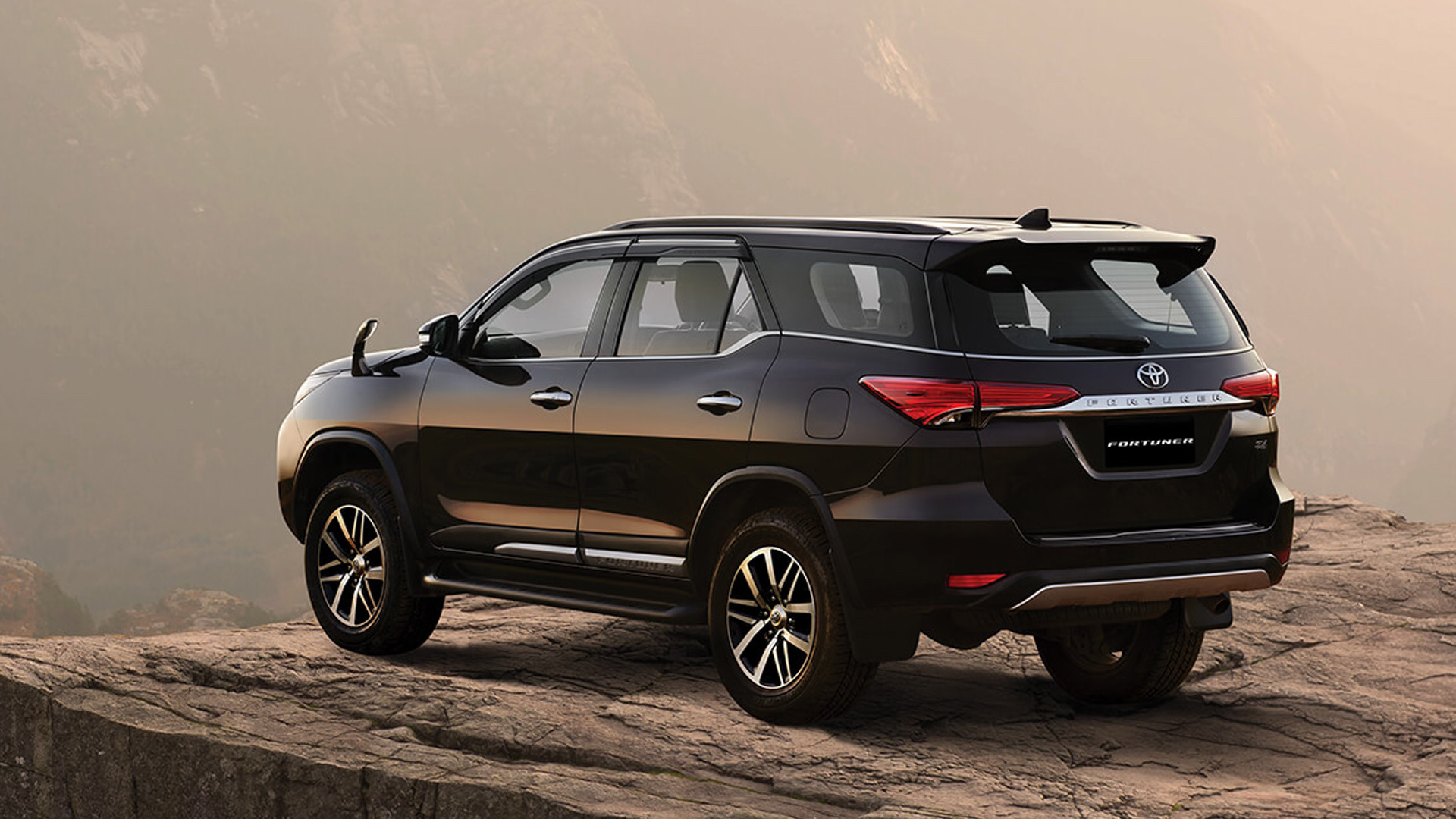
Toyota Fortuner at a glance
Quick model context before comparing photos and trim-level specifications.
The 2020 model year brings a mid-cycle facelift for the second-generation Toyota Fortuner. Originally introduced in August 2020, this update focuses on refreshing the exterior appearance and upgrading the performance of its diesel engines. Positioned as a rugged, traditional SUV, the Fortuner utilizes a body-on-frame chassis, a layout that appeals to buyers who need genuine off-road capability and towing capacity rather than the car-like ride of a typical crossover. Key revisions include a modernized front end, an updated infotainment system, and a more powerful 2.8-liter diesel engine option. Depending on the market, it serves families needing up to seven seats or drivers looking for a durable utility vehicle capable of handling challenging terrains with a low-range transfer case and locking rear differential.
- Power: 150-239 hp
- Engine displacement: 2393-3956 cc
- Transmissions: 5-speed manual, 6-speed automatic
- Seating: 5 seats
Photos, trims and specifications for Toyota Fortuner
This model page brings gallery images, trim comparison, and detailed technical data together for the 2020 generation.
Estimate fuel cost
Use trim-level fuel consumption data to estimate monthly and yearly fuel spending.
Fuel costs are estimates. Real consumption can change with driving style, traffic, tires, weather, load, and market-specific equipment.
Toyota Fortuner overview
Editorial context for design, cabin, performance, practicality, and buyer notes.
Design
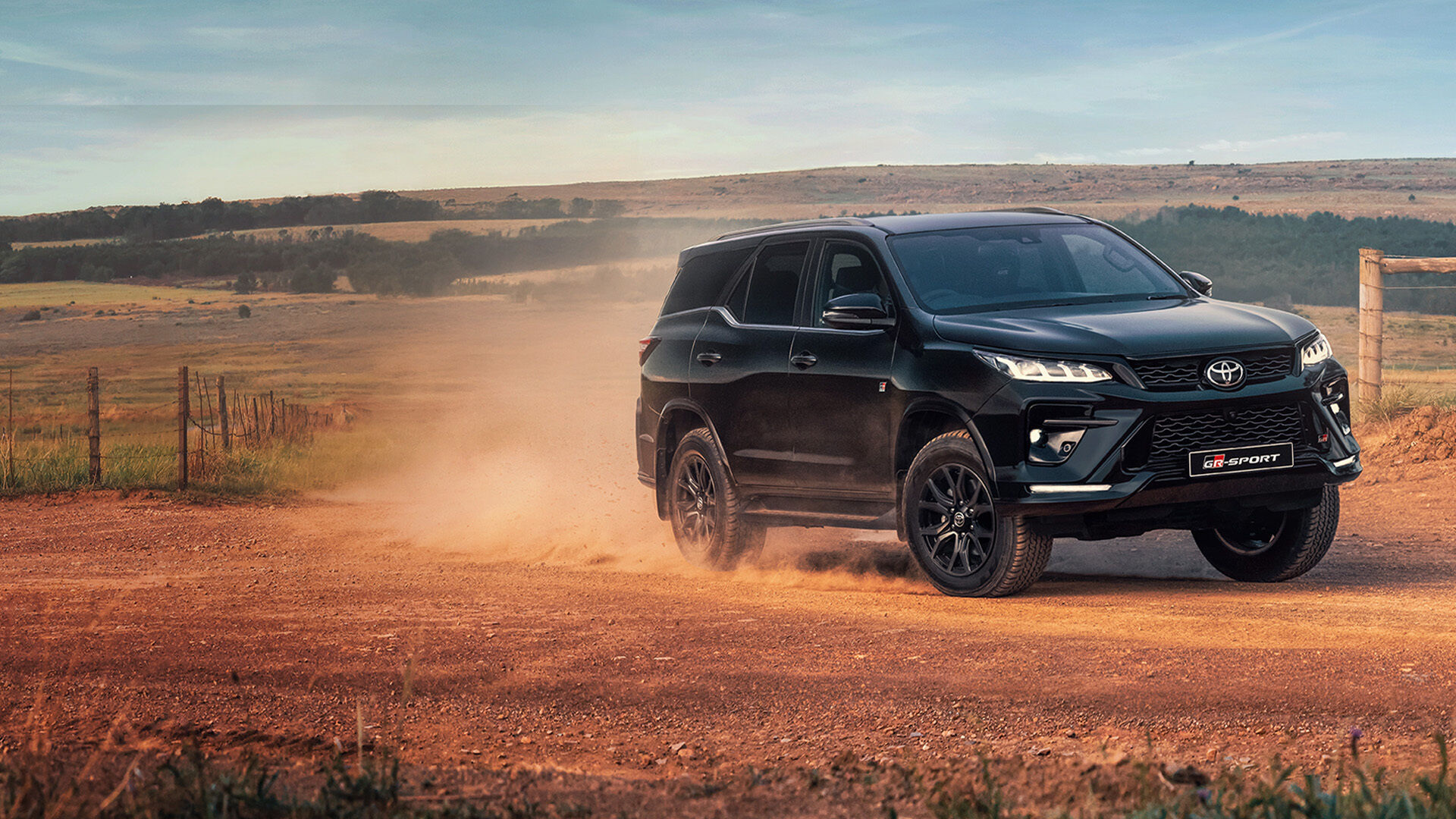
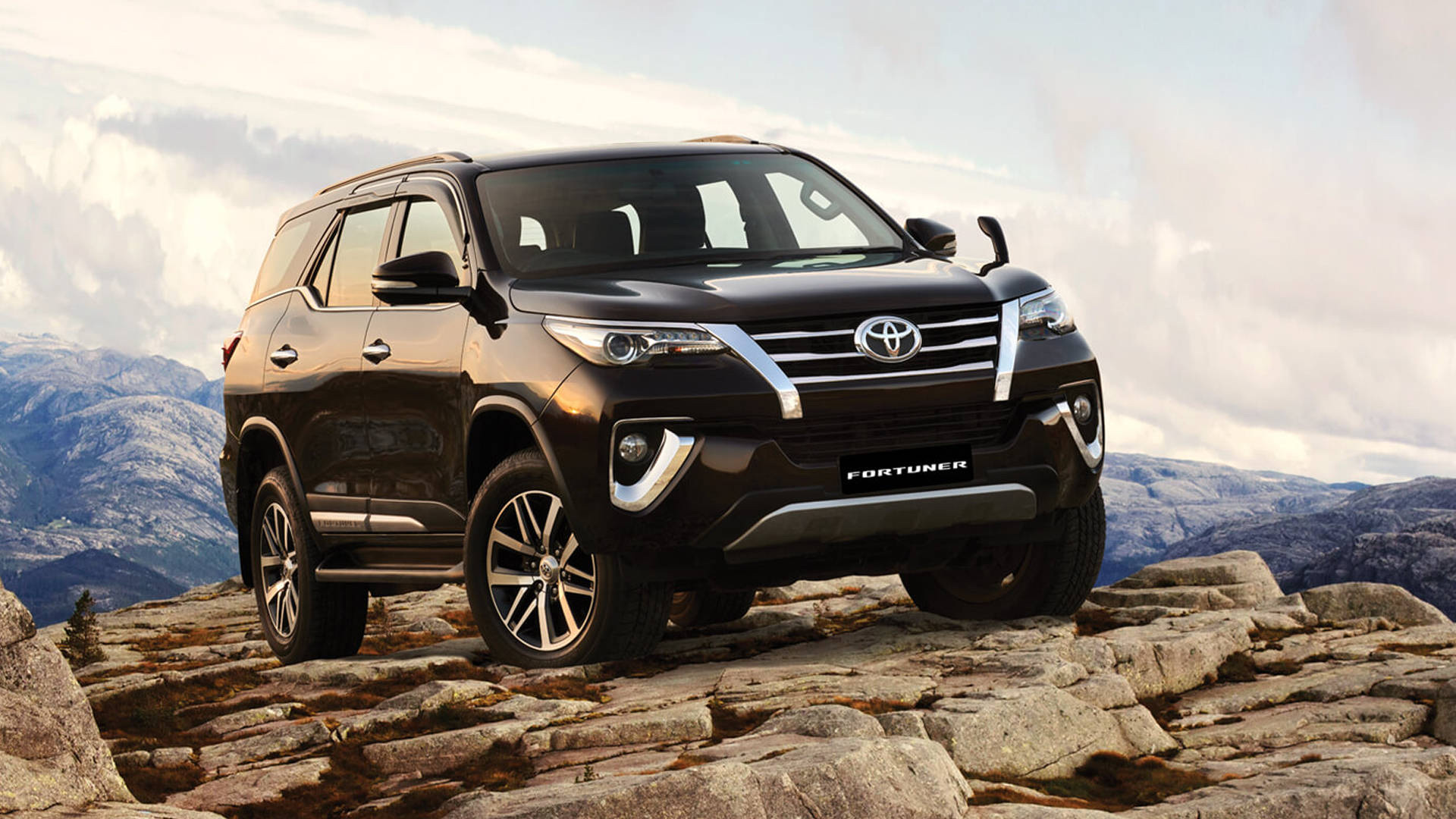
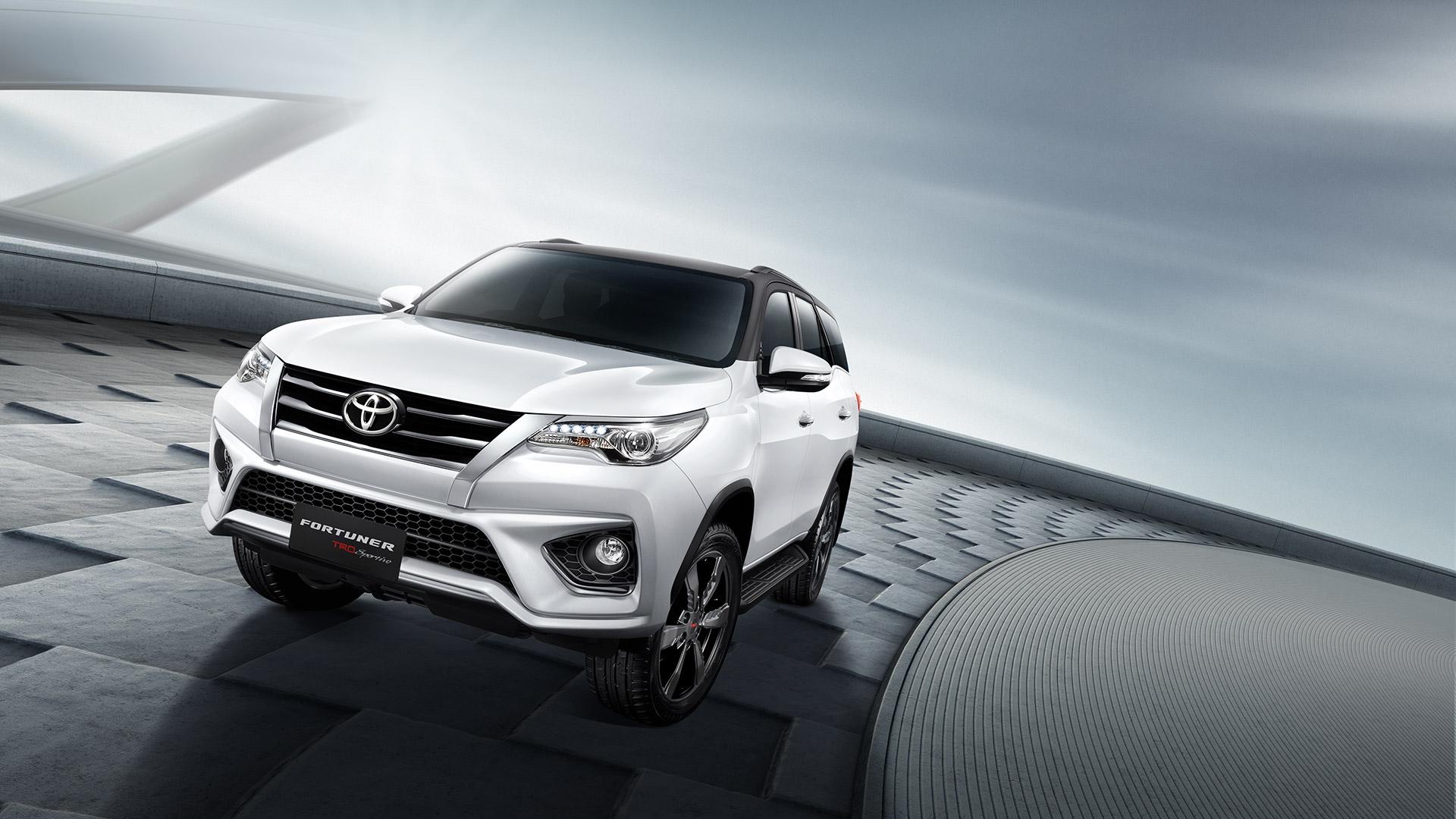
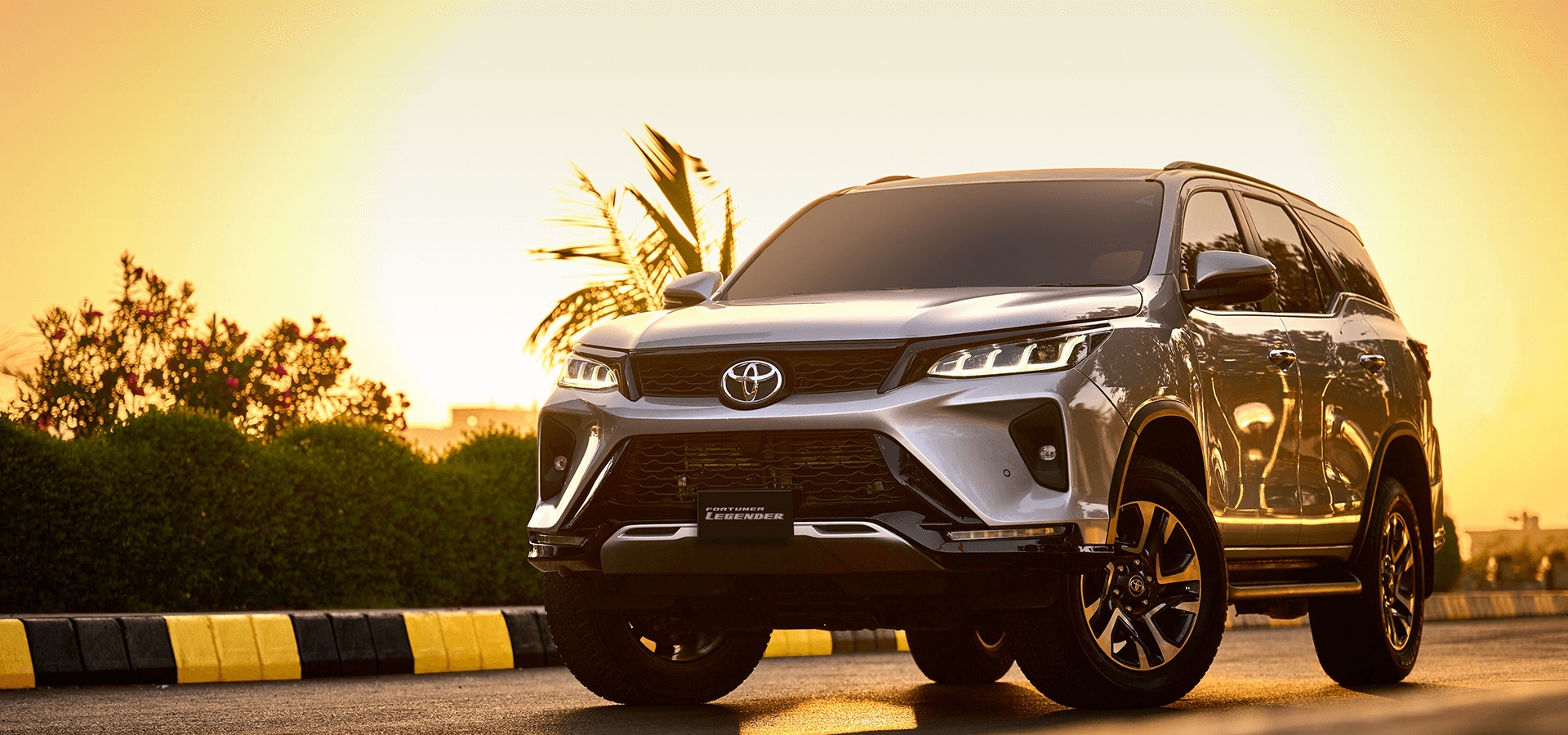
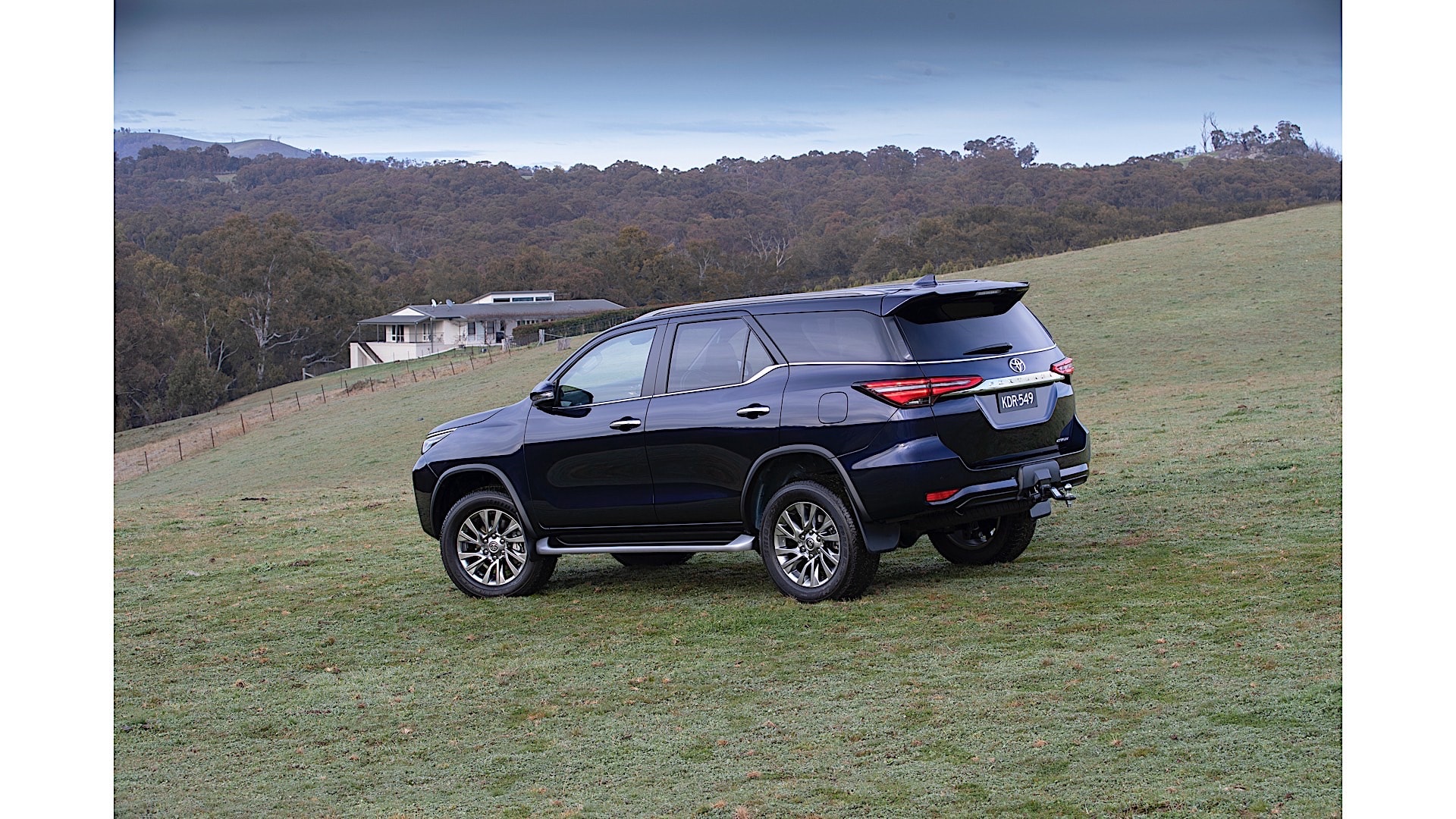
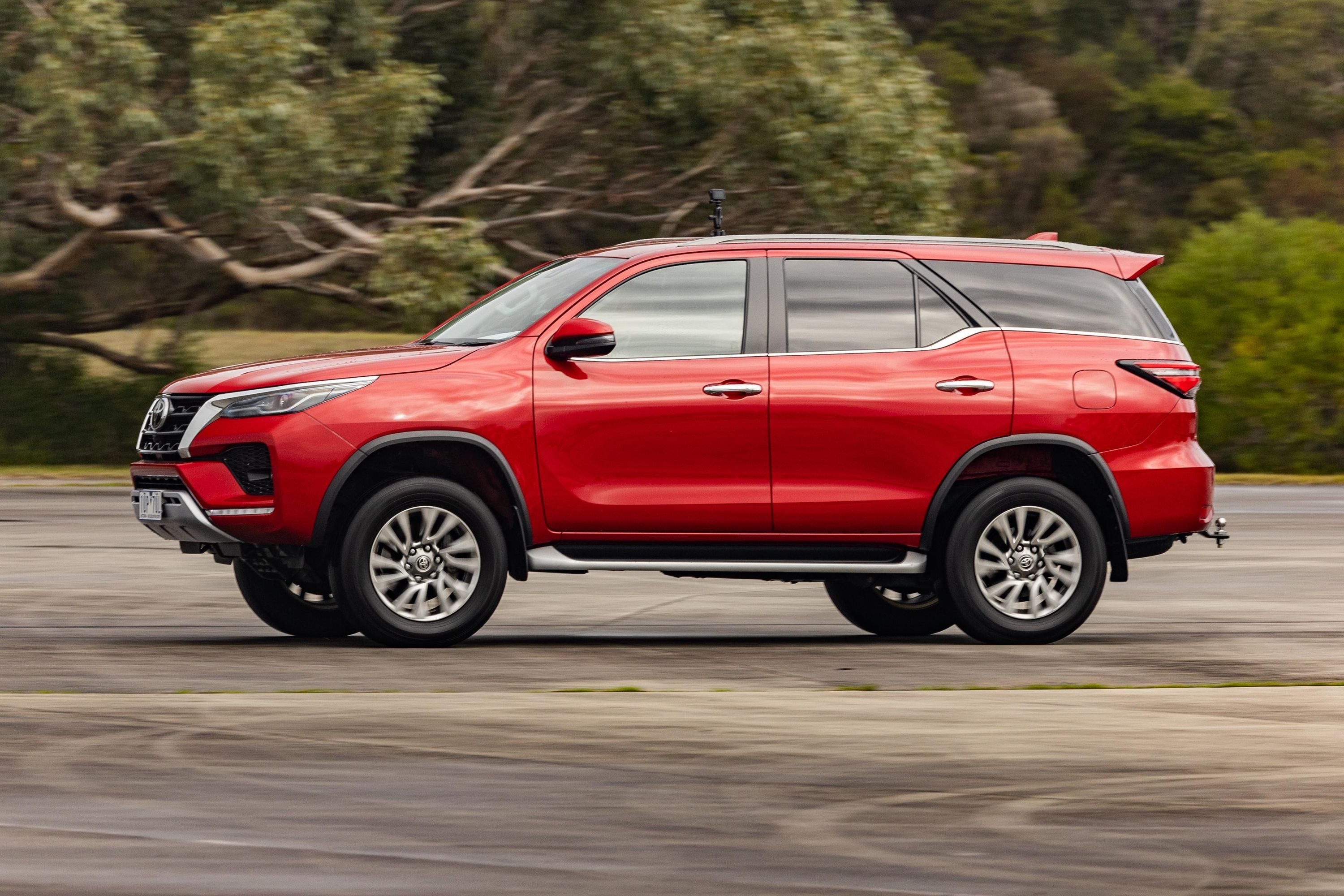
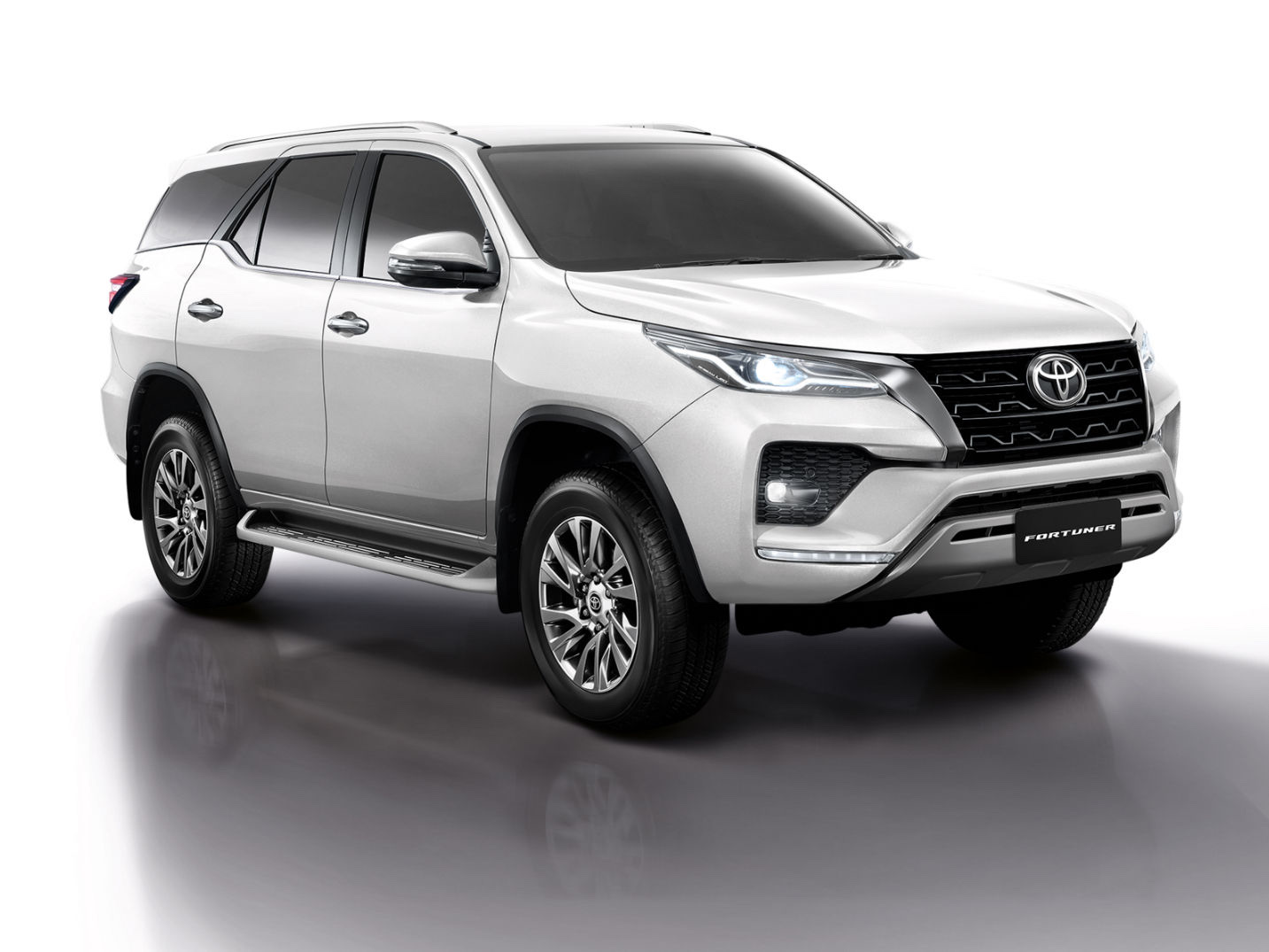
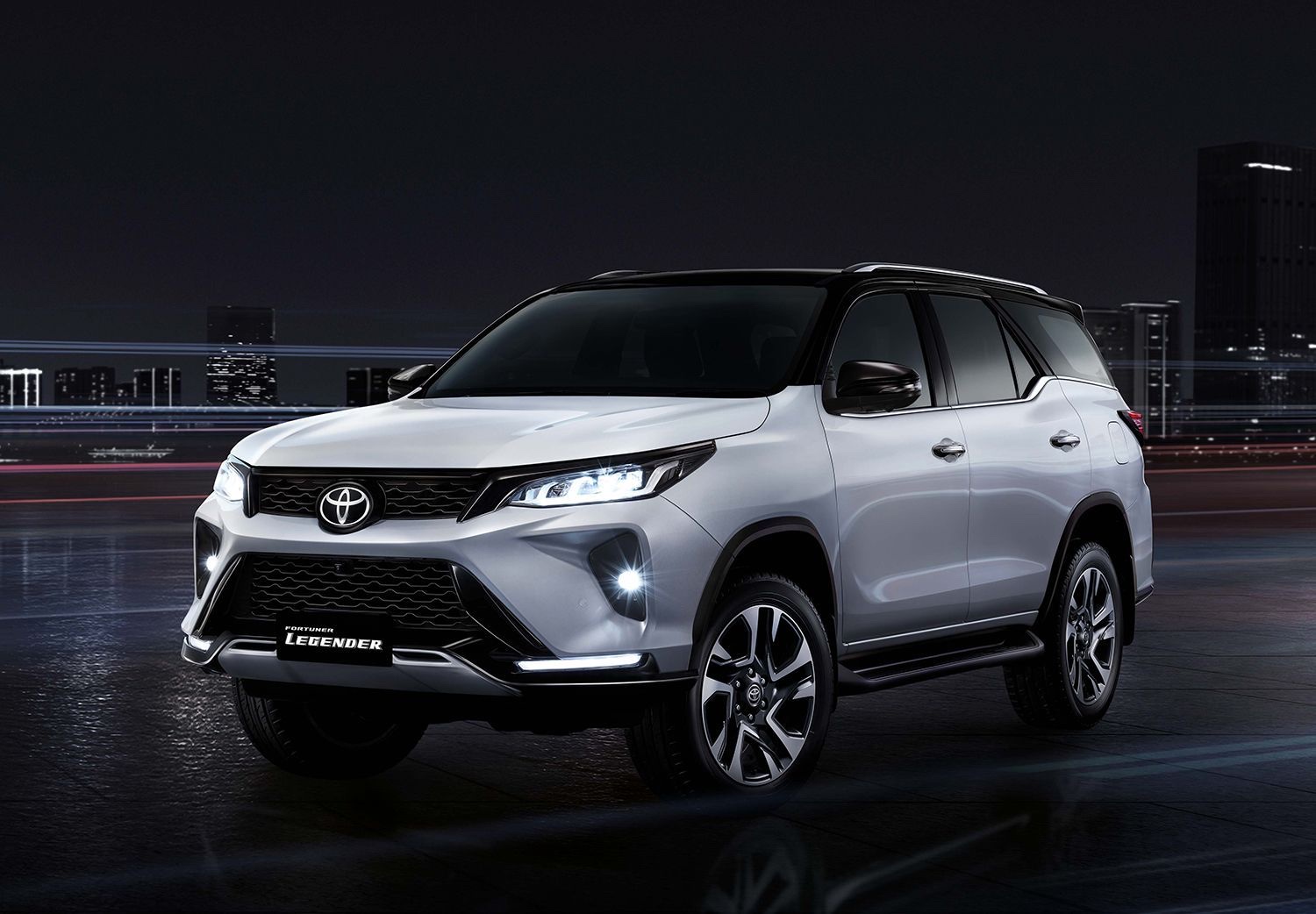
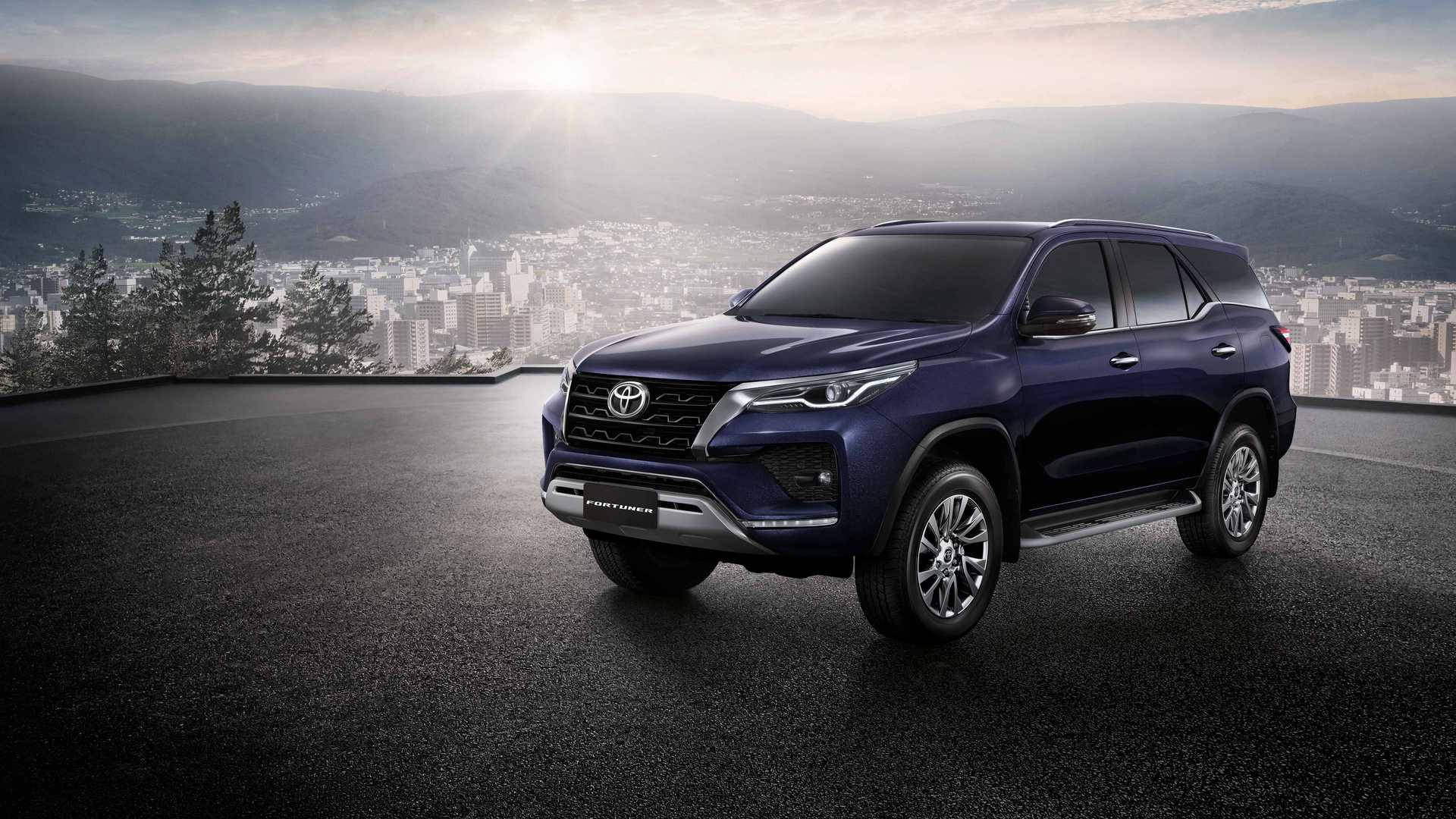
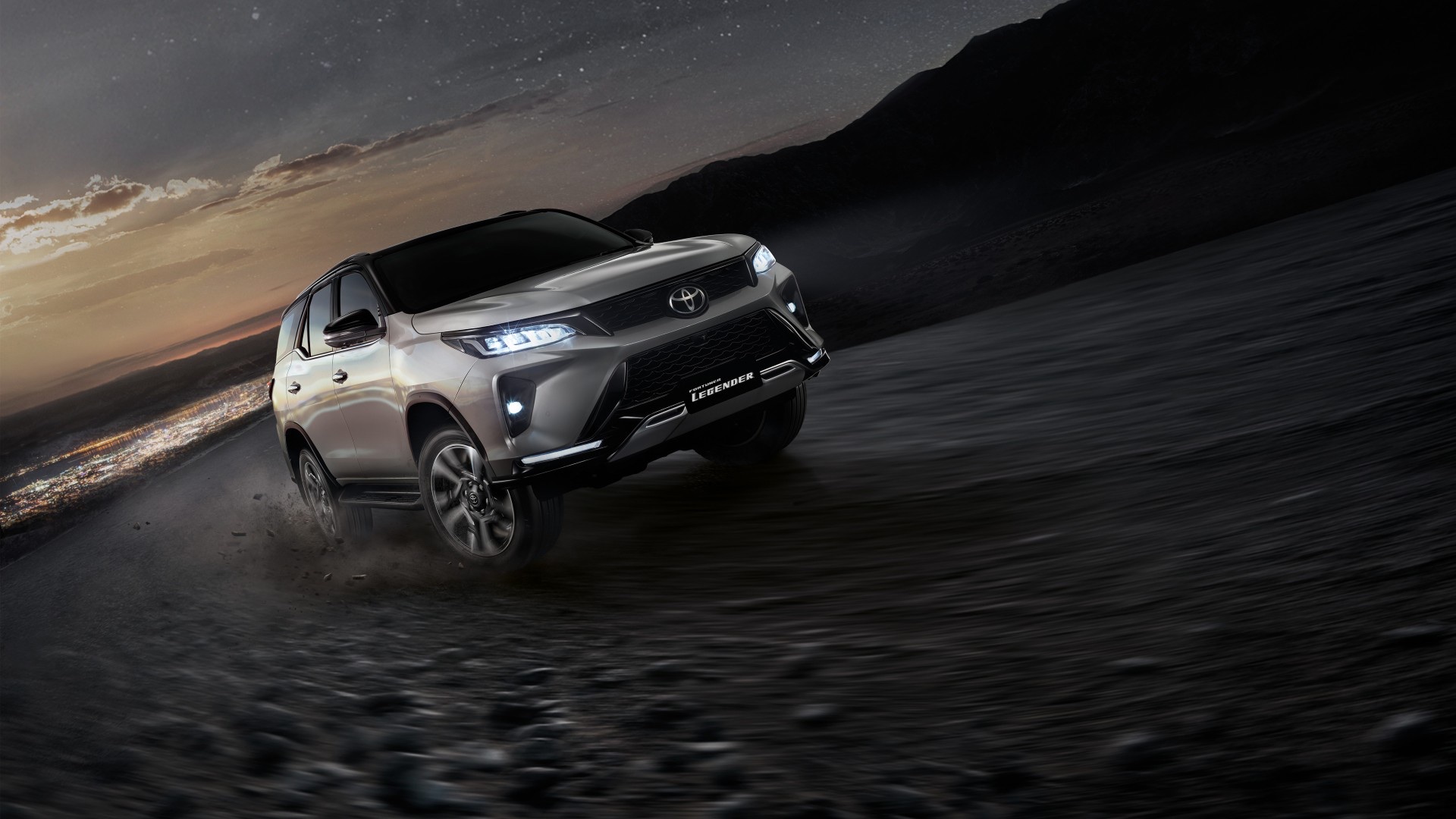
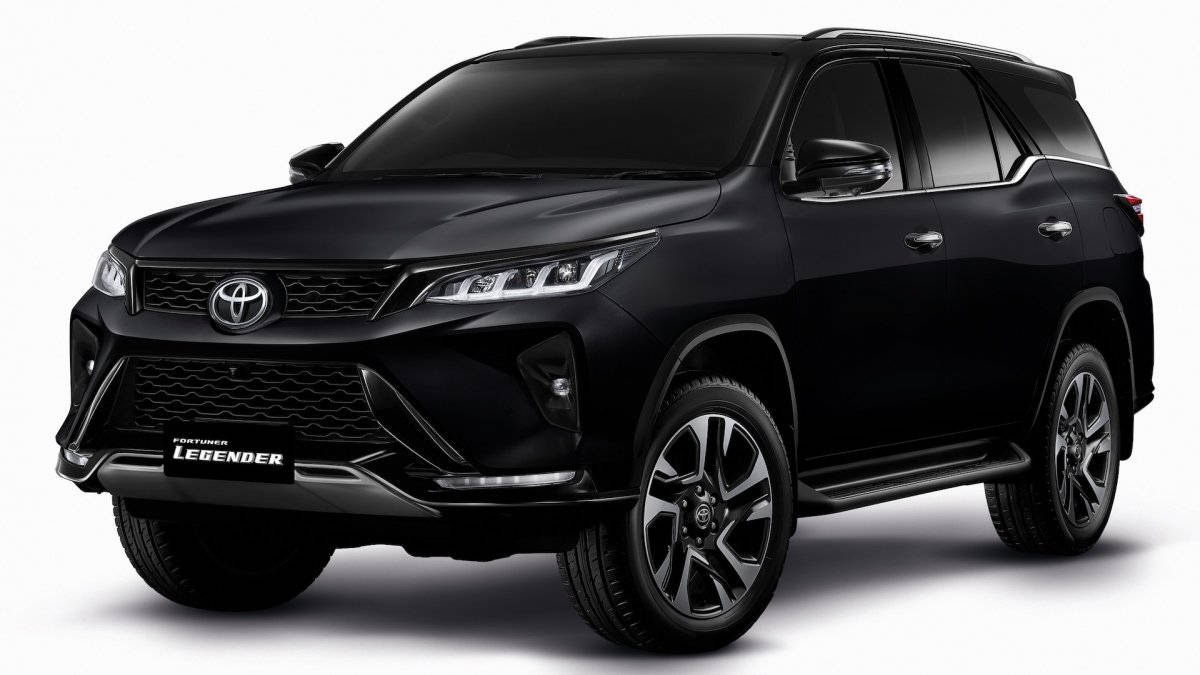
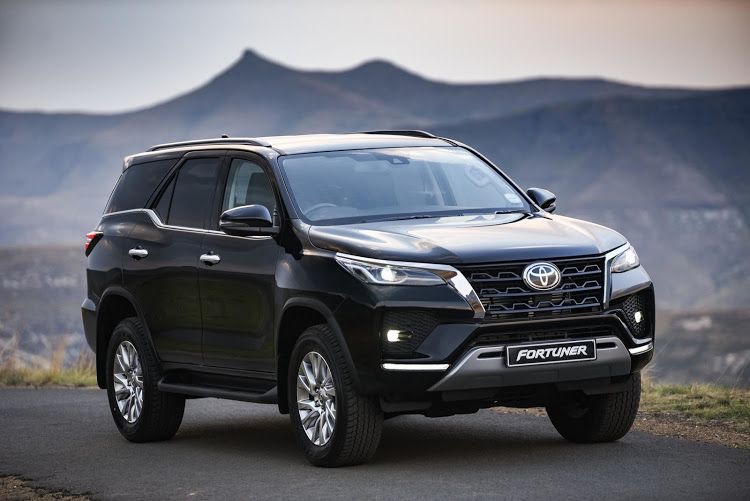
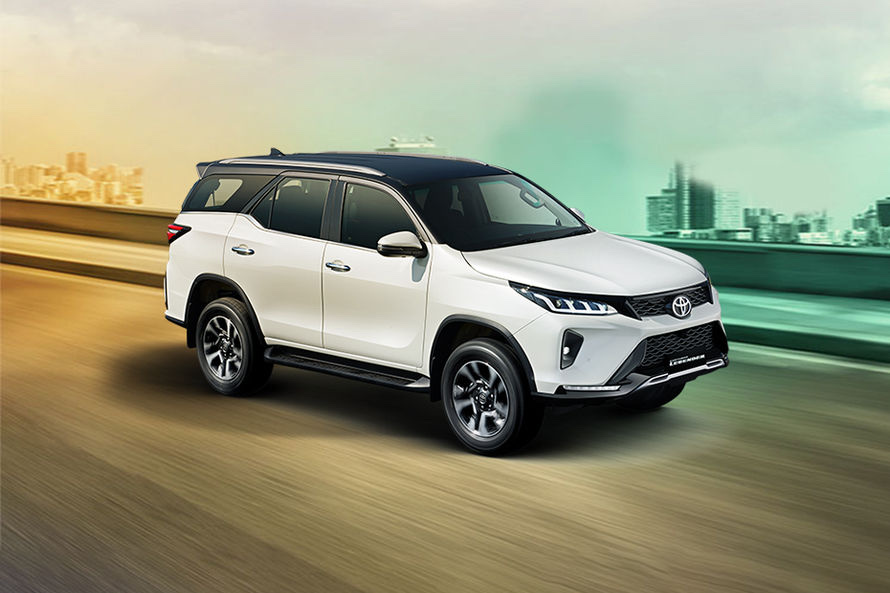
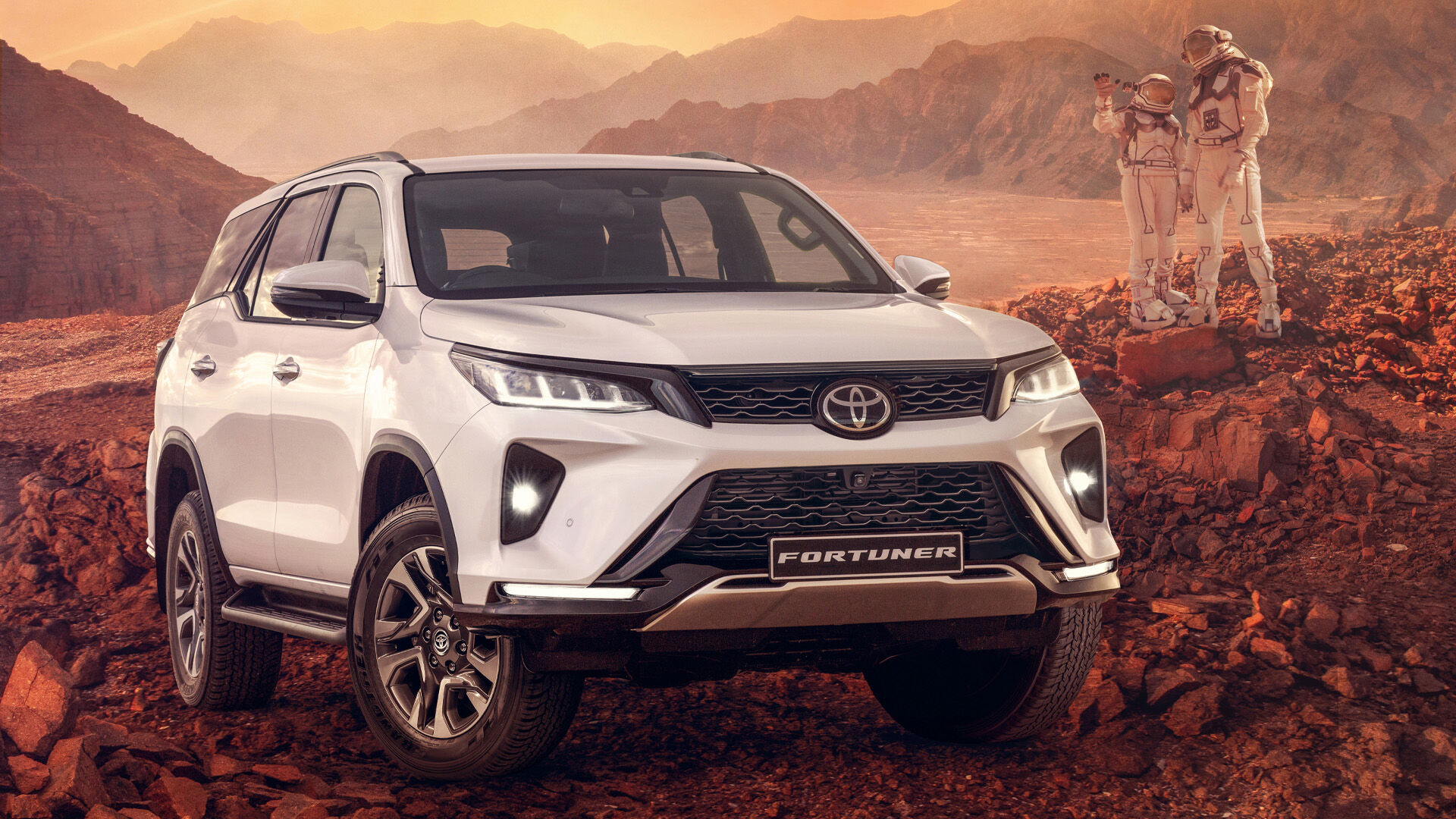
The 2020 refresh introduces several distinctive exterior changes to give the vehicle a more contemporary appearance. Up front, the SUV features redesigned LED headlights as standard equipment, accompanied by a revised front bumper and a new pattern for the radiator grille. The horizontal LED turn signals are positioned lower down on the front bumper. At the rear, the design remains largely familiar but receives updated light signatures. For buyers looking for a more aggressive look, certain markets offer a top-spec Legender variant, which adds a sportier body kit, a distinct black grille design, a contrasting two-tone roof, and larger 20-inch alloy wheels.
Interior
Inside, the updated cabin features a revised instrument cluster with redesigned scales. A major upgrade is the larger 8-inch touchscreen infotainment display that now supports Apple CarPlay and Android Auto for smartphone integration. On the center console, the drive mode selection has been simplified, placing Eco, Normal, and Sport buttons directly on the tunnel. The three-row layout remains, offering space for up to seven passengers. The second row split-folds 60:40, while the third row folds 50:50 to expand cargo capacity. Air conditioning vents are provided for the rear passengers to improve cabin comfort, and the interior is equipped with three 12-volt accessory power outlets.
Performance
The 2020 Fortuner offers several engines depending on the region. The entry-level petrol option is a 2.7-liter four-cylinder generating 163 horsepower (166 hp in some markets) and 245 Nm of torque. A larger 4.0-liter V6 petrol engine producing 239 hp and 377 Nm is also available. On the diesel side, a 2.4-liter engine provides 150 hp and 400 Nm, while the upgraded 2.8-liter turbodiesel delivers 200 hp (up to 204 hp in certain markets) and 500 Nm of torque. Transmission choices include a five-speed manual or a six-speed automatic. While rear-wheel drive is available on base trims, the part-time four-wheel-drive system features a low-range transfer case and a locking rear differential for serious off-road driving.
Practicality
With its body-on-frame construction and a high ground clearance of 225 mm, the Fortuner is designed to handle rough roads and off-road tracks easily. The vehicle features a standard 621-liter luggage compartment, which can be expanded to 1,934 liters by folding the second and third rows of seats down. An 80-liter fuel tank enables long-distance travel between fill-ups. Standard rear air vents and multiple 12V outlets make the cabin practical for family road trips, while the overall length of 4,795 mm keeps the SUV relatively manageable in urban traffic.
Safety and tech
Standard technology features on the updated Fortuner include an 8-inch infotainment display with smartphone connectivity, LED headlights, and a rearview camera accompanied by parking sensors. Depending on the target market, standard or optional driver assistance features can include cruise control and keyless entry. In select regions, the premium Legender grade adds more advanced active safety equipment from Toyota's suite. This includes autonomous emergency braking, lane departure warning, and dynamic radar cruise control. The Legender also adds high-end convenience tech such as a 360-degree camera system, a wireless smartphone charger, and a power-operated tailgate.
Buyer notes
When shopping for a 2020 Toyota Fortuner, buyers should carefully compare engine types and drivetrain configurations, as availability varies significantly by market. Rear-wheel-drive versions are more fuel-efficient, but the part-time four-wheel-drive model is essential for off-roading. Those opting for the upgraded 2.8-liter diesel receive 200 to 204 hp and 500 Nm of torque, which offers strong low-end pulling power. Additionally, specialized trims like the Legender are regional and carry distinct styling and safety features. Standard features such as heated seats, steering wheel, and windshield elements are typical for colder climates, while warm-weather specs focus on enhanced cabin ventilation.
Trims and key specifications
Use this table to compare the main differences between available configurations.
| Trim / modification | Engine | Power | Seats | Transmission |
|---|---|---|---|---|
| 2.7 Dual VVT-i (163 hp) 5-speed manual 4x4 | 2694 cc | 163 hp | 5 | 5-speed manual |
| 2.7 Dual VVT-i (163 hp) 6-speed automatic 4x4 | 2694 cc | 163 hp | 5 | 6-speed automatic |
| 2.8 D-4D (200 hp) 6-speed automatic 4x4 | 2755 cc | 200 hp | 5 | 6-speed automatic |
| 4.0 VVT-i (239 hp) 6-speed automatic 4x4 | 3956 cc | 239 hp | 5 | 6-speed automatic |
| 2.4 D-4D (150 hp) 6-speed automatic 4x4 | 2393 cc | 150 hp | 5 | 6-speed automatic |
| 2.4 D-4D (150 hp) 6-speed automatic | 2393 cc | 150 hp | 5 | 6-speed automatic |
| 2.7 Dual VVT-i (163 hp) 6-speed automatic | 2694 cc | 163 hp | 5 | 6-speed automatic |
Specifications can vary by market, model year, and equipment package. Use the trim sections below to review the full data for each configuration.
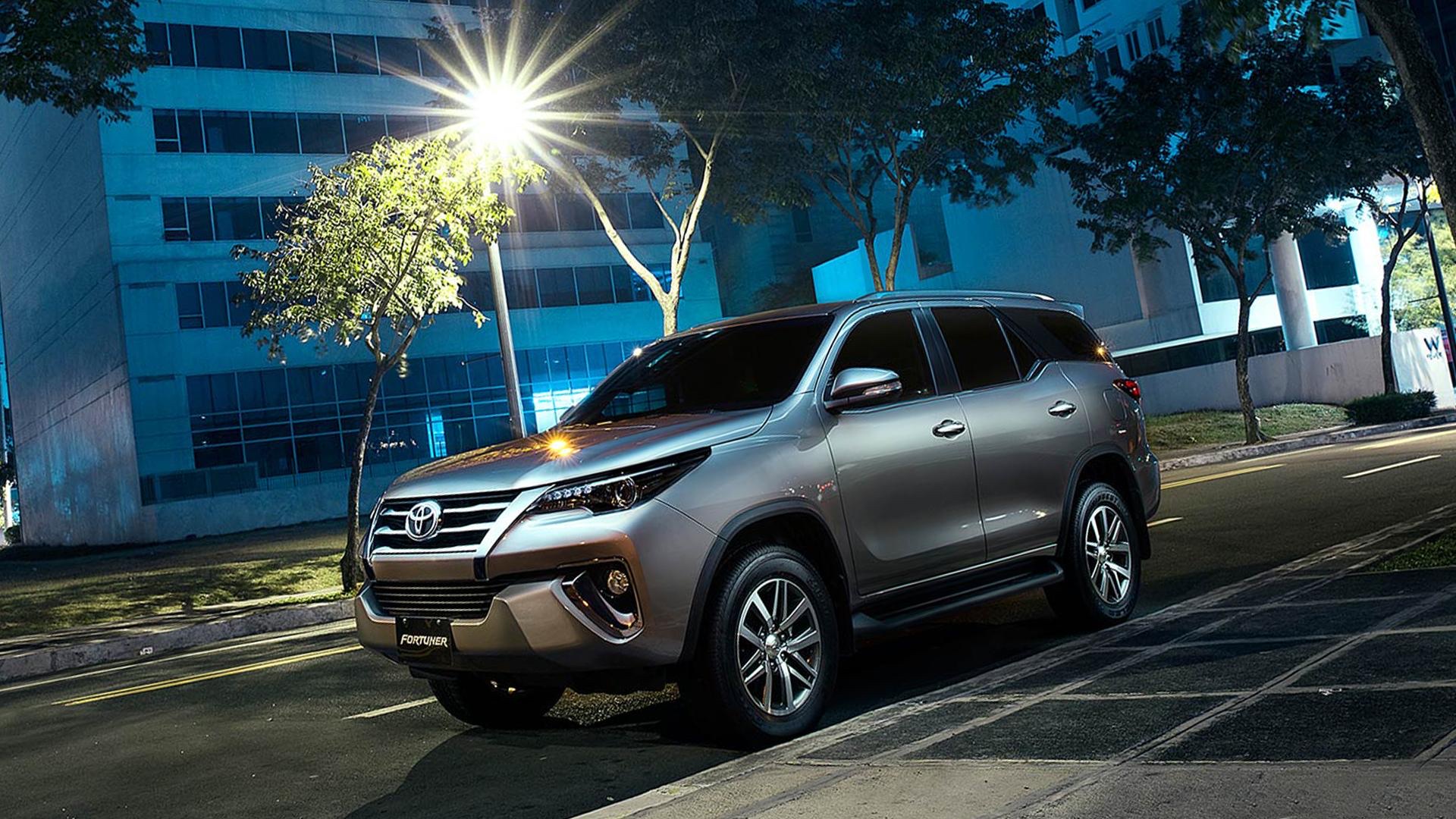
Toyota Fortuner photo gallery
18 images are collected here with the main specifications and trim data for this model.
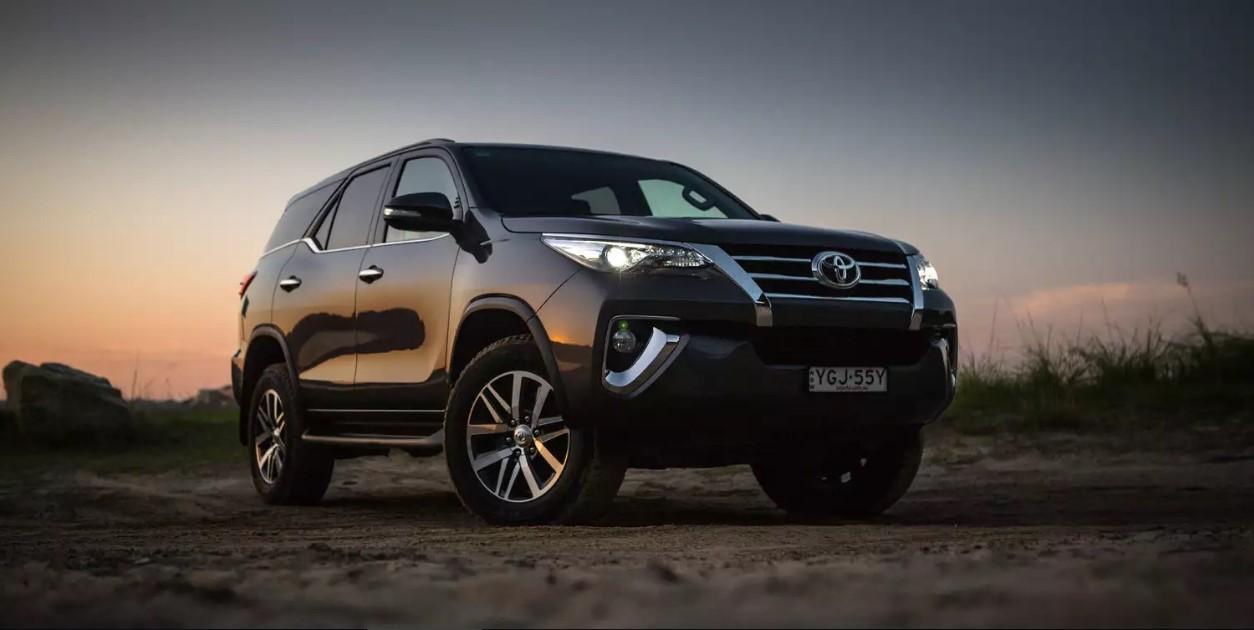
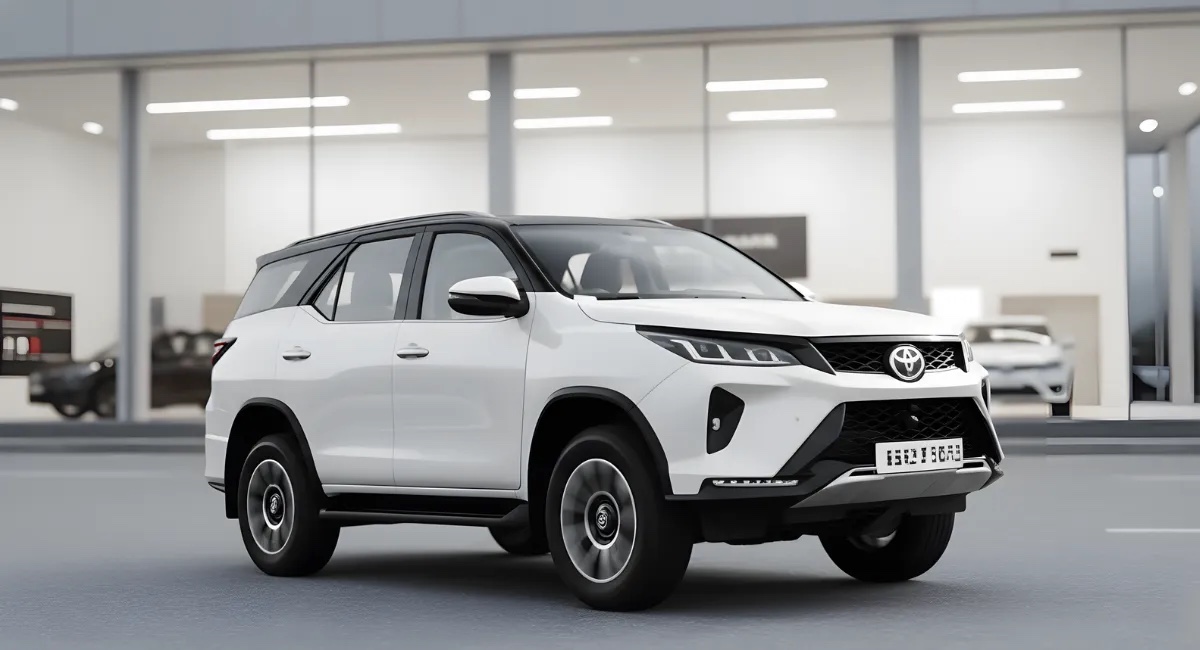
Photo Toyota Fortuner
Specifications by trim
Choose a configuration below to open full technical data grouped by category.
2.7 Dual VVT-i (163 hp) 5-speed manual 4x4 35 specifications
Specifications
Performance and consumption
| Fuel consumption city, L/100 km | 14 |
|---|---|
| Fuel consumption highway, L/100 km | 8.8 |
| Fuel consumption combined, L/100 km | 10.7 |
| Emissions standard | Euro V |
Engine
| Engine | 2.7 Dual VVT-i |
|---|---|
| Engine code | 2TR-FE |
| Engine type | Internal combustion engine |
| Fuel type | Gasoline |
| Engine displacement, cc | 2694 |
| Cylinder layout | Inline |
| Number of cylinders | 4 |
| Valves | 16 |
| Compression ratio | 10.2:1 |
| Power, hp | 163 |
| RPM at max power | 5200 |
| Torque, Nm | 245 |
| RPM at max torque | 4000 |
Dimensions
| Seats | 5 |
|---|---|
| Length, mm | 4795 |
| Height, mm | 1835 |
| Wheelbase, mm | 2745 |
| Front track, mm | 1545 |
| Rear track, mm | 1555 |
| Kerb weight, kg | 2045 |
| Gross weight, kg | 2650 |
| Fuel tank capacity, L | 80 |
| Ground clearance, mm | 225 |
| Width without mirrors, mm | 1855 |
| Trunk capacity, L | 621 |
Transmission and drive
| Transmission | 5-speed manual |
|---|---|
| Transmission type | manual |
| Drive | All-wheel drive |
| Number of gears | 5 |
| Transmission manufacturer | Toyota |
| Transmission country | Japan |
2.7 Dual VVT-i (163 hp) 6-speed automatic 4x4 36 specifications
Specifications
Performance and consumption
| Fuel consumption city, L/100 km | 13.6 |
|---|---|
| Fuel consumption highway, L/100 km | 9.3 |
| Fuel consumption combined, L/100 km | 10.9 |
| Emissions standard | Euro V |
Engine
| Engine | 2.7 Dual VVT-i |
|---|---|
| Engine code | 2TR-FE |
| Engine type | Internal combustion engine |
| Fuel type | Gasoline |
| Engine displacement, cc | 2694 |
| Cylinder layout | Inline |
| Number of cylinders | 4 |
| Valves | 16 |
| Compression ratio | 10.2:1 |
| Power, hp | 163 |
| RPM at max power | 5200 |
| Torque, Nm | 245 |
| RPM at max torque | 4000 |
Dimensions
| Seats | 5 |
|---|---|
| Length, mm | 4795 |
| Height, mm | 1835 |
| Wheelbase, mm | 2745 |
| Front track, mm | 1545 |
| Rear track, mm | 1555 |
| Kerb weight, kg | 2045 |
| Gross weight, kg | 2650 |
| Fuel tank capacity, L | 80 |
| Ground clearance, mm | 225 |
| Width without mirrors, mm | 1855 |
| Trunk capacity, L | 621 |
Transmission and drive
| Transmission | 6-speed automatic |
|---|---|
| Transmission type | automatic |
| Drive | All-wheel drive |
| Number of gears | 6 |
| Transmission manufacturer | Aisin |
| Automatic transmission | + |
| Transmission country | Japan |
2.8 D-4D (200 hp) 6-speed automatic 4x4 34 specifications
Specifications
Performance and consumption
| Top speed, km/h | 175 |
|---|---|
| Emissions standard | Euro V |
Engine
| Engine | 2.8 D-4D |
|---|---|
| Engine code | 1GD-FTV |
| Engine type | Internal combustion engine |
| Fuel type | Diesel |
| Engine displacement, cc | 2755 |
| Cylinder layout | Inline |
| Number of cylinders | 4 |
| Valves | 16 |
| Turbocharger | + |
| Power, hp | 200 |
| RPM at max power | 2800–3400 |
| Torque, Nm | 500 |
| RPM at max torque | 1600–2800 |
Dimensions
| Seats | 5 |
|---|---|
| Length, mm | 4795 |
| Height, mm | 1835 |
| Wheelbase, mm | 2745 |
| Front track, mm | 1545 |
| Rear track, mm | 1555 |
| Kerb weight, kg | 2045 |
| Gross weight, kg | 2650 |
| Fuel tank capacity, L | 80 |
| Ground clearance, mm | 225 |
| Width without mirrors, mm | 1855 |
| Trunk capacity, L | 621 |
Transmission and drive
| Transmission | 6-speed automatic |
|---|---|
| Transmission type | automatic |
| Drive | All-wheel drive |
| Number of gears | 6 |
| Transmission manufacturer | Aisin |
| Automatic transmission | + |
| Transmission country | Japan |
4.0 VVT-i (239 hp) 6-speed automatic 4x4 33 specifications
Specifications
Performance and consumption
| Fuel consumption combined, L/100 km | 10.4 |
|---|
Engine
| Engine | 4.0 VVT-i |
|---|---|
| Engine code | 1GR-FE |
| Engine type | Internal combustion engine |
| Fuel type | Gasoline |
| Engine displacement, cc | 3956 |
| Cylinder layout | V-type |
| Number of cylinders | 6 |
| Valves | 24 |
| Compression ratio | 10.0:1 |
| Power, hp | 239 |
| RPM at max power | 5200 |
| Torque, Nm | 377 |
| RPM at max torque | 3700 |
Dimensions
| Seats | 5 |
|---|---|
| Length, mm | 4795 |
| Height, mm | 1835 |
| Wheelbase, mm | 2745 |
| Front track, mm | 1545 |
| Rear track, mm | 1555 |
| Kerb weight, kg | 2045 |
| Gross weight, kg | 2650 |
| Fuel tank capacity, L | 80 |
| Ground clearance, mm | 225 |
| Width without mirrors, mm | 1855 |
| Trunk capacity, L | 621 |
Transmission and drive
| Transmission | 6-speed automatic |
|---|---|
| Transmission type | automatic |
| Drive | All-wheel drive |
| Number of gears | 6 |
| Transmission manufacturer | Aisin |
| Automatic transmission | + |
| Transmission country | Japan |
2.4 D-4D (150 hp) 6-speed automatic 4x4 33 specifications
Specifications
Performance and consumption
| Fuel consumption combined, L/100 km | 6.9 |
|---|
Engine
| Engine | 2.4 D-4D |
|---|---|
| Engine code | 2GD-FTV |
| Engine type | Internal combustion engine |
| Fuel type | Diesel |
| Engine displacement, cc | 2393 |
| Cylinder layout | Inline |
| Number of cylinders | 4 |
| Valves | 16 |
| Turbocharger | + |
| Power, hp | 150 |
| RPM at max power | 3400 |
| Torque, Nm | 400 |
| RPM at max torque | 1600-2000 |
Dimensions
| Seats | 5 |
|---|---|
| Length, mm | 4795 |
| Height, mm | 1835 |
| Wheelbase, mm | 2745 |
| Front track, mm | 1545 |
| Rear track, mm | 1555 |
| Kerb weight, kg | 2045 |
| Gross weight, kg | 2650 |
| Fuel tank capacity, L | 80 |
| Ground clearance, mm | 225 |
| Width without mirrors, mm | 1855 |
| Trunk capacity, L | 621 |
Transmission and drive
| Transmission | 6-speed automatic |
|---|---|
| Transmission type | automatic |
| Drive | All-wheel drive |
| Number of gears | 6 |
| Transmission manufacturer | Aisin |
| Automatic transmission | + |
| Transmission country | Japan |
2.4 D-4D (150 hp) 6-speed automatic 33 specifications
Specifications
Performance and consumption
| Fuel consumption combined, L/100 km | 6.6 |
|---|
Engine
| Engine | 2.4 D-4D |
|---|---|
| Engine code | 2GD-FTV |
| Engine type | Internal combustion engine |
| Fuel type | Diesel |
| Engine displacement, cc | 2393 |
| Cylinder layout | Inline |
| Number of cylinders | 4 |
| Valves | 16 |
| Turbocharger | + |
| Power, hp | 150 |
| RPM at max power | 3400 |
| Torque, Nm | 400 |
| RPM at max torque | 1600-2000 |
Dimensions
| Seats | 5 |
|---|---|
| Length, mm | 4795 |
| Height, mm | 1835 |
| Wheelbase, mm | 2745 |
| Front track, mm | 1545 |
| Rear track, mm | 1555 |
| Kerb weight, kg | 2045 |
| Gross weight, kg | 2650 |
| Fuel tank capacity, L | 80 |
| Ground clearance, mm | 225 |
| Width without mirrors, mm | 1855 |
| Trunk capacity, L | 621 |
Transmission and drive
| Transmission | 6-speed automatic |
|---|---|
| Transmission type | automatic |
| Drive | Rear-wheel drive |
| Number of gears | 6 |
| Transmission manufacturer | Aisin |
| Automatic transmission | + |
| Transmission country | Japan |
2.7 Dual VVT-i (163 hp) 6-speed automatic 33 specifications
Specifications
Performance and consumption
| Fuel consumption combined, L/100 km | 9.3 |
|---|
Engine
| Engine | 2.7 Dual VVT-i |
|---|---|
| Engine code | 2TR-FE |
| Engine type | Internal combustion engine |
| Fuel type | Gasoline |
| Engine displacement, cc | 2694 |
| Cylinder layout | Inline |
| Number of cylinders | 4 |
| Valves | 16 |
| Compression ratio | 10.2:1 |
| Power, hp | 163 |
| RPM at max power | 5200 |
| Torque, Nm | 245 |
| RPM at max torque | 4000 |
Dimensions
| Seats | 5 |
|---|---|
| Length, mm | 4795 |
| Height, mm | 1835 |
| Wheelbase, mm | 2745 |
| Front track, mm | 1545 |
| Rear track, mm | 1555 |
| Kerb weight, kg | 2045 |
| Gross weight, kg | 2650 |
| Fuel tank capacity, L | 80 |
| Ground clearance, mm | 225 |
| Width without mirrors, mm | 1855 |
| Trunk capacity, L | 621 |
Transmission and drive
| Transmission | 6-speed automatic |
|---|---|
| Transmission type | automatic |
| Drive | Rear-wheel drive |
| Number of gears | 6 |
| Transmission manufacturer | Aisin |
| Automatic transmission | + |
| Transmission country | Japan |
Toyota Fortuner questions
Short answers based on the specifications and photos available in this catalog.
What generation is the 2020 Toyota Fortuner?
The 2020 Toyota Fortuner represents a mid-cycle facelift of the SUV's second generation. It was officially presented in August 2020, featuring updated styling and revised engine tuning.
What engines are available for the 2020 Toyota Fortuner?
The 2020 model is offered with multiple petrol and diesel options depending on the market. Petrol choices include a 2.7-liter four-cylinder and a 4.0-liter V6. Diesel engines include a 2.4-liter and a more powerful 2.8-liter turbodiesel.
Is the 2020 Toyota Fortuner a four-wheel-drive vehicle?
The Fortuner is available in both rear-wheel-drive and part-time four-wheel-drive configurations. The 4WD system includes a low-range transfer case and a locking rear differential to support off-road driving.
How much cargo space does the 2020 Toyota Fortuner have?
With the rear seats in place, the Fortuner offers a standard boot volume of 621 liters. This capacity can be expanded up to 1,934 liters when the second and third rows of seats are folded down.
What is the Toyota Fortuner Legender?
The Legender is a top-tier trim offered in select markets like Thailand. It features a unique, sportier body kit, a two-tone roof, 20-inch wheels, and a suite of advanced safety tech including autonomous emergency braking and lane departure warning.