Toyota GR86 specifications and photos
The 2021 Toyota GR86 is a rear-wheel-drive sports coupe that represents the second generation of this driver-focused model. It retains its classic layout, combining a naturally aspirated boxer engine with a choice of manual or automatic transmissions. This iteration introduces key chassis reinforcements and a larger engine for improved road performance.
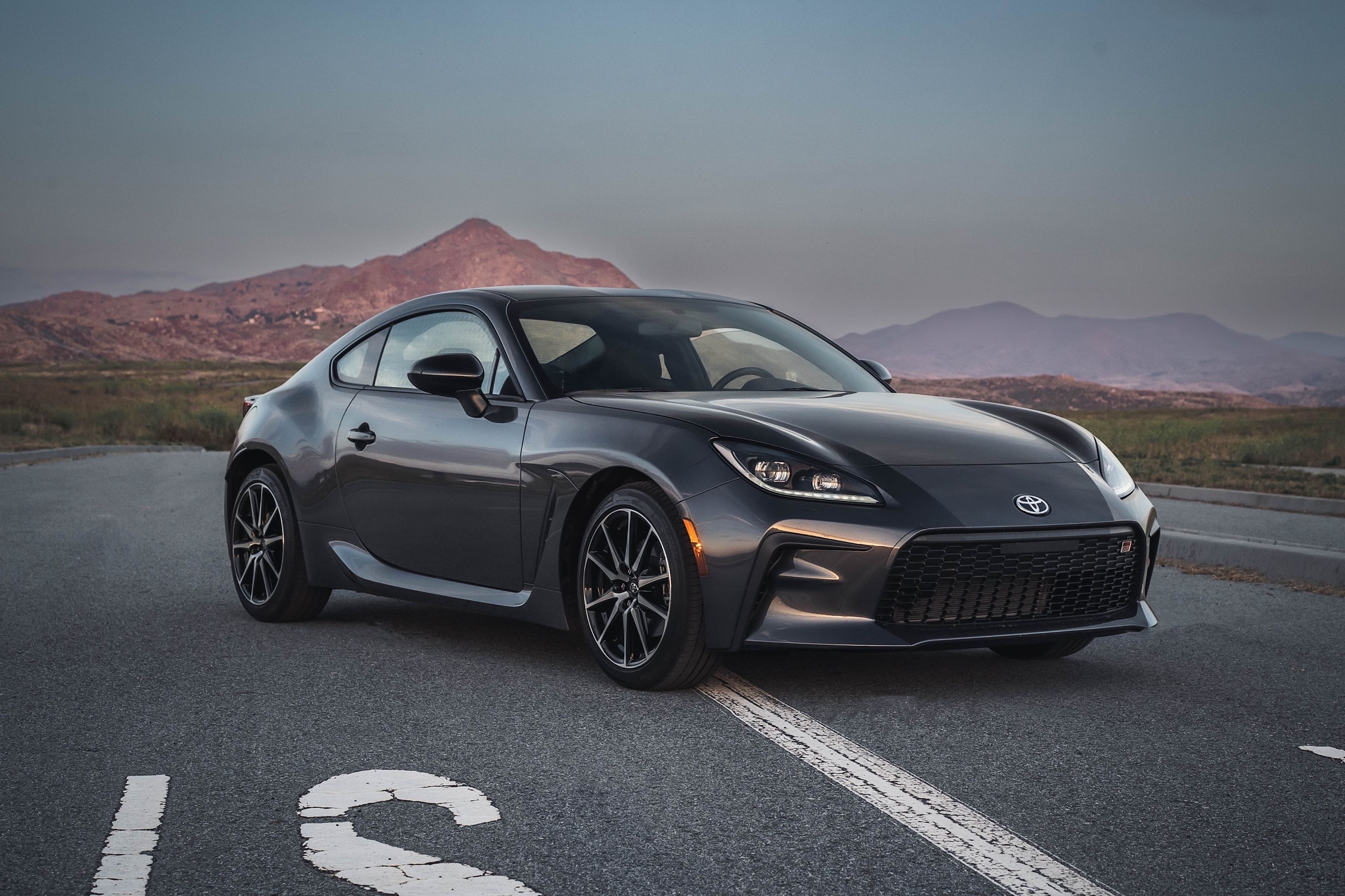
Toyota GR86 at a glance
Quick model context before comparing photos and trim-level specifications.
Unveiled in mid-2021, the second-generation Toyota GR86 refines the core principles of its predecessor while upgrading performance across the board. Positioned as an affordable, enthusiast-oriented sports coupe, the GR86 maintains a lightweight footprint by utilizing aluminum for the hood, roof, and front fenders. Torsional body rigidity has increased by 50 percent compared to the first generation, achieved through the extensive use of high-strength steel and structural adhesives. The revised suspension system features MacPherson struts at the front and a double-wishbone setup at the rear, with the rear stabilizer bar mounted directly to the subframe to better manage cornering forces and engine torque. A standard Torsen limited-slip differential ensures power is sent effectively to the rear wheels. The vehicle is designed for driving purists who prioritize handling response, mechanical feedback, and a traditional sports car layout without excessive curb weight.
- Power: 234 hp
- Engine displacement: 2387 cc
- Transmissions: 6-Mex, 6-speed automatic
- Seating: 4 seats
Photos, trims and specifications for Toyota GR86
This model page brings gallery images, trim comparison, and detailed technical data together for the 2021 generation.
Estimate fuel cost
Use trim-level fuel consumption data to estimate monthly and yearly fuel spending.
Fuel costs are estimates. Real consumption can change with driving style, traffic, tires, weather, load, and market-specific equipment.
Toyota GR86 overview
Editorial context for design, cabin, performance, practicality, and buyer notes.
Design
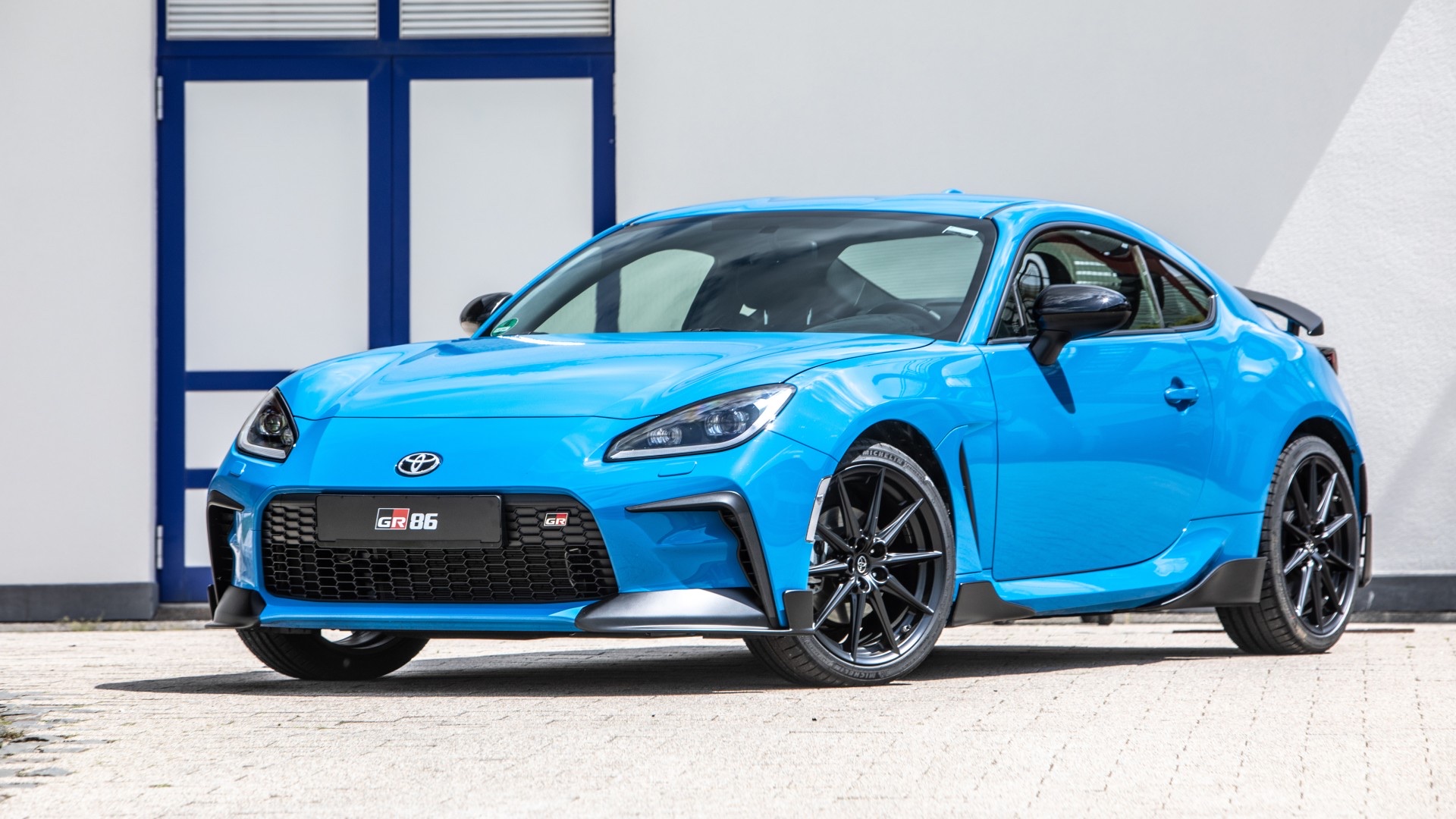
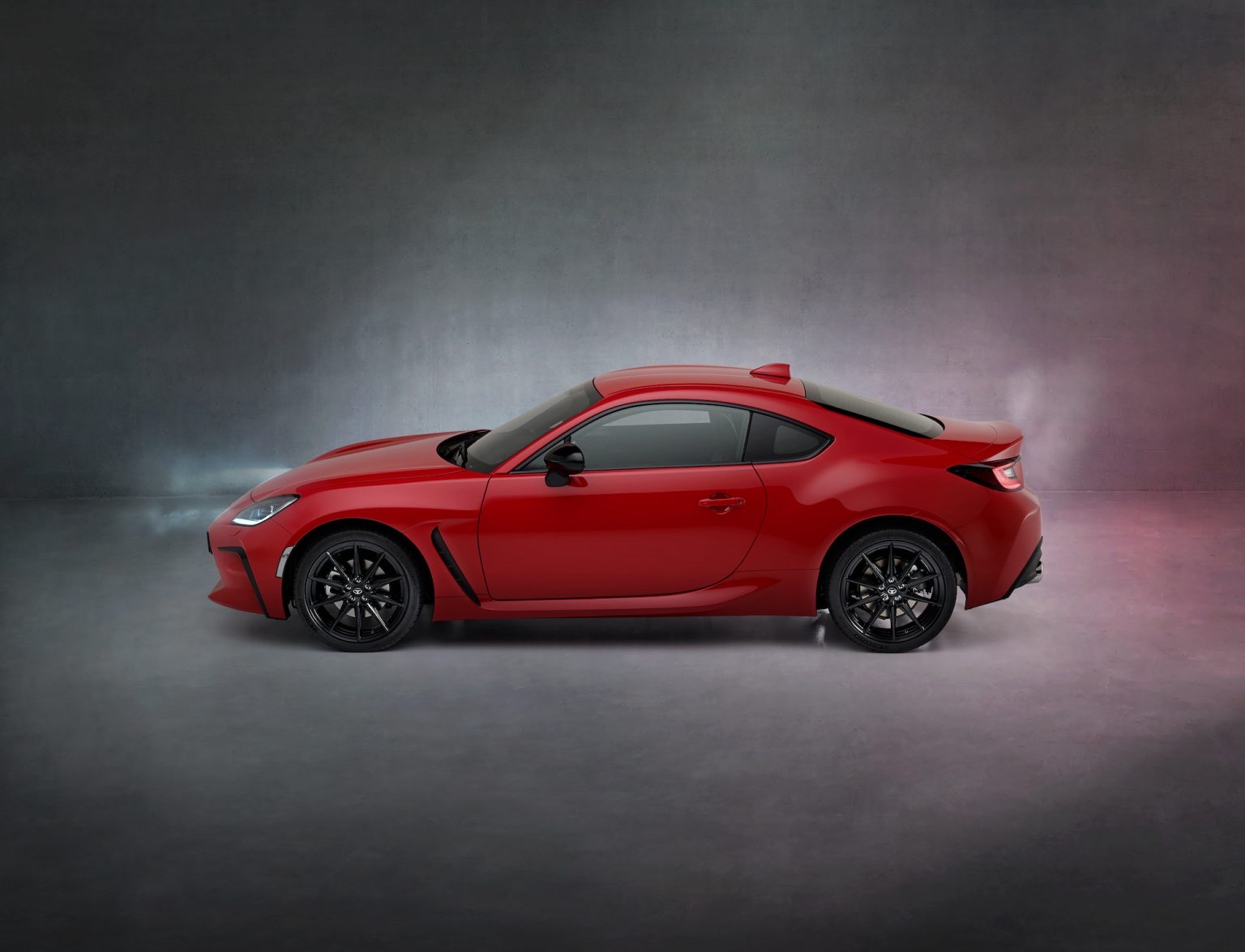
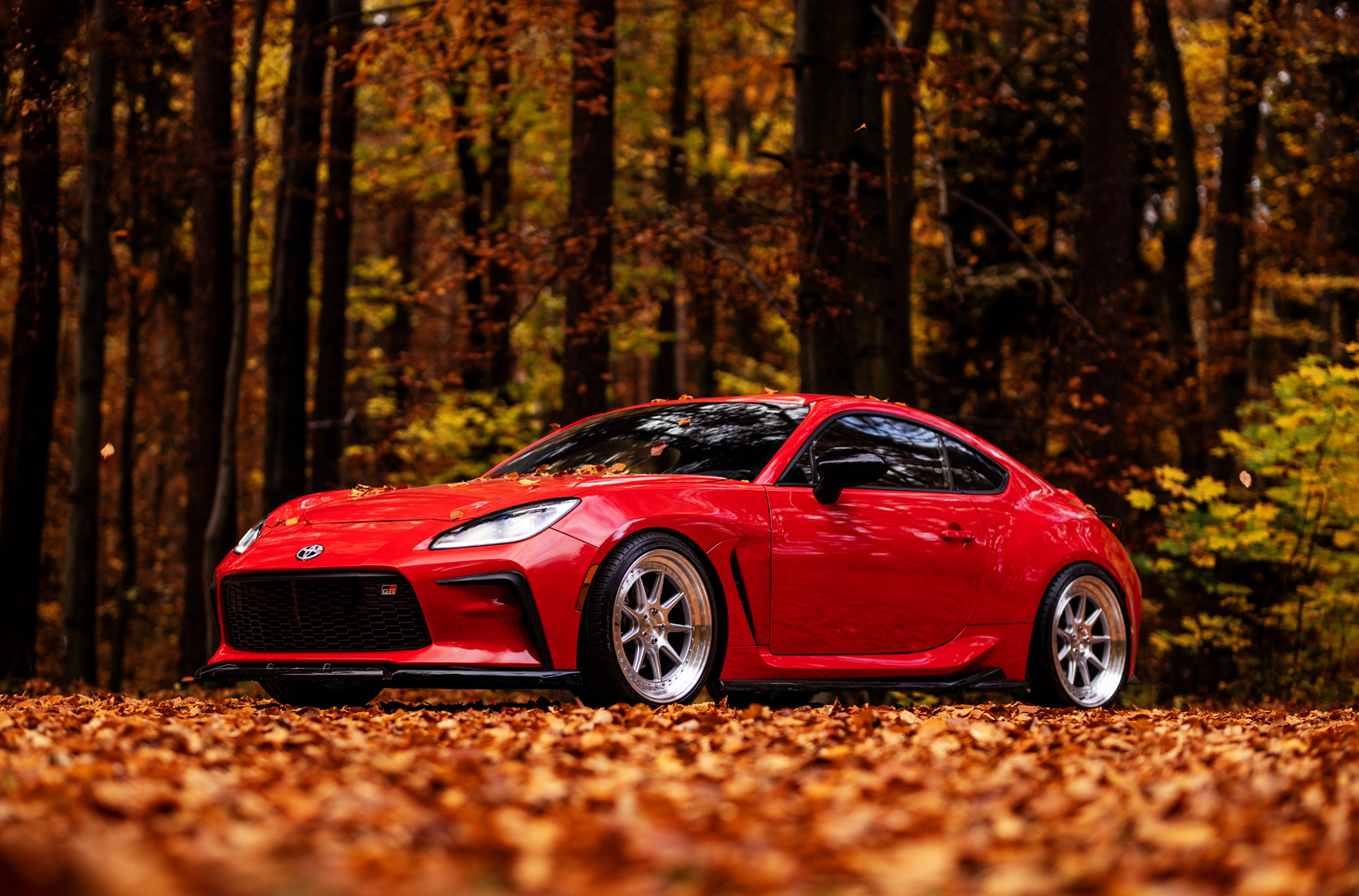
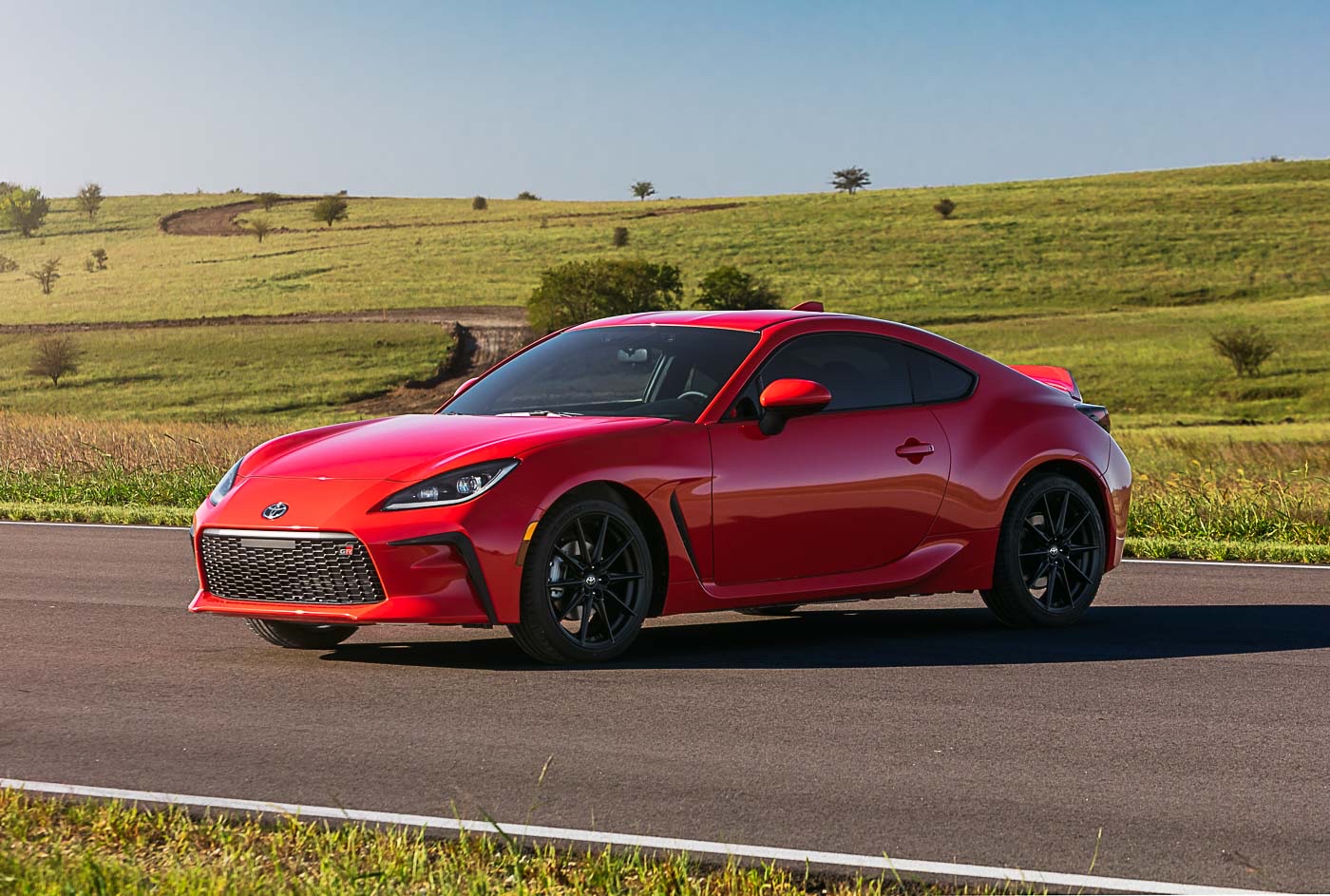
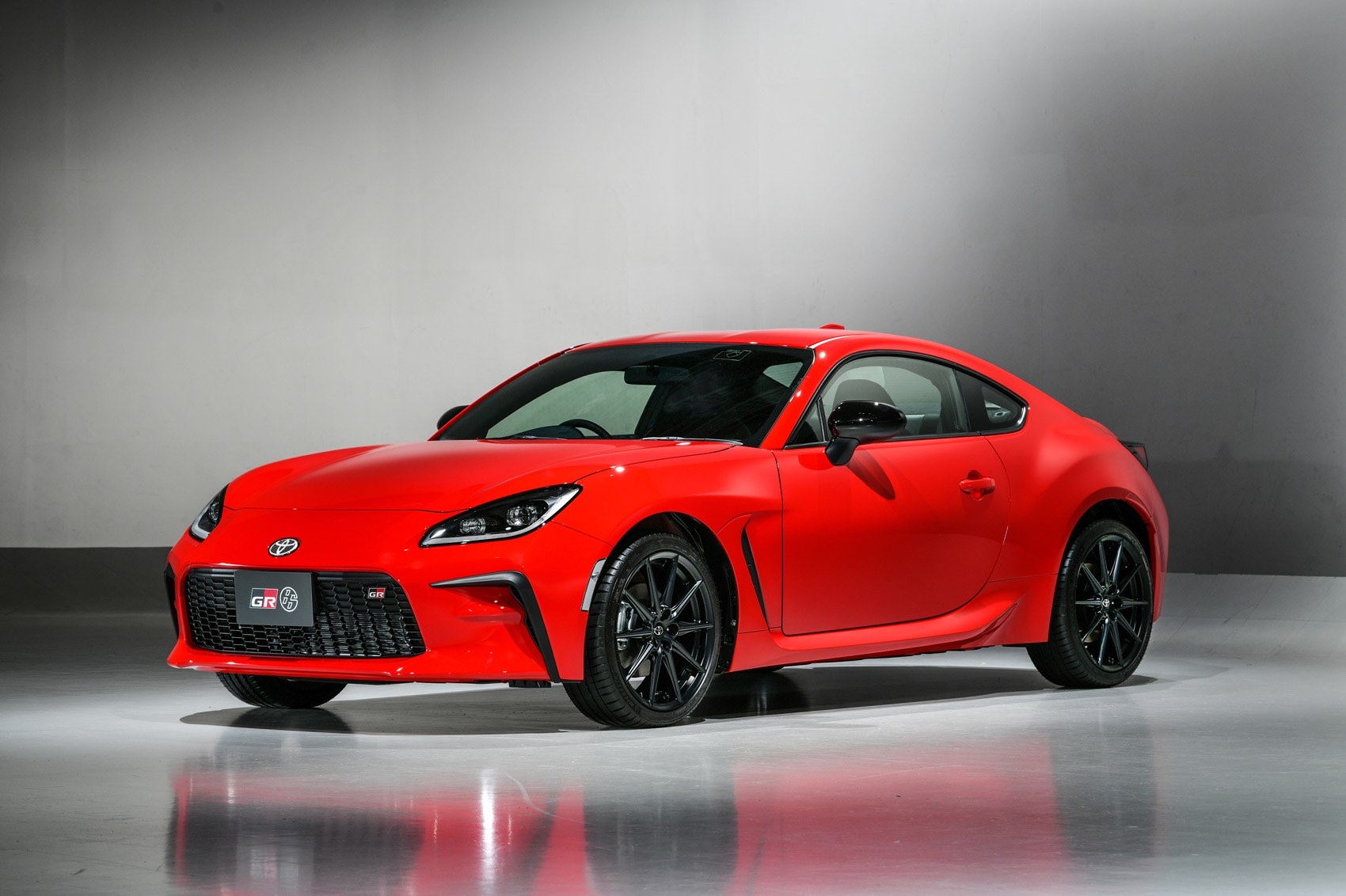
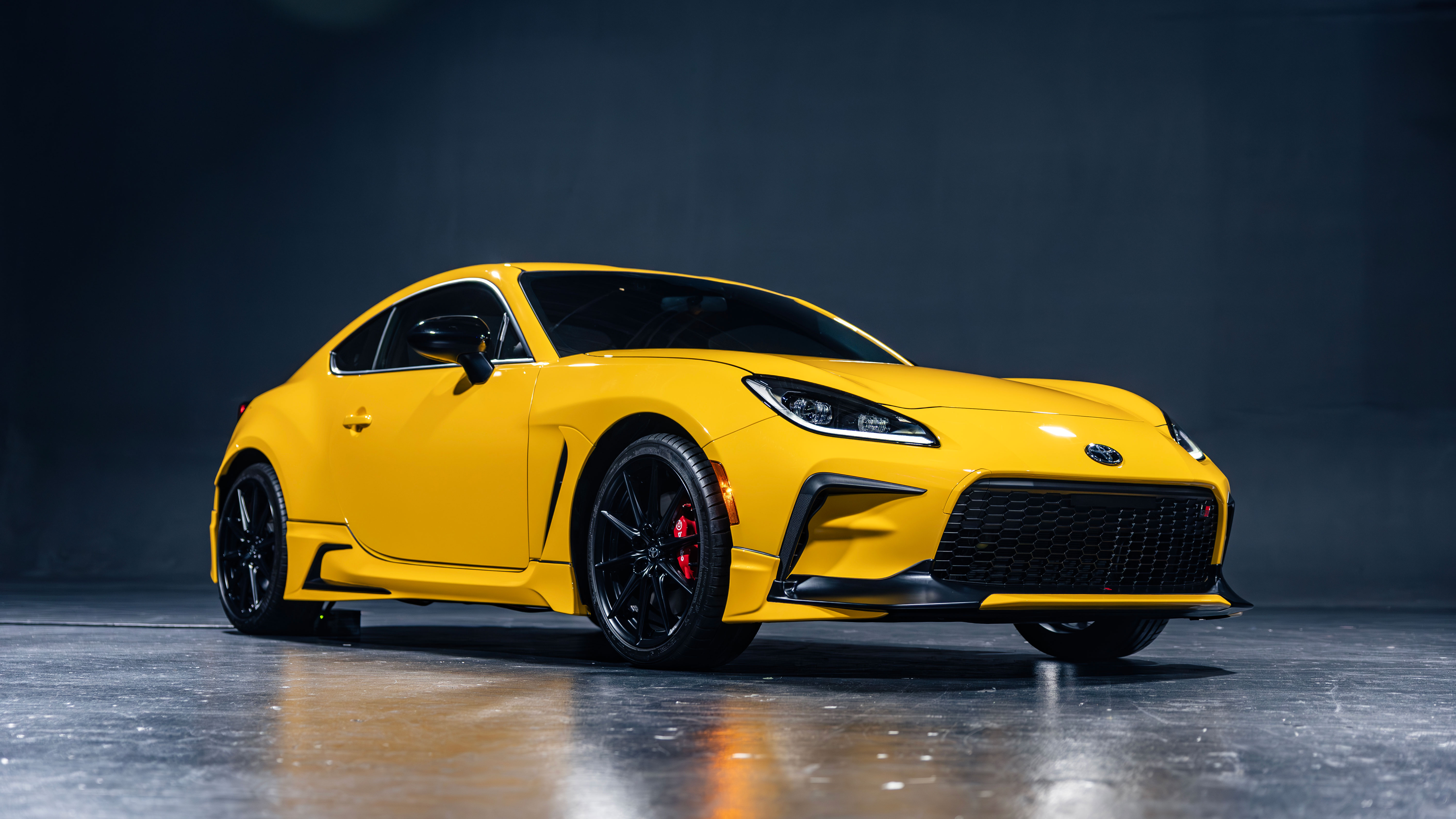
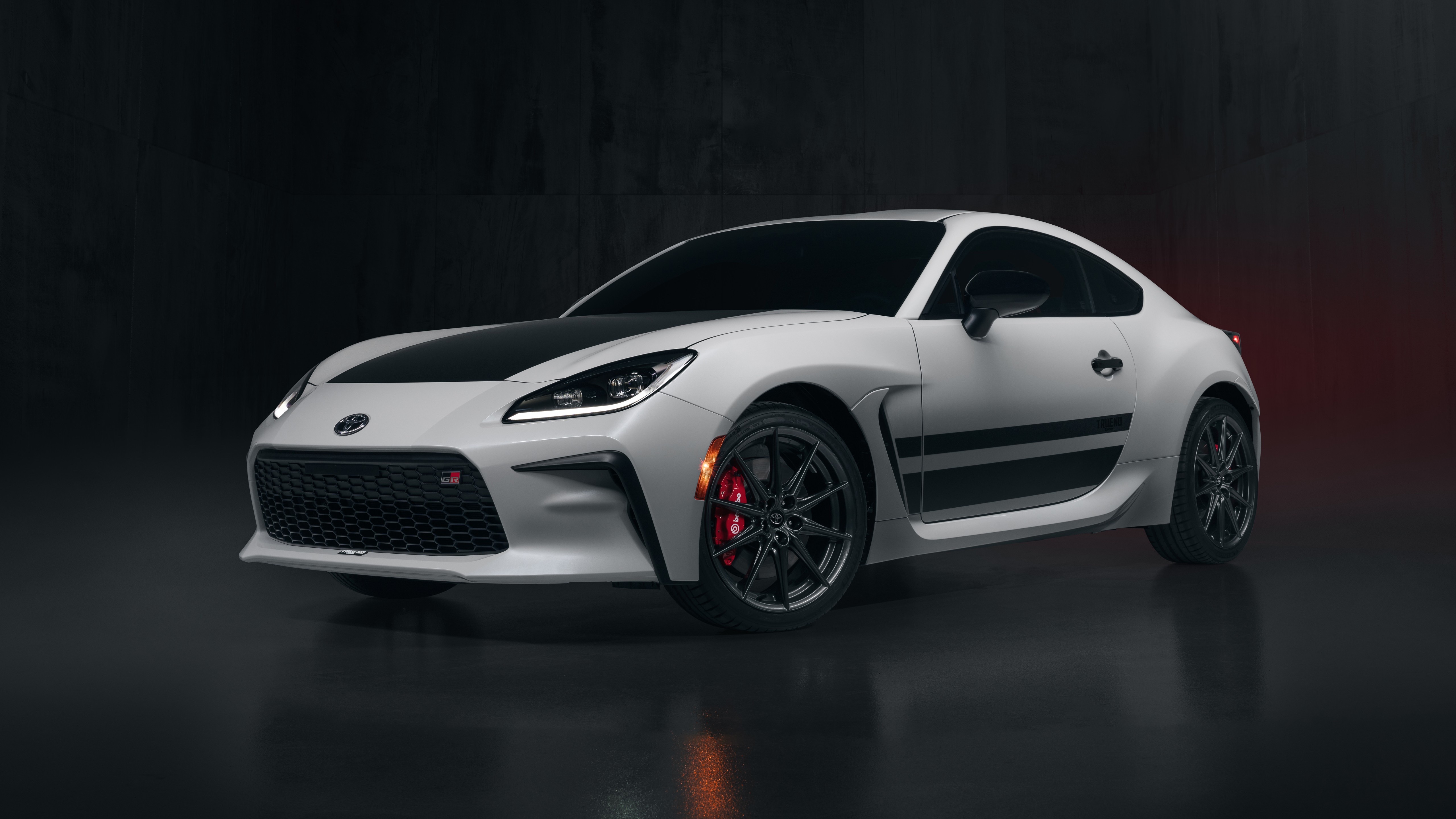
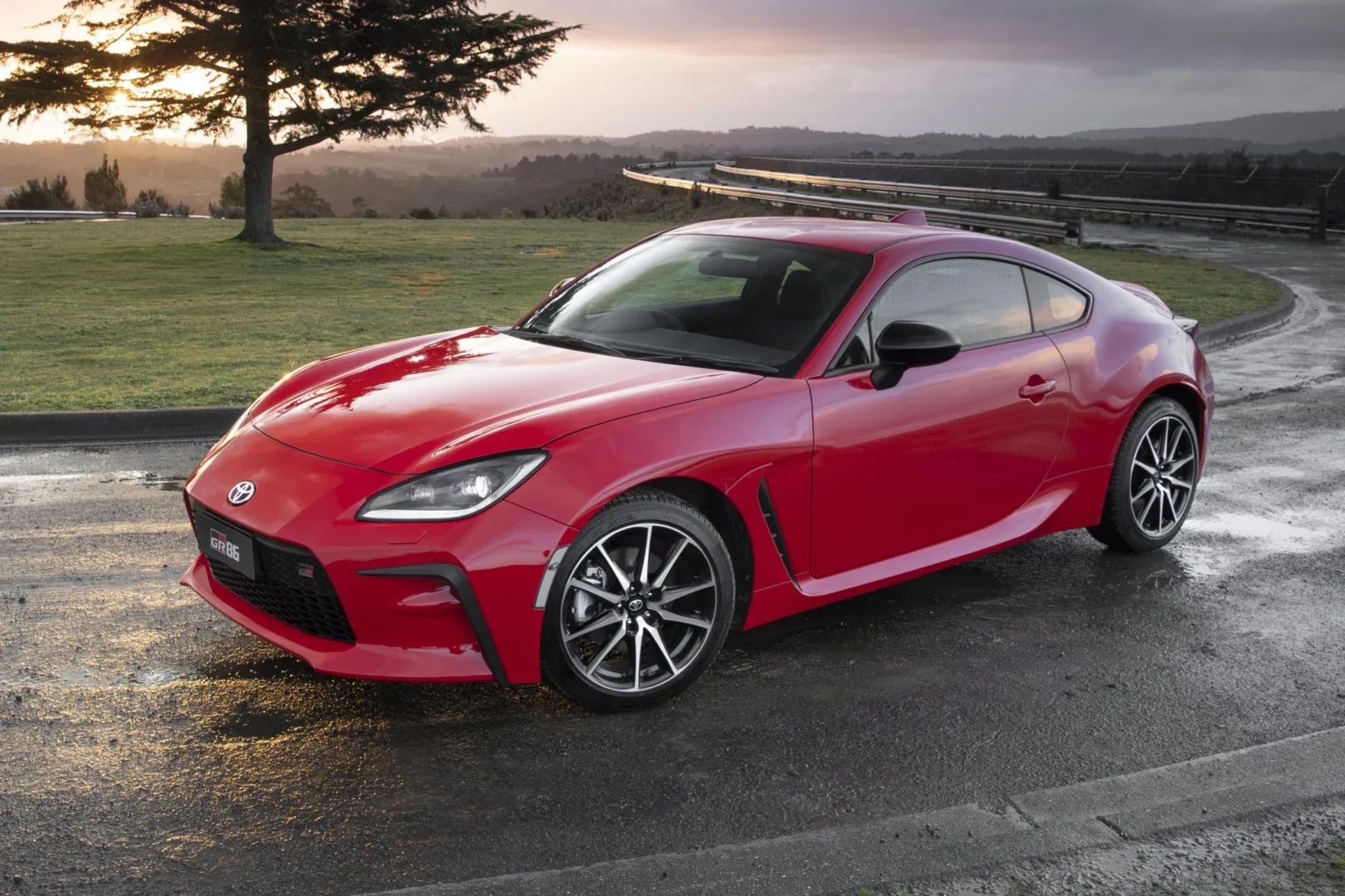
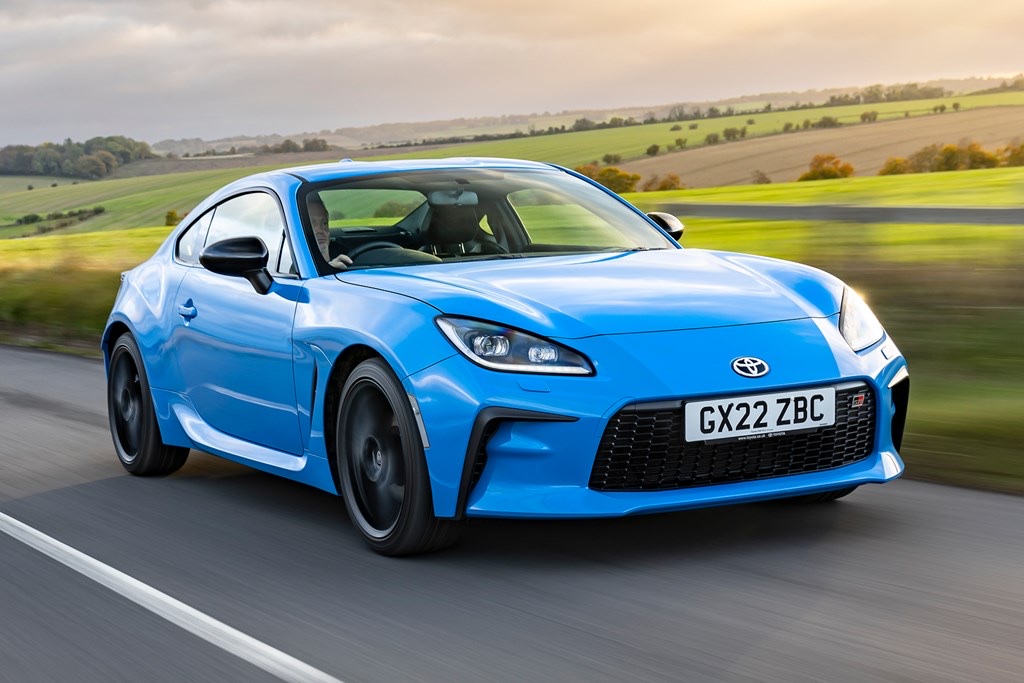
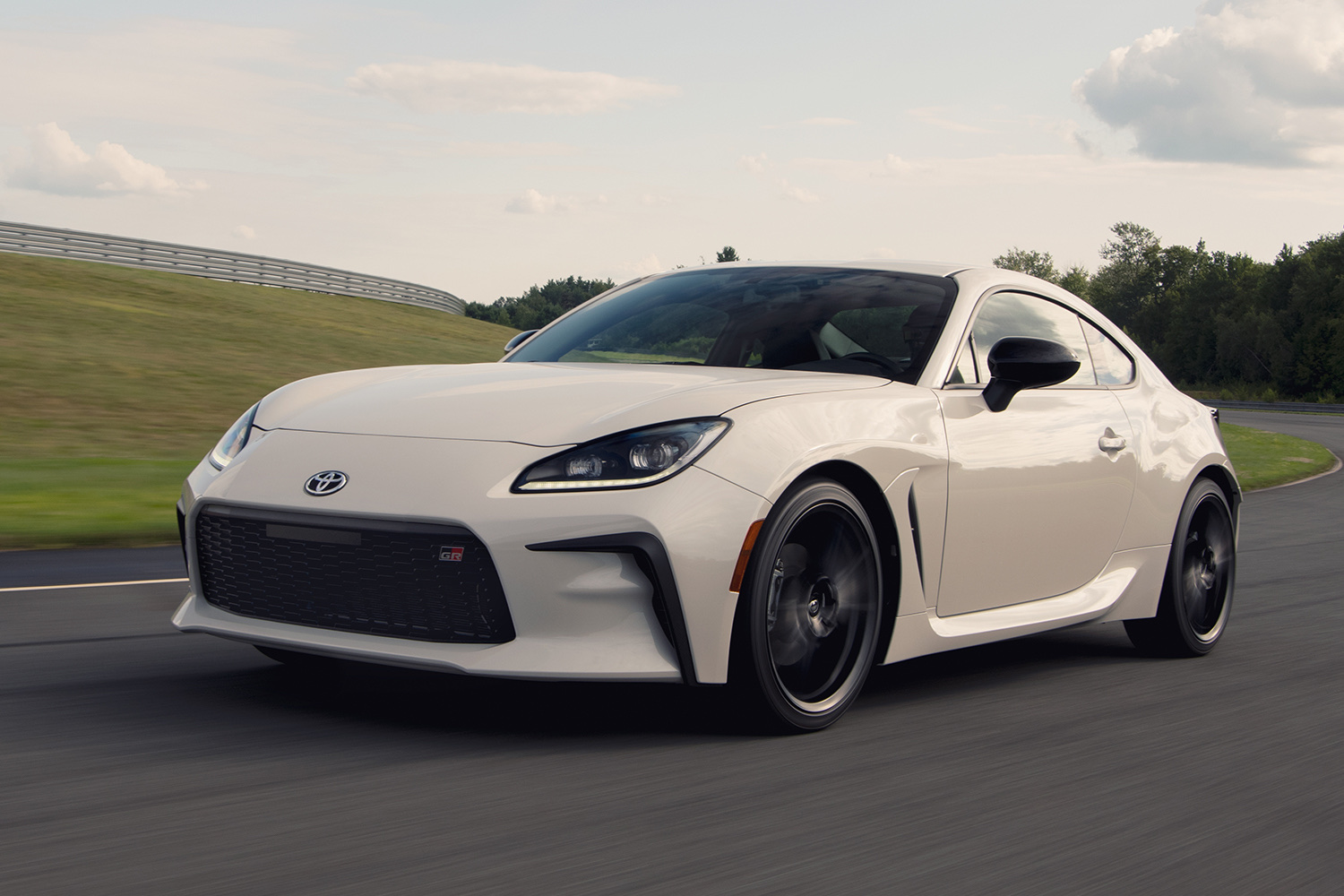
The exterior design of the 2021 Toyota GR86 highlights its performance-oriented character with a low, wide stance typical of a classic front-engine, rear-wheel-drive coupe. Measuring 4,265 mm in length and 1,310 mm in height, the car features active aerodynamic elements and lightweight body panels. The use of aluminum for the roof, hood, and front fenders helps keep the curb weight down to 1,270 kg, which also lowers the vehicle's center of gravity. Functional air vents behind the front wheels assist in airflow management, while the clean lines emphasize its athletic proportions.
Interior
Inside, the GR86 adopts a driver-focused, analog-heavy design philosophy. The two-zone climate control utilizes physical dials, and the dashboard features physical buttons for primary functions. Sports seats with pronounced side bolsters keep occupants secure during spirited driving. The cabin accommodates up to four passengers in a 2+2 layout, though rear seating is highly compact. Tech features include an 8-inch touchscreen infotainment system that supports wired Apple CarPlay and Android Auto. Replacing traditional analog gauges is a 7-inch digital instrument cluster that displays vital performance data. Cargo capacity is modest, offering 177 liters of boot space.
Performance
Under the hood, the GR86 replaces its predecessor's 2.0-liter engine with a larger 2.4-liter naturally aspirated boxer four-cylinder engine. This powerplant features combined fuel injection and a 12.5:1 compression ratio, producing 234 horsepower at 7,000 rpm and 250 Nm of torque at 3,700 rpm. Power is sent exclusively to the rear wheels. Buyers can choose between a 6-speed manual transmission or a 6-speed automatic sourced from Aisin. The manual version accelerates from 0 to 100 km/h in 6.3 seconds with a top speed of 226 km/h, while the automatic variant covers the sprint in 6.9 seconds and tops out at 216 km/h.
Practicality
As a two-door sports coupe, the GR86 prioritizes driving dynamics over everyday utility. While it offers four seats, the rear bench is well suited for small items or occasional short trips. The trunk provides 177 liters of cargo volume, sufficient for daily essentials or a couple of soft bags. A 50-liter fuel tank offers decent driving range, especially in the automatic model which averages 9.4 liters per 100 km on the combined cycle, compared to 10.7 liters for the manual version. Its 10.9-meter turning diameter and 130 mm of ground clearance make it manageable in urban environments.
Safety and tech
Safety and driver assistance systems on the Toyota GR86 include several active driver aids. The coupe is equipped with automatic emergency braking, lane departure warning, and blind-spot monitoring. Drivers also benefit from a rear cross-traffic alert system and adaptive cruise control. The digital dashboard changes layout based on the selected drive mode to keep essential information visible. Lighting is handled by LED units, and the infotainment system provides standard smartphone integration.
Buyer notes
When choosing a Toyota GR86, buyers must primarily decide between the two gearbox options. The six-speed manual delivers quicker acceleration and a more engaging mechanical feel, though it is slightly less fuel-efficient. The six-speed automatic offers convenience for daily commuting and improved fuel economy, particularly on the highway, but has a slightly slower acceleration time of 6.9 seconds. Standard mechanical features like the Torsen limited-slip differential are included across both configurations, making the choice down to transmission preference. Exact equipment levels may vary depending on local market specifications.
Trims and key specifications
Use this table to compare the main differences between available configurations.
| Trim / modification | Engine | Power | Seats | Transmission |
|---|---|---|---|---|
| 2.4i (234 hp) 6-Mex | 2387 cc | 234 hp | 4 | 6-Mex |
| 2.4i (234 hp) 6-speed automatic | 2387 cc | 234 hp | 4 | 6-speed automatic |
Specifications can vary by market, model year, and equipment package. Use the trim sections below to review the full data for each configuration.
Toyota GR86 photo gallery
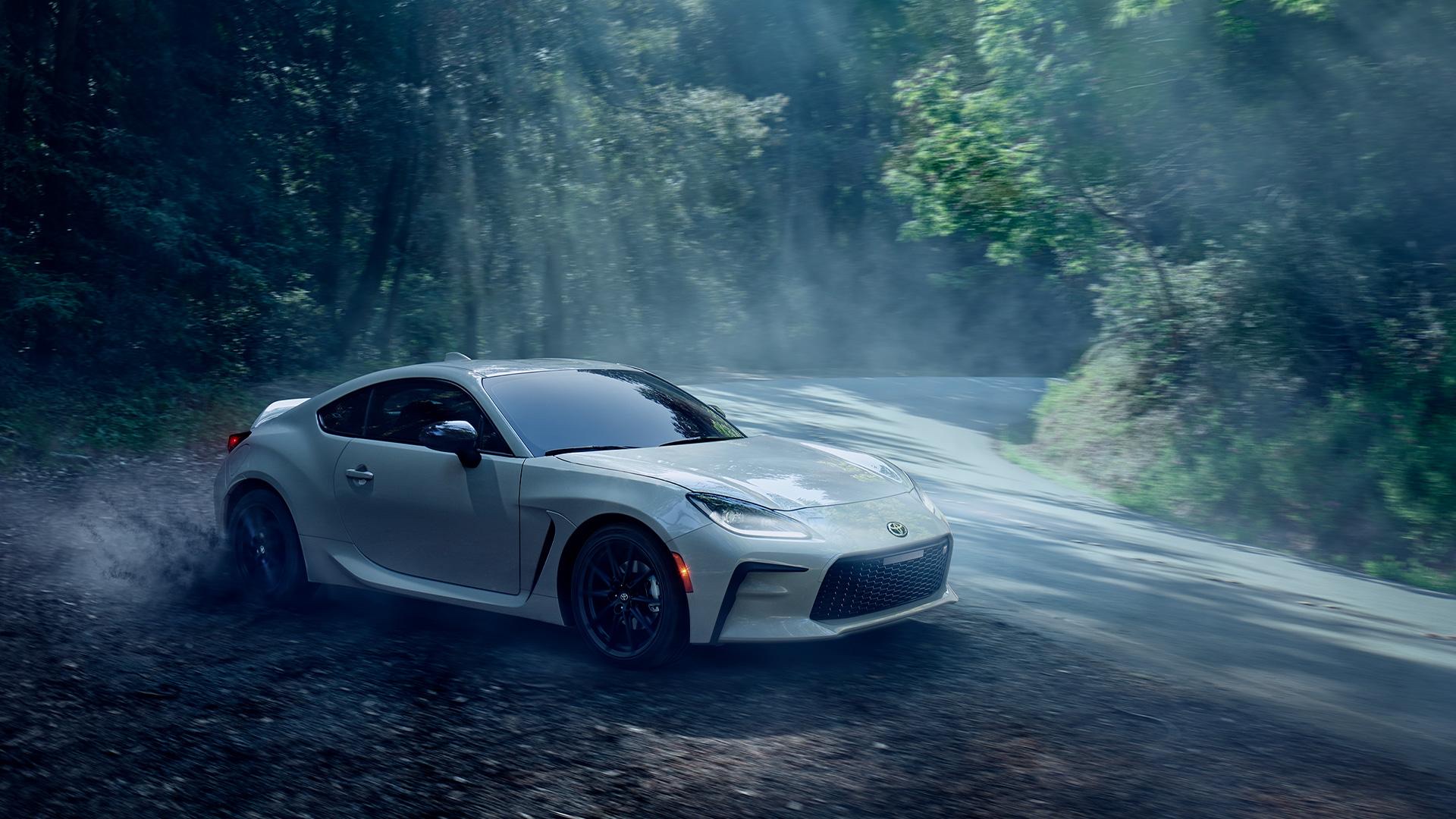
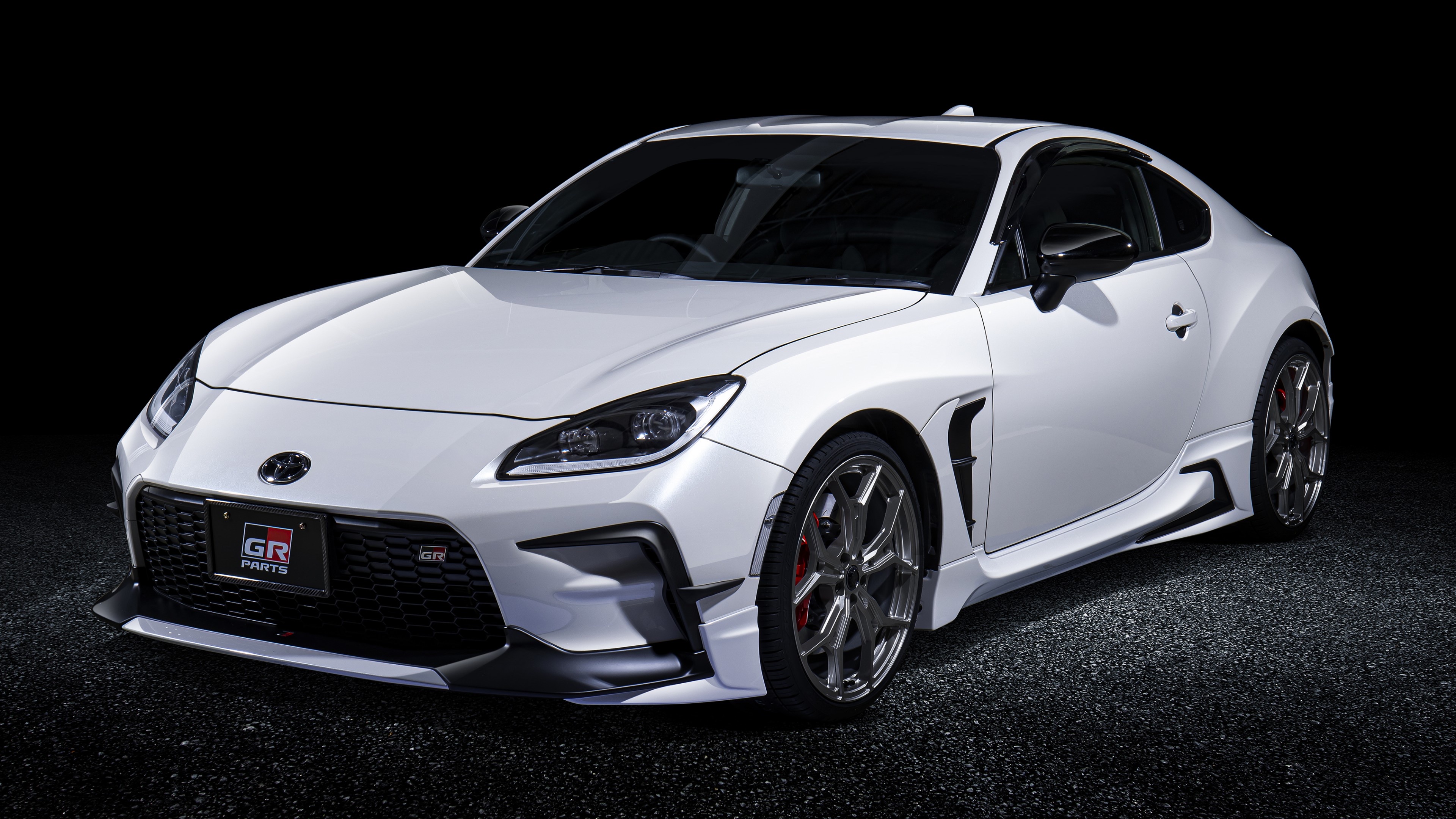
19 images are collected here with the main specifications and trim data for this model.
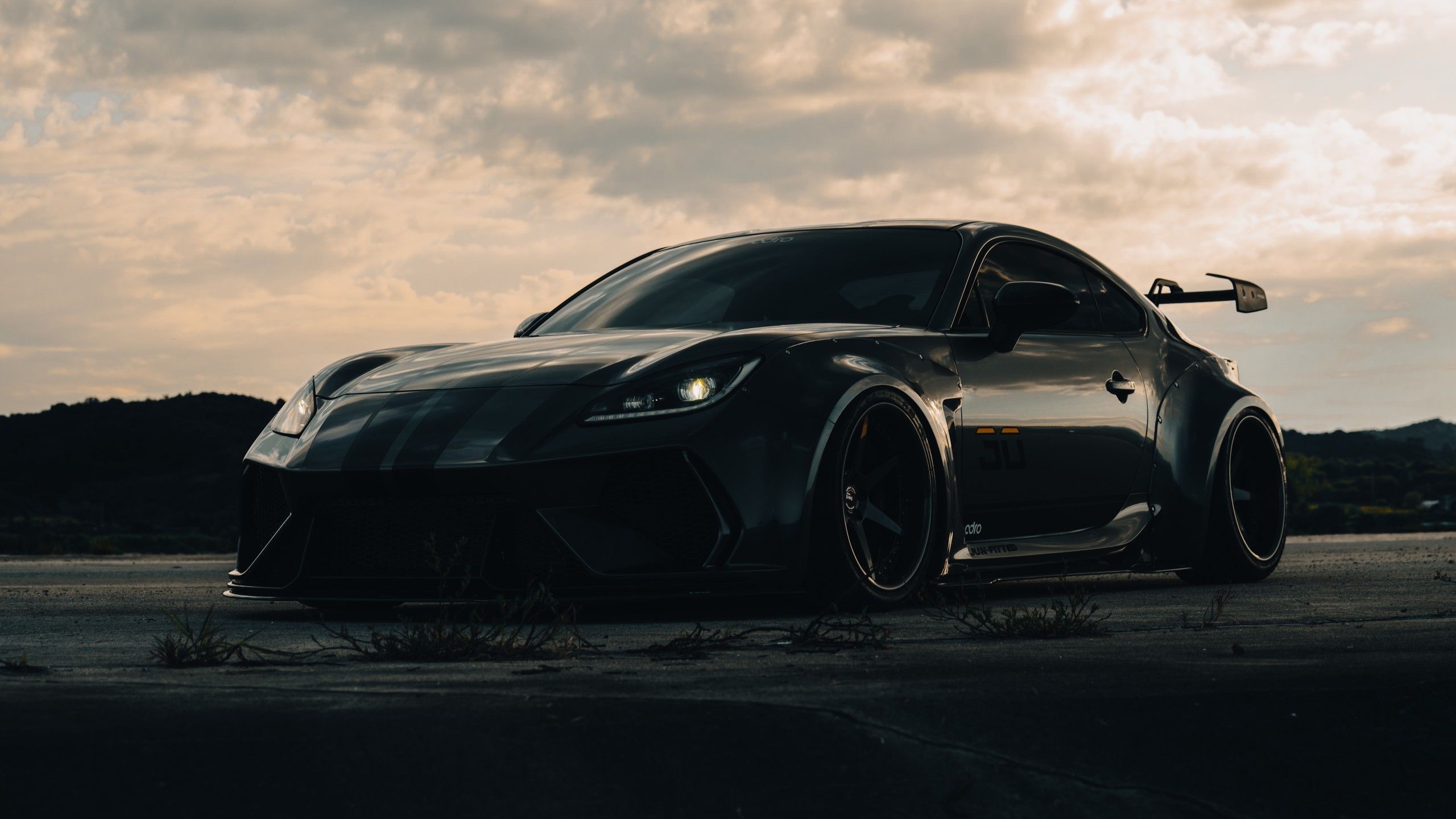
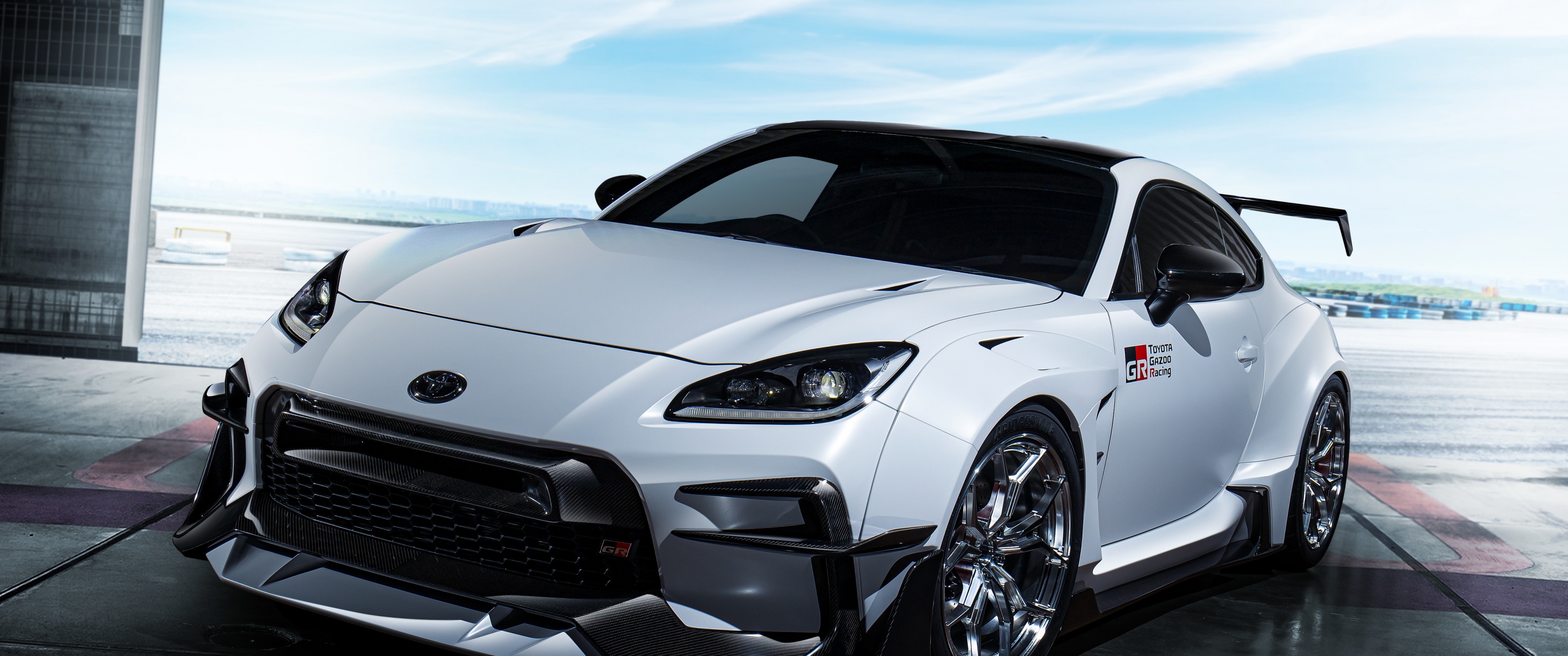
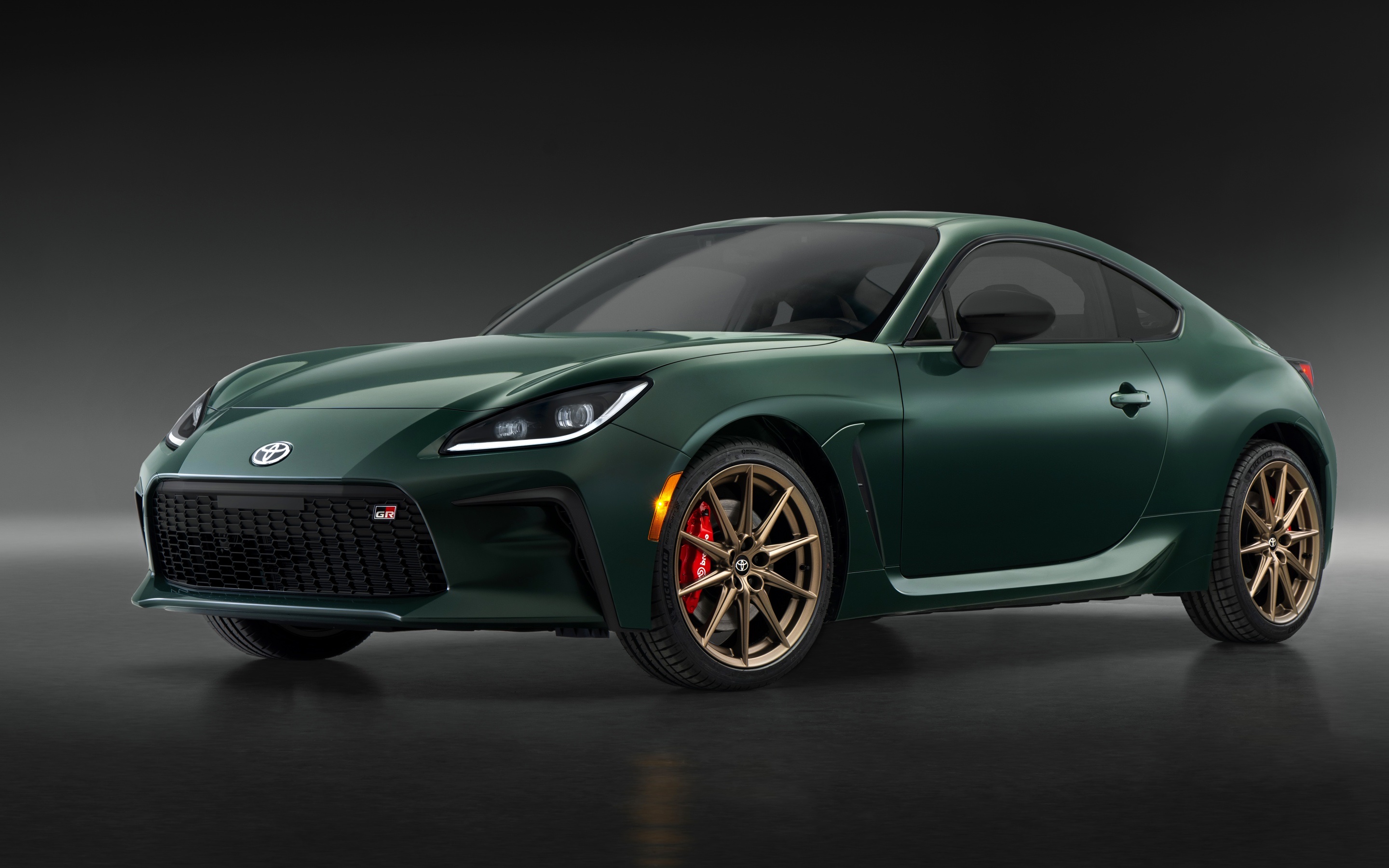
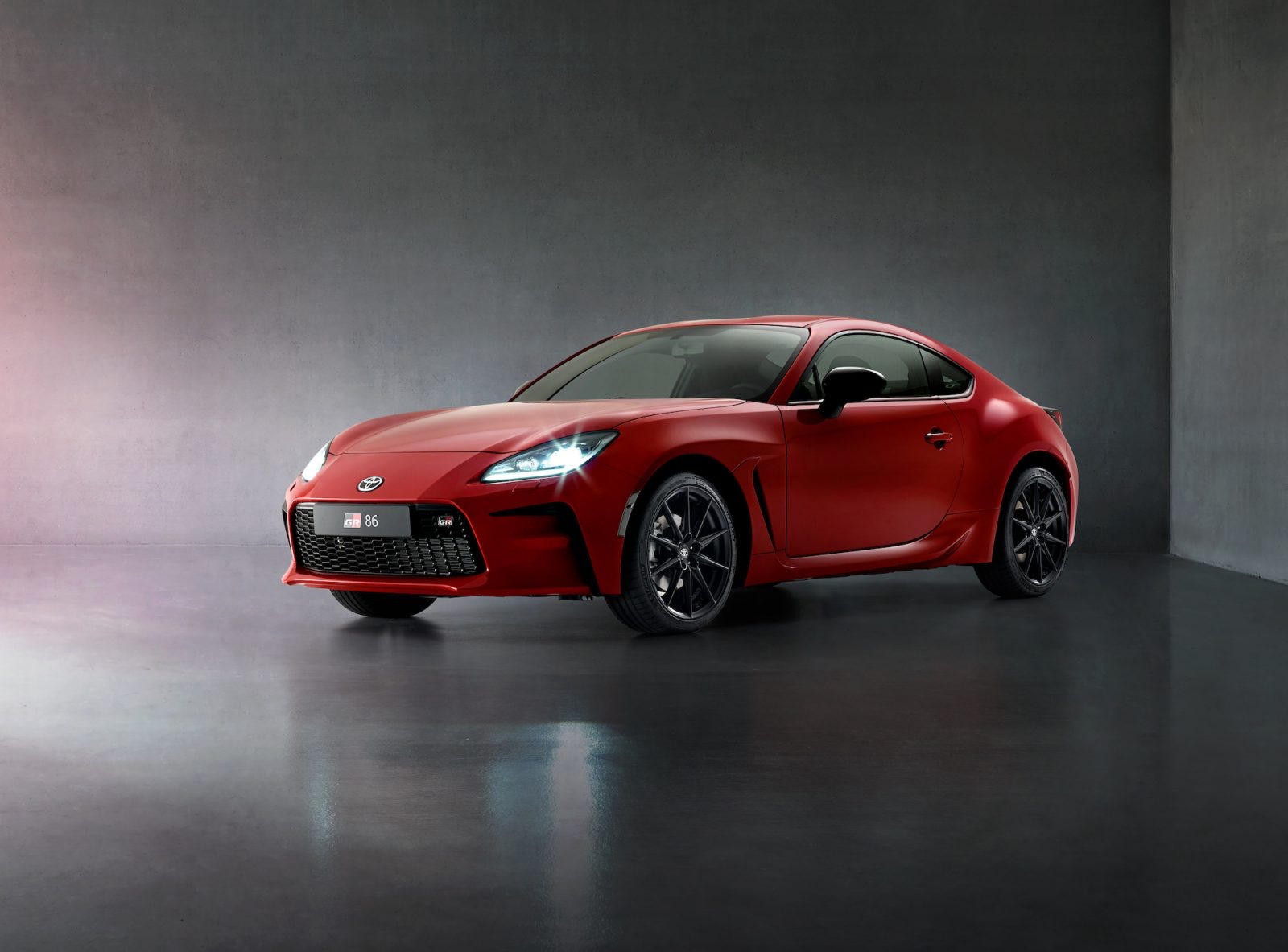
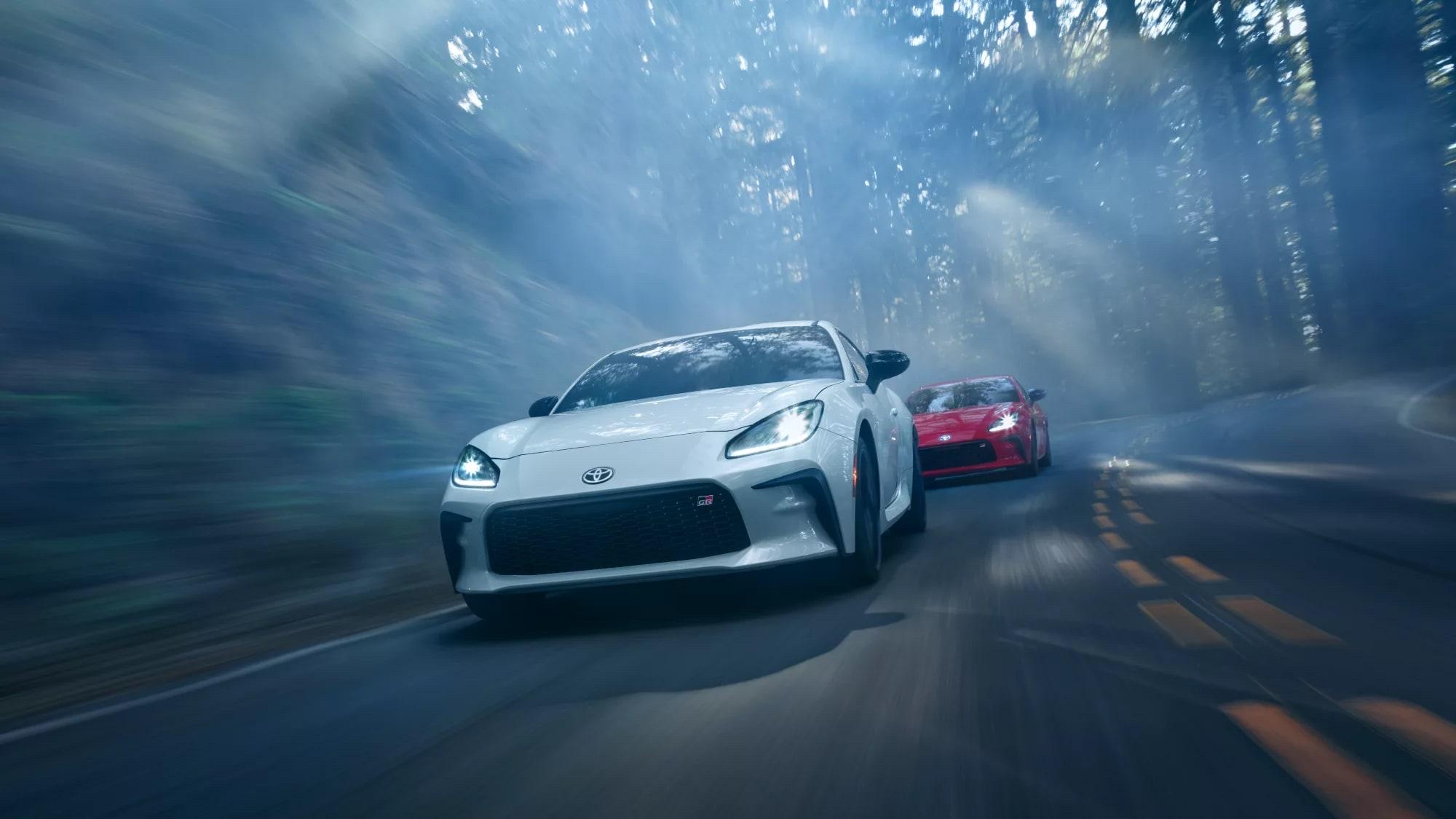
Photo Toyota GR86

Specifications by trim
Choose a configuration below to open full technical data grouped by category.
2.4i (234 hp) 6-Mex 35 specifications
Specifications
Performance and consumption
| Fuel consumption city, L/100 km | 11.8 |
|---|---|
| Fuel consumption highway, L/100 km | 8.7 |
| Fuel consumption combined, L/100 km | 10.7 |
| Top speed, km/h | 226 |
| Acceleration 0-100 km/h, s | 6.3 |
Engine
| Engine | 2.4i |
|---|---|
| Engine code | FA24D |
| Engine type | Internal combustion engine |
| Fuel type | Gasoline |
| Engine displacement, cc | 2387 |
| Cylinder layout | Boxer |
| Number of cylinders | 4 |
| Valves | 16 |
| Compression ratio | 12.5:1 |
| Power, hp | 234 |
| RPM at max power | 7000 |
| Torque, Nm | 250 |
| RPM at max torque | 3700 |
Dimensions
| Seats | 4 |
|---|---|
| Length, mm | 4265 |
| Height, mm | 1310 |
| Wheelbase, mm | 2575 |
| Front track, mm | 1520 |
| Rear track, mm | 1550 |
| Kerb weight, kg | 1270 |
| Gross weight, kg | 1490 |
| Fuel tank capacity, L | 50 |
| Turning circle, m | 10.9 |
| Ground clearance, mm | 130 |
| Width without mirrors, mm | 1775 |
| Trunk capacity, L | 177 |
Transmission and drive
| Transmission | 6-Mex |
|---|---|
| Transmission type | manual |
| Drive | Rear-wheel drive |
| Number of gears | 6 |
2.4i (234 hp) 6-speed automatic 38 specifications
Specifications
Performance and consumption
| Fuel consumption city, L/100 km | 11.2 |
|---|---|
| Fuel consumption highway, L/100 km | 7.6 |
| Fuel consumption combined, L/100 km | 9.4 |
| Top speed, km/h | 216 |
| Acceleration 0-100 km/h, s | 6.9 |
Engine
| Engine | 2.4i |
|---|---|
| Engine code | FA24D |
| Engine type | Internal combustion engine |
| Fuel type | Gasoline |
| Engine displacement, cc | 2387 |
| Cylinder layout | Boxer |
| Number of cylinders | 4 |
| Valves | 16 |
| Compression ratio | 12.5:1 |
| Power, hp | 234 |
| RPM at max power | 7000 |
| Torque, Nm | 250 |
| RPM at max torque | 3700 |
Dimensions
| Seats | 4 |
|---|---|
| Length, mm | 4265 |
| Height, mm | 1310 |
| Wheelbase, mm | 2575 |
| Front track, mm | 1520 |
| Rear track, mm | 1550 |
| Kerb weight, kg | 1270 |
| Gross weight, kg | 1490 |
| Fuel tank capacity, L | 50 |
| Turning circle, m | 10.9 |
| Ground clearance, mm | 130 |
| Width without mirrors, mm | 1775 |
| Trunk capacity, L | 177 |
Transmission and drive
| Transmission | 6-speed automatic |
|---|---|
| Transmission type | automatic |
| Drive | Rear-wheel drive |
| Number of gears | 6 |
| Transmission manufacturer | Aisin |
| Automatic transmission | + |
| Transmission country | Japan |
Toyota GR86 questions
Short answers based on the specifications and photos available in this catalog.
What engine does the 2021 Toyota GR86 use?
The 2021 Toyota GR86 is powered by a 2.4-liter naturally aspirated flat-four (boxer) engine, carrying the code FA24D. This engine produces 234 horsepower and 250 Nm of torque. It is paired with either a 6-speed manual or a 6-speed automatic transmission.
What are the transmission options and their performance differences?
Buyers can choose between a 6-speed manual and a 6-speed automatic transmission. The manual version is quicker, accelerating from 0 to 100 km/h in 6.3 seconds, while the automatic takes 6.9 seconds. However, the automatic variant is more fuel-efficient, averaging 9.4 liters per 100 km compared to the manual's 10.7 liters.
How practical is the Toyota GR86 for daily use?
As a compact coupe, the GR86 has limited everyday utility. It features a 2+2 seating layout, but the rear seats are very tight and suitable used for extra luggage. The trunk capacity is 177 liters, which is suitable for basic groceries or small travel bags.
What safety features are available on this model?
The GR86 offers modern driver assistance technologies including automatic emergency braking, lane departure warning, and blind-spot monitoring. It also features a rear cross-traffic alert system. Adaptive cruise control is available to assist on longer drives.
What chassis improvements were made to this generation?
The second-generation GR86 received significant structural enhancements, resulting in a 50 percent increase in torsional body rigidity. This was achieved by using more high-strength steel and structural adhesives, alongside aluminum for the roof, hood, and front fenders. Additionally, the rear stabilizer bar is attached directly to the subframe to improve handling stability.