Dacia Logan Van specifications and photos
The 2007 Dacia Logan Van is a compact commercial vehicle designed for utility and affordability. Based on the Logan platform, this two-seat van prioritizes cargo capacity and low running costs for small businesses.
Dacia Logan Van at a glance
Quick model context before comparing photos and trim-level specifications.
Introduced in 2007, the Dacia Logan Van serves as a straightforward commercial workhorse. It replaces the passenger cabin layout of the standard Logan estate with a dedicated cargo bay, offering budget-conscious businesses a reliable utility vehicle. The model is built with overall durability in mind, sacrificing styling elements in favor of low purchase and daily maintenance costs. It features a payload capacity of up to 800 kilograms and provides a cargo volume of 2.5 cubic meters, making it highly practical for urban deliveries and light transport tasks. Front-wheel drive and a five-speed manual transmission are standard across the range, ensuring simple and predictable driving dynamics. With its long wheelbase and basic equipment lists, the vehicle offers an uncomplicated and functional transportation solution for cargo transport.
- Power: 70-90 hp
- Engine displacement: 1461-1598 cc
- Transmissions: 5-speed manual
- Seating: 2 seats
Photos, trims and specifications for Dacia Logan Van
This model page brings gallery images, trim comparison, and detailed technical data together for the 2007 generation.
Estimate fuel cost
Use trim-level fuel consumption data to estimate monthly and yearly fuel spending.
Fuel costs are estimates. Real consumption can change with driving style, traffic, tires, weather, load, and market-specific equipment.
Dacia Logan Van overview
Editorial context for design, cabin, performance, practicality, and buyer notes.
Design
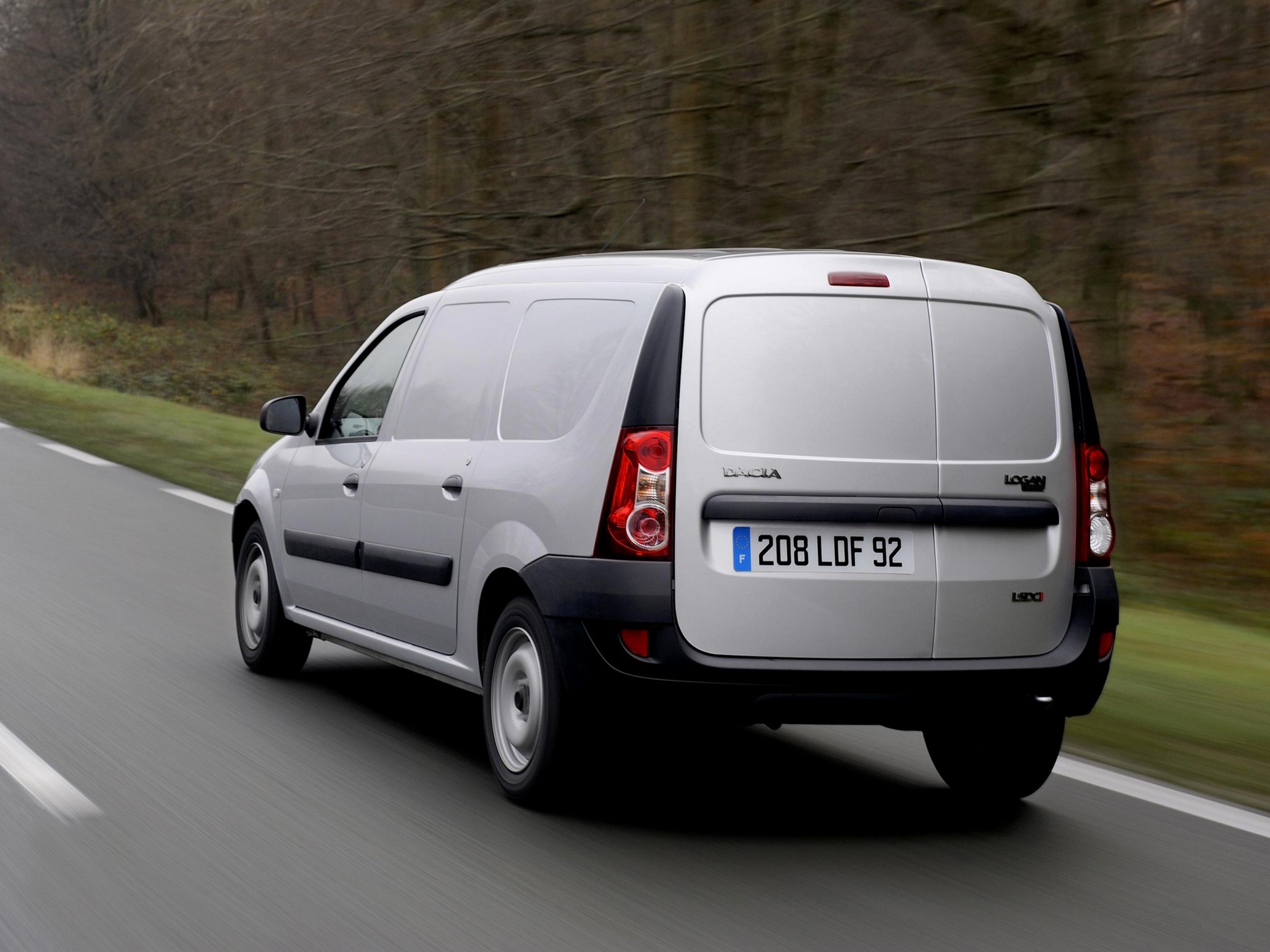
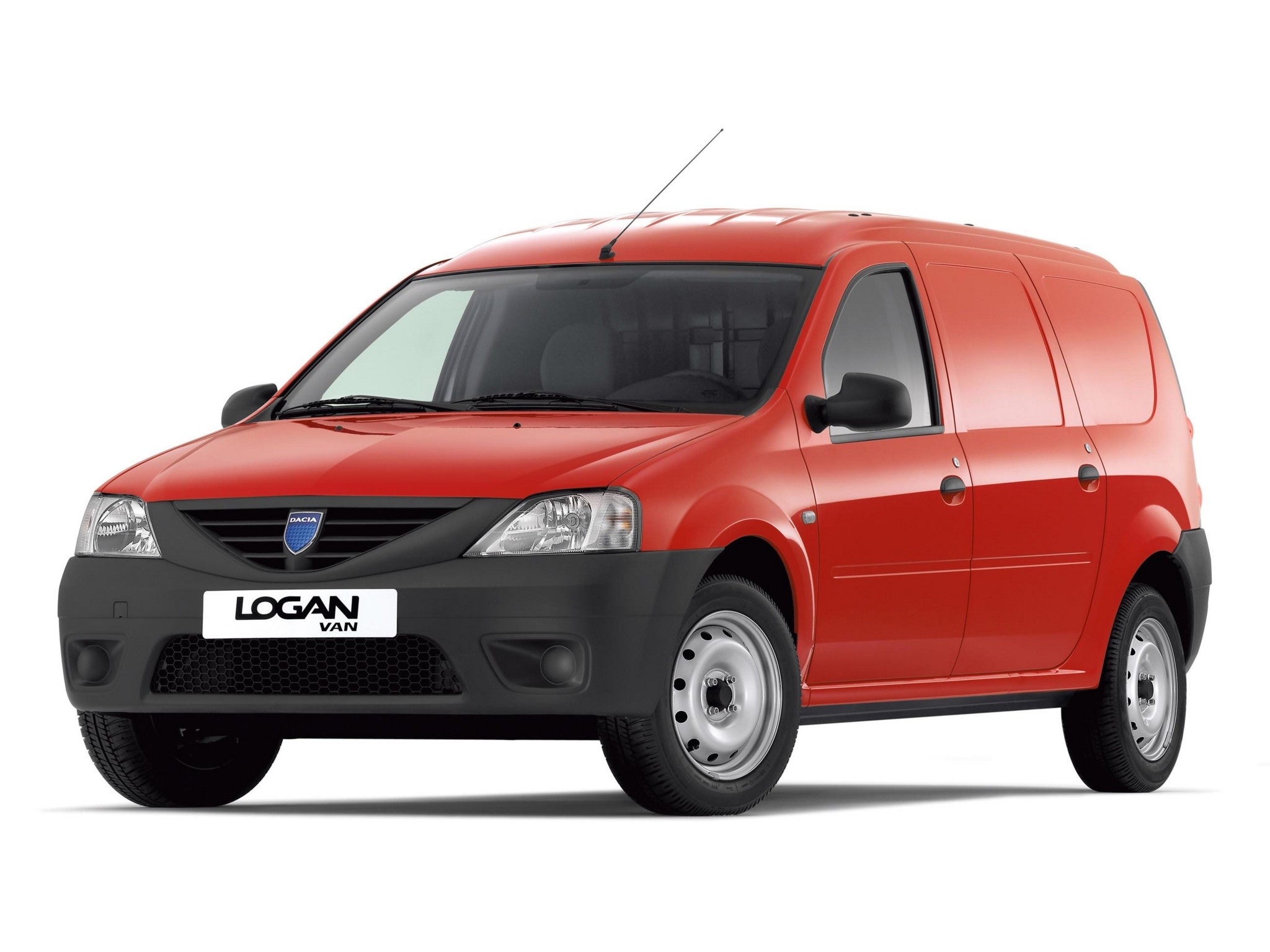
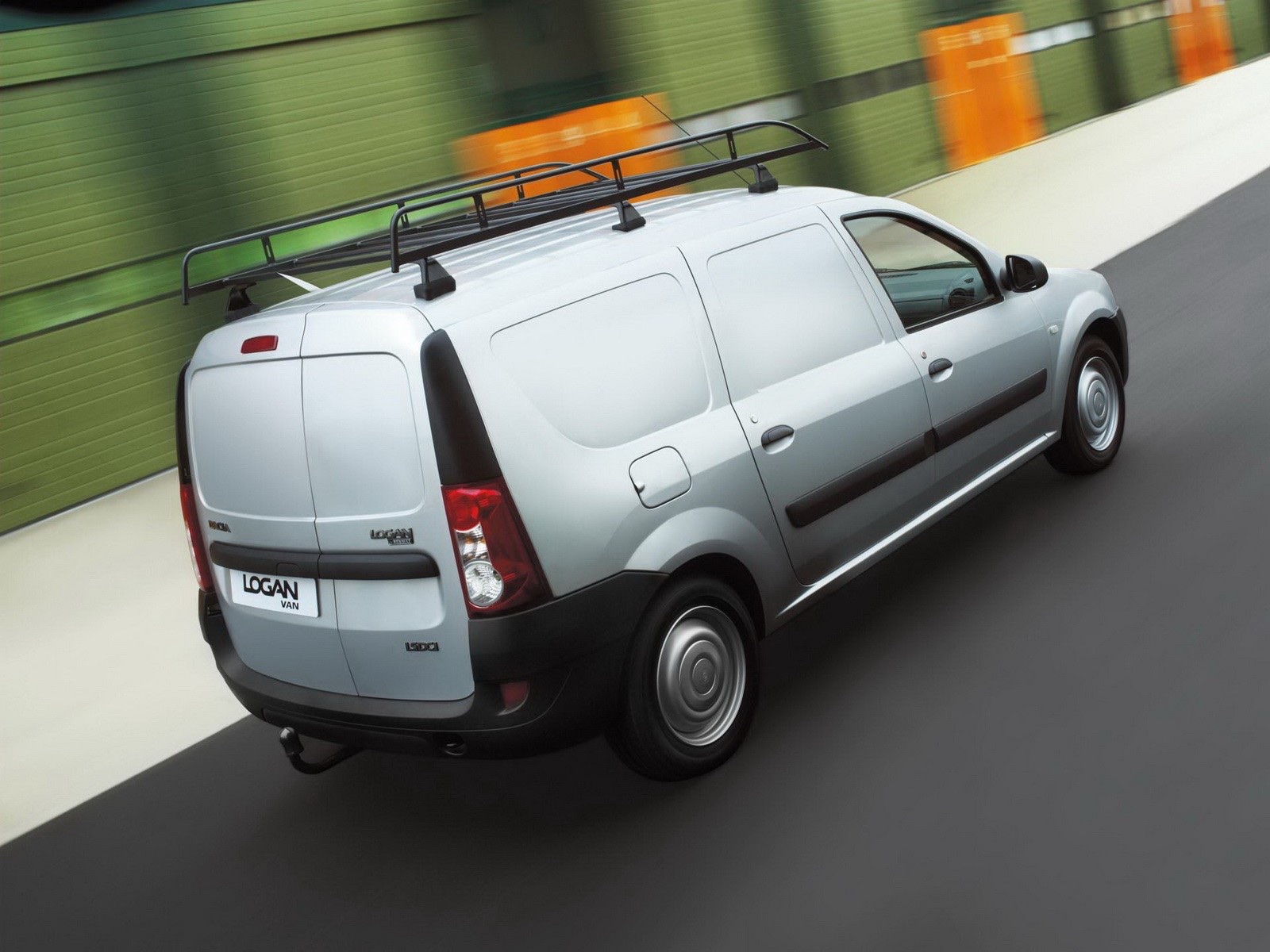
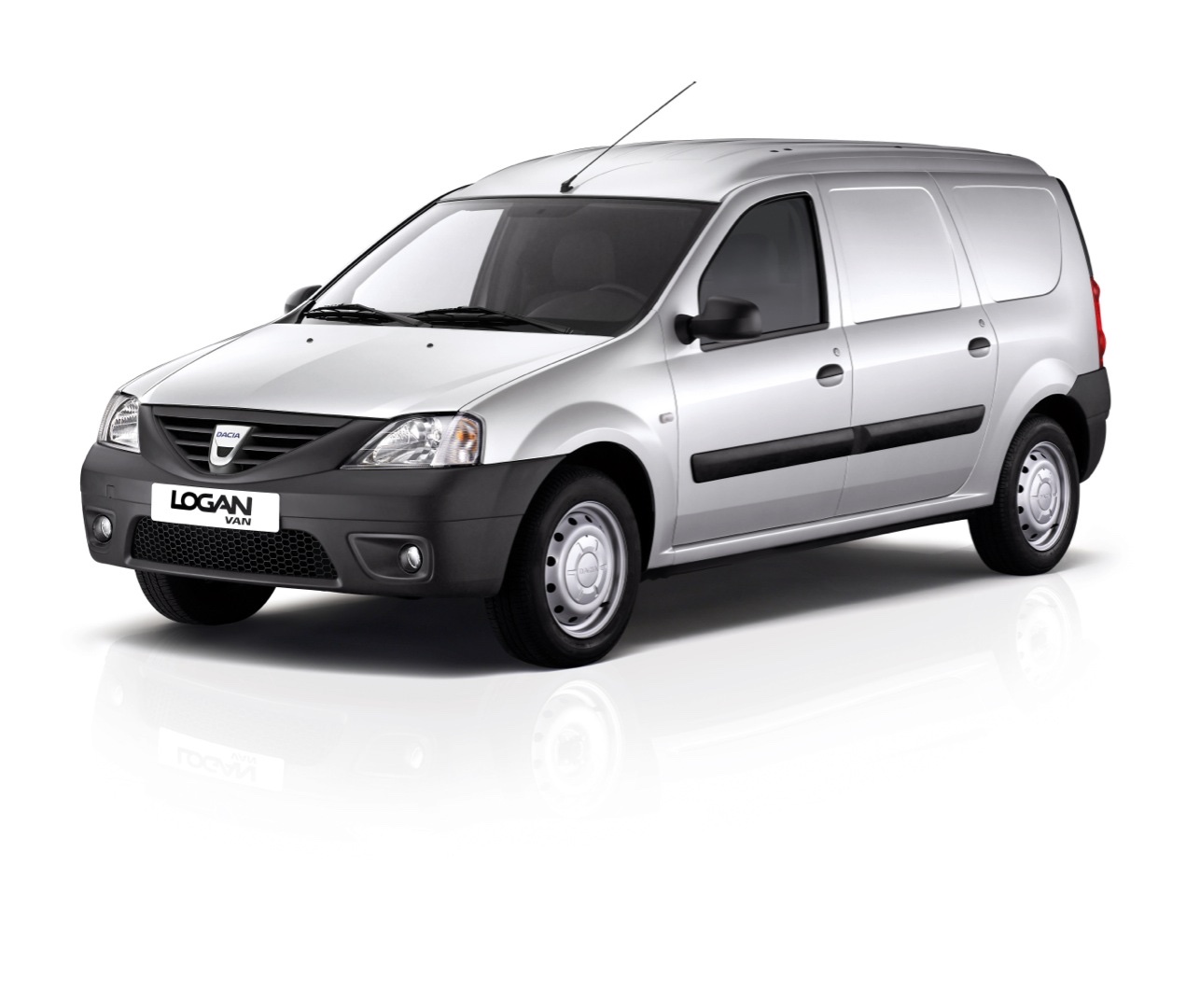
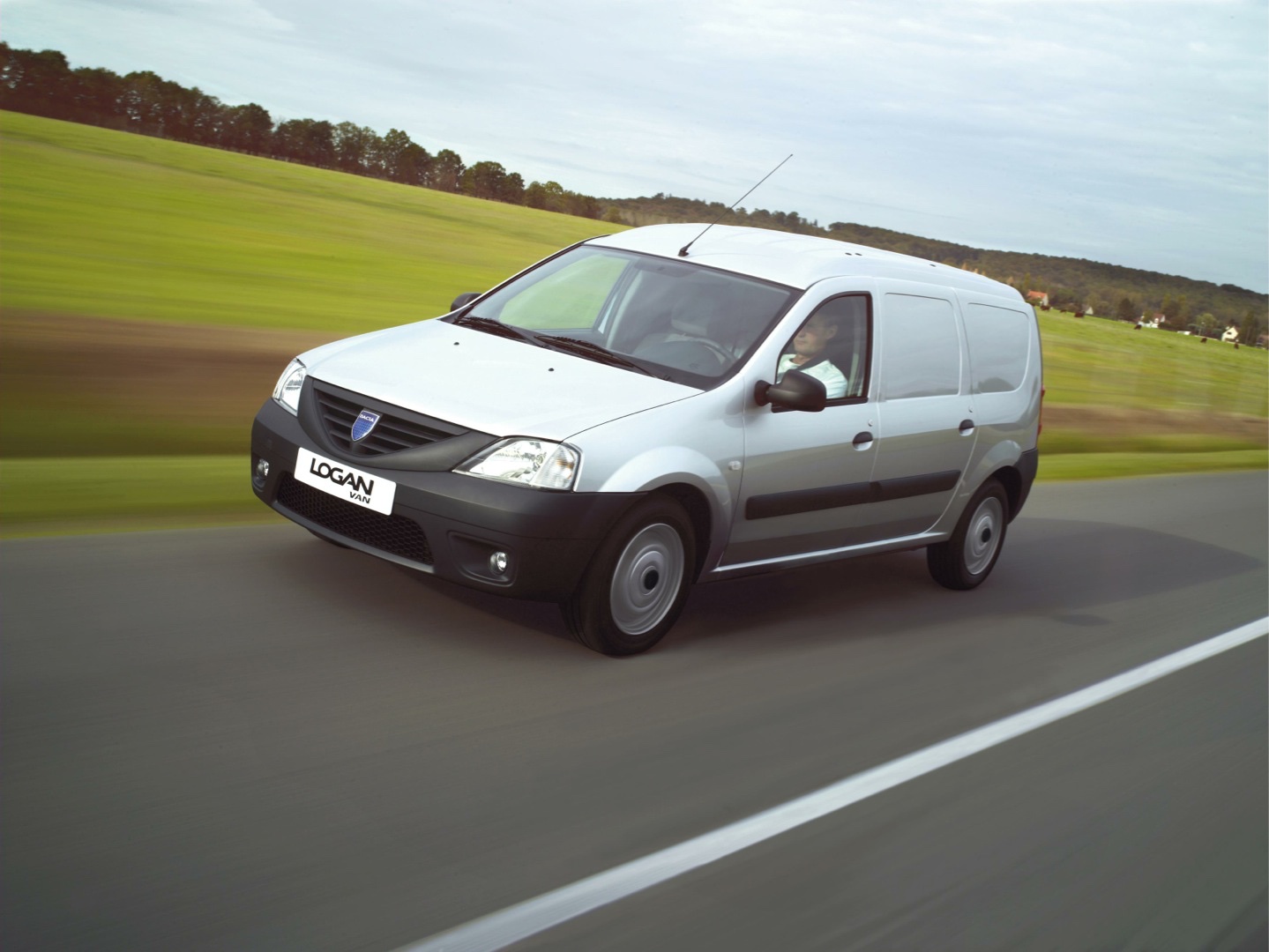
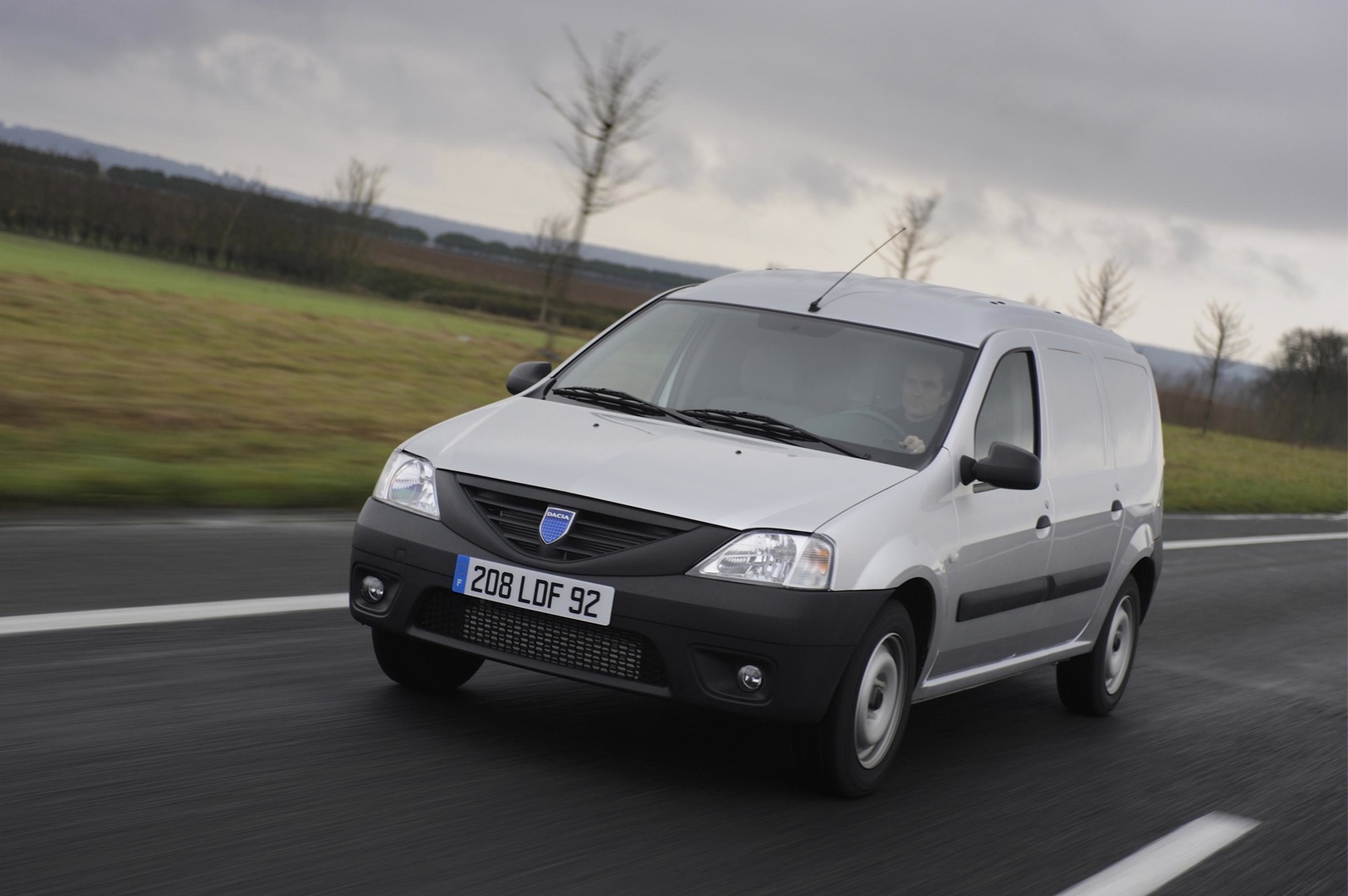
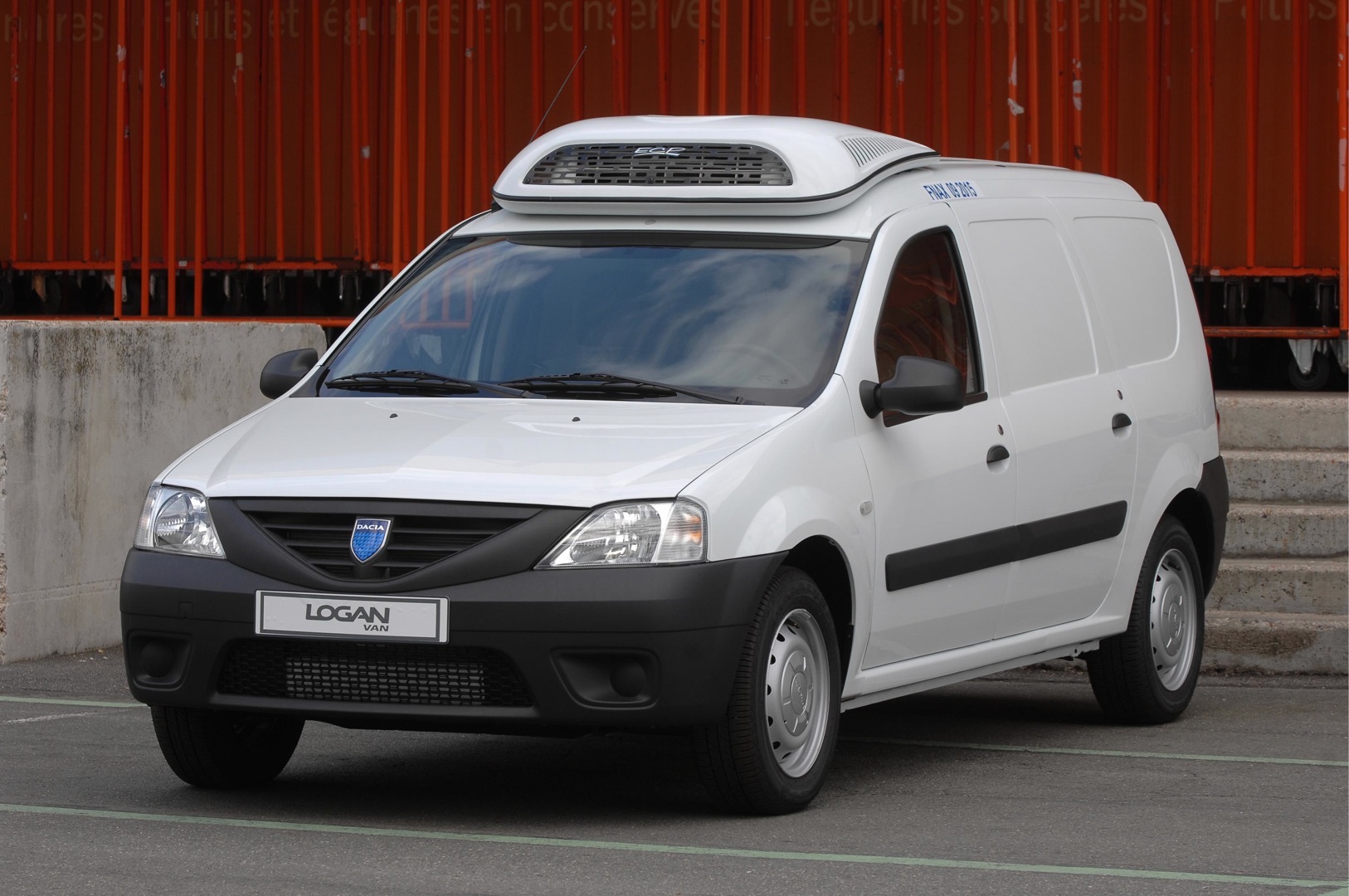
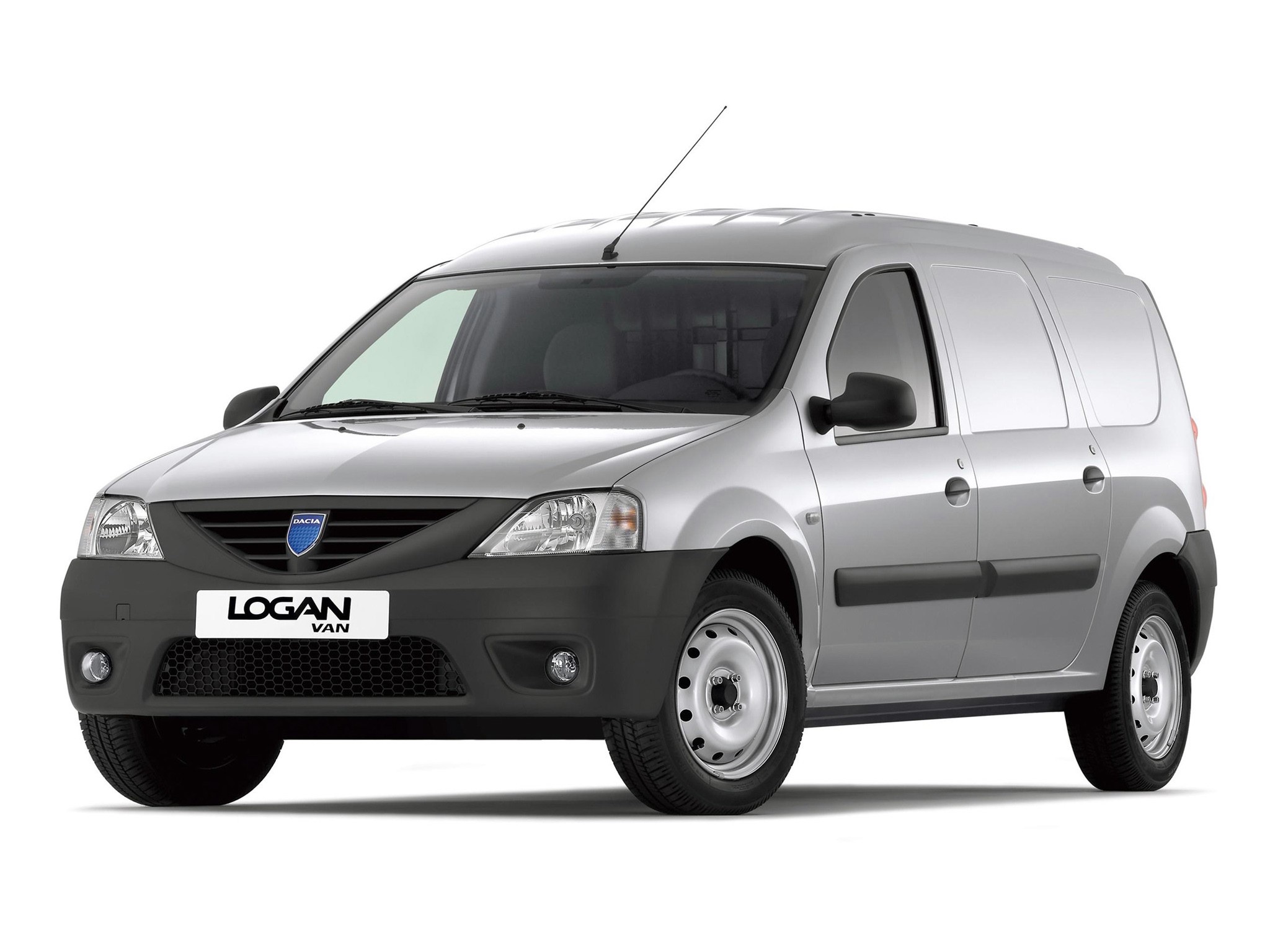
The exterior design of the Logan Van is strictly functional. It retains the front end of the Logan sedan and estate but features solid metal rear panels instead of side windows, along with solid metal rear swing doors for secure cargo loading. The design emphasizes cost-effectiveness and durability, using unpainted plastics where possible to resist minor scuffs. It rides on standard 15-inch steel wheels fitted with 185/65R15 tires and includes a full-size spare wheel located under the chassis.
Interior
Inside, the cabin is configured as a simple two-seater layout, separating the driver and passenger from the rear cargo area with a protective partition wall mounted behind the seats. The floor of the cargo space is covered with a durable plastic lining designed to protect the vehicle's metal bodywork during loading and unloading. Cargo length inside the bay reaches up to 1.936 meters, allowing the vehicle to carry longer items than typical passenger-car derivatives. Standard dashboard amenities and comfort features are kept minimal, focusing instead on pure utility, basic instrumentation, and long-term durability.
Performance
The vehicle is available with either a petrol or diesel engine. The 1.6-litre MPI petrol engine produces 90 horsepower and 128 Nm of torque, paired with a five-speed manual gearbox. The 1.5-litre dCi diesel engine generates 70 horsepower and 160 Nm of torque, offering better fuel efficiency with a combined consumption of 5.3 litres per 100 kilometers. Both engines drive the front wheels, with the diesel variant meeting Euro IV emission standards and the petrol variant rated at Euro II.
Practicality
Practicality is the core strength of the Logan Van, offering 2,540 liters of cargo volume. With a payload rating of up to 800 kg, it can handle heavy loads relative to its compact exterior dimensions. The rear swing doors open wide for easy access to the cargo bay, which has a flat load floor. A 50-liter fuel tank provides a good driving range, particularly when paired with the efficient diesel powertrain.
Safety and tech
Technology and safety equipment are very basic, reflecting the budget commercial nature of the vehicle. The suspension setup consists of a pseudo-MacPherson strut design at the front and an H-shaped torsion beam at the rear, which is specifically tuned to handle heavier cargo loads. Standard features are limited to mechanical driver controls, steel wheels, and a full-size spare tire. Modern electronic driver assistance systems, airbags, and infotainment screens are absent from this generation's baseline specs.
Buyer notes
When choosing a Logan Van, buyers should compare the petrol and diesel engines based on their expected mileage and driving environments. The 1.5 dCi diesel is highly suited for long-distance deliveries due to its low fuel consumption, while the 1.6 MPI petrol engine offers more horsepower for heavier loads. Equipment levels are sparse across all trims, and buyers should note that exact features and emissions standards can vary by region.
Trims and key specifications
Use this table to compare the main differences between available configurations.
| Trim / modification | Engine | Power | Seats | Transmission |
|---|---|---|---|---|
| 1.5 DCI MT | 1461 cc | 70 hp | 2 | 5-speed manual |
| 1.6 MPI MT | 1598 cc | 90 hp | 2 | 5-speed manual |
| 1.6 MPI (90 hp) 5-speed manual | 1598 cc | 90 hp | 2 | 5-speed manual |
| 1.5 DCI (70 hp) 5-speed manual | 1461 cc | 70 hp | 2 | 5-speed manual |
Specifications can vary by market, model year, and equipment package. Use the trim sections below to review the full data for each configuration.
Dacia Logan Van photo gallery
8 images are collected here with the main specifications and trim data for this model.
Photo Dacia Logan Van
Specifications by trim
Choose a configuration below to open full technical data grouped by category.
1.5 DCI MT 44 specifications
Specifications
Performance and consumption
| Fuel consumption city, L/100 km | 6.2 |
|---|---|
| Fuel consumption highway, L/100 km | 4.8 |
| Fuel consumption combined, L/100 km | 5.3 |
| Top speed, km/h | 150 |
| Acceleration 0-100 km/h, s | 17.7 |
| Emissions standard | Euro IV |
Engine
| Engine | 1.5 DCI |
|---|---|
| Engine code | K9K 792 |
| Engine type | Internal combustion engine |
| Fuel type | Diesel |
| Engine displacement, cc | 1461 |
| Cylinder layout | Inline |
| Number of cylinders | 4 |
| Valves | 8 |
| Compression ratio | 17.9:1 |
| Power, hp | 70 |
| RPM at max power | 3750 |
| Torque, Nm | 160 |
| RPM at max torque | 1750 |
Dimensions
| Seats | 2 |
|---|---|
| Length, mm | 4450 |
| Width, mm | 1740 |
| Height, mm | 1640 |
| Wheelbase, mm | 2900 |
| Front track, mm | 1480 |
| Rear track, mm | 1470 |
| Kerb weight, kg | 1190 |
| Gross weight, kg | 1990 |
| Fuel tank capacity, L | 50 |
| Turning circle, m | 11.25 |
| Trunk capacity, L | 2540 |
Transmission and drive
| Transmission | 5-speed manual |
|---|---|
| Transmission type | manual |
| Drive | Front-wheel drive |
| Number of gears | 5 |
| Transmission manufacturer | RMR |
| Transmission country | Romania |
Suspension
| Front suspension type | pseudo-MacPherson |
|---|---|
| Rear suspension type | deformable torsion beam |
Equipment
Exterior
| Solid rear swing doors | + |
|---|
Wheels
| Rim diameter | 15 |
|---|---|
| Rim type | Steel |
| Spare wheel | Full-size spare wheel |
| Tires | 185/65R15 |
1.6 MPI MT 44 specifications
Specifications
Performance and consumption
| Fuel consumption city, L/100 km | 11 |
|---|---|
| Fuel consumption highway, L/100 km | 6.5 |
| Fuel consumption combined, L/100 km | 8.1 |
| Top speed, km/h | 167 |
| Acceleration 0-100 km/h, s | 13.4 |
| Emissions standard | Euro II |
Engine
| Engine | 1.6 MPI |
|---|---|
| Engine code | K7M 718 |
| Engine type | Internal combustion engine |
| Fuel type | Gasoline |
| Engine displacement, cc | 1598 |
| Cylinder layout | Inline |
| Number of cylinders | 4 |
| Valves | 8 |
| Compression ratio | 9.5:1 |
| Power, hp | 90 |
| RPM at max power | 5500 |
| Torque, Nm | 128 |
| RPM at max torque | 3000 |
Dimensions
| Seats | 2 |
|---|---|
| Length, mm | 4450 |
| Width, mm | 1740 |
| Height, mm | 1640 |
| Wheelbase, mm | 2900 |
| Front track, mm | 1480 |
| Rear track, mm | 1470 |
| Kerb weight, kg | 1144 |
| Gross weight, kg | 1944 |
| Fuel tank capacity, L | 50 |
| Turning circle, m | 11.25 |
| Trunk capacity, L | 2540 |
Transmission and drive
| Transmission | 5-speed manual |
|---|---|
| Transmission type | manual |
| Drive | Front-wheel drive |
| Number of gears | 5 |
| Transmission manufacturer | RMR |
| Transmission country | Romania |
Suspension
| Front suspension type | pseudo-MacPherson |
|---|---|
| Rear suspension type | deformable torsion beam |
Equipment
Exterior
| Solid rear swing doors | + |
|---|
Wheels
| Rim diameter | 15 |
|---|---|
| Rim type | Steel |
| Spare wheel | Full-size spare wheel |
| Tires | 185/65R15 |
1.6 MPI (90 hp) 5-speed manual 37 specifications
Specifications
Performance and consumption
| Fuel consumption city, L/100 km | 11 |
|---|---|
| Fuel consumption highway, L/100 km | 6.5 |
| Fuel consumption combined, L/100 km | 8.1 |
| Top speed, km/h | 167 |
| Acceleration 0-100 km/h, s | 13.4 |
| Emissions standard | Euro II |
Engine
| Engine | 1.6 MPI |
|---|---|
| Engine code | K7M 718 |
| Engine type | Internal combustion engine |
| Fuel type | Gasoline |
| Engine displacement, cc | 1598 |
| Cylinder layout | Inline |
| Number of cylinders | 4 |
| Valves | 8 |
| Compression ratio | 9.5:1 |
| Power, hp | 90 |
| RPM at max power | 5500 |
| Torque, Nm | 128 |
| RPM at max torque | 3000 |
Dimensions
| Seats | 2 |
|---|---|
| Length, mm | 4450 |
| Width, mm | 1740 |
| Height, mm | 1640 |
| Wheelbase, mm | 2900 |
| Front track, mm | 1480 |
| Rear track, mm | 1470 |
| Kerb weight, kg | 1144 |
| Gross weight, kg | 1944 |
| Fuel tank capacity, L | 50 |
| Turning circle, m | 11.25 |
| Trunk capacity, L | 2540 |
Transmission and drive
| Transmission | 5-speed manual |
|---|---|
| Transmission type | manual |
| Drive | Front-wheel drive |
| Number of gears | 5 |
| Transmission manufacturer | RMR |
| Transmission country | Romania |
1.5 DCI (70 hp) 5-speed manual 37 specifications
Specifications
Performance and consumption
| Fuel consumption city, L/100 km | 6.2 |
|---|---|
| Fuel consumption highway, L/100 km | 4.8 |
| Fuel consumption combined, L/100 km | 5.3 |
| Top speed, km/h | 150 |
| Acceleration 0-100 km/h, s | 17.7 |
| Emissions standard | Euro IV |
Engine
| Engine | 1.5 DCI |
|---|---|
| Engine code | K9K 792 |
| Engine type | Internal combustion engine |
| Fuel type | Diesel |
| Engine displacement, cc | 1461 |
| Cylinder layout | Inline |
| Number of cylinders | 4 |
| Valves | 8 |
| Compression ratio | 17.9:1 |
| Power, hp | 70 |
| RPM at max power | 3750 |
| Torque, Nm | 160 |
| RPM at max torque | 1750 |
Dimensions
| Seats | 2 |
|---|---|
| Length, mm | 4450 |
| Width, mm | 1740 |
| Height, mm | 1640 |
| Wheelbase, mm | 2900 |
| Front track, mm | 1480 |
| Rear track, mm | 1470 |
| Kerb weight, kg | 1144 |
| Gross weight, kg | 1944 |
| Fuel tank capacity, L | 50 |
| Turning circle, m | 11.25 |
| Trunk capacity, L | 2540 |
Transmission and drive
| Transmission | 5-speed manual |
|---|---|
| Transmission type | manual |
| Drive | Front-wheel drive |
| Number of gears | 5 |
| Transmission manufacturer | RMR |
| Transmission country | Romania |
Dacia Logan Van questions
Short answers based on the specifications and photos available in this catalog.
What is the cargo volume of the Dacia Logan Van?
The Dacia Logan Van offers a cargo capacity of 2,540 liters (2.5 cubic meters). The cargo area features a flat floor lined with protective plastic and a maximum load length of 1.936 meters. This configuration allows it to carry bulky goods easily.
What engines are available for the 2007 Dacia Logan Van?
The Logan Van is available with a 1.6-litre MPI petrol engine producing 90 horsepower or a 1.5-litre dCi diesel engine producing 70 horsepower. Both engines are paired with a five-speed manual transmission. Front-wheel drive is the standard drivetrain layout.
What is the payload capacity of the Logan Van?
The vehicle is designed to carry a maximum payload of up to 800 kilograms. It has a total permissible gross weight of up to 1,990 kg depending on the engine option. The suspension is reinforced at the rear to support this weight.
Does the Dacia Logan Van have rear seats?
No, the Logan Van is a dedicated commercial vehicle with a two-seat cabin layout. The rear area is dedicated entirely to cargo and is separated from the front seats by a partition wall. There are no side windows in the cargo compartment.