Hyundai i20 specifications and photos
The third-generation Hyundai i20 debuted in early 2020, bringing a sharpened exterior and modernized cabin technology to the subcompact B-segment. This five-door hatchback emphasizes practical urban dimensions alongside upgraded safety systems and mild-hybrid engine options.
Hyundai i20 at a glance
Quick model context before comparing photos and trim-level specifications.
Introduced in 2020, this iteration of the Hyundai i20 represents the third generation of the brand's popular subcompact hatchback. It marks a notable shift in styling, being the first model in its European lineup to adopt the "Sensuous Sportiness" design language. Compared to its predecessor, the 2020 model features a wider and slightly longer footprint, combined with a lower roofline to create a more planted stance. The wheelbase was stretched by 10 mm to improve interior cabin space. Designed for urban commuters and small families, the i20 competes in the crowded B-segment by offering a mix of efficient powertrains, including an innovative intelligent manual transmission (iMT), and a comprehensive suite of driver assistance technologies.
- Power: 84-120 hp
- Engine displacement: 998-1197 cc
- Transmissions: 5-speed manual, 6-speed manual, 6-iMT
- Seating: 5 seats
Photos, trims and specifications for Hyundai i20
This model page brings gallery images, trim comparison, and detailed technical data together for the 2020 generation.
Estimate fuel cost
Use trim-level fuel consumption data to estimate monthly and yearly fuel spending.
Fuel costs are estimates. Real consumption can change with driving style, traffic, tires, weather, load, and market-specific equipment.
Hyundai i20 overview
Editorial context for design, cabin, performance, practicality, and buyer notes.
Design
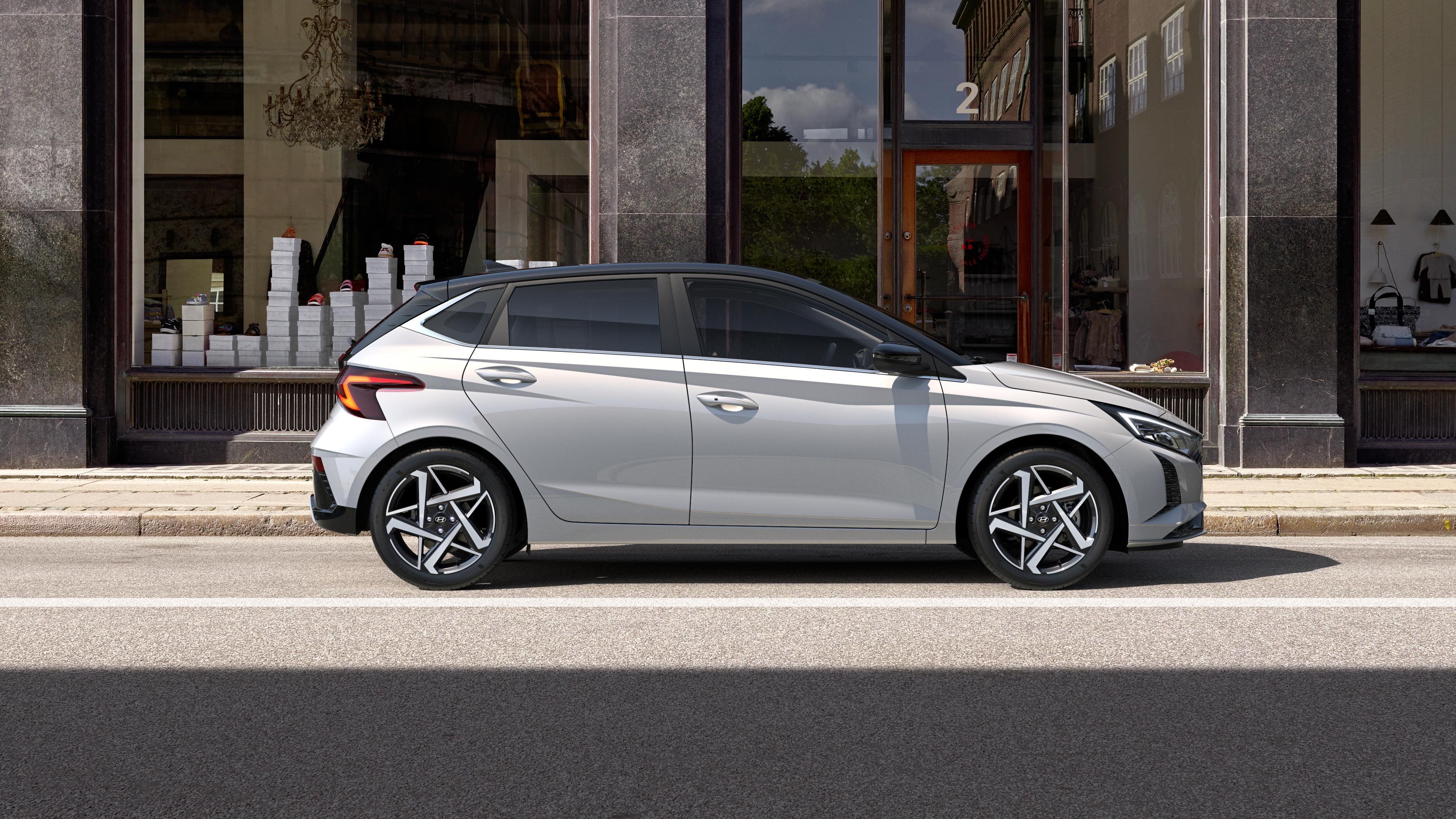
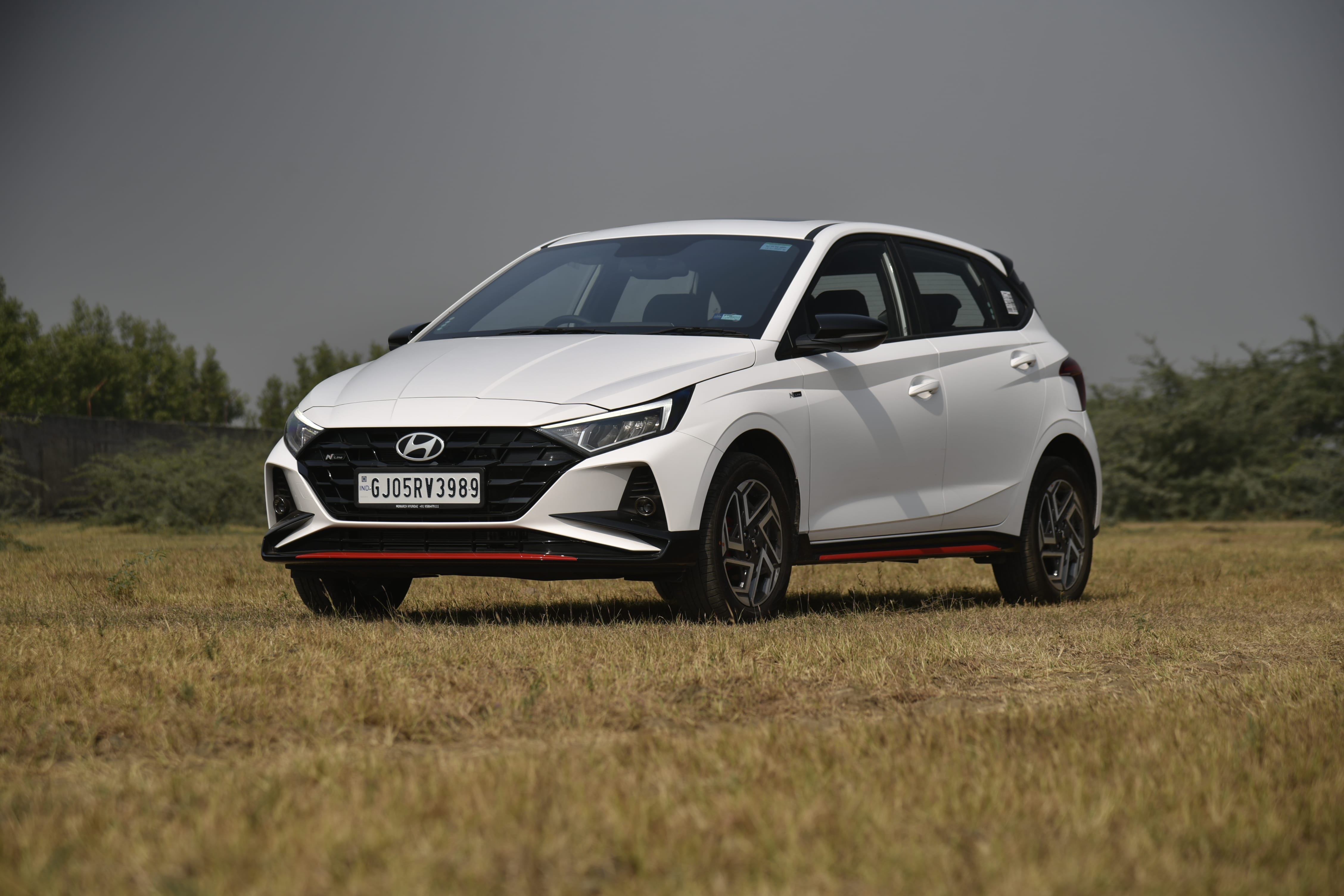
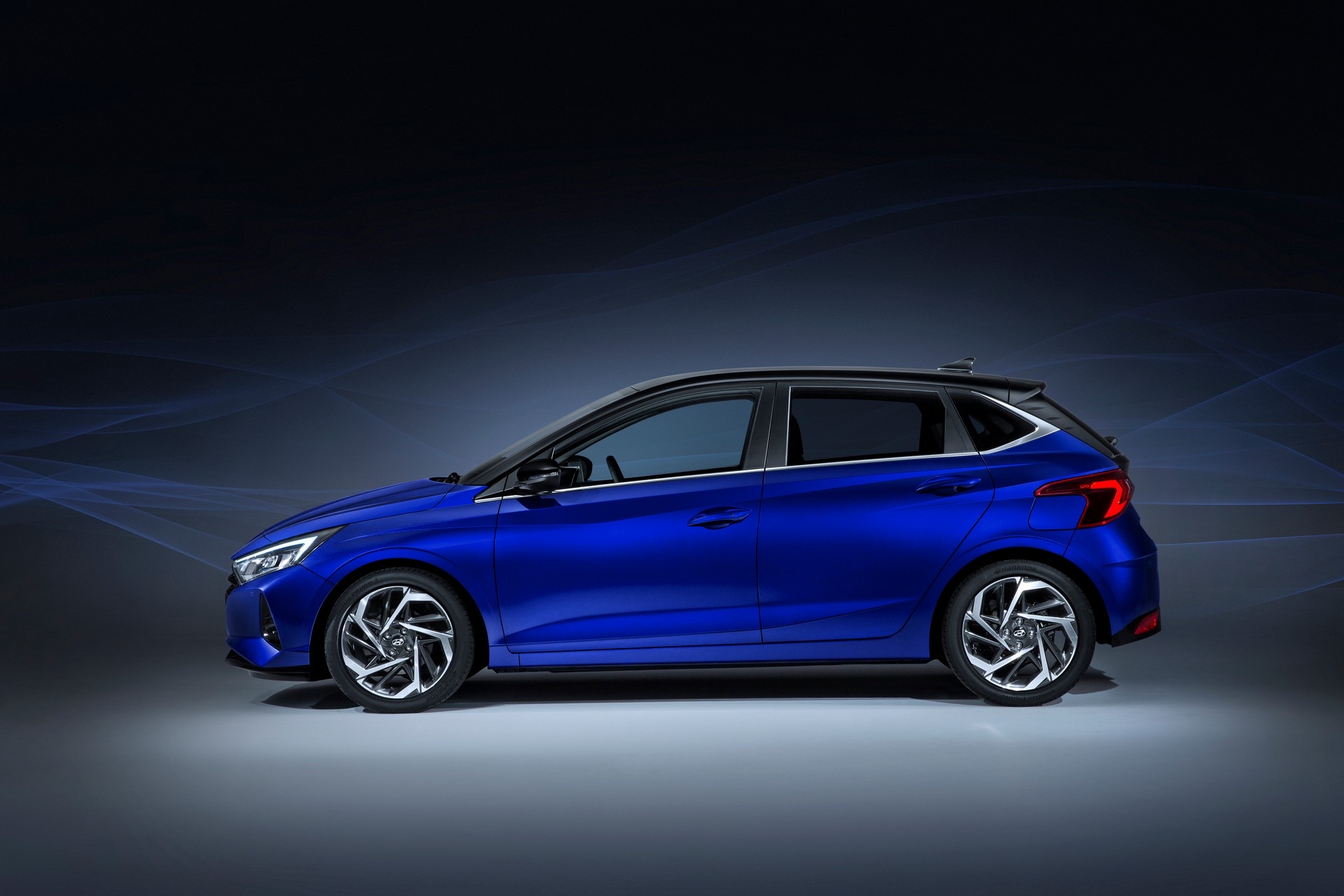
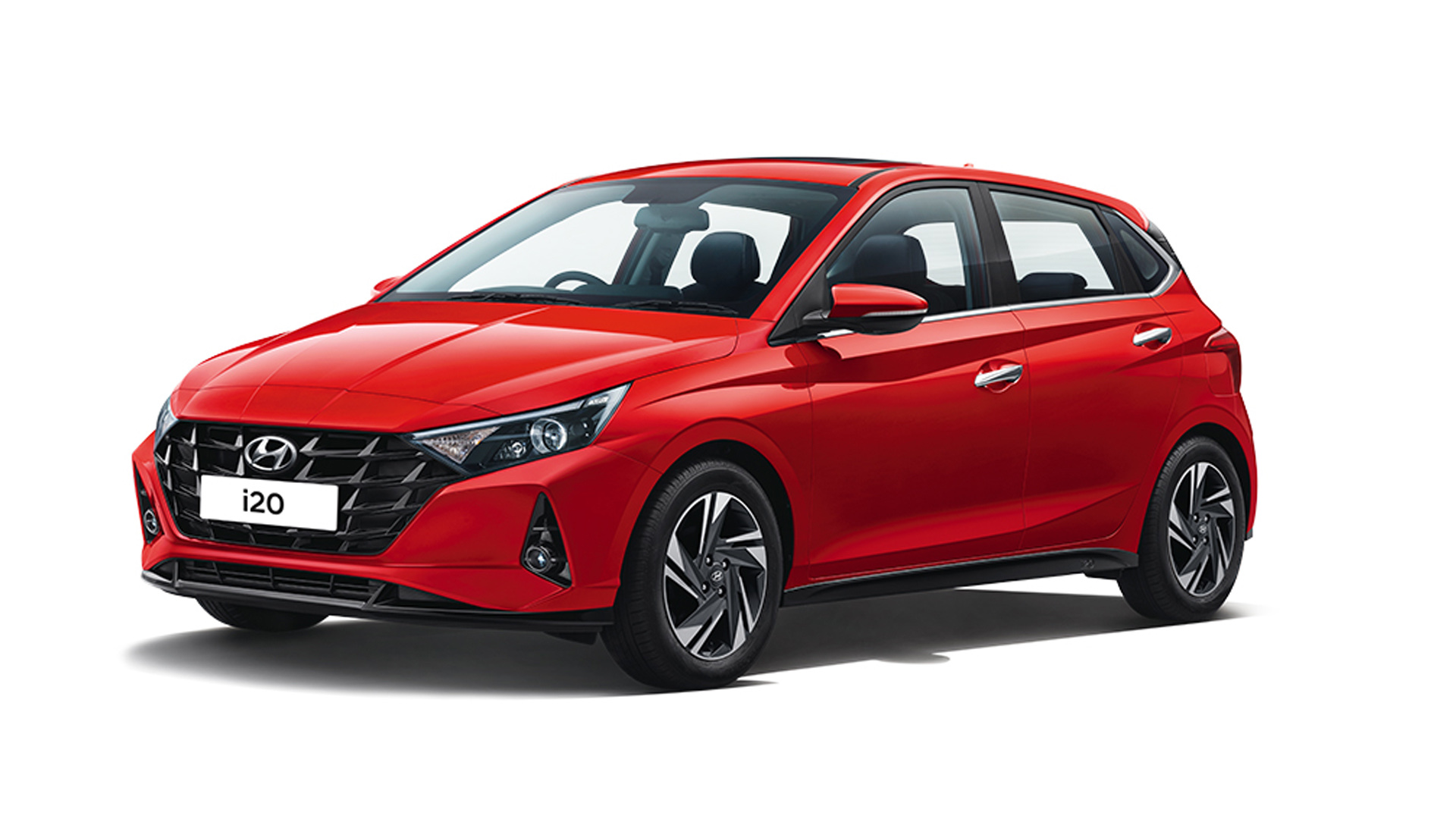
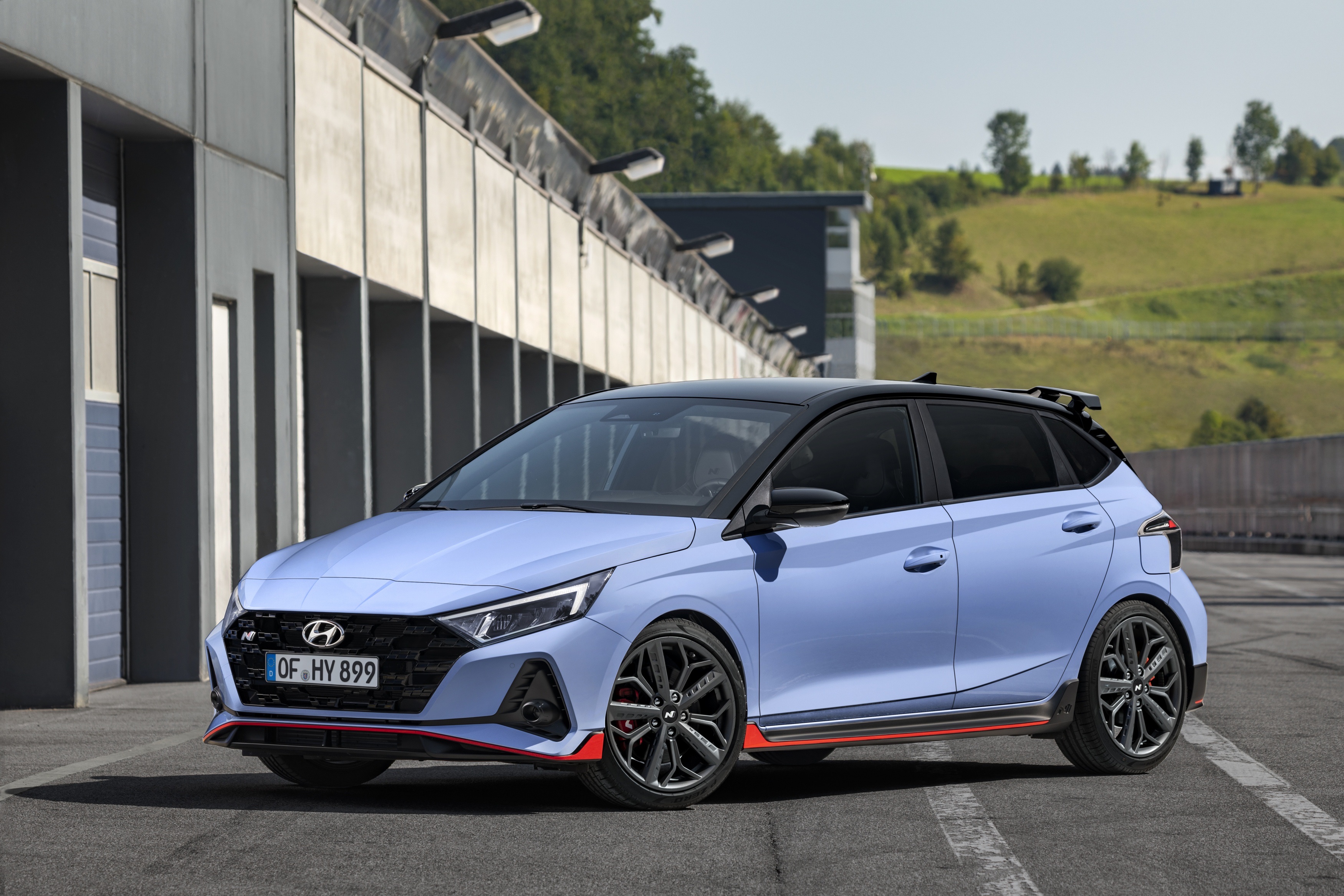
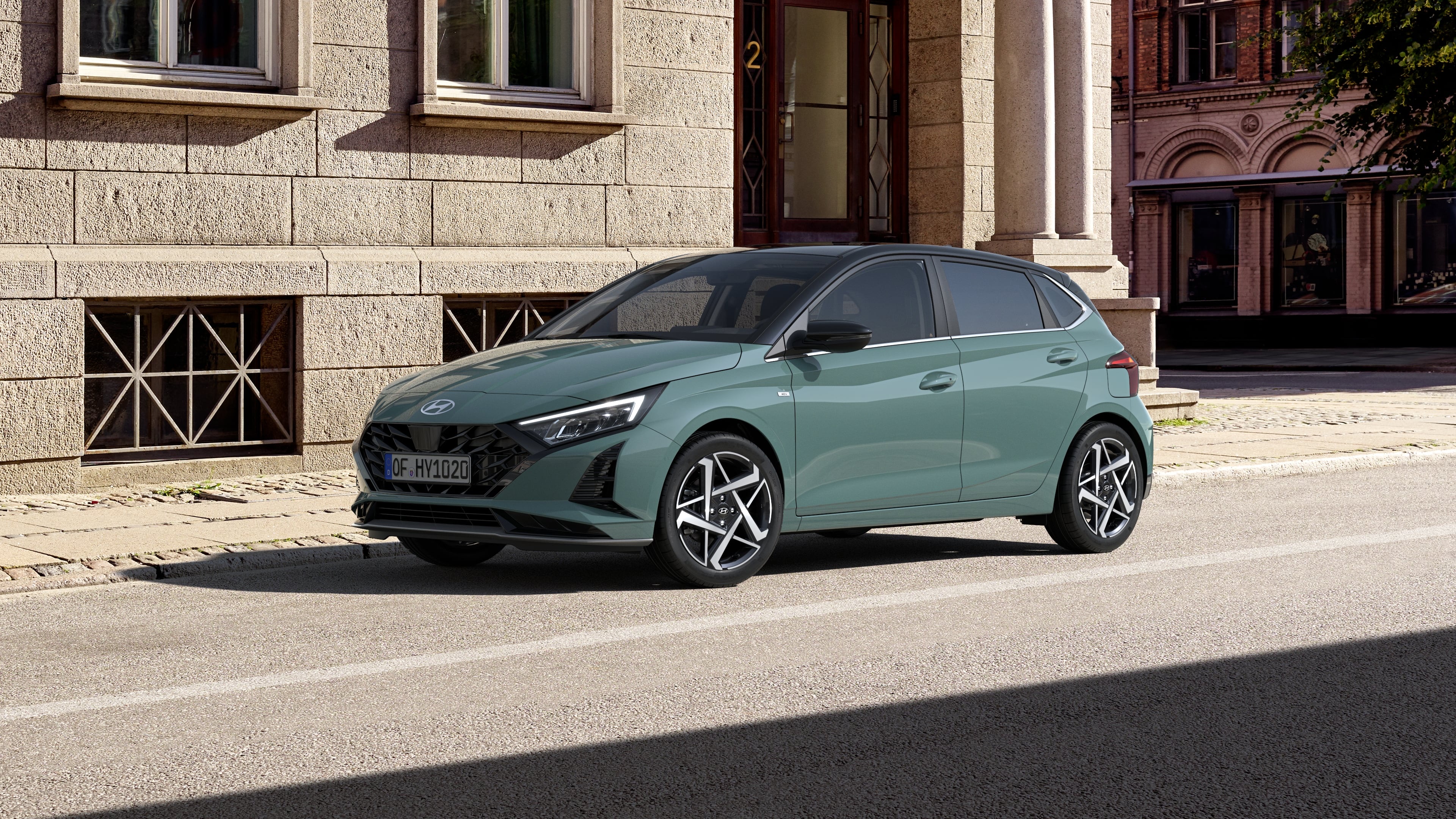
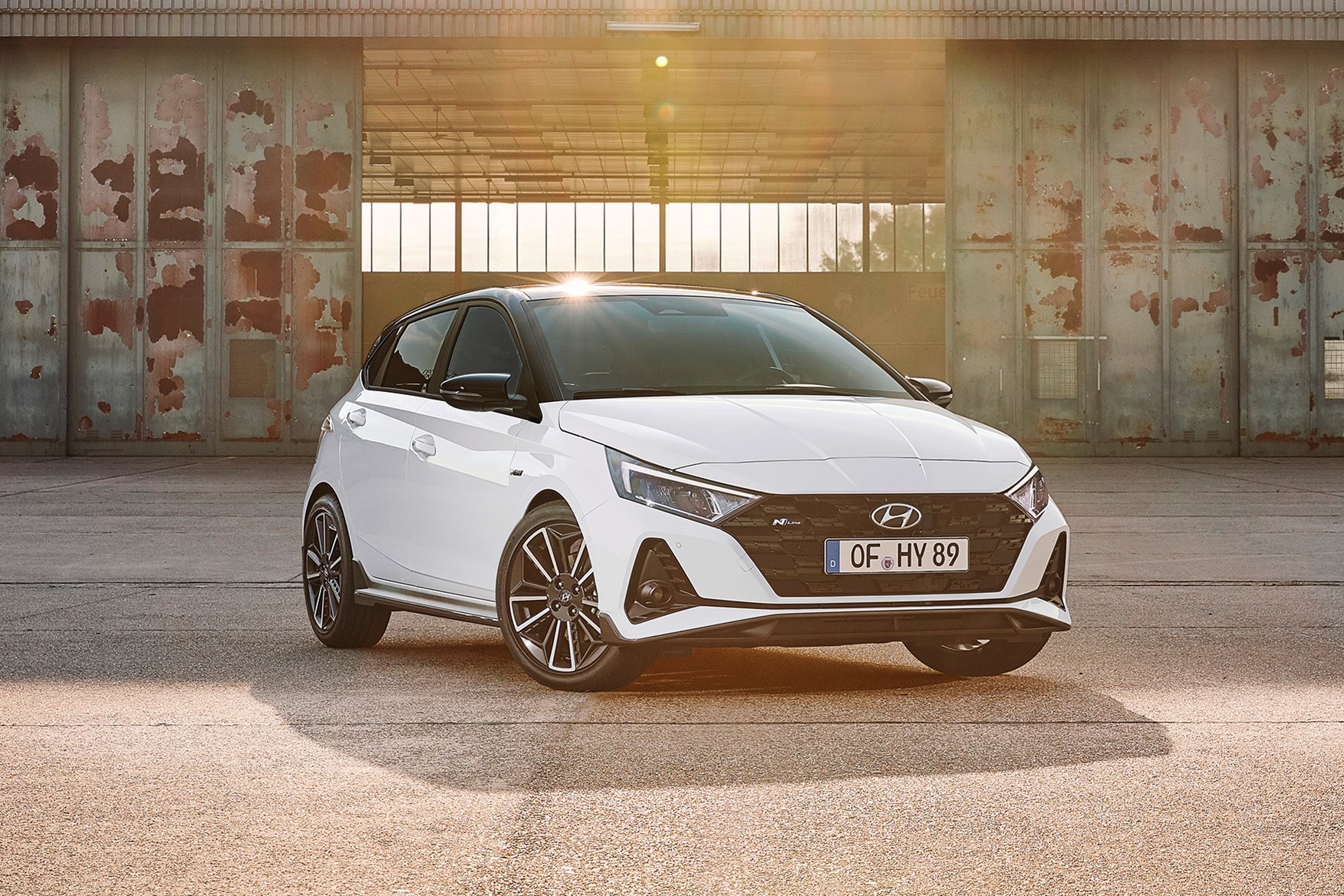
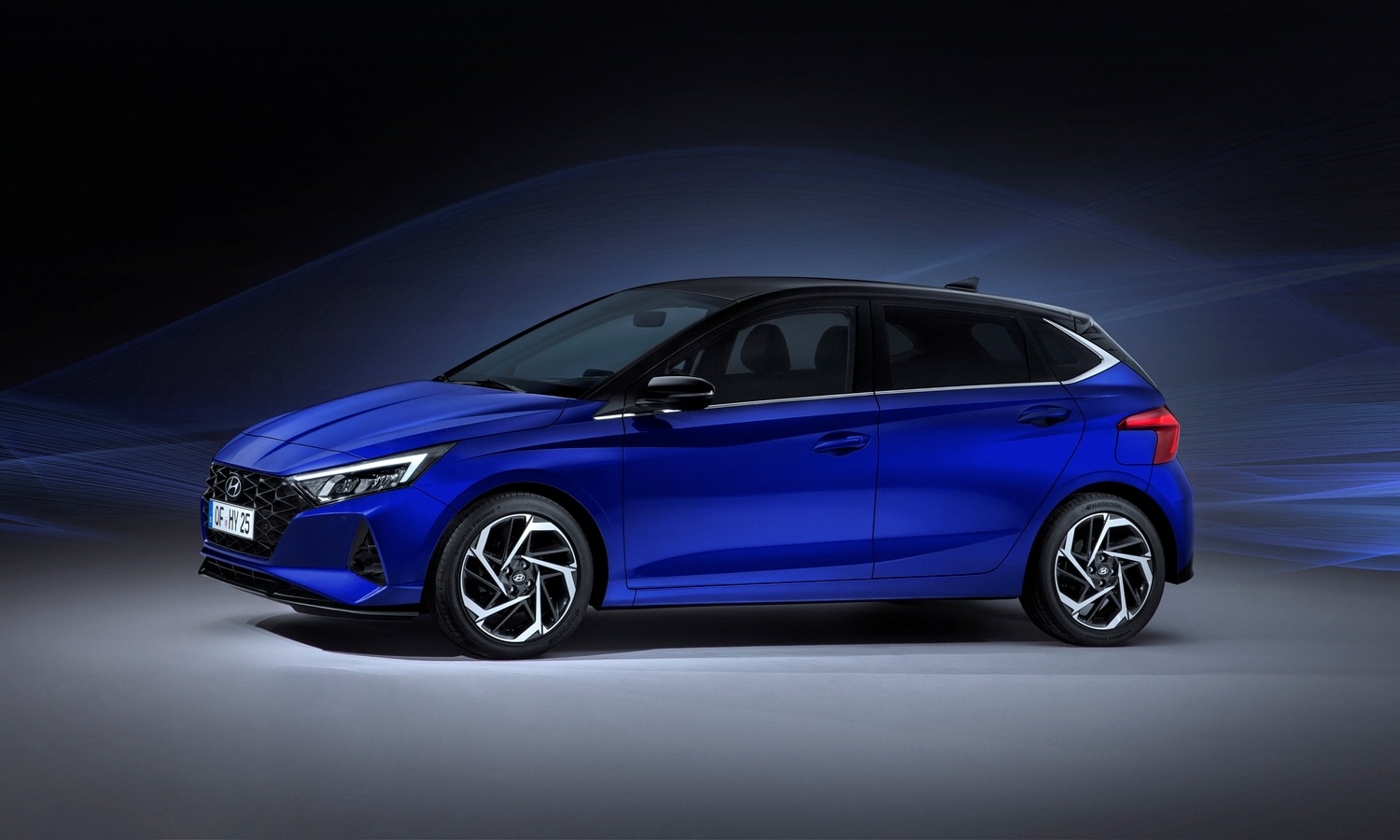
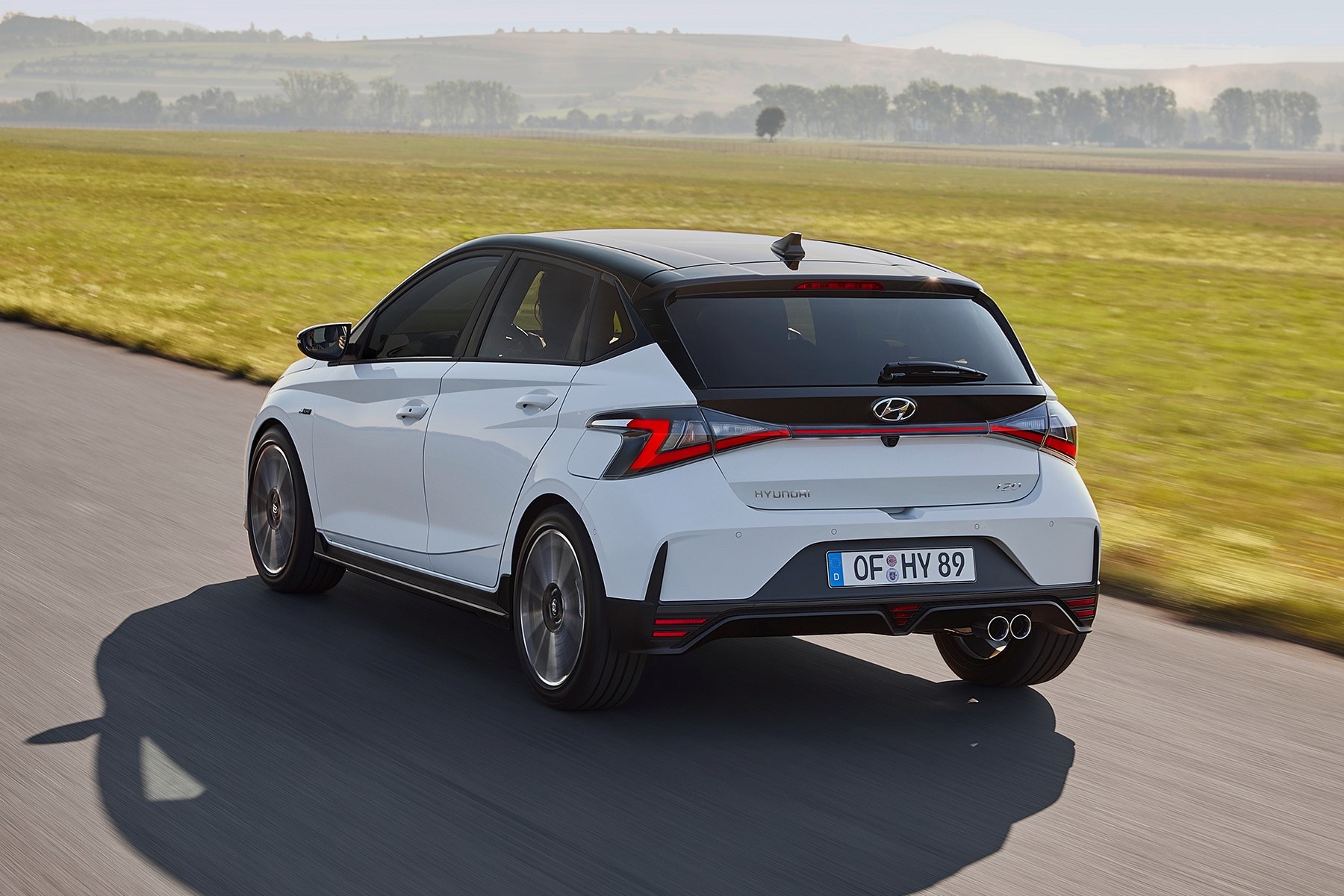
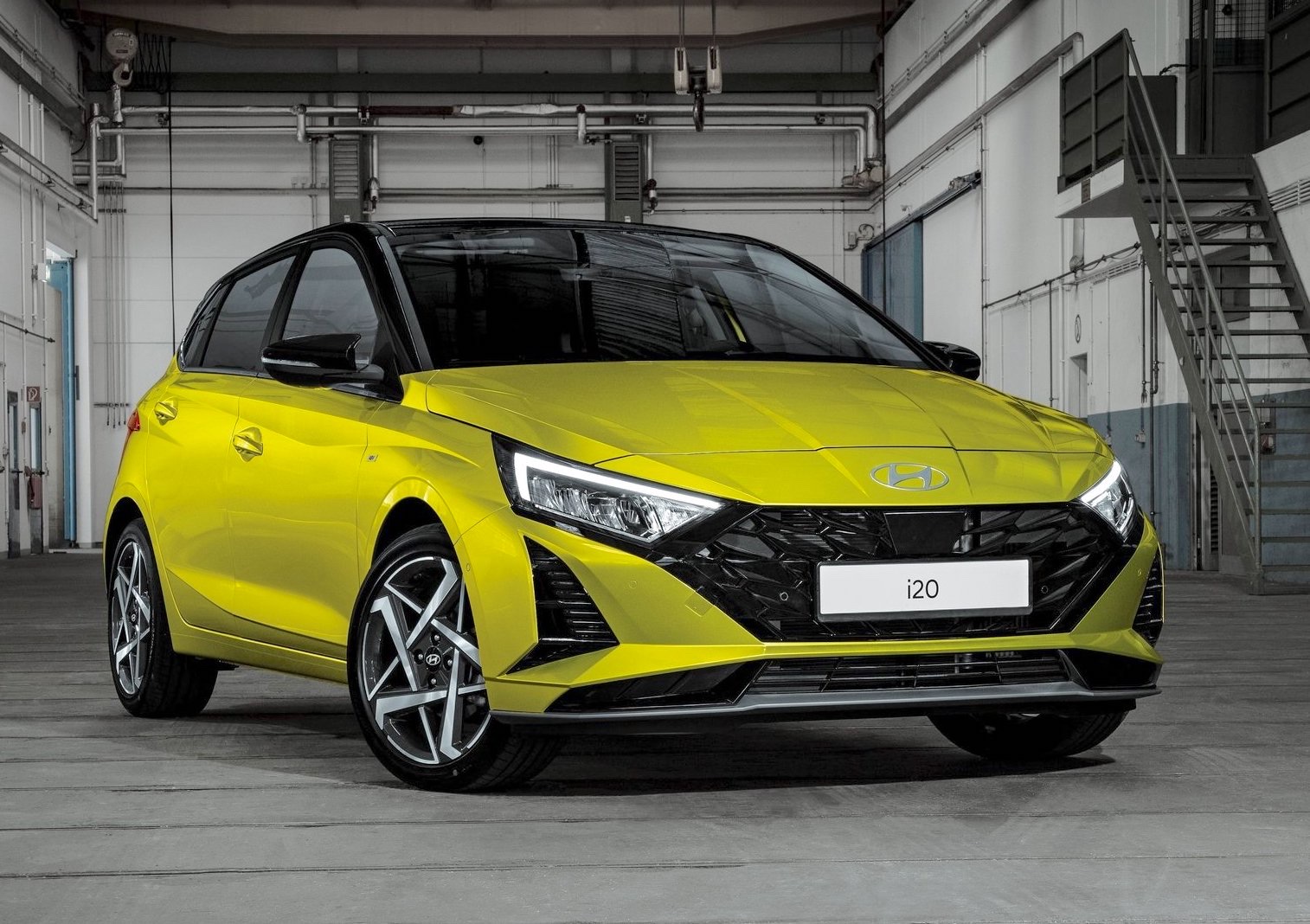
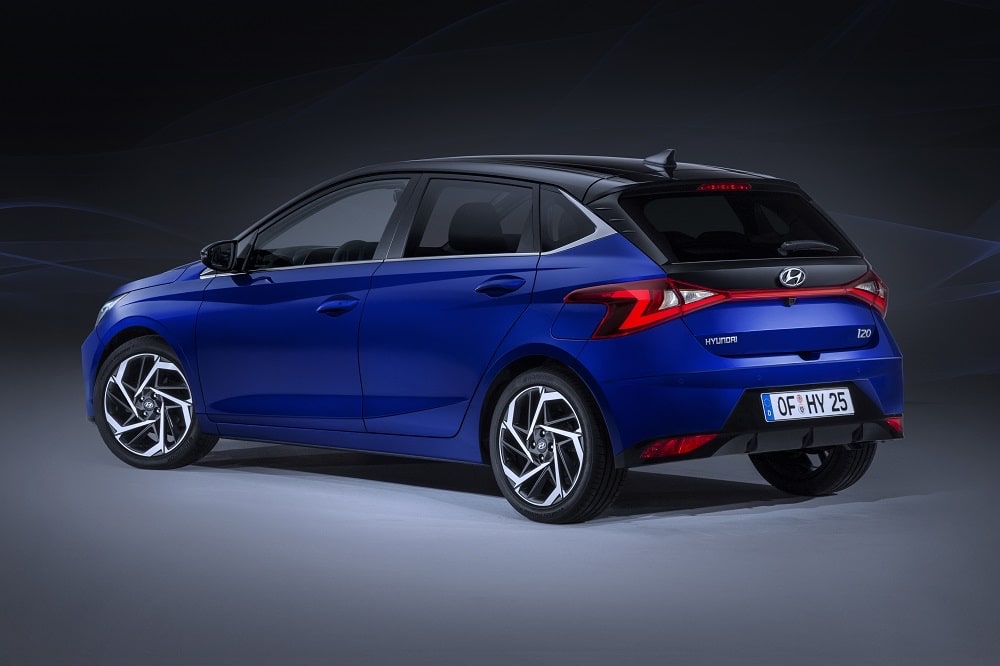
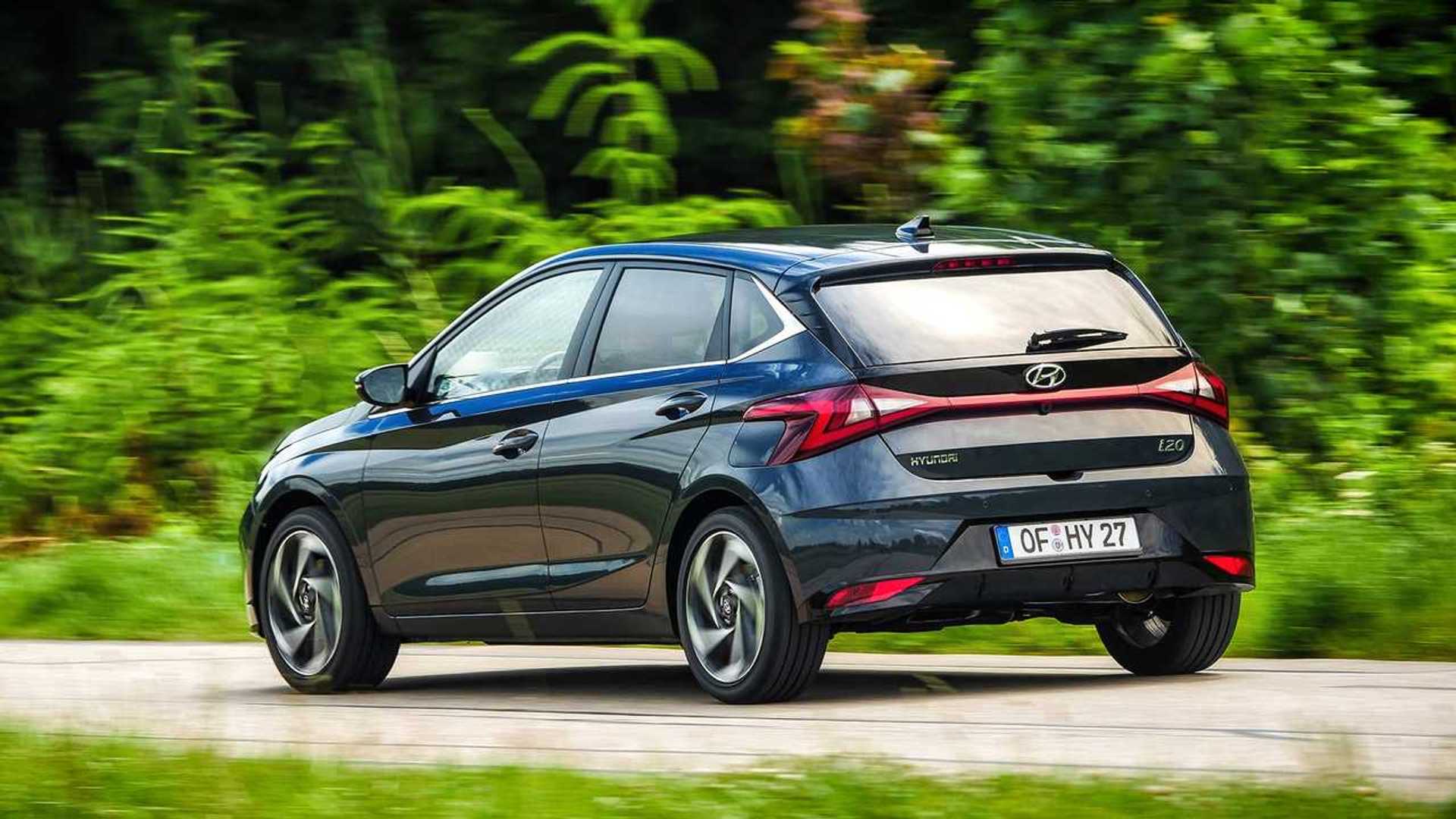
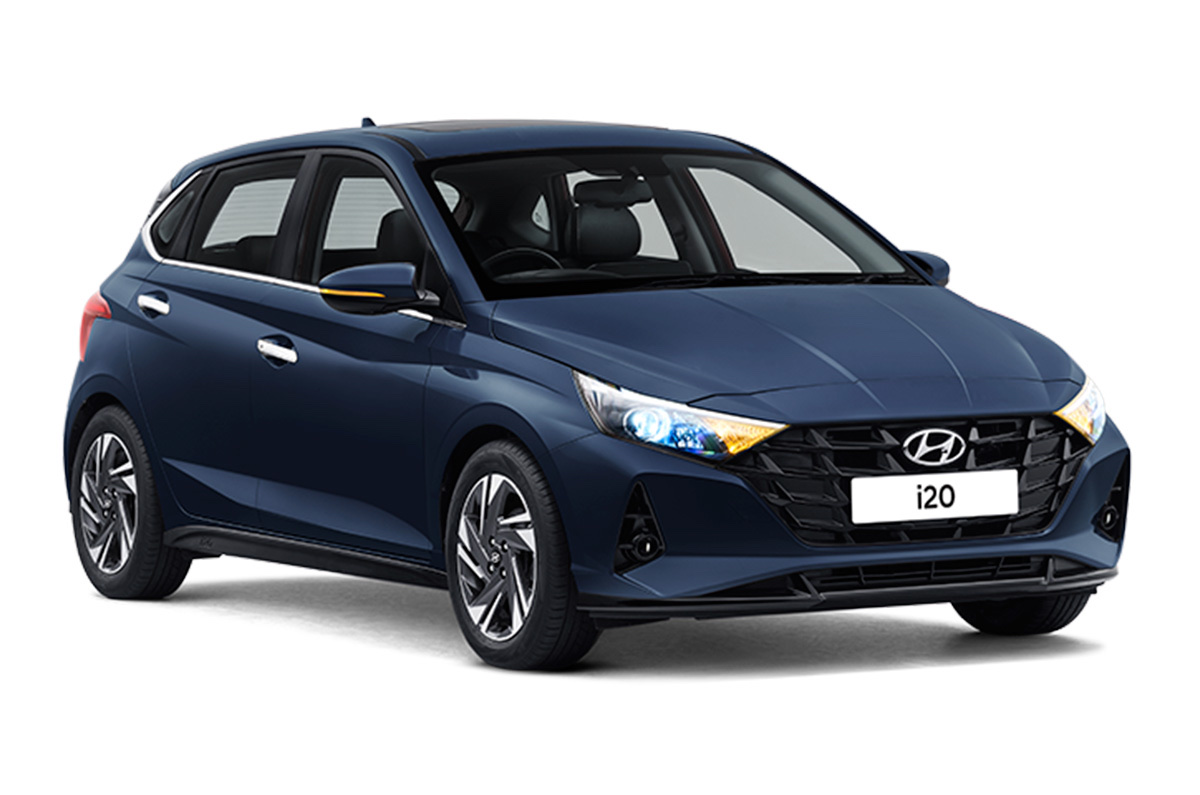
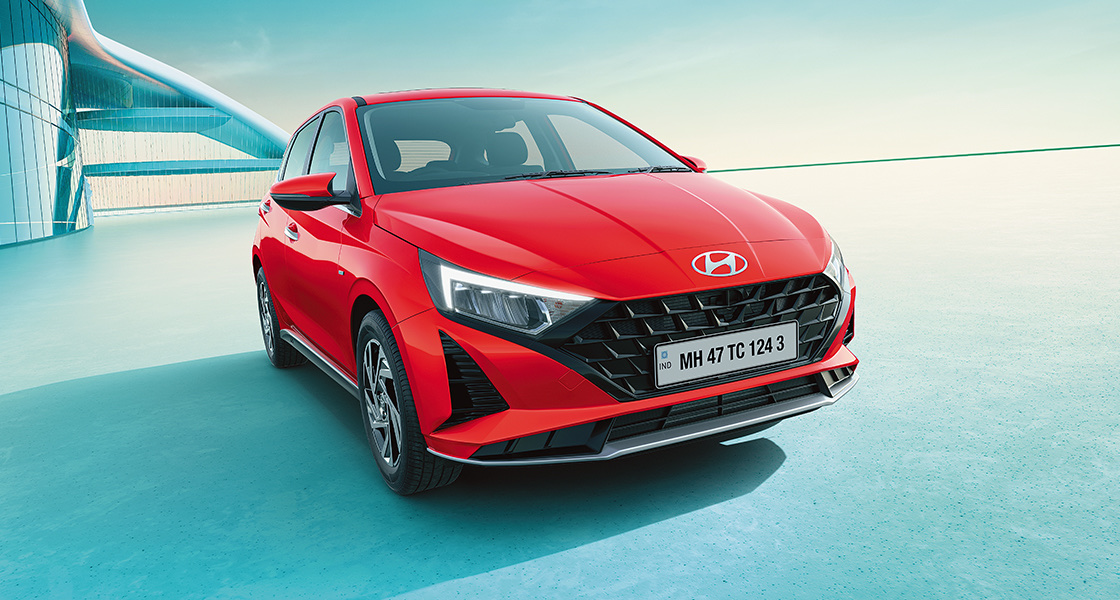
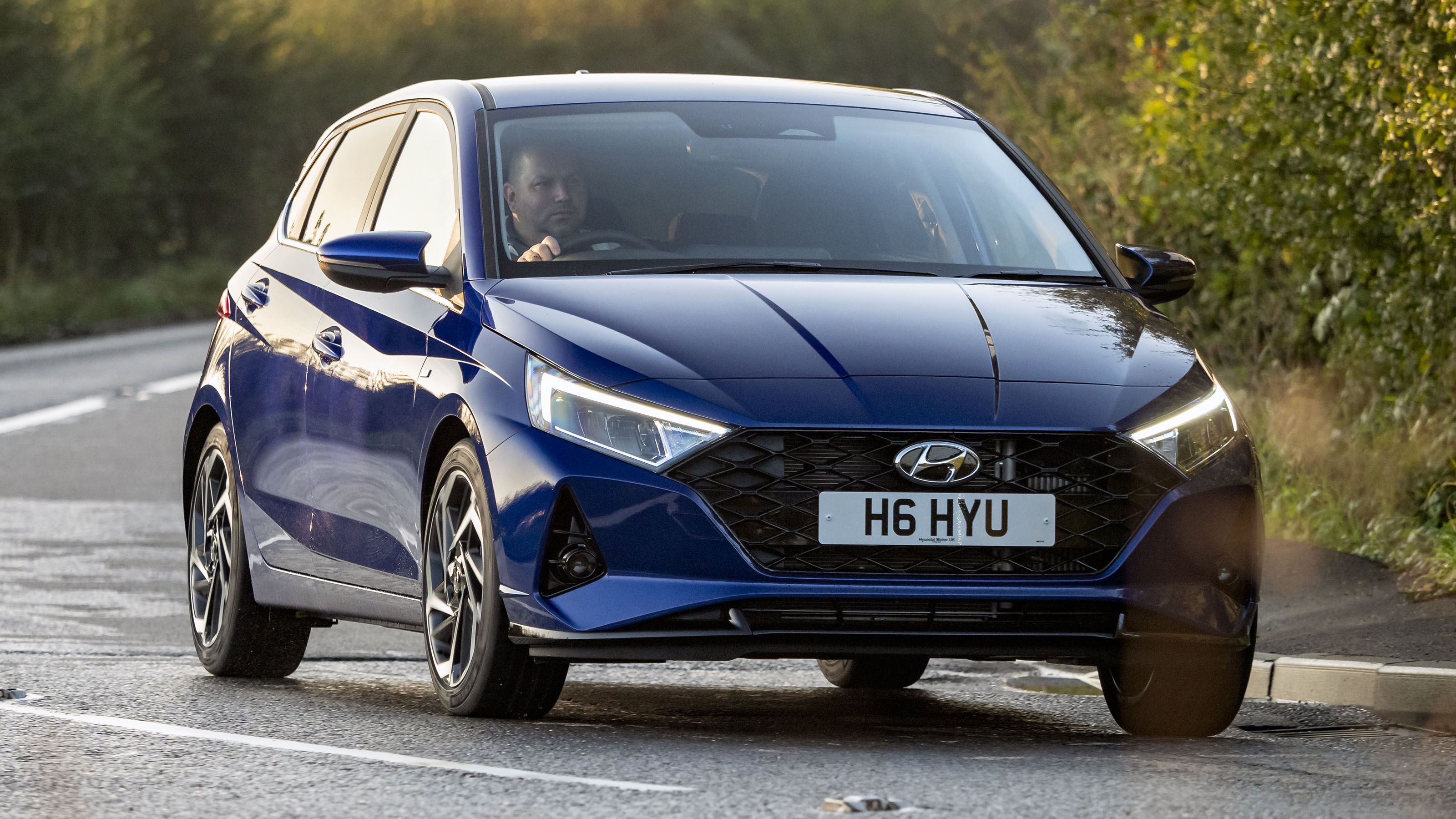
The exterior styling of the 2020 i20 is defined by sharp creases and angular elements. The front end features a prominent honeycomb grille, aggressively shaped headlights, and a sculpted hood. A sloping roofline, paired with a distinctive triangular insert on the C-pillar, gives the side profile a dynamic, forward-leaning appearance. The rear continues the geometric theme with sharp taillights and pronounced bumper contours. The revised dimensions—sitting 24 mm lower and up to 30 mm wider than the previous generation—enhance its visual presence and proportions on the road.
Interior
Inside the cabin, the i20 focuses on horizontal lines and integrated technology. The dashboard design features blade-like elements that extend into the door panels, emphasizing the width of the interior. A fully digital 10.25-inch instrument cluster replaces traditional dials on equipped trims, paired with a central 10.25-inch touchscreen. Rear passengers benefit from the extended wheelbase with slightly improved space and access to a dedicated USB charging port. Cargo capacity also grew by 25 liters over the previous generation, bringing the total trunk volume to a competitive 351 liters. Features like ambient lighting and a Bose eight-speaker audio system are available on higher grades.
Performance
The powertrain lineup includes both naturally aspirated and turbocharged options. The entry-level engine is a 1.2-liter MPi four-cylinder producing 84 horsepower, paired strictly with a five-speed manual gearbox. For stronger performance, buyers can choose a 1.0-liter three-cylinder T-GDI engine, available with either 100 or 120 horsepower. This turbocharged unit can be equipped with a 48-volt mild-hybrid system, which is standard on the 120-hp version and optional on the 100-hp model. Transmission choices for the turbo include a seven-speed dual-clutch automatic (7-DCT), a standard six-speed manual, or a six-speed intelligent manual transmission (iMT) that automatically disengages the clutch when coasting to improve fuel economy.
Practicality
As a five-door subcompact hatchback, the i20 is well-suited for city driving and tight parking spaces. The growth in overall width and wheelbase directly translates to a more accommodating interior for rear-seat passengers compared to older models. The 351-liter cargo area is easily accessible and adequately sized for daily errands or weekend luggage. Features like wireless device charging and multiple USB ports ensure that the cabin remains highly functional for modern daily commuting.
Safety and tech
Hyundai heavily equipped the 2020 i20 with advanced technology and active safety features. The SmartSense safety suite includes forward collision-avoidance assist with pedestrian and cyclist detection, navigation-based cruise control, lane-keeping assist, and blind-spot monitoring. It also offers a rear parking assistant with automatic braking when reversing. The infotainment system supports wireless Apple CarPlay and Android Auto, allows for split-screen multitasking, and includes cloud-based voice recognition capabilities.
Buyer notes
When comparing trims for the 2020 i20, buyers should pay close attention to the choice of transmission and engine hybridization. The 1.0-liter turbocharged engine with the 48-volt mild-hybrid system offers better fuel efficiency and pairs with the unique 6-speed iMT or the quick-shifting 7-speed DCT. Entry-level models with the 1.2-liter engine provide basic, reliable transportation with a traditional 5-speed manual. Check local trim availability, as premium equipment like the dual 10.25-inch screens and the Bose audio system are typically reserved for upper trim levels.
Trims and key specifications
Use this table to compare the main differences between available configurations.
| Trim / modification | Engine | Power | Seats | Transmission |
|---|---|---|---|---|
| 1.2 MPi (84 hp) 5-speed manual | 1197 cc | 84 hp | 5 | 5-speed manual |
| 1.0 T-GDI (100 hp) 6-speed manual | 998 cc | 100 hp | 5 | 6-speed manual |
| 1.0 T-GDI (100 hp) 6-iMT | 998 cc | 100 hp | 5 | 6-iMT |
| 1.0 T-GDI (100 hp) 7-DCT | 998 cc | 100 hp | 5 | 7-speed dual-clutch |
| 1.0 T-GDI (120 hp) 6-iMT | 998 cc | 120 hp | 5 | 6-iMT |
| 1.0 T-GDI (120 hp) 7-DCT | 998 cc | 120 hp | 5 | 7-speed dual-clutch |
Specifications can vary by market, model year, and equipment package. Use the trim sections below to review the full data for each configuration.
Hyundai i20 photo gallery
19 images are collected here with the main specifications and trim data for this model.
Photo Hyundai i20
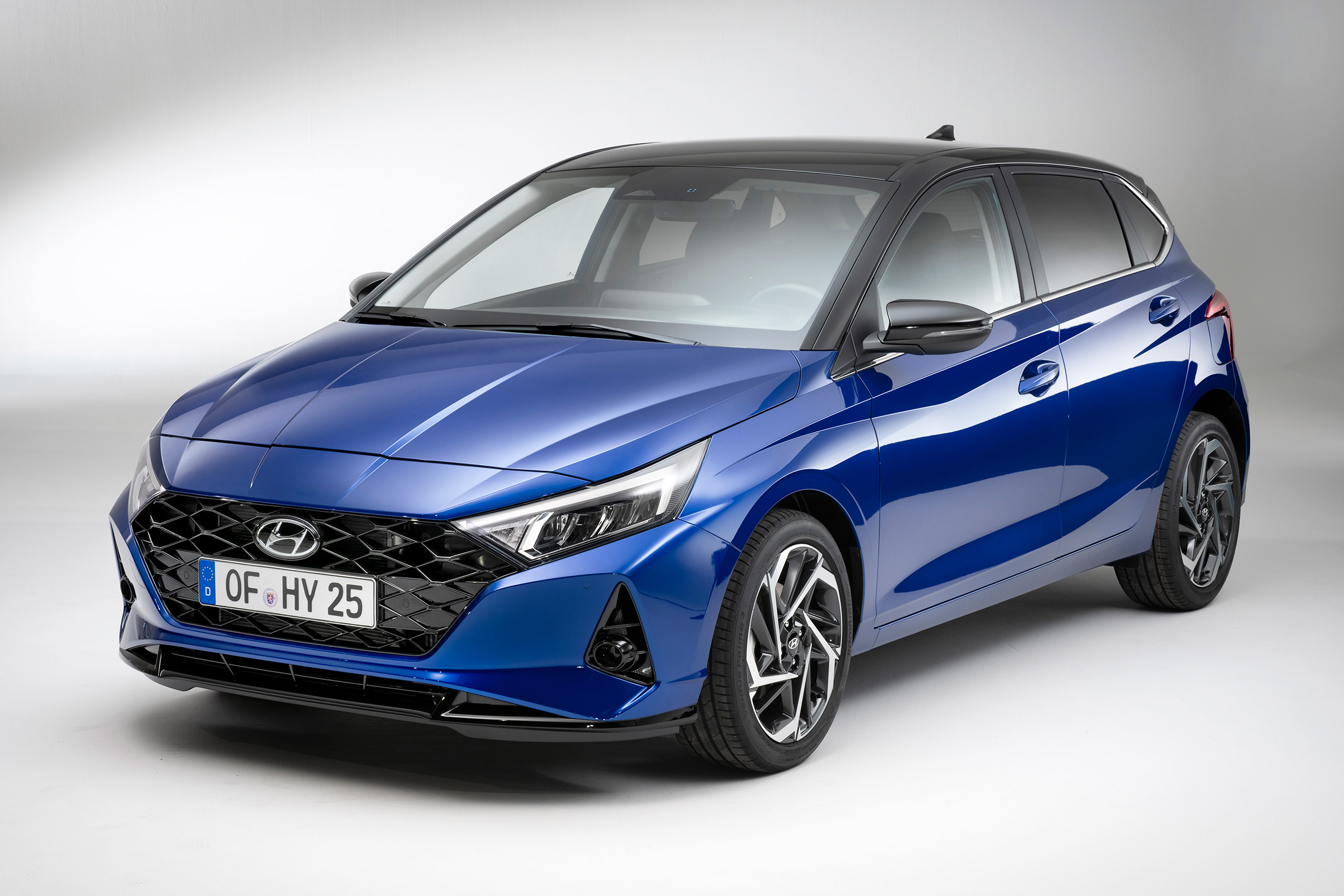
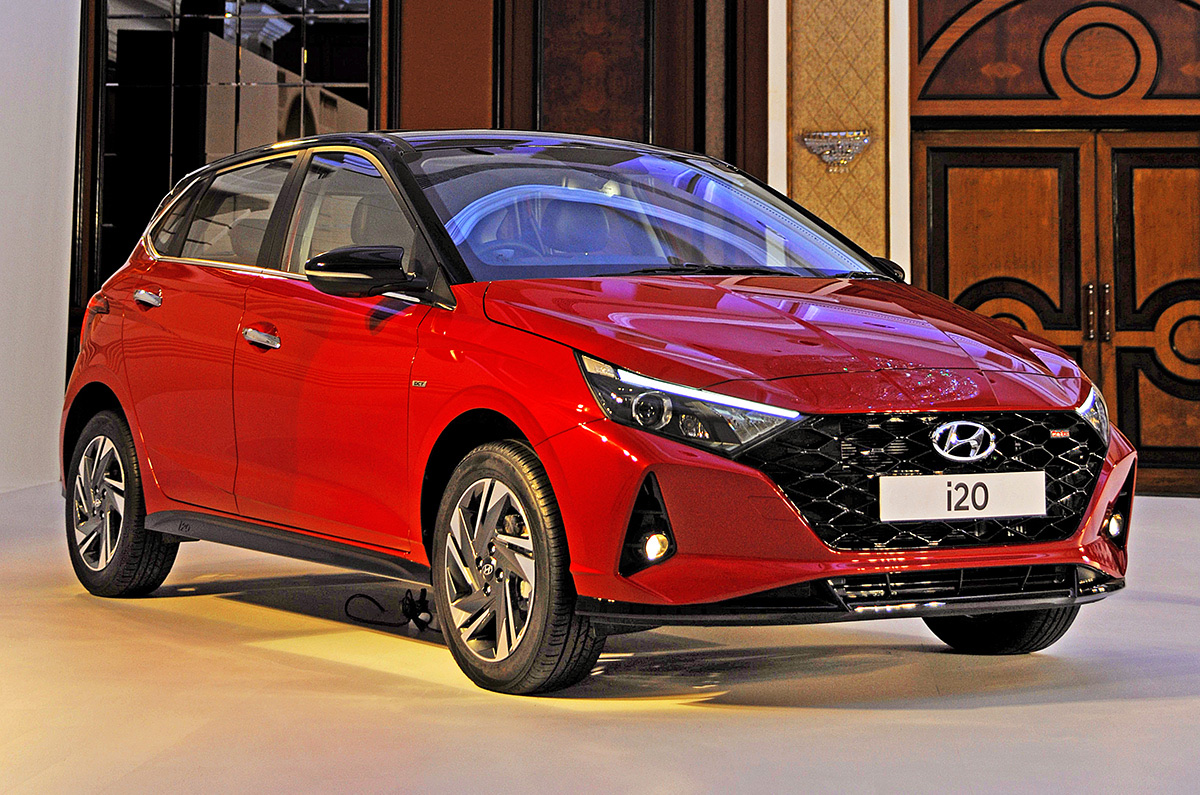
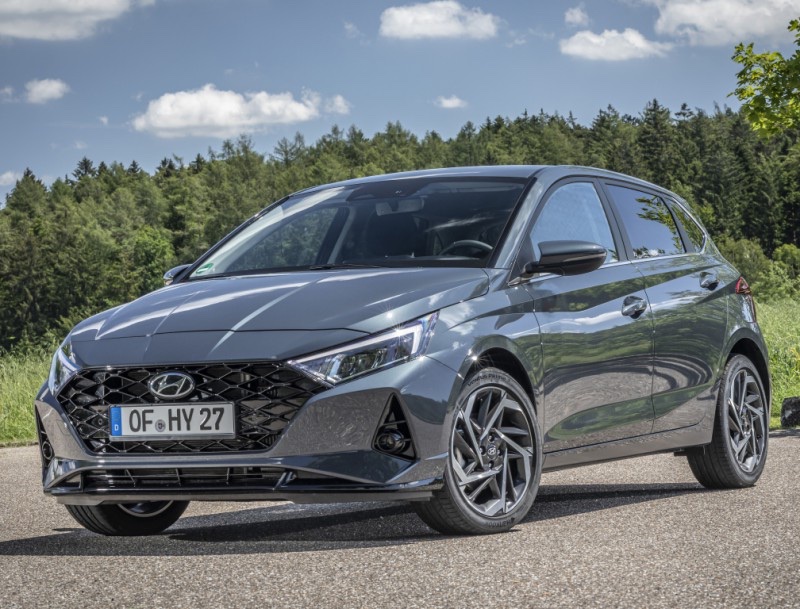
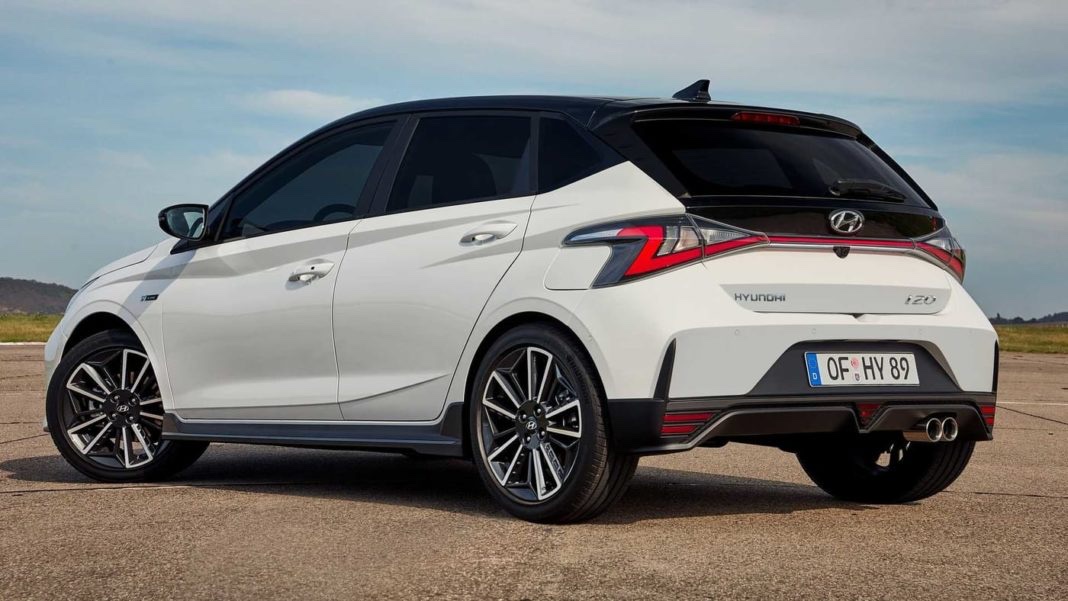
Specifications by trim
Choose a configuration below to open full technical data grouped by category.
1.2 MPi (84 hp) 5-speed manual 37 specifications
Specifications
Performance and consumption
| Fuel consumption city, L/100 km | 6.6 |
|---|---|
| Fuel consumption highway, L/100 km | 4.5 |
| Fuel consumption combined, L/100 km | 5.3 |
| Top speed, km/h | 173 |
| Acceleration 0-100 km/h, s | 13.1 |
| Emissions standard | Euro VI |
Engine
| Engine | 1.2 MPi |
|---|---|
| Engine code | G4LA |
| Engine type | Internal combustion engine |
| Fuel type | Gasoline |
| Engine displacement, cc | 1197 |
| Cylinder layout | Inline |
| Number of cylinders | 4 |
| Valves | 16 |
| Compression ratio | 10.5:1 |
| Power, hp | 84 |
| RPM at max power | 6000 |
| Torque, Nm | 118 |
| RPM at max torque | 4000 |
Dimensions
| Seats | 5 |
|---|---|
| Length, mm | 4040 |
| Width, mm | 1775 |
| Height, mm | 1450 |
| Wheelbase, mm | 2580 |
| Front track, mm | 1545 |
| Rear track, mm | 1549 |
| Kerb weight, kg | 1088 |
| Gross weight, kg | 1650 |
| Fuel tank capacity, L | 40 |
| Ground clearance, mm | 140 |
| Trunk capacity, L | 352 |
Transmission and drive
| Transmission | 5-speed manual |
|---|---|
| Transmission type | manual |
| Drive | Front-wheel drive |
| Number of gears | 5 |
| Transmission manufacturer | Hyundai-KIA |
| Transmission country | South Korea |
1.0 T-GDI (100 hp) 6-speed manual 38 specifications
Specifications
Performance and consumption
| Fuel consumption city, L/100 km | 6 |
|---|---|
| Fuel consumption highway, L/100 km | 4.3 |
| Fuel consumption combined, L/100 km | 4.9 |
| Top speed, km/h | 188 |
| Acceleration 0-100 km/h, s | 10.4 |
| Emissions standard | Euro VI |
Engine
| Engine | 1.0 T-GDI |
|---|---|
| Engine code | G3LC |
| Engine type | Internal combustion engine |
| Fuel type | Gasoline |
| Engine displacement, cc | 998 |
| Cylinder layout | Inline |
| Number of cylinders | 3 |
| Valves | 12 |
| Turbocharger | + |
| Compression ratio | 10.0:1 |
| Power, hp | 100 |
| RPM at max power | 4500 |
| Torque, Nm | 172 |
| RPM at max torque | 1500-4000 |
Dimensions
| Seats | 5 |
|---|---|
| Length, mm | 4040 |
| Width, mm | 1775 |
| Height, mm | 1450 |
| Wheelbase, mm | 2580 |
| Front track, mm | 1545 |
| Rear track, mm | 1549 |
| Kerb weight, kg | 1088 |
| Gross weight, kg | 1650 |
| Fuel tank capacity, L | 40 |
| Ground clearance, mm | 140 |
| Trunk capacity, L | 352 |
Transmission and drive
| Transmission | 6-speed manual |
|---|---|
| Transmission type | manual |
| Drive | Front-wheel drive |
| Number of gears | 6 |
| Transmission manufacturer | Hyundai |
| Transmission country | South Korea |
1.0 T-GDI (100 hp) 6-iMT 37 specifications
Specifications
Performance and consumption
| Fuel consumption city, L/100 km | 5 |
|---|---|
| Fuel consumption highway, L/100 km | 4 |
| Fuel consumption combined, L/100 km | 4.4 |
| Top speed, km/h | 188 |
| Acceleration 0-100 km/h, s | 10.4 |
| Emissions standard | Euro VI |
Engine
| Engine | 1.0 T-GDI |
|---|---|
| Engine code | G3LC |
| Engine type | Internal combustion engine |
| Fuel type | Gasoline |
| Engine displacement, cc | 998 |
| Cylinder layout | Inline |
| Number of cylinders | 3 |
| Valves | 12 |
| Turbocharger | + |
| Compression ratio | 10.0:1 |
| Power, hp | 100 |
| RPM at max power | 4500 |
| Torque, Nm | 172 |
| RPM at max torque | 1500-4000 |
Dimensions
| Seats | 5 |
|---|---|
| Length, mm | 4040 |
| Width, mm | 1775 |
| Height, mm | 1450 |
| Wheelbase, mm | 2580 |
| Front track, mm | 1545 |
| Rear track, mm | 1549 |
| Kerb weight, kg | 1088 |
| Gross weight, kg | 1650 |
| Fuel tank capacity, L | 40 |
| Ground clearance, mm | 140 |
| Trunk capacity, L | 352 |
Transmission and drive
| Transmission | 6-iMT |
|---|---|
| Transmission type | manual |
| Drive | Front-wheel drive |
| Number of gears | 6 |
| Automatic transmission | + |
1.0 T-GDI (100 hp) 7-DCT 39 specifications
Specifications
Performance and consumption
| Fuel consumption city, L/100 km | 5.6 |
|---|---|
| Fuel consumption highway, L/100 km | 4.2 |
| Fuel consumption combined, L/100 km | 4.7 |
| Top speed, km/h | 185 |
| Acceleration 0-100 km/h, s | 11.4 |
| Emissions standard | Euro VI |
Engine
| Engine | 1.0 T-GDI |
|---|---|
| Engine code | G3LC |
| Engine type | Internal combustion engine |
| Fuel type | Gasoline |
| Engine displacement, cc | 998 |
| Cylinder layout | Inline |
| Number of cylinders | 3 |
| Valves | 12 |
| Turbocharger | + |
| Compression ratio | 10.0:1 |
| Power, hp | 100 |
| RPM at max power | 4500 |
| Torque, Nm | 172 |
| RPM at max torque | 1500-4000 |
Dimensions
| Seats | 5 |
|---|---|
| Length, mm | 4040 |
| Width, mm | 1775 |
| Height, mm | 1450 |
| Wheelbase, mm | 2580 |
| Front track, mm | 1545 |
| Rear track, mm | 1549 |
| Kerb weight, kg | 1088 |
| Gross weight, kg | 1650 |
| Fuel tank capacity, L | 40 |
| Ground clearance, mm | 140 |
| Trunk capacity, L | 352 |
Transmission and drive
| Transmission | 7-speed dual-clutch |
|---|---|
| Transmission type | 2-speed automated manual |
| Drive | Front-wheel drive |
| Number of gears | 7 |
| Transmission manufacturer | Hyundai-KIA |
| Automatic transmission | + |
| Transmission country | South Korea |
1.0 T-GDI (120 hp) 6-iMT 37 specifications
Specifications
Performance and consumption
| Fuel consumption city, L/100 km | 5.1 |
|---|---|
| Fuel consumption highway, L/100 km | 3.9 |
| Fuel consumption combined, L/100 km | 4.4 |
| Top speed, km/h | 190 |
| Acceleration 0-100 km/h, s | 10.1 |
| Emissions standard | Euro VI |
Engine
| Engine | 1.0 T-GDI |
|---|---|
| Engine code | G3LC |
| Engine type | Internal combustion engine |
| Fuel type | Gasoline |
| Engine displacement, cc | 998 |
| Cylinder layout | Inline |
| Number of cylinders | 3 |
| Valves | 12 |
| Turbocharger | + |
| Compression ratio | 10.0:1 |
| Power, hp | 120 |
| RPM at max power | 6000 |
| Torque, Nm | 172 |
| RPM at max torque | 1500-4000 |
Dimensions
| Seats | 5 |
|---|---|
| Length, mm | 4040 |
| Width, mm | 1775 |
| Height, mm | 1450 |
| Wheelbase, mm | 2580 |
| Front track, mm | 1545 |
| Rear track, mm | 1549 |
| Kerb weight, kg | 1088 |
| Gross weight, kg | 1650 |
| Fuel tank capacity, L | 40 |
| Ground clearance, mm | 140 |
| Trunk capacity, L | 352 |
Transmission and drive
| Transmission | 6-iMT |
|---|---|
| Transmission type | manual |
| Drive | Front-wheel drive |
| Number of gears | 6 |
| Automatic transmission | + |
1.0 T-GDI (120 hp) 7-DCT 38 specifications
Specifications
Performance and consumption
| Fuel consumption city, L/100 km | 5.5 |
|---|---|
| Fuel consumption highway, L/100 km | 4.2 |
| Fuel consumption combined, L/100 km | 4.7 |
| Top speed, km/h | 190 |
| Acceleration 0-100 km/h, s | 10.3 |
| Emissions standard | Euro VI |
Engine
| Engine | 1.0 T-GDI |
|---|---|
| Engine code | G3LC |
| Engine type | Internal combustion engine |
| Fuel type | Gasoline |
| Engine displacement, cc | 998 |
| Cylinder layout | Inline |
| Number of cylinders | 3 |
| Valves | 12 |
| Turbocharger | + |
| Power, hp | 120 |
| RPM at max power | 6000 |
| Torque, Nm | 200 |
| RPM at max torque | 2000-3500 |
Dimensions
| Seats | 5 |
|---|---|
| Length, mm | 4040 |
| Width, mm | 1775 |
| Height, mm | 1450 |
| Wheelbase, mm | 2580 |
| Front track, mm | 1545 |
| Rear track, mm | 1549 |
| Kerb weight, kg | 1088 |
| Gross weight, kg | 1650 |
| Fuel tank capacity, L | 40 |
| Ground clearance, mm | 140 |
| Trunk capacity, L | 352 |
Transmission and drive
| Transmission | 7-speed dual-clutch |
|---|---|
| Transmission type | 2-speed automated manual |
| Drive | Front-wheel drive |
| Number of gears | 7 |
| Transmission manufacturer | Hyundai-KIA |
| Automatic transmission | + |
| Transmission country | South Korea |
Hyundai i20 questions
Short answers based on the specifications and photos available in this catalog.
What body style is the 2020 Hyundai i20?
The 2020 Hyundai i20 is a five-door subcompact hatchback, competing in the European B-segment.
What engine options are available for the 2020 i20?
The i20 offers a 1.2-liter naturally aspirated engine with 84 horsepower, as well as a 1.0-liter turbocharged three-cylinder with either 100 or 120 horsepower.
Does the 2020 i20 offer an automatic transmission?
Yes, the 1.0-liter turbocharged engines can be paired with a seven-speed dual-clutch automatic transmission (7-DCT). Traditional manual and intelligent manual (iMT) gearboxes are also available.
How big is the trunk in the Hyundai i20?
The trunk capacity of the third-generation i20 is 351 liters, which represents a 25-liter increase over the previous generation.
What safety technology is included in the new i20?
It features the Hyundai SmartSense suite, which includes automatic emergency braking with pedestrian and cyclist detection, lane-keeping assist, blind-spot monitoring, and navigation-based cruise control.