Hyundai i30 specifications and photos
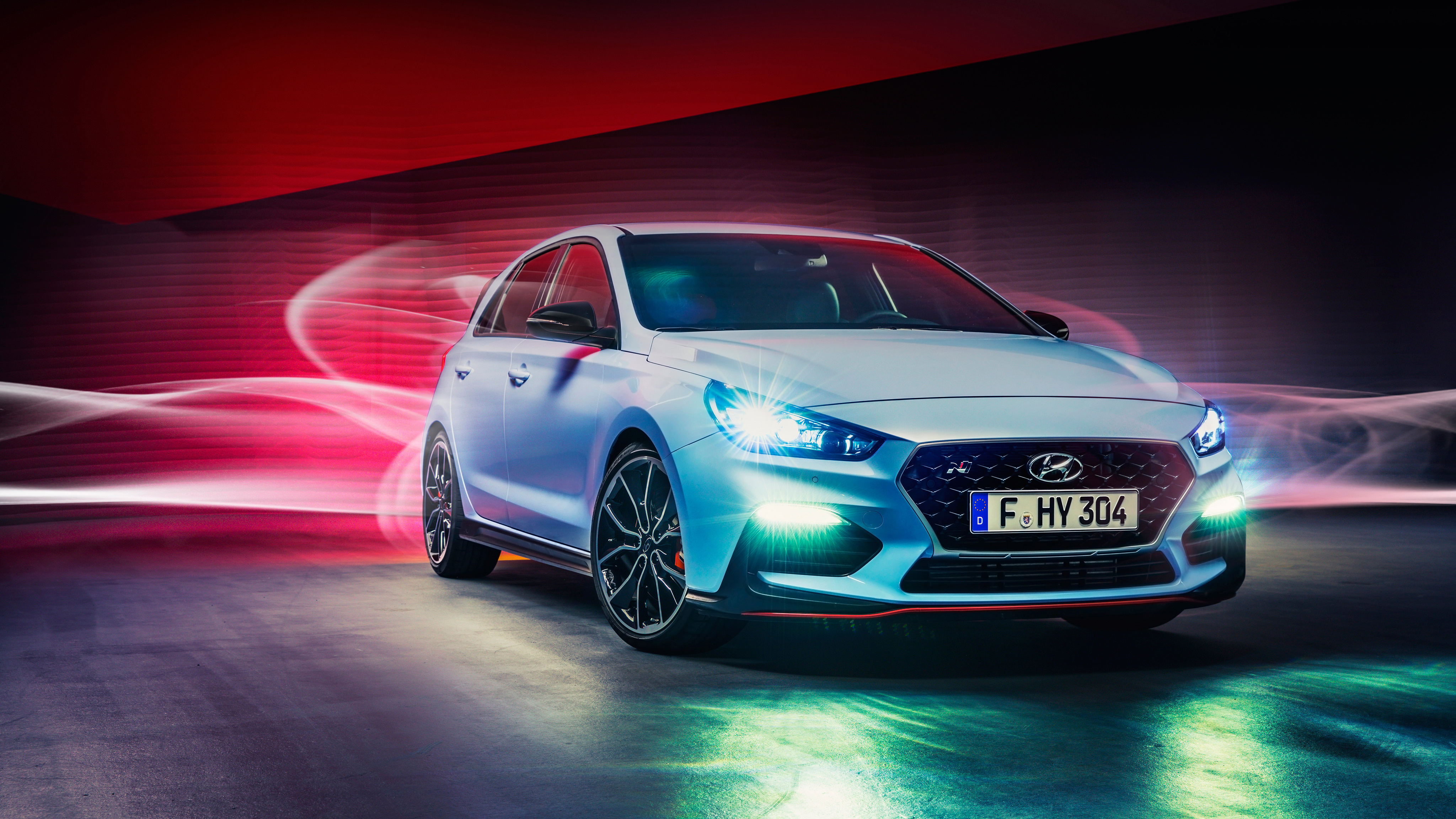
The 2020 Hyundai i30 is a front-wheel-drive C-segment hatchback, representing the second major update for its third generation. Unveiled in early 2020, it introduces revised exterior styling, advanced cabin technology, and new mild-hybrid powertrain options.
Hyundai i30 at a glance
Quick model context before comparing photos and trim-level specifications.
This mid-cycle refresh aims to keep the third-generation Hyundai i30 competitive in the crowded compact hatchback segment. The 2020 update brings a sharper visual identity, highlighted by a wider grille and integrated lighting signatures. Inside, the focus shifts toward digital integration with larger displays and enhanced connectivity features. Hyundai also expanded the mechanical lineup, introducing 48-volt mild-hybrid systems paired with a novel intelligent manual transmission (iMT) to improve efficiency. For buyers seeking a more dynamic appearance and driving feel, the sport-inspired N Line trim offers aggressive styling cues and model-specific suspension tuning on higher-output engines.
- Power: 110-160 hp
- Engine displacement: 998-1598 cc
- Transmissions: 7-speed dual-clutch, 6-speed manual, 6-iMT
- Seating: 5 seats
Photos, trims and specifications for Hyundai i30
This model page brings gallery images, trim comparison, and detailed technical data together for the 2020 generation.
Estimate fuel cost
Use trim-level fuel consumption data to estimate monthly and yearly fuel spending.
Fuel costs are estimates. Real consumption can change with driving style, traffic, tires, weather, load, and market-specific equipment.
Hyundai i30 overview
Editorial context for design, cabin, performance, practicality, and buyer notes.
Design
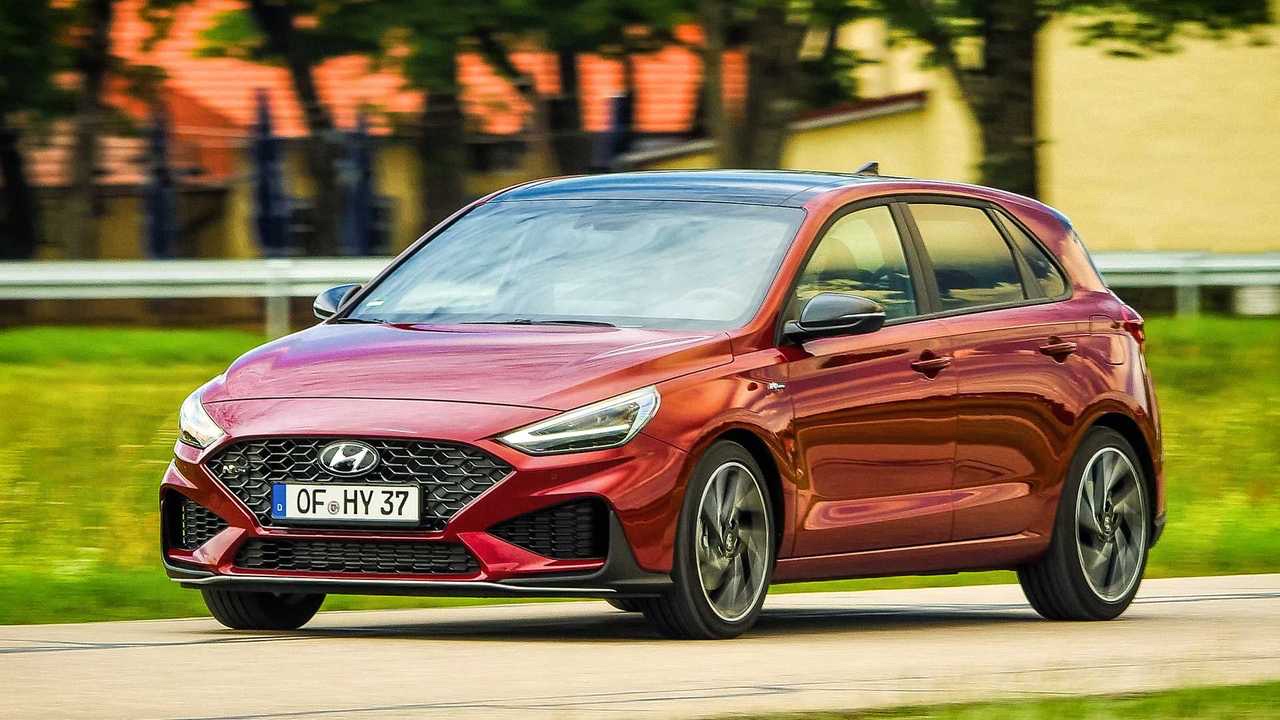
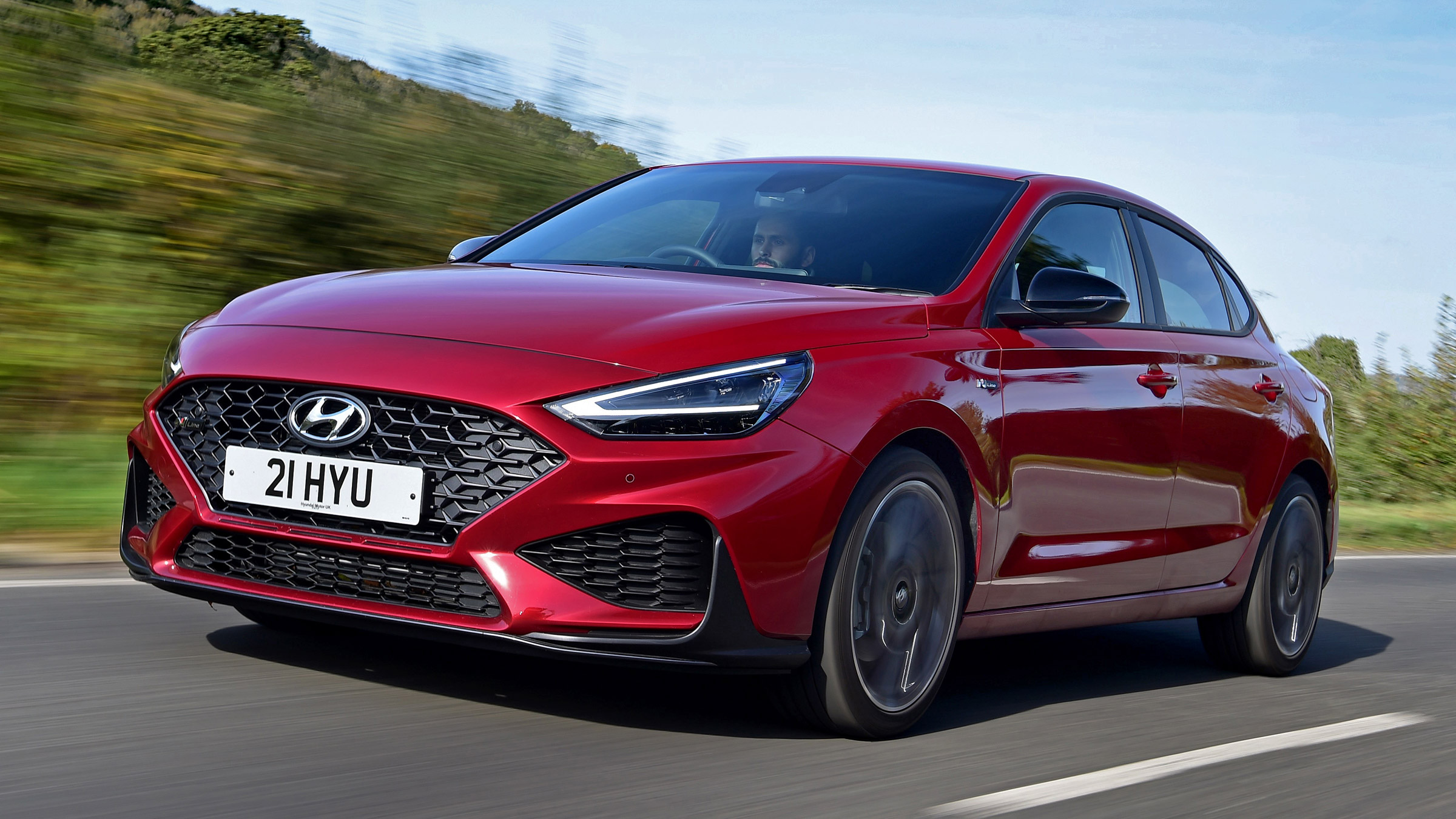
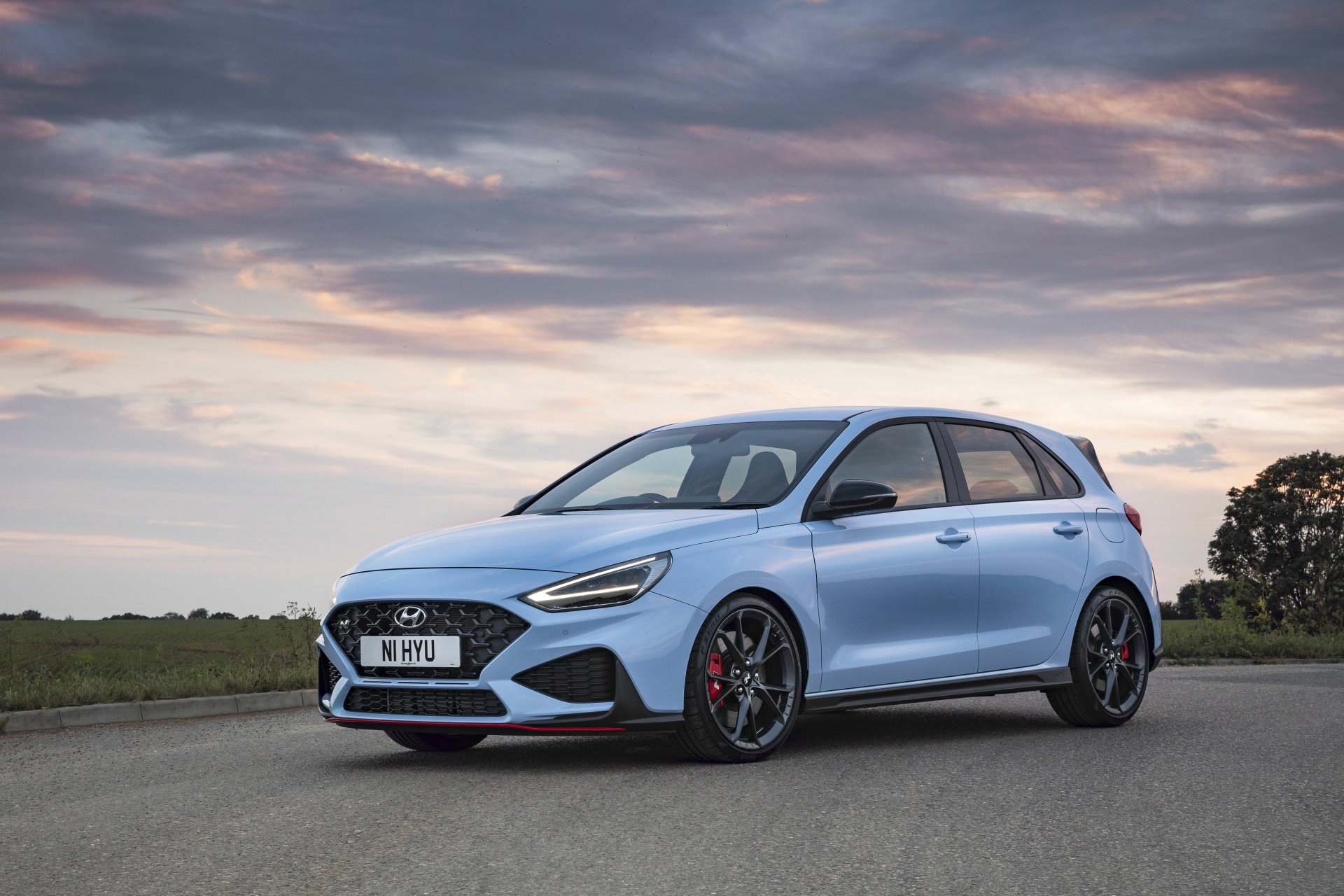
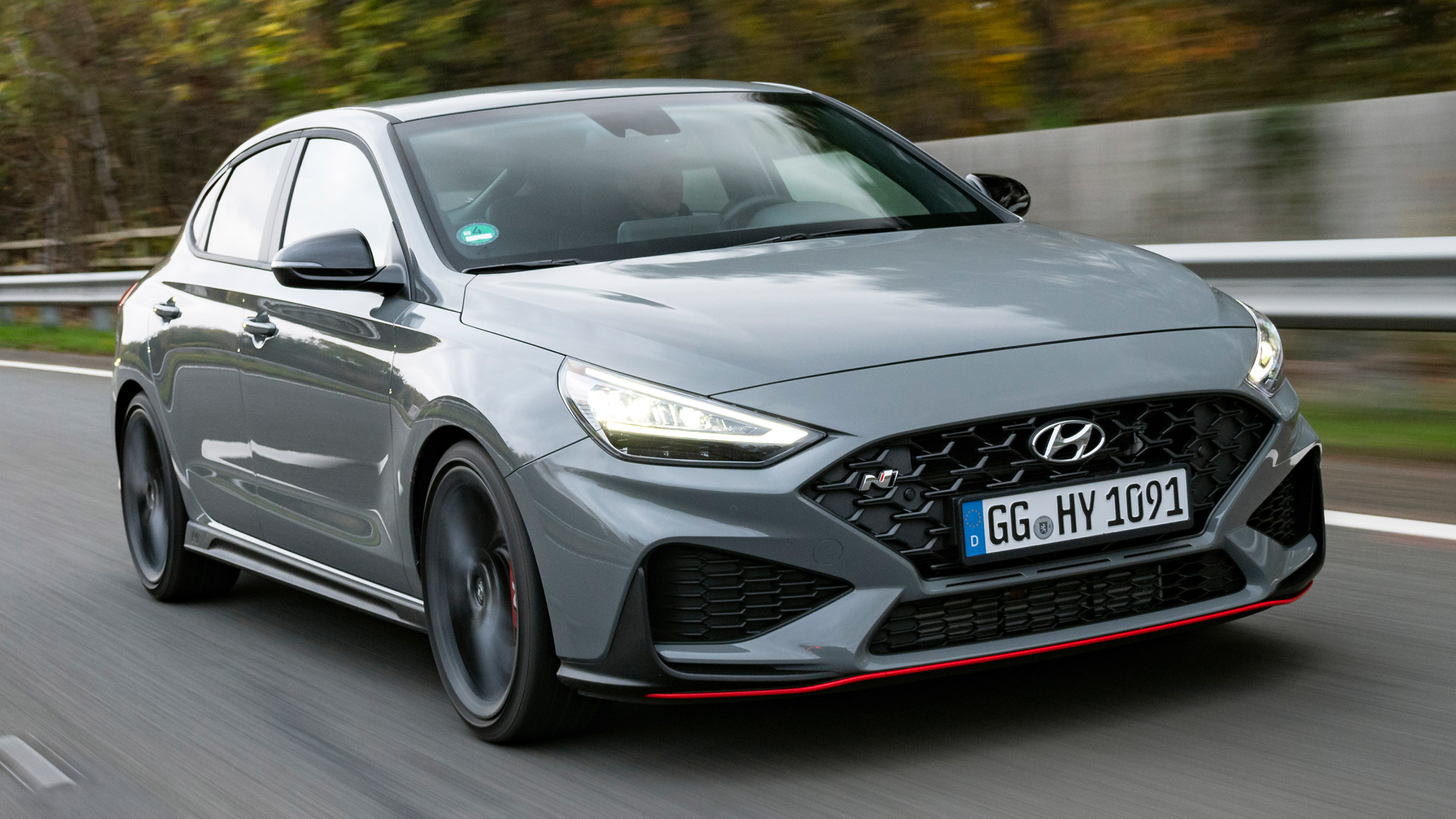
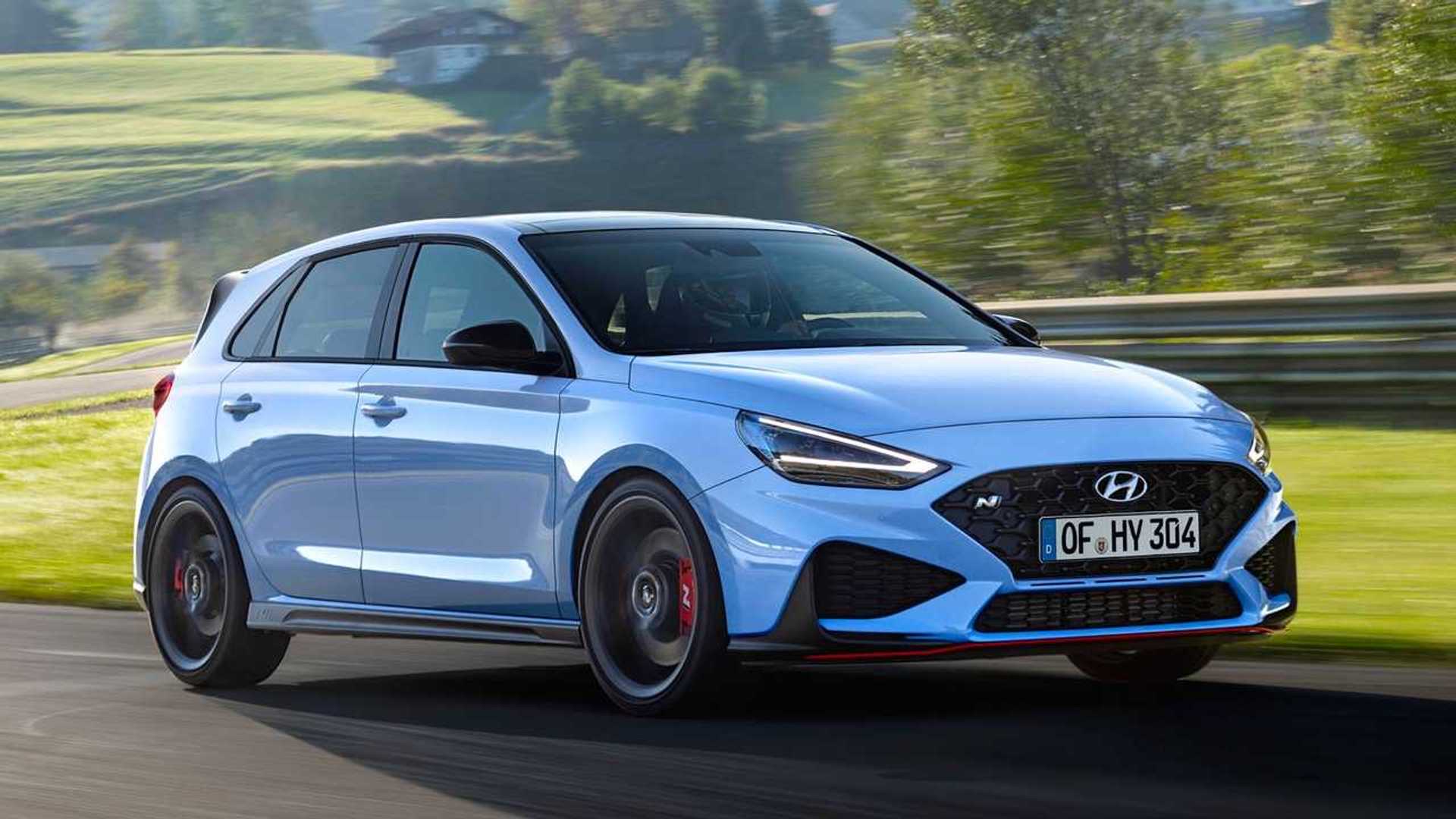
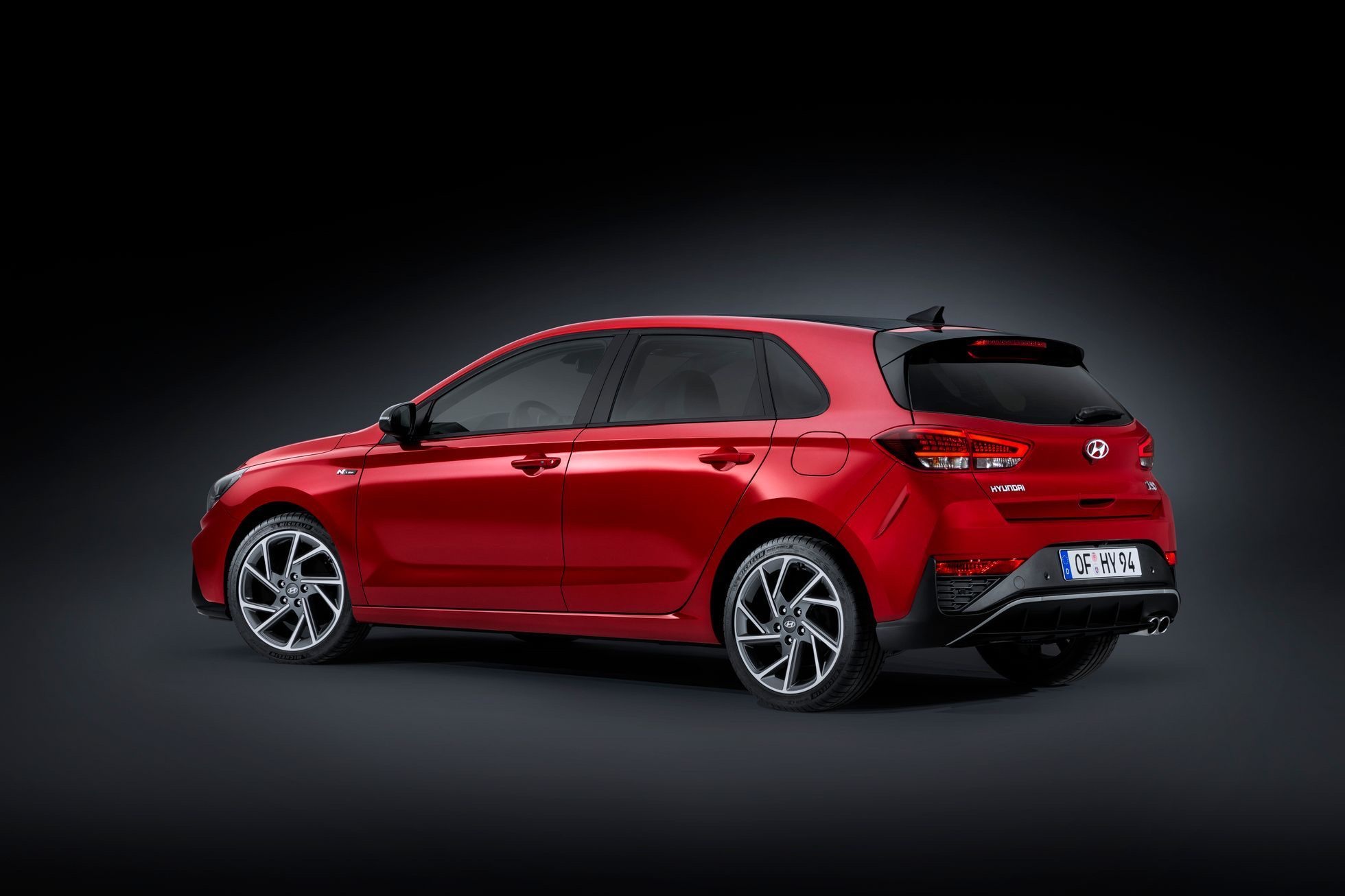
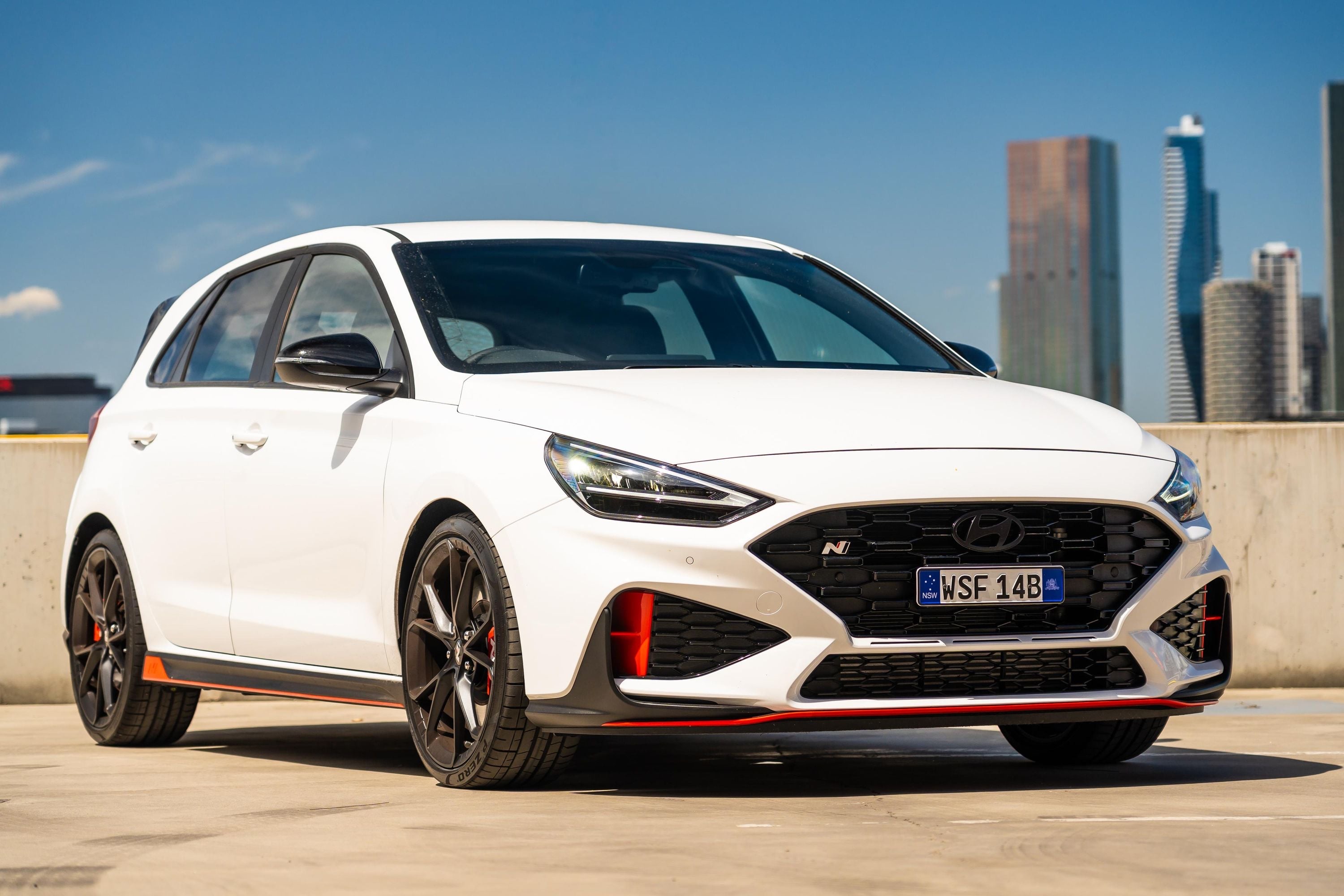
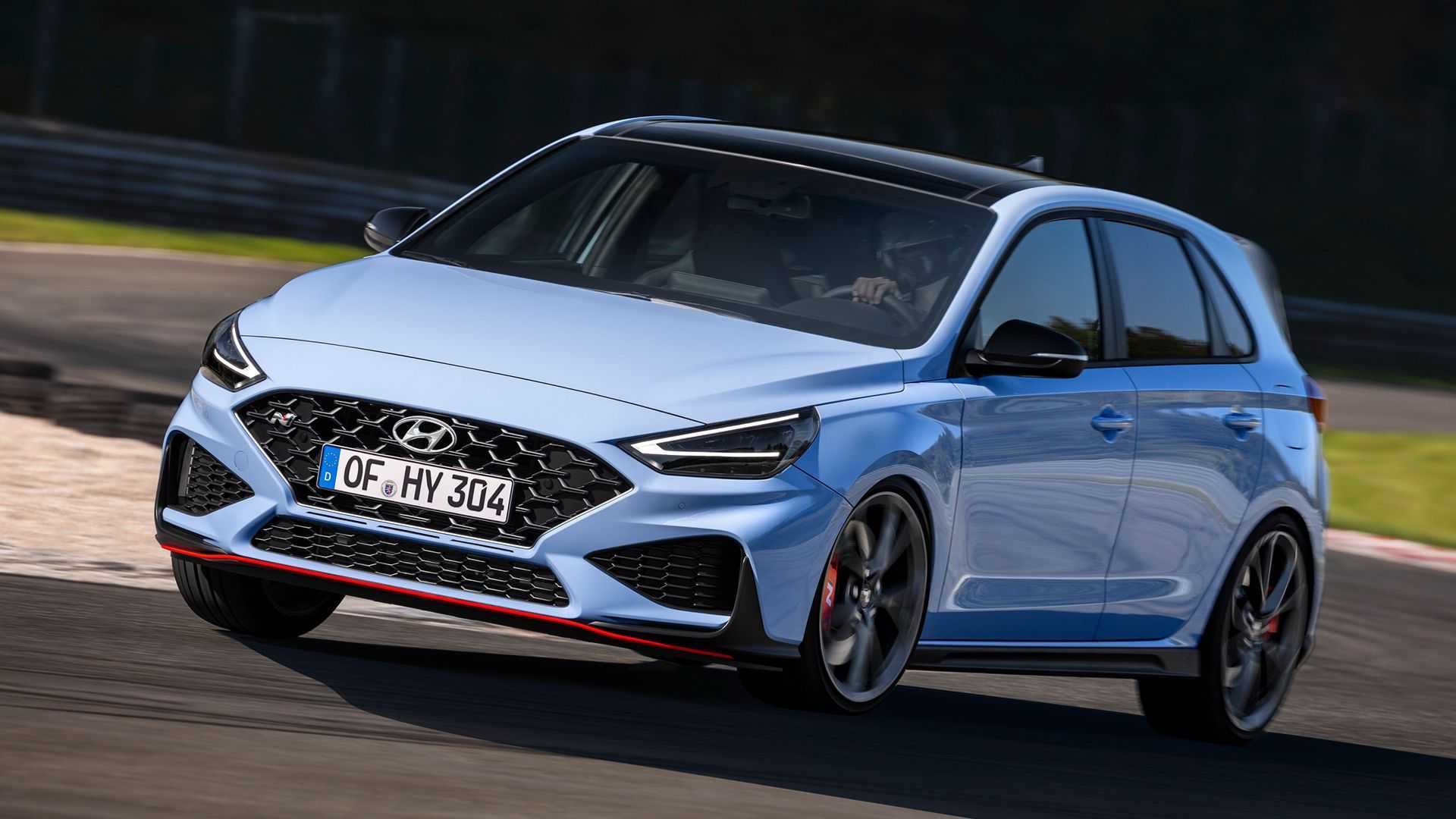
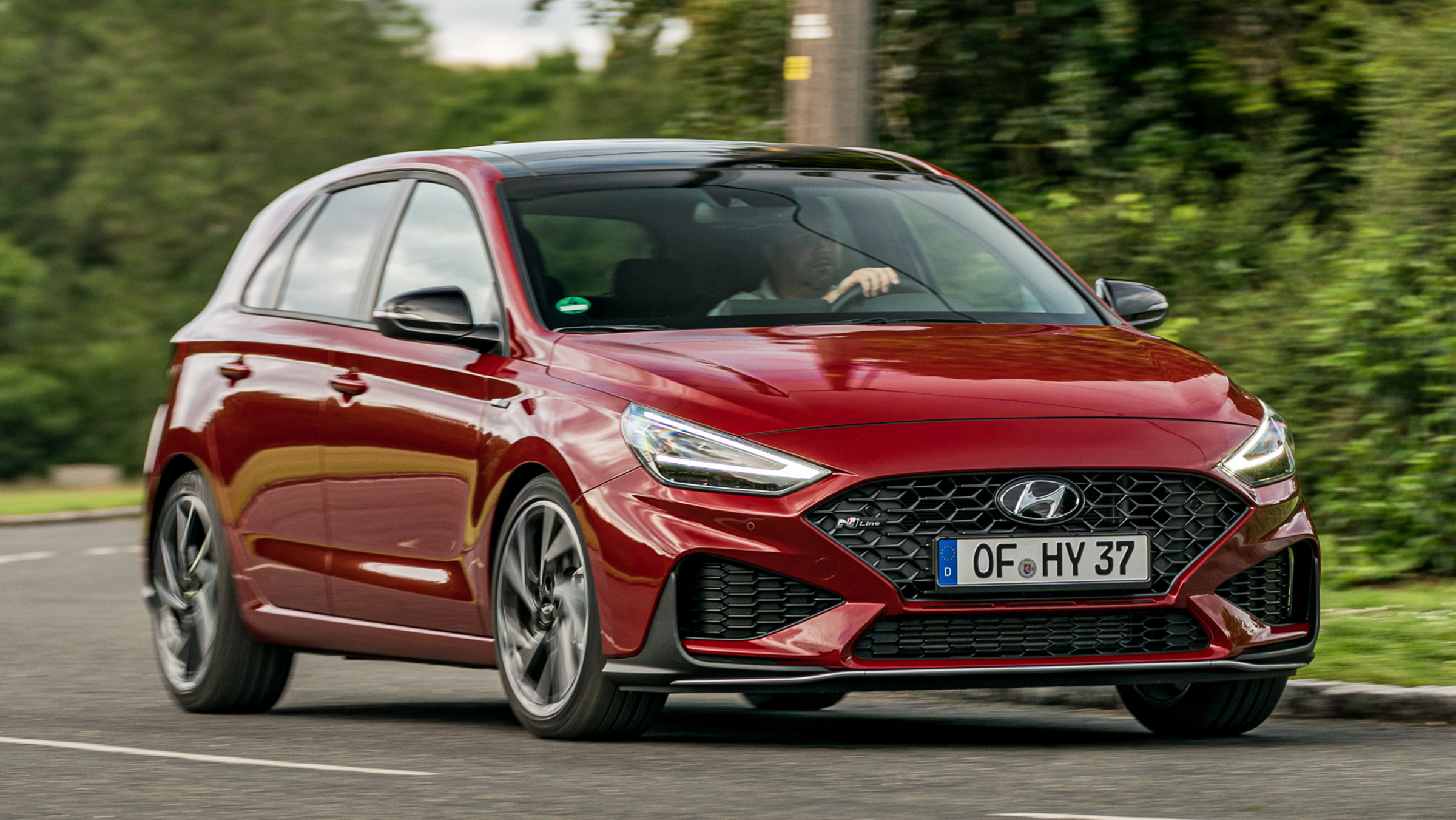
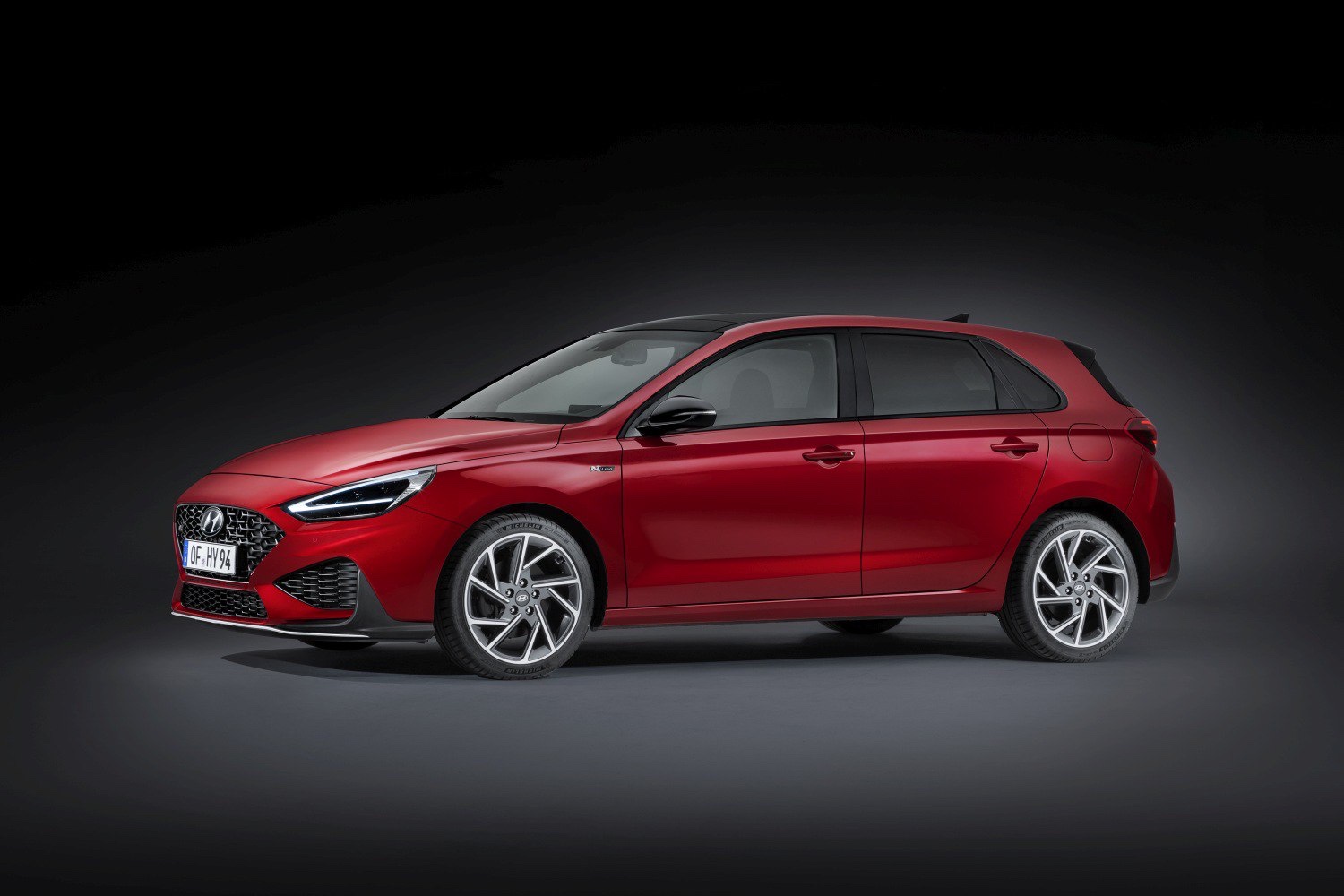
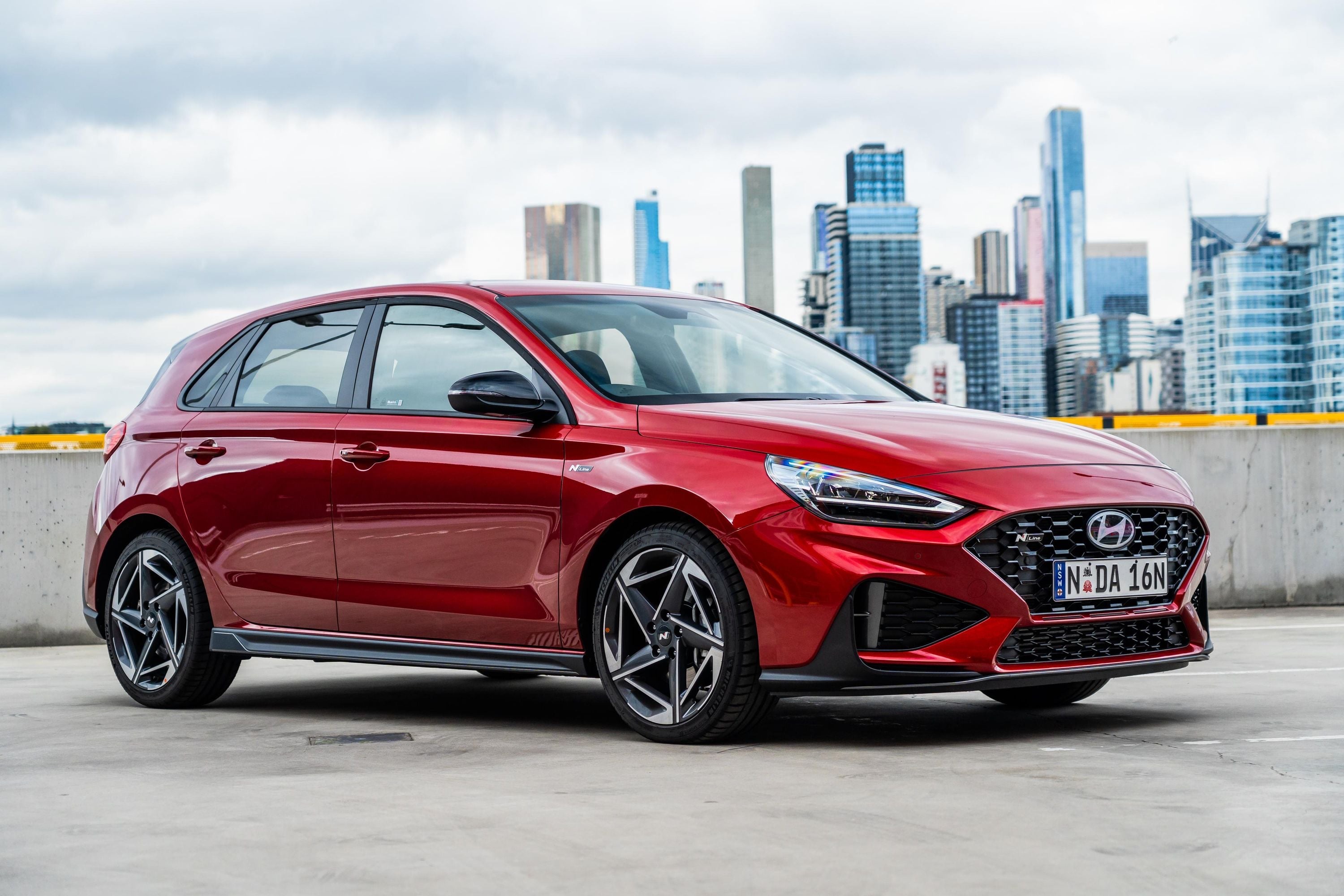
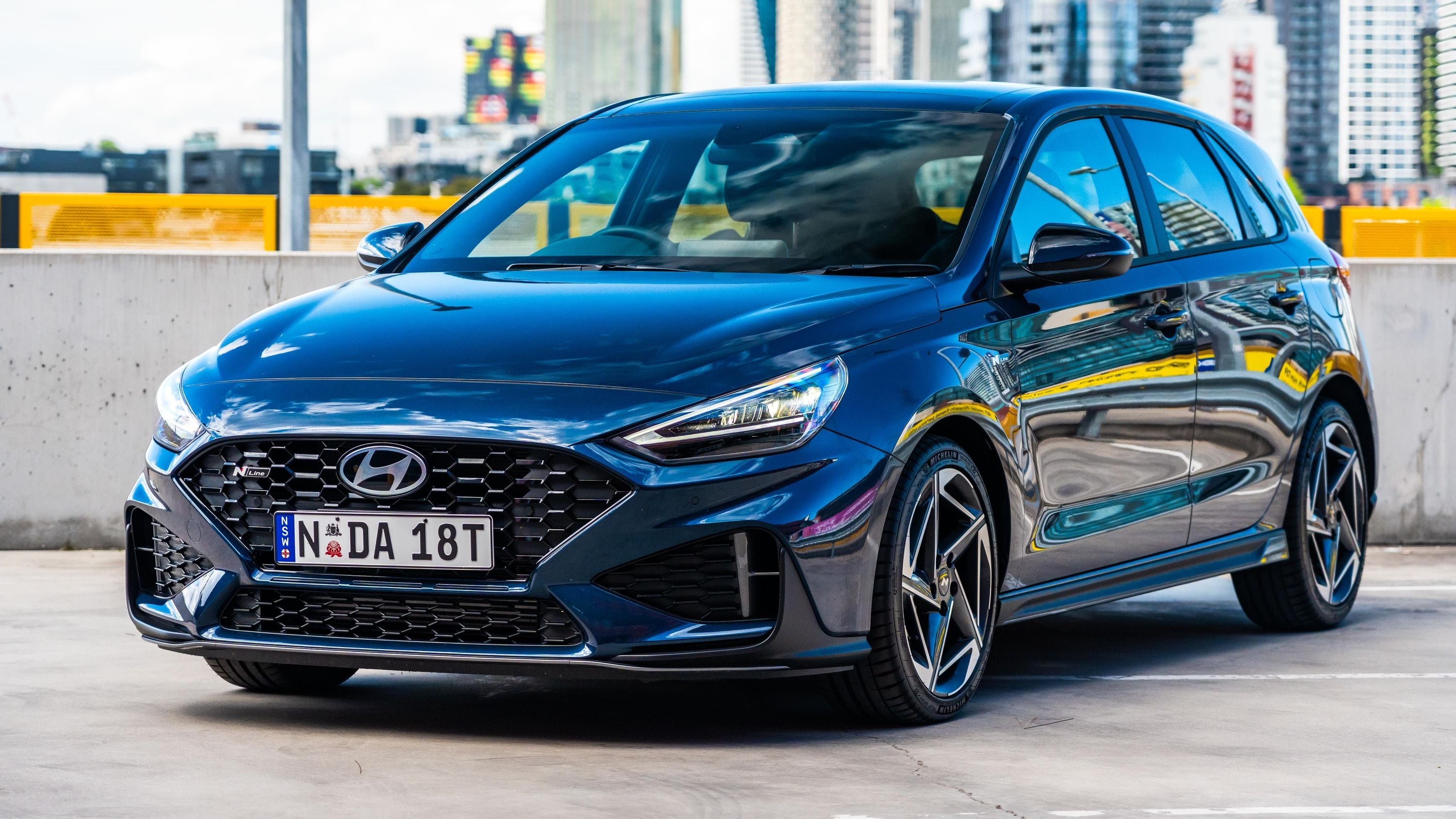
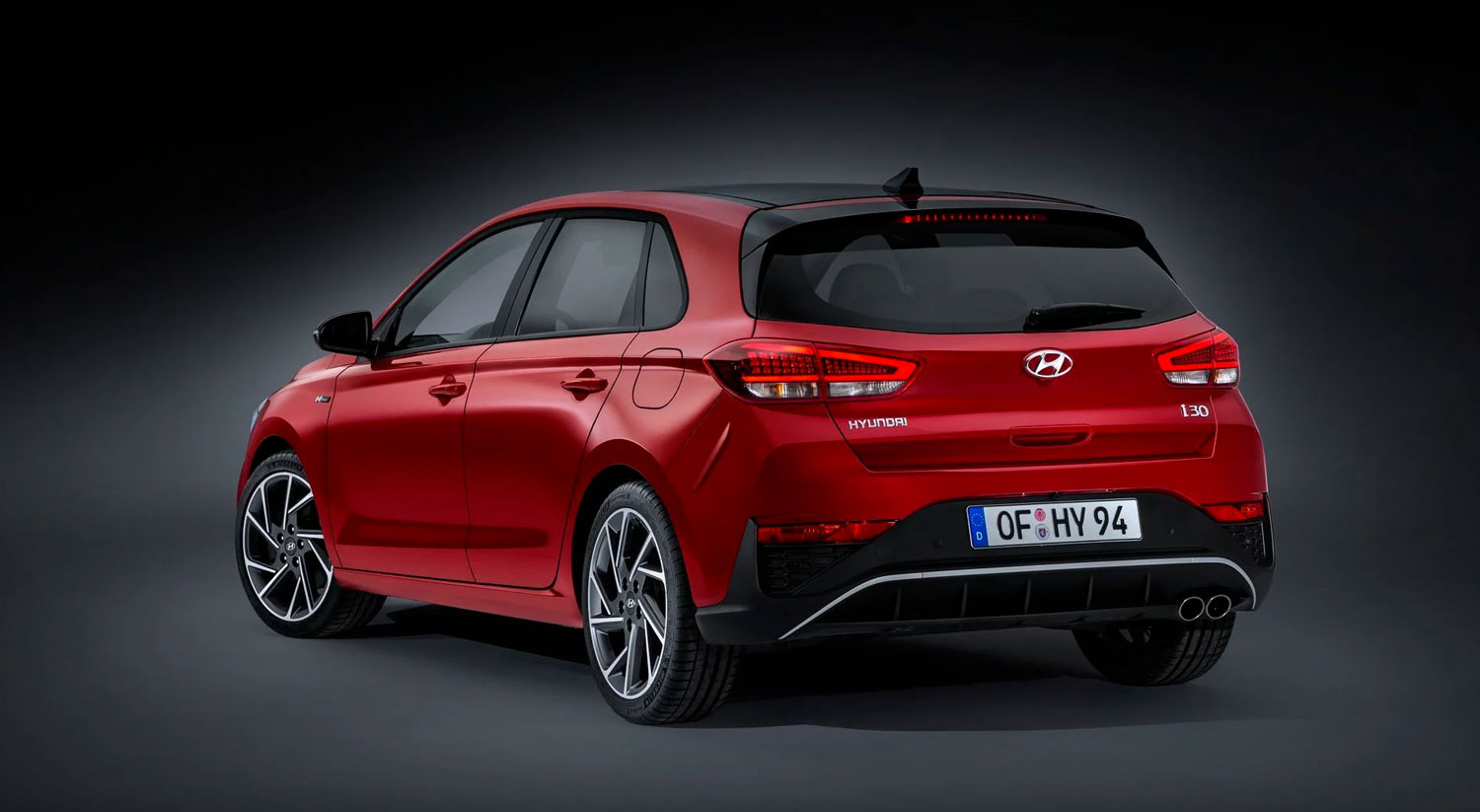
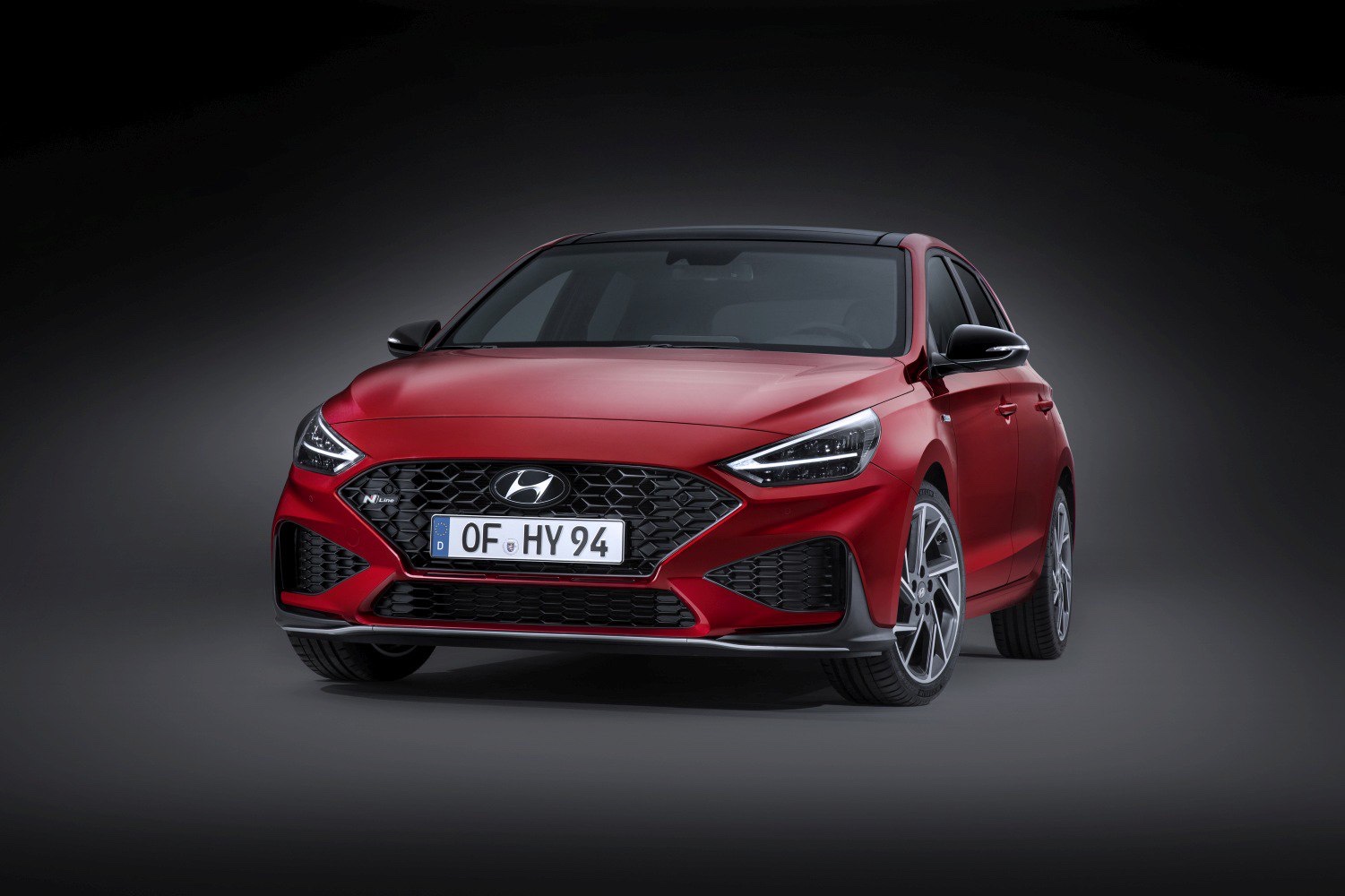
The exterior redesign centers around a more assertive front fascia. The wider, three-dimensional grille is flanked by redesigned headlights featuring V-shaped LED daytime running lights, replacing the previous bumper-mounted units. The front bumper incorporates triangular inserts around the lower lighting elements, while the rear bumper and taillights receive matching V-shaped light signatures. Standard models ride on 15-, 16-, or 17-inch wheels depending on the trim. The sport-oriented N Line variant adds black lower bumper accents, enlarged air intakes, a rear diffuser, dual exhaust outlets, and larger 17- or 18-inch wheels.
Interior
Cabin updates prioritize connectivity and modernization. Higher trims feature a combined digital instrument cluster with a 7-inch screen and a prominent 10.25-inch central touchscreen multimedia system. Wireless Apple CarPlay, Android Auto, and cloud-based voice commands are available, alongside wireless smartphone charging. Physical changes include subtly redesigned climate vents. The base trim maintains a more traditional layout with a 3.8-inch monochrome display, manual air conditioning, and analog instruments. The five-seat layout offers practical everyday usability, supported by a standard array of storage options and comfortable seating.
Performance
The engine range includes traditional internal combustion and electrified options. The base engine is a naturally aspirated 1.5-liter four-cylinder making 110 hp. Turbocharged options include a 1.0-liter three-cylinder with 120 hp and a range-topping 1.5-liter four-cylinder delivering 160 hp. Diesel power comes from a 1.6-liter unit available with either 115 hp or 136 hp. A 48-volt mild-hybrid system is standard on the 160-hp petrol and 136-hp diesel, and optional on the 1.0-liter turbo. Transmission choices include a 6-speed manual, a 6-speed automatic, and a 7-speed dual-clutch automatic. Mild-hybrid models feature a 6-speed intelligent manual transmission (iMT) capable of decoupling the engine during coasting to save fuel.
Practicality
As a traditional compact hatchback, the i30 remains highly practical for daily commuting and small family use. The 4,340 mm length makes it easy to park in urban environments, while the 2,650 mm wheelbase provides adequate cabin space for five passengers. The trunk offers 395 liters of volume, which is competitive for the class, and the 60/40 split-folding rear seats allow for flexible cargo hauling when larger items need to be transported. Ground clearance is rated at 140 mm.
Safety and tech
The 2020 update expands the Hyundai SmartSense safety suite. The automatic emergency braking system now recognizes pedestrians and cyclists. Additional available features include active blind-spot monitoring that can intervene if an obstacle is detected, a leading vehicle departure alert, lane-keeping assist, and rear cross-traffic auto-braking. Even the base model includes essential driver aids like hill-start assist, basic lane-keeping, and standard forward collision warning.
Buyer notes
When comparing 2020 i30 models, shoppers should pay close attention to the powertrain and multimedia differences. The base 1.5-liter naturally aspirated engine provides simple, reliable motoring but lacks the modern tech features found in higher trims. Upgrading to the turbocharged engines brings better performance and mild-hybrid efficiency, while also unlocking the larger 10.25-inch screen and advanced safety systems. Enthusiasts should consider the N Line with the 1.5 T-GDi or 1.6 CRDi, as these specific engine combinations include retuned steering and suspension for a sharper driving experience. Equipment levels and engine availability can vary by market.
Trims and key specifications
Use this table to compare the main differences between available configurations.
| Trim / modification | Engine | Power | Seats | Transmission |
|---|---|---|---|---|
| 1.0 T-GDI AT Comfort | 998 cc | 120 hp | 5 | 7-speed dual-clutch |
| 1.5 DPi (110 hp) 6-speed manual | 1498 cc | 110 hp | 5 | 6-speed manual |
| 1.0 T-GDI (120 hp) 6-iMT | 998 cc | 120 hp | 5 | 6-iMT |
| 1.0 T-GDI (120 hp) 7-DCT | 998 cc | 120 hp | 5 | 7-speed dual-clutch |
| 1.6 CRDi (115 hp) 6-speed manual | 1598 cc | 115 hp | 5 | 6-speed manual |
| 1.6 CRDi (115 hp) 7-DCT | 1598 cc | 115 hp | 5 | 7-speed dual-clutch |
| 1.5 T-GDi (160 hp) 6-iMT | 1482 cc | 160 hp | 5 | 6-iMT |
| 1.5 T-GDi (160 hp) 7-DCT | 1482 cc | 160 hp | 5 | 7-speed dual-clutch |
| 1.6 CRDI (136 hp) 6-iMT | 1582 cc | 136 hp | 5 | 6-iMT |
| 1.5 DPi (110 hp) 6-speed automatic | 1498 cc | 110 hp | 5 | 6-speed automatic |
Specifications can vary by market, model year, and equipment package. Use the trim sections below to review the full data for each configuration.
Hyundai i30 photo gallery
17 images are collected here with the main specifications and trim data for this model.
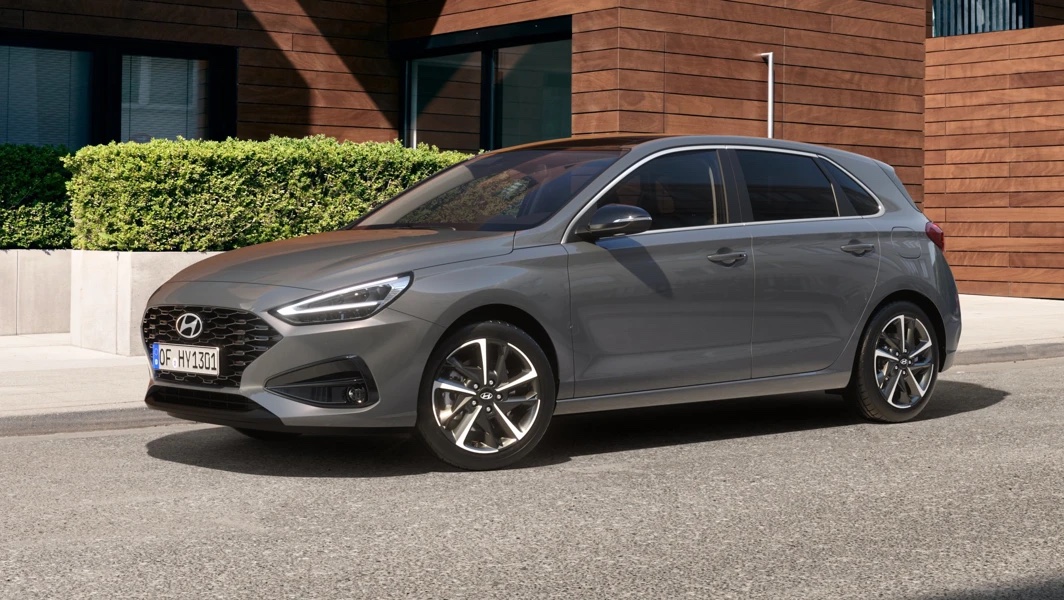
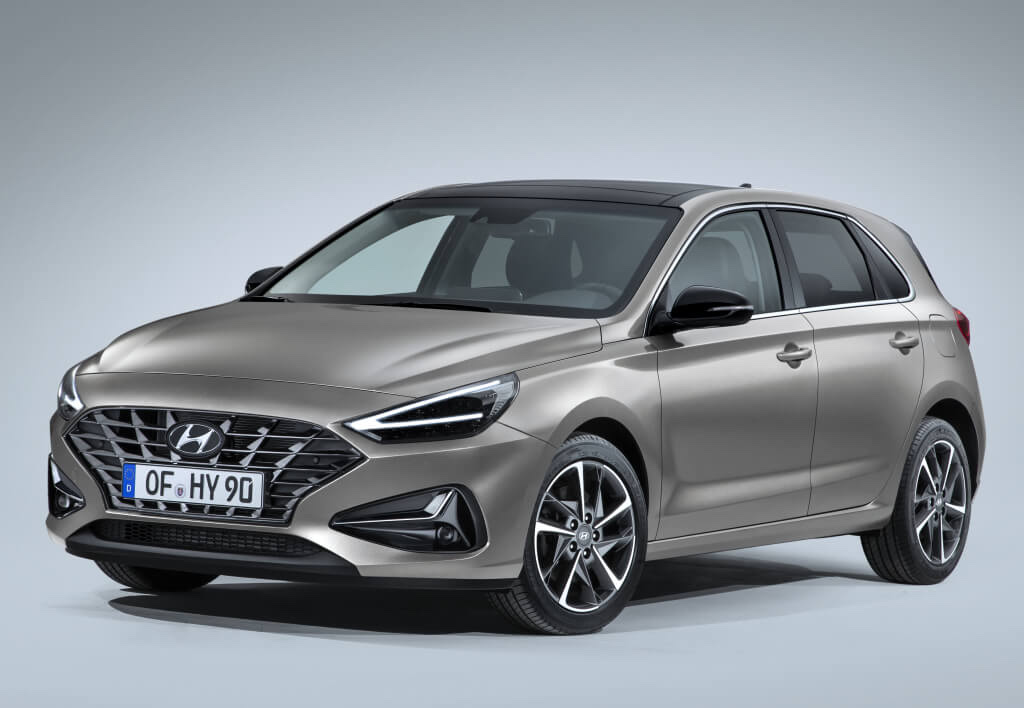
Photo Hyundai i30
Specifications by trim
Choose a configuration below to open full technical data grouped by category.
1.0 T-GDI AT Comfort 83 specifications
Specifications
Performance and consumption
| Fuel consumption city, L/100 km | 5.9 |
|---|---|
| Fuel consumption highway, L/100 km | 4.7 |
| Fuel consumption combined, L/100 km | 5.2 |
| Top speed, km/h | 196 |
| Acceleration 0-100 km/h, s | 11.2 |
| Emissions standard | Euro VI |
Engine
| Engine | 1.0 T-GDI |
|---|---|
| Engine code | G3LC |
| Engine type | Internal combustion engine |
| Fuel type | Gasoline |
| Engine displacement, cc | 998 |
| Cylinder layout | Inline |
| Number of cylinders | 3 |
| Valves | 12 |
| Turbocharger | + |
| Compression ratio | 10.0:1 |
| Power, hp | 120 |
| RPM at max power | 6000 |
| Torque, Nm | 172 |
| RPM at max torque | 1500-4000 |
| CO2 emissions, g/km | 140 |
Dimensions
| Seats | 5 |
|---|---|
| Length, mm | 4340 |
| Height, mm | 1455 |
| Wheelbase, mm | 2650 |
| Front track, mm | 1573 |
| Rear track, mm | 1581 |
| Kerb weight, kg | 1176 |
| Gross weight, kg | 1750 |
| Fuel tank capacity, L | 50 |
| Ground clearance, mm | 140 |
| Width without mirrors, mm | 1795 |
| Trunk capacity, L | 395 |
Transmission and drive
| Transmission | 7-speed dual-clutch |
|---|---|
| Transmission type | 2-speed automated manual |
| Drive | Front-wheel drive |
| Number of gears | 7 |
| Automatic transmission | + |
Brake system
| Front brakes | Disc |
|---|---|
| Rear brakes | Disc |
Steering
| Power steering | Electromechanical |
|---|
Equipment
Comfort
| Tire pressure monitoring | + |
|---|---|
| Adjustable steering column | + |
Interior
| Color rear-view camera | + |
|---|
Wheels
| Rim diameter | 15 |
|---|---|
| Rim type | Steel |
| Spare wheel | Space-saver spare wheel |
Climate and sound insulation
| Heated front seats | + |
|---|---|
| Air conditioning | + |
Off-road
| Hill-start assist | + |
|---|
Seats
| Child seat anchors (LATCH/Isofix) | + |
|---|---|
| Front armrest | + |
| Height-adjustable driver's seat | + |
| 60/40 split-folding rear seat | + |
Headlights and lighting
| Front fog lights | + |
|---|---|
| Halogen headlights | + |
| Automatic low-beam headlights | + |
Multimedia and instruments
| Bluetooth hands-free | + |
|---|---|
| Radio | + |
| MP3 support | + |
| USB | + |
| Number of speakers | 6 |
| Apple CarPlay / Android Auto | + |
| Steering wheel controls | + |
| Color touchscreen | + |
Glass, mirrors and sunroof
| Heated side mirrors | + |
|---|---|
| Heated rear window | + |
| Front power windows | + |
| Rear power windows | + |
| Power-adjustable side mirrors | + |
| Power-folding side mirrors | + |
| Rear window wiper | + |
| Aero windshield wipers | + |
Visibility and parking
| Rear parking sensors | + |
|---|
Body paint and exterior parts
| Body-colored door handles | + |
|---|---|
| Body-colored side mirrors | + |
Security
Electronic systems
| Anti-lock braking system (ABS) | + |
|---|---|
| Electronic stability control | + |
| Child locks | + |
Anti-theft systems
| Immobilizer | + |
|---|---|
| Central locking | + |
Airbags
| Driver airbag | + |
|---|---|
| Passenger airbag | + |
1.5 DPi (110 hp) 6-speed manual 35 specifications
Specifications
Performance and consumption
| Fuel consumption city, L/100 km | 7.3 |
|---|---|
| Fuel consumption highway, L/100 km | 5.2 |
| Fuel consumption combined, L/100 km | 5.9 |
| Top speed, km/h | 187 |
| Acceleration 0-100 km/h, s | 12.3 |
| Emissions standard | Euro V |
Engine
| Engine | 1.5 DPi |
|---|---|
| Engine type | Internal combustion engine |
| Fuel type | Gasoline |
| Engine displacement, cc | 1498 |
| Cylinder layout | Inline |
| Number of cylinders | 4 |
| Valves | 16 |
| Power, hp | 110 |
| RPM at max power | 6000 |
| Torque, Nm | 144 |
| RPM at max torque | 3500 |
Dimensions
| Seats | 5 |
|---|---|
| Length, mm | 4340 |
| Height, mm | 1455 |
| Wheelbase, mm | 2650 |
| Front track, mm | 1573 |
| Rear track, mm | 1581 |
| Kerb weight, kg | 1176 |
| Gross weight, kg | 1750 |
| Fuel tank capacity, L | 50 |
| Ground clearance, mm | 140 |
| Width without mirrors, mm | 1795 |
| Trunk capacity, L | 395 |
Transmission and drive
| Transmission | 6-speed manual |
|---|---|
| Transmission type | manual |
| Drive | Front-wheel drive |
| Number of gears | 6 |
| Transmission manufacturer | Hyundai |
| Transmission country | South Korea |
1.0 T-GDI (120 hp) 6-iMT 37 specifications
Specifications
Performance and consumption
| Fuel consumption city, L/100 km | 5.6 |
|---|---|
| Fuel consumption highway, L/100 km | 4.7 |
| Fuel consumption combined, L/100 km | 5 |
| Top speed, km/h | 196 |
| Acceleration 0-100 km/h, s | 11.2 |
| Emissions standard | Euro VI |
Engine
| Engine | 1.0 T-GDI |
|---|---|
| Engine code | G3LC |
| Engine type | Internal combustion engine |
| Fuel type | Gasoline |
| Engine displacement, cc | 998 |
| Cylinder layout | Inline |
| Number of cylinders | 3 |
| Valves | 12 |
| Turbocharger | + |
| Compression ratio | 10.0:1 |
| Power, hp | 120 |
| RPM at max power | 6000 |
| Torque, Nm | 172 |
| RPM at max torque | 1500-4000 |
Dimensions
| Seats | 5 |
|---|---|
| Length, mm | 4340 |
| Height, mm | 1455 |
| Wheelbase, mm | 2650 |
| Front track, mm | 1573 |
| Rear track, mm | 1581 |
| Kerb weight, kg | 1176 |
| Gross weight, kg | 1750 |
| Fuel tank capacity, L | 50 |
| Ground clearance, mm | 140 |
| Width without mirrors, mm | 1795 |
| Trunk capacity, L | 395 |
Transmission and drive
| Transmission | 6-iMT |
|---|---|
| Transmission type | manual |
| Drive | Front-wheel drive |
| Number of gears | 6 |
| Automatic transmission | + |
1.0 T-GDI (120 hp) 7-DCT 37 specifications
Specifications
Performance and consumption
| Fuel consumption city, L/100 km | 5.9 |
|---|---|
| Fuel consumption highway, L/100 km | 4.7 |
| Fuel consumption combined, L/100 km | 5.2 |
| Top speed, km/h | 196 |
| Acceleration 0-100 km/h, s | 11.2 |
| Emissions standard | Euro VI |
Engine
| Engine | 1.0 T-GDI |
|---|---|
| Engine code | G3LC |
| Engine type | Internal combustion engine |
| Fuel type | Gasoline |
| Engine displacement, cc | 998 |
| Cylinder layout | Inline |
| Number of cylinders | 3 |
| Valves | 12 |
| Turbocharger | + |
| Compression ratio | 10.0:1 |
| Power, hp | 120 |
| RPM at max power | 6000 |
| Torque, Nm | 172 |
| RPM at max torque | 1500-4000 |
Dimensions
| Seats | 5 |
|---|---|
| Length, mm | 4340 |
| Height, mm | 1455 |
| Wheelbase, mm | 2650 |
| Front track, mm | 1573 |
| Rear track, mm | 1581 |
| Kerb weight, kg | 1176 |
| Gross weight, kg | 1750 |
| Fuel tank capacity, L | 50 |
| Ground clearance, mm | 140 |
| Width without mirrors, mm | 1795 |
| Trunk capacity, L | 395 |
Transmission and drive
| Transmission | 7-speed dual-clutch |
|---|---|
| Transmission type | 2-speed automated manual |
| Drive | Front-wheel drive |
| Number of gears | 7 |
| Automatic transmission | + |
1.6 CRDi (115 hp) 6-speed manual 37 specifications
Specifications
Performance and consumption
| Fuel consumption city, L/100 km | 4.7 |
|---|---|
| Fuel consumption highway, L/100 km | 4 |
| Fuel consumption combined, L/100 km | 4.3 |
| Top speed, km/h | 192 |
| Acceleration 0-100 km/h, s | 10.9 |
| Emissions standard | Euro VI |
Engine
| Engine | 1.6 CRDi |
|---|---|
| Engine code | D4FB |
| Engine type | Internal combustion engine |
| Fuel type | Diesel |
| Engine displacement, cc | 1598 |
| Cylinder layout | Inline |
| Number of cylinders | 4 |
| Valves | 16 |
| Turbocharger | + |
| Power, hp | 115 |
| RPM at max power | 4000 |
| Torque, Nm | 280 |
| RPM at max torque | 1500-2750 |
Dimensions
| Seats | 5 |
|---|---|
| Length, mm | 4340 |
| Height, mm | 1455 |
| Wheelbase, mm | 2650 |
| Front track, mm | 1573 |
| Rear track, mm | 1581 |
| Kerb weight, kg | 1176 |
| Gross weight, kg | 1750 |
| Fuel tank capacity, L | 50 |
| Ground clearance, mm | 140 |
| Width without mirrors, mm | 1795 |
| Trunk capacity, L | 395 |
Transmission and drive
| Transmission | 6-speed manual |
|---|---|
| Transmission type | manual |
| Drive | Front-wheel drive |
| Number of gears | 6 |
| Transmission manufacturer | Hyundai |
| Transmission country | South Korea |
1.6 CRDi (115 hp) 7-DCT 36 specifications
Specifications
Performance and consumption
| Fuel consumption city, L/100 km | 4.4 |
|---|---|
| Fuel consumption highway, L/100 km | 3.9 |
| Fuel consumption combined, L/100 km | 4.1 |
| Top speed, km/h | 192 |
| Acceleration 0-100 km/h, s | 10.9 |
| Emissions standard | Euro VI |
Engine
| Engine | 1.6 CRDi |
|---|---|
| Engine code | D4FB |
| Engine type | Internal combustion engine |
| Fuel type | Diesel |
| Engine displacement, cc | 1598 |
| Cylinder layout | Inline |
| Number of cylinders | 4 |
| Valves | 16 |
| Turbocharger | + |
| Power, hp | 115 |
| RPM at max power | 4000 |
| Torque, Nm | 300 |
| RPM at max torque | 1500-2500 |
Dimensions
| Seats | 5 |
|---|---|
| Length, mm | 4340 |
| Height, mm | 1455 |
| Wheelbase, mm | 2650 |
| Front track, mm | 1573 |
| Rear track, mm | 1581 |
| Kerb weight, kg | 1176 |
| Gross weight, kg | 1750 |
| Fuel tank capacity, L | 50 |
| Ground clearance, mm | 140 |
| Width without mirrors, mm | 1795 |
| Trunk capacity, L | 395 |
Transmission and drive
| Transmission | 7-speed dual-clutch |
|---|---|
| Transmission type | 2-speed automated manual |
| Drive | Front-wheel drive |
| Number of gears | 7 |
| Automatic transmission | + |
1.5 T-GDi (160 hp) 6-iMT 35 specifications
Specifications
Performance and consumption
| Fuel consumption city, L/100 km | 6.2 |
|---|---|
| Fuel consumption highway, L/100 km | 5 |
| Fuel consumption combined, L/100 km | 5.4 |
| Top speed, km/h | 210 |
| Acceleration 0-100 km/h, s | 8.4 |
| Emissions standard | Euro VI |
Engine
| Engine | 1.5 T-GDi |
|---|---|
| Engine type | Internal combustion engine |
| Fuel type | Gasoline |
| Engine displacement, cc | 1482 |
| Cylinder layout | Inline |
| Number of cylinders | 4 |
| Valves | 16 |
| Turbocharger | + |
| Power, hp | 160 |
| RPM at max power | 5500 |
| Torque, Nm | 253 |
| RPM at max torque | 1500–3500 |
Dimensions
| Seats | 5 |
|---|---|
| Length, mm | 4340 |
| Height, mm | 1455 |
| Wheelbase, mm | 2650 |
| Front track, mm | 1573 |
| Rear track, mm | 1581 |
| Kerb weight, kg | 1176 |
| Gross weight, kg | 1750 |
| Fuel tank capacity, L | 50 |
| Ground clearance, mm | 140 |
| Width without mirrors, mm | 1795 |
| Trunk capacity, L | 395 |
Transmission and drive
| Transmission | 6-iMT |
|---|---|
| Transmission type | manual |
| Drive | Front-wheel drive |
| Number of gears | 6 |
| Automatic transmission | + |
1.5 T-GDi (160 hp) 7-DCT 35 specifications
Specifications
Performance and consumption
| Fuel consumption city, L/100 km | 6.5 |
|---|---|
| Fuel consumption highway, L/100 km | 4.8 |
| Fuel consumption combined, L/100 km | 5.4 |
| Top speed, km/h | 210 |
| Acceleration 0-100 km/h, s | 8.6 |
| Emissions standard | Euro VI |
Engine
| Engine | 1.5 T-GDi |
|---|---|
| Engine type | Internal combustion engine |
| Fuel type | Gasoline |
| Engine displacement, cc | 1482 |
| Cylinder layout | Inline |
| Number of cylinders | 4 |
| Valves | 16 |
| Turbocharger | + |
| Power, hp | 160 |
| RPM at max power | 5500 |
| Torque, Nm | 253 |
| RPM at max torque | 1500–3500 |
Dimensions
| Seats | 5 |
|---|---|
| Length, mm | 4340 |
| Height, mm | 1455 |
| Wheelbase, mm | 2650 |
| Front track, mm | 1573 |
| Rear track, mm | 1581 |
| Kerb weight, kg | 1176 |
| Gross weight, kg | 1750 |
| Fuel tank capacity, L | 50 |
| Ground clearance, mm | 140 |
| Width without mirrors, mm | 1795 |
| Trunk capacity, L | 395 |
Transmission and drive
| Transmission | 7-speed dual-clutch |
|---|---|
| Transmission type | 2-speed automated manual |
| Drive | Front-wheel drive |
| Number of gears | 7 |
| Automatic transmission | + |
1.6 CRDI (136 hp) 6-iMT 36 specifications
Specifications
Performance and consumption
| Fuel consumption city, L/100 km | 6.5 |
|---|---|
| Fuel consumption highway, L/100 km | 4.8 |
| Fuel consumption combined, L/100 km | 5.4 |
| Top speed, km/h | 210 |
| Acceleration 0-100 km/h, s | 8.6 |
Engine
| Engine | 1.6 CRDI |
|---|---|
| Engine code | D4FB |
| Engine type | Internal combustion engine |
| Fuel type | Diesel |
| Engine displacement, cc | 1582 |
| Cylinder layout | Inline |
| Number of cylinders | 4 |
| Valves | 16 |
| Turbocharger | + |
| Compression ratio | 17.3:1 |
| Power, hp | 136 |
| RPM at max power | 4000 |
| Torque, Nm | 280 |
| RPM at max torque | 1500-3000 |
Dimensions
| Seats | 5 |
|---|---|
| Length, mm | 4340 |
| Height, mm | 1455 |
| Wheelbase, mm | 2650 |
| Front track, mm | 1573 |
| Rear track, mm | 1581 |
| Kerb weight, kg | 1176 |
| Gross weight, kg | 1750 |
| Fuel tank capacity, L | 50 |
| Ground clearance, mm | 140 |
| Width without mirrors, mm | 1795 |
| Trunk capacity, L | 395 |
Transmission and drive
| Transmission | 6-iMT |
|---|---|
| Transmission type | manual |
| Drive | Front-wheel drive |
| Number of gears | 6 |
| Automatic transmission | + |
1.5 DPi (110 hp) 6-speed automatic 34 specifications
Specifications
Performance and consumption
| Fuel consumption city, L/100 km | 8.4 |
|---|---|
| Fuel consumption highway, L/100 km | 5.4 |
| Fuel consumption combined, L/100 km | 6.4 |
| Top speed, km/h | 183 |
| Emissions standard | Euro V |
Engine
| Engine | 1.5 DPi |
|---|---|
| Engine type | Internal combustion engine |
| Fuel type | Gasoline |
| Engine displacement, cc | 1498 |
| Cylinder layout | Inline |
| Number of cylinders | 4 |
| Valves | 16 |
| Power, hp | 110 |
| RPM at max power | 6000 |
| Torque, Nm | 144 |
| RPM at max torque | 3500 |
Dimensions
| Seats | 5 |
|---|---|
| Length, mm | 4340 |
| Height, mm | 1455 |
| Wheelbase, mm | 2650 |
| Front track, mm | 1573 |
| Rear track, mm | 1581 |
| Kerb weight, kg | 1176 |
| Gross weight, kg | 1750 |
| Fuel tank capacity, L | 50 |
| Ground clearance, mm | 140 |
| Width without mirrors, mm | 1795 |
| Trunk capacity, L | 395 |
Transmission and drive
| Transmission | 6-speed automatic |
|---|---|
| Transmission type | automatic |
| Drive | Front-wheel drive |
| Number of gears | 6 |
| Transmission manufacturer | Hyundai |
| Automatic transmission | + |
Hyundai i30 questions
Short answers based on the specifications and photos available in this catalog.
What body style is the 2020 Hyundai i30?
The 2020 Hyundai i30 is a five-door, compact C-segment hatchback.
What engines are available in the 2020 i30?
The lineup includes a naturally aspirated 1.5L petrol, a 1.0L turbo petrol, a 1.5L turbo petrol, and a 1.6L diesel. Several of the turbocharged engines are paired with a 48-volt mild-hybrid system.
Does the 2020 Hyundai i30 support Apple CarPlay and Android Auto?
Yes, models equipped with the upgraded 10.25-inch multimedia system offer wireless Apple CarPlay and Android Auto connectivity. Base models feature a smaller 3.8-inch display with standard Bluetooth.
What makes the i30 N Line different?
The N Line features aggressive exterior styling, larger wheels, and dual exhausts. When paired with the top petrol or diesel engines, it also receives sport-tuned suspension and steering.
How big is the trunk in the Hyundai i30 hatchback?
The 2020 i30 hatchback provides 395 liters of cargo space behind the rear seats, which can be expanded by folding down the 60/40 split rear bench.