Jeep Wagoneer specifications and photos
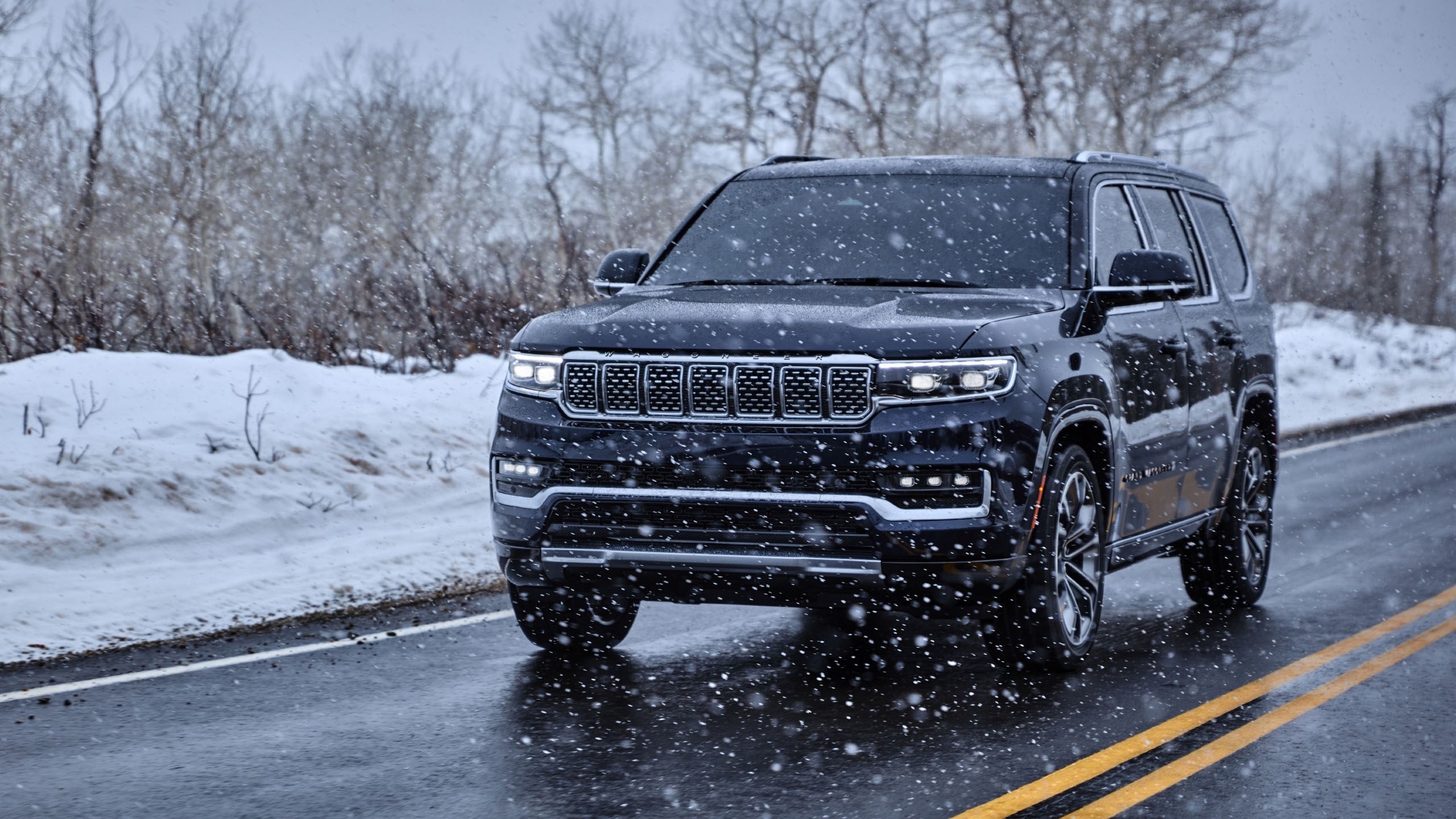
The 2021 Jeep Wagoneer marks the return of a historic nameplate as a premium full-size SUV. Built on a robust body-on-frame platform, this fourth-generation model positions itself as a spacious and capable competitor in the large SUV segment.
Jeep Wagoneer at a glance
Quick model context before comparing photos and trim-level specifications.
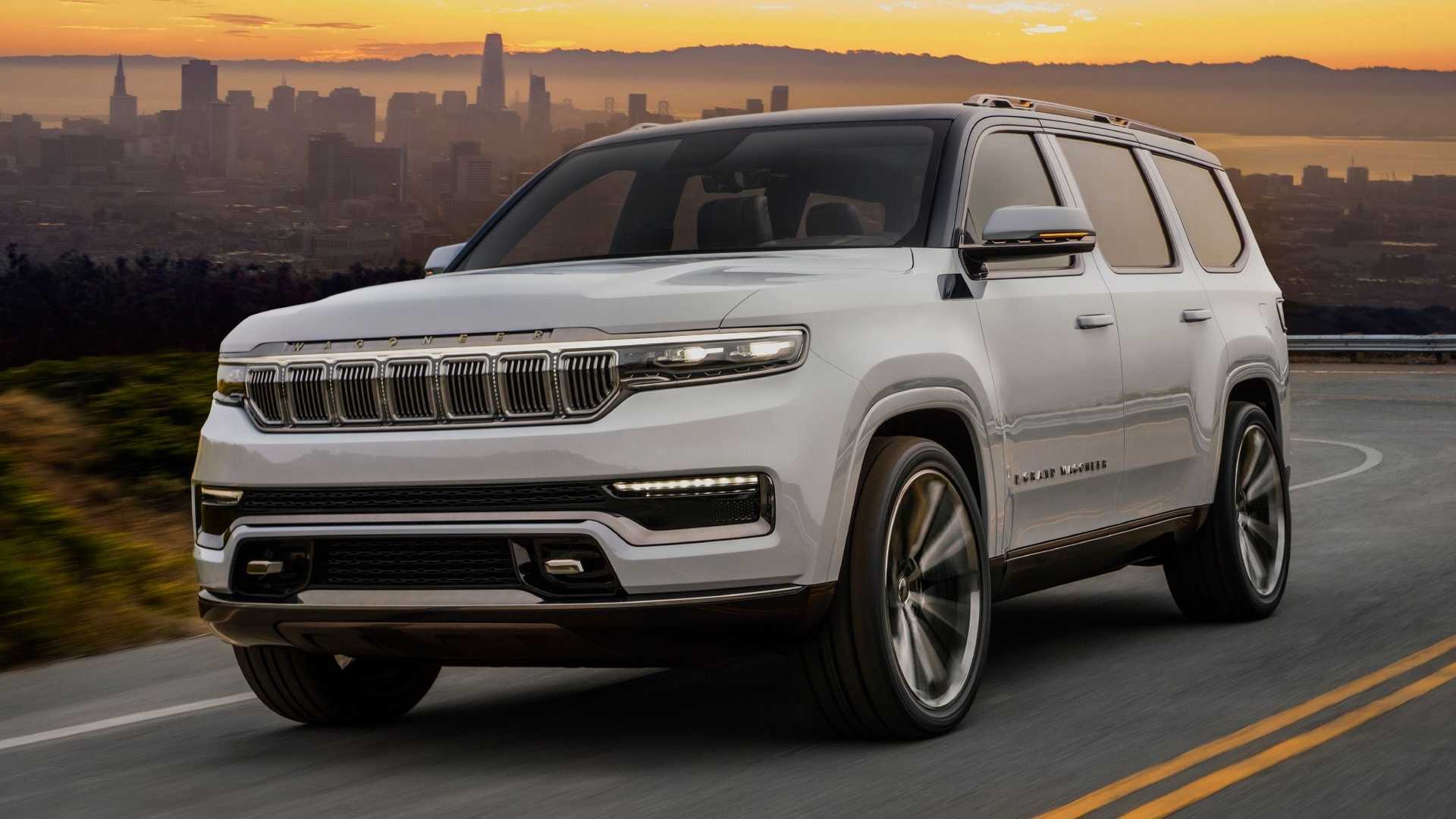
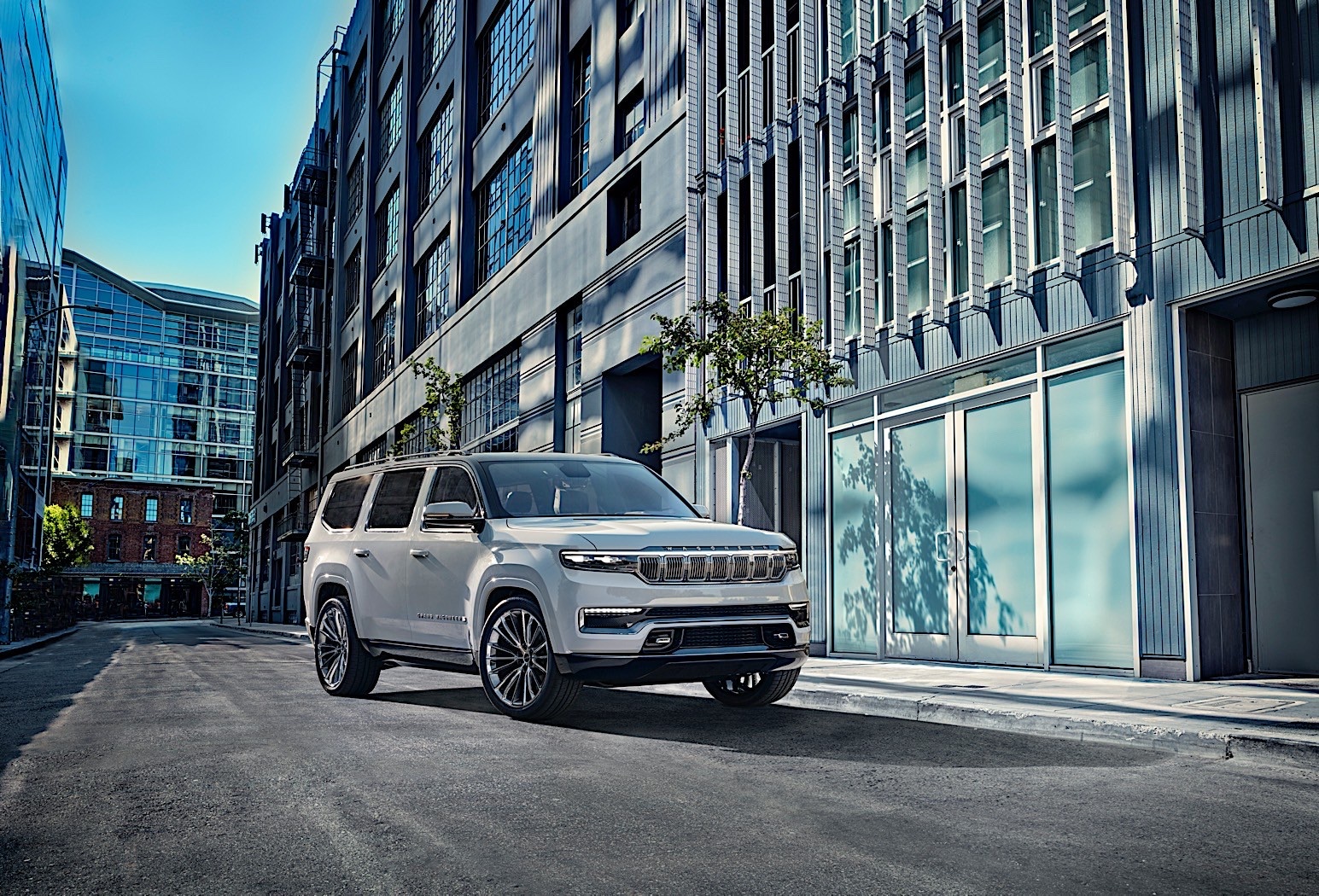
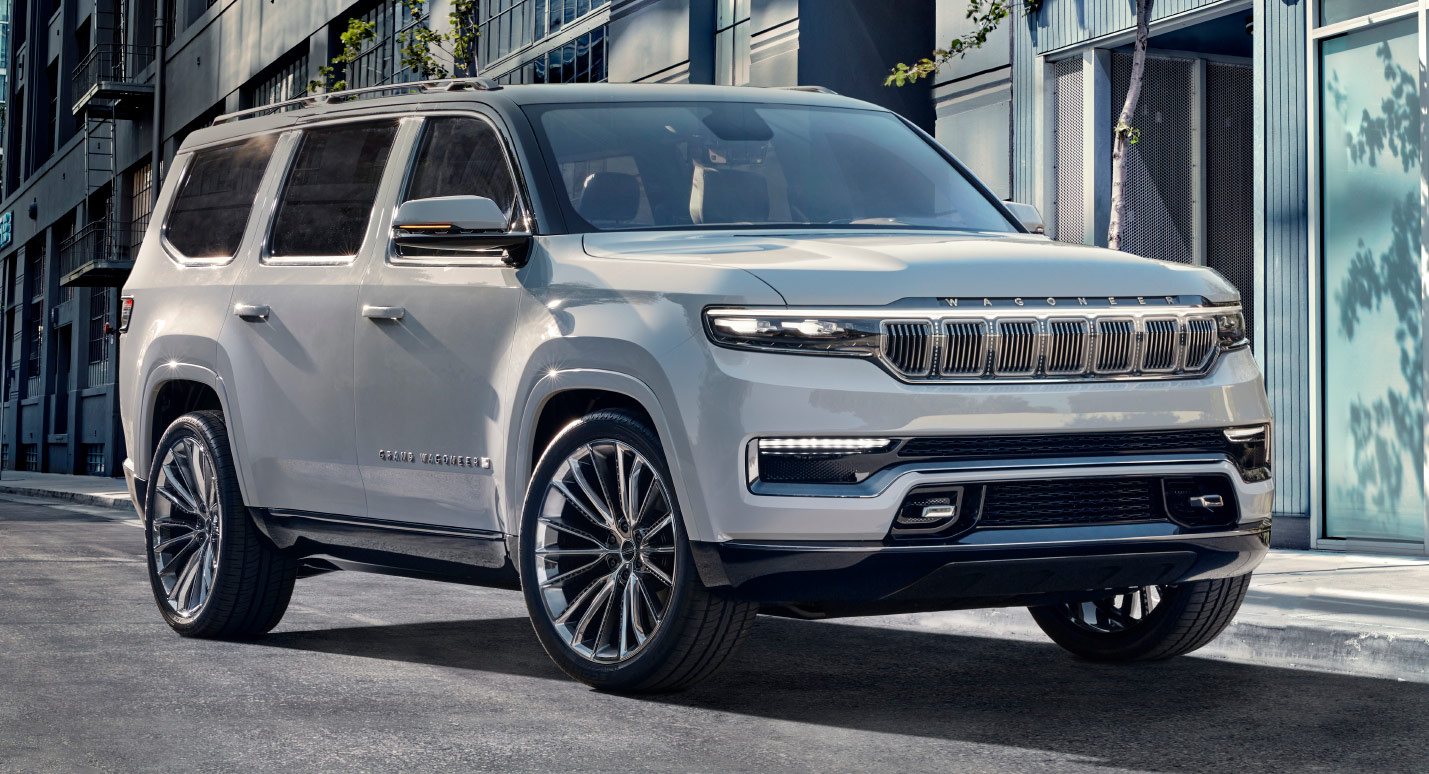
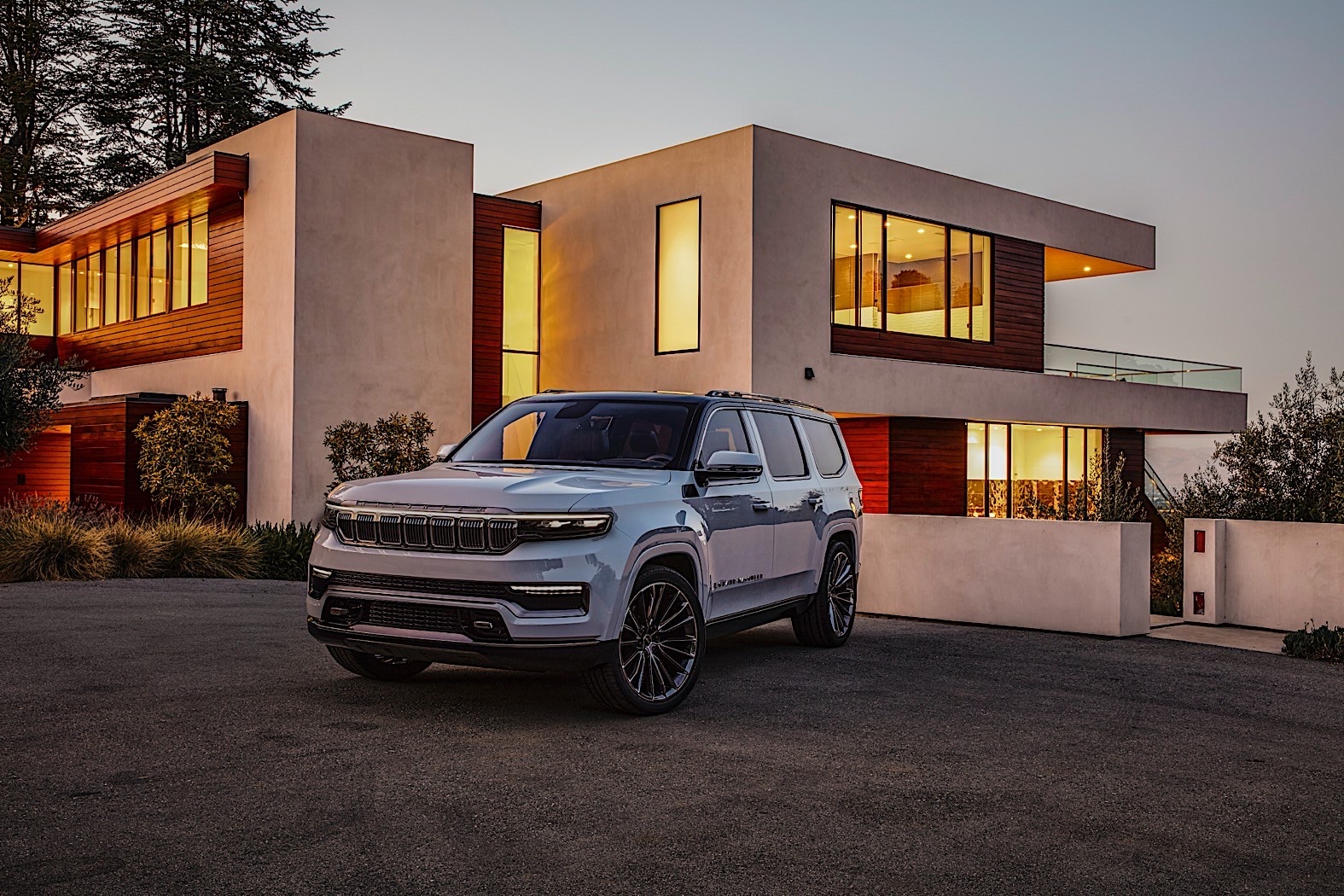
Unveiled in March 2021, the fourth-generation Wagoneer represents a significant return for the nameplate, positioning the vehicle as a premium, full-size SUV within the brand's lineup. This large, three-row vehicle features a total length of 5,453 mm and sits on a 3,124 mm wheelbase. While it shares its underlying body-on-frame platform with contemporary full-size pickup trucks, it distinguishes itself by incorporating an independent multi-link rear suspension instead of a solid rear axle to ensure a smoother, more composed ride for passengers. The vehicle is designed to appeal to buyers looking for substantial cabin space, robust towing capability, and premium amenities. Drivetrain options include rear-wheel drive as well as three distinct four-wheel-drive setups, all paired with a standard mechanical limited-slip rear differential. Furthermore, an optional closed-loop air suspension provides adjustable ride height to handle different terrain conditions, complementing a highly digitalized cabin.
- Power: 397 hp
- Engine displacement: 5654 cc
- Transmissions: 8-speed automatic
Photos, trims and specifications for Jeep Wagoneer
This model page brings gallery images, trim comparison, and detailed technical data together for the 2021 generation.
Estimate fuel cost
Use trim-level fuel consumption data to estimate monthly and yearly fuel spending.
Fuel costs are estimates. Real consumption can change with driving style, traffic, tires, weather, load, and market-specific equipment.
Jeep Wagoneer overview
Editorial context for design, cabin, performance, practicality, and buyer notes.
Design
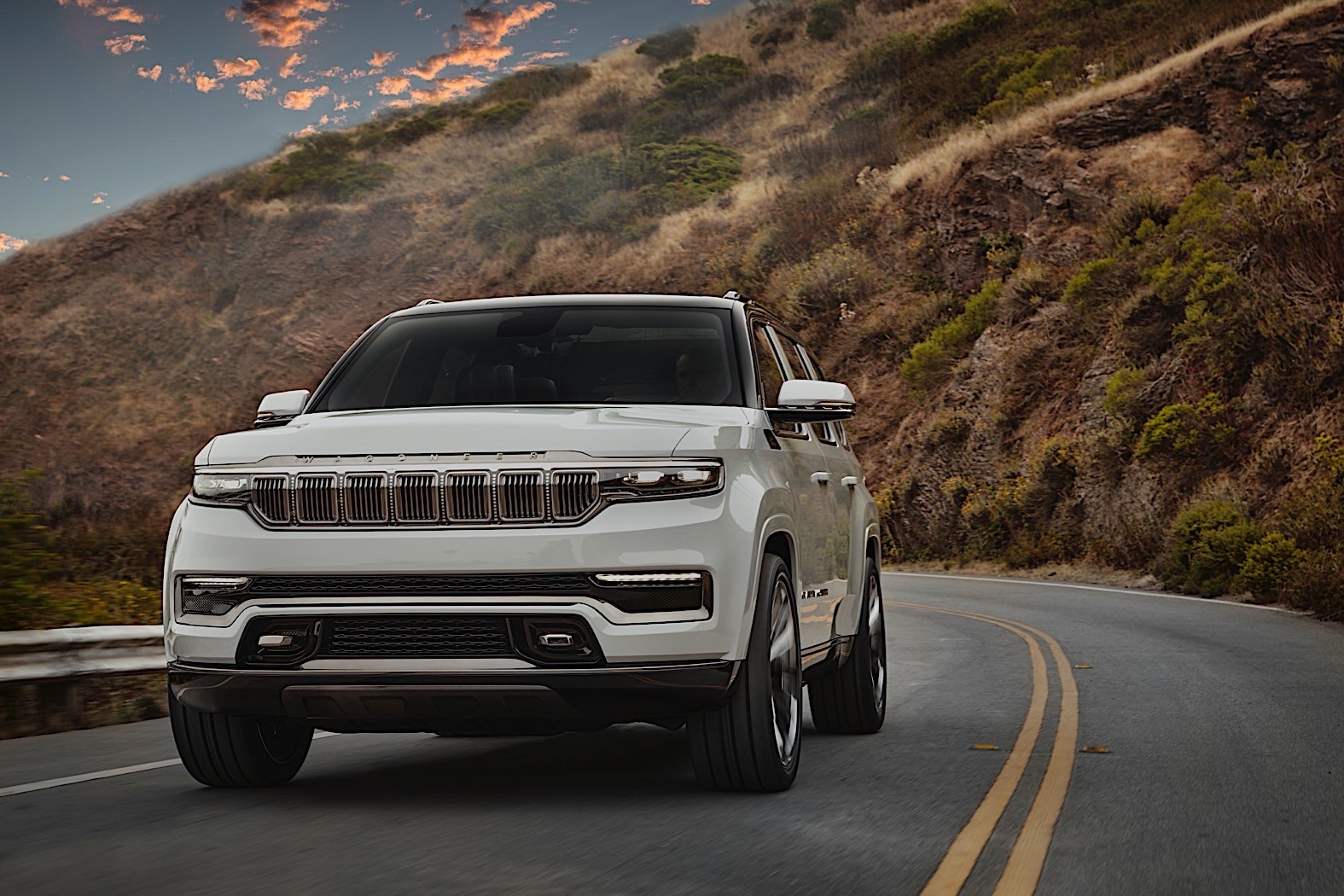
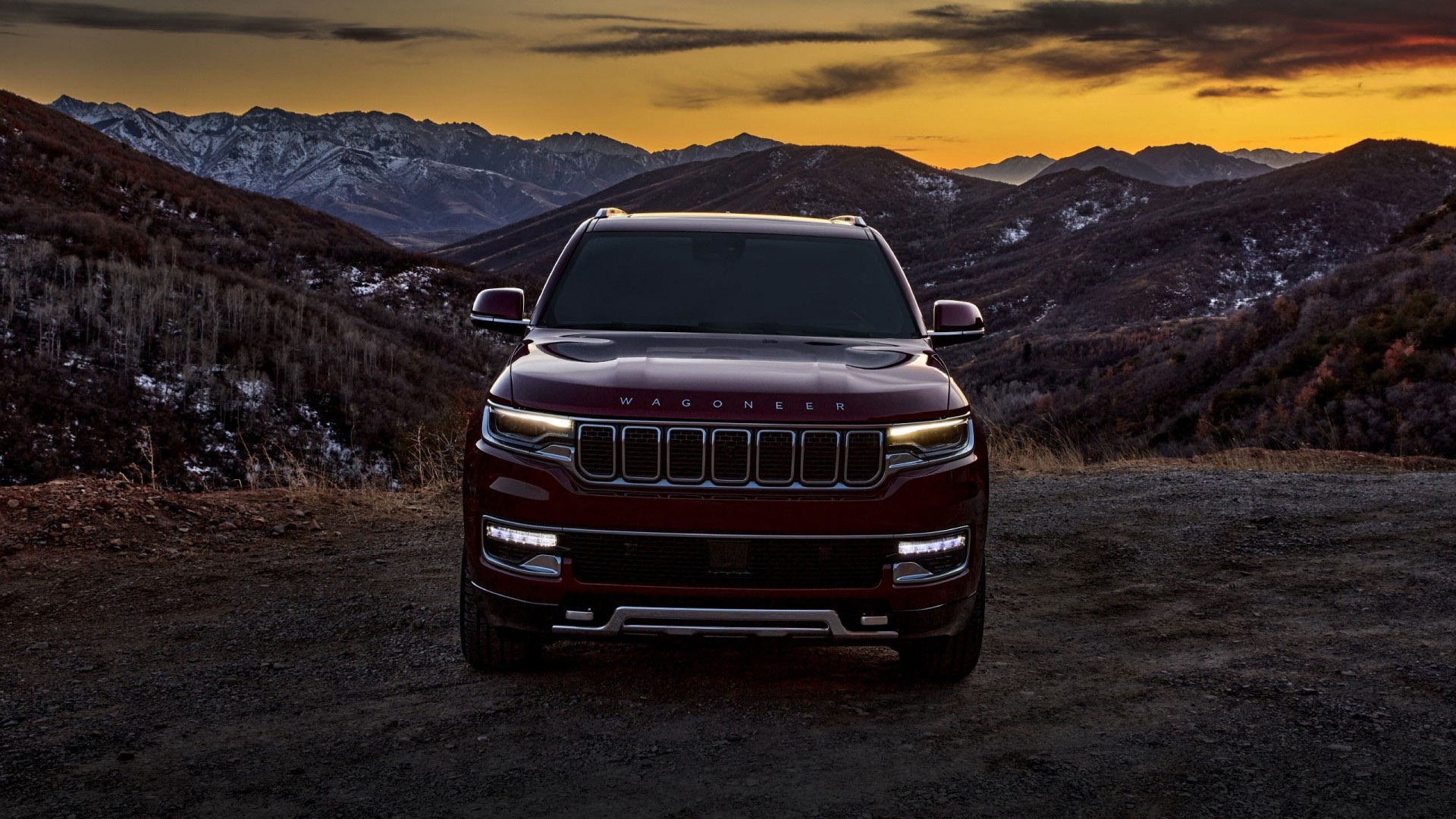
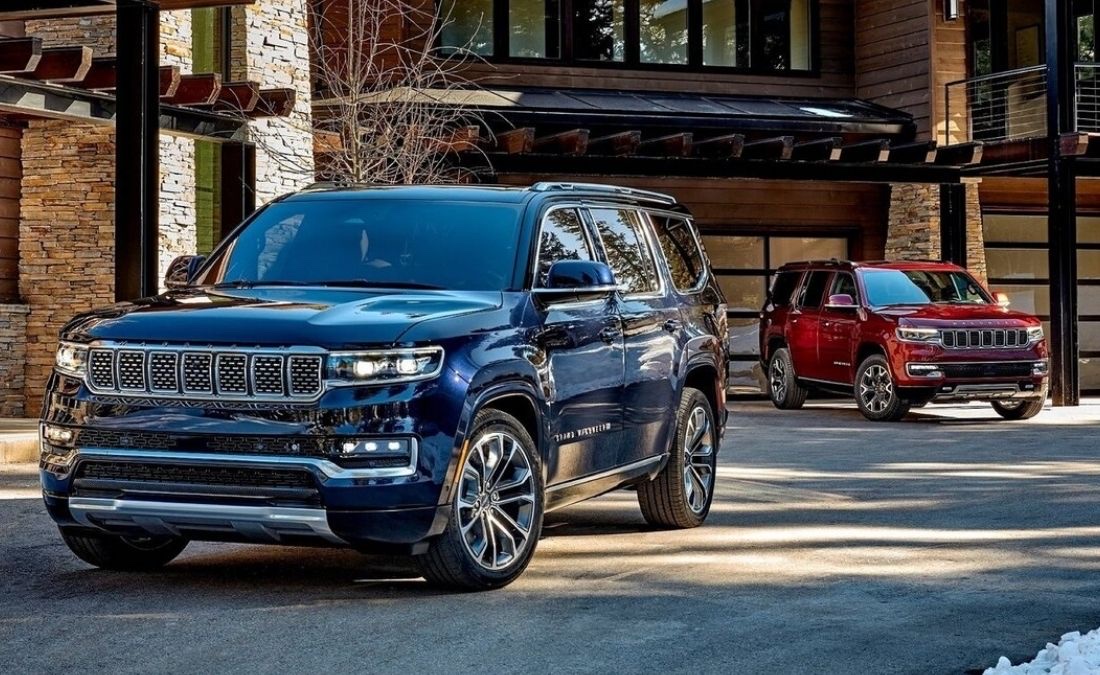
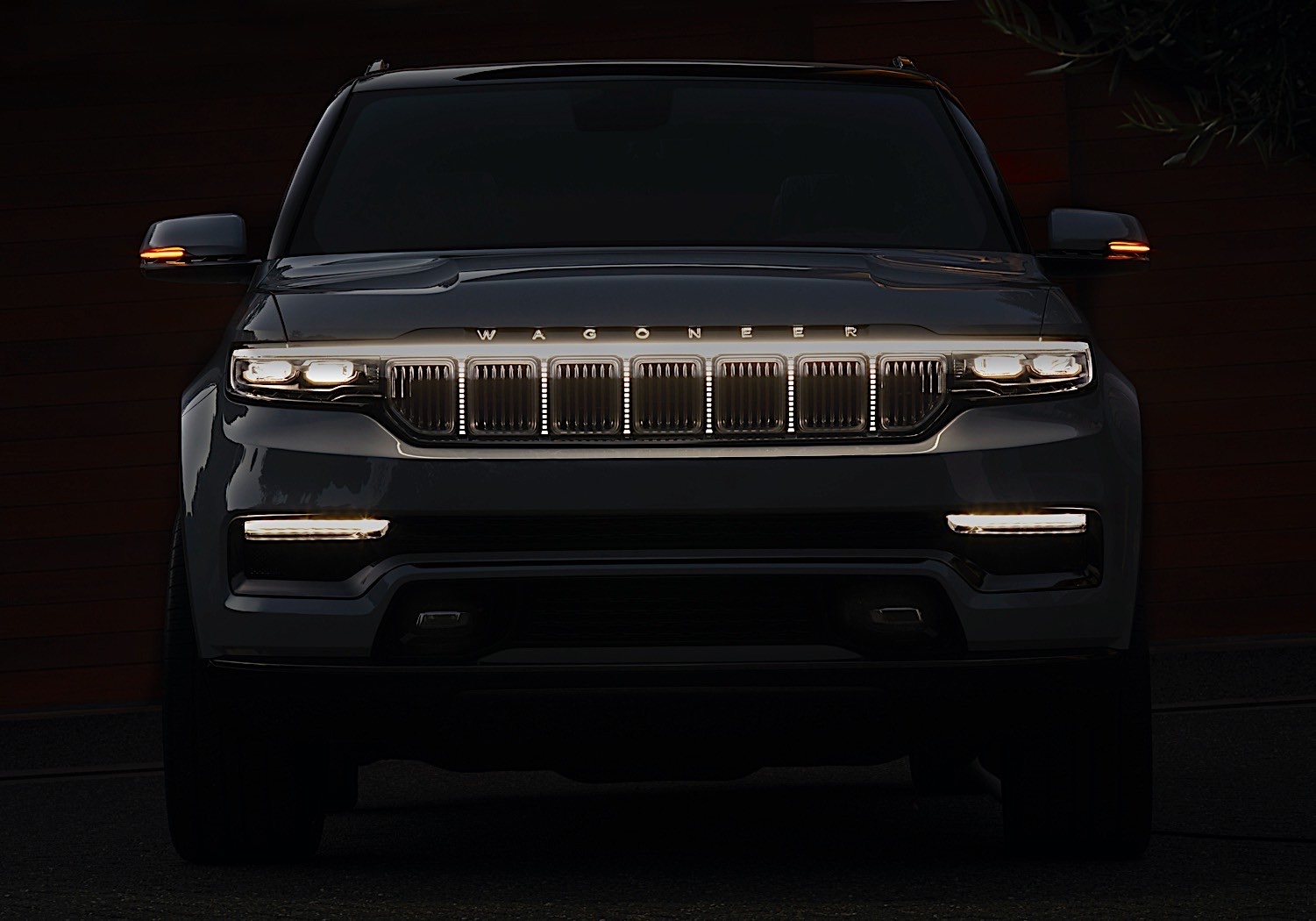
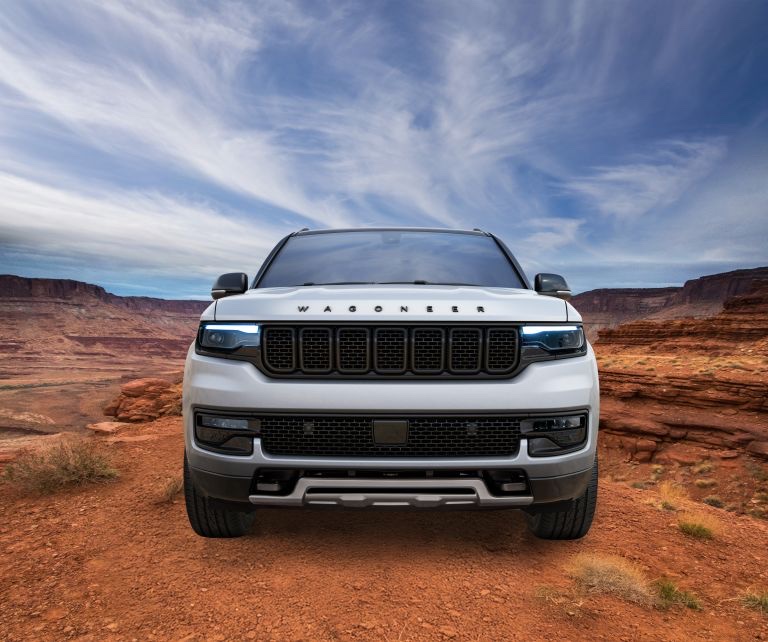
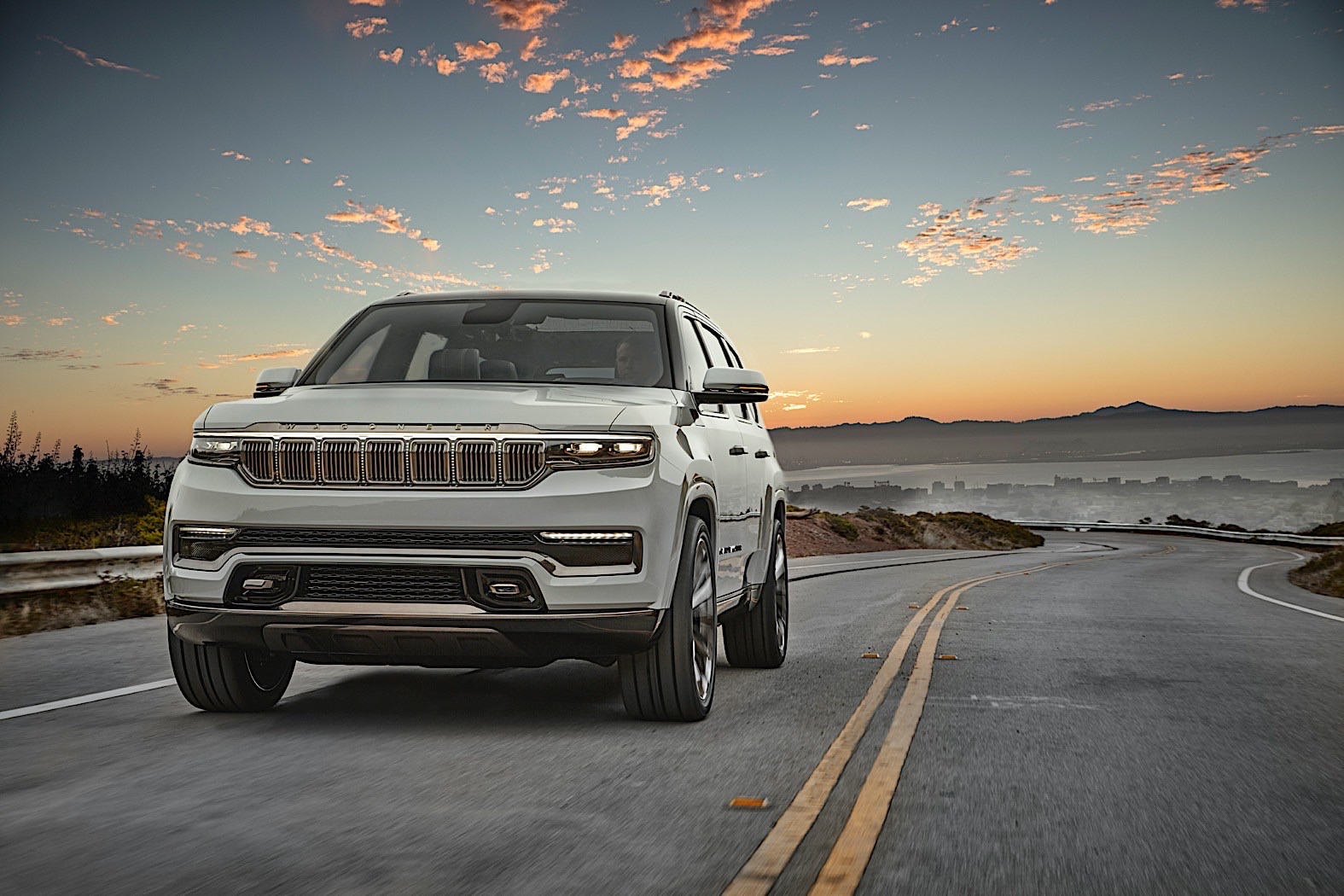
The Wagoneer's exterior design deliberately lacks traditional brand badging, emphasizing its distinct position as a premium vehicle. Its styling includes a signature front grille flanked by standard LED headlights and taillights. To ensure a quiet cabin environment, the manufacturer equipped the vehicle with acoustic glass. Riding on standard 18-inch wheels, the SUV has a massive footprint, measuring 2,123 mm in width and 1,920 mm in height. This body configuration provides a commanding presence on the road. The standard ground clearance is rated at 203 mm, but models equipped with the optional air suspension system can adjust their height within a 91 mm range to facilitate passenger entry or improve ground clearance over obstacles.
Interior
Inside, the Wagoneer offers a standard eight-passenger layout with a second-row bench, though captain's chairs are available to reduce capacity to seven. The dashboard features a 10.25-inch digital driver display and a 10.1-inch central touchscreen powered by an Android-based infotainment system. Upgrades include a front passenger touchscreen and a head-up display. Physical buttons remain on the retro-styled two-spoke steering wheel and center console. Standard amenities include heated and ventilated power front seats, a heated steering wheel, three-zone climate control, and a nine-speaker Alpine sound system.
Performance
The SUV is powered by a 5.7-liter Hemi V8 engine that produces 397 horsepower and 548 Nm of torque. This powerplant features a 48-volt mild-hybrid system, known as eTorque, alongside a cylinder deactivation capability designed to improve fuel management. The engine is paired with an eight-speed automatic transmission. Buyers can choose between rear-wheel drive and three distinct four-wheel-drive setups. These 4x4 options range from a basic automatic system to more advanced configurations featuring a low-range transfer case and an electronic locking rear differential to enhance traction. A mechanical limited-slip differential comes standard on the rear axle of all models.
Practicality
With its large three-row body style, the Wagoneer is highly practical for family transportation. Both rear rows fold down completely flat with the cargo floor, expanding the load area to a maximum capacity of 3,305 liters. When all seats are occupied, the trunk still offers a generous 776 liters of cargo space. The vehicle features a large 100-liter fuel tank, which supports a decent driving range, balancing out fuel consumption figures that range from 10.7 liters per 100 km on the highway up to 15.7 liters per 100 km in city environments.
Safety and tech
Driver assistance and safety technologies on the Wagoneer include standard blind-spot monitoring, front and rear parking sensors, and a rearview camera. The vehicle's digital dashboard features wireless integration for Apple CarPlay and Android Auto, alongside a standard 4G Wi-Fi hotspot to keep devices connected. The infotainment runs on the modern Android-based Uconnect 5 platform. These technological features, along with physical controls on the two-spoke steering wheel and center console, aim to make managing the large vehicle easier, especially given its 11.6-meter turning diameter.
Buyer notes
When shopping for a Wagoneer, buyers should compare the drivetrain setups, as the basic rear-wheel-drive model has different fuel efficiency and capabilities than the 4x4 versions. The optional air suspension is another key feature to look for, as it significantly affects ground clearance flexibility and ride quality. Depending on individual passenger needs, buyers should also verify if a specific vehicle is configured with the standard eight-seat bench or the optional seven-seat captain's chairs.
Trims and key specifications
Use this table to compare the main differences between available configurations.
| Trim / modification | Engine | Power | Seats | Transmission |
|---|---|---|---|---|
| 5.7i Hemi V8 (397 hp) 8-speed automatic | 5654 cc | 397 hp | 7/8 | 8-speed automatic |
| 5.7i Hemi V8 (397 hp) 8-speed automatic 4x4 | 5654 cc | 397 hp | 7/8 | 8-speed automatic |
Specifications can vary by market, model year, and equipment package. Use the trim sections below to review the full data for each configuration.
Jeep Wagoneer photo gallery
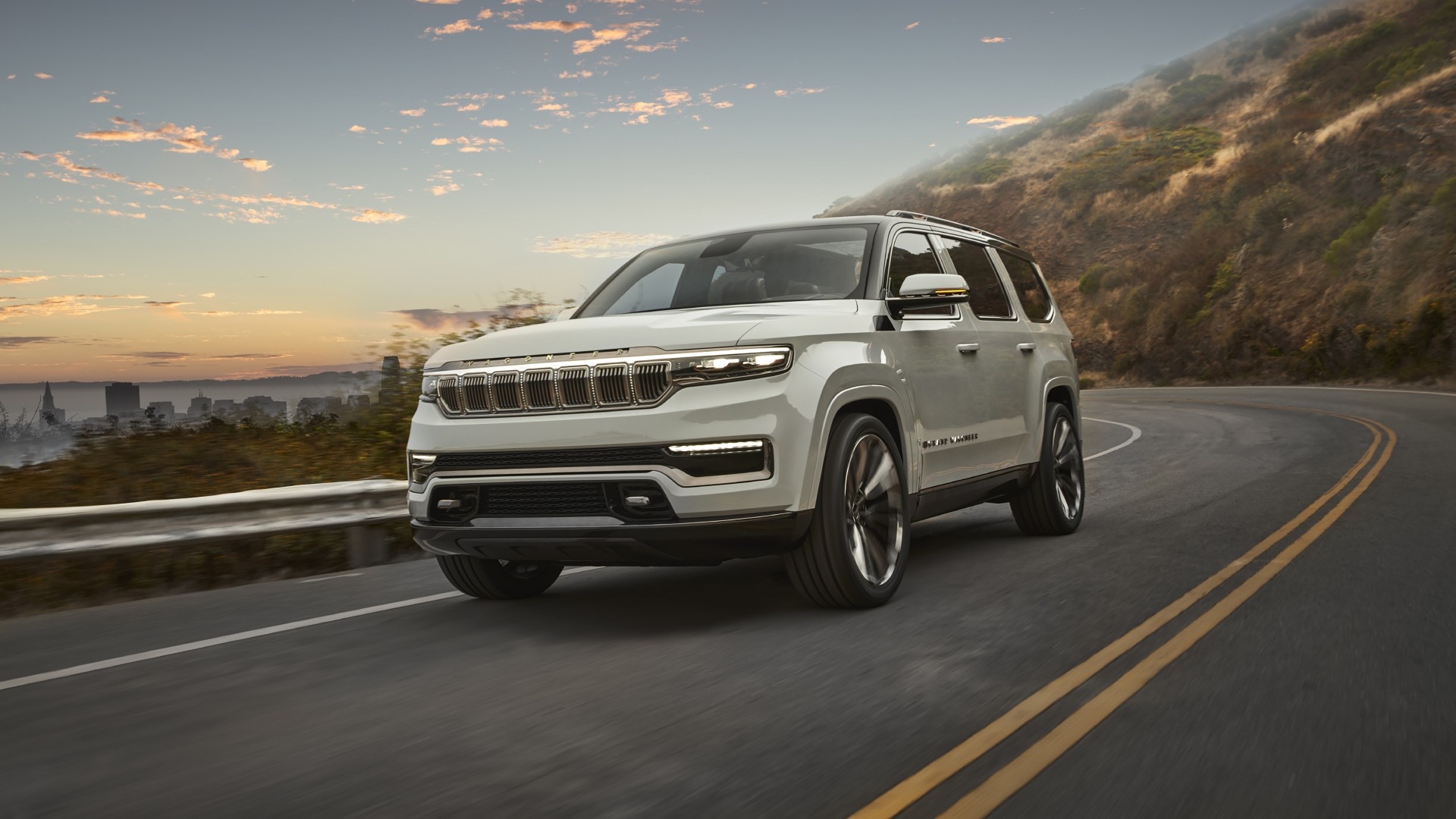
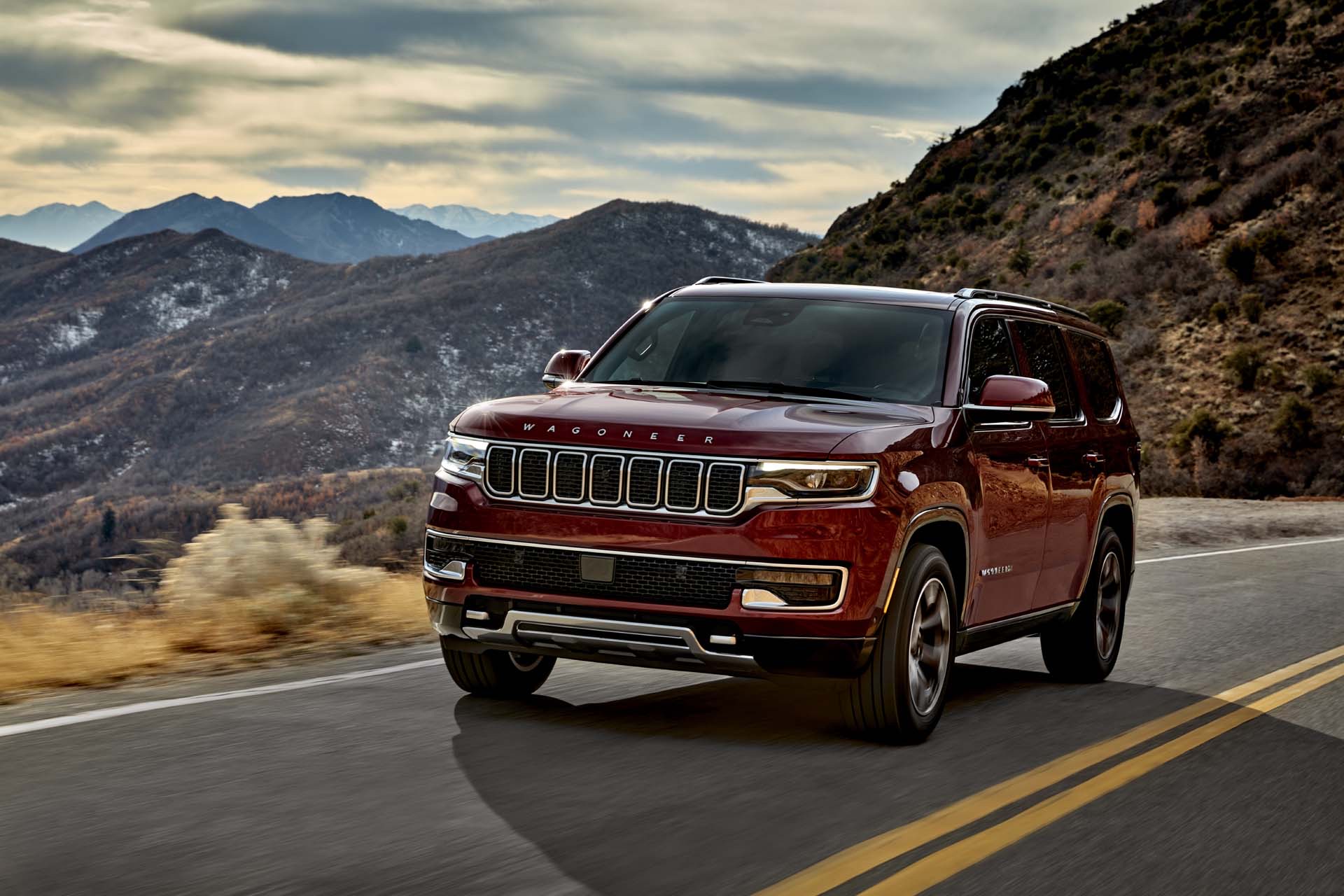
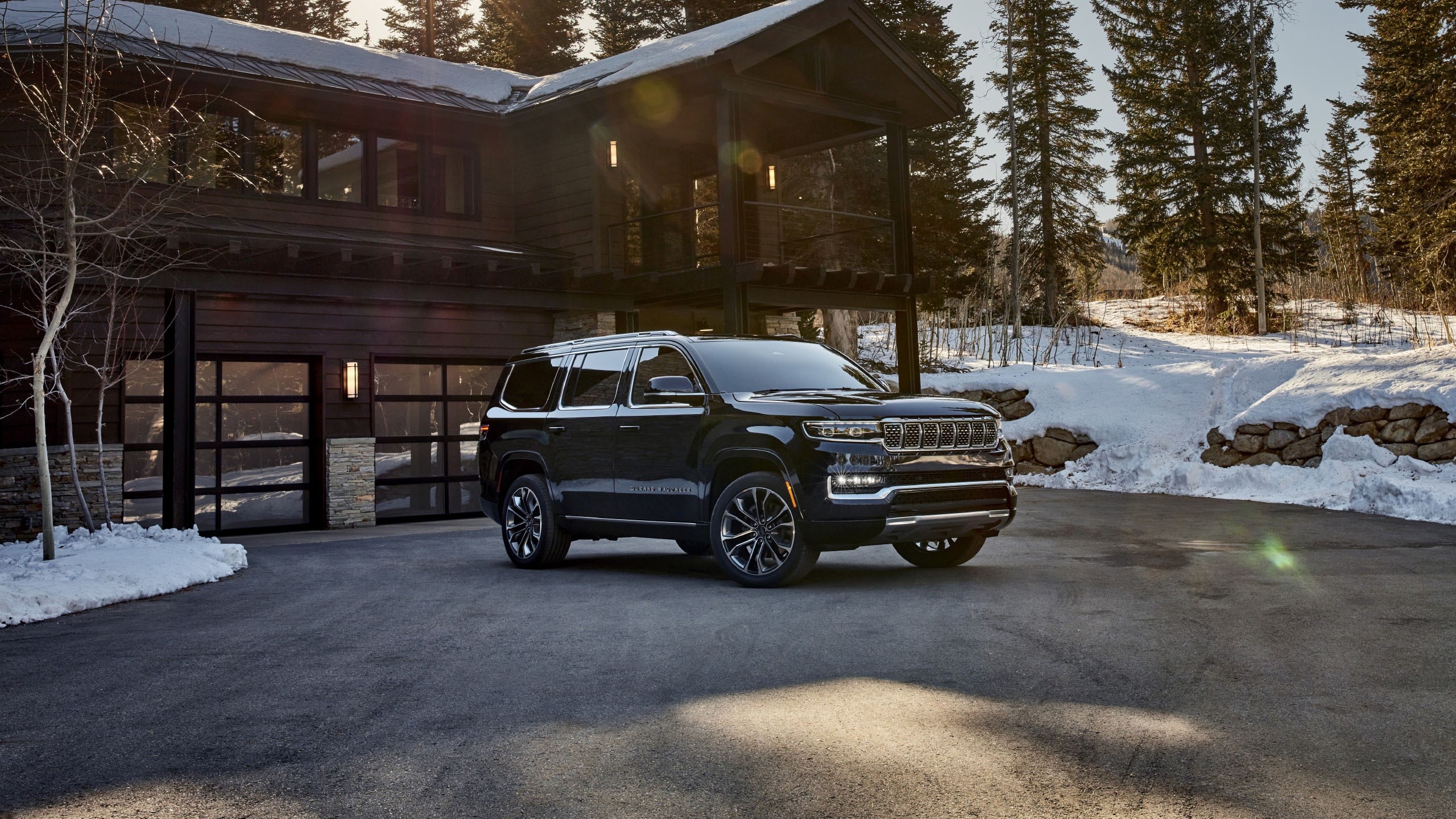
16 images are collected here with the main specifications and trim data for this model.
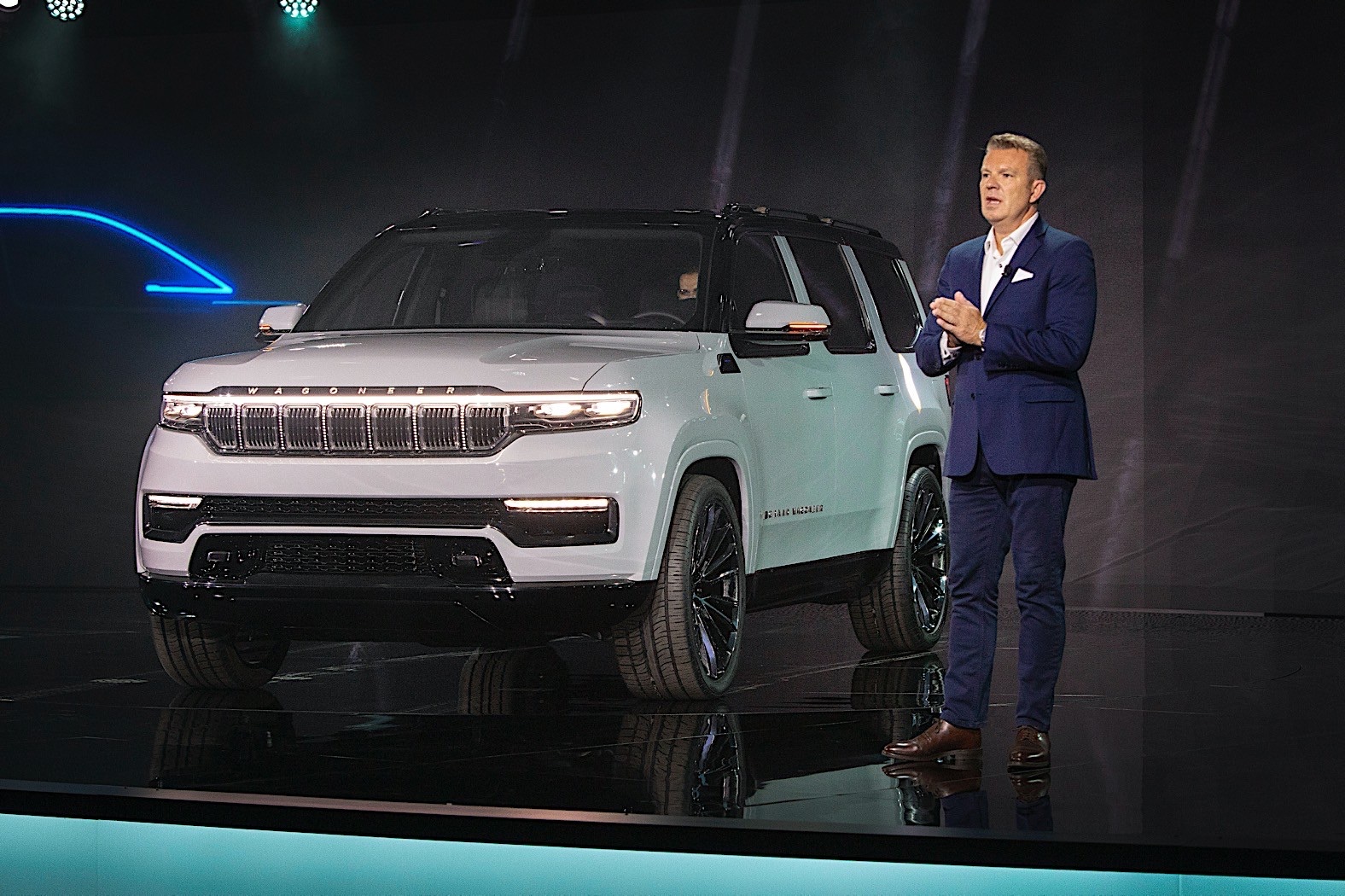
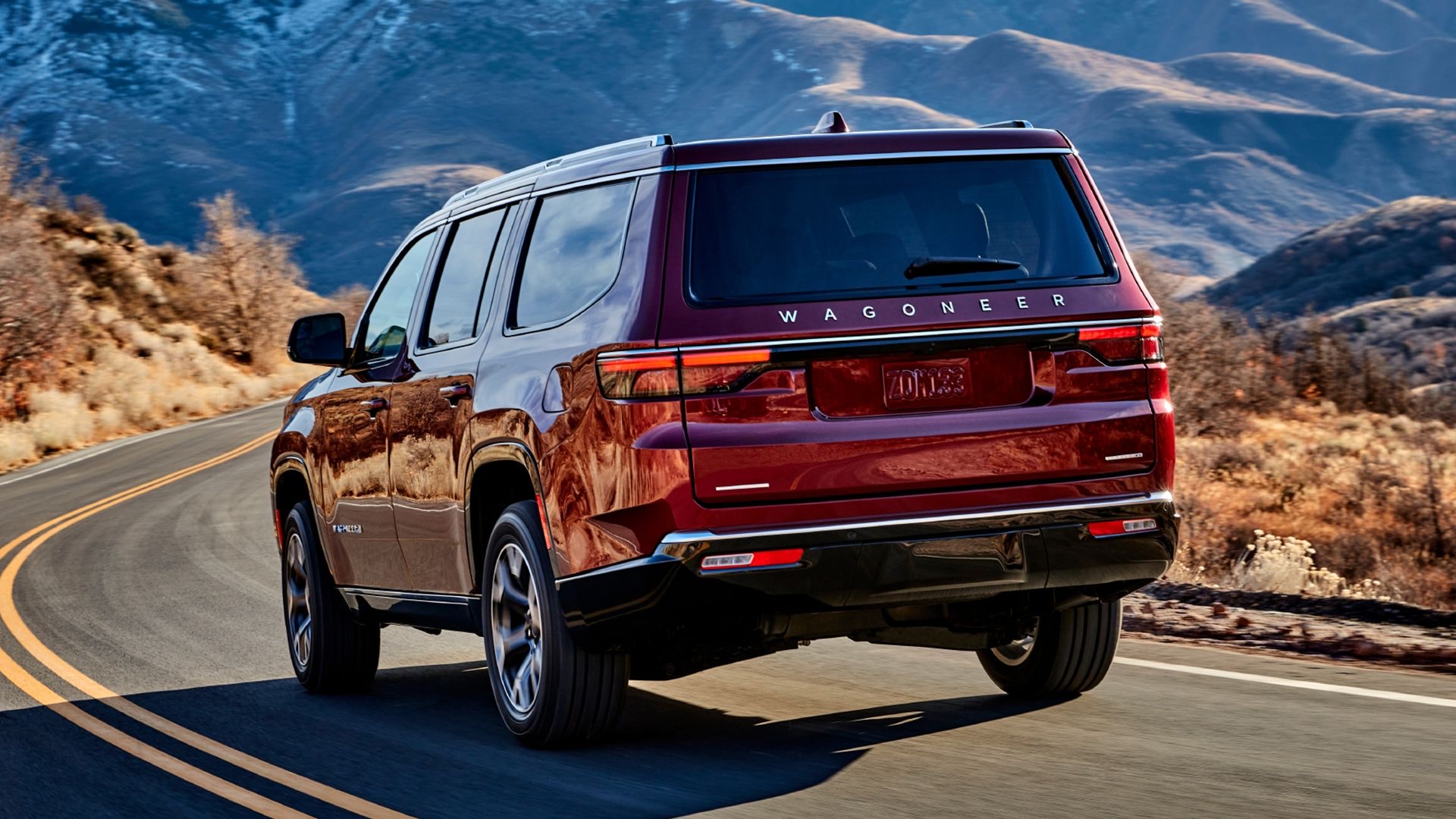
Photo Jeep Wagoneer
Specifications by trim
Choose a configuration below to open full technical data grouped by category.
5.7i Hemi V8 (397 hp) 8-speed automatic 33 specifications
Specifications
Performance and consumption
| Fuel consumption city, L/100 km | 14.7 |
|---|---|
| Fuel consumption highway, L/100 km | 10.7 |
Engine
| Engine | 5.7i Hemi V8 |
|---|---|
| Engine code | eTorque |
| Engine type | Internal combustion engine |
| Fuel type | Gasoline |
| Engine displacement, cc | 5654 |
| Cylinder layout | V-type |
| Number of cylinders | 8 |
| Valves | 16 |
| Power, hp | 397 |
| RPM at max power | 5600 |
| Torque, Nm | 548 |
| RPM at max torque | 3950 |
Dimensions
| Seats | 7/8 |
|---|---|
| Length, mm | 5453 |
| Width, mm | 2123 |
| Height, mm | 1920 |
| Wheelbase, mm | 3124 |
| Front track, mm | 1740 |
| Rear track, mm | 1735 |
| Gross weight, kg | 3470 |
| Fuel tank capacity, L | 100 |
| Turning circle, m | 11.6 |
| Ground clearance, mm | 203 |
| Trunk capacity, L | 776 |
Transmission and drive
| Transmission | 8-speed automatic |
|---|---|
| Transmission type | automatic |
| Drive | Rear-wheel drive |
| Number of gears | 8 |
| Transmission manufacturer | ZF |
| Automatic transmission | + |
| Transmission country | Germany |
5.7i Hemi V8 (397 hp) 8-speed automatic 4x4 33 specifications
Specifications
Performance and consumption
| Fuel consumption city, L/100 km | 15.7 |
|---|---|
| Fuel consumption highway, L/100 km | 11.8 |
Engine
| Engine | 5.7i Hemi V8 |
|---|---|
| Engine code | eTorque |
| Engine type | Internal combustion engine |
| Fuel type | Gasoline |
| Engine displacement, cc | 5654 |
| Cylinder layout | V-type |
| Number of cylinders | 8 |
| Valves | 16 |
| Power, hp | 397 |
| RPM at max power | 5600 |
| Torque, Nm | 548 |
| RPM at max torque | 3950 |
Dimensions
| Seats | 7/8 |
|---|---|
| Length, mm | 5453 |
| Width, mm | 2123 |
| Height, mm | 1920 |
| Wheelbase, mm | 3124 |
| Front track, mm | 1740 |
| Rear track, mm | 1735 |
| Gross weight, kg | 3470 |
| Fuel tank capacity, L | 100 |
| Turning circle, m | 11.6 |
| Ground clearance, mm | 203 |
| Trunk capacity, L | 776 |
Transmission and drive
| Transmission | 8-speed automatic |
|---|---|
| Transmission type | automatic |
| Drive | All-wheel drive |
| Number of gears | 8 |
| Transmission manufacturer | ZF |
| Automatic transmission | + |
| Transmission country | Germany |
Jeep Wagoneer questions
Short answers based on the specifications and photos available in this catalog.
What engine powers the 2021 Jeep Wagoneer?
The SUV is powered by a 5.7-liter Hemi V8 engine that produces 397 horsepower and 548 Nm of torque. This engine features a 48V mild-hybrid system to assist with efficiency and is paired with an eight-speed automatic transmission.
Does the 2021 Wagoneer have a four-wheel-drive system?
Yes, buyers can choose between a standard rear-wheel-drive setup and three separate four-wheel-drive configurations. These systems offer different levels of capability, including options with a low-range transfer case and an electronic locking rear differential.
How much cargo capacity does this SUV offer?
With all three rows of seats in place, the rear trunk provides 776 liters of storage. Folding down the second and third rows creates a flat load floor and increases the total cargo volume to 3,305 liters.
What is the seating capacity of the 2021 Wagoneer?
The standard configuration offers seating for up to eight passengers with a second-row bench. An optional configuration replaces the bench with two captain's chairs, reducing the seating capacity to seven.
What digital displays are inside the cabin?
The driver has access to a 10.25-inch digital instrument cluster and a 10.1-inch central touchscreen. An additional 10.25-inch screen is optional for the front passenger, alongside a head-up display for the driver.