Toyota C-HR+ specifications and photos
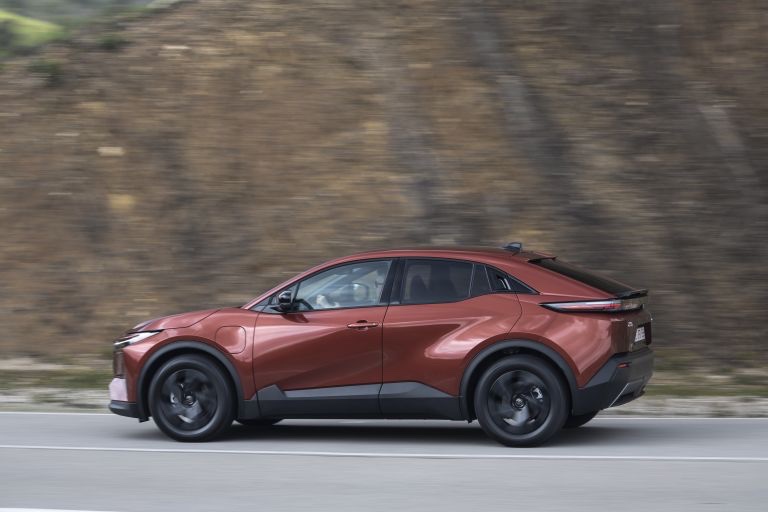
The 2026 Toyota C-HR+ is a fully electric compact crossover designed specifically for the European market. Built on a dedicated EV platform, it offers significantly more cabin space and a distinct design compared to standard C-HR hybrid models.
Toyota C-HR+ at a glance
Quick model context before comparing photos and trim-level specifications.
Debuting in Brussels in March 2025, the 2026 Toyota C-HR+ represents a significant departure from the standard hybrid C-HR lineup. Unlike its combustion-powered sibling, this vehicle is built on Toyota's e-TNGA dedicated electric vehicle architecture. This platform shift allows for a longer wheelbase, wider tracks, and a completely flat floor, resolving many of the cabin space constraints of the standard model. Visually, it takes cues from the brand's 2022 Compact SUV concept, featuring a sleek coupe-like profile and distinctive LED styling. By prioritizing battery placement and structural efficiency, Toyota aims to capture the interest of urban commuters and small families who want a stylized, zero-emission crossover with competitive range and modernized convenience features.
- Power: 167-343 hp
- Transmissions: single-speed reduction gear
- Seating: 5 seats
Photos, trims and specifications for Toyota C-HR+
This model page brings gallery images, trim comparison, and detailed technical data together for the 2026 generation.
Toyota C-HR+ overview
Editorial context for design, cabin, performance, practicality, and buyer notes.
Design
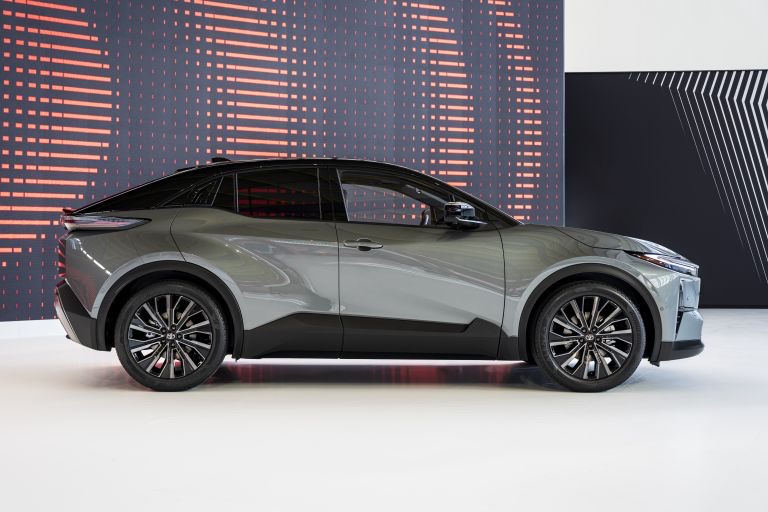
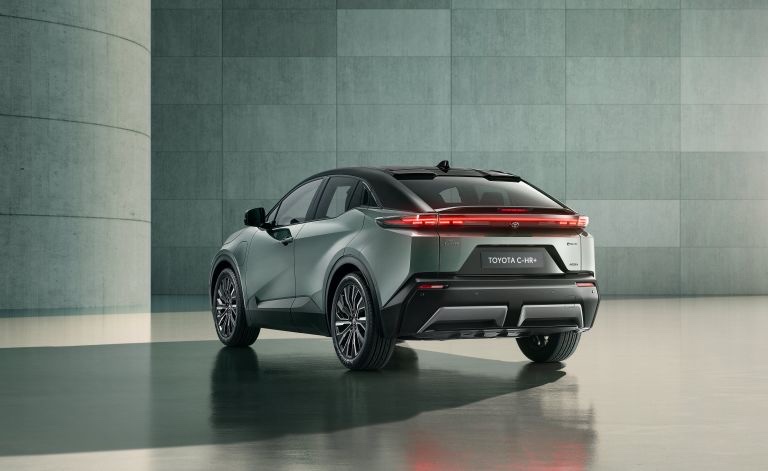
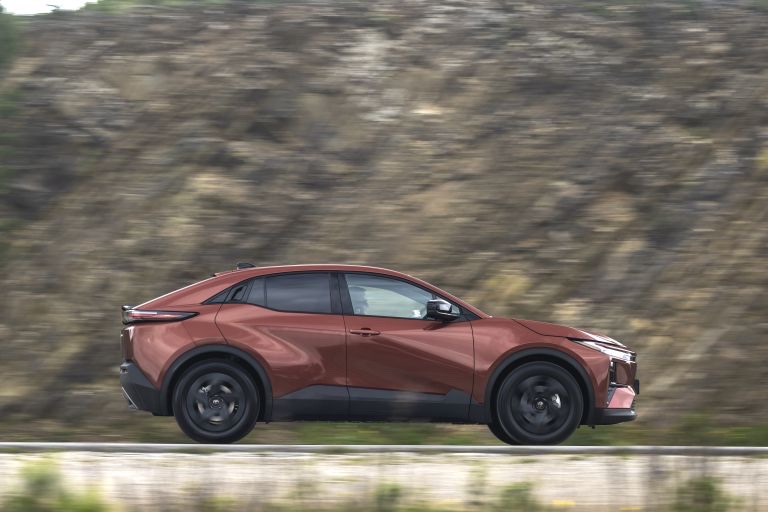
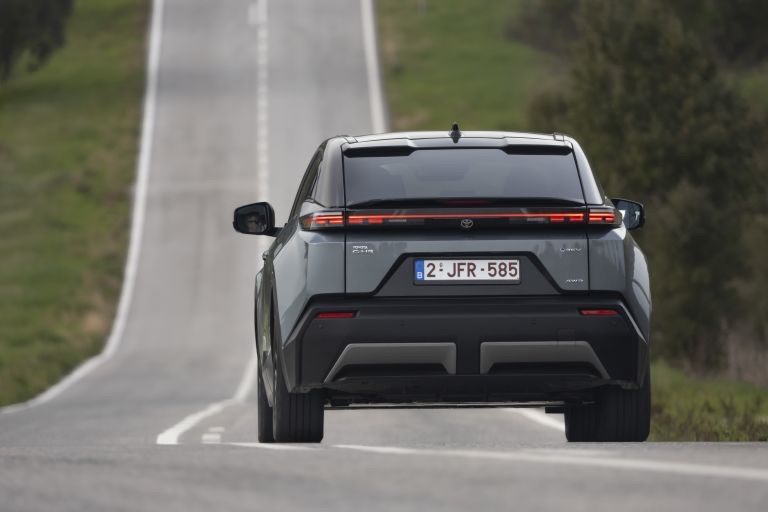
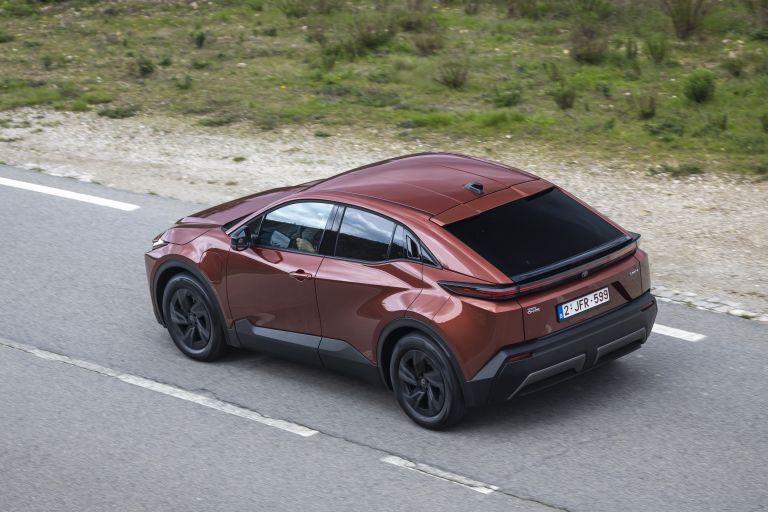
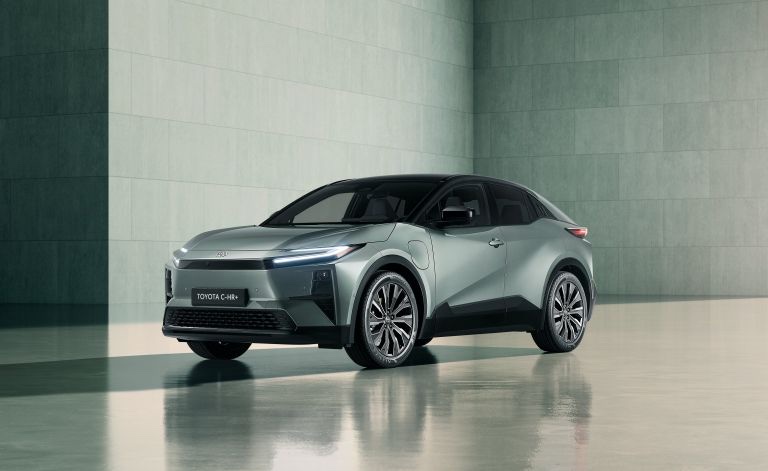
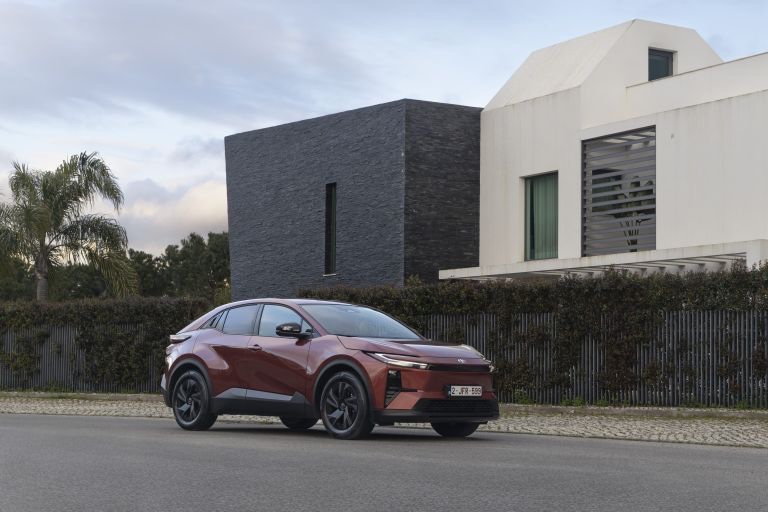
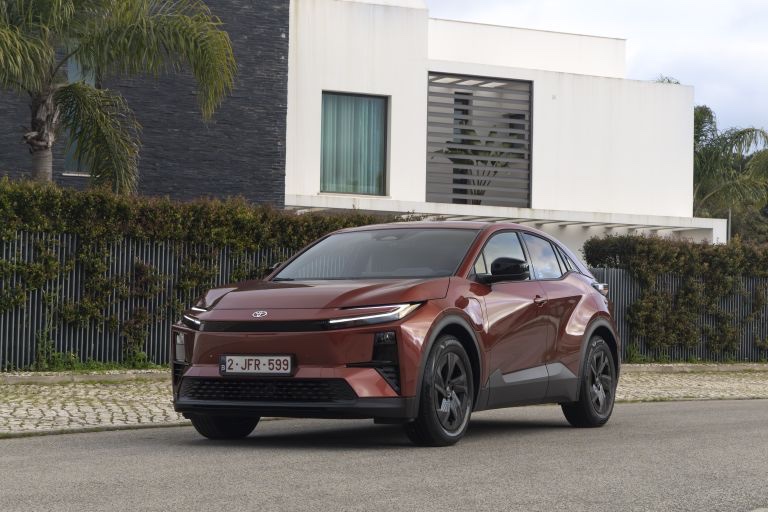
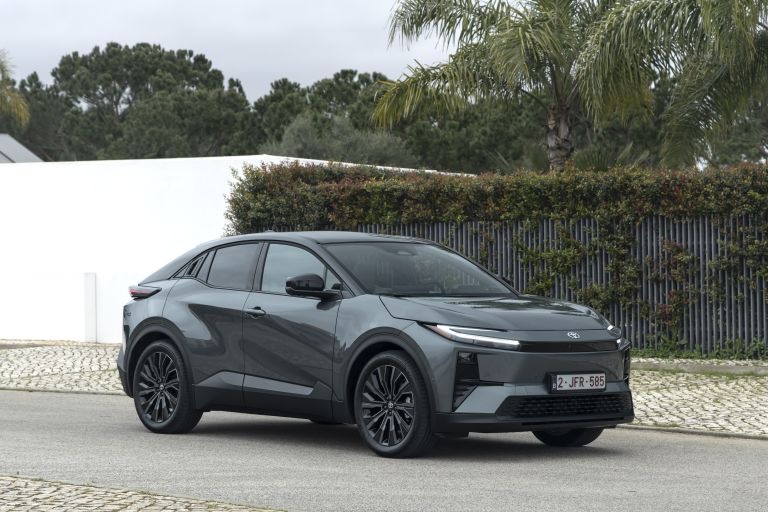
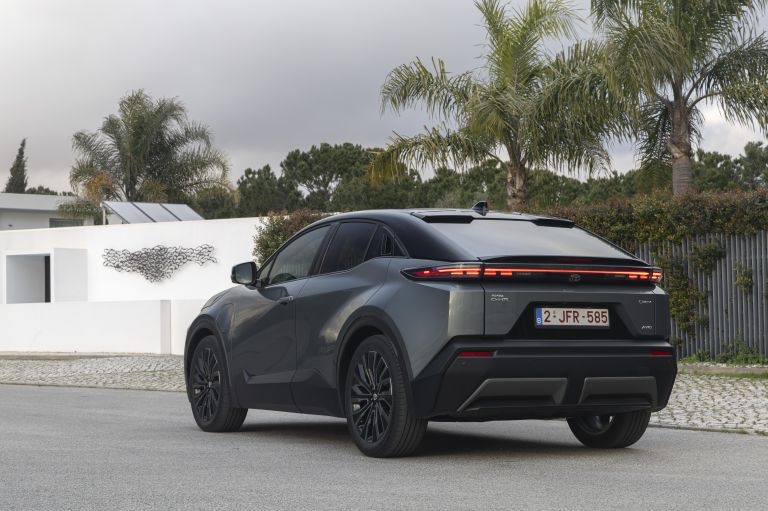
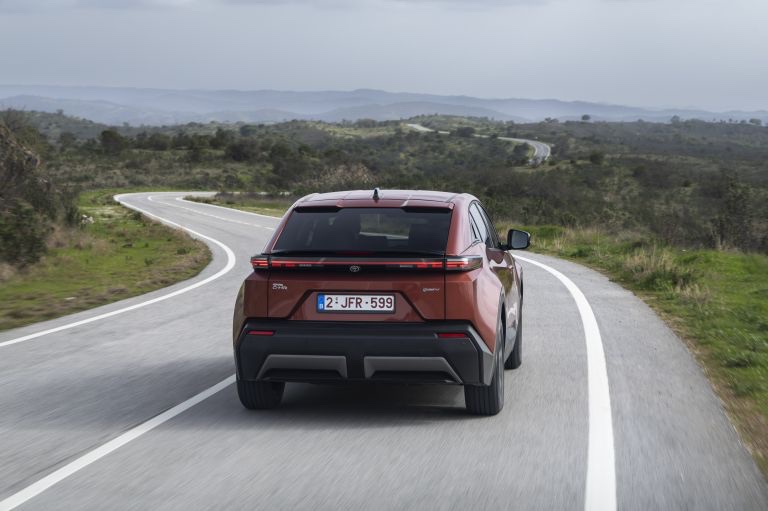
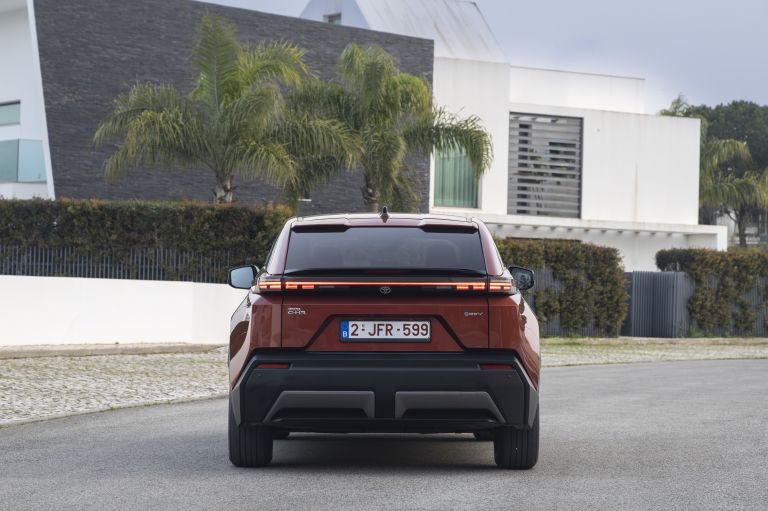
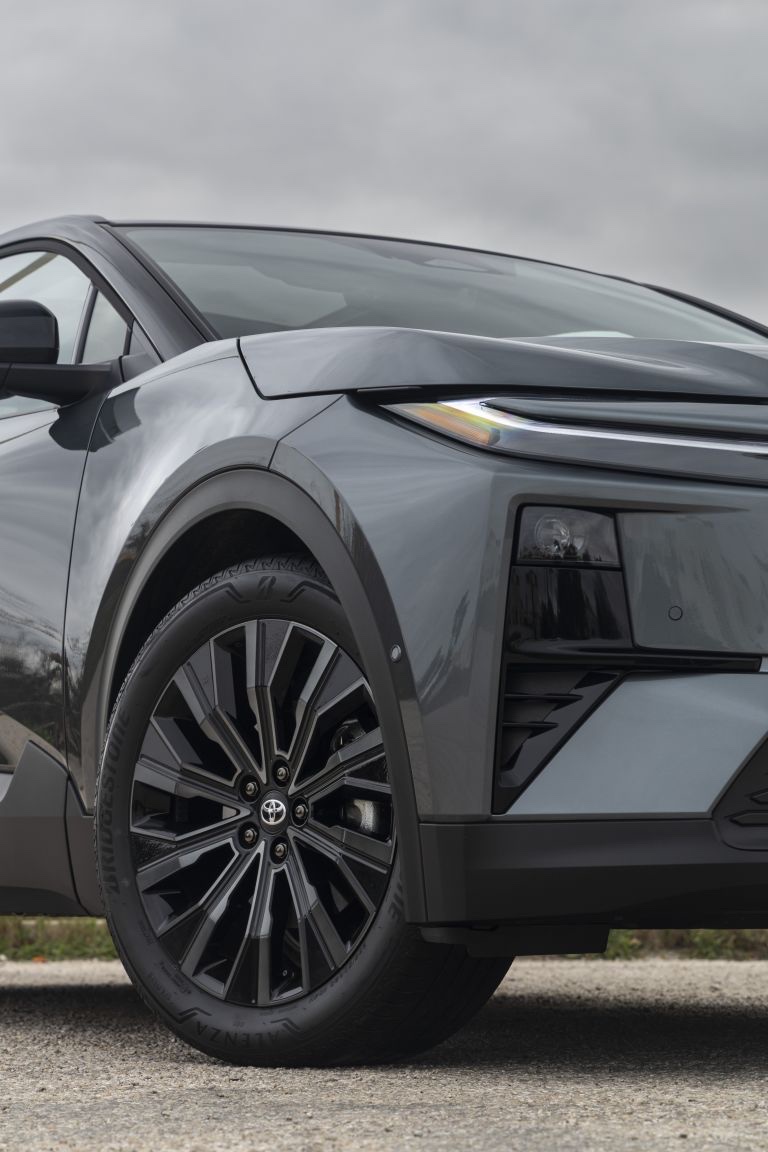
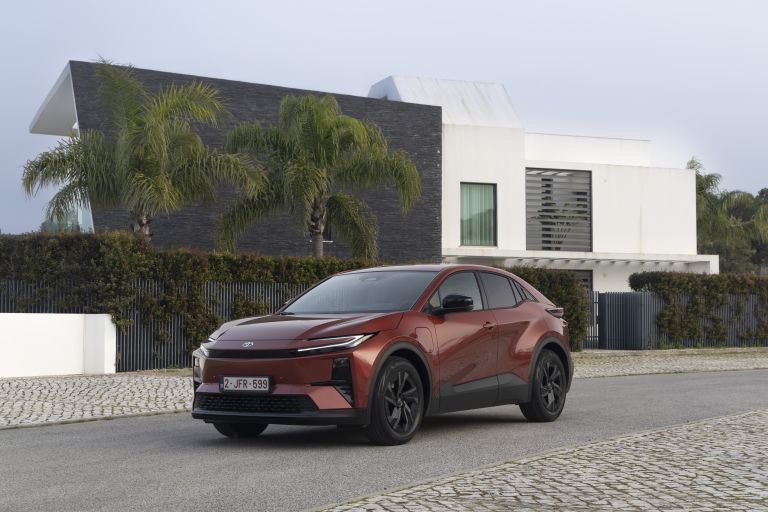
The exterior design of the Toyota C-HR+ focuses on aerodynamic efficiency and visual presence. Moving away from the busier lines of the standard hybrid model, the electric crossover features a cleaner front fascia with a model-specific bumper and closed grille. A coupe-like roofline sweeps backward to meet complex LED rear lighting, balancing aerodynamic performance with rear passenger comfort. With a ground clearance of 185 mm, a length of 4,520 mm, and a width of 1,870 mm, it has a broader and more planted road presence than the previous-generation C-HR.
Interior
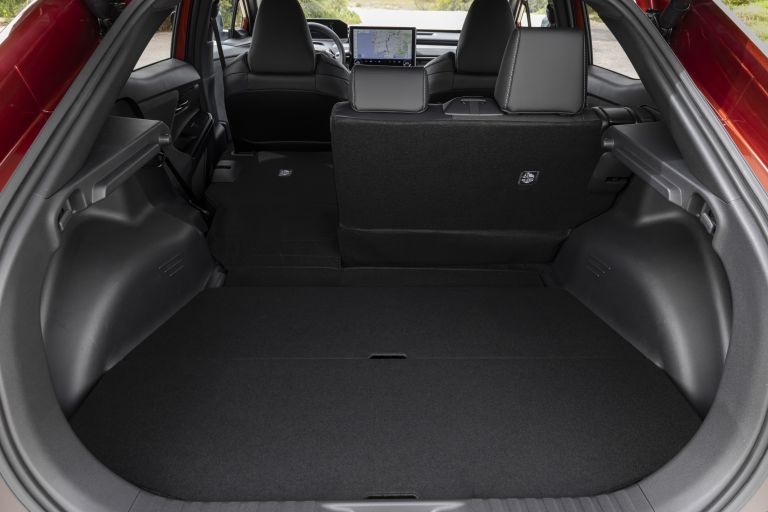
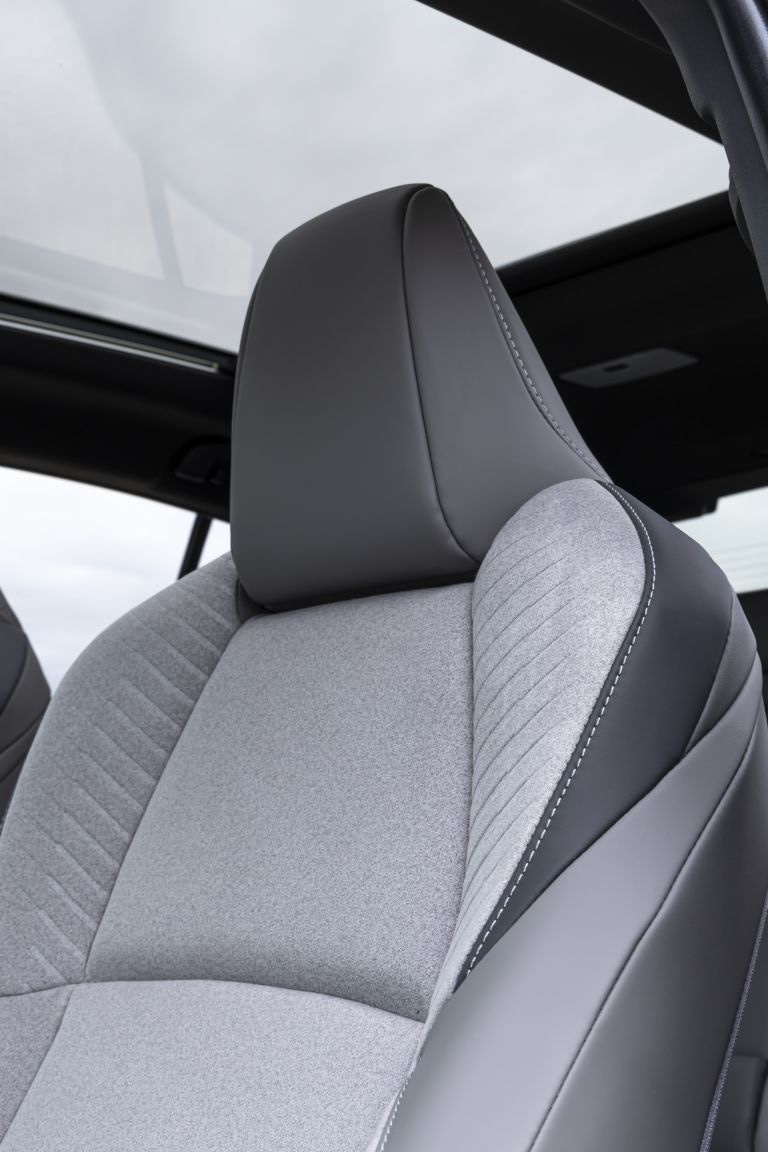
Inside, the C-HR+ utilizes its dedicated electric platform to provide 900 mm of space between the front and rear seats, ensuring more legroom and headroom for rear passengers. The cabin layout places a standard 14-inch touchscreen at the center of the dashboard. Everyday convenience is enhanced by dual wireless phone chargers, dedicated USB ports for rear passengers, and independent climate zones. The materials are selected to offer a premium touch, while ambient lighting provides a softer atmosphere in low-light conditions. Cargo capacity is rated at 416 liters in the trunk.
Performance
Buyers can select from three electric drivetrain options. The base model features a 57.7 kWh battery driving a single front-mounted motor that produces 167 horsepower (123 kW) and 268 Nm of torque, reaching 0-100 km/h in 8.4 seconds. A mid-tier option upgrades to a 77 kWh battery and a 224 horsepower (165 kW) front motor, cutting the acceleration time to 7.3 seconds. The top-tier variant uses the same 77 kWh battery but adds a second motor for all-wheel drive, producing 343 horsepower (252 kW) and 338 Nm of torque. This version accelerates to 100 km/h in 5.2 seconds.
Practicality
With its five-seat layout and 416-liter trunk capacity, the C-HR+ serves as a practical daily driver for couples and small families. The 2,750 mm wheelbase contributes to a stable ride, though its turning circle of 11.8 meters is typical for a compact SUV. The flat floor design increases interior storage options, making the cabin feel more usable than hybrid alternatives. The inclusion of a heat pump ensures the cabin can be warmed efficiently, protecting the vehicle's driving range during colder months.
Safety and tech
The C-HR+ is equipped with the Toyota T-Mate suite, which incorporates active driver assistance features from Toyota Safety Sense. This includes collision mitigation with automatic braking and steering assistance, blind-spot monitoring, and adaptive high beams. The 14-inch central touchscreen runs navigation software configured to plan charging stops based on battery status. Standard tech also includes a 360-degree camera system, automatic parking assistance, and remote connectivity through the MyToyota mobile app.
Buyer notes
When choosing between models, buyers should weigh daily driving habits against battery capacity and traction needs. The 57.7 kWh front-wheel-drive model is highly suited for urban commuting, whereas the 77 kWh battery options are better suited for highway travel. The all-wheel-drive version delivers sports-car-like acceleration but might command a premium. Exact feature availability, trim levels, and option packages can vary depending on local market configurations, so checking regional specifications is recommended.
Trims and key specifications
Use this table to compare the main differences between available configurations.
| Trim / modification | Engine | Power | Seats | Transmission |
|---|---|---|---|---|
| 123 kW (167 hp) | - | 167 hp | 5 | single-speed reduction gear |
| 165 kW (224 hp) | - | 224 hp | 5 | single-speed reduction gear |
| 252 kW (343 hp) 4x4 | - | 343 hp | 5 | single-speed reduction gear |
Specifications can vary by market, model year, and equipment package. Use the trim sections below to review the full data for each configuration.
Toyota C-HR+ photo gallery
17 images are collected here with the main specifications and trim data for this model.
Photo Toyota C-HR+
Specifications by trim
Choose a configuration below to open full technical data grouped by category.
123 kW (167 hp) 22 specifications
Specifications
Performance and consumption
| Top speed, km/h | 140 |
|---|---|
| Acceleration 0-100 km/h, s | 8.4 |
Engine
| Engine | 123 kW |
|---|---|
| Engine type | Electric |
| Power, hp | 167 |
| Torque, Nm | 268 |
| Number of electric motors | 1 |
Dimensions
| Seats | 5 |
|---|---|
| Length, mm | 4520 |
| Height, mm | 1595 |
| Wheelbase, mm | 2750 |
| Front track, mm | 1605 |
| Rear track, mm | 1620 |
| Kerb weight, kg | 1810 |
| Turning circle, m | 11.8 |
| Ground clearance, mm | 185 |
| Width without mirrors, mm | 1870 |
| Trunk capacity, L | 416 |
Transmission and drive
| Transmission | single-speed reduction gear |
|---|---|
| Transmission type | automated manual |
| Drive | Front-wheel drive |
| Automatic transmission | + |
165 kW (224 hp) 22 specifications
Specifications
Performance and consumption
| Top speed, km/h | 160 |
|---|---|
| Acceleration 0-100 km/h, s | 7.3 |
Engine
| Engine | 165 kW |
|---|---|
| Engine type | Electric |
| Power, hp | 224 |
| Torque, Nm | 268 |
| Number of electric motors | 1 |
Dimensions
| Seats | 5 |
|---|---|
| Length, mm | 4520 |
| Height, mm | 1595 |
| Wheelbase, mm | 2750 |
| Front track, mm | 1605 |
| Rear track, mm | 1620 |
| Kerb weight, kg | 1810 |
| Turning circle, m | 11.8 |
| Ground clearance, mm | 185 |
| Width without mirrors, mm | 1870 |
| Trunk capacity, L | 416 |
Transmission and drive
| Transmission | single-speed reduction gear |
|---|---|
| Transmission type | automated manual |
| Drive | Front-wheel drive |
| Automatic transmission | + |
252 kW (343 hp) 4x4 22 specifications
Specifications
Performance and consumption
| Top speed, km/h | 180 |
|---|---|
| Acceleration 0-100 km/h, s | 5.2 |
Engine
| Engine | 252 kW |
|---|---|
| Engine type | Electric |
| Power, hp | 343 |
| Torque, Nm | 338 |
| Number of electric motors | 2 |
Dimensions
| Seats | 5 |
|---|---|
| Length, mm | 4520 |
| Height, mm | 1595 |
| Wheelbase, mm | 2750 |
| Front track, mm | 1605 |
| Rear track, mm | 1620 |
| Kerb weight, kg | 1810 |
| Turning circle, m | 11.8 |
| Ground clearance, mm | 185 |
| Width without mirrors, mm | 1870 |
| Trunk capacity, L | 416 |
Transmission and drive
| Transmission | single-speed reduction gear |
|---|---|
| Transmission type | automated manual |
| Drive | All-wheel drive |
| Automatic transmission | + |
Toyota C-HR+ questions
Short answers based on the specifications and photos available in this catalog.
What are the battery options for the Toyota C-HR+?
The Toyota C-HR+ offers two battery capacities: a base 57.7 kWh battery and a larger 77 kWh battery. The 57.7 kWh battery is paired exclusively with a front-wheel-drive motor, while the 77 kWh battery is available in both front-wheel-drive and dual-motor all-wheel-drive configurations.
How much passenger space does the Toyota C-HR+ have?
Thanks to its dedicated e-TNGA electric platform, the C-HR+ has an open cabin with 900 mm of space between the front and rear seats. This layout provides more legroom and headroom for rear passengers compared to standard hybrid versions of the C-HR.
What safety features are standard on the Toyota C-HR+?
The vehicle comes standard with the Toyota T-Mate suite, which includes Toyota Safety Sense active safety systems. Drivers get features such as collision avoidance with automatic braking and steering correction, blind-spot monitoring, adaptive high beams, and a 360-degree camera system.
What is the cargo capacity of the Toyota C-HR+?
The Toyota C-HR+ has a trunk capacity of 416 liters. The flat-floor design enabled by the dedicated electric vehicle platform also allows for more flexible storage and small item organization throughout the cabin.
How fast is the all-wheel-drive Toyota C-HR+?
The all-wheel-drive variant produces 343 horsepower (252 kW) and 338 Nm of torque from its dual electric motors. This configuration allows the vehicle to accelerate from 0 to 100 km/h in 5.2 seconds and reach a top speed of 180 km/h.