Jetour X70 Coupe specifications and photos
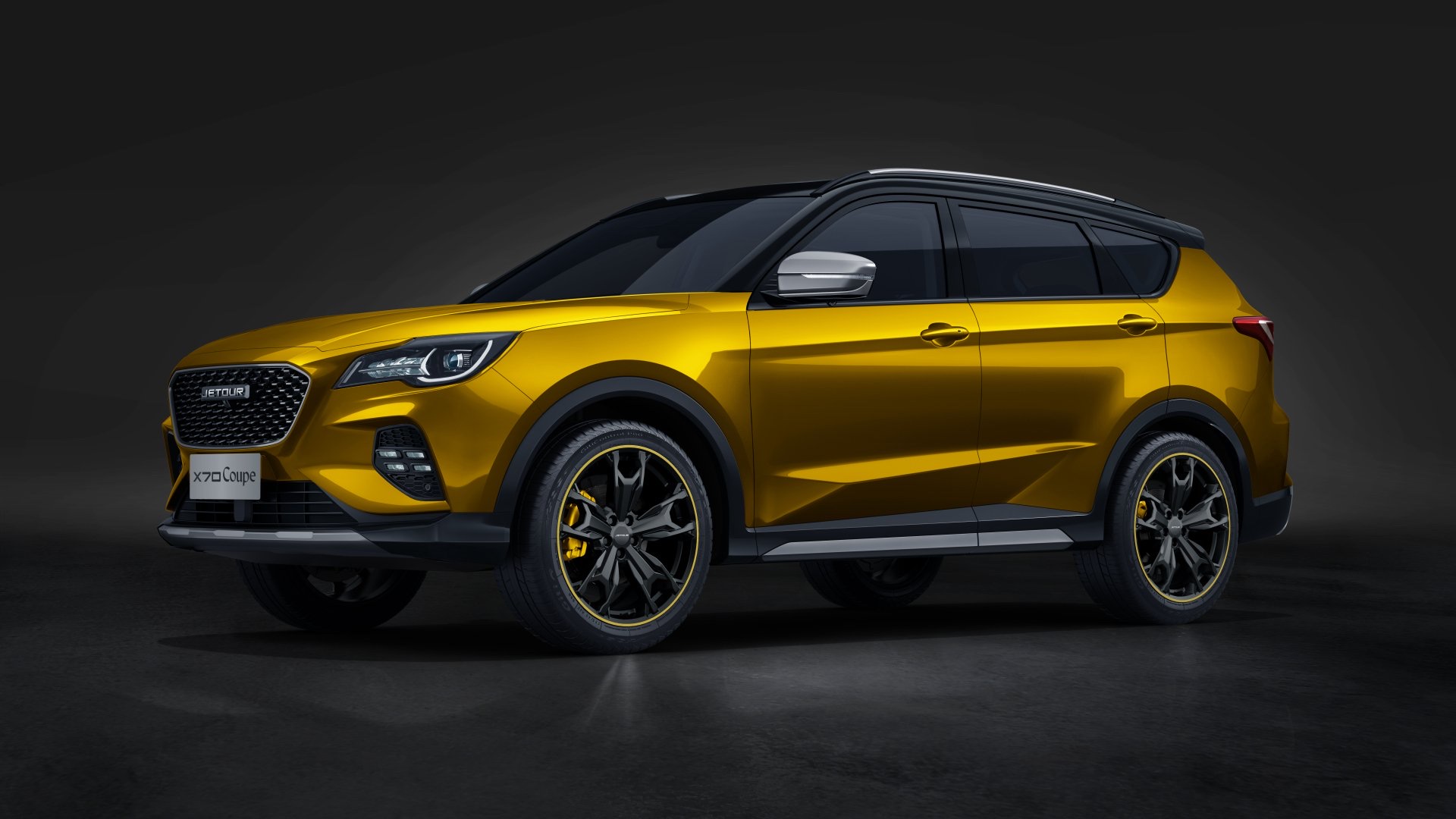
The 2020 Jetour X70 Coupe is a front-wheel-drive mid-size crossover that offers a sportier design variant of the standard X70. Sharing its platform with the Chery Tiggo 8, it combines bold styling details with practical cabin layout options.
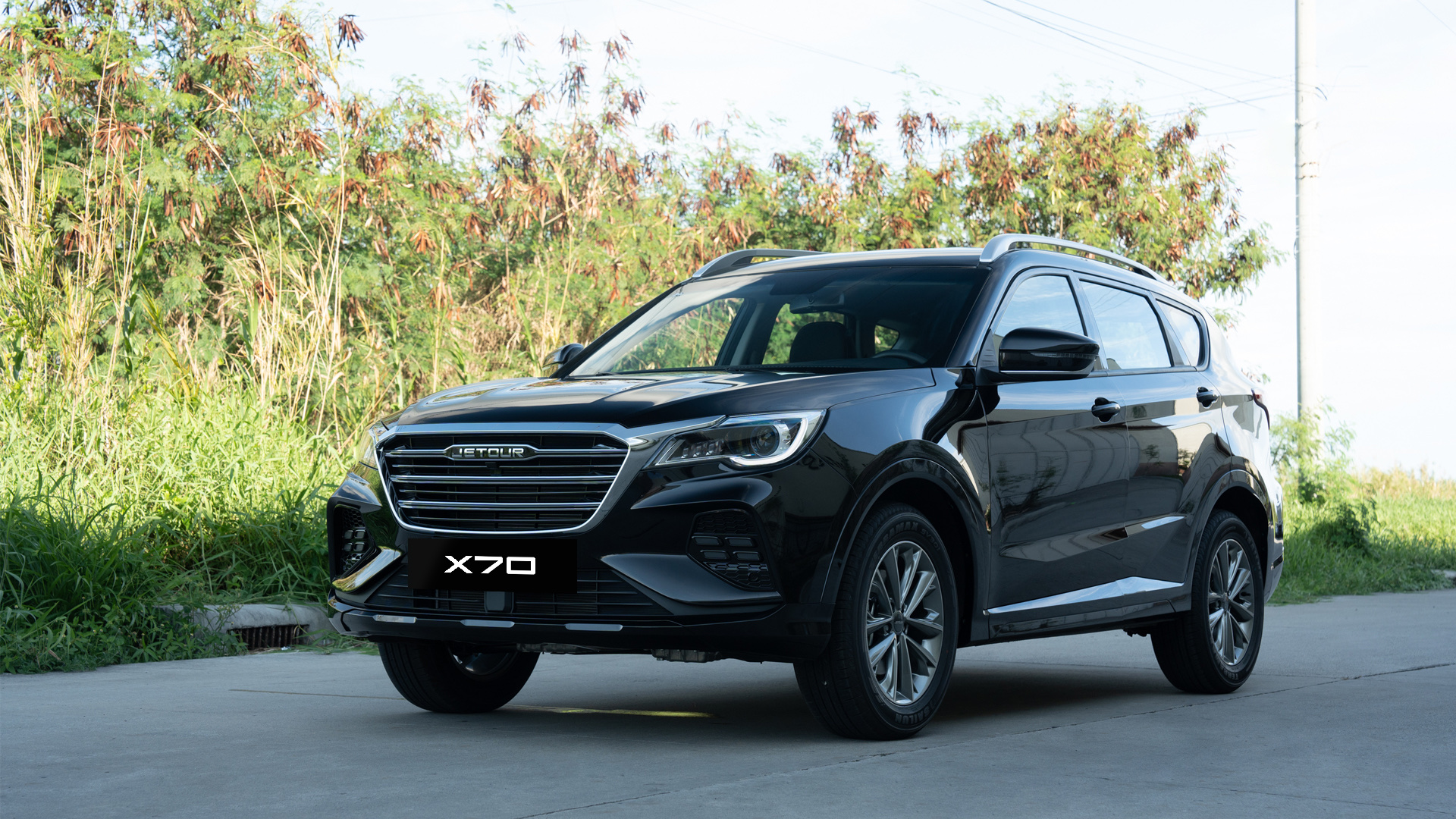
Jetour X70 Coupe at a glance
Quick model context before comparing photos and trim-level specifications.
Introduced as a sportier and more expressive version of the brand's standard crossover, the 2020 Jetour X70 Coupe targets younger car buyers who want a standout look without losing mid-size SUV practicality. Despite its name, the vehicle does not feature a sloping coupe-like roofline, retaining a traditional upright SUV body. It is built on a 2,745 mm wheelbase using a platform shared with the Chery Tiggo 8, and it features an independent rear suspension. The Coupe is offered exclusively with front-wheel drive. Depending on family needs, buyers can choose between three different cabin layouts, accommodating either five, six, or seven passengers. This flexibility, combined with its distinct styling package, makes it a competitive choice in its market class, offering a blend of utility and visual flair.
- Power: 156-197 hp
- Engine displacement: 1498-1598 cc
- Transmissions: 6-speed manual, 6-speed dual-clutch, 7-speed dual-clutch
Photos, trims and specifications for Jetour X70 Coupe
This model page brings gallery images, trim comparison, and detailed technical data together for the 2020 generation.
Estimate fuel cost
Use trim-level fuel consumption data to estimate monthly and yearly fuel spending.
Fuel costs are estimates. Real consumption can change with driving style, traffic, tires, weather, load, and market-specific equipment.
Jetour X70 Coupe overview
Editorial context for design, cabin, performance, practicality, and buyer notes.
Design
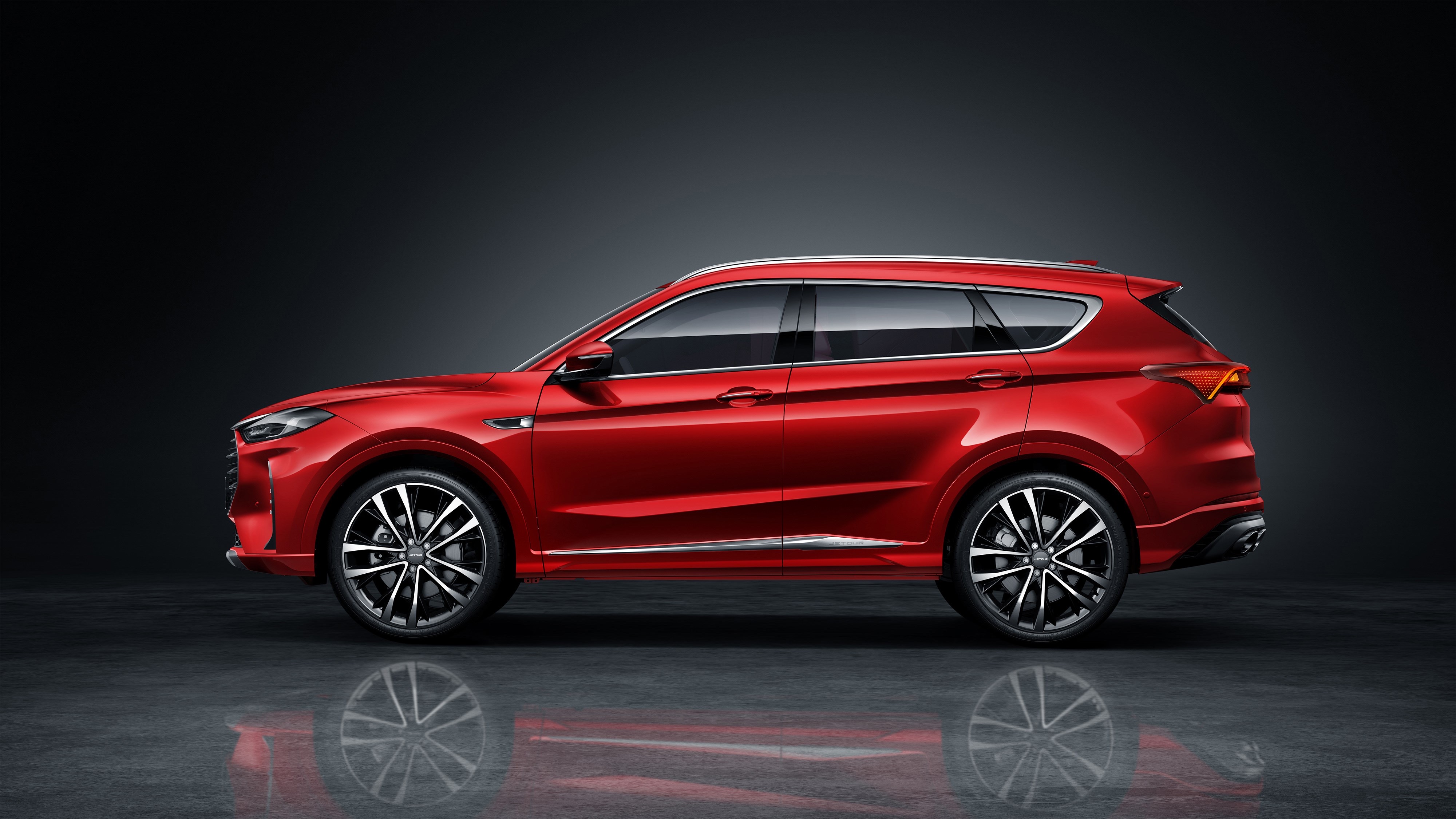
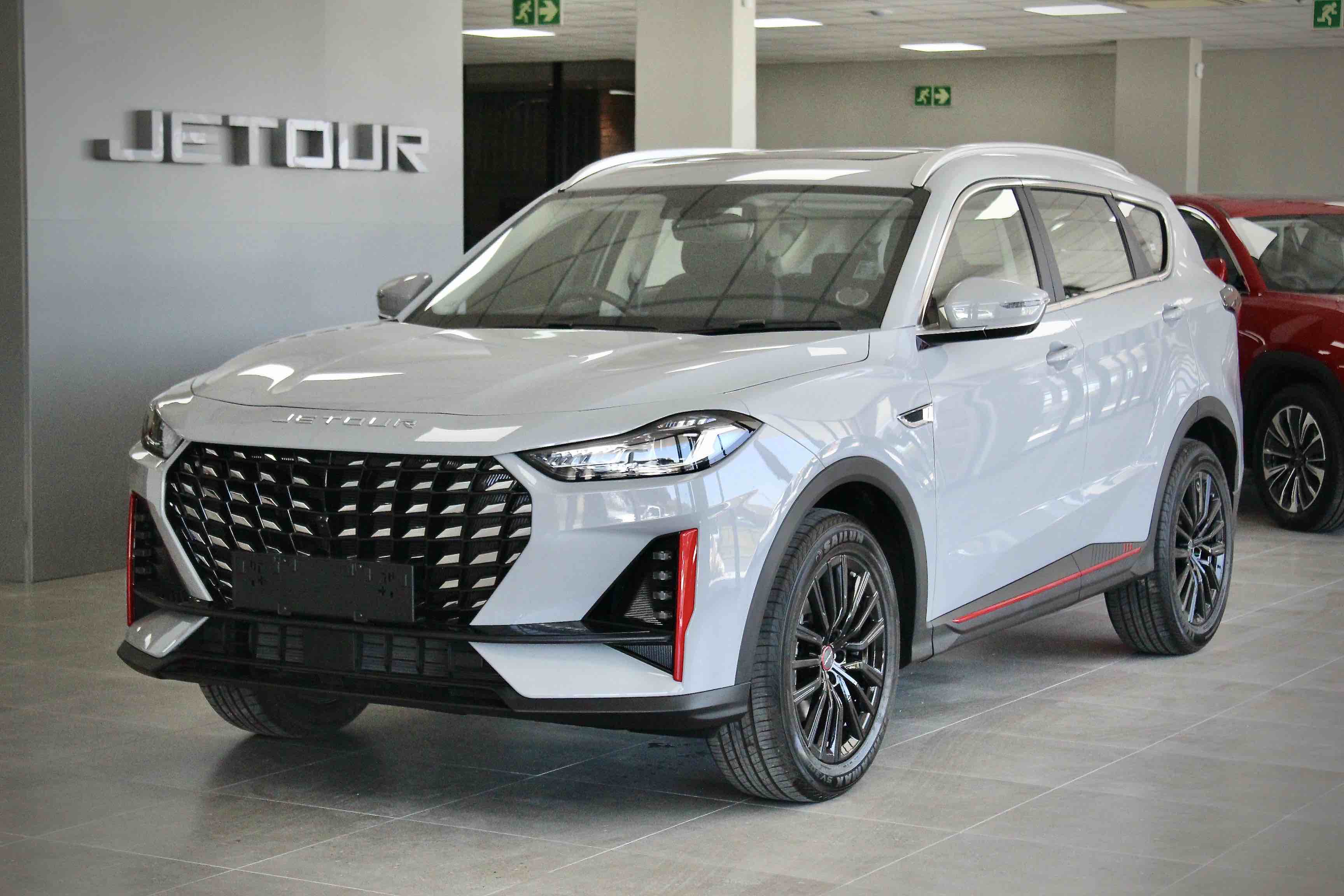
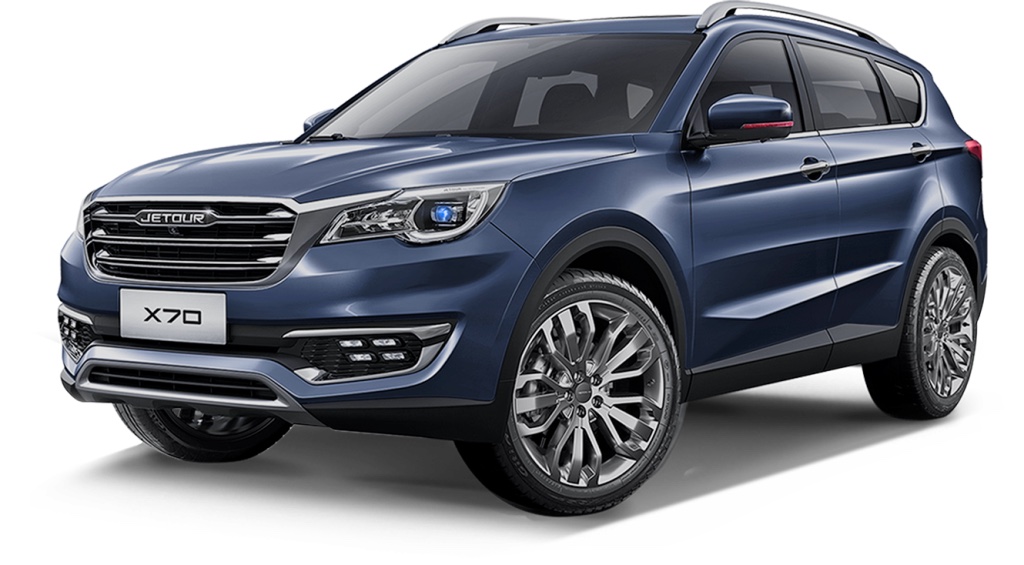
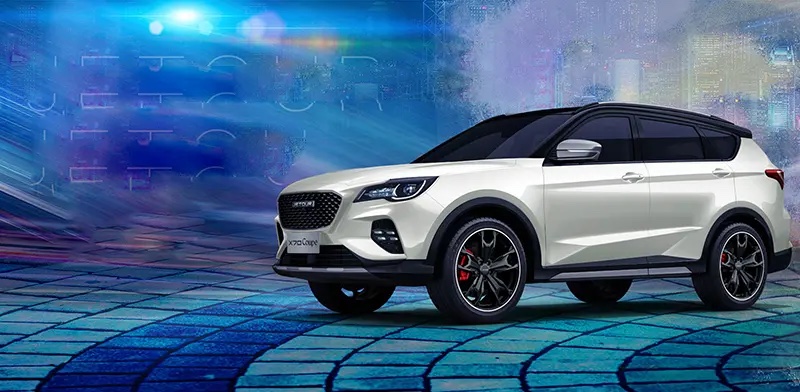
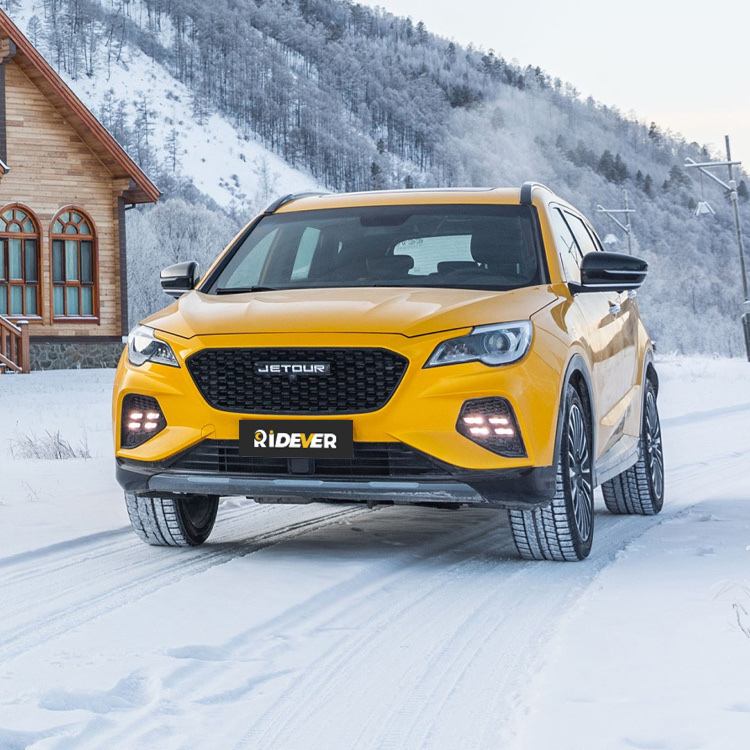
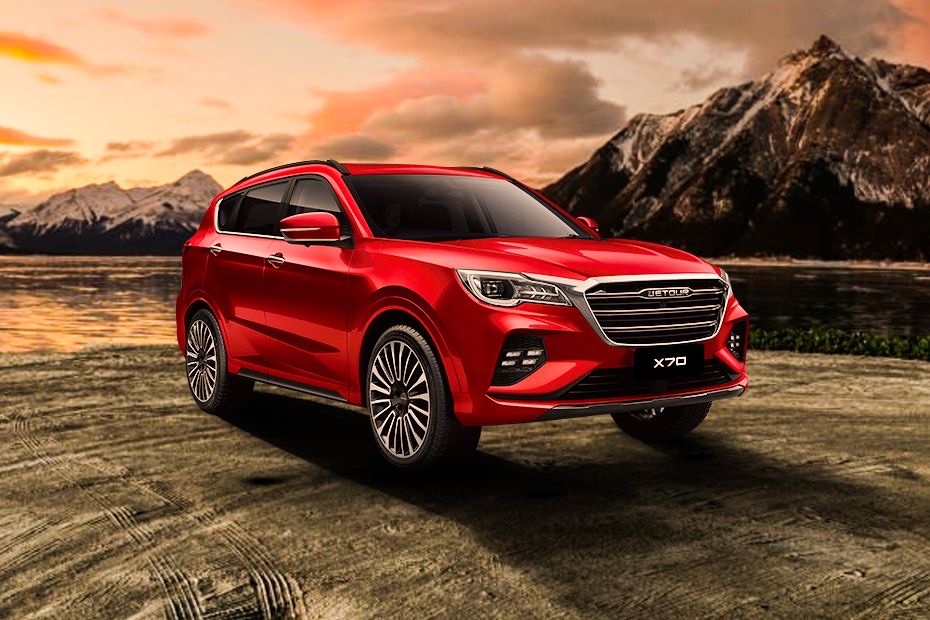
Exterior styling sets the Coupe apart from the standard Jetour X70. It features a unique mesh grille design instead of horizontal slats, carbon-fiber style body trim, and 18-inch alloy wheels that feature body-color accents along the outer rim. Buyers can opt for bright exterior paint schemes paired with a contrasting roof color. With a ground clearance of 210 mm, the vehicle maintains a robust crossover stance while measuring 4,750 mm in length, 1,900 mm in width, and 1,710 mm in height. These dimensions give the vehicle a substantial road presence that matches its sportier design intentions.
Interior
The cabin replicates the sportier theme of the exterior, introducing contrast color inserts on the seats, red stitching on the upholstery and door panels, and carbon-fiber style trim pieces. Technology is prominent, featuring a 12.3-inch digital instrument cluster and a 10.1-inch infotainment touchscreen with connectivity features, alongside a touch-sensitive climate control interface. The second row is highly adjustable, offering sliding seats and adjustable backrests, and is equipped with dedicated rear air vents, a USB port, and an armrest. The vehicle can be configured with standard five seats, a six-seat setup containing second-row captain's chairs, or a seven-seat layout.
Performance
Engine options include two turbocharged petrol powerplants. The entry-level option is a 1.5-liter turbo engine producing 156 horsepower and 230 Nm of torque, which can be mated to either a six-speed manual or a six-speed dual-clutch transmission. For higher performance, a 1.6-liter direct-injection turbo engine is available, putting out 197 horsepower and 290 Nm of torque. This larger engine runs exclusively through a seven-speed dual-clutch transmission, enabling a top speed of 185 km/h and an average fuel consumption of 8.1 liters per 100 kilometers.
Practicality
Practicality is a strong suit of this crossover, offering flexibility through its cabin configurations. The sliding and reclining second-row seats allow owners to balance rear passenger legroom with cargo capacity. Ground clearance of 210 mm helps navigate rough roads, and the 55-liter fuel tank offers decent driving range. With body options expanding up to seven seats, it accommodates larger families, though the five-seat layout maximizes cargo room.
Safety and tech
The technology suite includes modern convenience and safety aids such as LED headlights, a panoramic glass roof, and a keyless entry system. Maneuvering this mid-size SUV in tight spaces is aided by a 360-degree camera system, while the cabin features a wireless smartphone charger for added convenience. Large digital displays dominate the dashboard, giving the driver quick access to vehicle configurations, navigation, and infotainment options.
Buyer notes
When considering the Jetour X70 Coupe, buyers should pay close attention to the powertrain and seating configurations. The 1.6-liter turbo engine offers a significant power upgrade over the 1.5-liter version and is paired with a modern seven-speed transmission. Those prioritizing fuel economy may look at the manual 1.5-liter version, which averages 7.5 liters per 100 kilometers. Seat configuration (five, six, or seven seats) also significantly alters interior usability and cargo space, so identifying the preferred cabin layout is key before purchase.
Trims and key specifications
Use this table to compare the main differences between available configurations.
| Trim / modification | Engine | Power | Seats | Transmission |
|---|---|---|---|---|
| 1.5i (156 hp) 6-speed manual | 1498 cc | 156 hp | 5/7 | 6-speed manual |
| 1.5i (156 hp) 6-DCT | 1498 cc | 156 hp | 5/7 | 6-speed dual-clutch |
| 1.6 TGDI (197 hp) 7-DCT | 1598 cc | 197 hp | 5/7 | 7-speed dual-clutch |
Specifications can vary by market, model year, and equipment package. Use the trim sections below to review the full data for each configuration.
Jetour X70 Coupe photo gallery
9 images are collected here with the main specifications and trim data for this model.
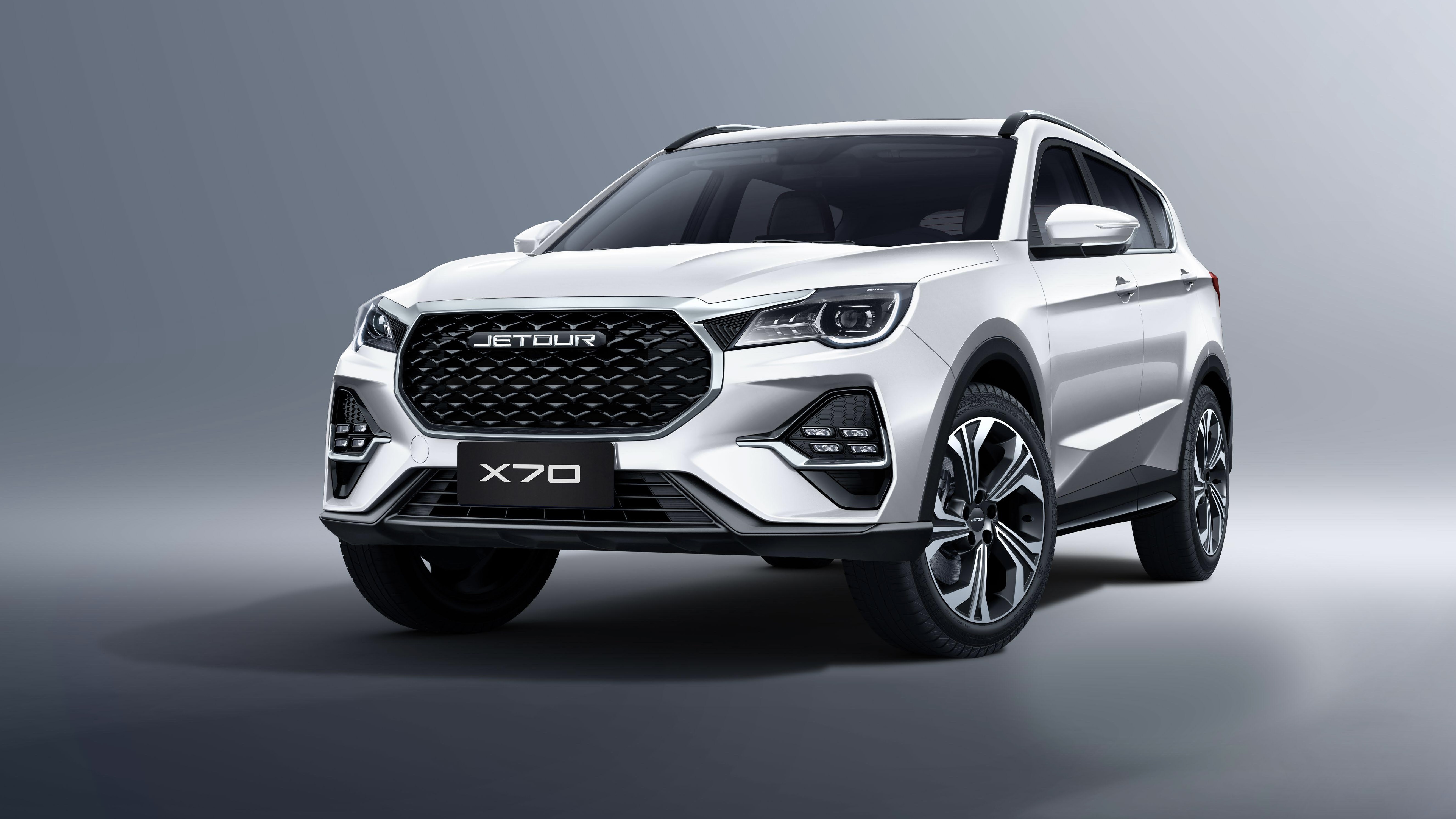
Photo Jetour X70 Coupe
Specifications by trim
Choose a configuration below to open full technical data grouped by category.
1.5i (156 hp) 6-speed manual 30 specifications
Specifications
Performance and consumption
| Fuel consumption city, L/100 km | 9.9 |
|---|---|
| Fuel consumption highway, L/100 km | 6.6 |
| Fuel consumption combined, L/100 km | 7.5 |
| Top speed, km/h | 180 |
Engine
| Engine | 1.5i |
|---|---|
| Engine code | SQRE4T15C |
| Engine type | Internal combustion engine |
| Fuel type | Gasoline |
| Engine displacement, cc | 1498 |
| Cylinder layout | Inline |
| Number of cylinders | 4 |
| Valves | 16 |
| Turbocharger | + |
| Power, hp | 156 |
| RPM at max power | 5500 |
| Torque, Nm | 230 |
| RPM at max torque | 1750-4000 |
Dimensions
| Seats | 5/7 |
|---|---|
| Length, mm | 4750 |
| Width, mm | 1900 |
| Height, mm | 1710 |
| Wheelbase, mm | 2745 |
| Fuel tank capacity, L | 55 |
| Ground clearance, mm | 210 |
Transmission and drive
| Transmission | 6-speed manual |
|---|---|
| Transmission type | manual |
| Drive | Front-wheel drive |
| Number of gears | 6 |
| Transmission manufacturer | Chery |
| Transmission country | China |
1.5i (156 hp) 6-DCT 30 specifications
Specifications
Performance and consumption
| Fuel consumption city, L/100 km | 10 |
|---|---|
| Fuel consumption highway, L/100 km | 6.6 |
| Fuel consumption combined, L/100 km | 7.6 |
| Top speed, km/h | 180 |
Engine
| Engine | 1.5i |
|---|---|
| Engine code | SQRE4T15C |
| Engine type | Internal combustion engine |
| Fuel type | Gasoline |
| Engine displacement, cc | 1498 |
| Cylinder layout | Inline |
| Number of cylinders | 4 |
| Valves | 16 |
| Turbocharger | + |
| Power, hp | 156 |
| RPM at max power | 5500 |
| Torque, Nm | 230 |
| RPM at max torque | 1750-4000 |
Dimensions
| Seats | 5/7 |
|---|---|
| Length, mm | 4750 |
| Width, mm | 1900 |
| Height, mm | 1710 |
| Wheelbase, mm | 2745 |
| Fuel tank capacity, L | 55 |
| Ground clearance, mm | 210 |
Transmission and drive
| Transmission | 6-speed dual-clutch |
|---|---|
| Transmission type | 2-speed automated manual |
| Drive | Front-wheel drive |
| Number of gears | 6 |
| Transmission manufacturer | Getrag |
| Automatic transmission | + |
1.6 TGDI (197 hp) 7-DCT 30 specifications
Specifications
Performance and consumption
| Fuel consumption city, L/100 km | 9.1 |
|---|---|
| Fuel consumption highway, L/100 km | 7.5 |
| Fuel consumption combined, L/100 km | 8.1 |
| Top speed, km/h | 185 |
Engine
| Engine | 1.6 TGDI |
|---|---|
| Engine code | SQRF4J16 |
| Engine type | Internal combustion engine |
| Fuel type | Gasoline |
| Engine displacement, cc | 1598 |
| Cylinder layout | Inline |
| Number of cylinders | 4 |
| Valves | 16 |
| Turbocharger | + |
| Power, hp | 197 |
| RPM at max power | 5500 |
| Torque, Nm | 290 |
| RPM at max torque | 2000-4000 |
Dimensions
| Seats | 5/7 |
|---|---|
| Length, mm | 4750 |
| Width, mm | 1900 |
| Height, mm | 1710 |
| Wheelbase, mm | 2745 |
| Fuel tank capacity, L | 55 |
| Ground clearance, mm | 210 |
Transmission and drive
| Transmission | 7-speed dual-clutch |
|---|---|
| Transmission type | 2-speed automated manual |
| Drive | Front-wheel drive |
| Number of gears | 7 |
| Transmission manufacturer | Getrag |
| Automatic transmission | + |
Jetour X70 Coupe questions
Short answers based on the specifications and photos available in this catalog.
Is the Jetour X70 Coupe a true coupe SUV?
No, despite the Coupe name, it is a traditional mid-size crossover SUV. The name refers to the sportier exterior trim, mesh grille, and contrast styling accents rather than a sloping fastback roofline.
What engines are available in the 2020 Jetour X70 Coupe?
Buyers can choose between two turbocharged gasoline engines: a 1.5-liter turbo engine making 156 horsepower, or a more powerful 1.6-liter turbo engine producing 197 horsepower.
Does the Jetour X70 Coupe have all-wheel drive?
No, all versions of the 2020 Jetour X70 Coupe are front-wheel drive (2WD) only, regardless of the chosen engine or transmission.
What transmission choices are offered?
The 1.5-liter engine can be paired with either a six-speed manual or a six-speed dual-clutch transmission (DCT). The 1.6-liter engine is equipped exclusively with a seven-speed dual-clutch transmission.
How many seats does the Jetour X70 Coupe have?
It is available in three seating configurations: a standard five-seat layout, a six-seat configuration featuring two individual captain's chairs in the second row, or a seven-seat layout.