KIA Carnival specifications and photos
The 2020 KIA Carnival is a front-wheel-drive minivan that introduces the model's fourth generation. Built on a new platform, it offers increased cabin space and modern technology for family transport. Depending on the market, it can be configured to seat between seven and eleven occupants.
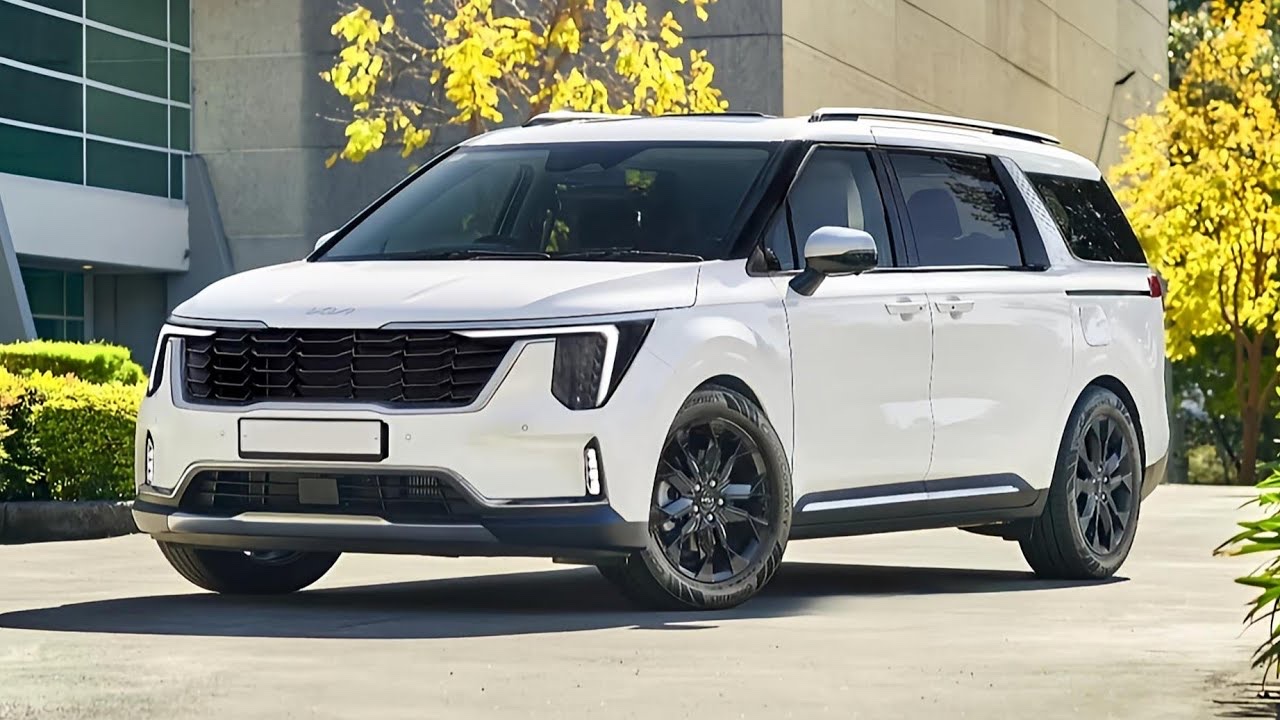
KIA Carnival at a glance
Quick model context before comparing photos and trim-level specifications.
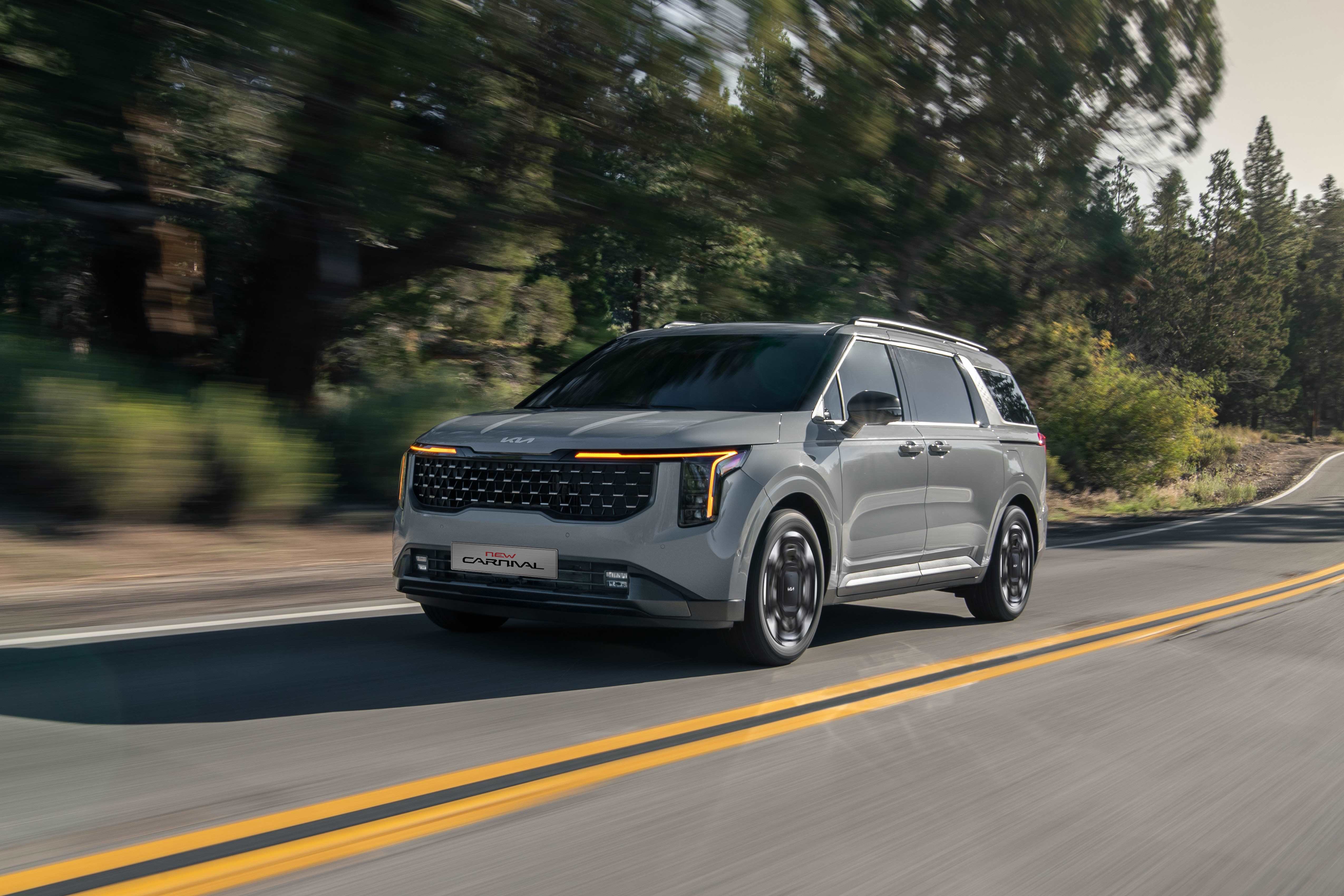
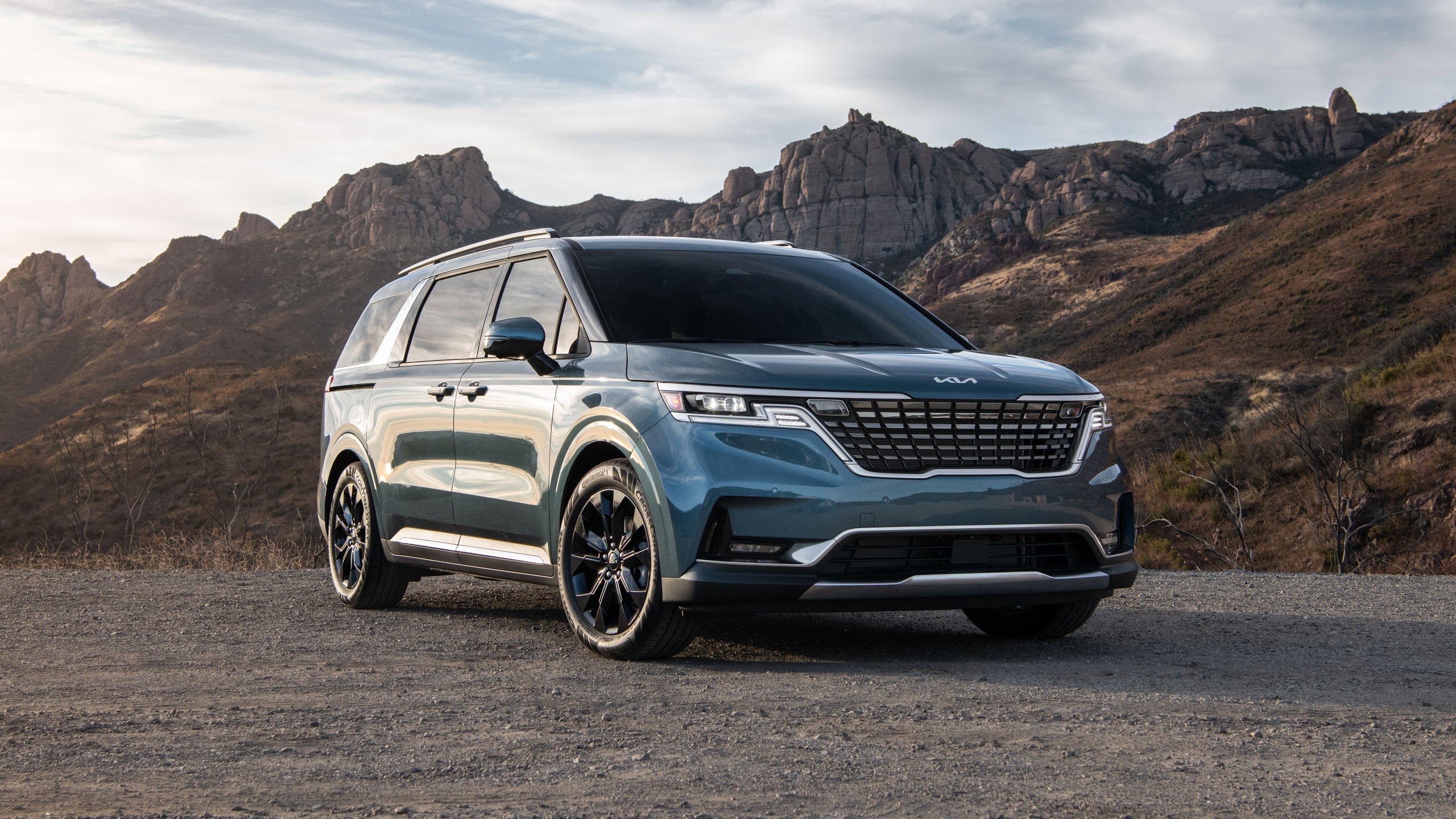
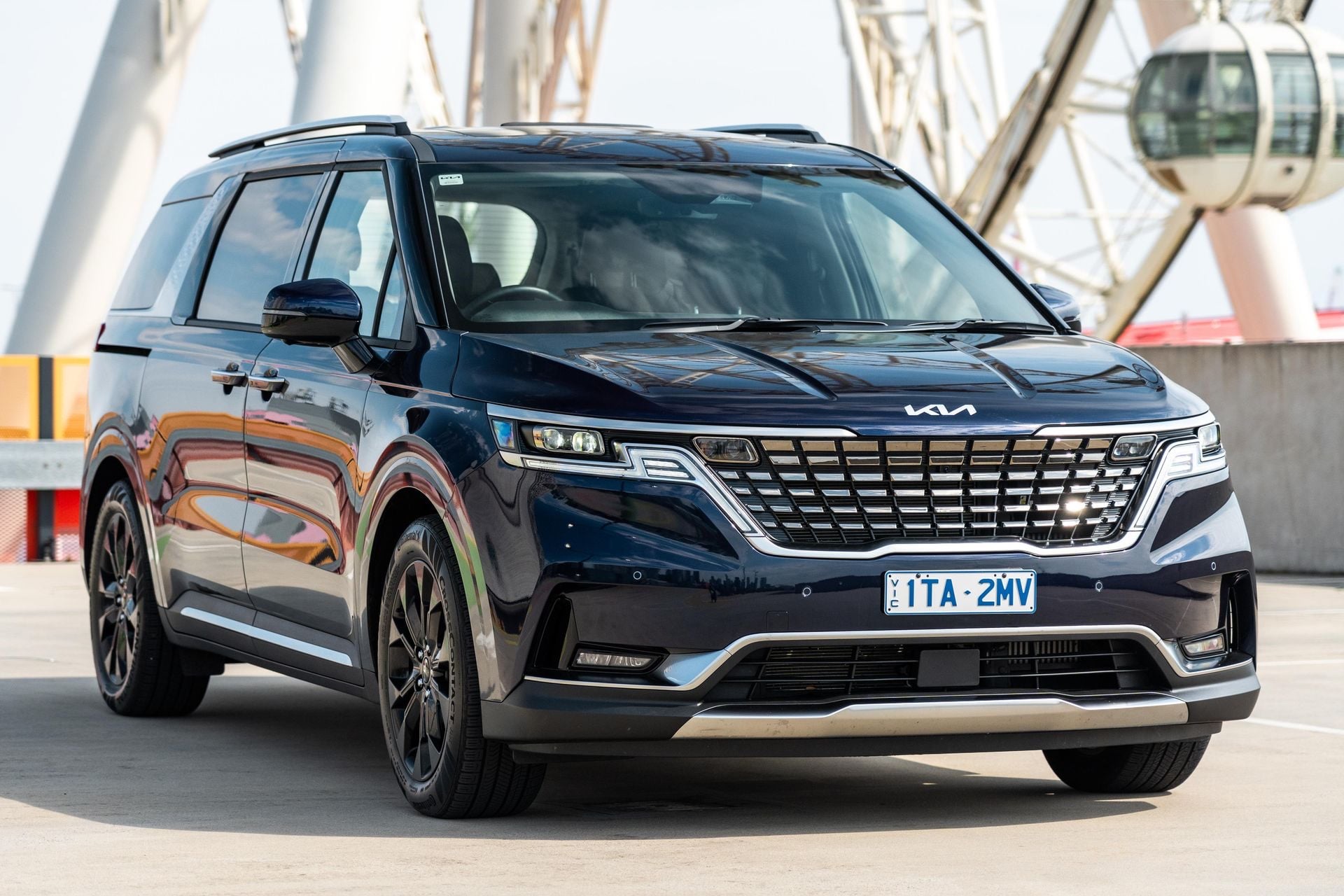
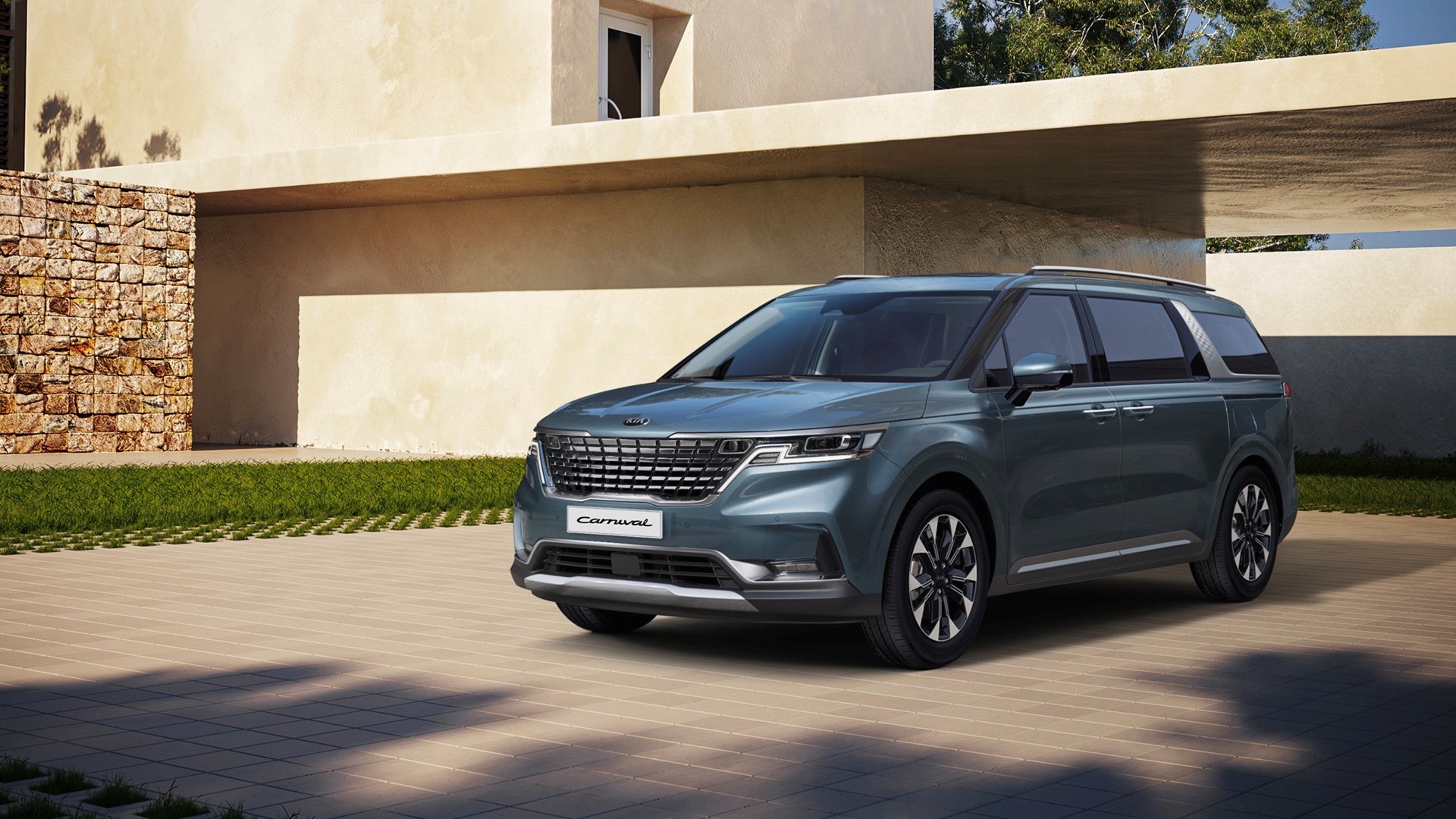
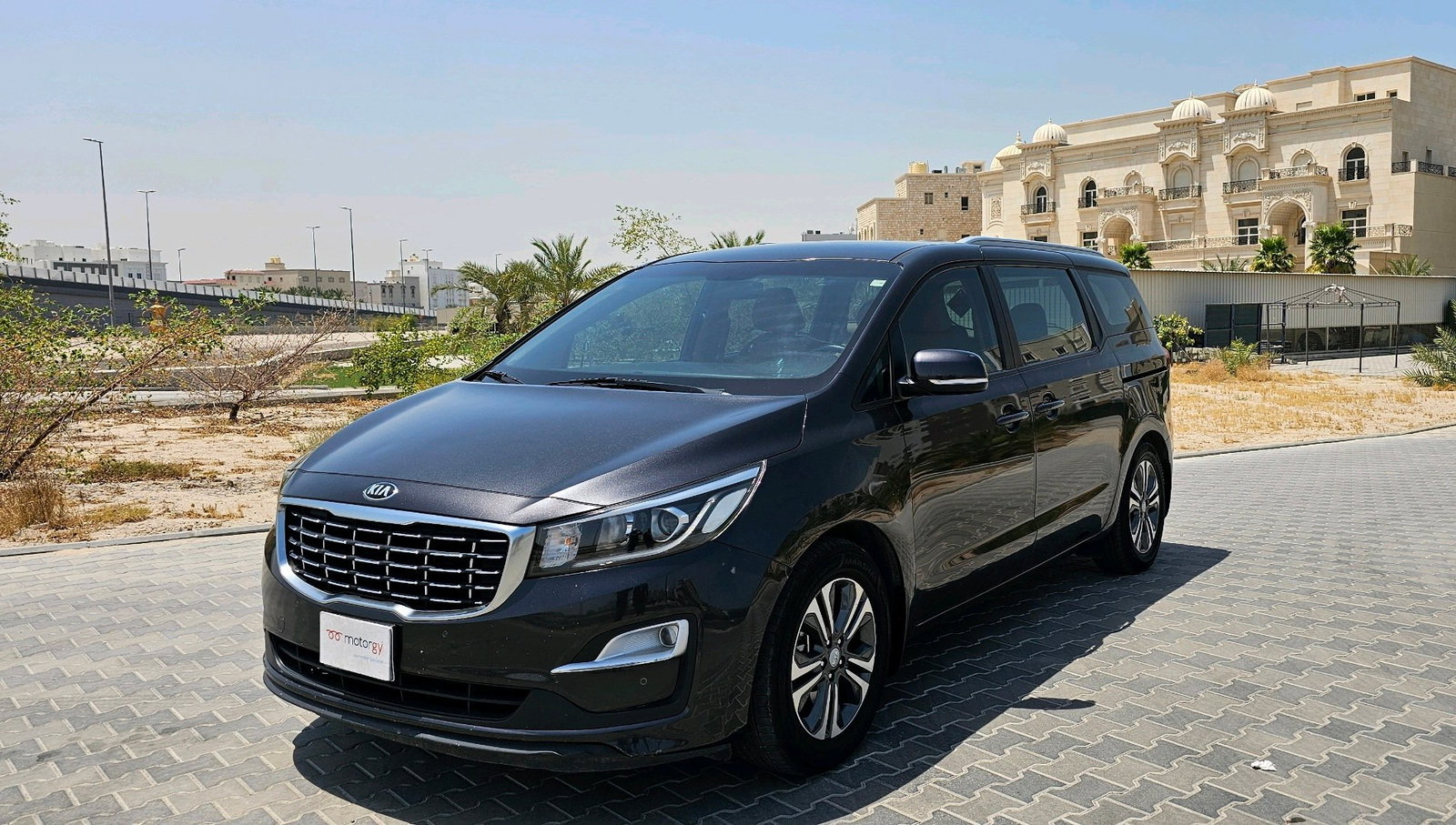
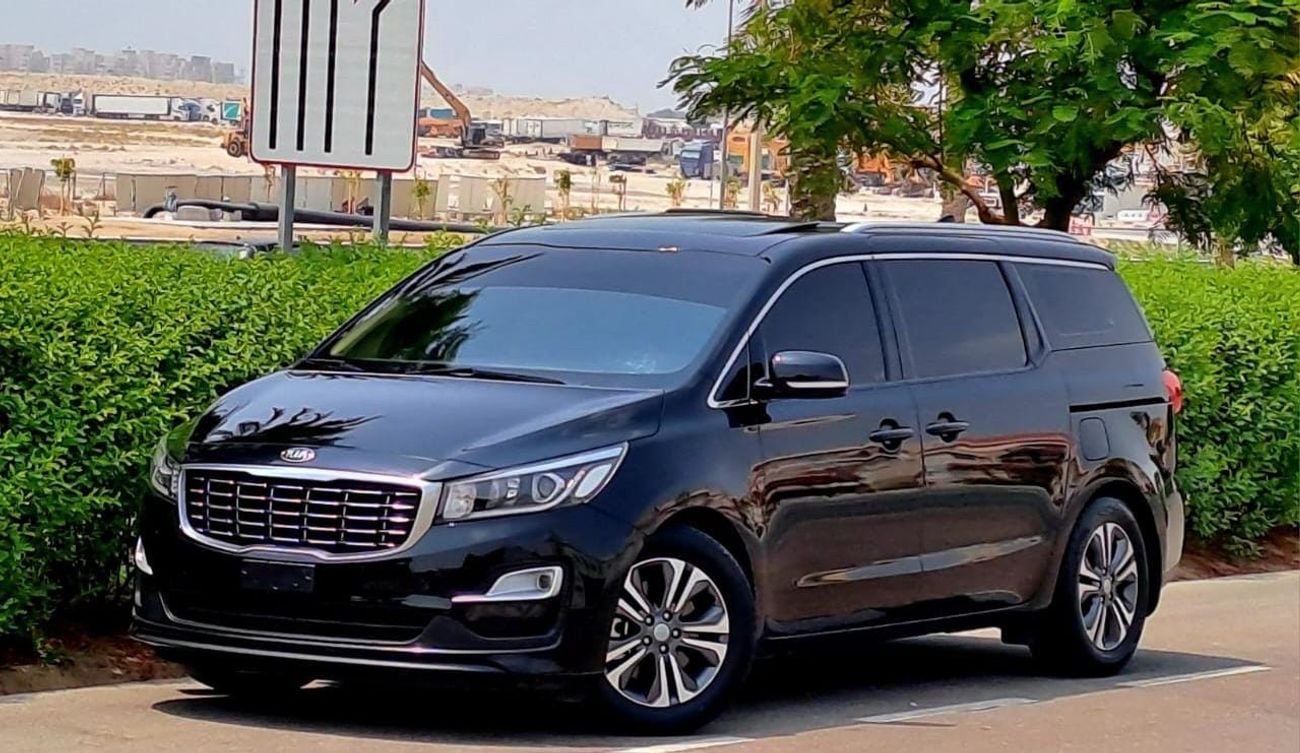
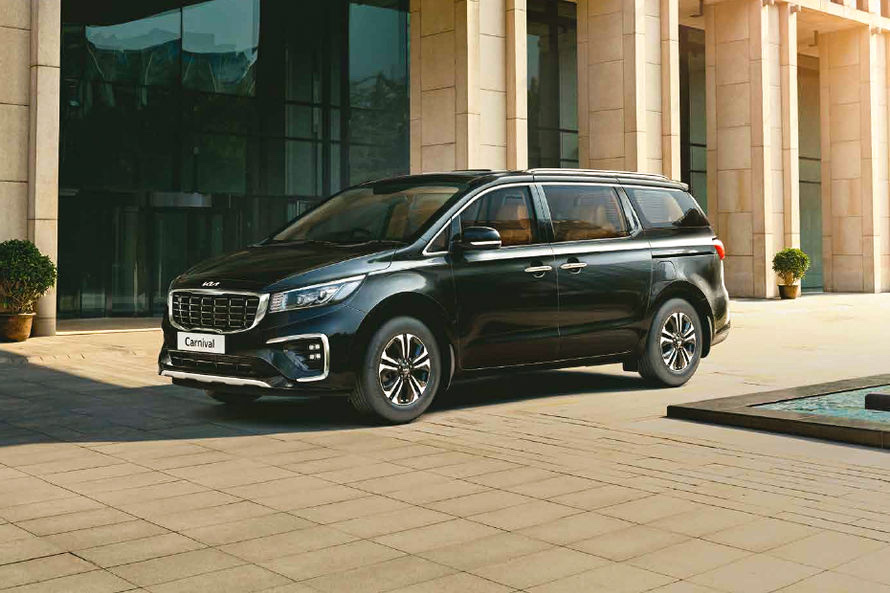
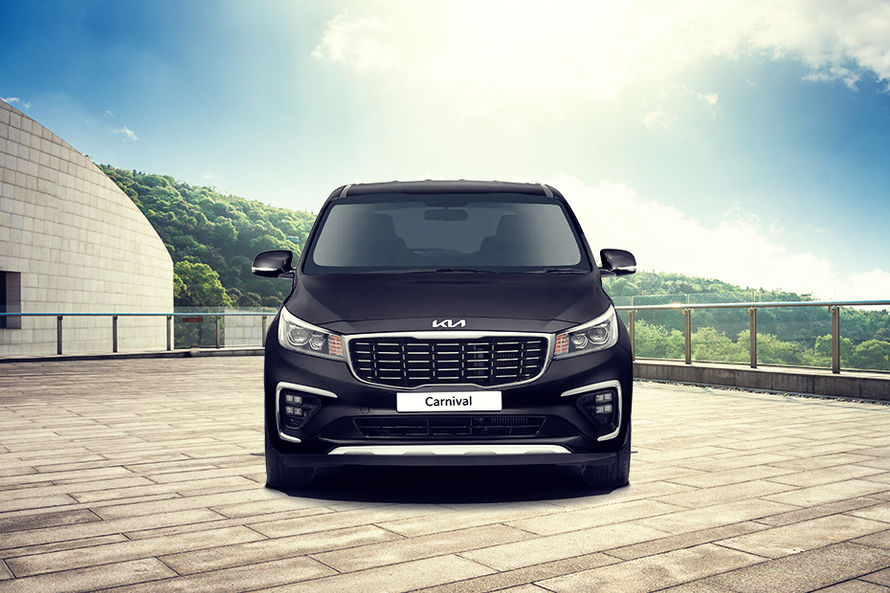
Representing the fourth generation of the nameplate, the 2020 KIA Carnival is built on the N3 platform, sharing its architecture with contemporary midsize sedans. This structural change brings updated front and rear suspensions, along with reduced noise, vibration, and harshness levels. KIA designers labeled this generation a "Grand Utility Vehicle," blending minivan practicality with styling cues inspired by modern SUVs, such as a longer hood line, distinct wheel arches, and a floating roof effect. The physical footprint has grown compared to the predecessor, with the overall length increasing to 5,155 mm and the wheelbase stretching to 3,090 mm. This growth translates directly into a more spacious cabin designed to accommodate large families or transport duties across multiple seating layouts. Additionally, the ingress and egress are facilitated by dual power-sliding doors, and the cargo area features a lower load height for easier access.
- Power: 202-294 hp
- Engine displacement: 2151-3470 cc
- Transmissions: 8-speed automatic
- Seating: 5 seats
Photos, trims and specifications for KIA Carnival
This model page brings gallery images, trim comparison, and detailed technical data together for the 2020 generation.
Estimate fuel cost
Use trim-level fuel consumption data to estimate monthly and yearly fuel spending.
Fuel costs are estimates. Real consumption can change with driving style, traffic, tires, weather, load, and market-specific equipment.
KIA Carnival overview
Editorial context for design, cabin, performance, practicality, and buyer notes.
Design
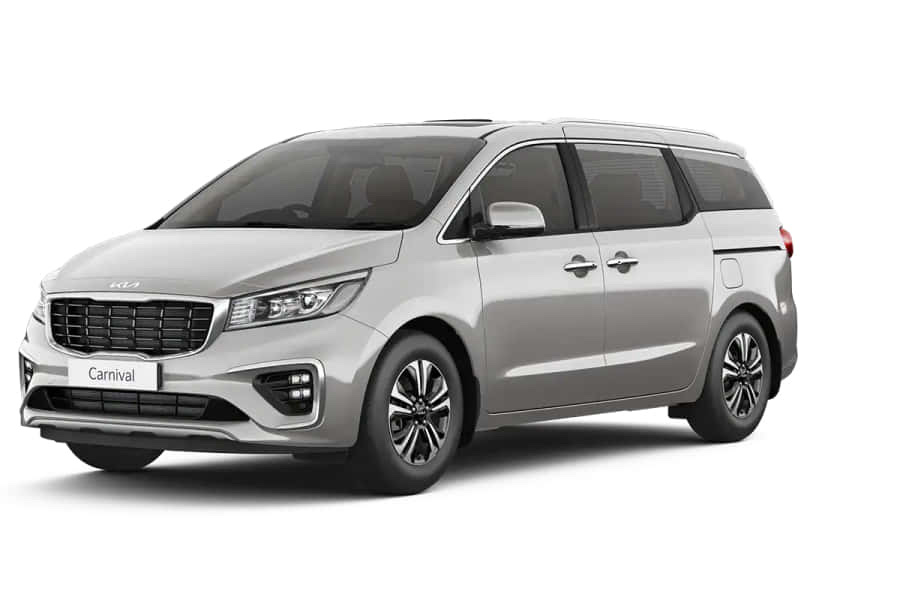
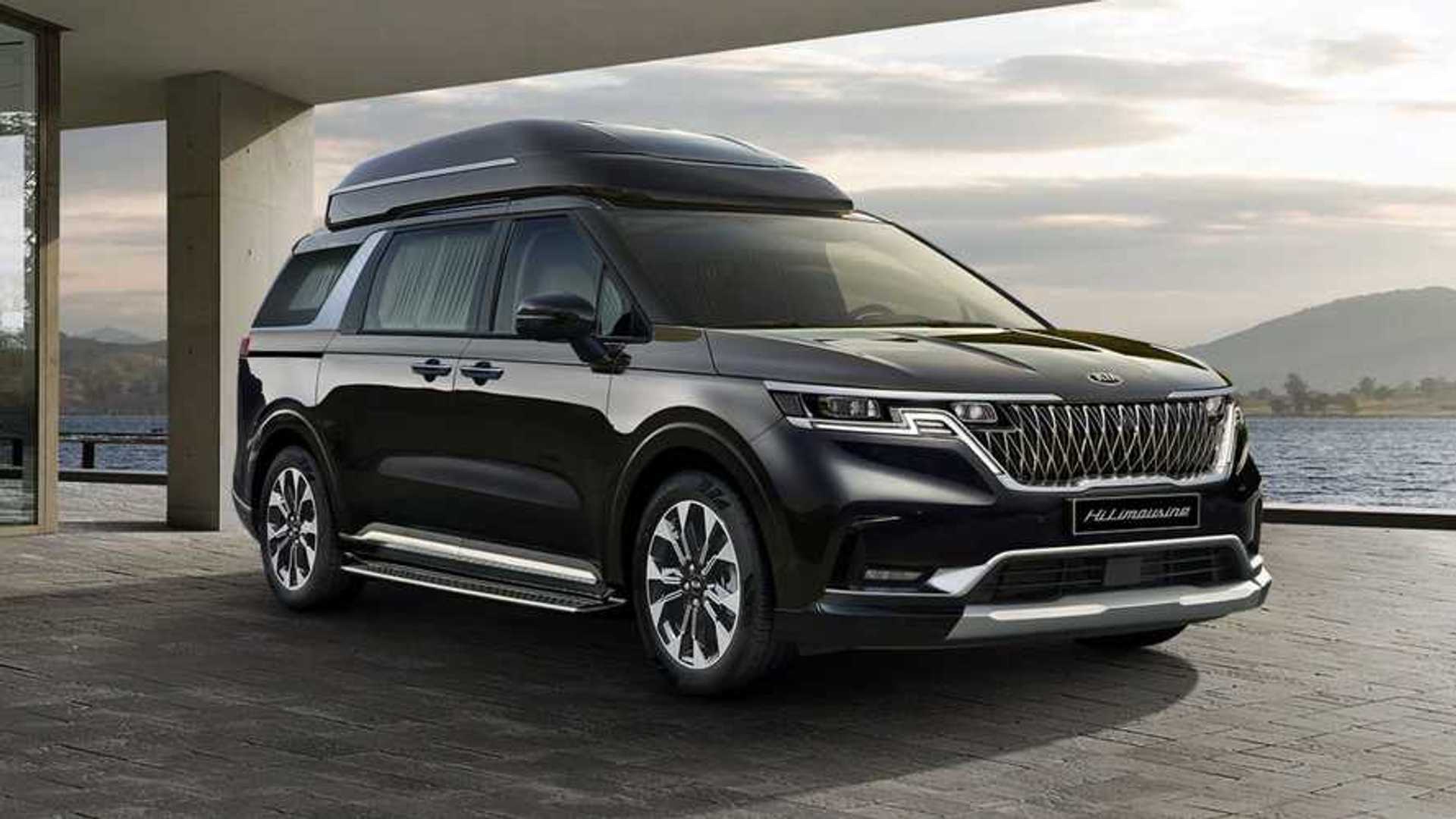
The exterior design of the 2020 Carnival borrows visual elements from SUVs to step away from traditional minivan styling. It features a shorter front overhang, a longer horizontal hood, and prominent wheel arches that give it a more planted stance. The side profile is defined by a floating roof design, while the rear features a clean layout with a lower load height of 640 mm to make loading cargo easier. Depending on the trim, the vehicle rides on 19-inch alloy wheels. Dual power-sliding side doors and a power tailgate are available, supporting a hands-free proximity opening system via a smart key.
Interior
The cabin is highly configurable, offering seating layouts for seven, eight, nine, or eleven passengers depending on the regional market. In the seven-seat configuration, the second row can feature individual captain's chairs with armrests, heating, ventilation, and electrical adjustments for the backrest, seat cushion, and leg rests. Alternatively, the middle seat in the second row can be folded down into a wide armrest or removed completely to allow the outer seats to slide laterally. The dashboard layout features a standard dual-dial instrument panel, while higher trims upgrade to a dual 12.3-inch screen setup integrating the instrument cluster and infotainment system. Other features include a 5.5-liter cooling box, a 220V power outlet, and a 14-speaker Bose sound system.
Performance
The 2020 Carnival is front-wheel drive and offers three engine choices depending on the market. The gasoline lineup includes a 3.5-liter V6 GDI producing 294 horsepower and 355 Nm of torque, and a 3.5-liter V6 MPI generating 272 horsepower and 322 Nm of torque. For buyers prioritizing fuel economy, a 2.2-liter CRDi four-cylinder diesel engine is available, delivering 202 horsepower and 440 Nm of torque. All three engines are paired exclusively with an eight-speed automatic transmission, with no all-wheel-drive option offered. The switch to electric power steering improves response and enables more driver assistance systems.
Practicality
Practicality is a core focus, with the minivan offering 627 liters of cargo volume behind the third-row seats. Folding down the rear seats expands the maximum cargo capacity to 2,905 liters. A reduced loading height of 640 mm makes loading heavy cargo easier. Passenger comfort is enhanced by three-zone automatic climate control, a panoramic sunroof, and numerous storage options throughout the cabin, including a refrigerator box in the center console. The sliding doors open automatically when standing nearby with the key, aiding entry when carrying items.
Safety and tech
The implementation of electric power steering allows the 2020 Carnival to offer a wider suite of electronic driver aids. Available safety technologies include adaptive cruise control, lane centering assist, and blind-spot monitoring with active collision avoidance braking. Parking and low-speed maneuvers are aided by front and rear parking sensors, a rearview camera, and a 360-degree surround-view camera system. The vehicle also includes standard safety features such as electronic stability control, traction control, and multiple airbags.
Buyer notes
When shopping for a 2020 KIA Carnival, buyers should note that seating configurations and engine options vary significantly by market. While some regions offer high-end executive trims like the Luxe with powered second-row captain's chairs and dual 12.3-inch screens, others may focus on higher-occupancy configurations with up to eleven seats. The diesel engine option provides a balance of low-end torque and efficiency, while the V6 options offer smoother power delivery. Exact features such as the premium Bose audio, panoramic roof, and specific driver assistance systems are trim-dependent and should be verified on a vehicle-by-vehicle basis.
Trims and key specifications
Use this table to compare the main differences between available configurations.
| Trim / modification | Engine | Power | Seats | Transmission |
|---|---|---|---|---|
| 2.2 CRDi (202 hp) 8-speed automatic | 2151 cc | 202 hp | 5 | 8-speed automatic |
| 3.5 MPI (272 hp) 8-speed automatic | 3470 cc | 272 hp | 5 | 8-speed automatic |
| 3.5 GDI (294 hp) 8-speed automatic | 3470 cc | 294 hp | 5 | 8-speed automatic |
| 3.5 GDI AT Luxe | 3470 cc | 294 hp | 5 | 8-speed automatic |
Specifications can vary by market, model year, and equipment package. Use the trim sections below to review the full data for each configuration.
KIA Carnival photo gallery
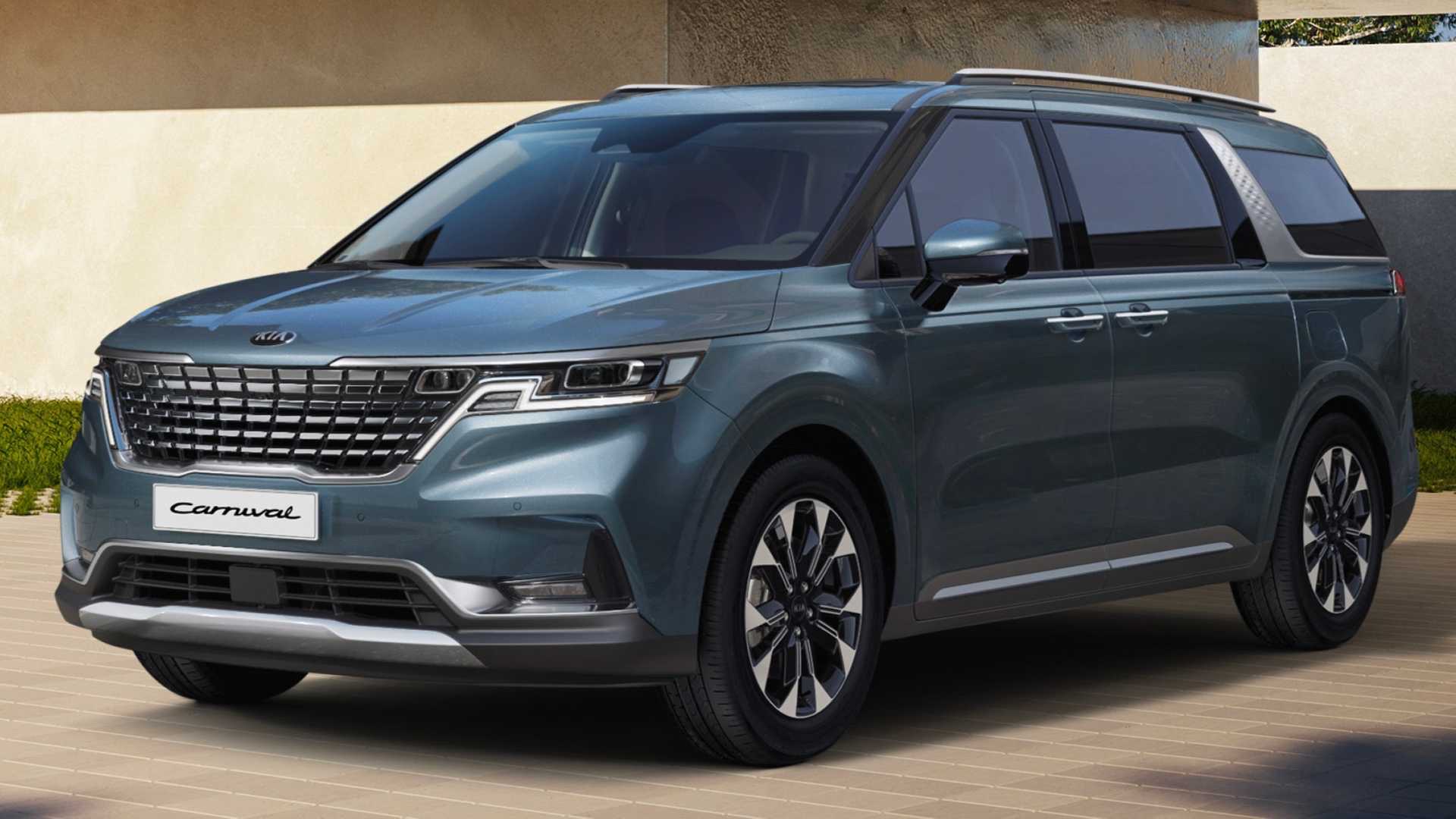
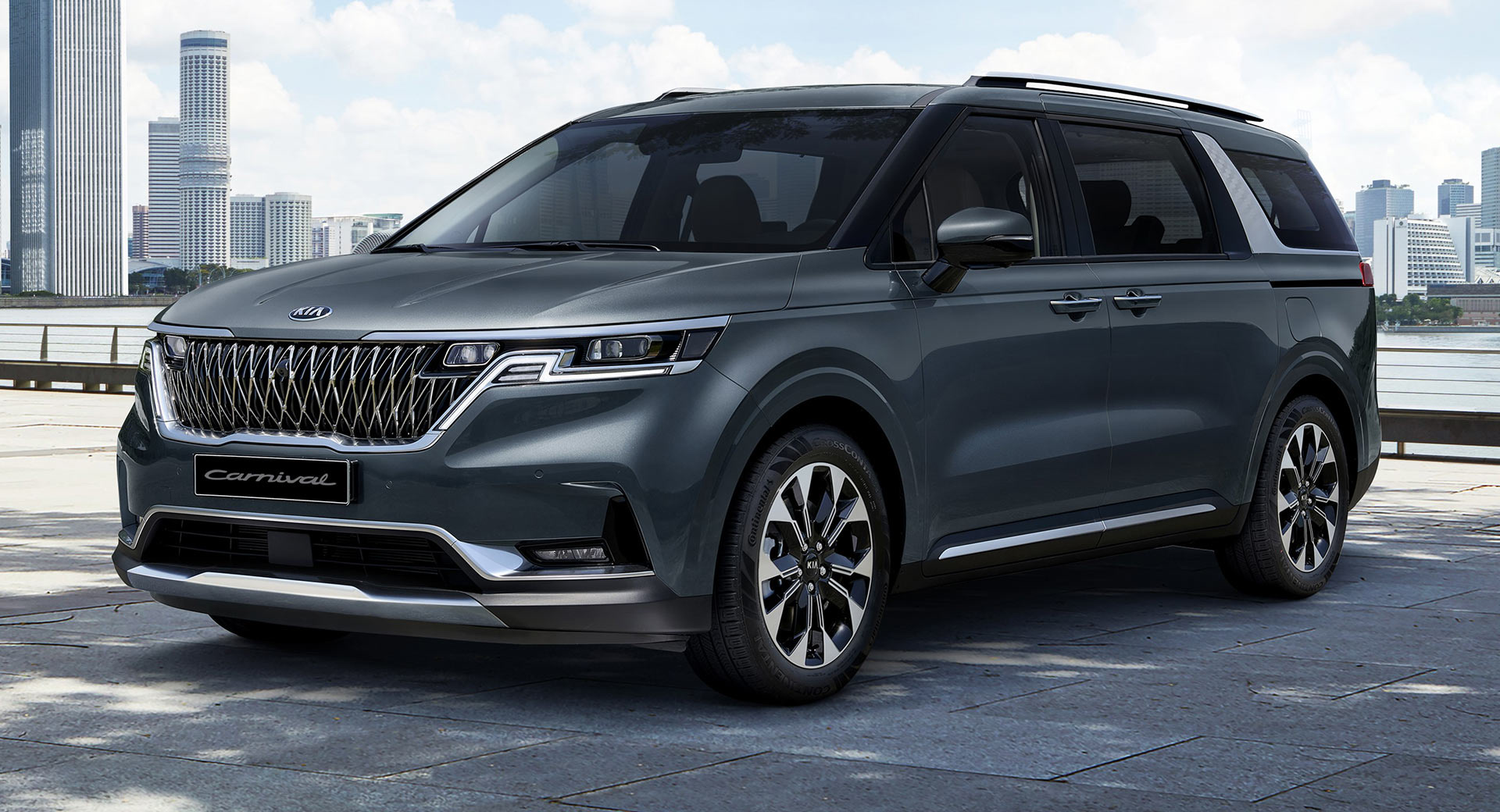
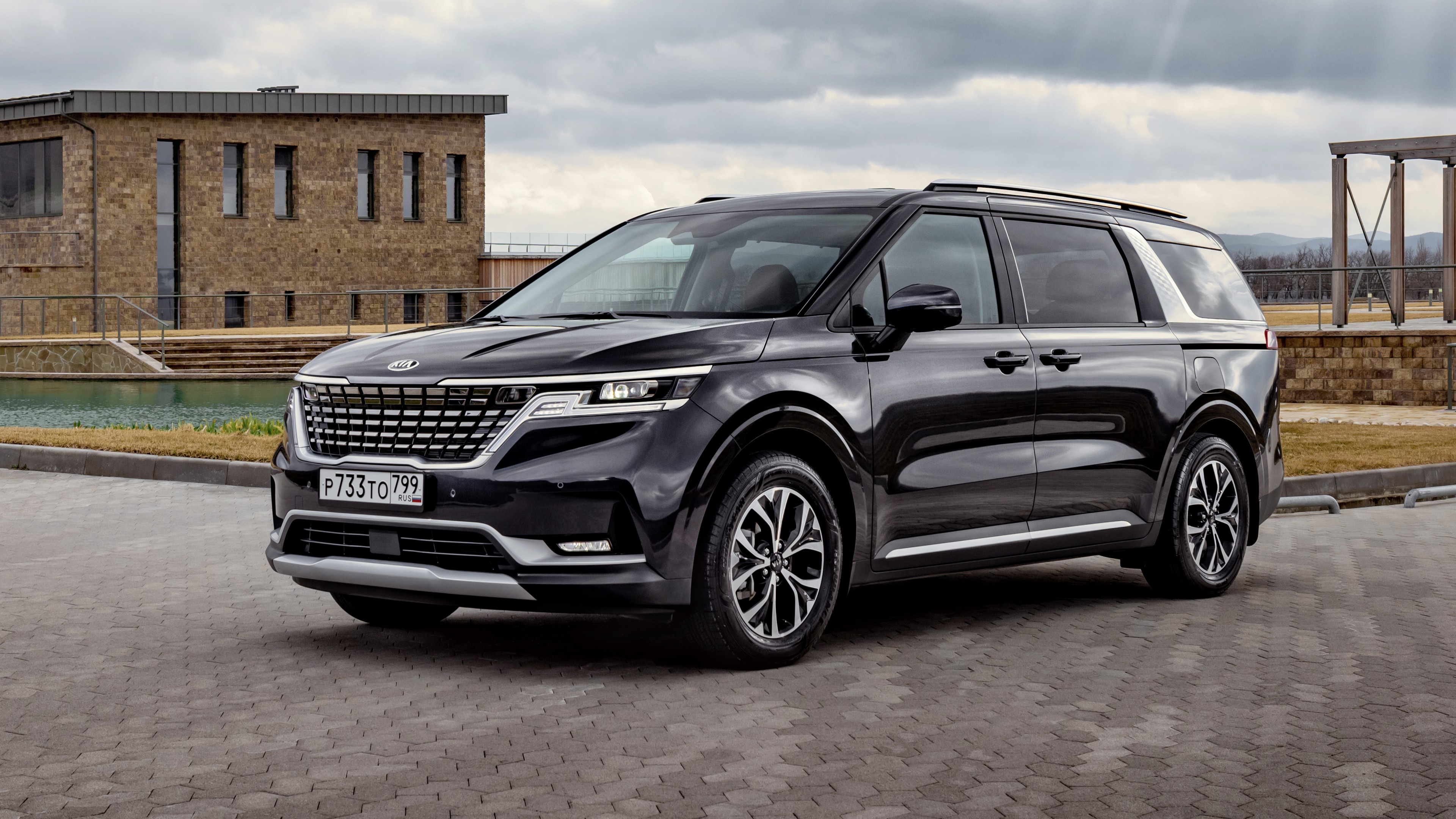
14 images are collected here with the main specifications and trim data for this model.
Photo KIA Carnival
Specifications by trim
Choose a configuration below to open full technical data grouped by category.
2.2 CRDi (202 hp) 8-speed automatic 34 specifications
Specifications
Performance and consumption
| Fuel consumption city, L/100 km | 7.8 |
|---|---|
| Fuel consumption highway, L/100 km | 5.7 |
| Fuel consumption combined, L/100 km | 6.5 |
| Emissions standard | Euro V |
Engine
| Engine | 2.2 CRDi |
|---|---|
| Engine type | Internal combustion engine |
| Fuel type | Diesel |
| Engine displacement, cc | 2151 |
| Cylinder layout | Inline |
| Number of cylinders | 16 |
| Valves | 4 |
| Turbocharger | + |
| Power, hp | 202 |
| RPM at max power | 3800 |
| Torque, Nm | 440 |
| RPM at max torque | 1750–2750 |
Dimensions
| Seats | 5 |
|---|---|
| Length, mm | 5155 |
| Height, mm | 1740 |
| Wheelbase, mm | 3090 |
| Front track, mm | 1746 |
| Rear track, mm | 1746 |
| Kerb weight, kg | 2065 |
| Gross weight, kg | 2880 |
| Fuel tank capacity, L | 72 |
| Turning circle, m | 11.7 |
| Width without mirrors, mm | 1955 |
| Trunk capacity, L | 627 |
Transmission and drive
| Transmission | 8-speed automatic |
|---|---|
| Transmission type | automatic |
| Drive | Front-wheel drive |
| Number of gears | 8 |
| Transmission manufacturer | Hyundai |
| Automatic transmission | + |
3.5 MPI (272 hp) 8-speed automatic 27 specifications
Specifications
Engine
| Engine | 3.5 MPI |
|---|---|
| Engine type | Internal combustion engine |
| Fuel type | Gasoline |
| Engine displacement, cc | 3470 |
| Cylinder layout | V-type |
| Number of cylinders | 6 |
| Valves | 24 |
| Power, hp | 272 |
| Torque, Nm | 322 |
Dimensions
| Seats | 5 |
|---|---|
| Length, mm | 5155 |
| Height, mm | 1740 |
| Wheelbase, mm | 3090 |
| Front track, mm | 1746 |
| Rear track, mm | 1746 |
| Kerb weight, kg | 2065 |
| Gross weight, kg | 2880 |
| Fuel tank capacity, L | 72 |
| Turning circle, m | 11.7 |
| Width without mirrors, mm | 1955 |
| Trunk capacity, L | 627 |
Transmission and drive
| Transmission | 8-speed automatic |
|---|---|
| Transmission type | automatic |
| Drive | Front-wheel drive |
| Number of gears | 8 |
| Transmission manufacturer | Hyundai |
| Automatic transmission | + |
3.5 GDI (294 hp) 8-speed automatic 35 specifications
Specifications
Performance and consumption
| Fuel consumption city, L/100 km | 13.2 |
|---|---|
| Fuel consumption highway, L/100 km | 7.6 |
| Fuel consumption combined, L/100 km | 9.6 |
| Emissions standard | Euro V |
Engine
| Engine | 3.5 GDI |
|---|---|
| Engine code | GDI+MPI |
| Engine type | Internal combustion engine |
| Fuel type | Gasoline |
| Engine displacement, cc | 3470 |
| Cylinder layout | V-type |
| Number of cylinders | 6 |
| Valves | 4 |
| Compression ratio | 12.3:1 |
| Power, hp | 294 |
| RPM at max power | 6400 |
| Torque, Nm | 355 |
| RPM at max torque | 5000 |
Dimensions
| Seats | 5 |
|---|---|
| Length, mm | 5155 |
| Height, mm | 1740 |
| Wheelbase, mm | 3090 |
| Front track, mm | 1746 |
| Rear track, mm | 1746 |
| Kerb weight, kg | 2065 |
| Gross weight, kg | 2880 |
| Fuel tank capacity, L | 72 |
| Turning circle, m | 11.7 |
| Width without mirrors, mm | 1955 |
| Trunk capacity, L | 627 |
Transmission and drive
| Transmission | 8-speed automatic |
|---|---|
| Transmission type | automatic |
| Drive | Front-wheel drive |
| Number of gears | 8 |
| Transmission manufacturer | Hyundai |
| Automatic transmission | + |
3.5 GDI AT Luxe 120 specifications
Specifications
Performance and consumption
| Fuel consumption city, L/100 km | 13.2 |
|---|---|
| Fuel consumption highway, L/100 km | 7.6 |
| Fuel consumption combined, L/100 km | 9.6 |
| Emissions standard | Euro V |
Engine
| Engine | 3.5 GDI |
|---|---|
| Engine code | GDI+MPI |
| Engine type | Internal combustion engine |
| Fuel type | Gasoline |
| Engine displacement, cc | 3470 |
| Cylinder layout | V-type |
| Number of cylinders | 6 |
| Valves | 4 |
| Compression ratio | 12.3:1 |
| Power, hp | 294 |
| RPM at max power | 6400 |
| Torque, Nm | 355 |
| RPM at max torque | 5000 |
Dimensions
| Seats | 5 |
|---|---|
| Length, mm | 5155 |
| Height, mm | 1740 |
| Wheelbase, mm | 3090 |
| Front track, mm | 1746 |
| Rear track, mm | 1746 |
| Kerb weight, kg | 2065 |
| Gross weight, kg | 2880 |
| Fuel tank capacity, L | 72 |
| Turning circle, m | 11.7 |
| Width without mirrors, mm | 1955 |
| Trunk capacity, L | 627 |
Transmission and drive
| Transmission | 8-speed automatic |
|---|---|
| Transmission type | automatic |
| Drive | Front-wheel drive |
| Number of gears | 8 |
| Transmission manufacturer | Hyundai |
| Automatic transmission | + |
Suspension
| Front suspension type | Independent with anti-roll bar |
|---|---|
| Rear suspension type | Independent with anti-roll bar |
Brake system
| Front brakes | Ventilated disc |
|---|---|
| Rear brakes | Disc |
Steering
| Power steering | Electric power steering |
|---|
Equipment
Exterior
| Rear spoiler | + |
|---|---|
| Roof rails | + |
Comfort
| Cruise control | + |
|---|---|
| Paddle shifters | + |
| Tire pressure monitoring | + |
| Start/Stop engine button | + |
| Multifunction steering wheel | + |
| Keyless entry and start | + |
| Remote engine start | + |
| Steering wheel position memory | + |
| Adjustable steering column | + |
| Electronic parking brake lever | + |
| Refrigerator | + |
Interior
| Trip computer | + |
|---|---|
| Leather-trimmed interior elements | + |
| Wood interior trim | + |
| Perforated leather interior | + |
Wheels
| Rim diameter | 19 |
|---|---|
| Rim type | Alloy |
| Tires | 235/55R19 |
Technologies
| Adjustable speed limiter | + |
|---|
Climate and sound insulation
| Heated front seats | + |
|---|---|
| Heated rear seats | + |
| Ventilated front seats | + |
| Heated steering wheel | + |
| Three-zone climate control | + |
Off-road
| Hill descent control | + |
|---|---|
| Hill-start assist | + |
Seats
| Power front seats | + |
|---|---|
| Child seat anchors (LATCH/Isofix) | + |
| Seat memory | + |
Headlights and lighting
| Xenon headlights | + |
|---|---|
| Front fog lights | + |
Multimedia and instruments
| Bluetooth hands-free | + |
|---|---|
| CD player | + |
| Subwoofer | + |
| Navigation system | + |
| Audio system | Bose Centerpoint Surround Sound; |
| Radio | + |
| Head-up display | + |
| MP3 support | + |
| Rear passenger TFT display | + |
| AUX input | + |
| USB | + |
| Number of speakers | 14 |
| Rear-seat entertainment system | + |
| DVD changer | + |
| Digital TV | + |
| TFT display | + |
Trunk
| Power tailgate | + |
|---|
Glass, mirrors and sunroof
| Heated side mirrors | + |
|---|---|
| Heated rear window | + |
| Front power windows | + |
| Rear power windows | + |
| Panoramic roof | + |
| Power sunroof | + |
| Power-adjustable side mirrors | + |
| Windshield washers | + |
Visibility and parking
| Rear-view camera | + |
|---|---|
| Front and side cameras | + |
| Front parking sensors | + |
| Rear parking sensors | + |
Security
Electronic systems
| Anti-lock braking system (ABS) | + |
|---|---|
| Electronic stability control | + |
| Traction control | + |
| Vehicle stability control | + |
| Dynamic stability control | + |
| Collision mitigation braking system | + |
| Attention Assist driver fatigue monitoring | + |
| Adaptive front lighting system | + |
| Blind spot monitoring | + |
| Lane keeping assist | + |
| Auto Hold | + |
Anti-theft systems
| Remote central locking | + |
|---|---|
| Immobilizer | + |
| Alarm system | + |
Airbags
| Driver airbag | + |
|---|---|
| Passenger airbag | + |
| Side airbags | + |
| Curtain airbags | + |
KIA Carnival questions
Short answers based on the specifications and photos available in this catalog.
What engine options are available for the 2020 KIA Carnival?
The 2020 Carnival offers three engine choices depending on the market: a 3.5-liter V6 GDI with 294 horsepower, a 3.5-liter V6 MPI with 272 horsepower, and a 2.2-liter CRDi diesel engine producing 202 horsepower.
Is the 2020 KIA Carnival available with all-wheel drive?
No, the 2020 KIA Carnival is configured strictly with front-wheel drive (2WD) across all configurations. All engines are paired with an eight-speed automatic transmission.
How many passengers can the 2020 KIA Carnival seat?
Depending on the specific market and interior configuration, the Carnival can accommodate seven, eight, nine, or eleven passengers.
What is the cargo capacity of the 2020 KIA Carnival?
The vehicle offers 627 liters of cargo volume behind the third row of seats, which can expand up to 2,905 liters when the rear seats are folded or removed.
What driver assistance systems are available on the 2020 KIA Carnival?
Thanks to its electric power steering system, the vehicle can be equipped with adaptive cruise control, lane centering assist, and blind-spot monitoring with automatic braking functionality.