KIA Sorento specifications and photos
The 2020 KIA Sorento marks the launch of the midsize SUV's fourth generation, moving to a new platform that optimizes interior space. With updated design elements, it offers multi-row seating configurations alongside multiple gasoline, diesel, and hybrid powertrains.
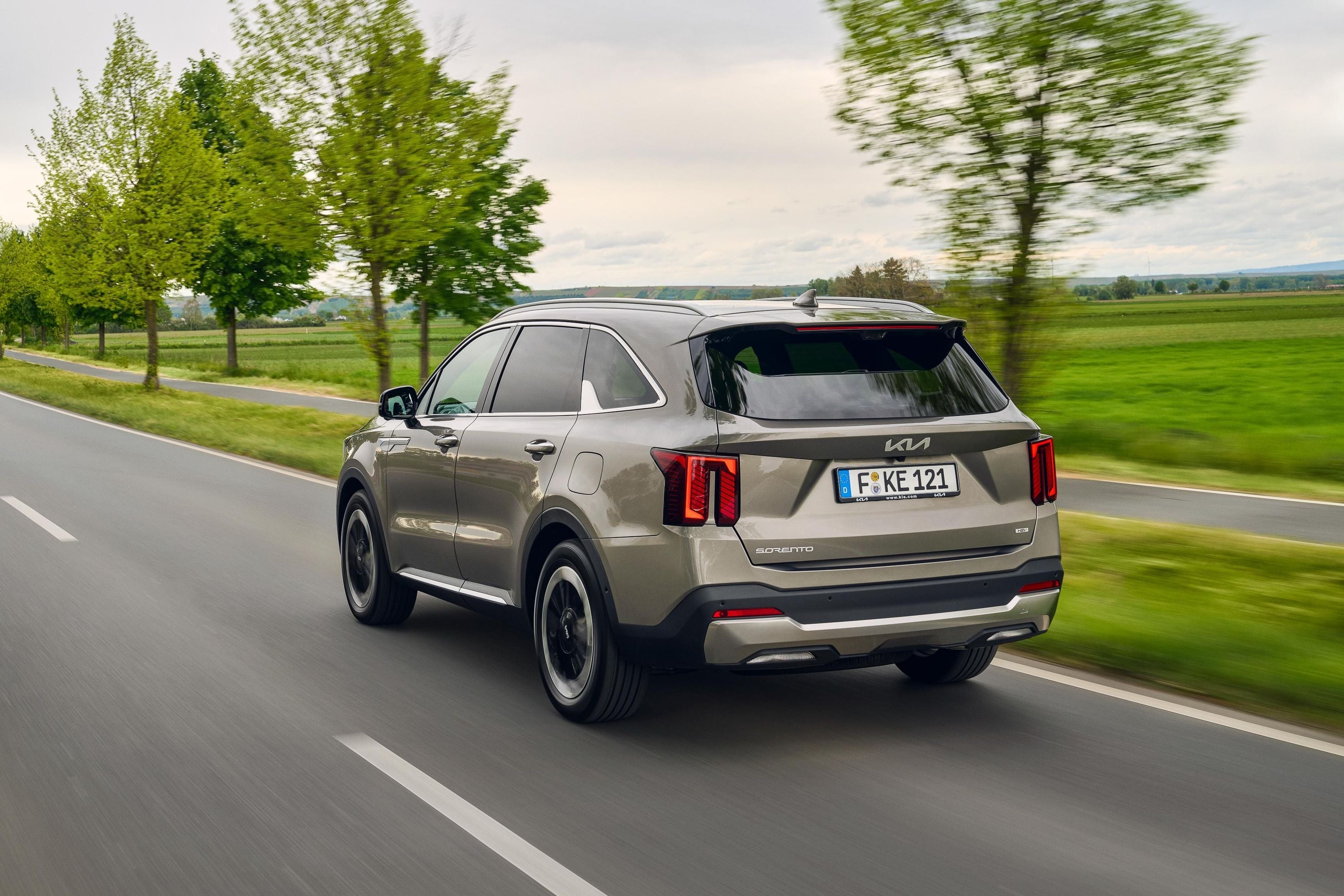
KIA Sorento at a glance
Quick model context before comparing photos and trim-level specifications.
Built on the N3 platform, the fourth-generation KIA Sorento features a longer wheelbase and shorter body overhangs than its predecessor. Although the overall length increases by only 10 mm, the wheelbase grows by 35 mm, which improves interior roominess and passenger comfort. This generation introduces a stiffer structure, a lighter overall weight, and a wider range of powertrain choices, including hybrid options. It targets families looking for a flexible crossover, positioning itself in the midsize category with advanced cabin technology and standard driver-assist systems. Depending on the market, it is available with front-wheel drive or all-wheel drive, using an electronically controlled coupling to distribute power to the rear wheels when needed.
- Power: 180-249 hp
- Engine displacement: 2151-3470 cc
- Transmissions: 8-speed dual-clutch, 6-speed automatic, 8-speed automatic
Photos, trims and specifications for KIA Sorento
This model page brings gallery images, trim comparison, and detailed technical data together for the 2020 generation.
Estimate fuel cost
Use trim-level fuel consumption data to estimate monthly and yearly fuel spending.
Fuel costs are estimates. Real consumption can change with driving style, traffic, tires, weather, load, and market-specific equipment.
KIA Sorento overview
Editorial context for design, cabin, performance, practicality, and buyer notes.
Design
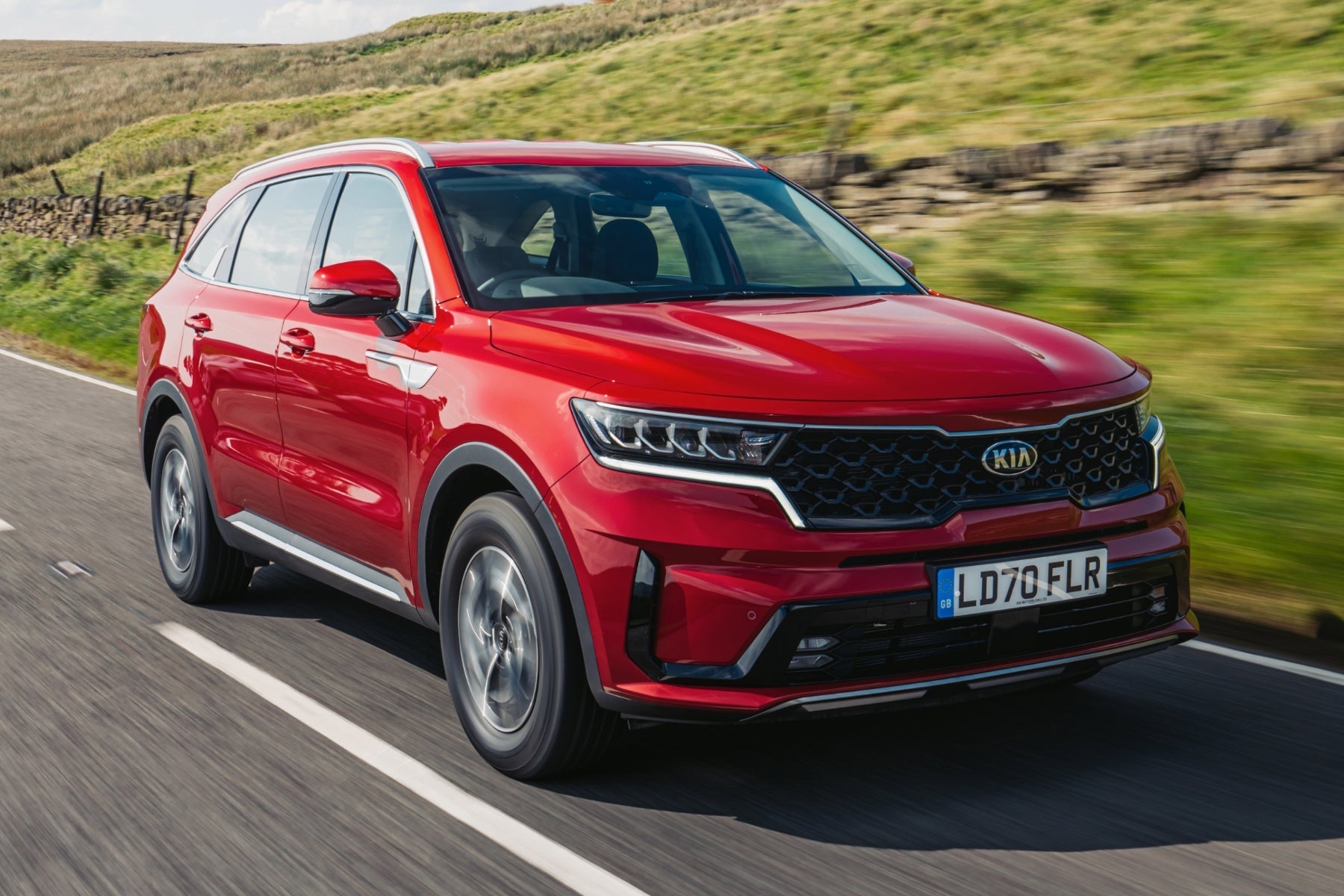
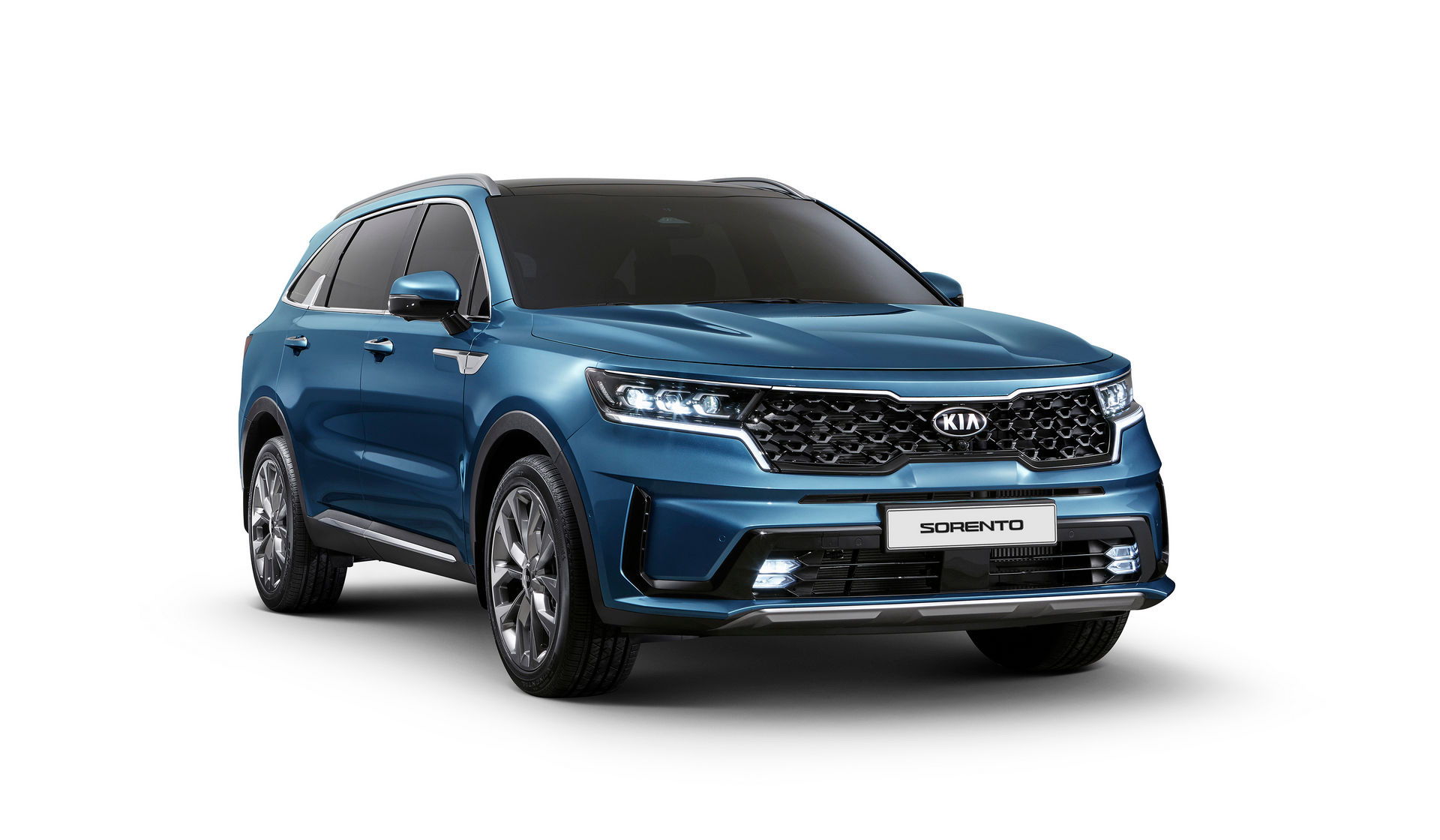
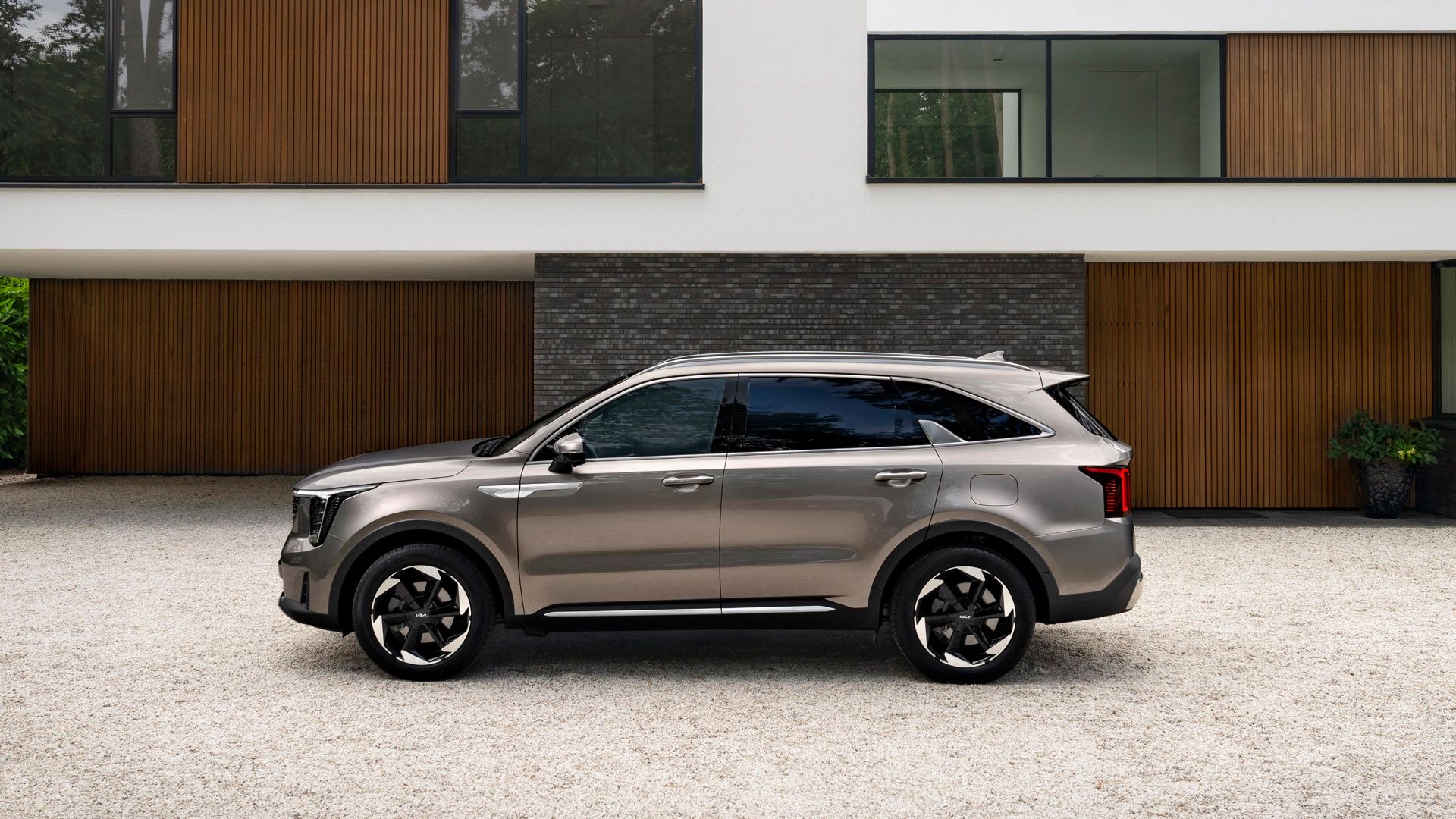
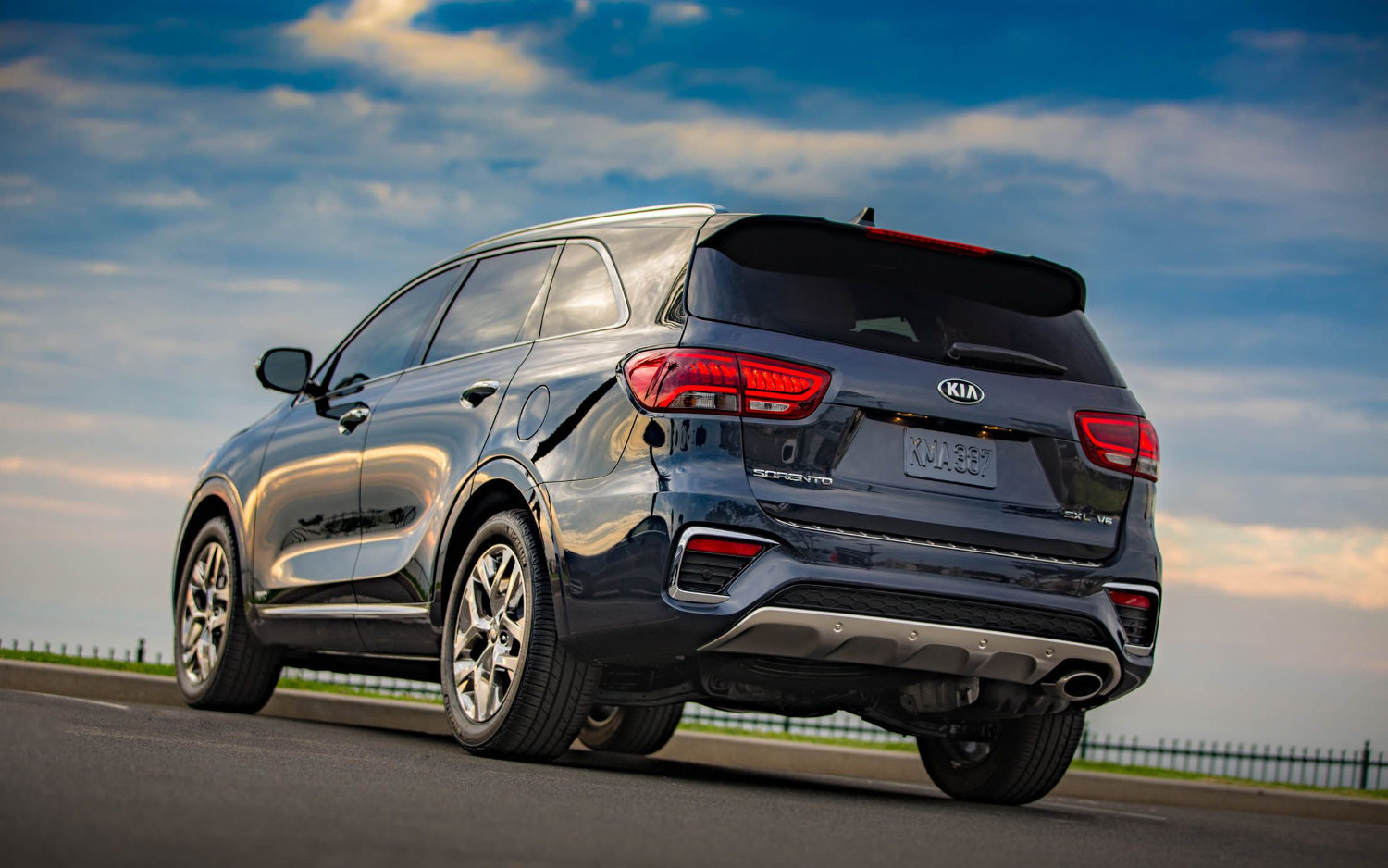
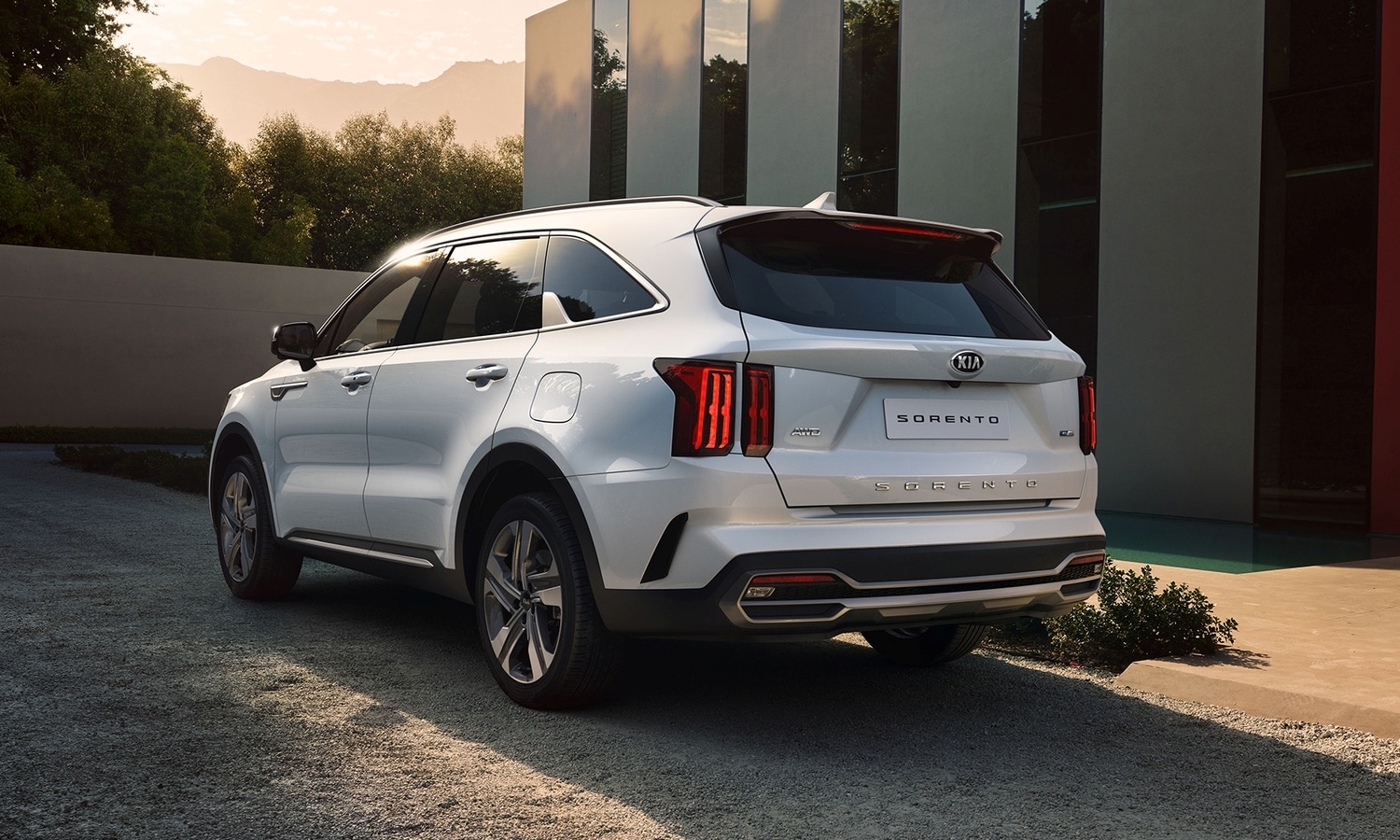
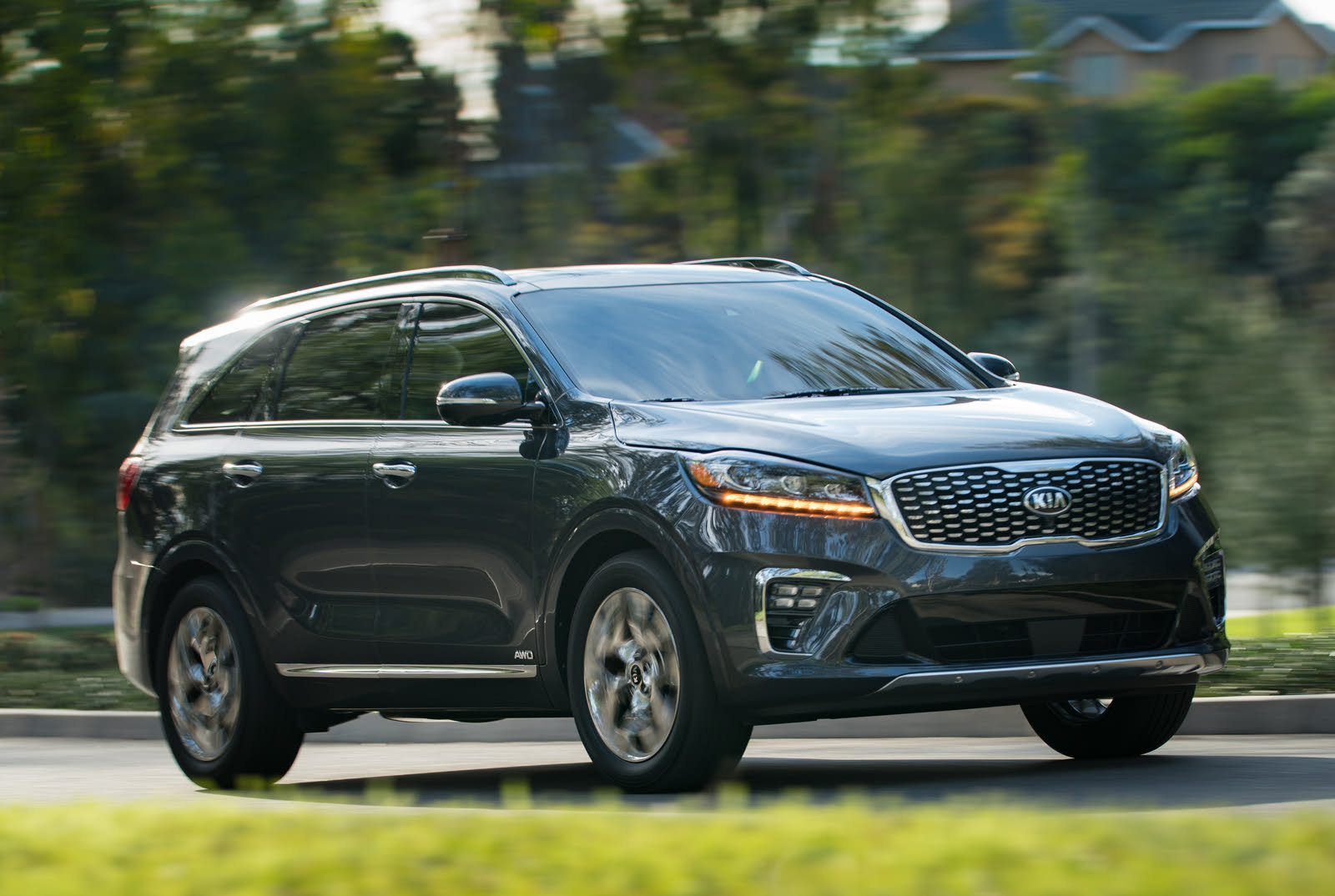
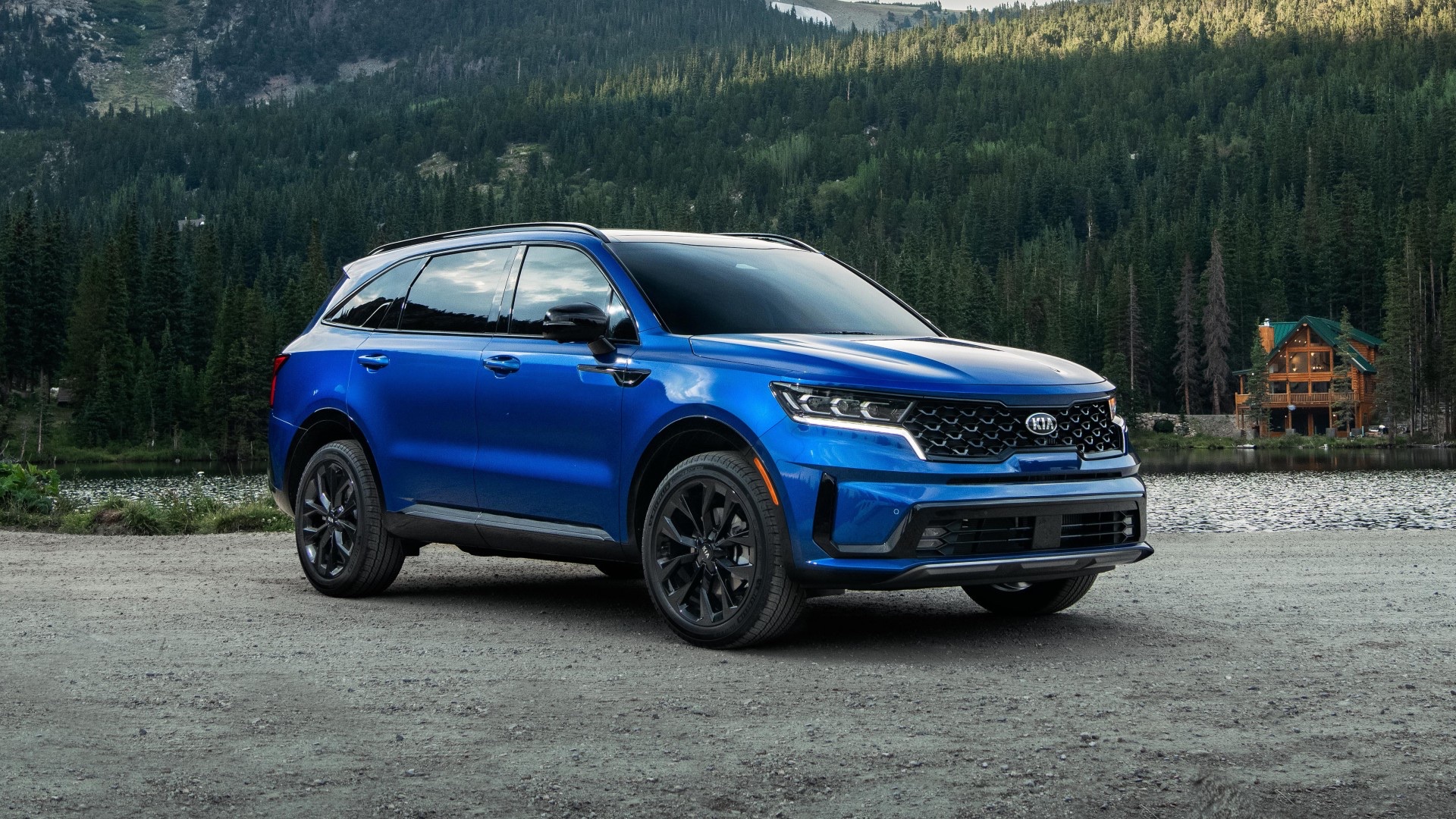
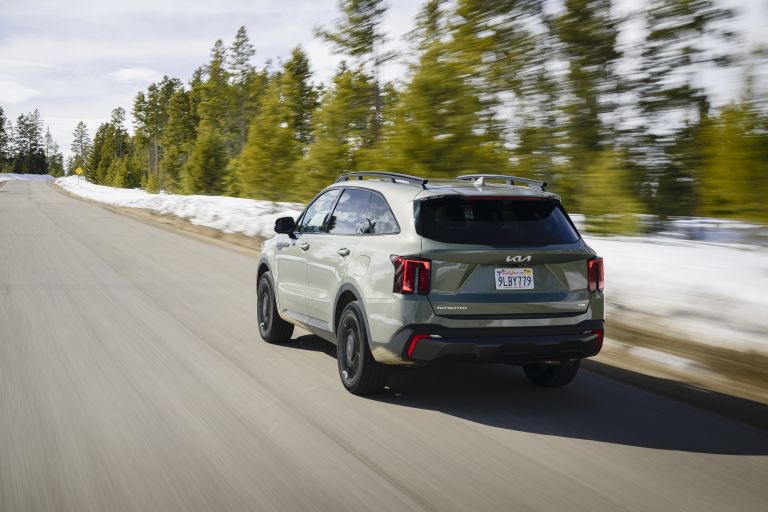
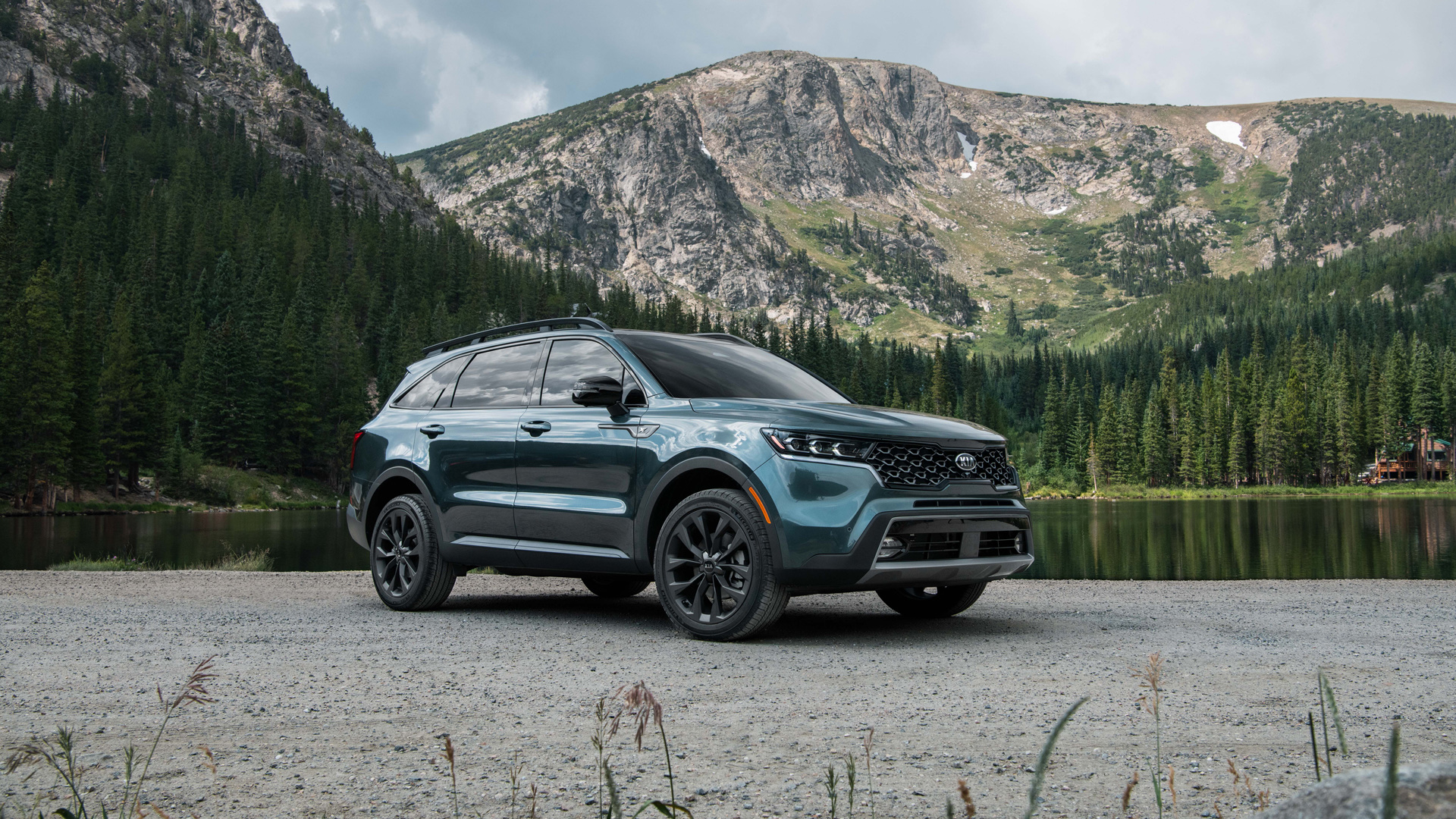
The 2020 Sorento adopts a more angular and structured design language compared to the previous model. The exterior is defined by a longer hood and front pillars shifted backward by 30 mm, creating a more swept-back profile. A key design detail is the integrated front lighting, where slim LED headlights blend directly into the signature grille. The rear styling features distinctive split vertical LED taillights and sharp tailgate lines. Standard dimensions include a width of 1900 mm and a height of 1700 mm, giving the SUV a planted and solid stance.
Interior
The cabin is highly configurable, offering five, six, or seven-seat layouts. The six-seat option features second-row captain's chairs with individual armrests, heaters, and sunshades. The dashboard houses a 12.3-inch digital gauge cluster and a central touchscreen—measuring 8 inches in base versions and 10.25 inches on higher trims—supporting Apple CarPlay and Android Auto. A rotary dial selector replaces the traditional gear shifter on the center console, freeing up space for a wireless smartphone charging pad and additional storage bins.
Performance
Powertrain availability varies by region. The lineup includes a 2.5-liter MPI gasoline engine producing 180 horsepower paired with a six-speed automatic, and a 3.5-liter V6 gasoline engine making 249 horsepower mated to an eight-speed automatic. Diesel options feature a 2.2-liter engine producing either 199 or 210 horsepower, connected to an eight-speed wet dual-clutch transmission. Additionally, a mild hybrid system combines a 1.6-liter turbocharged engine with a 60-horsepower electric motor and a 1.49 kWh battery pack, generating a combined output of 230 horsepower.
Practicality
With a flexible cargo area, the Sorento adapts easily to daily hauling needs. The five-seat configuration offers 910 liters of luggage space. In seven-seat versions, cargo capacity is 187 liters behind the third row, which expands to 821 liters when the third-row seats are folded down. Both the second and third rows can be folded down using electric releases located in the cargo area, allowing for quick loading of bulky items.
Safety and tech
Tech features include remote smart parking assist, adaptive cruise control linked with navigation, lane-keeping assist, and blind-spot monitoring. Drivers can view 360-degree camera feeds remotely via a smartphone app. Safety equipment consists of eight airbags, including a front-center airbag designed to prevent occupants from colliding with each other in a side impact, and a multi-collision braking system that automatically applies brakes after an initial crash.
Buyer notes
When shopping for a 2020 Sorento, buyers should pay close attention to the seating and engine options. The six-seat layout with second-row captain's chairs offers superior passenger comfort, while the seven-seat configuration maximizes utility. Powertrains and drivetrains differ significantly across markets, ranging from fuel-efficient diesels and hybrids to a more powerful 3.5-liter gasoline V6. Buyers should verify the exact equipment levels, as premium safety aids like the remote parking system and 360-degree cameras are typically reserved for upper-tier specifications.
Trims and key specifications
Use this table to compare the main differences between available configurations.
| Trim / modification | Engine | Power | Seats | Transmission |
|---|---|---|---|---|
| 2.2 e-VGT (210 hp) 8-DCT | 2151 cc | 210 hp | 5/7 | 8-speed dual-clutch |
| 2.2 e-VGT (210 hp) 8-DCT 4x4 | 2151 cc | 210 hp | 5/7 | 8-speed dual-clutch |
| 2.5 MPI (180 hp) 6-speed automatic | 2491 cc | 180 hp | 5/7 | 6-speed automatic |
| 2.5 MPI (180 hp) 6-speed automatic 4x4 | 2491 cc | 180 hp | 5/7 | 6-speed automatic |
| 2.2 CRDi (199 hp) 8-DCT 4x4 | 2151 cc | 199 hp | 5/7 | 8-speed dual-clutch |
| 3.5 MPI (249 hp) 8-speed automatic 4x4 | 3470 cc | 249 hp | 5/7 | 8-speed automatic |
Specifications can vary by market, model year, and equipment package. Use the trim sections below to review the full data for each configuration.
KIA Sorento photo gallery
16 images are collected here with the main specifications and trim data for this model.
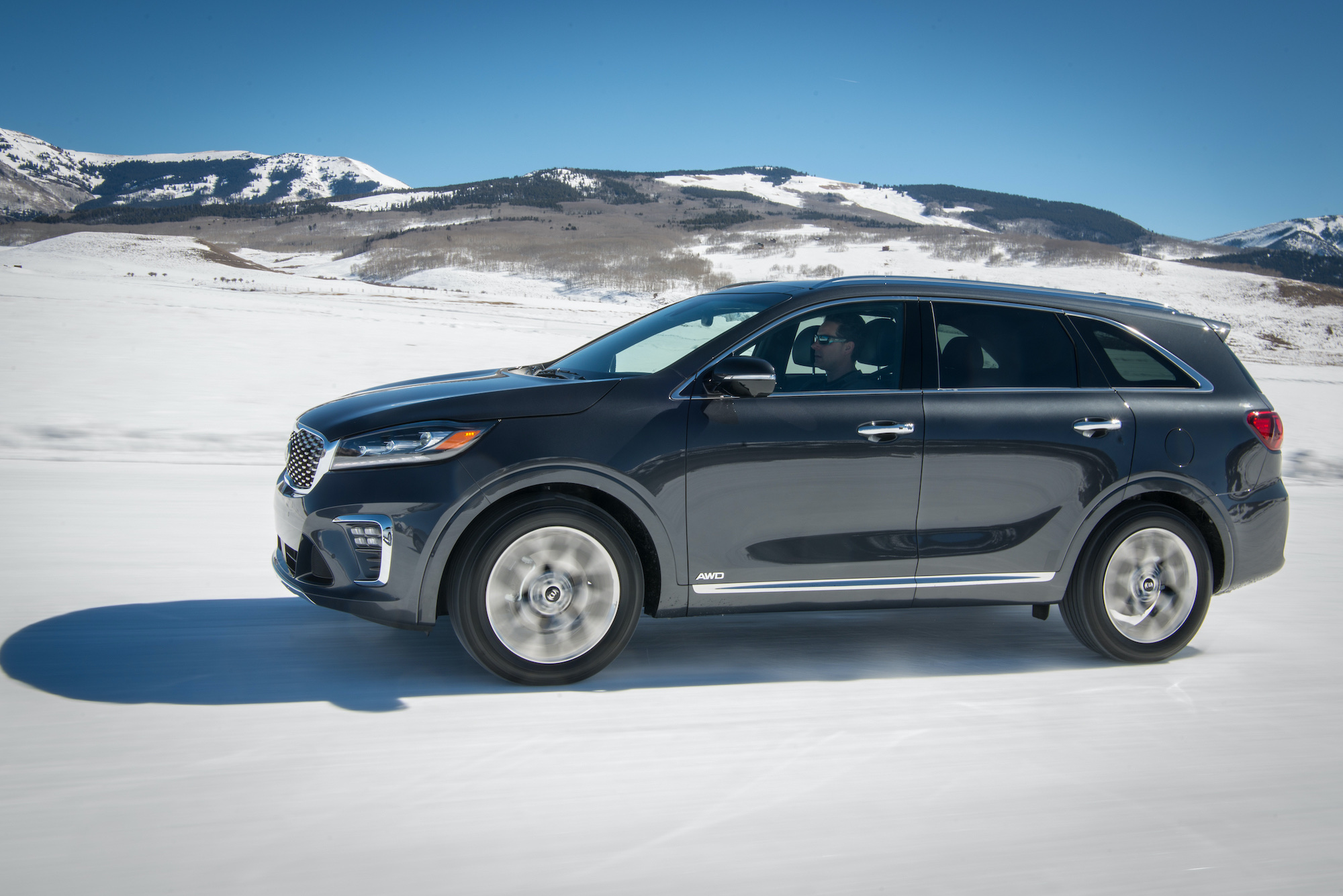
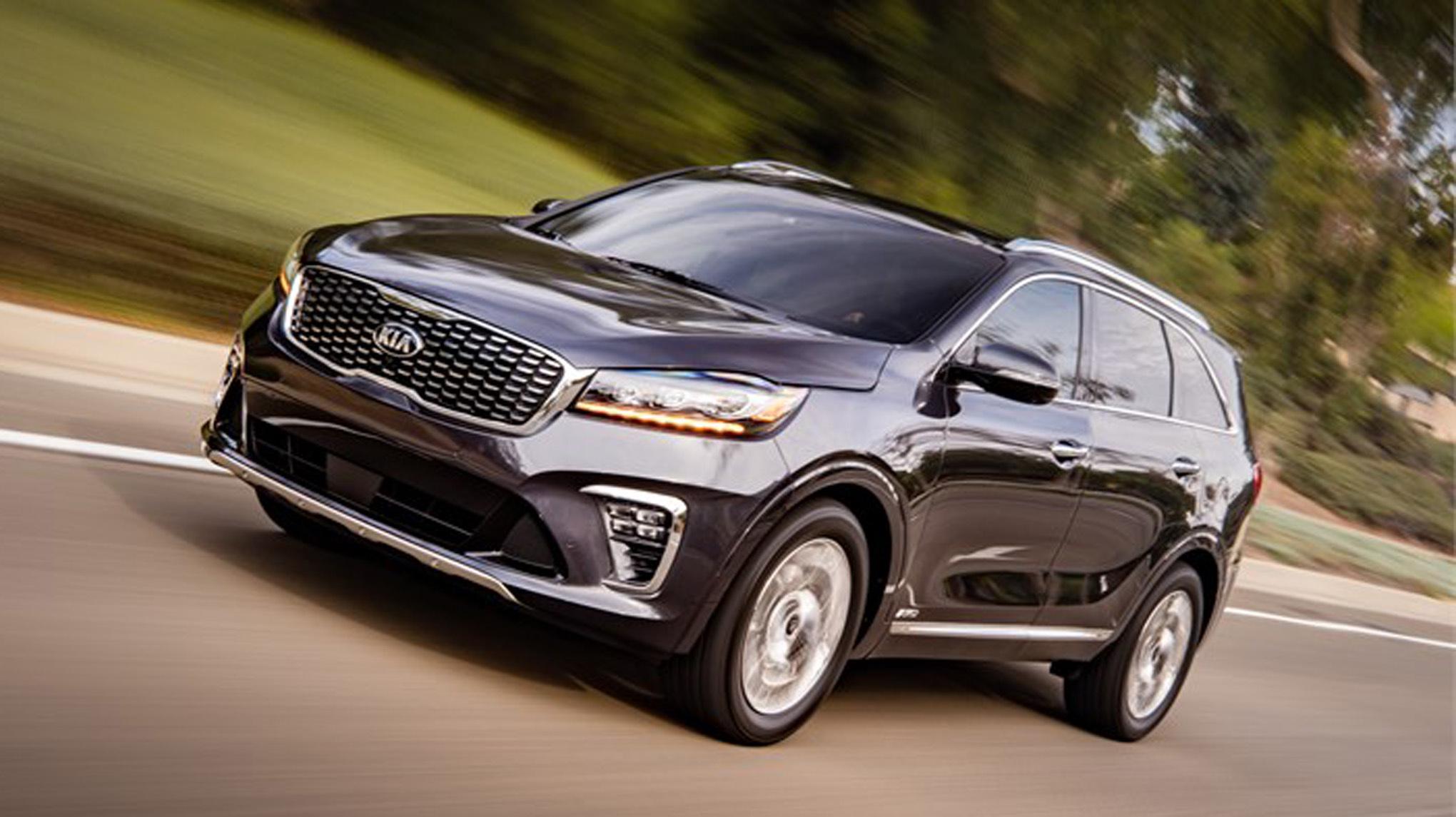
Photo KIA Sorento
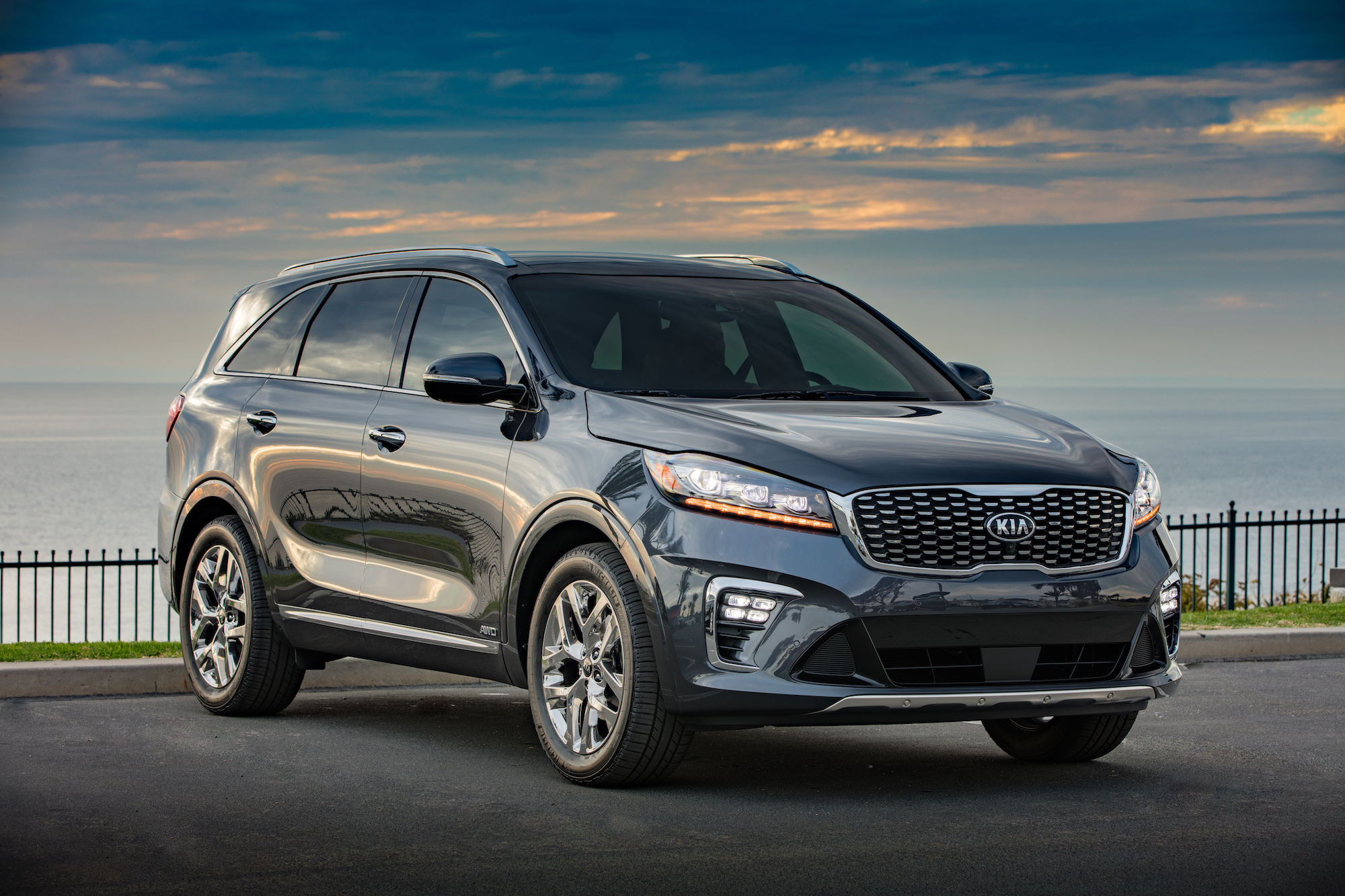
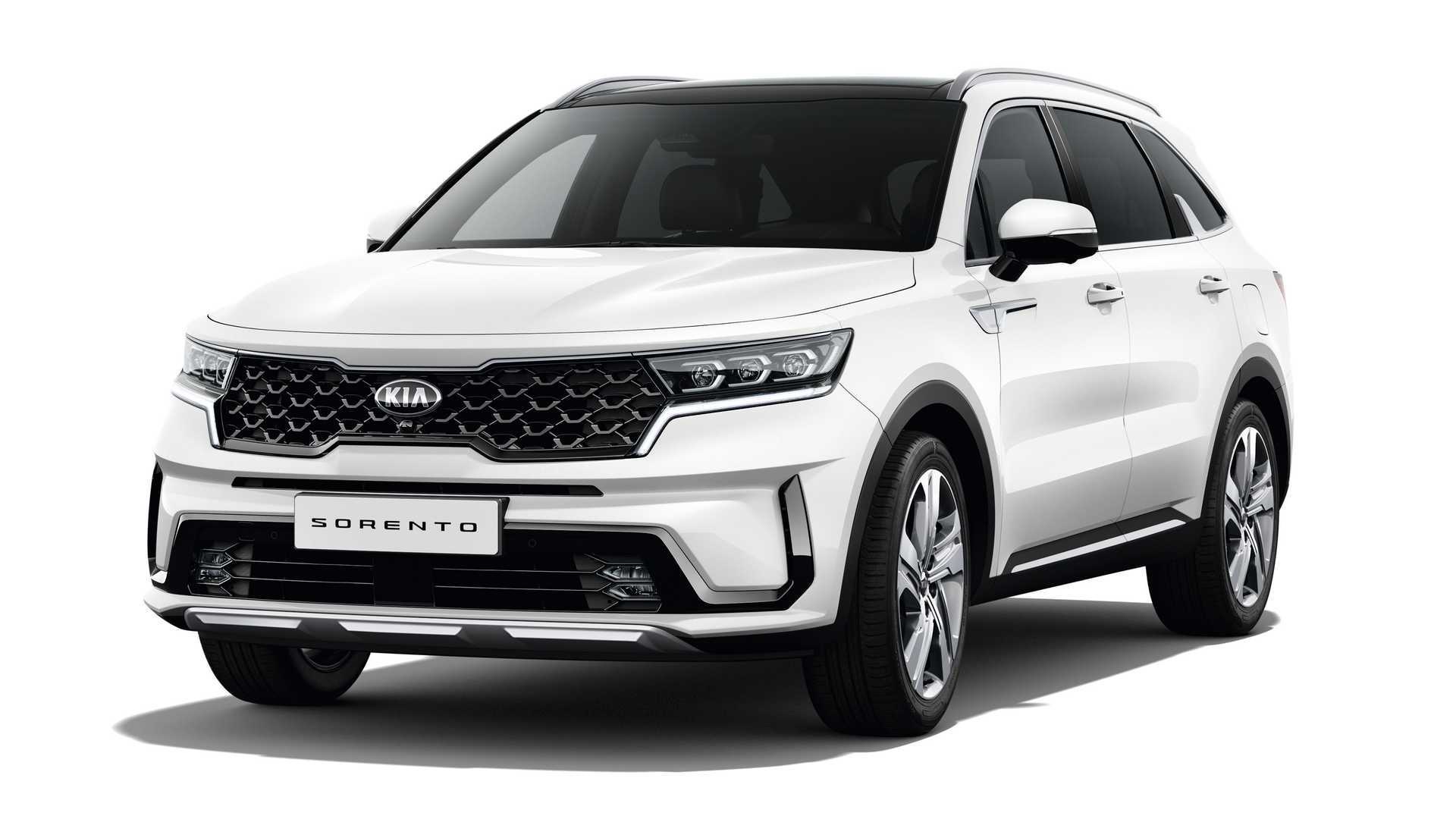
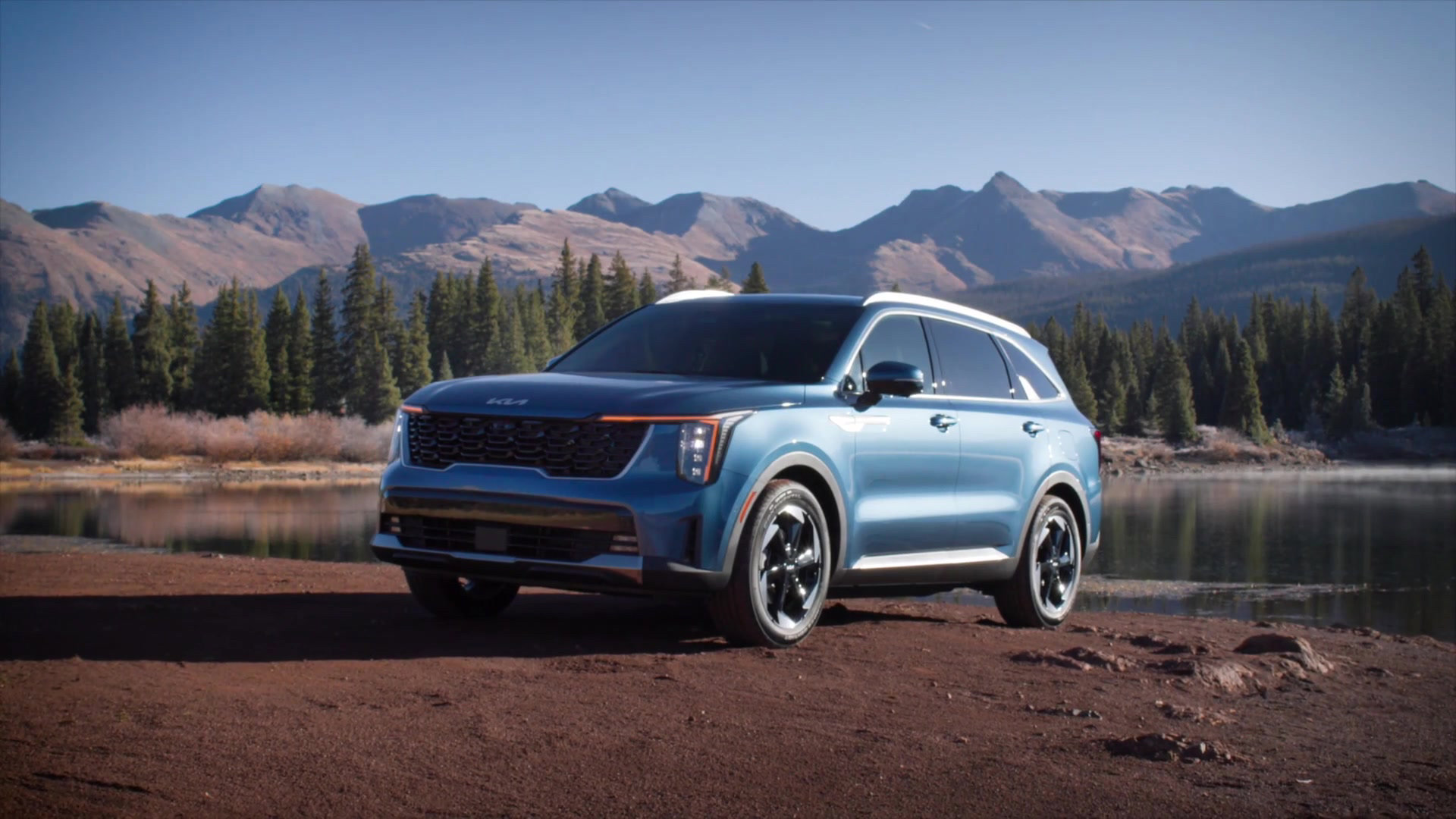
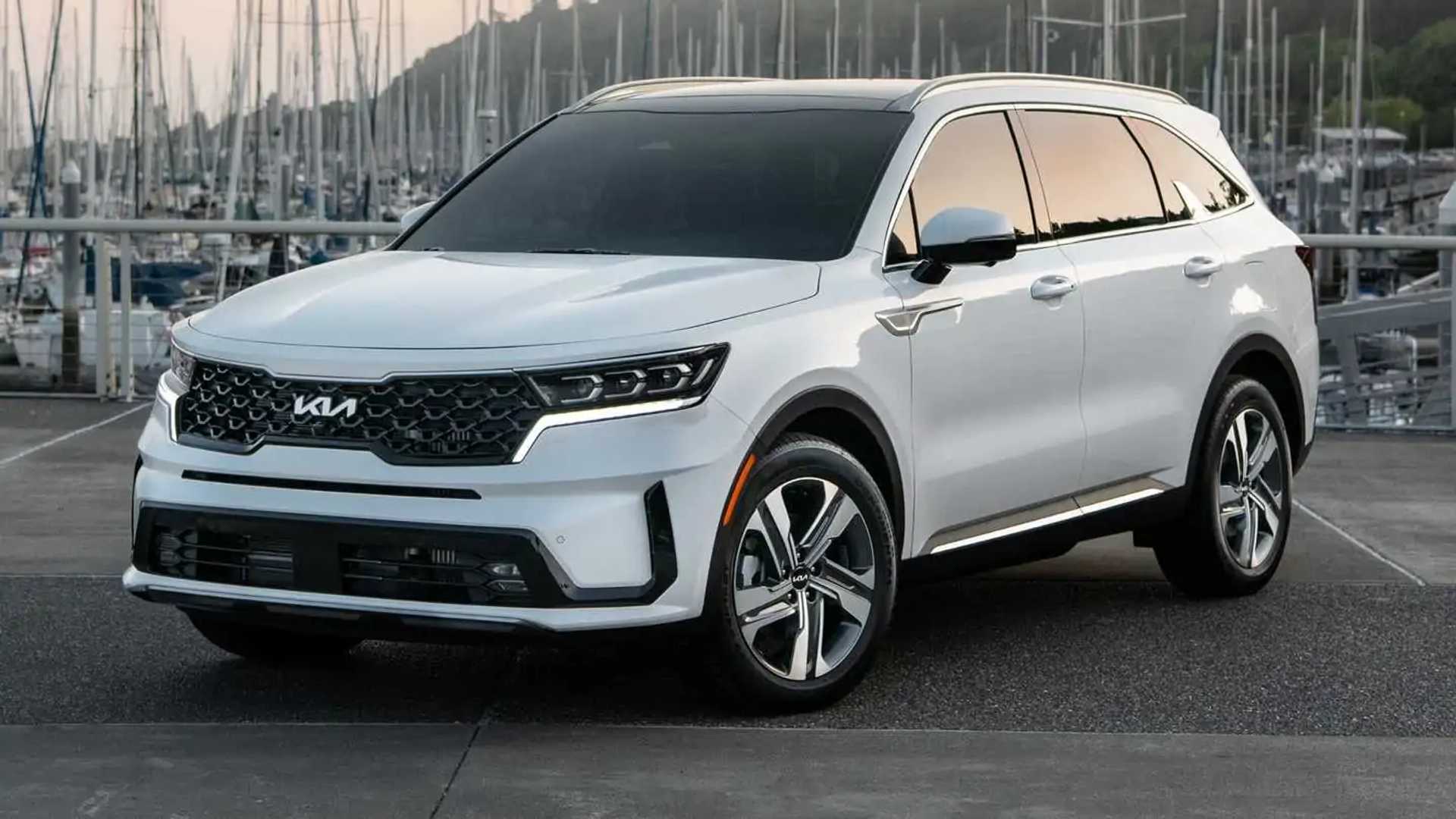
Specifications by trim
Choose a configuration below to open full technical data grouped by category.
2.2 e-VGT (210 hp) 8-DCT 33 specifications
Specifications
Performance and consumption
| Fuel consumption city, L/100 km | 8.3 |
|---|---|
| Fuel consumption highway, L/100 km | 6.3 |
| Fuel consumption combined, L/100 km | 7.1 |
| Emissions standard | Euro VI |
Engine
| Engine | 2.2 e-VGT |
|---|---|
| Engine type | Internal combustion engine |
| Fuel type | Diesel |
| Engine displacement, cc | 2151 |
| Cylinder layout | Inline |
| Number of cylinders | 4 |
| Valves | 16 |
| Turbocharger | + |
| Power, hp | 210 |
| RPM at max power | 3800 |
| Torque, Nm | 441 |
| RPM at max torque | 1750-2750 |
Dimensions
| Seats | 5/7 |
|---|---|
| Length, mm | 4810 |
| Width, mm | 1900 |
| Height, mm | 1700 |
| Wheelbase, mm | 2815 |
| Front track, mm | 1637 |
| Rear track, mm | 1647 |
| Kerb weight, kg | 1755 |
| Fuel tank capacity, L | 67 |
| Trunk capacity, L | 910 |
Transmission and drive
| Transmission | 8-speed dual-clutch |
|---|---|
| Transmission type | 2-speed automated manual |
| Drive | Front-wheel drive |
| Number of gears | 8 |
| Transmission manufacturer | Hyundai-KIA |
| Automatic transmission | + |
| Transmission country | South Korea |
2.2 e-VGT (210 hp) 8-DCT 4x4 33 specifications
Specifications
Performance and consumption
| Fuel consumption city, L/100 km | 9 |
|---|---|
| Fuel consumption highway, L/100 km | 7.1 |
| Fuel consumption combined, L/100 km | 7.7 |
| Emissions standard | Euro VI |
Engine
| Engine | 2.2 e-VGT |
|---|---|
| Engine type | Internal combustion engine |
| Fuel type | Diesel |
| Engine displacement, cc | 2151 |
| Cylinder layout | Inline |
| Number of cylinders | 4 |
| Valves | 16 |
| Turbocharger | + |
| Power, hp | 210 |
| RPM at max power | 3800 |
| Torque, Nm | 441 |
| RPM at max torque | 1750-2750 |
Dimensions
| Seats | 5/7 |
|---|---|
| Length, mm | 4810 |
| Width, mm | 1900 |
| Height, mm | 1700 |
| Wheelbase, mm | 2815 |
| Front track, mm | 1637 |
| Rear track, mm | 1647 |
| Kerb weight, kg | 1755 |
| Fuel tank capacity, L | 67 |
| Trunk capacity, L | 910 |
Transmission and drive
| Transmission | 8-speed dual-clutch |
|---|---|
| Transmission type | 2-speed automated manual |
| Drive | All-wheel drive |
| Number of gears | 8 |
| Transmission manufacturer | Hyundai-KIA |
| Automatic transmission | + |
| Transmission country | South Korea |
2.5 MPI (180 hp) 6-speed automatic 31 specifications
Specifications
Performance and consumption
| Fuel consumption combined, L/100 km | 8.5 |
|---|---|
| Top speed, km/h | 195 |
| Acceleration 0-100 km/h, s | 10.1 |
Engine
| Engine | 2.5 MPI |
|---|---|
| Engine code | Smartstream G2.5 |
| Engine type | Internal combustion engine |
| Fuel type | Gasoline |
| Engine displacement, cc | 2491 |
| Cylinder layout | Inline |
| Number of cylinders | 4 |
| Valves | 16 |
| Power, hp | 180 |
| RPM at max power | 6000 |
| Torque, Nm | 225 |
| RPM at max torque | 4000 |
Dimensions
| Seats | 5/7 |
|---|---|
| Length, mm | 4810 |
| Width, mm | 1900 |
| Height, mm | 1700 |
| Wheelbase, mm | 2815 |
| Front track, mm | 1637 |
| Rear track, mm | 1647 |
| Kerb weight, kg | 1755 |
| Fuel tank capacity, L | 67 |
| Trunk capacity, L | 910 |
Transmission and drive
| Transmission | 6-speed automatic |
|---|---|
| Transmission type | automatic |
| Drive | Front-wheel drive |
| Number of gears | 6 |
| Transmission manufacturer | Hyundai |
| Automatic transmission | + |
2.5 MPI (180 hp) 6-speed automatic 4x4 31 specifications
Specifications
Performance and consumption
| Fuel consumption combined, L/100 km | 8.9 |
|---|---|
| Top speed, km/h | 195 |
| Acceleration 0-100 km/h, s | 10.3 |
Engine
| Engine | 2.5 MPI |
|---|---|
| Engine code | Smartstream G2.5 |
| Engine type | Internal combustion engine |
| Fuel type | Gasoline |
| Engine displacement, cc | 2491 |
| Cylinder layout | Inline |
| Number of cylinders | 4 |
| Valves | 16 |
| Power, hp | 180 |
| RPM at max power | 6000 |
| Torque, Nm | 225 |
| RPM at max torque | 4000 |
Dimensions
| Seats | 5/7 |
|---|---|
| Length, mm | 4810 |
| Width, mm | 1900 |
| Height, mm | 1700 |
| Wheelbase, mm | 2815 |
| Front track, mm | 1637 |
| Rear track, mm | 1647 |
| Kerb weight, kg | 1755 |
| Fuel tank capacity, L | 67 |
| Trunk capacity, L | 910 |
Transmission and drive
| Transmission | 6-speed automatic |
|---|---|
| Transmission type | automatic |
| Drive | All-wheel drive |
| Number of gears | 6 |
| Transmission manufacturer | Hyundai |
| Automatic transmission | + |
2.2 CRDi (199 hp) 8-DCT 4x4 32 specifications
Specifications
Performance and consumption
| Fuel consumption combined, L/100 km | 6.1 |
|---|---|
| Top speed, km/h | 205 |
| Acceleration 0-100 km/h, s | 9.2 |
Engine
| Engine | 2.2 CRDi |
|---|---|
| Engine type | Internal combustion engine |
| Fuel type | Diesel |
| Engine displacement, cc | 2151 |
| Cylinder layout | Inline |
| Number of cylinders | 4 |
| Valves | 16 |
| Turbocharger | + |
| Power, hp | 199 |
| RPM at max power | 3800 |
| Torque, Nm | 440 |
| RPM at max torque | 1750–2750 |
Dimensions
| Seats | 5/7 |
|---|---|
| Length, mm | 4810 |
| Width, mm | 1900 |
| Height, mm | 1700 |
| Wheelbase, mm | 2815 |
| Front track, mm | 1637 |
| Rear track, mm | 1647 |
| Kerb weight, kg | 1755 |
| Fuel tank capacity, L | 67 |
| Trunk capacity, L | 910 |
Transmission and drive
| Transmission | 8-speed dual-clutch |
|---|---|
| Transmission type | 2-speed automated manual |
| Drive | All-wheel drive |
| Number of gears | 8 |
| Transmission manufacturer | Hyundai-KIA |
| Automatic transmission | + |
| Transmission country | South Korea |
3.5 MPI (249 hp) 8-speed automatic 4x4 32 specifications
Specifications
Performance and consumption
| Fuel consumption city, L/100 km | 13.9 |
|---|---|
| Fuel consumption highway, L/100 km | 7.8 |
| Fuel consumption combined, L/100 km | 10 |
| Top speed, km/h | 210 |
| Acceleration 0-100 km/h, s | 8 |
| Emissions standard | Euro V |
Engine
| Engine | 3.5 MPI |
|---|---|
| Engine code | G6DC |
| Engine type | Internal combustion engine |
| Fuel type | Gasoline |
| Engine displacement, cc | 3470 |
| Cylinder layout | Inline |
| Number of cylinders | 6 |
| Valves | 24 |
| Power, hp | 249 |
| Torque, Nm | 331 |
Dimensions
| Seats | 5/7 |
|---|---|
| Length, mm | 4810 |
| Width, mm | 1900 |
| Height, mm | 1700 |
| Wheelbase, mm | 2815 |
| Front track, mm | 1637 |
| Rear track, mm | 1647 |
| Kerb weight, kg | 1755 |
| Fuel tank capacity, L | 67 |
| Trunk capacity, L | 910 |
Transmission and drive
| Transmission | 8-speed automatic |
|---|---|
| Transmission type | automatic |
| Drive | All-wheel drive |
| Number of gears | 8 |
| Transmission manufacturer | Hyundai |
| Automatic transmission | + |
KIA Sorento questions
Short answers based on the specifications and photos available in this catalog.
What seating configurations are available in the 2020 KIA Sorento?
The SUV can be configured as a five-seater, a seven-seater, or a six-seater. The six-seat layout features individual second-row captain's chairs with armrests and heaters.
What engines are offered in the fourth-generation Sorento?
Engine options include 2.5-liter and 3.5-liter gasoline engines, a 2.2-liter diesel engine, and a 1.6-liter turbocharged hybrid powertrain. Transmission options range from six- and eight-speed automatics to an eight-speed wet dual-clutch transmission.
How much cargo space does the 2020 KIA Sorento have?
Five-seat models offer 910 liters of cargo volume. Seven-seat versions have 187 liters behind the third row, which expands to 821 liters when the third-row seats are folded down.
What safety features are standard on the 2020 Sorento?
The Sorento comes equipped with eight airbags, including a center airbag between the front seats. It also features a multi-collision brake system, lane-keeping assist, and adaptive cruise control.