MINI Countryman specifications and photos
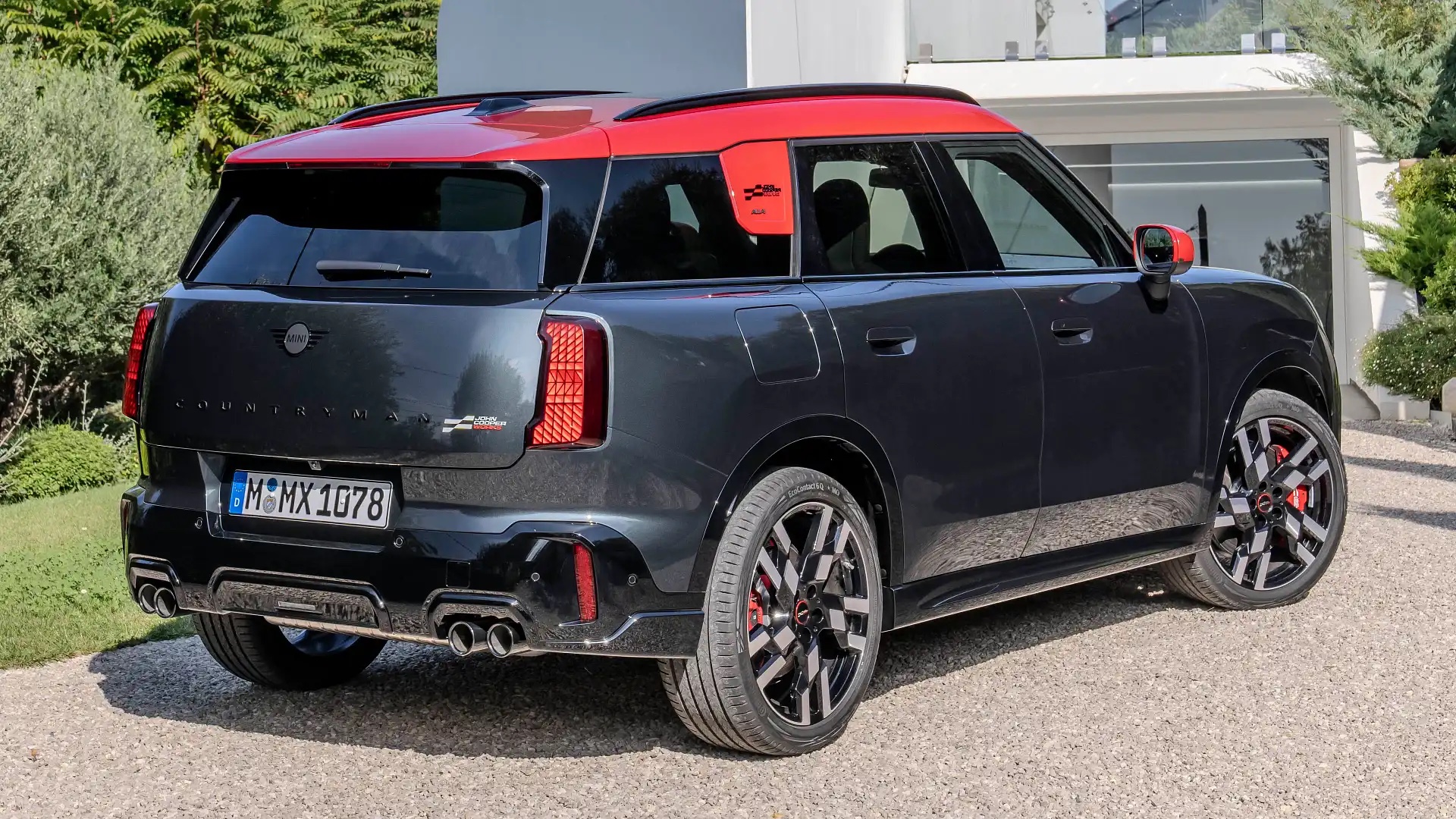
The 2024 MINI Countryman represents the third generation of the brand's largest vehicle, growing significantly in size to offer more passenger space and utility. Available in both front-wheel and all-wheel drive configurations, this crossover introduces updated styling and mild-hybrid powertrains. Buyers can choose from gasoline or diesel options, all paired with a seven-speed dual-clutch transmission.
MINI Countryman at a glance
Quick model context before comparing photos and trim-level specifications.
Officially introduced in late 2023 for the 2024 model year, the third-generation MINI Countryman marks a notable shift in the vehicle's footprint. The crossover is 130 mm longer and 60 mm taller than its predecessor, measuring 4,433 mm in length, 1,843 mm in width (without mirrors), and 1,656 mm in height. This growth repositioned the Countryman from a small subcompact crossover closer to a compact SUV. Inside, the cabin features a redesigned layout with a curved textile-covered dashboard and sliding rear seats that allow drivers to prioritize passenger comfort or cargo storage. Under the hood, the powertrain lineup now integrates mild-hybrid technology to balance performance and efficiency, appealing to families and buyers seeking a daily commuter with distinct styling.
- Power: 163-218 hp
- Engine displacement: 1499-1998 cc
- Transmissions: 7-Steptronic
- Seating: 5 seats
Photos, trims and specifications for MINI Countryman
This model page brings gallery images, trim comparison, and detailed technical data together for the 2024 generation.
Estimate fuel cost
Use trim-level fuel consumption data to estimate monthly and yearly fuel spending.
Fuel costs are estimates. Real consumption can change with driving style, traffic, tires, weather, load, and market-specific equipment.
MINI Countryman overview
Editorial context for design, cabin, performance, practicality, and buyer notes.
Design
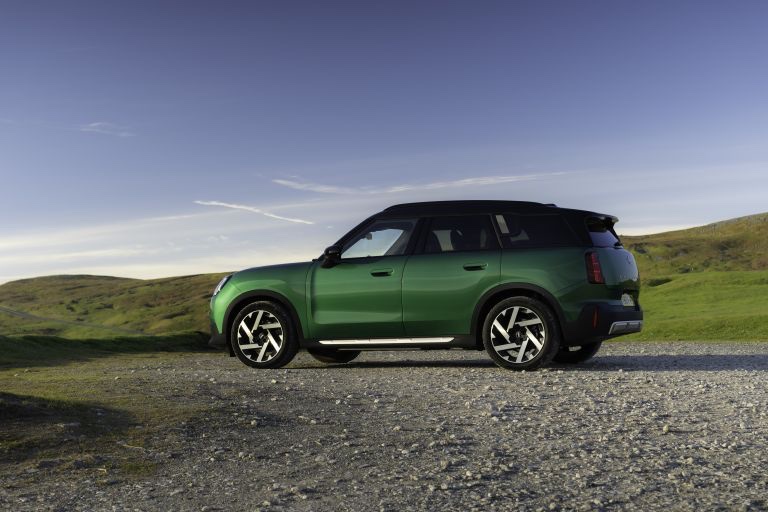
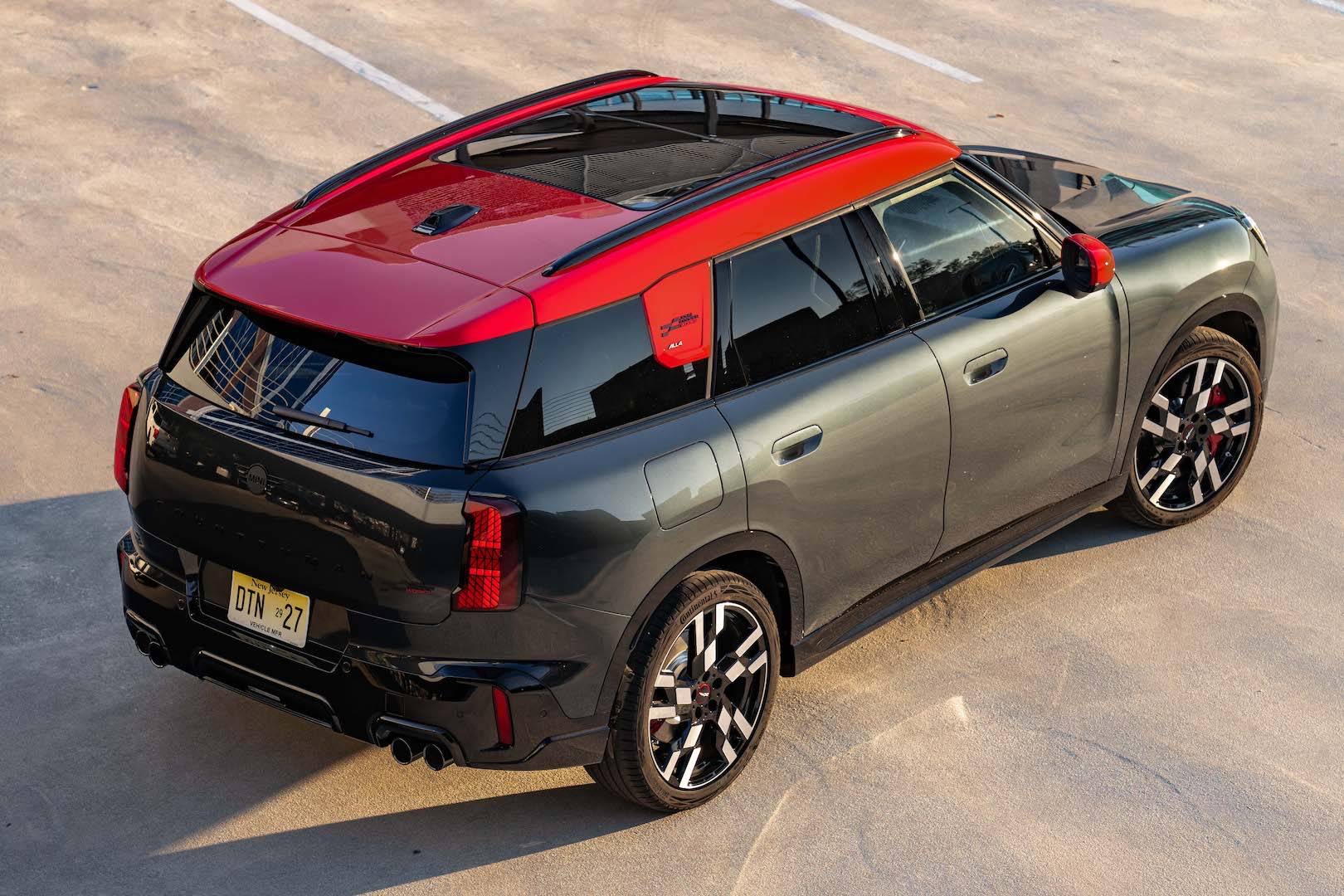
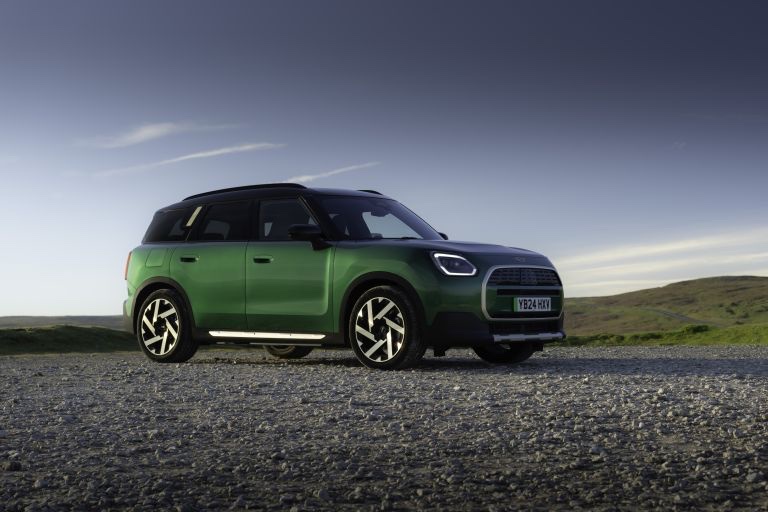
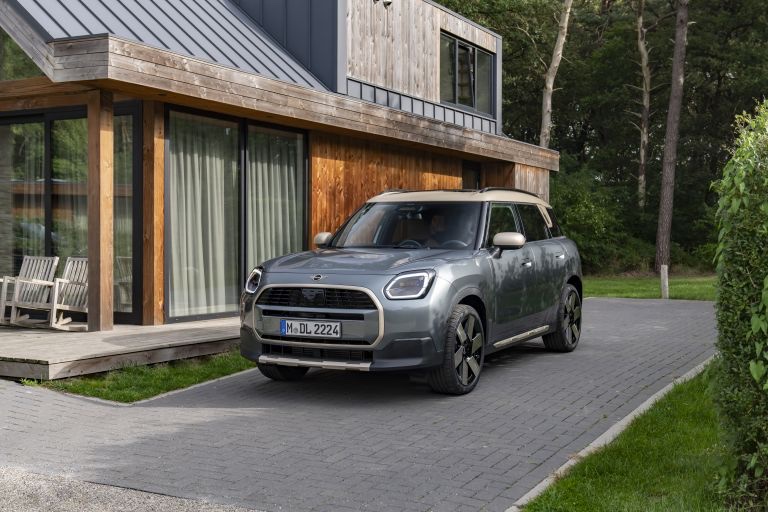
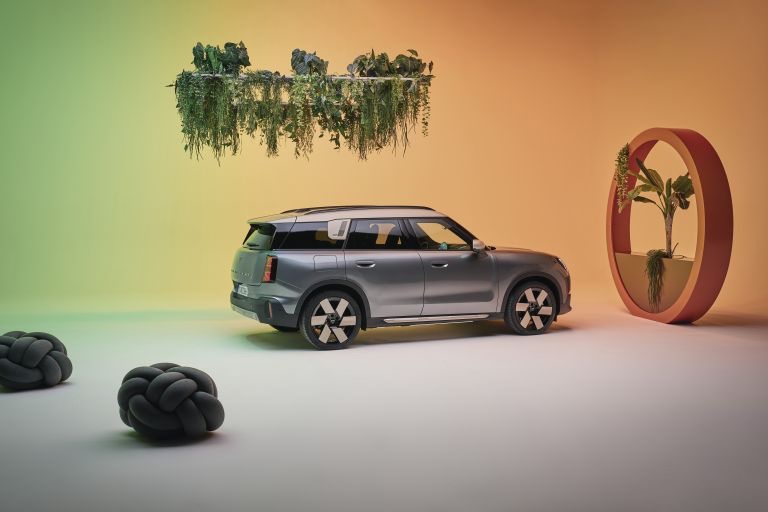
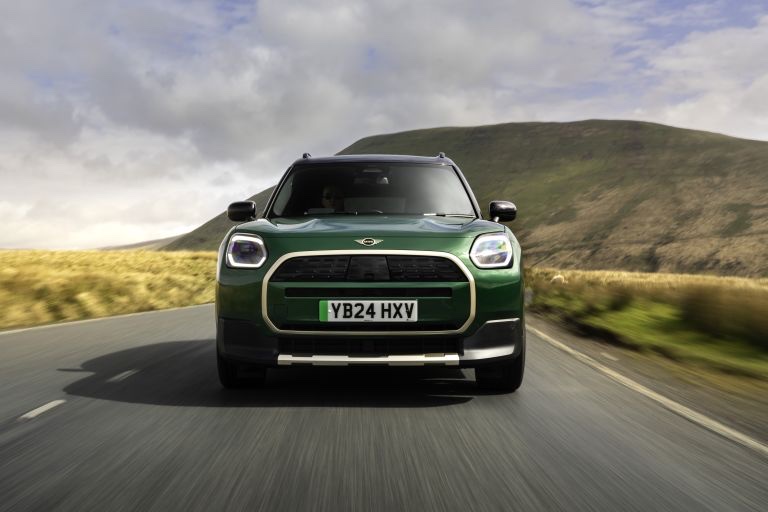
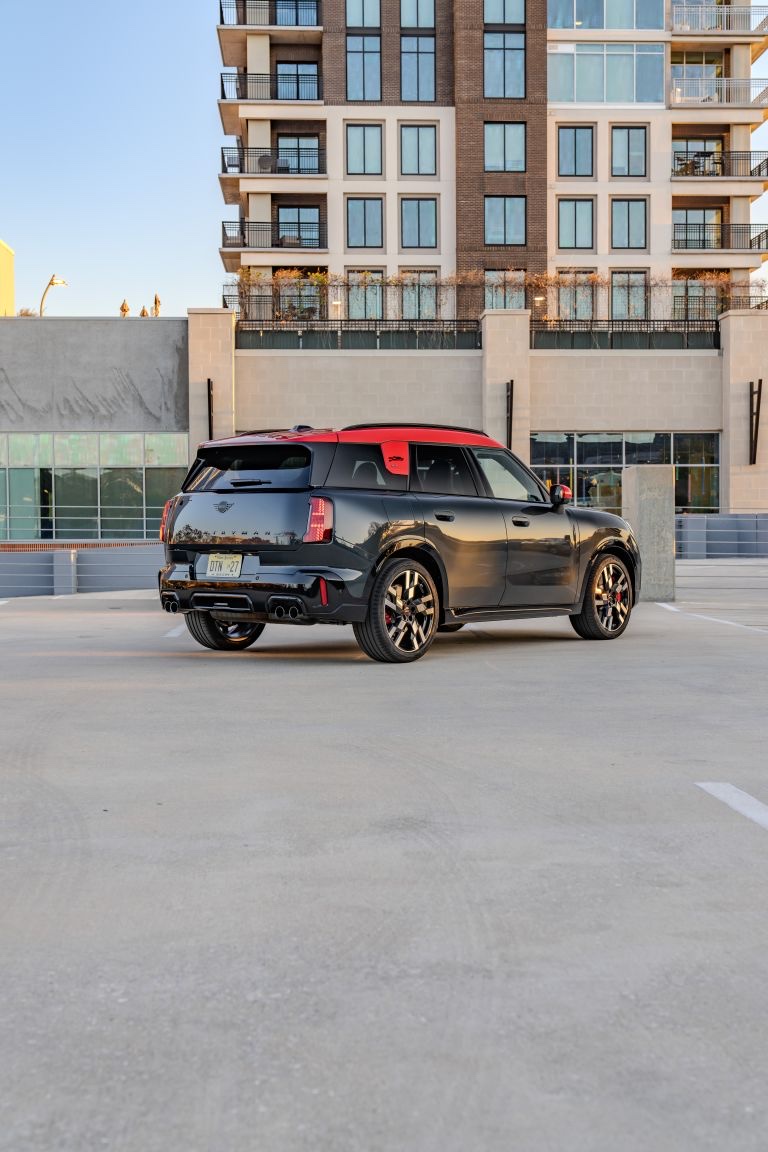
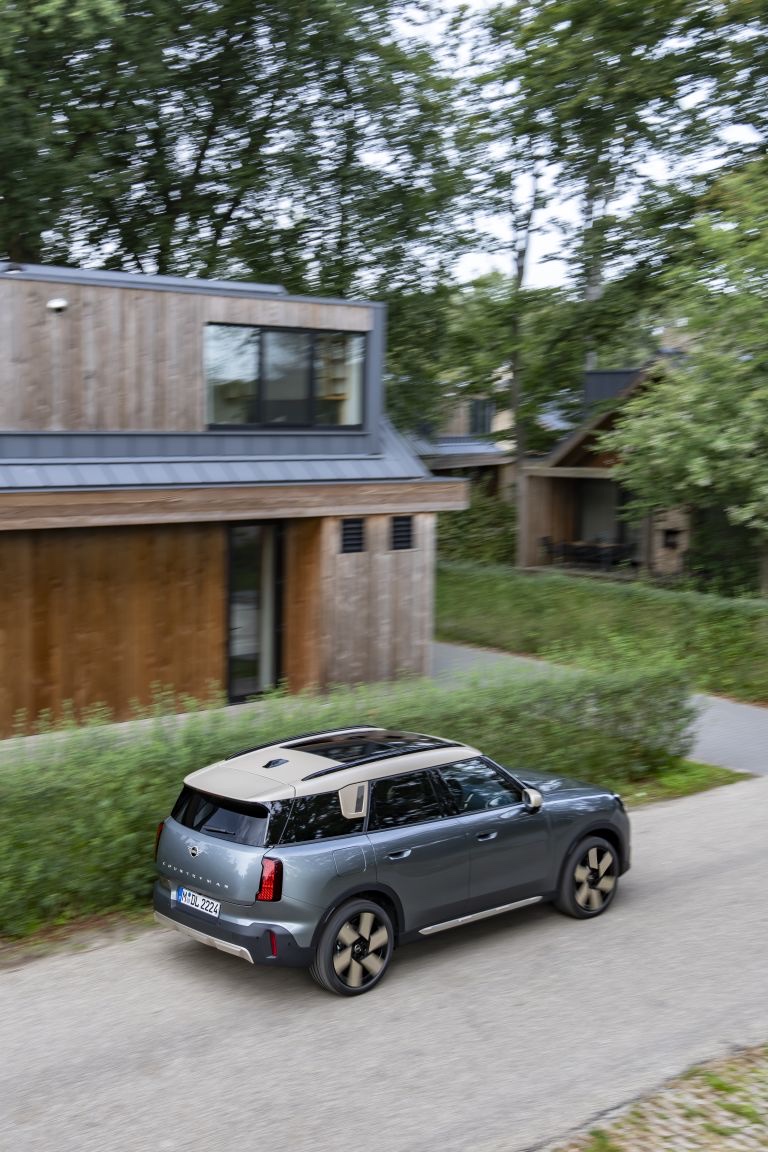
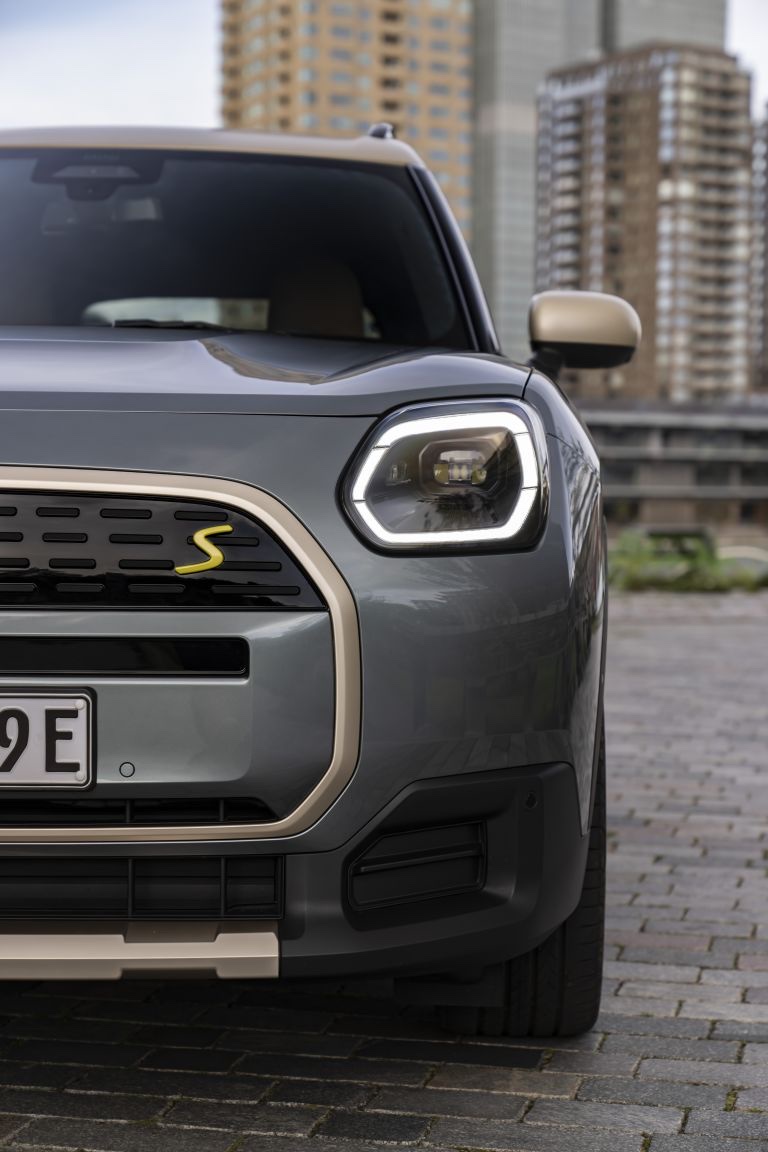
The exterior of the 2024 Countryman emphasizes a minimalist design language, departing from the busier styling of previous generations. Key design elements include short overhangs, a long wheelbase of 2,692 mm, and a taller profile. The vehicle can be equipped with an optional panoramic glass roof that increases natural light inside the cabin. Despite its larger dimensions, it retains classic proportions with contrasting roof and body treatments, presenting a cleaner look while maintaining the traditional brand identity.
Interior
Inside the cabin, the layout features a curved dashboard panel wrapped in a textured, two-tone recycled polyester knit material. The dashboard architecture is clean, with air vents and door handles positioned above a distinct horizontal dividing line. Front passengers receive nearly 3 cm of additional shoulder and elbow room, while rear shoulder room has increased by 2.5 cm. Comfort features include optional sports seats, power adjustment with memory, and a massage function. The trunk capacity starts at 450 liters, providing practical storage for daily needs.
Performance
The 2024 model lineup consists of three mild-hybrid (MHEV) powertrains utilizing a 48V electric motor that adds 20 hp and 55 Nm of torque. The entry-level Countryman C uses a 1.5-liter three-cylinder turbocharged engine producing a combined 170 hp, driving the front wheels. The Countryman S All4 features a 2.0-liter four-cylinder turbocharged engine and all-wheel drive, delivering 218 hp. A diesel-powered Countryman D utilizes a 2.0-liter four-cylinder engine making 163 hp. All standard variants are equipped with a seven-speed dual-clutch Steptronic automatic transmission.
Practicality
With its increased length and height, the Countryman offers improved utility for family use. The cargo area provides 450 liters of space under normal conditions. Practicality is further enhanced by the sliding rear seats, which can travel up to 13 centimeters longitudinally to expand either second-row legroom or cargo space. Front and rear track and width improvements yield a roomier cabin experience, while the turning diameter of 11.6 meters maintains decent maneuverability in urban environments.
Safety and tech
The interior layout is anchored by a curved digital instrument panel and display system, which replaces traditional gauges. The brand integrates recycled polyester textile structures to modernize the cabin. Standard and optional tech features include LED lighting, sports seats with electric adjustments, memory settings, and an optional massage function. The vehicle's longer 2,692 mm wheelbase improves stability, while the standard dual-clutch transmission offers quick shifts to assist driver control in different conditions.
Buyer notes
When choosing a 2024 Countryman, buyers should consider their driving environment and power needs. The front-wheel-drive Countryman C and Countryman D are geared toward fuel efficiency, with the diesel variant returning a combined 4.9 l/100 km. For those needing traction in wet or snowy conditions, the Countryman S All4 provides all-wheel drive and a quicker 7.1-second acceleration time to 100 km/h. Exact standard equipment, interior materials, and driver assistance packages may vary depending on the destination market.
Trims and key specifications
Use this table to compare the main differences between available configurations.
| Trim / modification | Engine | Power | Seats | Transmission |
|---|---|---|---|---|
| C | 1499 cc | 170 hp | 5 | 7-Steptronic |
| S | 1998 cc | 218 hp | 5 | 7-Steptronic |
| D | 1995 cc | 163 hp | 5 | 7-Steptronic |
Specifications can vary by market, model year, and equipment package. Use the trim sections below to review the full data for each configuration.
MINI Countryman photo gallery
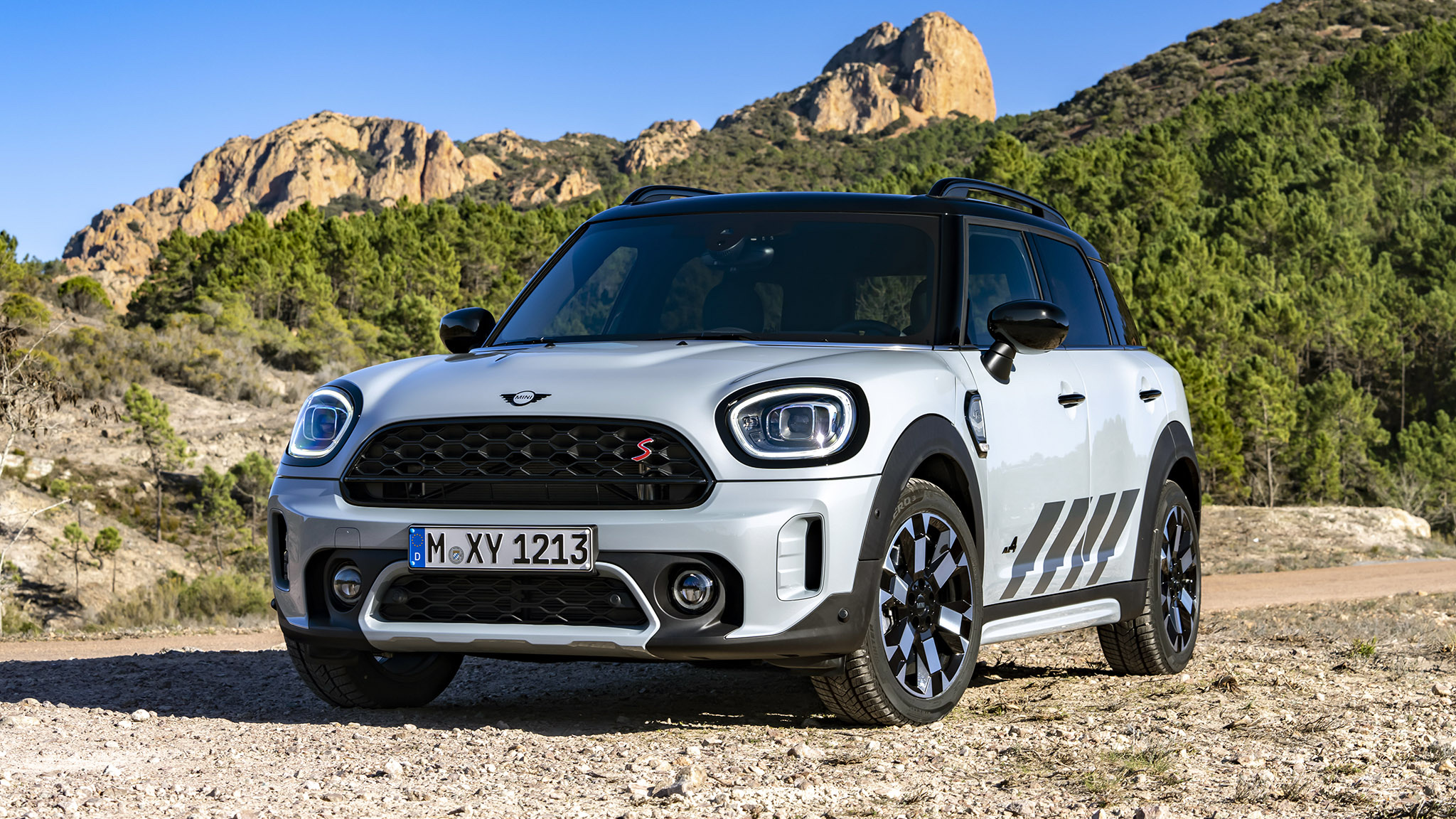
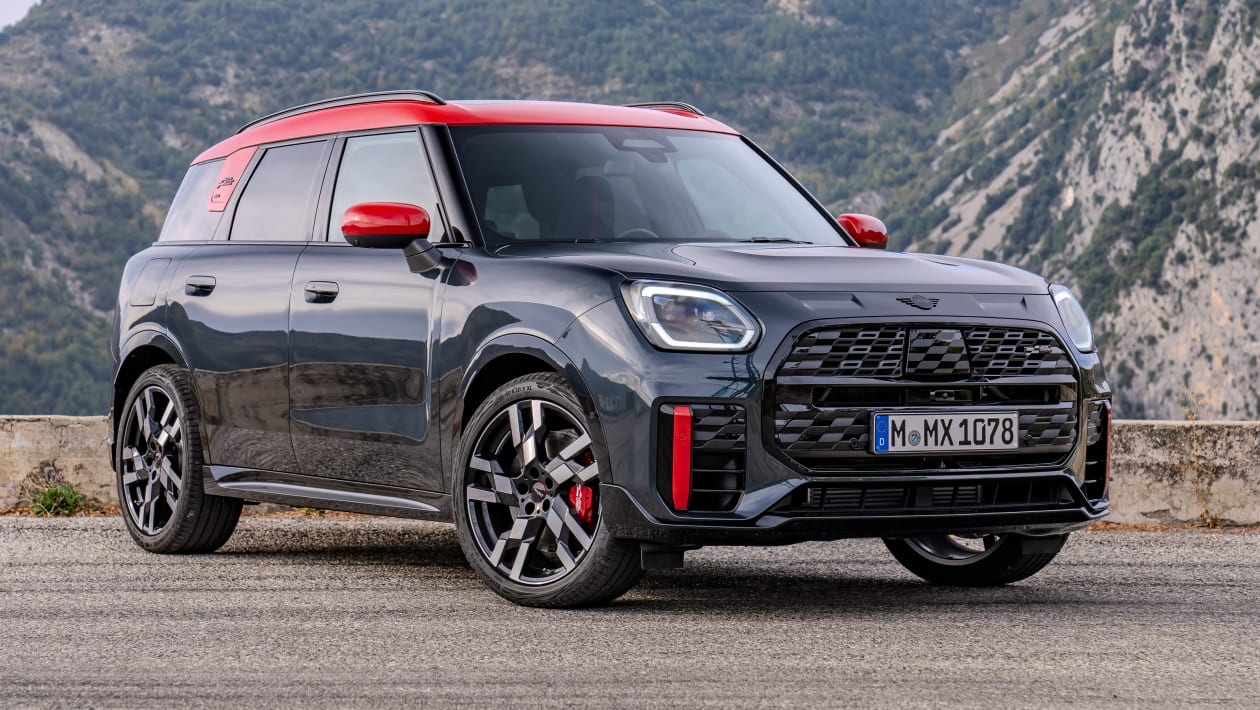
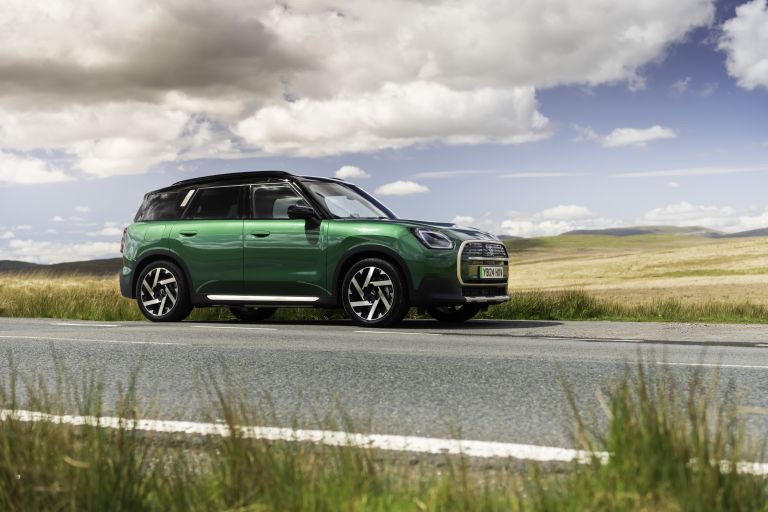
19 images are collected here with the main specifications and trim data for this model.
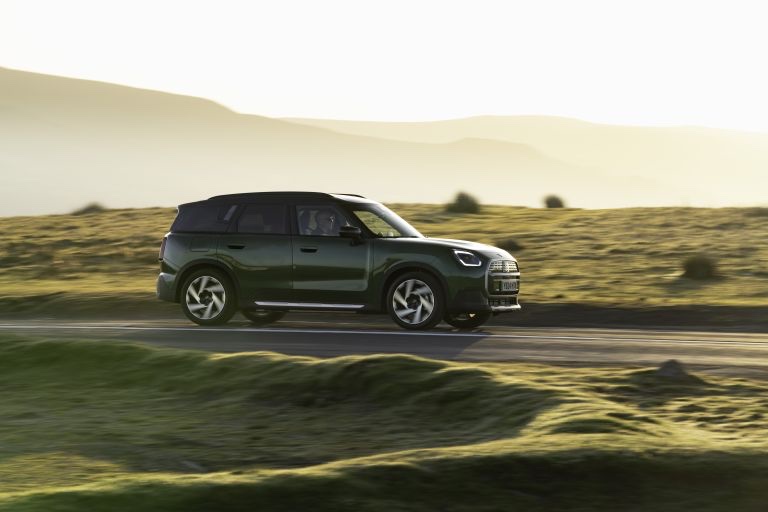
Photo MINI Countryman
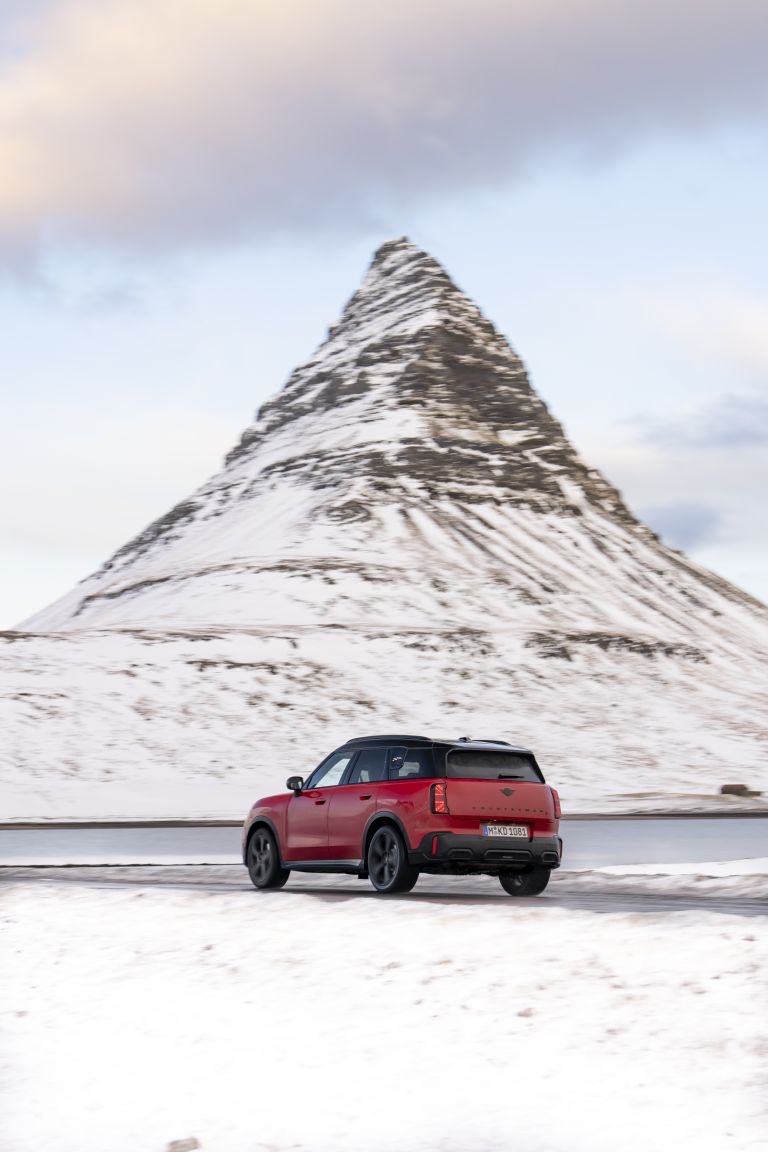
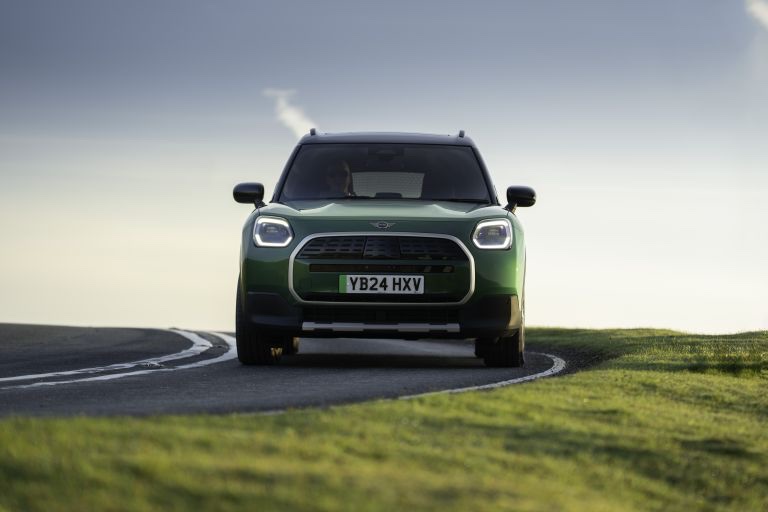
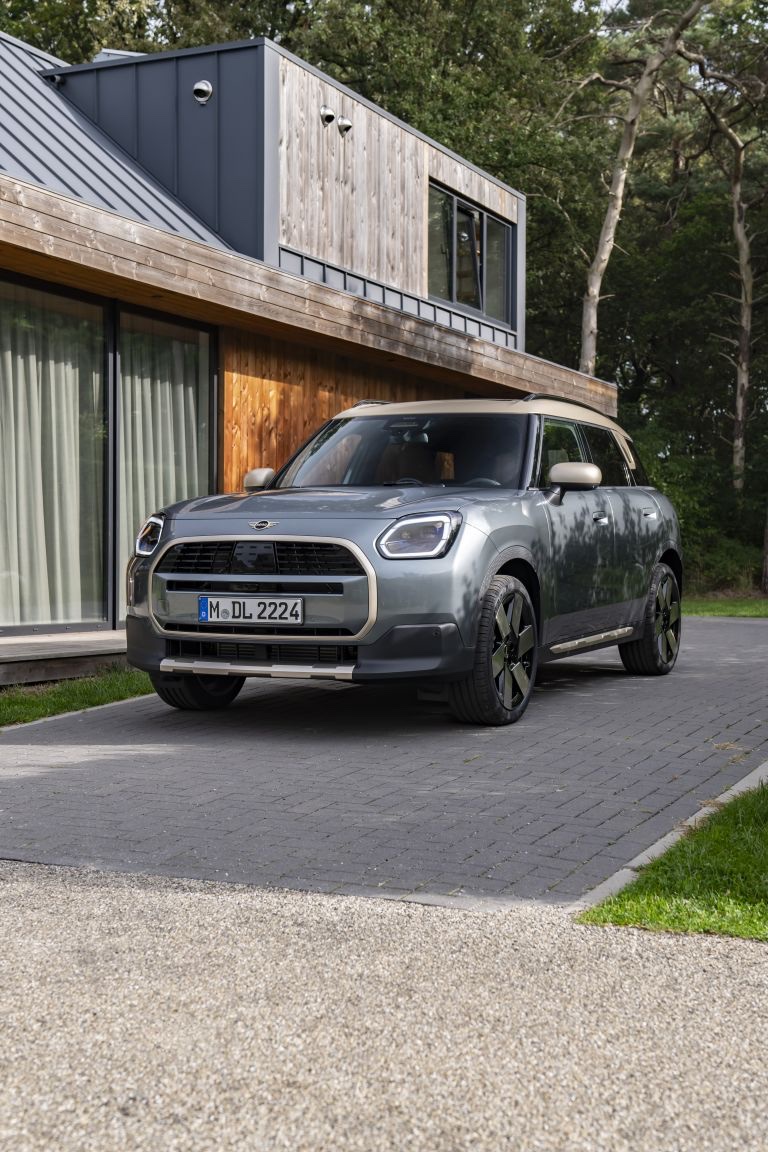
Specifications by trim
Choose a configuration below to open full technical data grouped by category.
C 34 specifications
Specifications
Performance and consumption
| Fuel consumption combined, L/100 km | 6.3 |
|---|---|
| Top speed, km/h | 212 |
| Acceleration 0-100 km/h, s | 8.3 |
Engine
| Engine | 1.5 MHEV |
|---|---|
| Engine code | B38A15M2 |
| Engine type | Internal combustion engine |
| Fuel type | Gasoline |
| Engine displacement, cc | 1499 |
| Cylinder layout | Inline |
| Number of cylinders | 3 |
| Valves | 12 |
| Power, hp | 170 |
| Torque, Nm | 280 |
| Electric motor power, hp | 20 |
| Combustion engine power, hp | 156 |
| Combustion engine RPM at max power | 4700-6500 |
| Combustion engine torque, Nm | 240 |
| Combustion engine RPM at max torque | 1500-4400 |
| Electric motor torque, Nm | 55 |
Dimensions
| Seats | 5 |
|---|---|
| Length, mm | 4433 |
| Width, mm | 2069 |
| Height, mm | 1656 |
| Wheelbase, mm | 2692 |
| Kerb weight, kg | 1620 |
| Gross weight, kg | 2095 |
| Turning circle, m | 11.6 |
| Width without mirrors, mm | 1843 |
| Trunk capacity, L | 450 |
Transmission and drive
| Transmission | 7-Steptronic |
|---|---|
| Transmission type | 2-speed automated manual |
| Drive | Front-wheel drive |
| Number of gears | 7 |
| Automatic transmission | + |
S 35 specifications
Specifications
Performance and consumption
| Fuel consumption combined, L/100 km | 6.9 |
|---|---|
| Top speed, km/h | 228 |
| Acceleration 0-100 km/h, s | 7.1 |
Engine
| Engine | 2.0i MHEV |
|---|---|
| Engine code | B48A20M2 |
| Engine type | Internal combustion engine |
| Fuel type | Gasoline |
| Engine displacement, cc | 1998 |
| Cylinder layout | Inline |
| Number of cylinders | 4 |
| Valves | 16 |
| Turbocharger | + |
| Power, hp | 218 |
| Torque, Nm | 360 |
| Electric motor power, hp | 20 |
| Combustion engine power, hp | 204 |
| Combustion engine RPM at max power | 5000-6500 |
| Combustion engine torque, Nm | 320 |
| Combustion engine RPM at max torque | 1500-4000 |
| Electric motor torque, Nm | 55 |
Dimensions
| Seats | 5 |
|---|---|
| Length, mm | 4433 |
| Width, mm | 2069 |
| Height, mm | 1656 |
| Wheelbase, mm | 2692 |
| Kerb weight, kg | 1620 |
| Gross weight, kg | 2095 |
| Turning circle, m | 11.6 |
| Width without mirrors, mm | 1843 |
| Trunk capacity, L | 450 |
Transmission and drive
| Transmission | 7-Steptronic |
|---|---|
| Transmission type | 2-speed automated manual |
| Drive | All-wheel drive |
| Number of gears | 7 |
| Automatic transmission | + |
D 35 specifications
Specifications
Performance and consumption
| Fuel consumption combined, L/100 km | 4.9 |
|---|---|
| Top speed, km/h | 208 |
| Acceleration 0-100 km/h, s | 8.5 |
Engine
| Engine | 2.0d MHEV |
|---|---|
| Engine code | B47C20U2 |
| Engine type | Internal combustion engine |
| Fuel type | Diesel |
| Engine displacement, cc | 1995 |
| Cylinder layout | Inline |
| Number of cylinders | 4 |
| Valves | 16 |
| Turbocharger | + |
| Power, hp | 163 |
| Torque, Nm | 400 |
| Electric motor power, hp | 20 |
| Combustion engine power, hp | 150 |
| Combustion engine RPM at max power | 3750-4000 |
| Combustion engine torque, Nm | 360 |
| Combustion engine RPM at max torque | 1500-2500 |
| Electric motor torque, Nm | 55 |
Dimensions
| Seats | 5 |
|---|---|
| Length, mm | 4433 |
| Width, mm | 2069 |
| Height, mm | 1656 |
| Wheelbase, mm | 2692 |
| Kerb weight, kg | 1620 |
| Gross weight, kg | 2095 |
| Turning circle, m | 11.6 |
| Width without mirrors, mm | 1843 |
| Trunk capacity, L | 450 |
Transmission and drive
| Transmission | 7-Steptronic |
|---|---|
| Transmission type | 2-speed automated manual |
| Drive | Front-wheel drive |
| Number of gears | 7 |
| Automatic transmission | + |
MINI Countryman questions
Short answers based on the specifications and photos available in this catalog.
What is the body style and generation of the 2024 MINI Countryman?
The 2024 MINI Countryman is a five-door crossover SUV. It represents the third generation of the model and was officially introduced in late 2023.
What engine options are available for the 2024 Countryman?
The model offers three main mild-hybrid powertrains paired with a seven-speed dual-clutch transmission. Buyers can choose the front-wheel-drive 1.5-liter three-cylinder gasoline engine (Countryman C), the all-wheel-drive 2.0-liter four-cylinder gasoline engine (Countryman S All4), or a front-wheel-drive 2.0-liter four-cylinder diesel engine (Countryman D).
How much cargo space does the 2024 MINI Countryman offer?
The crossover provides a base trunk capacity of 450 liters. This volume can be optimized or expanded by sliding the adjustable rear seats forward by up to 13 centimeters.
What are the differences in performance and fuel economy between the trims?
The front-wheel-drive diesel Countryman D is the most efficient, consuming 4.9 liters of fuel per 100 km on the mixed cycle. In comparison, the all-wheel-drive Countryman S All4 is the quickest of the standard trims, accelerating from 0 to 100 km/h in 7.1 seconds and reaching a top speed of 228 km/h.
How has the interior space changed for this generation?
The vehicle's cabin space has increased due to its larger exterior dimensions. Front-seat occupants benefit from nearly three centimeters of additional shoulder and elbow room, while rear shoulder room has grown by two and a half centimeters.