Opel Zafira-e Life specifications and photos
The 2020 Opel Zafira-e Life is an all-electric passenger minivan built on the EMP2 platform, shared with PSA group counterparts. It offers emission-free family transport with a choice of two battery capacities and multiple body lengths. Designed to retain the utility of its diesel siblings, the electric model adds modern EV-specific cabin controls and driving modes.
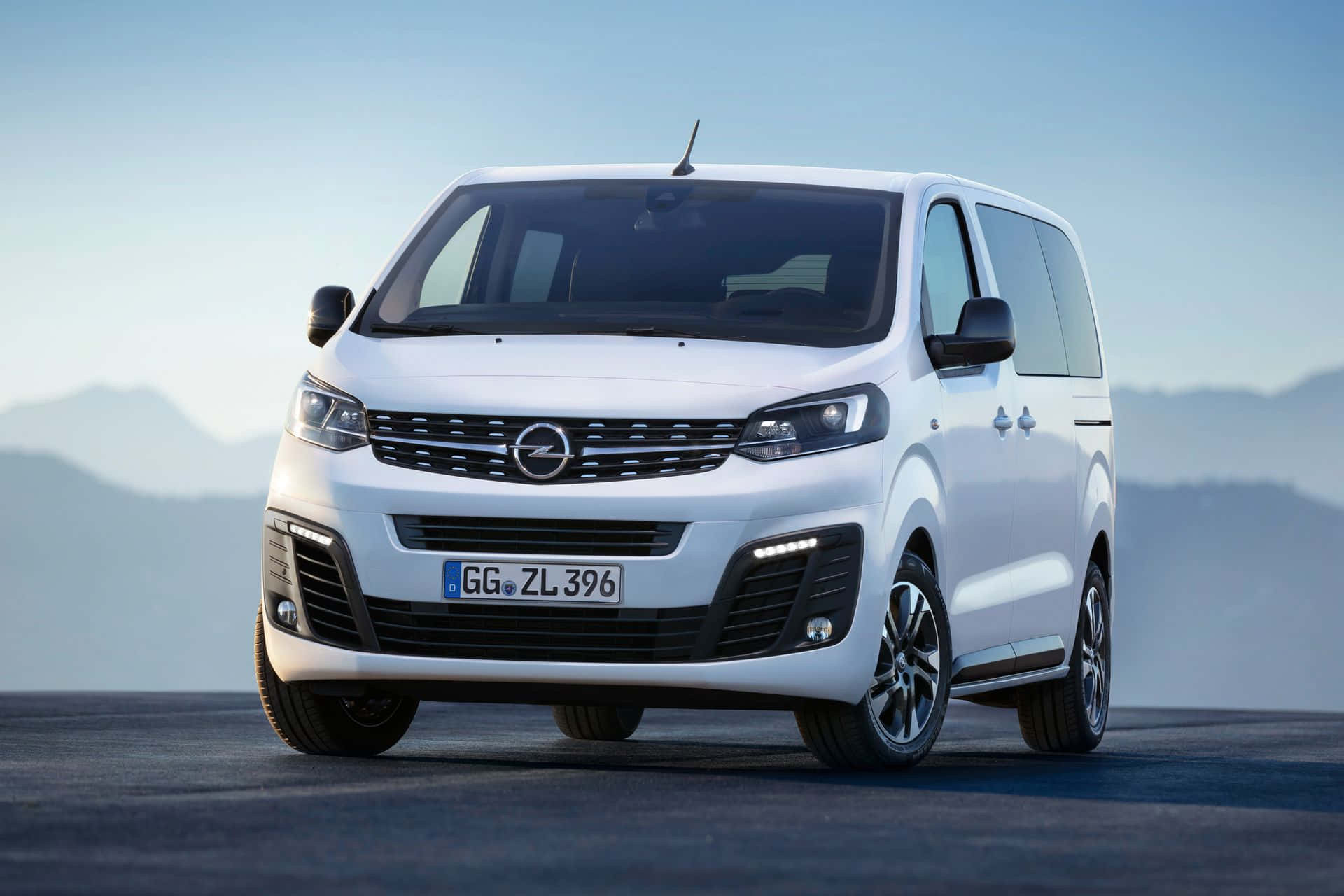
Opel Zafira-e Life at a glance
Quick model context before comparing photos and trim-level specifications.
Introduced in late 2020, the Opel Zafira-e Life represents the brand's shift toward electrification in the large passenger van segment. Built on the modular EMP2 platform, it shares its underpinning architecture and electric drivetrain with Peugeot and Citroen models. Opel offers the minivan in three body lengths—Small, Medium, and Large—ranging from 4.6 to 5.3 meters, allowing buyers to choose the right fit for urban maneuverability or maximum volume. The electric powertrain replaces traditional diesel engines but mounts the battery packs under the floor. This packaging design ensures that interior space is not compromised compared to internal combustion variants. Target customers include large families, shuttle services, and commercial operators looking for a zero-emissions passenger vehicle. With seating configurations accommodating five to nine passengers, it positions itself as a highly flexible people-mover. Drivers also get three switchable drive modes that adjust power output to optimize range or performance.
- Power: 136 hp
- Transmissions: single-speed reduction gear
- Seating: 9 seats
Photos, trims and specifications for Opel Zafira-e Life
This model page brings gallery images, trim comparison, and detailed technical data together for the 2020 generation.
Opel Zafira-e Life overview
Editorial context for design, cabin, performance, practicality, and buyer notes.
Design
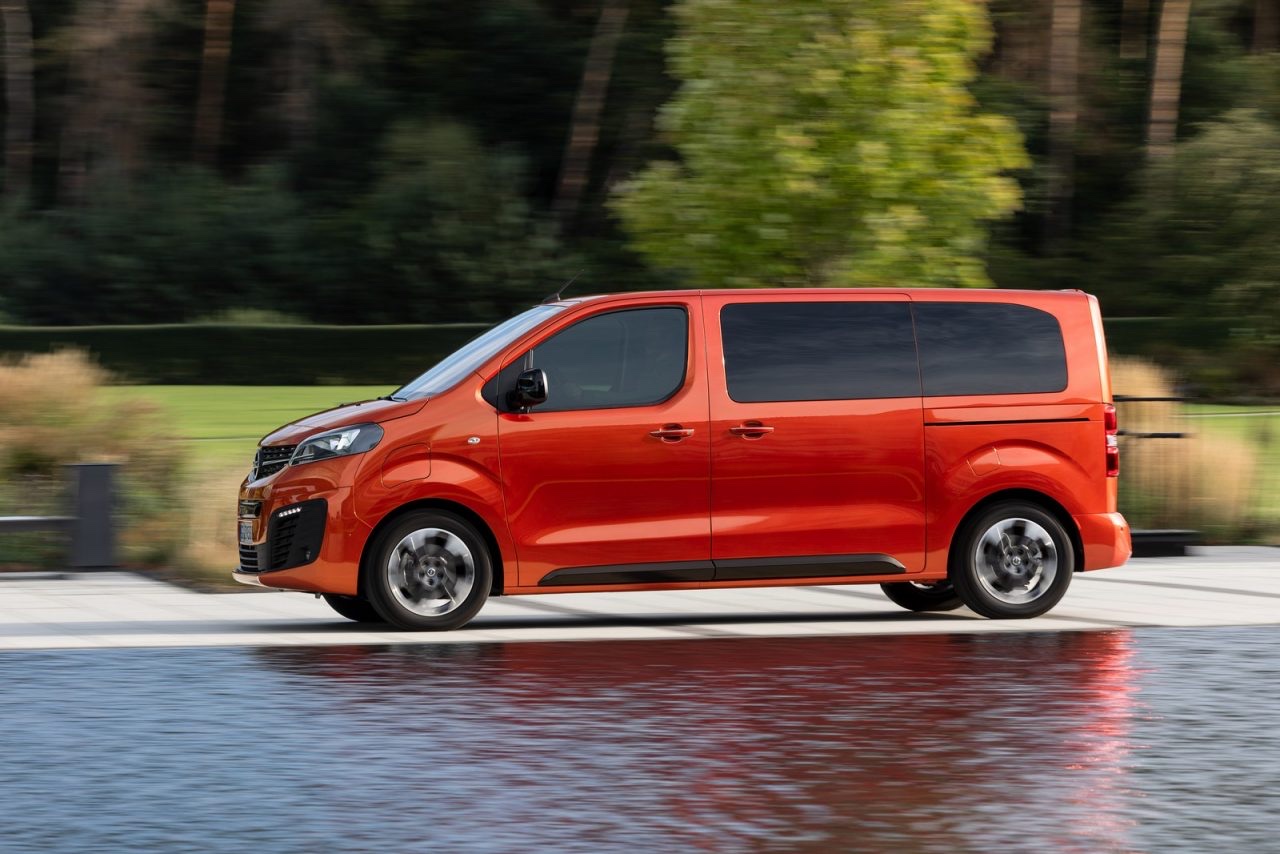
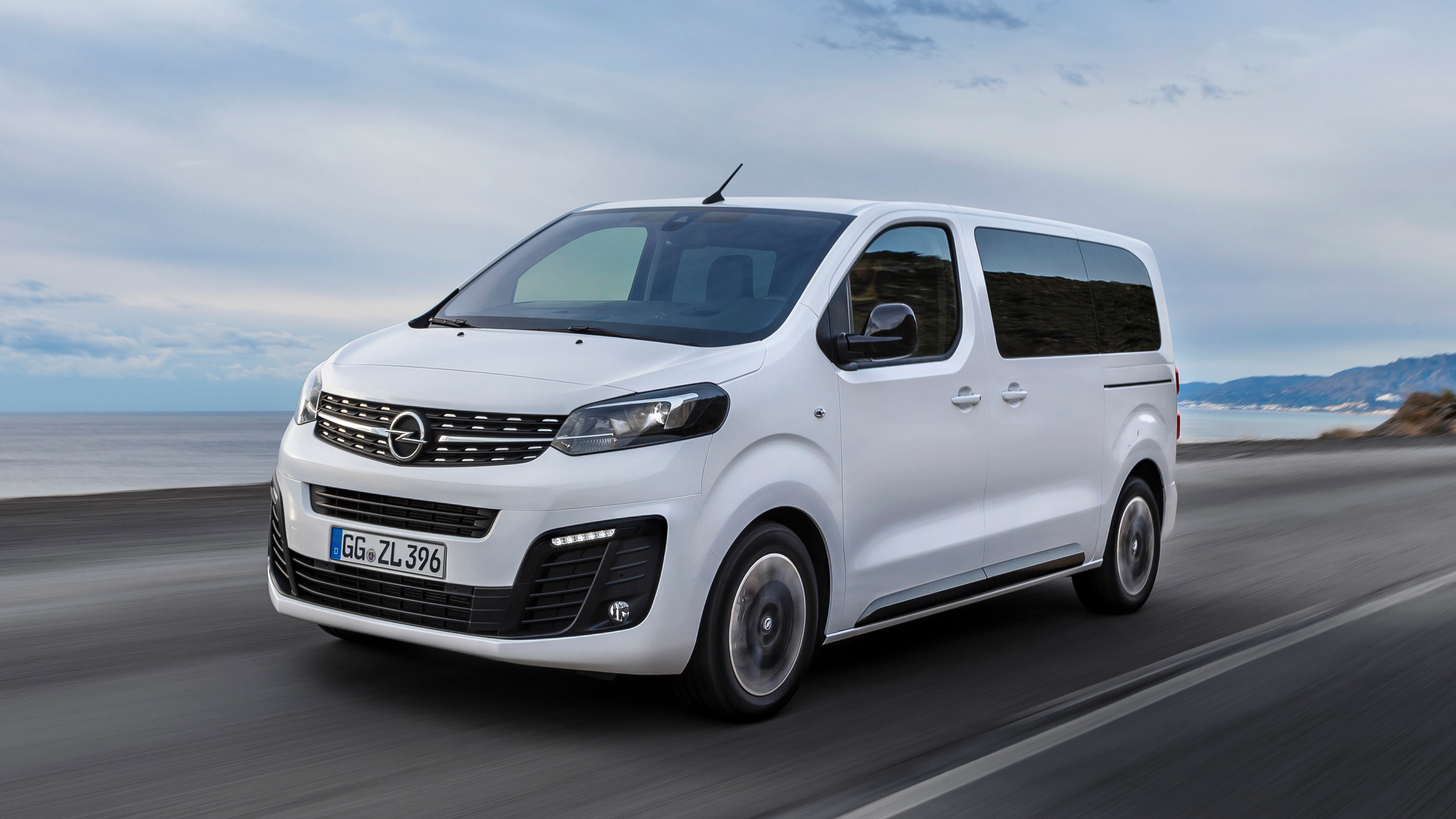
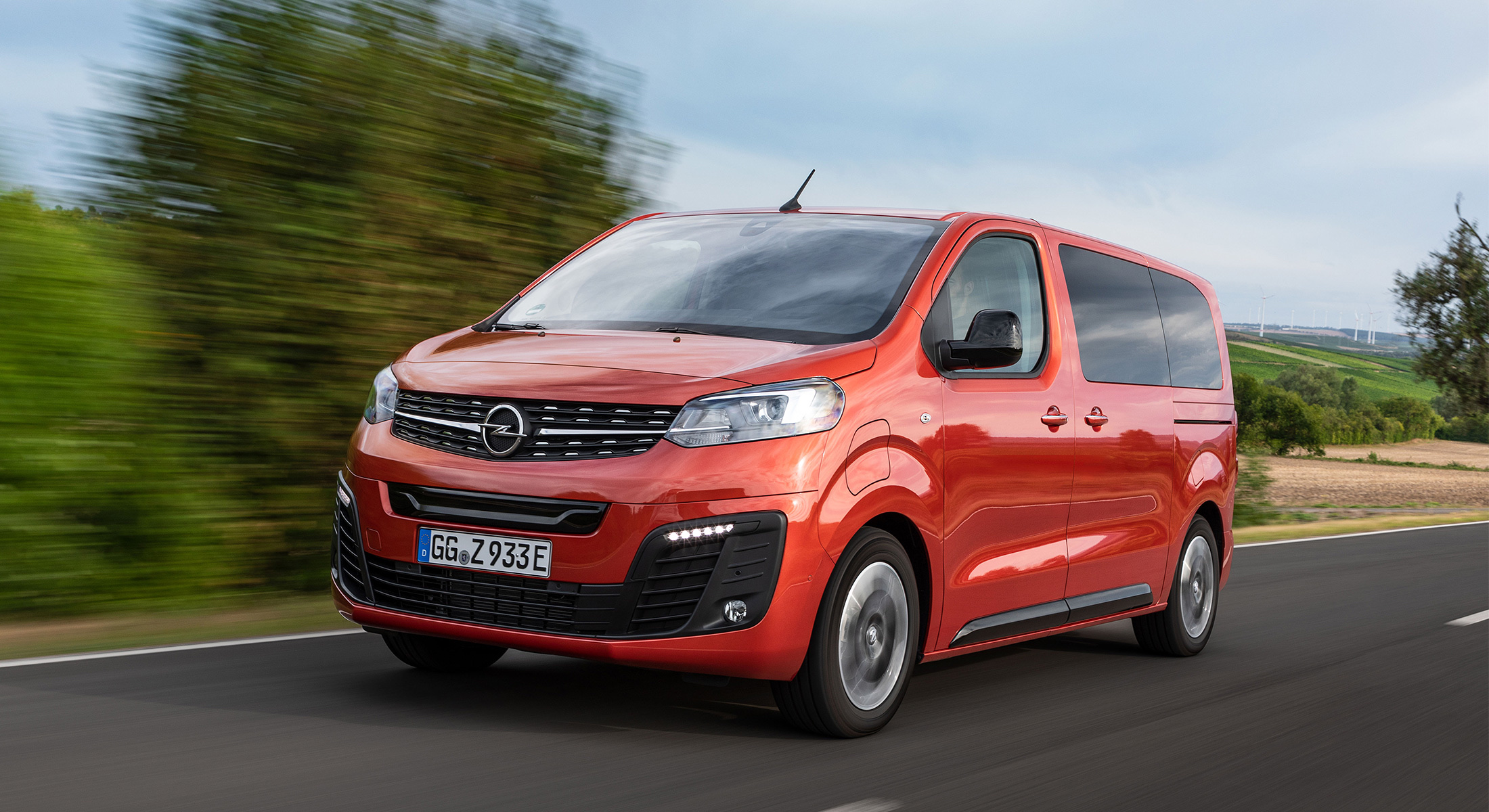
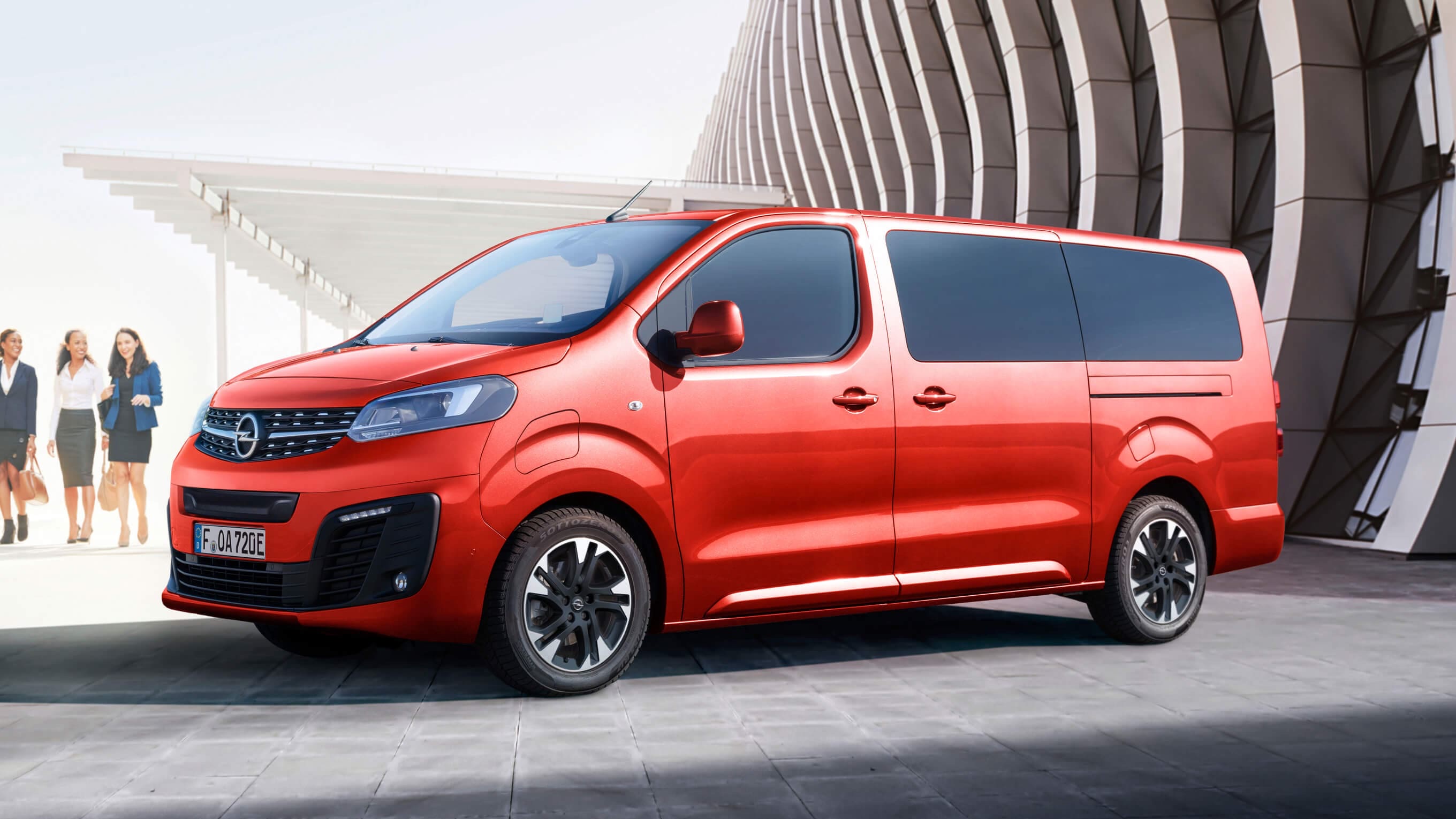
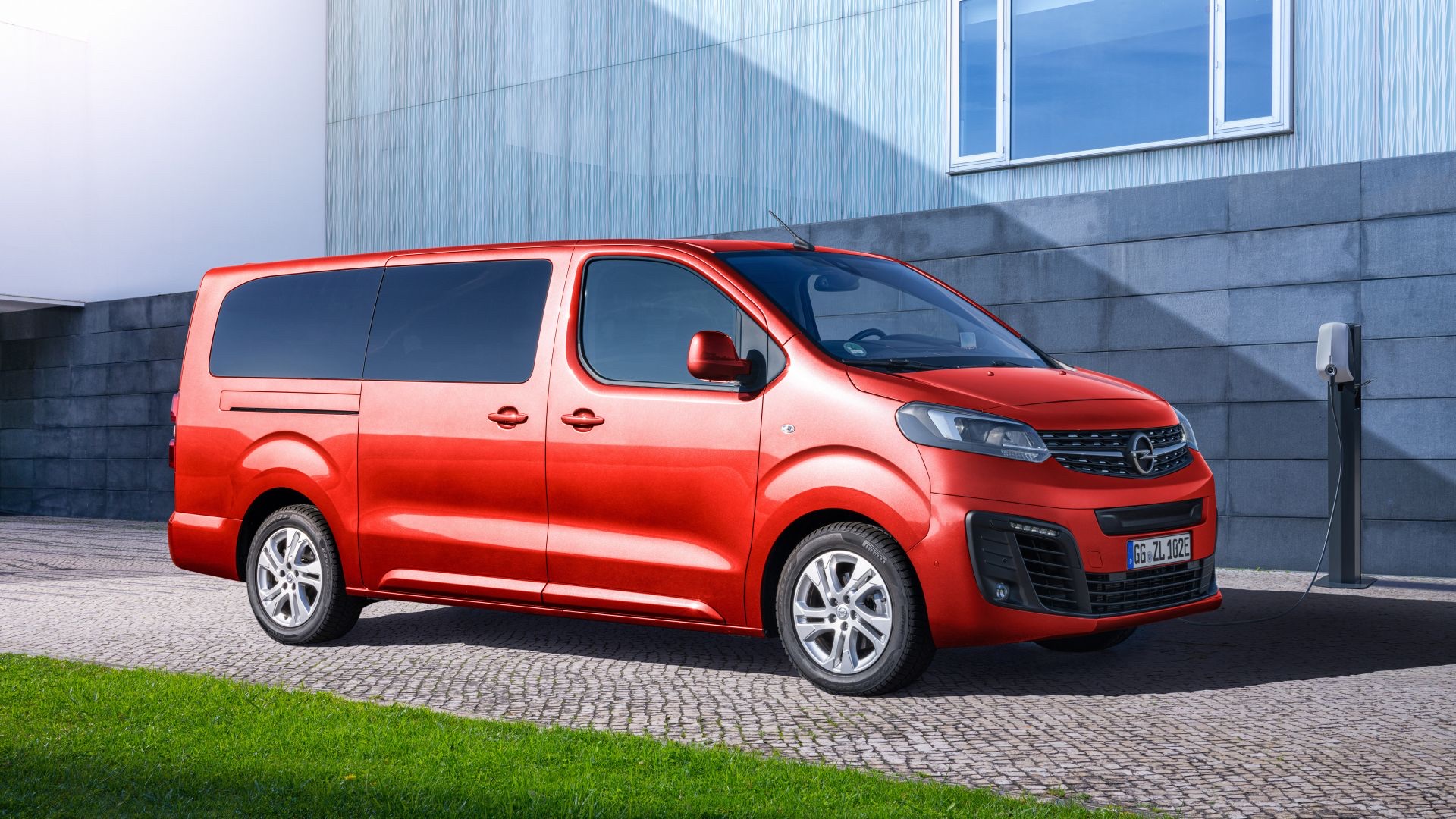
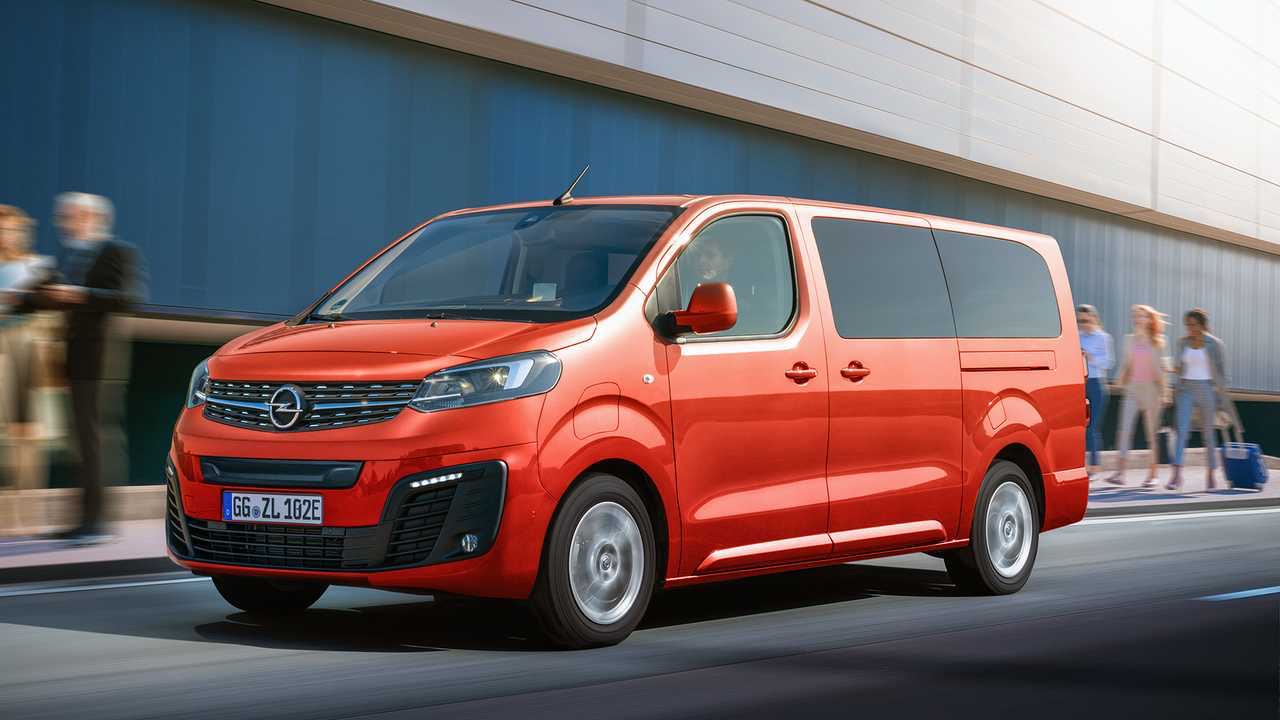
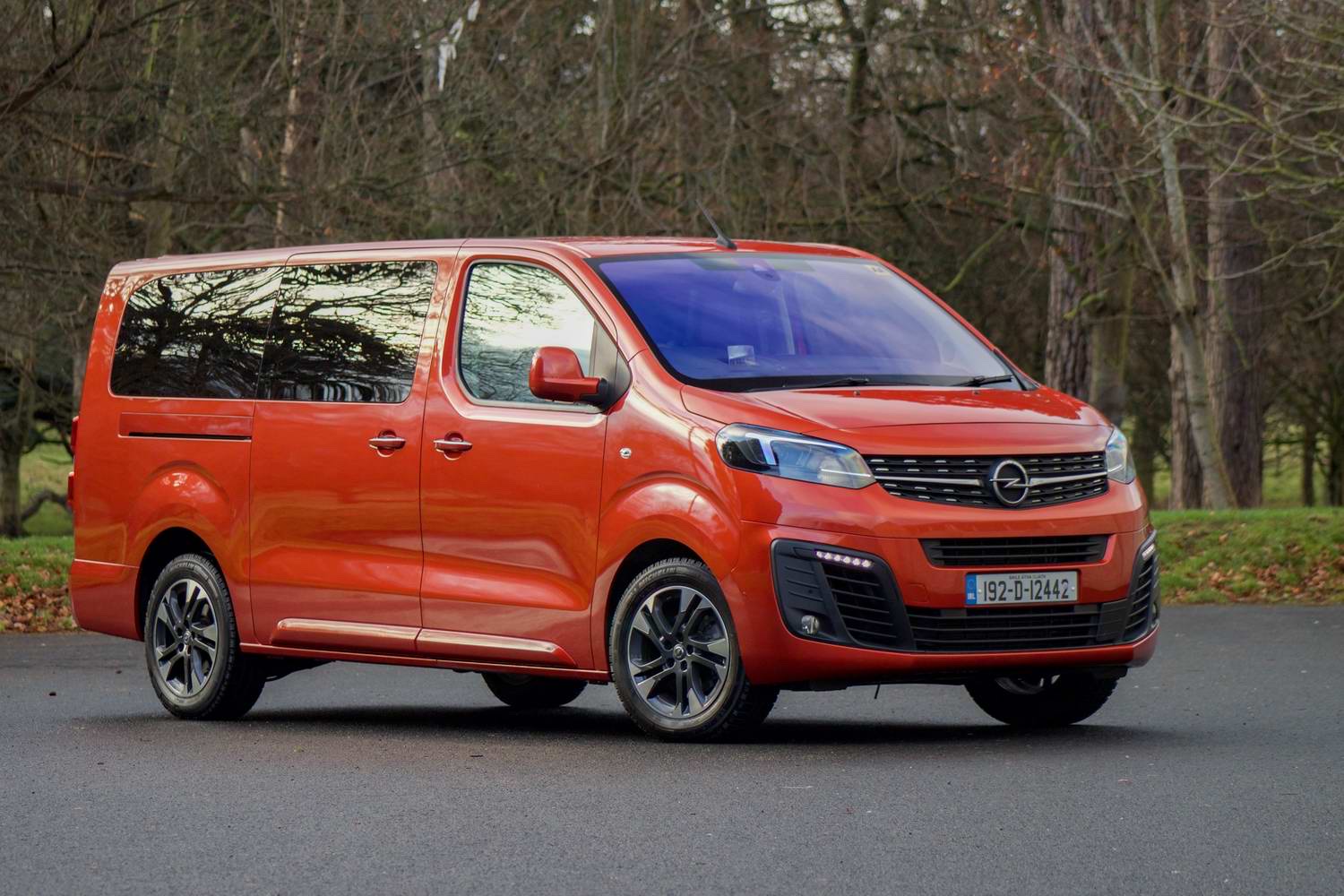
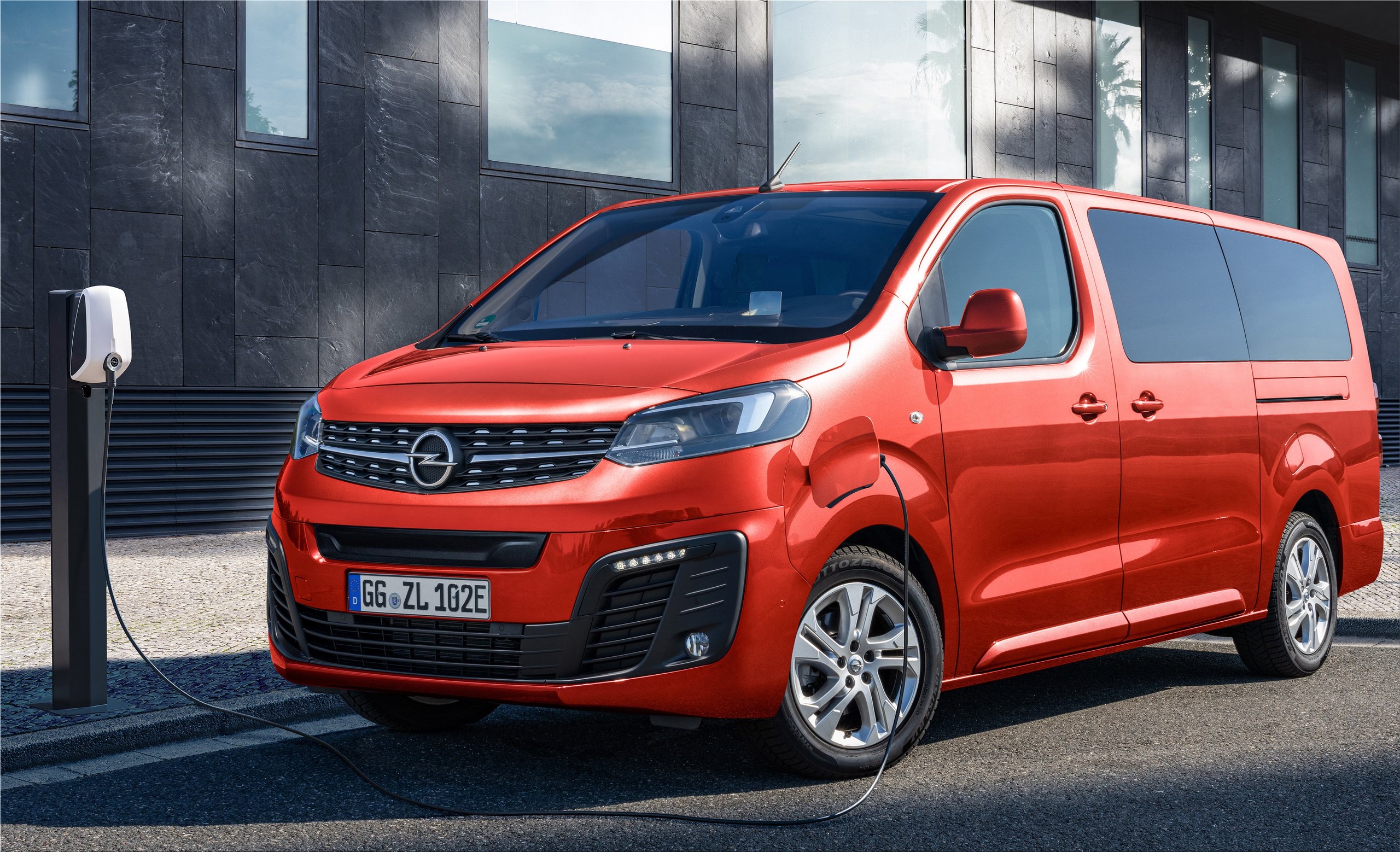
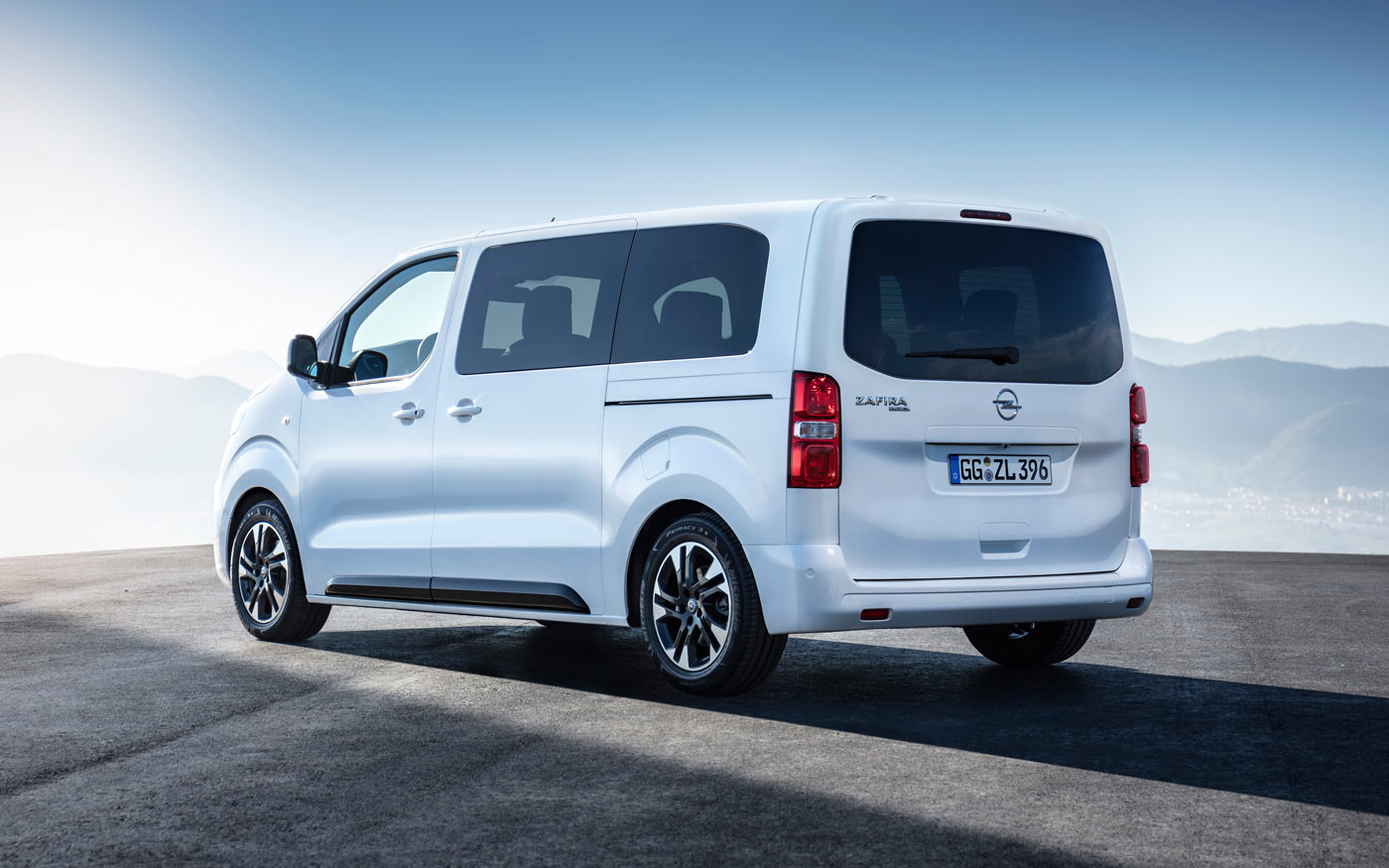
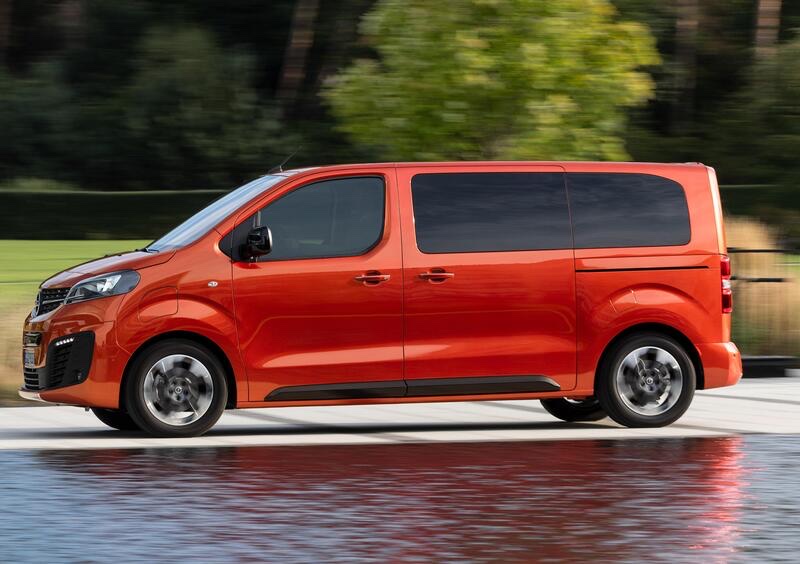
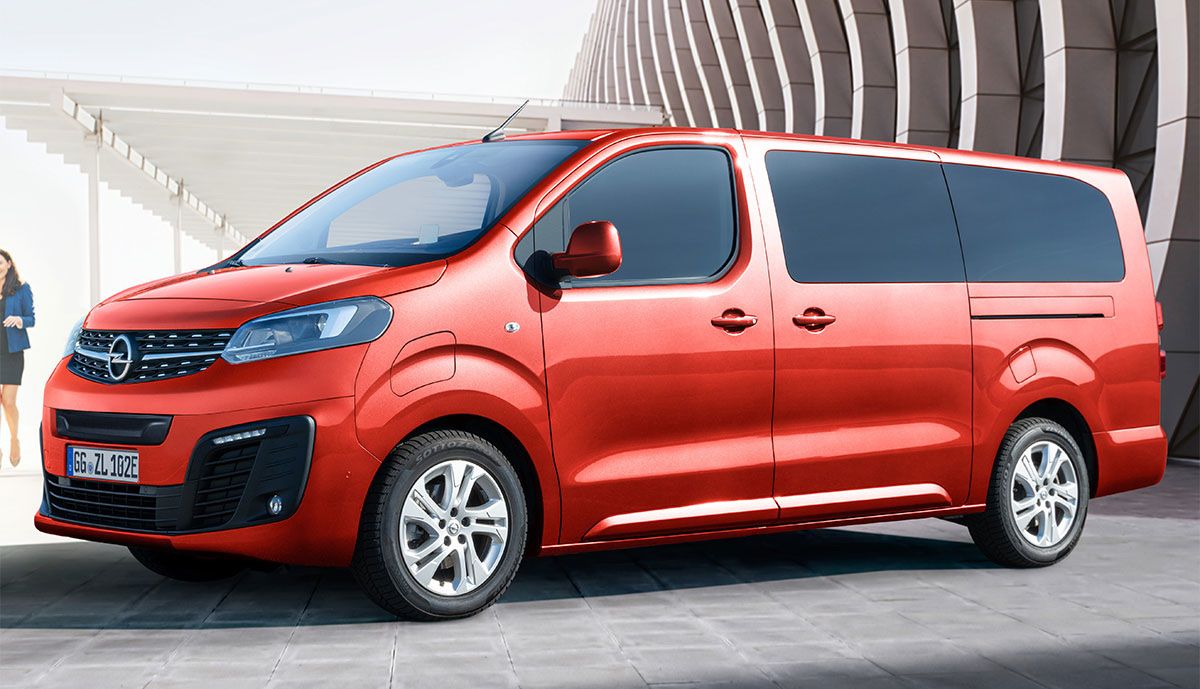
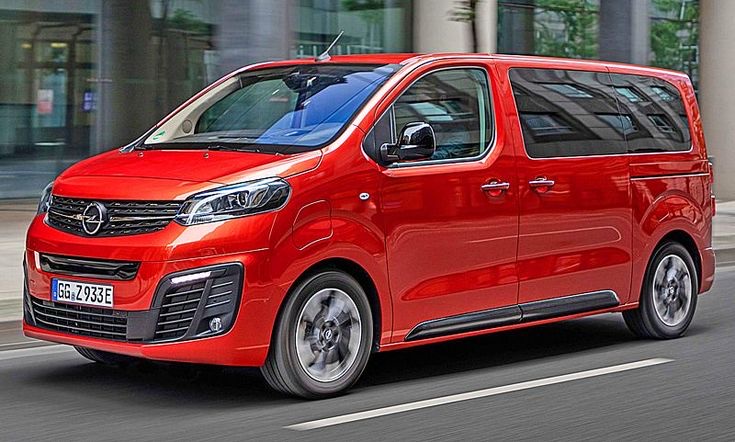
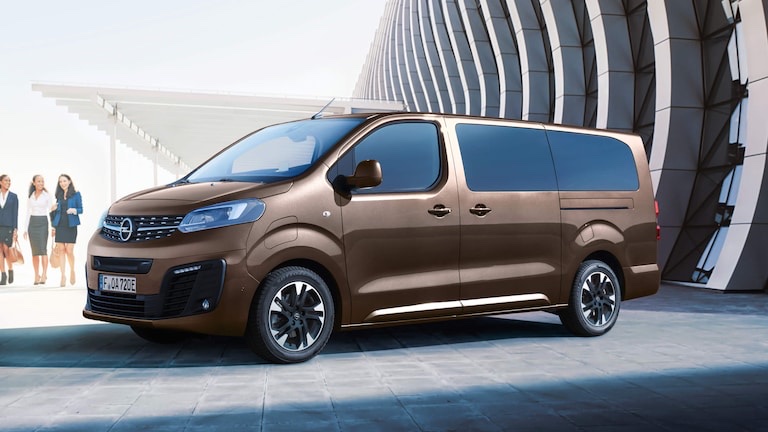
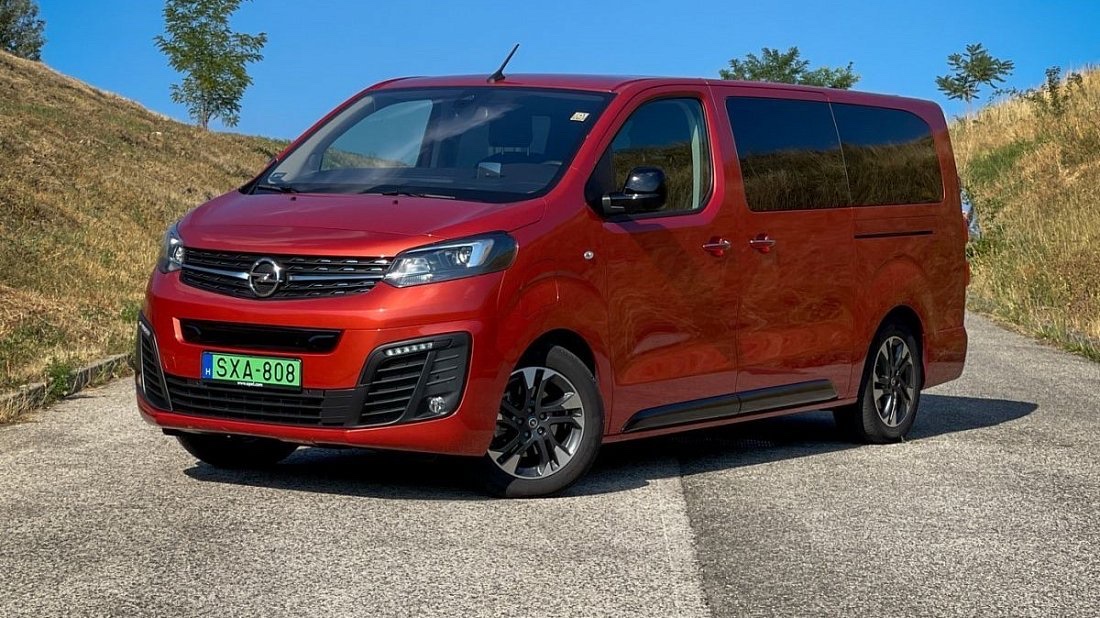
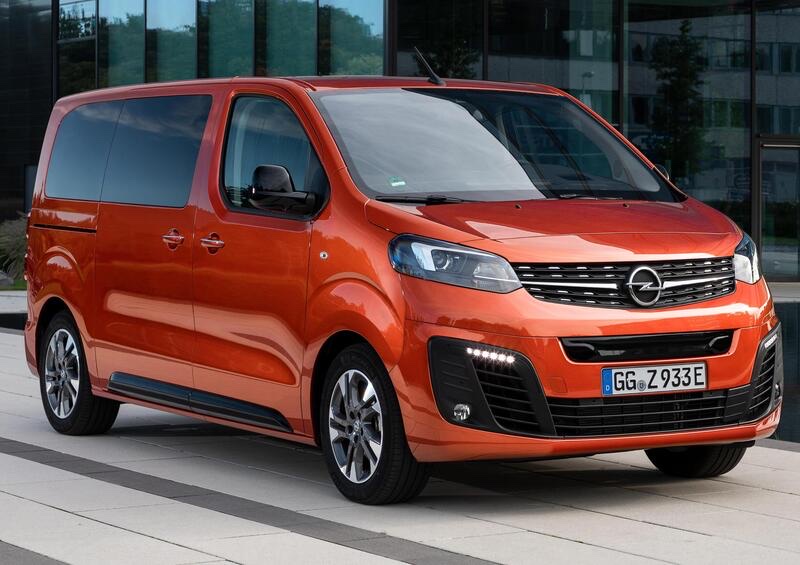
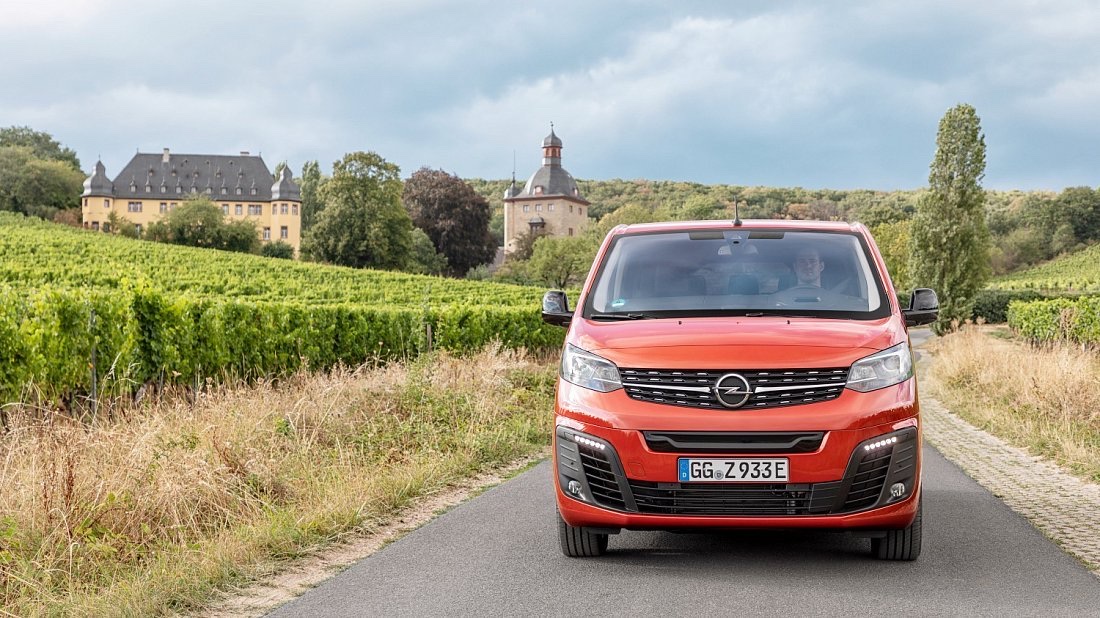
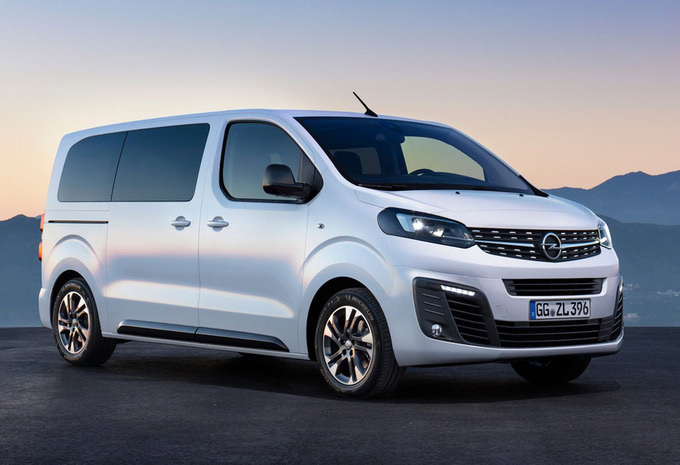
Visually, the Zafira-e Life looks nearly identical to the standard diesel-powered Zafira Life. The main styling differences are subtle, including a closed-off front grille panel to improve aerodynamics, a charging port cover located on the front left fender, and EV-specific badging on the rear tailgate. Depending on the specification, the minivan sits on 17-inch wheels. It features xenon headlights at the front and can be configured with a panoramic glass roof that covers a significant portion of the cabin. Additionally, buyers can select power sliding side doors and an opening window on the rear tailgate, allowing quick access to the cargo area without lifting the entire tailgate.
Interior
Inside the cabin, the Zafira-e Life differs from diesel models with its EV-focused driver console. The instrument cluster replaces the traditional tachometer with an energy usage gauge displaying Eco, Charge, and Power zones. Instead of a rotary gear selector, the center console features a toggle switch with a dedicated B mode button to toggle aggressive regenerative braking. Front occupants benefit from dual-zone climate control, and optional heated seats with a massage function. The dashboard houses a 7-inch infotainment touchscreen with navigation, Apple CarPlay, and Android Auto. High-end Lounge trims replace the three-row layout with a six-seat setup featuring adjustable second-row captain's chairs turned rearward and an optional central table.
Performance
The Zafira-e Life is powered by a front-mounted electric motor generating 136 horsepower and 260 Nm of torque, which drives the front wheels via a single-speed reducer. It has a governed top speed of 130 km/h. Buyers can choose between a 50 kWh battery pack, offering up to 230 km of range, or a larger 75 kWh battery that extends the range to 330 km on the WLTP cycle. Charging the smaller battery from zero to 80 percent takes 30 minutes using a 100 kW DC fast charger. Alternatively, a standard 7.4 kW home wallbox charges the same battery to full capacity in approximately 7.5 hours. Drive modes limit output: Eco restricts the motor to 60 kW, Normal permits 80 kW, and Power unlocks the full 100 kW.
Practicality
Practicality remains a strong suit of the Zafira-e Life, as the battery placement preserves cabin volume. The Small variant features a 2.93-meter wheelbase, while the Medium and Large versions share a longer 3.28-meter wheelbase. Seating arrangements are highly customizable, with second and third-row seats split in a 1/3 and 2/3 configuration. These seats can slide forward or backward, fold down, or be removed entirely to maximize utility. Removing the third row in the shortest version expands cargo volume to 1,500 liters, and removing the second row opens up a massive 3,397 liters of flat-floor loading space for large cargo tasks.
Safety and tech
Opel equips the Zafira-e Life with a solid suite of modern safety systems and driver aids. The technology package includes a head-up display that projects speed and navigation info onto the windshield, parking sensors, and a 180-degree rearview camera. For driver assistance, it offers adaptive cruise control, a blind-spot monitoring system, lane-keep assist, and traffic sign recognition. The van also features keyless entry, which adds daily convenience. Xenon headlights ensure strong night visibility, while the safety systems work to keep occupants secure on highway commutes.
Buyer notes
When purchasing a Zafira-e Life, the choice of battery capacity and body length is crucial. The 50 kWh version suits buyers who drive shorter routes and need faster charging turnaround times, whereas the 75 kWh model is better for regional shuttle work. Buyers should also consider that seat layouts vary between five and nine seats, while the premium Lounge package is specifically designed for luxury transport. Standard safety and convenience packages can vary depending on local market specifications, so verifying the exact driver assistance systems on used models is highly recommended.
Trims and key specifications
Use this table to compare the main differences between available configurations.
| Trim / modification | Engine | Power | Seats | Transmission |
|---|---|---|---|---|
| 50 kWh (136 hp) | - | 136 hp | 9 | single-speed reduction gear |
| 75 kWh (136 hp) | - | 136 hp | 9 | single-speed reduction gear |
Specifications can vary by market, model year, and equipment package. Use the trim sections below to review the full data for each configuration.
Opel Zafira-e Life photo gallery
18 images are collected here with the main specifications and trim data for this model.
Photo Opel Zafira-e Life
Specifications by trim
Choose a configuration below to open full technical data grouped by category.
50 kWh (136 hp) 21 specifications
Specifications
Performance and consumption
| Top speed, km/h | 130 |
|---|---|
| Emissions standard | Euro VI |
Engine
| Engine | 50 kWh |
|---|---|
| Engine type | Electric |
| Power, hp | 136 |
| Torque, Nm | 260 |
| Number of electric motors | 1 |
| Plug-in charging support | + |
Dimensions
| Seats | 9 |
|---|---|
| Length, mm | 4606 |
| Width, mm | 2204 |
| Wheelbase, mm | 2925 |
| Front track, mm | 1627 |
| Rear track, mm | 1600 |
| Kerb weight, kg | 1932 |
| Gross weight, kg | 2885 |
| Turning circle, m | 11.3 |
Transmission and drive
| Transmission | single-speed reduction gear |
|---|---|
| Transmission type | automated manual |
| Drive | Front-wheel drive |
| Automatic transmission | + |
75 kWh (136 hp) 22 specifications
Specifications
Performance and consumption
| Top speed, km/h | 130 |
|---|---|
| Emissions standard | Euro VI |
Engine
| Engine | 75 kWh |
|---|---|
| Engine type | Electric |
| Power, hp | 136 |
| Torque, Nm | 260 |
| Number of electric motors | 1 |
| EV mode | + |
| Plug-in charging support | + |
Dimensions
| Seats | 9 |
|---|---|
| Length, mm | 4606 |
| Width, mm | 2204 |
| Wheelbase, mm | 2925 |
| Front track, mm | 1627 |
| Rear track, mm | 1600 |
| Kerb weight, kg | 1932 |
| Gross weight, kg | 2885 |
| Turning circle, m | 11.3 |
Transmission and drive
| Transmission | single-speed reduction gear |
|---|---|
| Transmission type | automated manual |
| Drive | Front-wheel drive |
| Automatic transmission | + |
Opel Zafira-e Life questions
Short answers based on the specifications and photos available in this catalog.
What battery options are available for the Opel Zafira-e Life?
The minivan is available with two battery packs: a 50 kWh battery providing up to 230 km of range, and a larger 75 kWh battery offering up to 330 km of range. Both utilize a 136-horsepower front electric motor.
How long does it take to charge the Zafira-e Life?
Using a 100 kW DC fast-charging station, the 50 kWh battery can be charged to 80 percent in 30 minutes. When charging at home with a common 7.4 kW wallbox, a full charge for the 50 kWh battery takes about 7.5 hours.
What are the body sizes for this electric minivan?
Opel offers the Zafira-e Life in three body lengths: Small at 4.6 meters, Medium at 4.9 meters, and Large at 5.3 meters. The Small version has a 2.93-meter wheelbase, while the Medium and Large models share a longer 3.28-meter wheelbase.
How customizable is the interior seating?
Depending on the chosen layout, the cabin can fit between five and nine people. The second and third-row seats can slide, fold, or be completely removed to increase luggage space, while the Lounge trim offers a six-seat setup with rear-facing captain's chairs.
How does the electric version differ visually from the diesel model?
On the outside, the electric version features a closed-off grille, a charging door on the front left wing, and an e-badge on the tailgate. Inside, it swaps the tachometer for a charge-power dial and replaces the gear knob with a toggle switch.