Toyota Prius specifications and photos
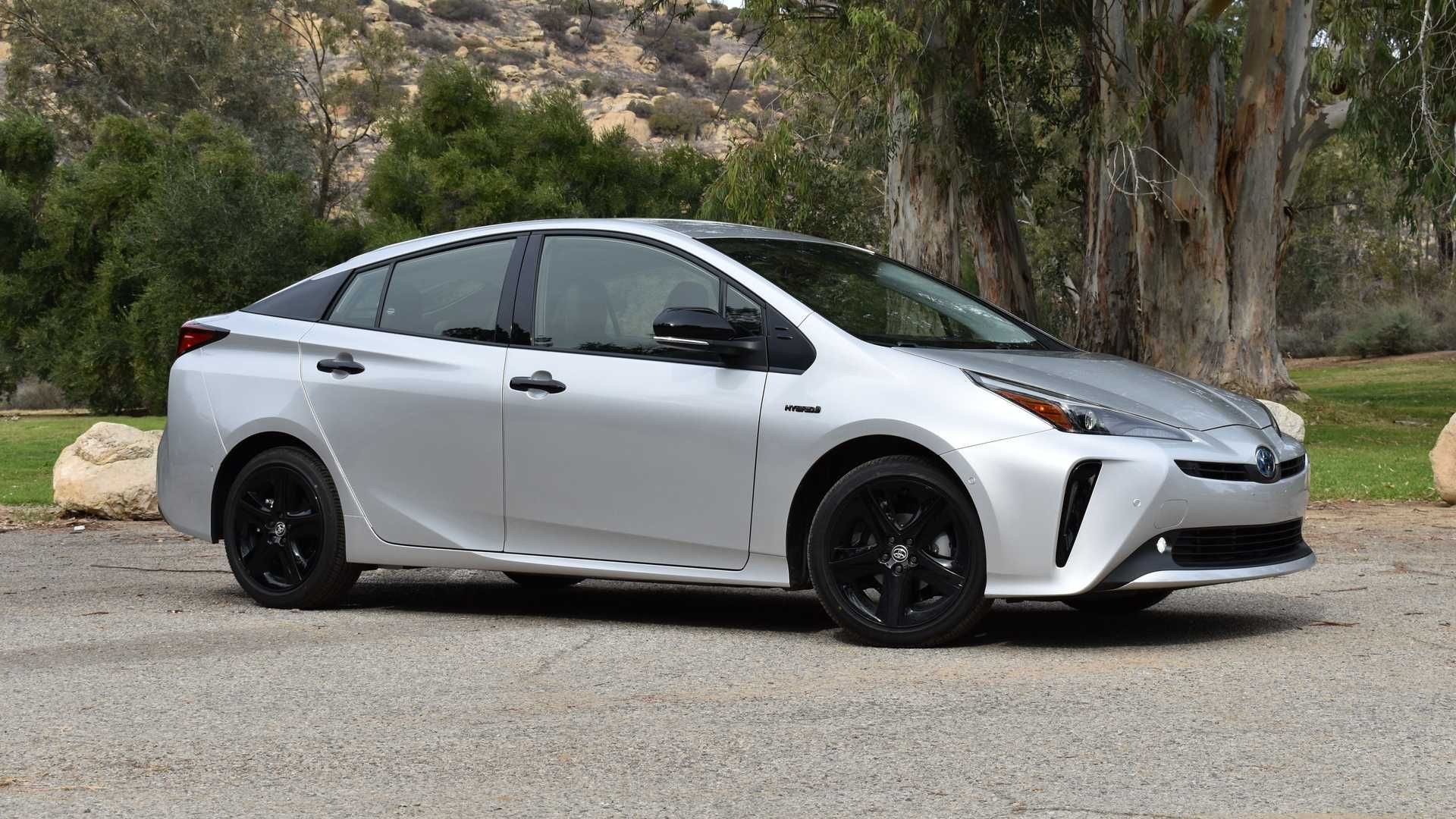
The 2015 Toyota Prius marks the introduction of the hybrid hatchback's fourth generation. Built on a fresh modular platform, this iteration focuses on improved driving dynamics and aerodynamic efficiency.
Toyota Prius at a glance
Quick model context before comparing photos and trim-level specifications.
Debuting in late 2015, the fourth-generation Toyota Prius was the first vehicle in the manufacturer's lineup to utilize the Toyota New Global Architecture (TNGA) platform. This significant structural update increases overall chassis rigidity by 60 percent while lowering the vehicle's center of gravity to improve stability and ride comfort. Additionally, the rear suspension layout was completely redesigned, replacing the previous semi-independent torsion beam with a modern double wishbone setup. Toyota engineers also focused on weight reduction and component packaging, upgrading nearly every element of the hybrid system to make it lighter and more compact compared to the outgoing third-generation model. Positioned as a C-segment hatchback, this generation aims to provide higher fuel efficiency and advanced safety systems, presenting a longer, wider, and lower profile to attract buyers looking for a practical daily commuter with low running costs.
- Power: 122 hp
- Engine displacement: 1798 cc
- Transmissions: CVT
- Seating: 5 seats
Photos, trims and specifications for Toyota Prius
This model page brings gallery images, trim comparison, and detailed technical data together for the 2015 generation.
Estimate fuel cost
Use trim-level fuel consumption data to estimate monthly and yearly fuel spending.
Fuel costs are estimates. Real consumption can change with driving style, traffic, tires, weather, load, and market-specific equipment.
Toyota Prius overview
Editorial context for design, cabin, performance, practicality, and buyer notes.
Design
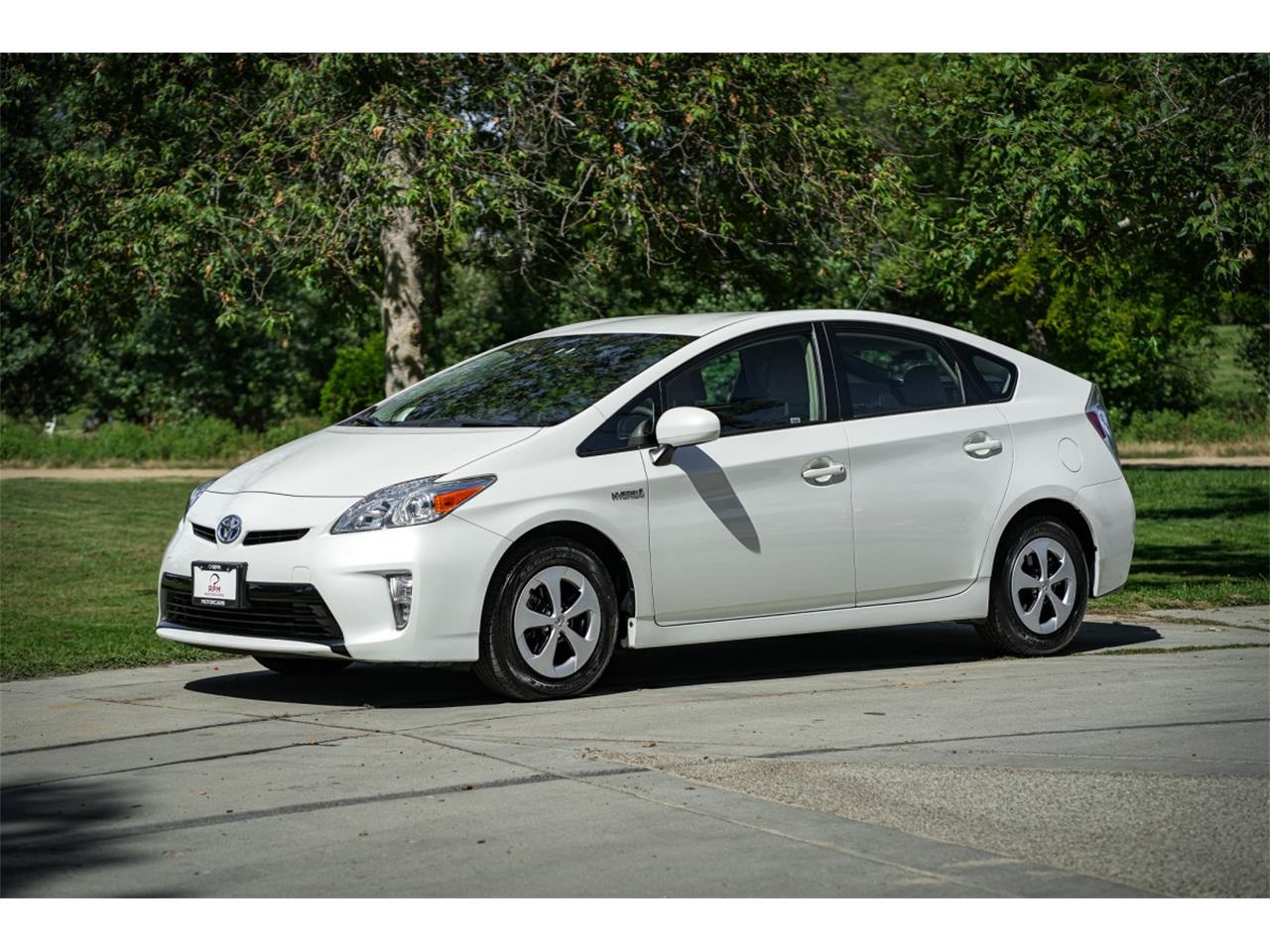
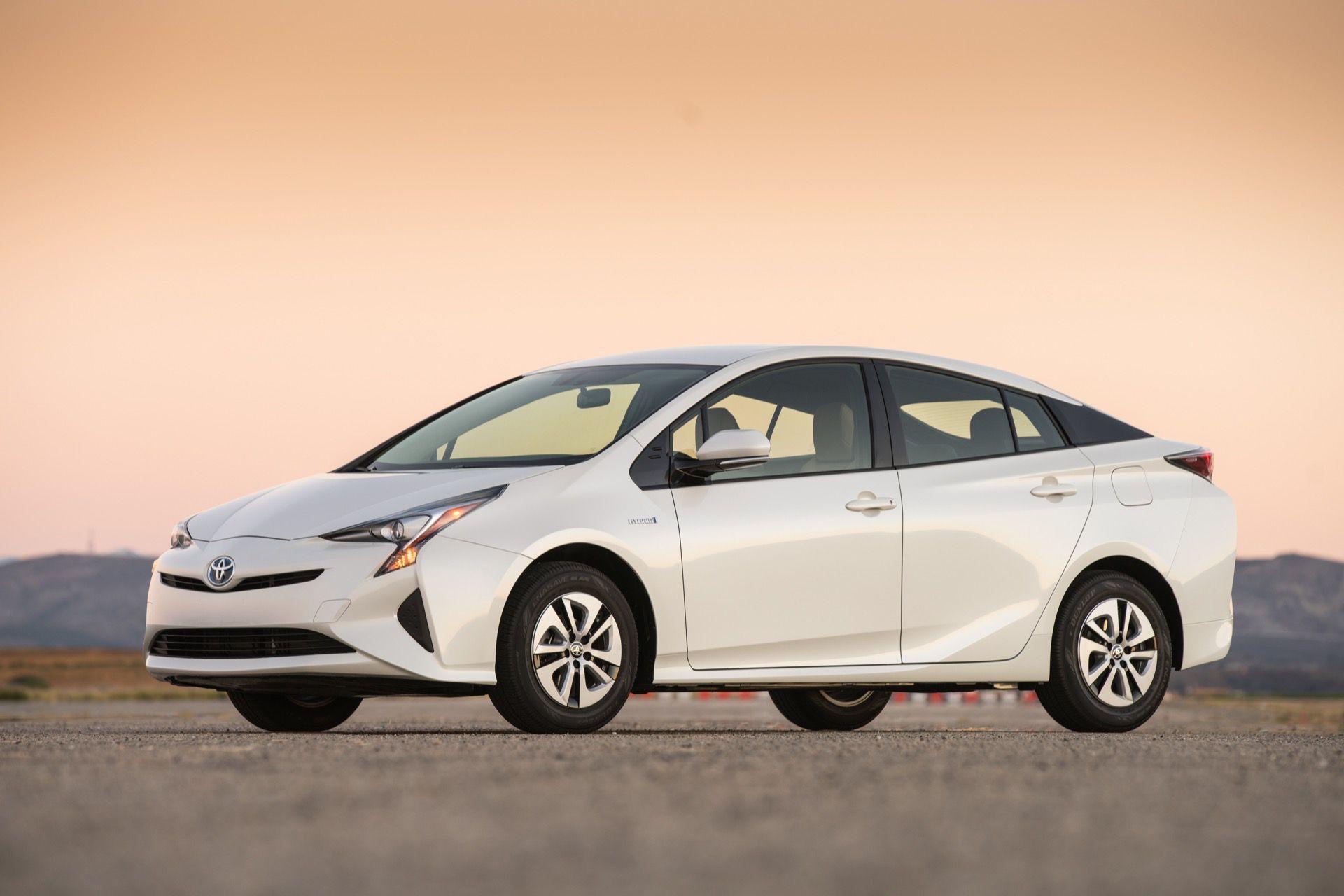
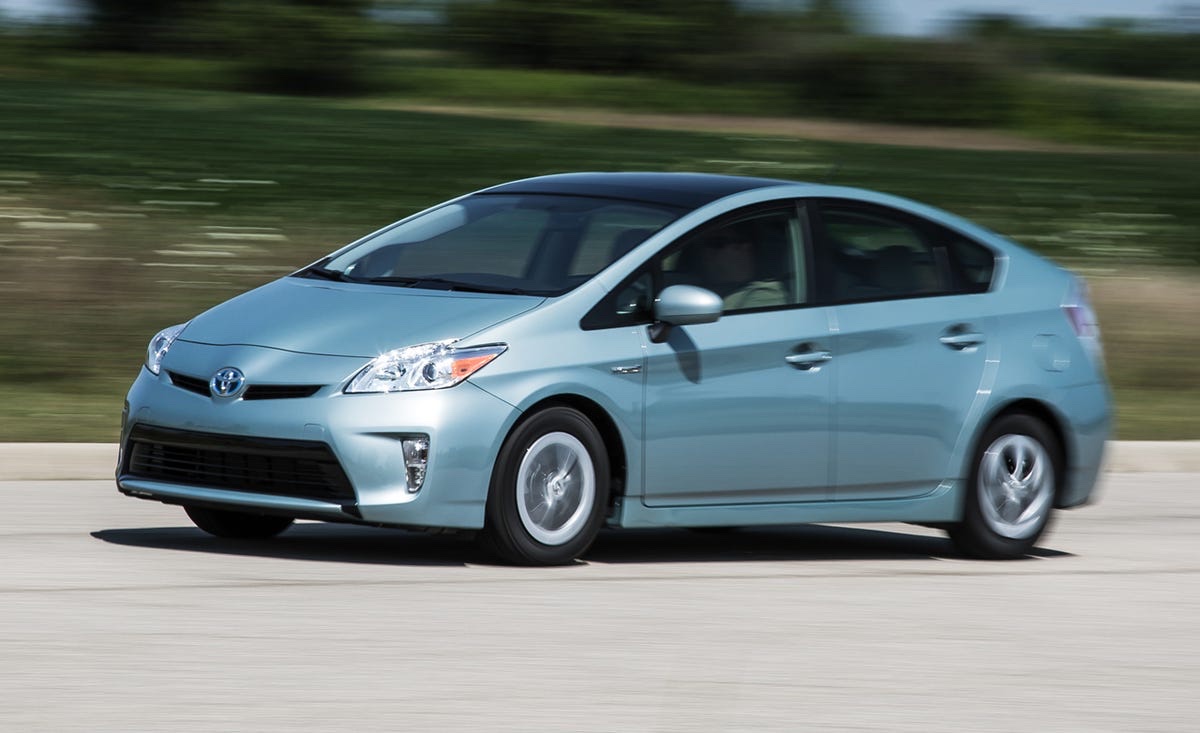
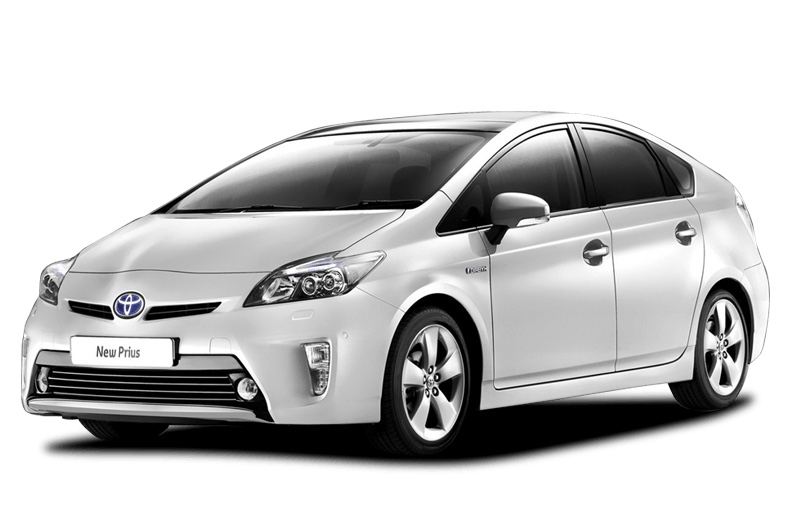
The exterior design of the fourth-generation Prius draws styling cues from the Mirai fuel-cell concept, resulting in a more striking profile. In terms of dimensions, the vehicle is 60 mm longer, 15 mm wider, and 20 mm lower than its predecessor, though it retains the same 2700 mm wheelbase. Aerodynamics are a central focus of the redesign, achieving a low drag coefficient of 0.24 to optimize airflow. Exterior equipment includes standard LED headlights and adaptive front lighting systems. The styling was overseen by chief designer Koji Toyoshima, who aimed for a look reminiscent of a sports car. These styling modifications not only change the vehicle's road presence but also serve to improve aerodynamic performance.
Interior
While the wheelbase remains unchanged at 2700 mm, revisions to the interior packaging alter the cabin layout to maximize passenger head and legroom. The vehicle accommodates up to five occupants with a revised seating layout. Cargo capacity varies depending on the specific equipment level, offering 502 liters of trunk volume in configurations without a spare wheel, which drops to 457 liters when a spare tire is included. Standard layout choices position the primary instrument cluster centrally on the dashboard, combined with updated materials designed to give the cabin a more refined feel compared to previous versions.
Performance
Power comes from a hybrid system combining a 1.8-liter gasoline engine (code 2ZR-FXE) producing 98 horsepower and 142 Nm of torque with a single electric motor generating 72 horsepower and 163 Nm of torque. System output is rated at 122 horsepower, sent to the front wheels via an Aisin e-CVT. The hatchback accelerates from 0 to 100 km/h in 10 seconds and has a top speed of 180 km/h. Fuel consumption is rated at 3.1 liters per 100 km in the city, 2.9 on the highway, and 3.0 combined.
Practicality
As a five-door hatchback, the Prius offers everyday utility with its versatile rear cargo area. The trunk space is relatively large for a C-segment vehicle, especially in versions that omit the spare tire to maximize volume. A 43-liter fuel tank combined with highly efficient hybrid fuel consumption allows for a long driving range between fuel stops. The five-seat configuration provides typical passenger utility for daily commuting, while folding the rear seats flat expands capacity for hauling larger items.
Safety and tech
This generation of the hybrid hatchback introduces a comprehensive suite of driver assistance systems. Key safety features include a forward collision warning system, active cruise control, lane departure warning, and traffic sign recognition. The vehicle is also equipped with LED headlights featuring adaptive functionality to adjust light projection based on road conditions. Technology details include an EV driving mode, allowing the car to operate solely on electric power for short distances under specific conditions.
Buyer notes
When comparing trims, buyers should check the specific trunk layout, as the presence of a spare tire reduces cargo capacity from 502 to 457 liters. Technology features like advanced driver assistance systems and adaptive lighting may vary by market and trim level. The core mechanical components, including the 1.8-liter hybrid powertrain (2ZR-FXE) and e-CVT, remain consistent across the standard front-wheel-drive configurations, though buyers should verify the local availability of any all-wheel-drive setups mentioned in initial specifications.
Trims and key specifications
Use this table to compare the main differences between available configurations.
| Trim / modification | Engine | Power | Seats | Transmission |
|---|---|---|---|---|
| 1.8-speed automatic | 1798 cc | 122 hp | 5 | CVT |
| 1.8 Hybrid (122 hp) e-CVT | 1798 cc | 122 hp | 5 | CVT |
Specifications can vary by market, model year, and equipment package. Use the trim sections below to review the full data for each configuration.
Toyota Prius photo gallery
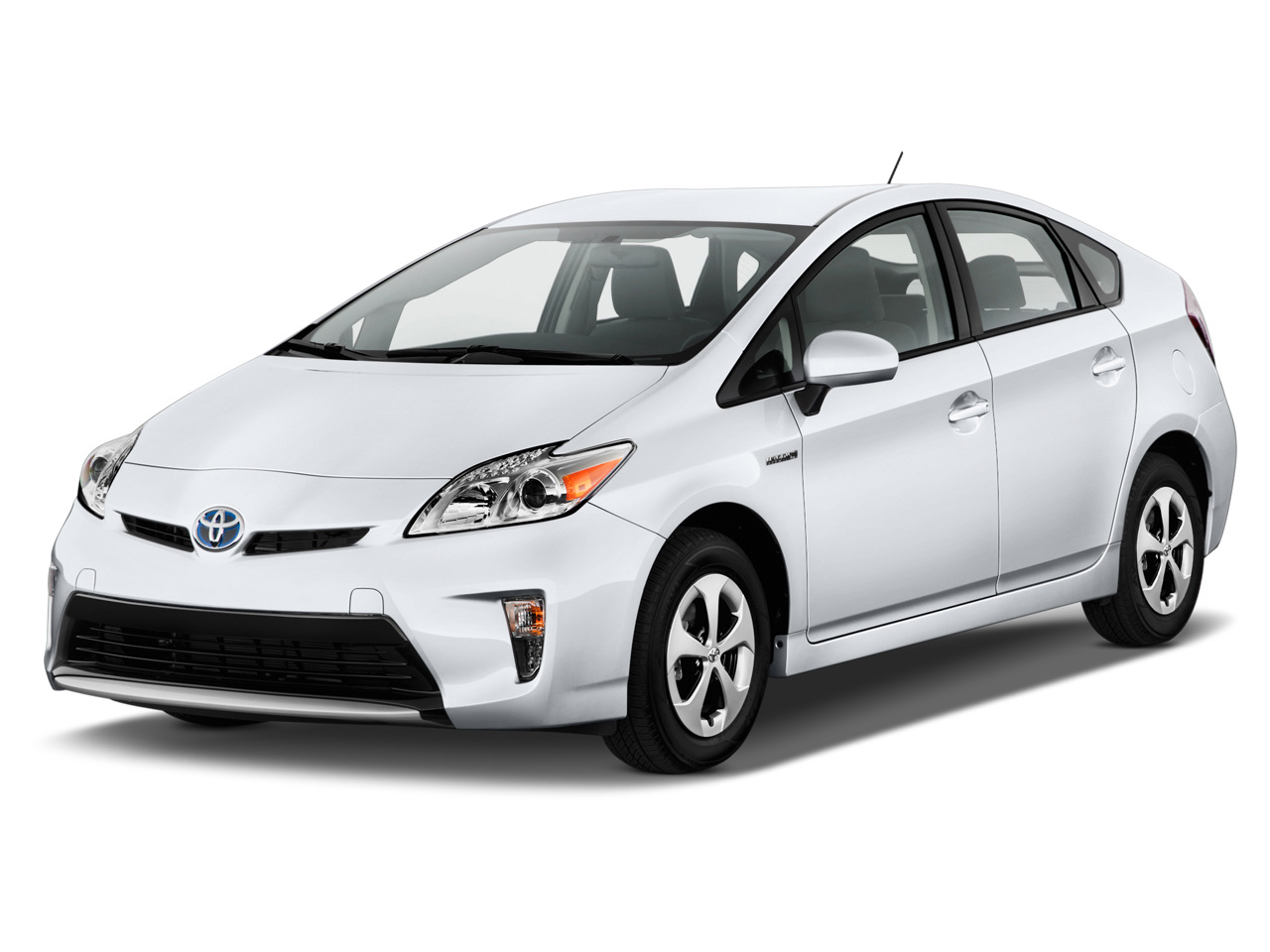
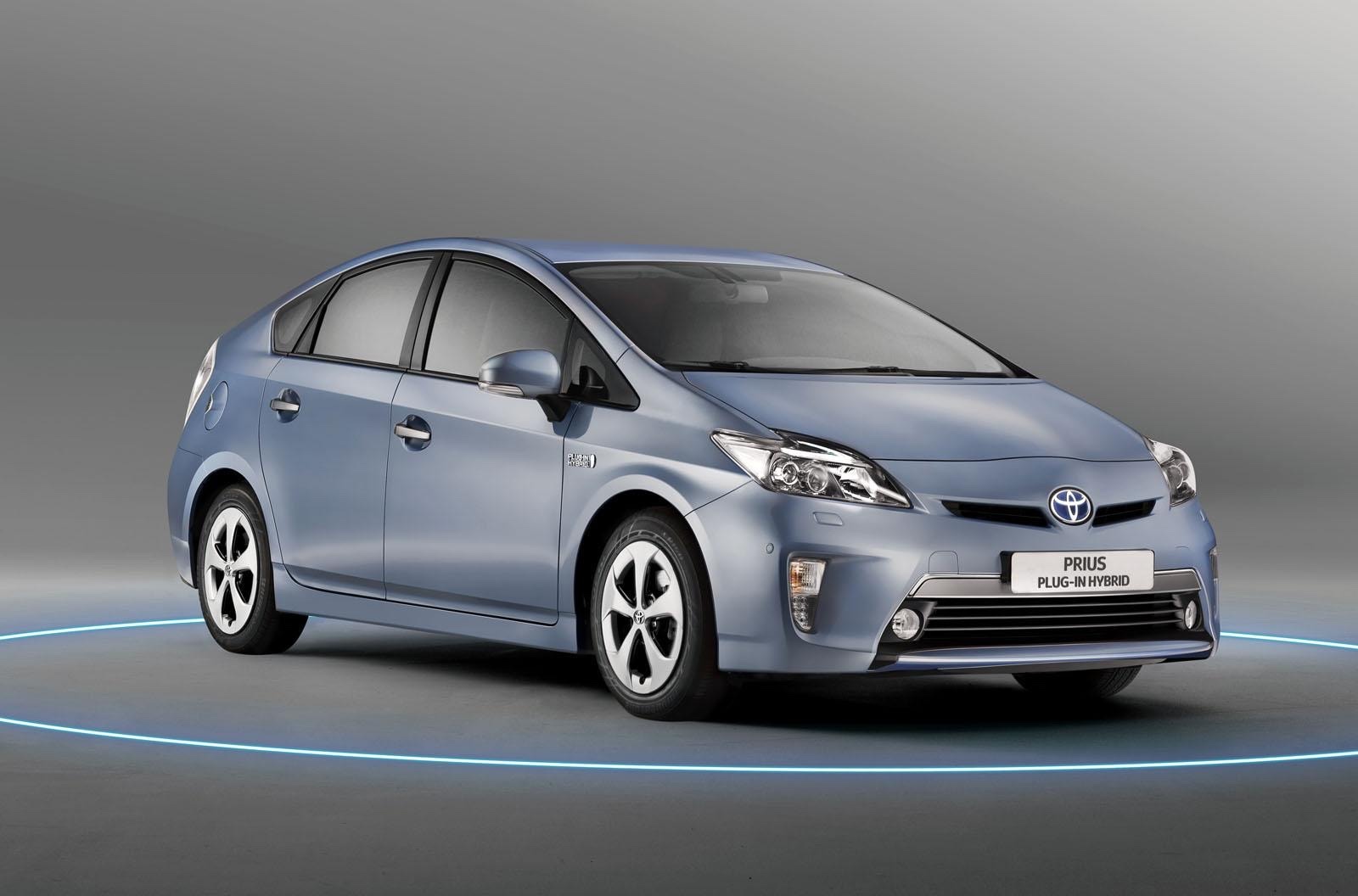
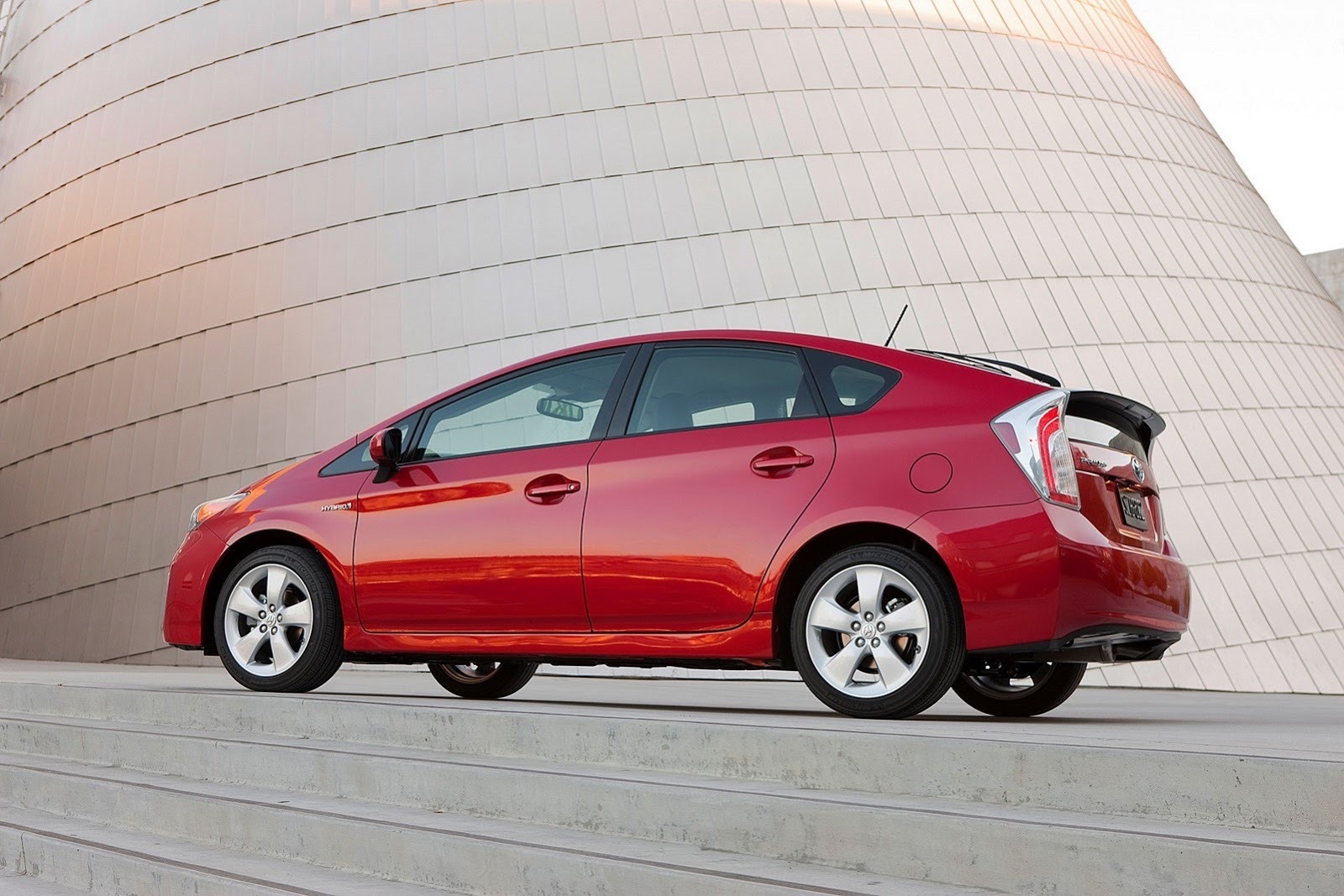
8 images are collected here with the main specifications and trim data for this model.
Photo Toyota Prius
Specifications by trim
Choose a configuration below to open full technical data grouped by category.
1.8-speed automatic 44 specifications
Specifications
Performance and consumption
| Fuel consumption city, L/100 km | 3.1 |
|---|---|
| Fuel consumption highway, L/100 km | 2.9 |
| Fuel consumption combined, L/100 km | 3 |
| Top speed, km/h | 180 |
| Acceleration 0-100 km/h, s | 10 |
| Emissions standard | Euro VI |
Engine
| Engine | 1.8 Hybrid |
|---|---|
| Engine code | 2ZR-FXE |
| Engine type | Hybrid |
| Fuel type | Gasoline |
| Engine displacement, cc | 1798 |
| Cylinder layout | Inline |
| Number of cylinders | 4 |
| Valves | 16 |
| Compression ratio | 13.0:1 |
| Power, hp | 122 |
| Number of electric motors | 1 |
| EV mode | + |
| Electric motor power, hp | 72 |
| Combustion engine power, hp | 98 |
| Combustion engine RPM at max power | 5200 |
| Combustion engine torque, Nm | 142 |
| Combustion engine RPM at max torque | 3600 |
| Electric motor torque, Nm | 163 |
Dimensions
| Seats | 5 |
|---|---|
| Length, mm | 4540 |
| Width, mm | 1760 |
| Height, mm | 1470 |
| Wheelbase, mm | 2700 |
| Front track, mm | 1530 |
| Rear track, mm | 1545 |
| Gross weight, kg | 1790 |
| Fuel tank capacity, L | 43 |
| Trunk capacity, L | 502 |
Transmission and drive
| Transmission | CVT |
|---|---|
| Transmission type | CVT |
| Drive | Front-wheel drive |
| Transmission manufacturer | Aisin |
| Automatic transmission | + |
| Transmission country | Japan |
Suspension
| Front suspension type | Independent MacPherson strut |
|---|---|
| Rear suspension type | Double wishbone |
Brake system
| Front brakes | Ventilated disc |
|---|---|
| Rear brakes | Disc |
1.8 Hybrid (122 hp) e-CVT 40 specifications
Specifications
Performance and consumption
| Fuel consumption city, L/100 km | 3.1 |
|---|---|
| Fuel consumption highway, L/100 km | 2.9 |
| Fuel consumption combined, L/100 km | 3 |
| Top speed, km/h | 180 |
| Acceleration 0-100 km/h, s | 10 |
| Emissions standard | Euro VI |
Engine
| Engine | 1.8 Hybrid |
|---|---|
| Engine code | 2ZR-FXE |
| Engine type | Hybrid |
| Fuel type | Gasoline |
| Engine displacement, cc | 1798 |
| Cylinder layout | Inline |
| Number of cylinders | 4 |
| Valves | 16 |
| Compression ratio | 13.0:1 |
| Power, hp | 122 |
| Number of electric motors | 1 |
| EV mode | + |
| Electric motor power, hp | 72 |
| Combustion engine power, hp | 98 |
| Combustion engine RPM at max power | 5200 |
| Combustion engine torque, Nm | 142 |
| Combustion engine RPM at max torque | 3600 |
| Electric motor torque, Nm | 163 |
Dimensions
| Seats | 5 |
|---|---|
| Length, mm | 4540 |
| Width, mm | 1760 |
| Height, mm | 1470 |
| Wheelbase, mm | 2700 |
| Front track, mm | 1530 |
| Rear track, mm | 1545 |
| Gross weight, kg | 1790 |
| Fuel tank capacity, L | 43 |
| Trunk capacity, L | 502 |
Transmission and drive
| Transmission | CVT |
|---|---|
| Transmission type | CVT |
| Drive | Front-wheel drive |
| Transmission manufacturer | Aisin |
| Automatic transmission | + |
| Transmission country | Japan |
Toyota Prius questions
Short answers based on the specifications and photos available in this catalog.
What generation is the 2015 Toyota Prius?
The 2015 model year introduces the fourth generation of the Toyota Prius. It is the first vehicle in the brand's lineup to be built on the Toyota New Global Architecture (TNGA) platform.
What are the engine specifications for this model?
The Prius is powered by a hybrid system featuring a 1.8-liter gasoline engine (98 hp, 142 Nm) and a 72 hp electric motor. The total system output is rated at 122 horsepower.
How much cargo space does the 2015 Prius have?
The cargo capacity depends on the spare tire configuration. Models without a spare tire offer 502 liters of space, while models equipped with a spare tire provide 457 liters of volume.
What is the fuel economy of the 2015 Toyota Prius?
The vehicle has a fuel consumption rating of 3.1 liters per 100 km in the city and 2.9 liters per 100 km on the highway. This results in a combined rating of 3.0 liters per 100 km.
What safety features are available on this model?
Available driver assistance technologies include active cruise control, traffic sign recognition, a forward collision warning system, and lane departure warning. The vehicle also features adaptive LED headlights to improve visibility.