Volkswagen Golf Variant specifications and photos
The 2020 Volkswagen Golf Variant is a C-segment wagon representing the model's eighth generation. Officially unveiled in September 2020, this version offers a longer wheelbase and more rear passenger legroom compared to its predecessor. It serves as a practical, space-oriented alternative to the standard Golf hatchback.
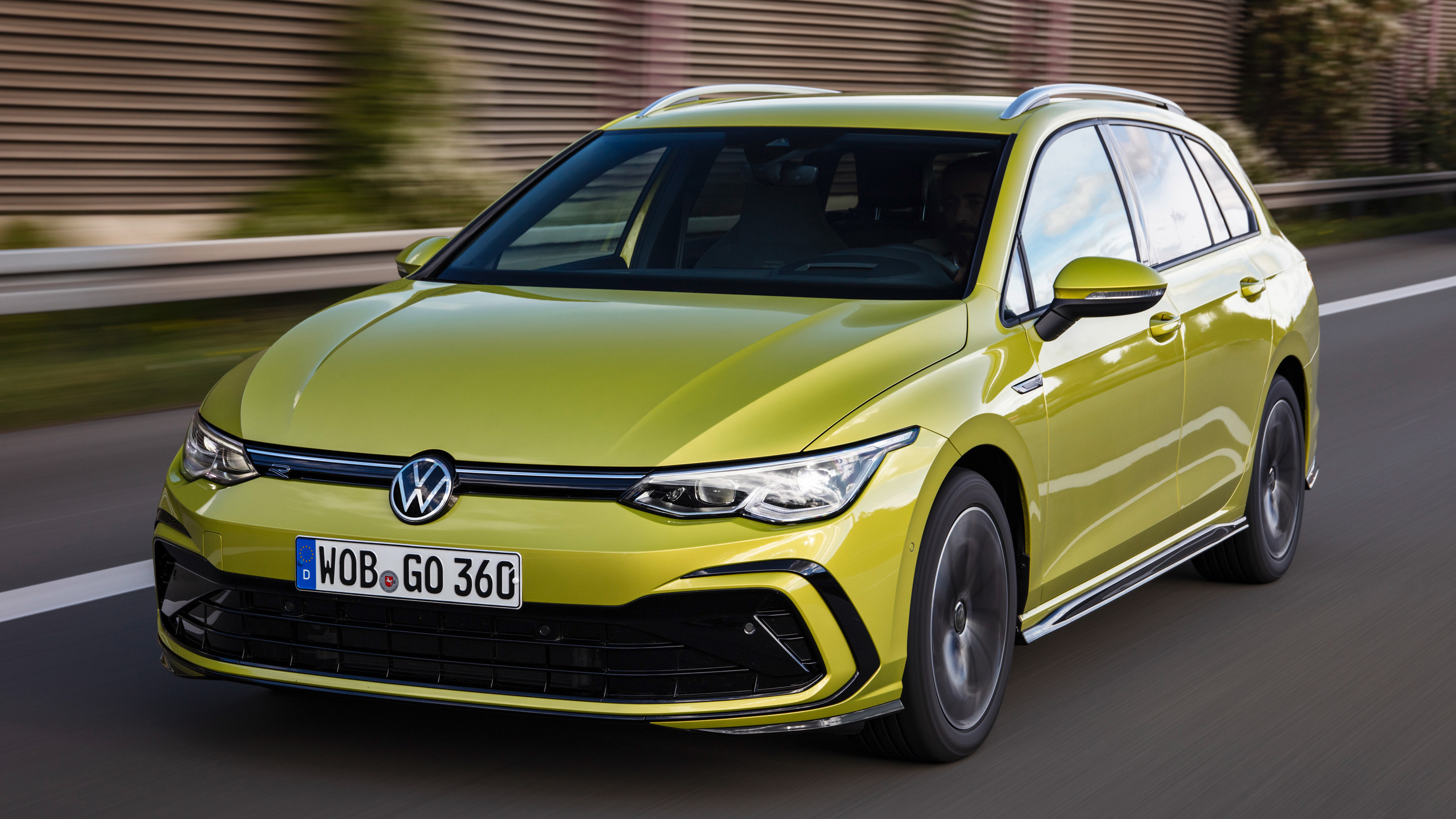
Volkswagen Golf Variant at a glance
Quick model context before comparing photos and trim-level specifications.
The eighth-generation Volkswagen Golf Variant serves as the primary cargo-carrying alternative to the standard Golf hatchback, targeting buyers who require extra cargo capacity without moving up to an SUV. Revealed in September 2020, this wagon has grown in size to improve passenger and cargo accommodation. The exterior length is extended to 4,633 mm, which is supported by an increased wheelbase. This growth stretches the passenger cabin, providing rear passengers with additional legroom. The model uses modern platform architectures to accommodate updated powertrains, including mild-hybrid gasoline engines and clean-burning diesel units. Available in multiple trims, including a sportier R-Line variant, it targets families and long-distance drivers. With standard LED lighting and a fully digitized cockpit, it represents a substantial step forward in technology and utility for the Golf family.
- Power: 110-150 hp
- Engine displacement: 999-1968 cc
- Transmissions: 6-speed manual, 7-speed dual-clutch
- Seating: 5 seats
Photos, trims and specifications for Volkswagen Golf Variant
This model page brings gallery images, trim comparison, and detailed technical data together for the 2020 generation.
Estimate fuel cost
Use trim-level fuel consumption data to estimate monthly and yearly fuel spending.
Fuel costs are estimates. Real consumption can change with driving style, traffic, tires, weather, load, and market-specific equipment.
Volkswagen Golf Variant overview
Editorial context for design, cabin, performance, practicality, and buyer notes.
Design
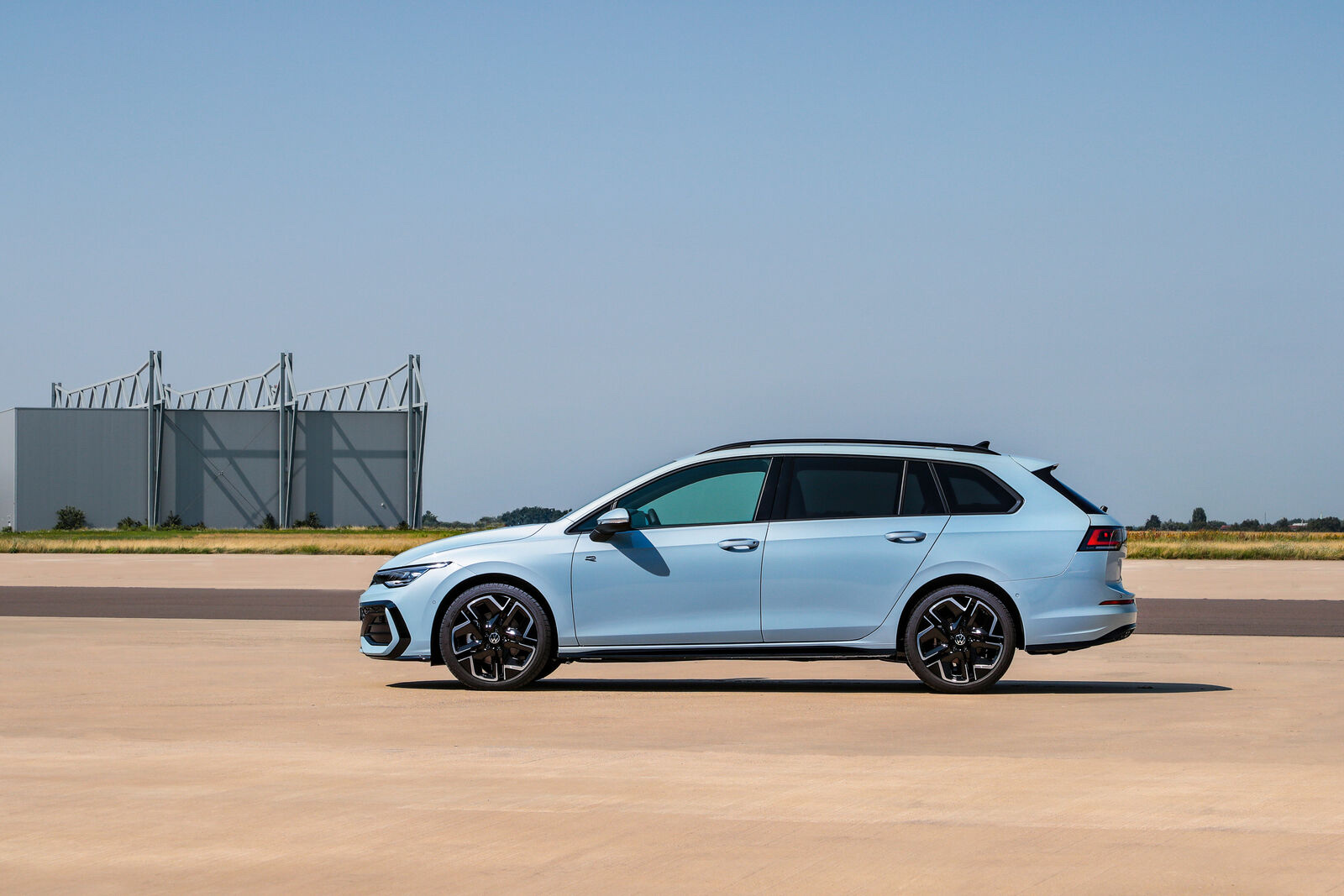
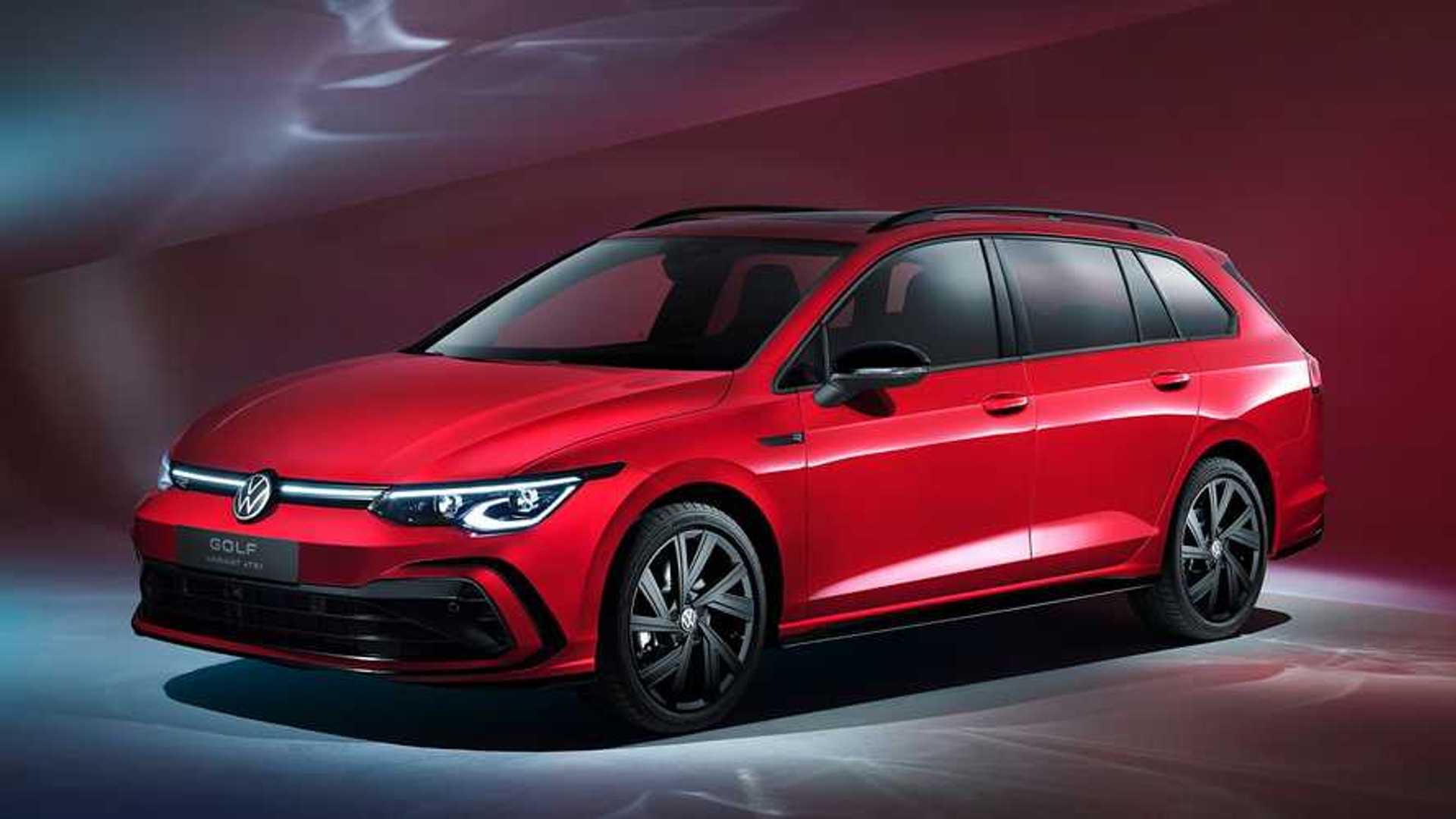
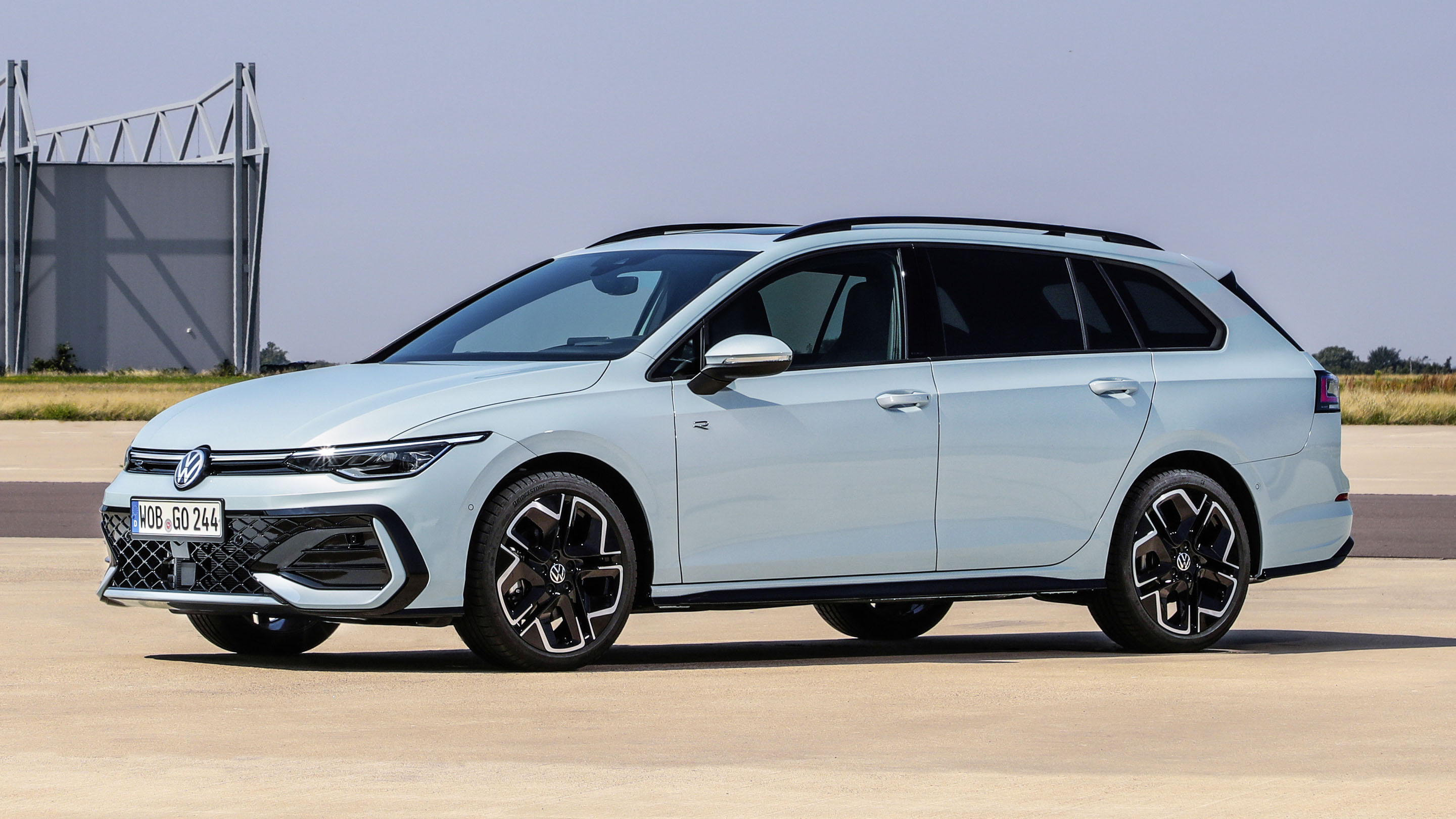
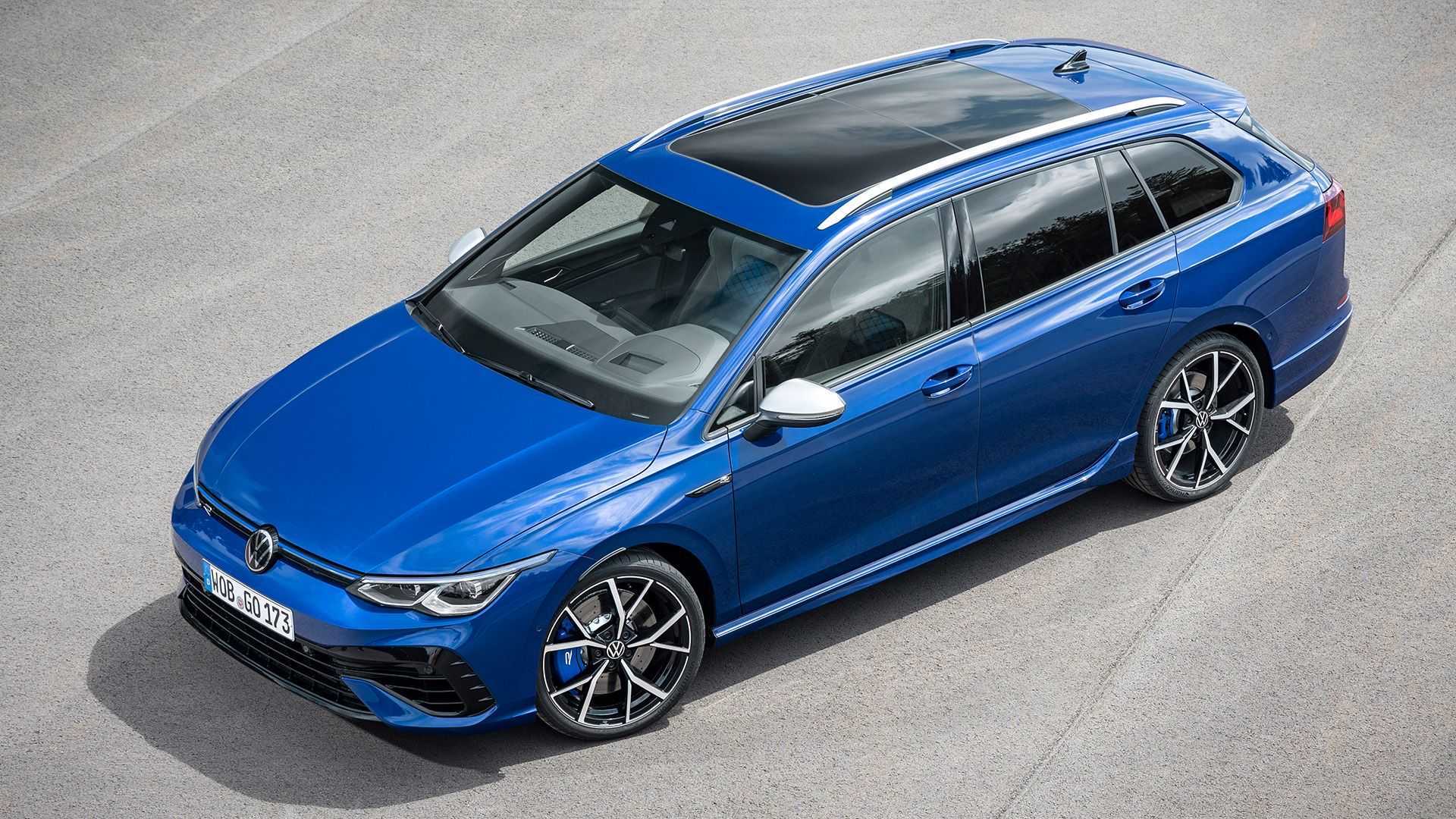
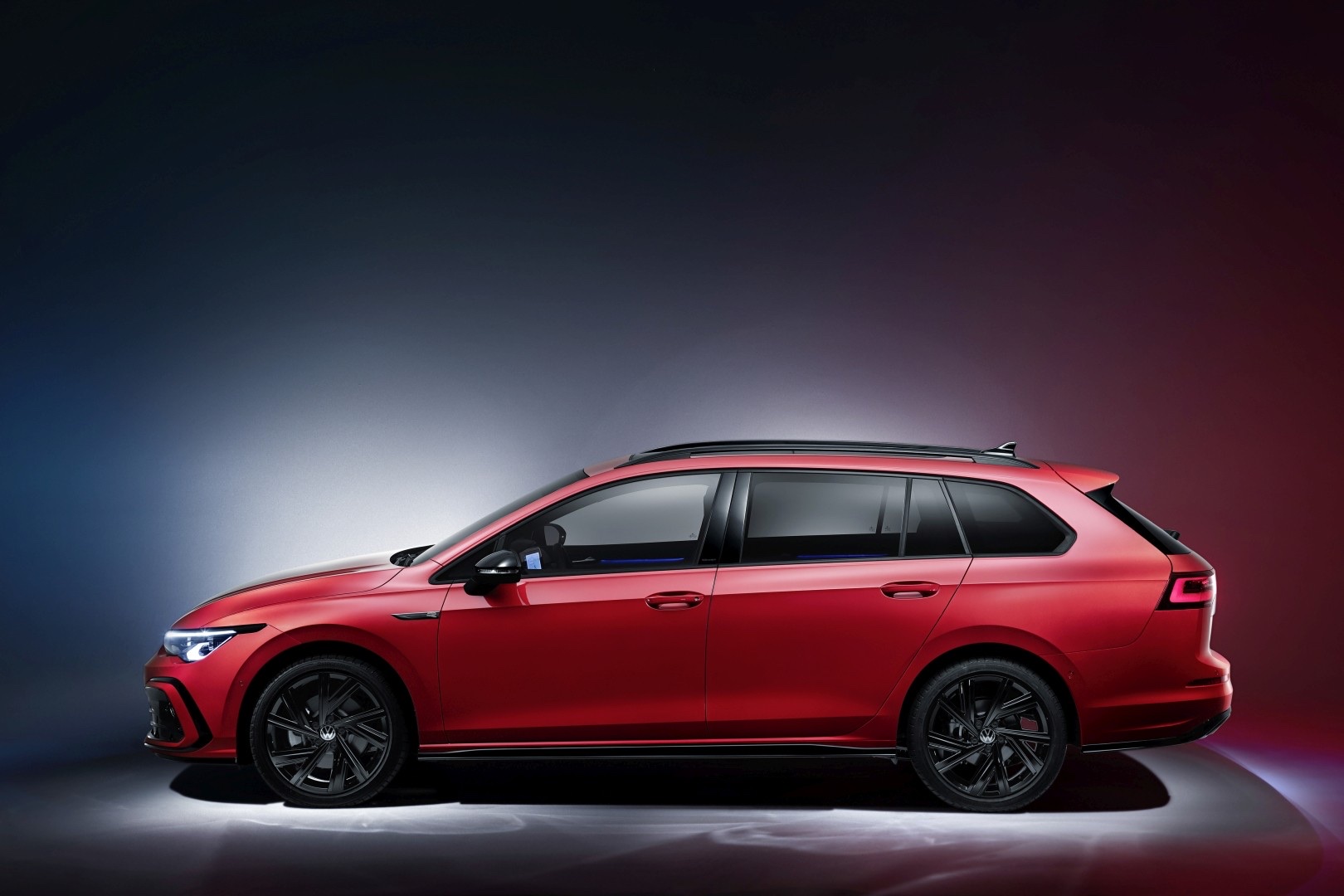
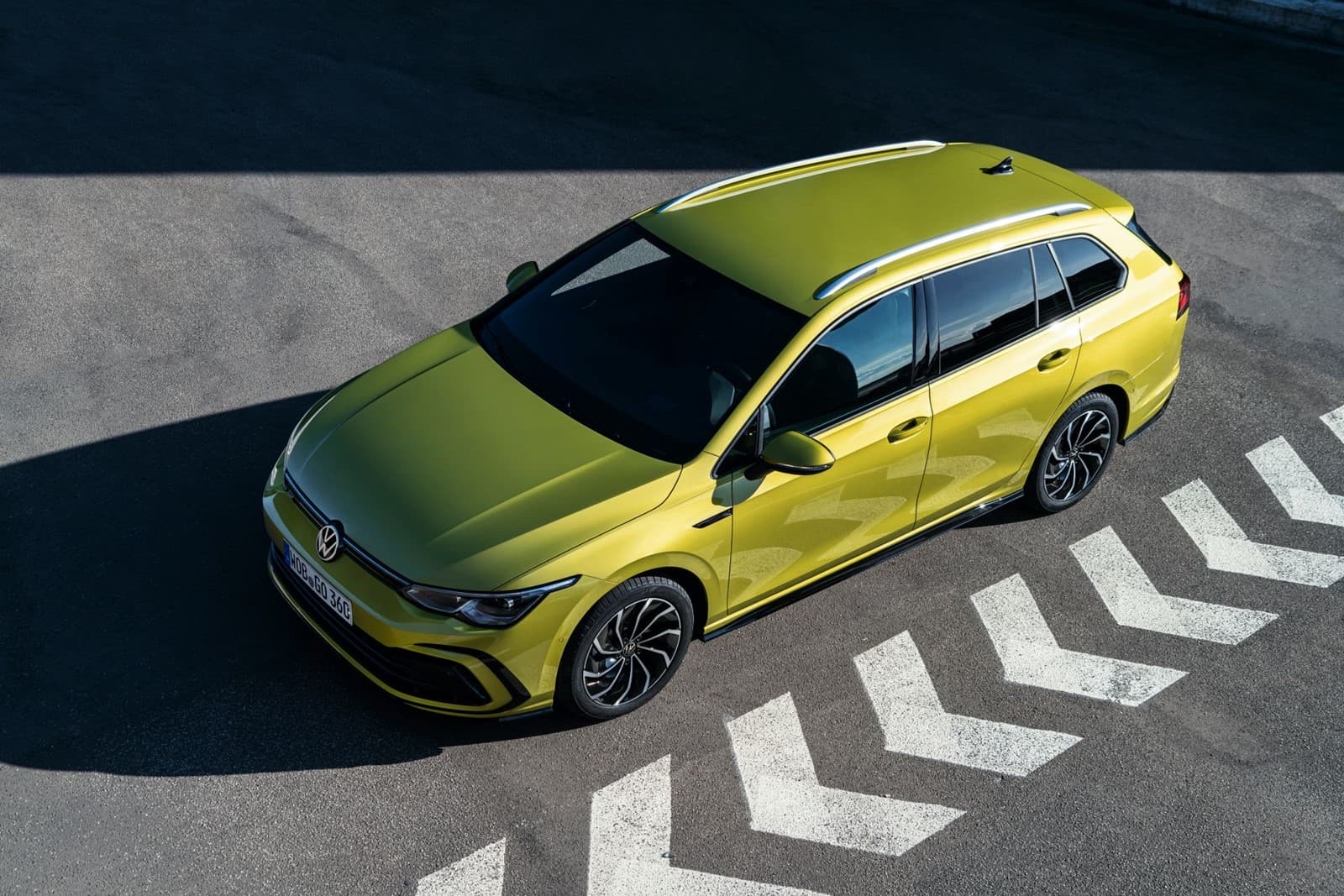
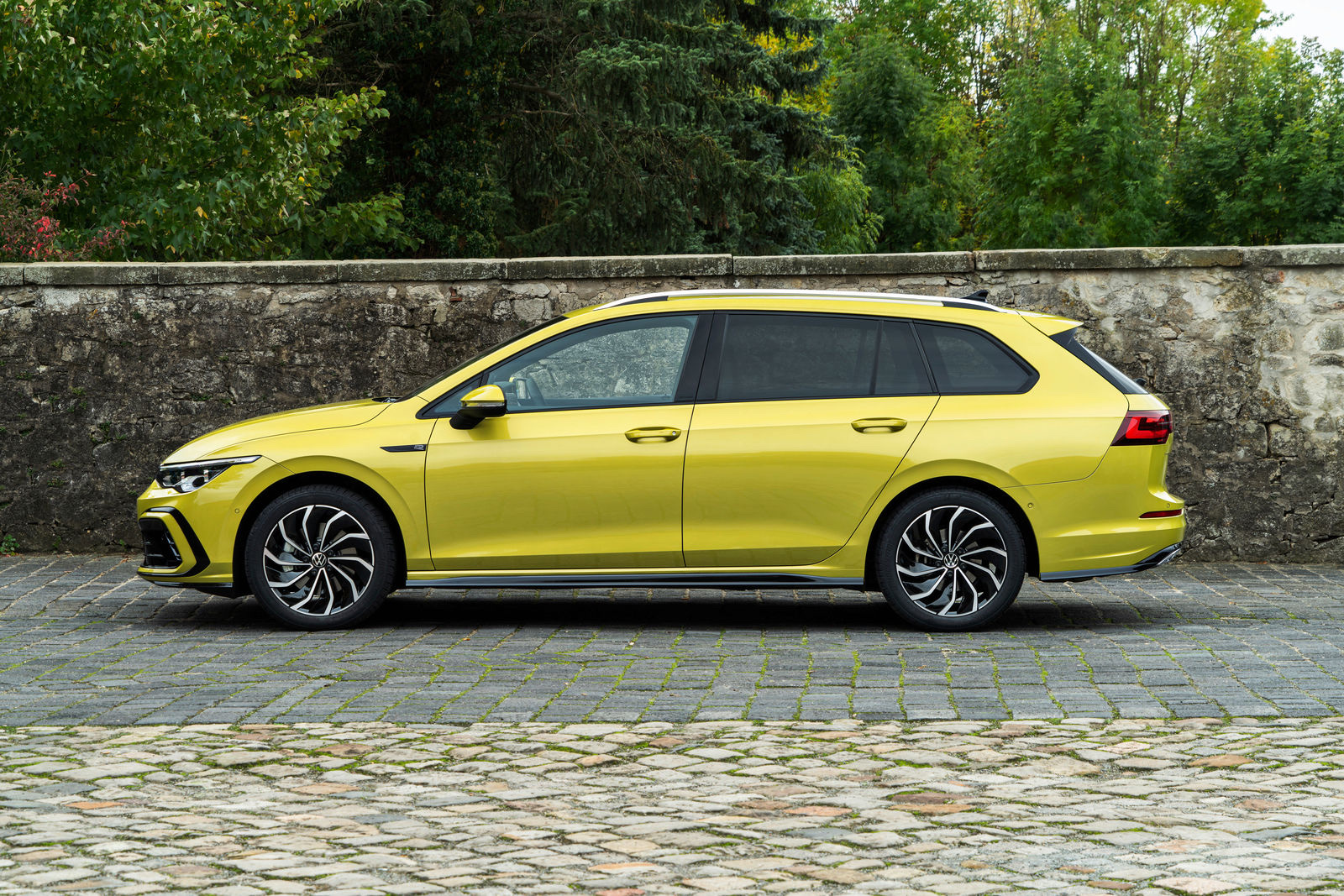
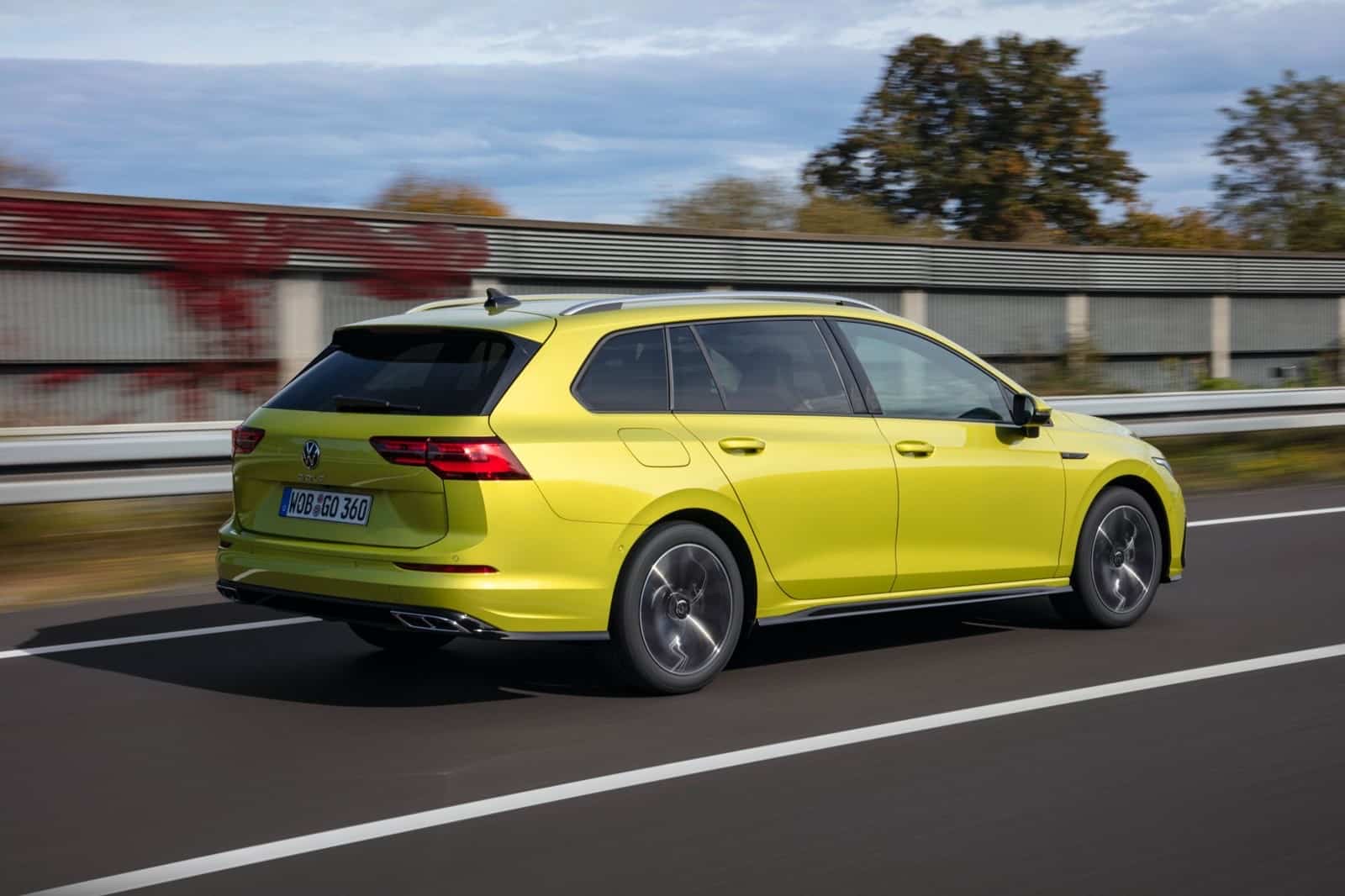
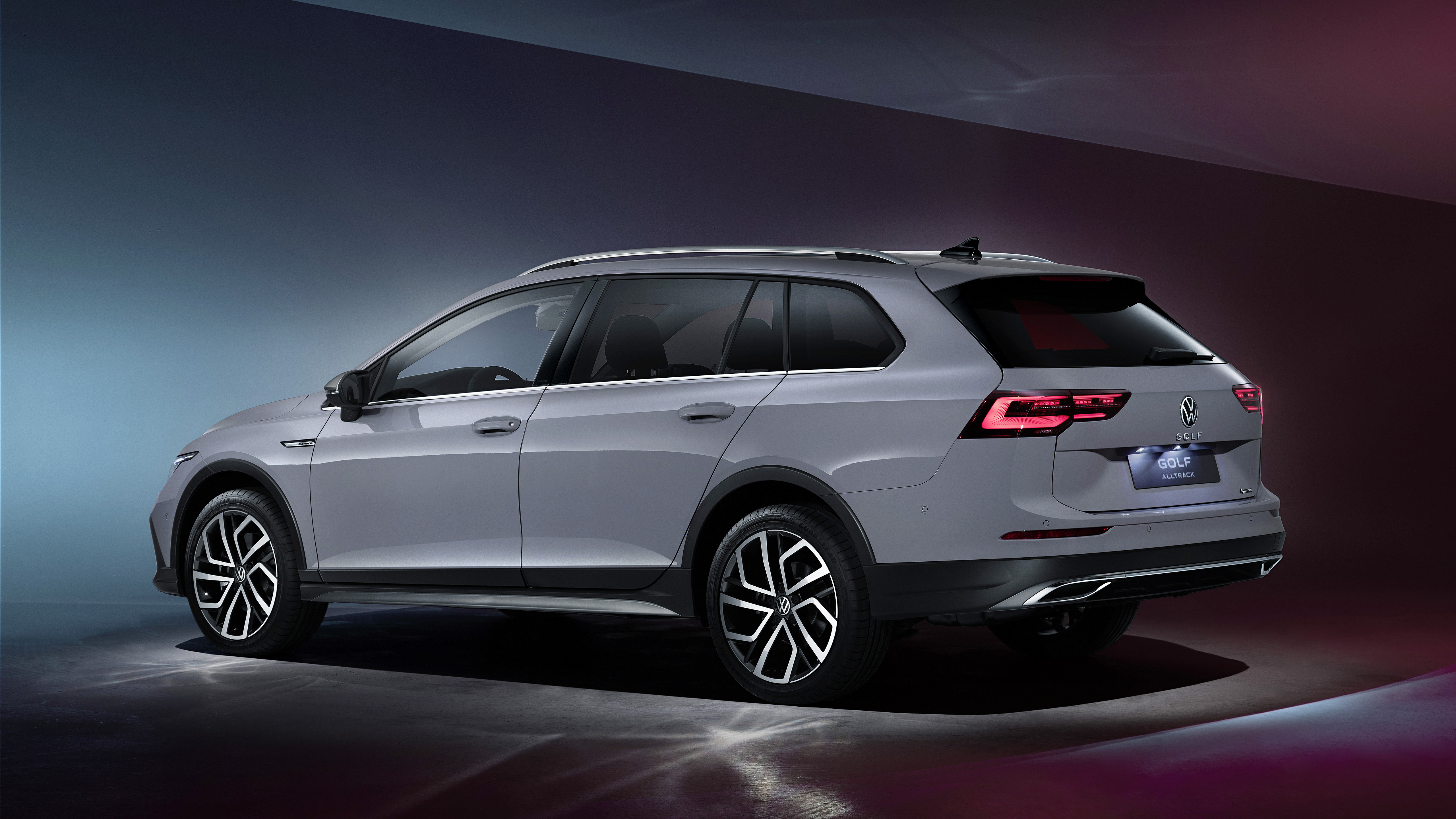
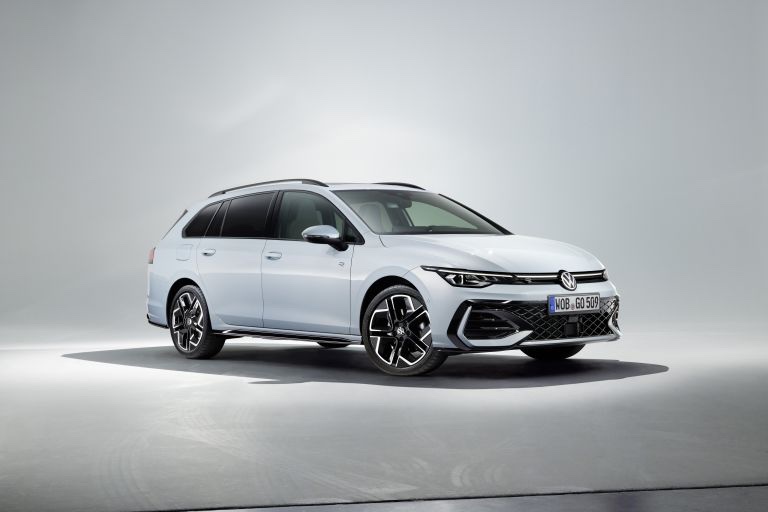
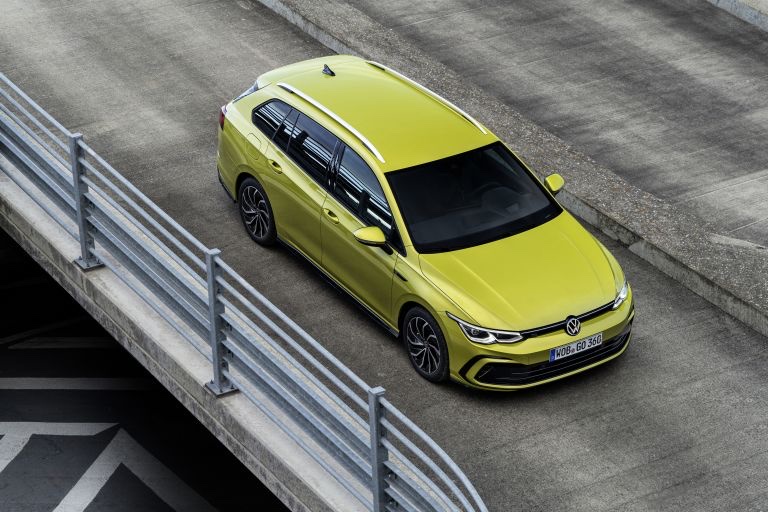
The 2020 Golf Variant features a sleeker, more swept-back profile than its predecessor, aided by a slightly more angled rear window. LED headlamps and tail lamps are standard across all trims, while Volkswagen's matrix IQ.Light system is available as an option. The base models ride on 16-inch wheels, but buyers can opt for 17-inch or 18-inch designs. For a more aggressive appearance, the top-tier R-Line trim adds a unique body kit with sporty styling accents and distinctive wheel designs. The overall design prioritizes aerodynamic efficiency while maintaining the classic, clean lines expected of a Volkswagen wagon.
Interior
Inside, the Golf Variant mirrors the standard hatchback's digital dashboard design. The analog instrument cluster is replaced by a standard 10.25-inch digital display. Infotainment is handled by a central touchscreen, measuring 8.25 inches in the base trim or 10 inches in higher-spec versions, both integrated into a unified display block. The cabin features capacitive touch controls on the steering wheel and a touch-sensitive slider panel for climate adjustments beneath the main screen. Automatic DSG versions replace the traditional gear shift lever with a compact electronic joystick, freeing up center console space. A rear armrest is standard, and a three-zone automatic climate control system is optional.
Performance
The powertrain lineup consists of gasoline and diesel options. The gasoline engines utilize a 48V mild-hybrid setup, featuring a belt-driven starter-generator and a lithium-ion battery. This system allows the engine to shut off and coast under light loads, as seen in the 1.0-liter engine that produces 110 horsepower and 200 Nm of torque. For diesel buyers, the 2.0-liter TDI engine is offered in two outputs: a 115-horsepower variant with 300 Nm of torque and a 150-horsepower variant with 360 Nm of torque. These diesels feature dual-adblue injection and double SCR catalytic converters to minimize emissions. Power is sent to the front wheels via a six-speed manual or a seven-speed DSG automatic transmission.
Practicality
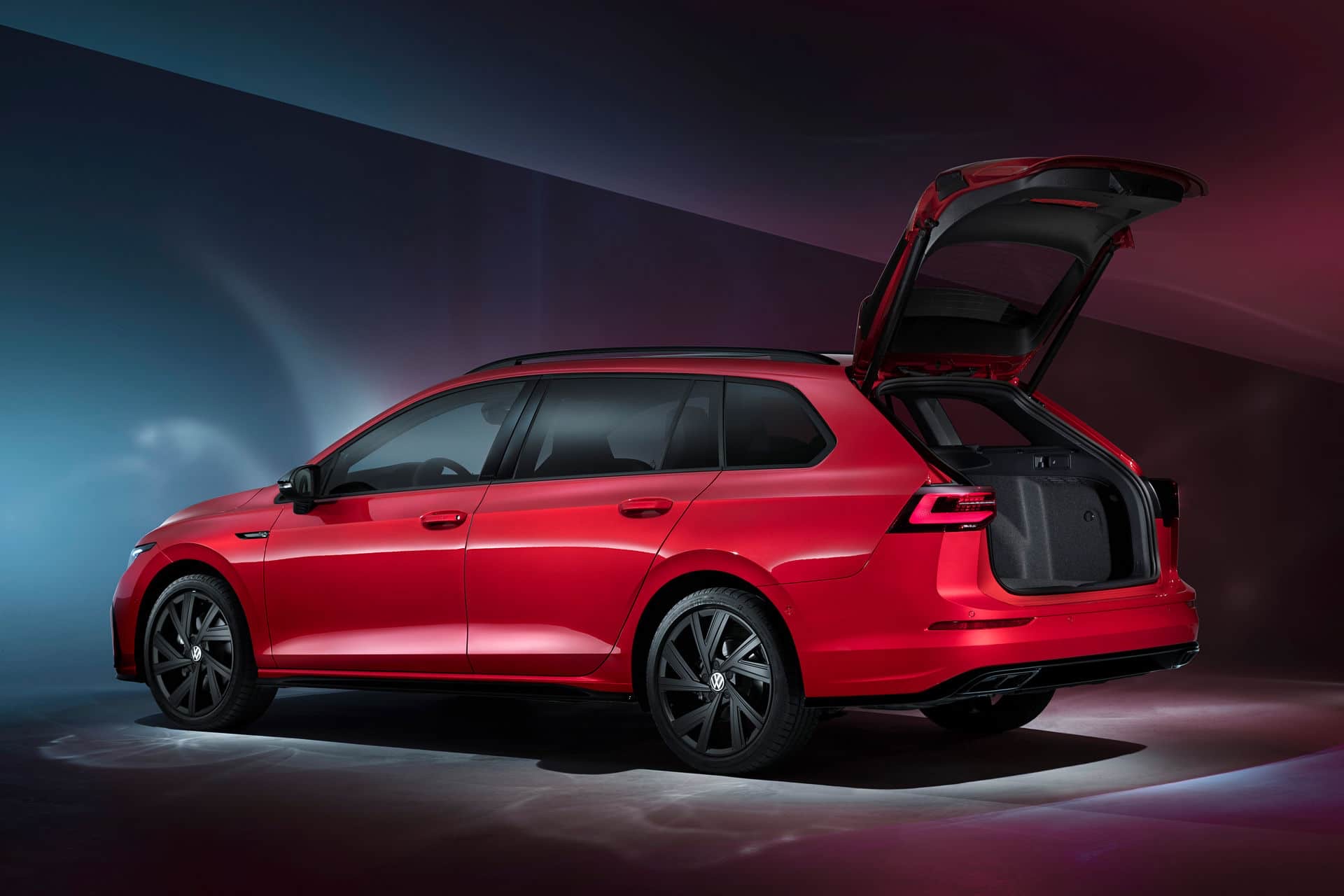
Practicality is the core strength of the Golf Variant. Cargo capacity stands at 611 liters behind the rear seats, which is a slight increase over the previous generation. Folding the 40:60 split-folding rear seats flat creates a flush loading floor and expands cargo space to 1,642 liters. Rear seat passengers benefit from an extra 48 mm of cabin length, translating directly into improved legroom. The low load lip and wide tailgate aperture make loading heavy items easy, making it highly suitable for family road trips and daily hauling duties.
Safety and tech
Standard safety features include the XDS electronic differential lock, which improves cornering traction by braking the inner wheels. Tech upgrades include the Travel Assist system for semi-automated driving, blind-spot monitoring, front and rear parking sensors, and a rearview camera. In-car connectivity is driven by the Discover Media infotainment system, featuring voice control, an integrated eSIM for real-time traffic updates, WeConnect smartphone integration, and European Car2X vehicle-to-vehicle communication. Adaptive DCC dampers, a head-up display, wireless charging, and a 480-watt Harman Kardon premium sound system are available on higher trims.
Buyer notes
When shopping for a 2020 Golf Variant, buyers should consider their daily driving habits. The 1.0-liter mild-hybrid eTSI engine is well-suited for urban environments and daily commutes due to its fuel-saving coasting function. High-mileage highway drivers will likely prefer the 2.0-liter TDI diesel engines, which offer excellent fuel efficiency and strong low-end torque. Buyers should note that transmission choices depend on the engine, with diesels offering manual or DSG options, while mild hybrids come standard with the DSG. Exact equipment packages and trim availability can vary significantly depending on the target market.
Trims and key specifications
Use this table to compare the main differences between available configurations.
| Trim / modification | Engine | Power | Seats | Transmission |
|---|---|---|---|---|
| 2.0 TDI (115 hp) 6-speed manual | 1968 cc | 115 hp | 5 | 6-speed manual |
| 2.0 TDI (150 hp) 7-speed DSG | 1968 cc | 150 hp | 5 | 7-speed dual-clutch |
| 1.0 TSI (110 hp) 7-speed DSG | 999 cc | 110 hp | 5 | 7-speed dual-clutch |
Specifications can vary by market, model year, and equipment package. Use the trim sections below to review the full data for each configuration.
Volkswagen Golf Variant photo gallery
18 images are collected here with the main specifications and trim data for this model.
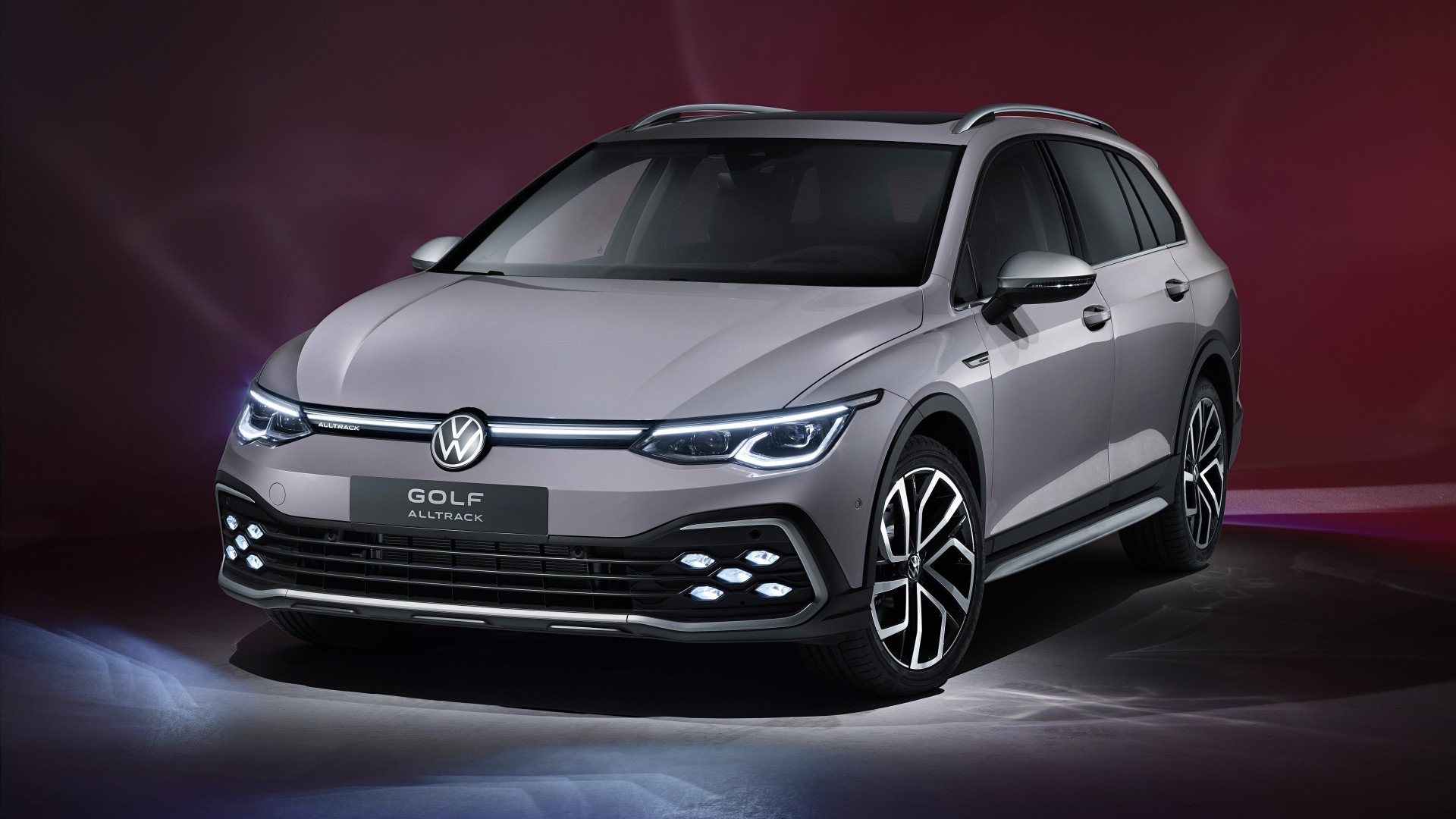
Photo Volkswagen Golf Variant
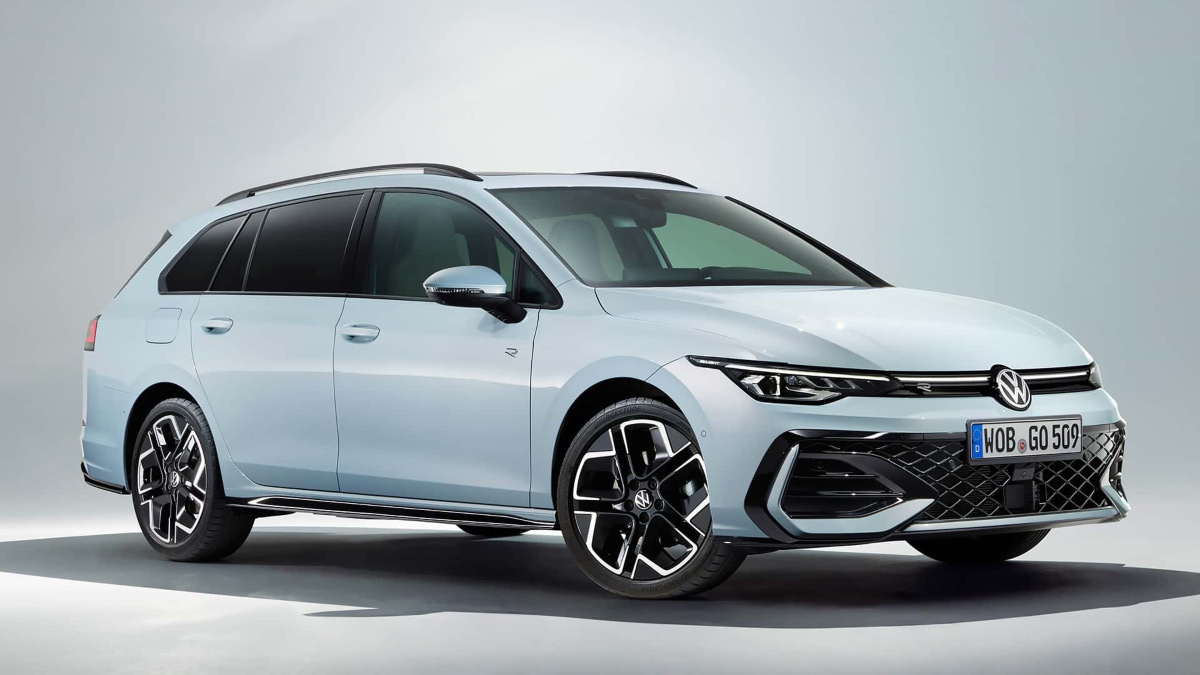
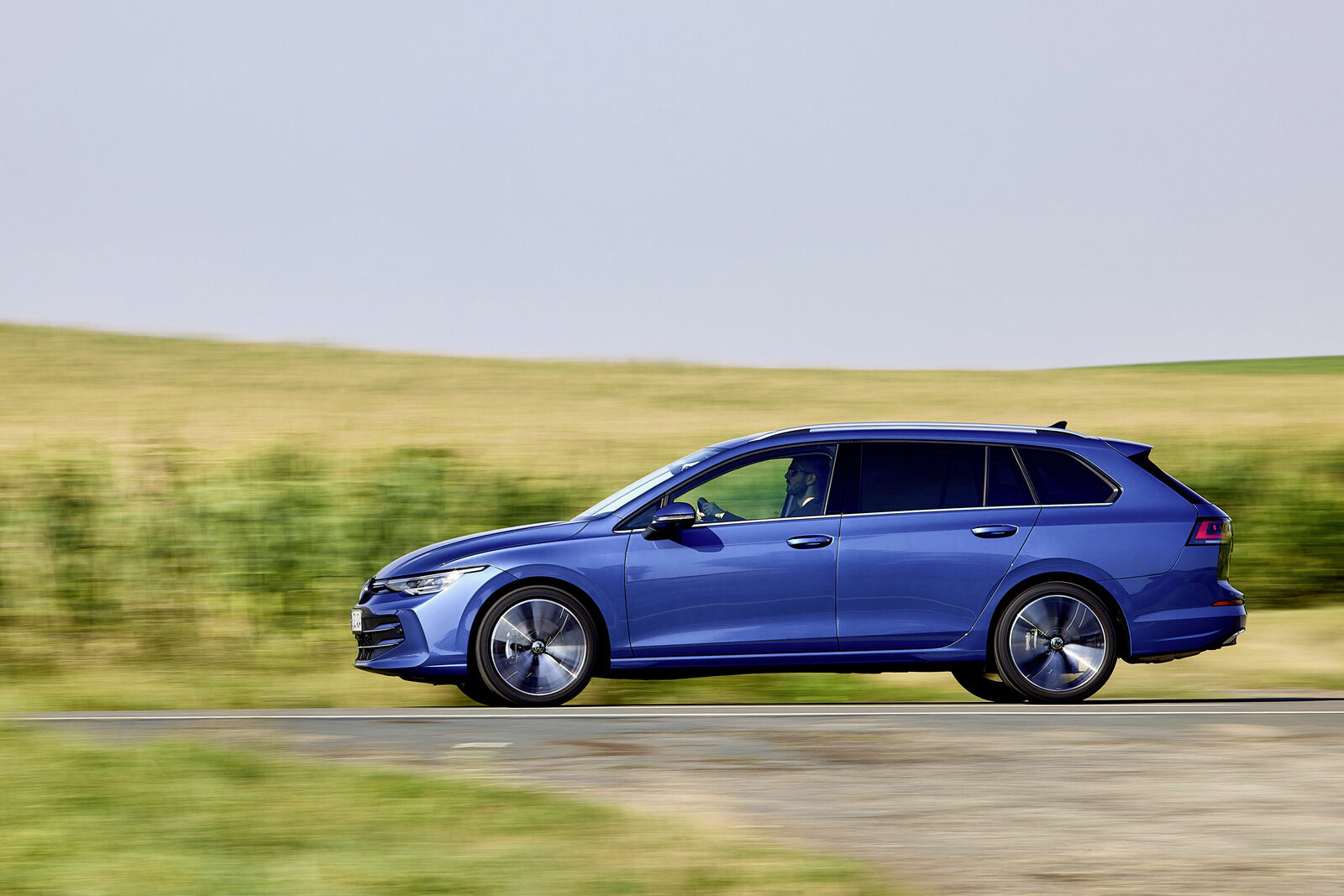
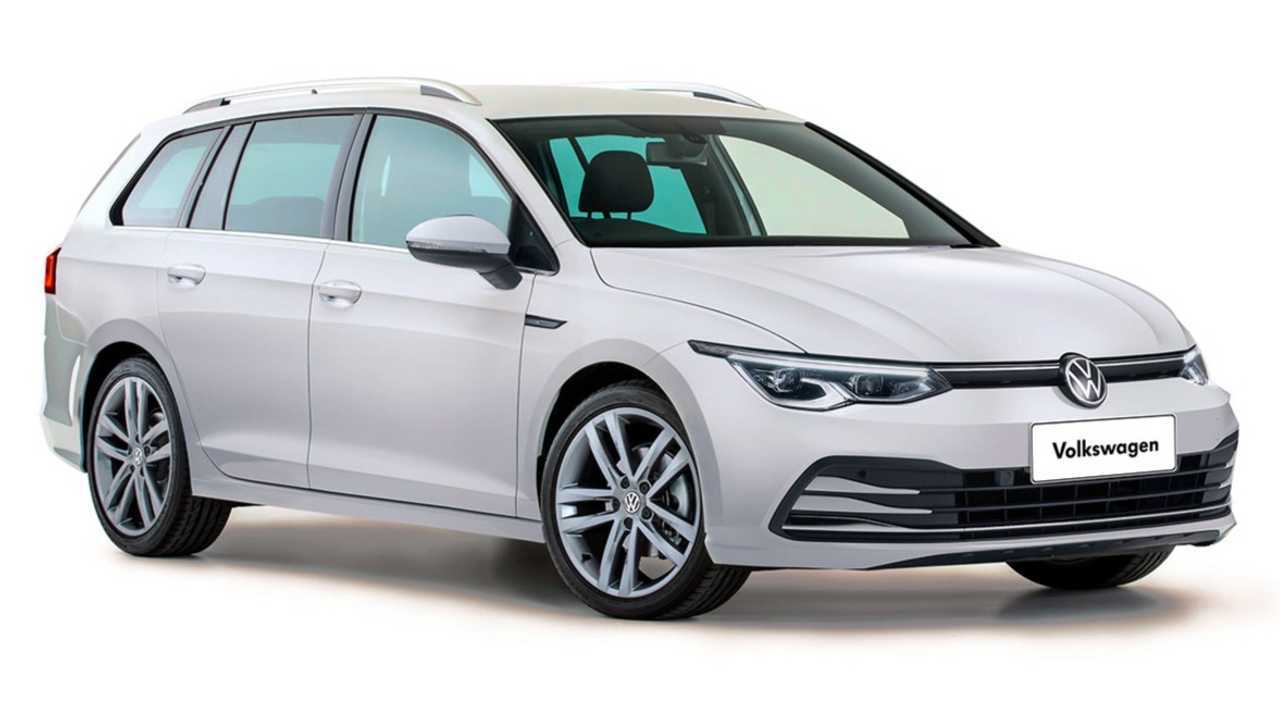
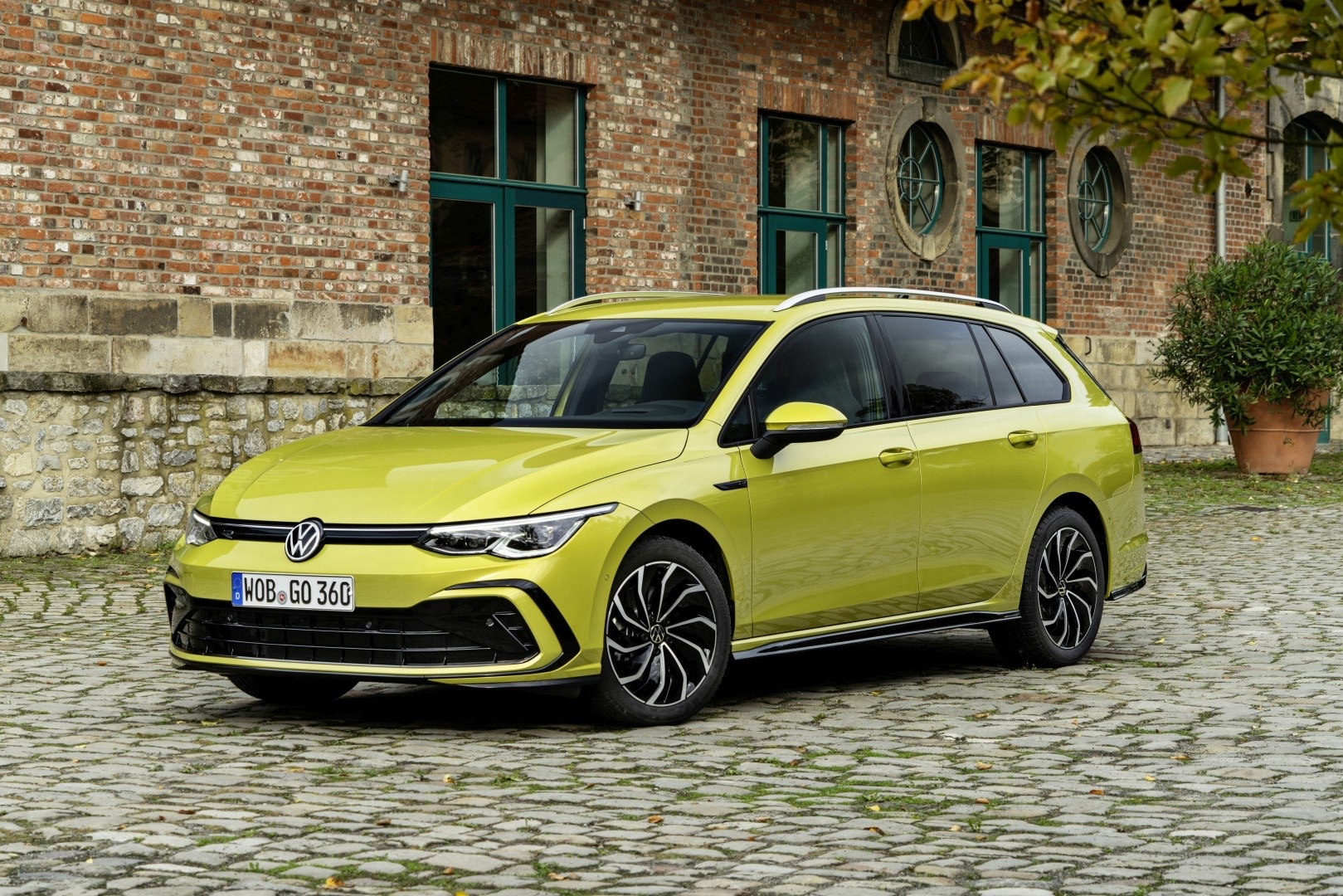
Specifications by trim
Choose a configuration below to open full technical data grouped by category.
2.0 TDI (115 hp) 6-speed manual 33 specifications
Specifications
Performance and consumption
| Fuel consumption city, L/100 km | 5 |
|---|---|
| Fuel consumption highway, L/100 km | 3.2 |
| Fuel consumption combined, L/100 km | 3.9 |
| Top speed, km/h | 202 |
| Acceleration 0-100 km/h, s | 10.5 |
| Emissions standard | Euro VI |
Engine
| Engine | 2.0 TDI |
|---|---|
| Engine code | EA288 |
| Engine type | Internal combustion engine |
| Fuel type | Diesel |
| Engine displacement, cc | 1968 |
| Cylinder layout | Inline |
| Number of cylinders | 4 |
| Valves | 16 |
| Turbocharger | + |
| Power, hp | 115 |
| Torque, Nm | 300 |
| RPM at max torque | 1600-2500 |
Dimensions
| Seats | 5 |
|---|---|
| Length, mm | 4633 |
| Height, mm | 1498 |
| Wheelbase, mm | 2669 |
| Front track, mm | 1533 |
| Rear track, mm | 1503 |
| Kerb weight, kg | 1447 |
| Gross weight, kg | 2000 |
| Fuel tank capacity, L | 45 |
| Width without mirrors, mm | 1789 |
| Trunk capacity, L | 611 |
Transmission and drive
| Transmission | 6-speed manual |
|---|---|
| Transmission type | manual |
| Drive | Front-wheel drive |
| Number of gears | 6 |
2.0 TDI (150 hp) 7-speed DSG 34 specifications
Specifications
Performance and consumption
| Fuel consumption city, L/100 km | 4.7 |
|---|---|
| Fuel consumption highway, L/100 km | 3.5 |
| Fuel consumption combined, L/100 km | 4 |
| Top speed, km/h | 223 |
| Acceleration 0-100 km/h, s | 8.7 |
| Emissions standard | Euro VI |
Engine
| Engine | 2.0 TDI |
|---|---|
| Engine code | EA288 |
| Engine type | Internal combustion engine |
| Fuel type | Diesel |
| Engine displacement, cc | 1968 |
| Cylinder layout | Inline |
| Number of cylinders | 4 |
| Valves | 16 |
| Turbocharger | + |
| Power, hp | 150 |
| Torque, Nm | 360 |
Dimensions
| Seats | 5 |
|---|---|
| Length, mm | 4633 |
| Height, mm | 1498 |
| Wheelbase, mm | 2669 |
| Front track, mm | 1533 |
| Rear track, mm | 1503 |
| Kerb weight, kg | 1447 |
| Gross weight, kg | 2000 |
| Fuel tank capacity, L | 45 |
| Width without mirrors, mm | 1789 |
| Trunk capacity, L | 611 |
Transmission and drive
| Transmission | 7-speed dual-clutch |
|---|---|
| Transmission type | 2-speed automated manual |
| Drive | Front-wheel drive |
| Number of gears | 7 |
| Transmission manufacturer | BorgWarner |
| Automatic transmission | + |
1.0 TSI (110 hp) 7-speed DSG 37 specifications
Specifications
Performance and consumption
| Fuel consumption city, L/100 km | 5.1 |
|---|---|
| Fuel consumption highway, L/100 km | 3.8 |
| Fuel consumption combined, L/100 km | 4.3 |
| Top speed, km/h | 202 |
| Acceleration 0-100 km/h, s | 10.6 |
| Emissions standard | Euro VI |
Engine
| Engine | 1.0 TSI |
|---|---|
| Engine code | CHZC (EA211) |
| Engine type | Internal combustion engine |
| Fuel type | Gasoline |
| Engine displacement, cc | 999 |
| Cylinder layout | Inline |
| Number of cylinders | 3 |
| Valves | 12 |
| Turbocharger | + |
| Compression ratio | 10.5:1 |
| Power, hp | 110 |
| RPM at max power | 5000-5500 |
| Torque, Nm | 200 |
| RPM at max torque | 2000-3500 |
Dimensions
| Seats | 5 |
|---|---|
| Length, mm | 4633 |
| Height, mm | 1498 |
| Wheelbase, mm | 2669 |
| Front track, mm | 1533 |
| Rear track, mm | 1503 |
| Kerb weight, kg | 1447 |
| Gross weight, kg | 2000 |
| Fuel tank capacity, L | 45 |
| Width without mirrors, mm | 1789 |
| Trunk capacity, L | 611 |
Transmission and drive
| Transmission | 7-speed dual-clutch |
|---|---|
| Transmission type | 2-speed automated manual |
| Drive | Front-wheel drive |
| Number of gears | 7 |
| Transmission manufacturer | BorgWarner |
| Automatic transmission | + |
Volkswagen Golf Variant questions
Short answers based on the specifications and photos available in this catalog.
How much cargo space does the 2020 Volkswagen Golf Variant have?
The wagon offers 611 liters of cargo volume with the rear seats in place. Folding down the 40:60 split-folding rear seats creates a flat load floor and increases the capacity to 1,642 liters.
What engines are available for the 2020 Golf Variant?
Buyers can choose between a 1.0-liter mild-hybrid gasoline engine producing 110 horsepower and a 2.0-liter TDI diesel engine. The diesel engine is available in two output levels, offering either 115 horsepower or 150 horsepower.
Does the 2020 Golf Variant come with an automatic transmission?
Yes, a seven-speed DSG automatic transmission is available. It is standard on the mild-hybrid gasoline models and offered as an option alongside a six-speed manual on the diesel models.
What is the difference between the Golf Variant and the standard Golf?
The Golf Variant is a wagon that features a longer body and wheelbase compared to the standard hatchback. This design change provides extra rear legroom and significantly more cargo space.
What safety and technology features are available on this model?
Standard equipment includes the XDS electronic differential lock. Optional driver assistance systems include the Travel Assist semi-autonomous driving system, blind-spot monitoring, and adaptive DCC dampers.