Volkswagen Taigo specifications and photos
The 2021 Volkswagen Taigo is a subcompact, coupe-styled crossover built on the brand's MQB-A0 platform. Sharing its DNA with the Polo and T-Cross, it offers a sporty silhouette paired with practical front-wheel-drive dynamics. It serves as a modern entry-level utility vehicle for buyers seeking a distinct look and updated safety tech.
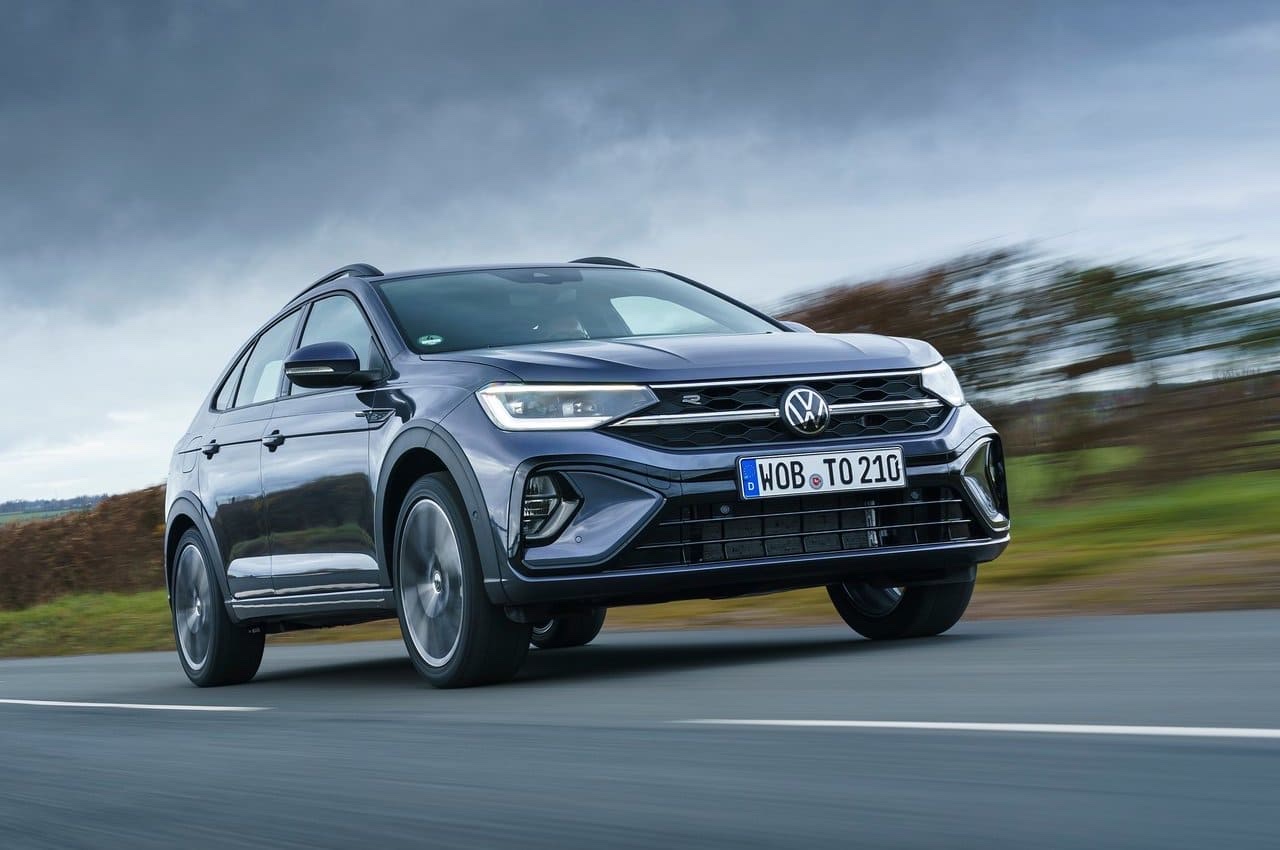
Volkswagen Taigo at a glance
Quick model context before comparing photos and trim-level specifications.
Introduced in 2021, the Volkswagen Taigo marks the brand's entry into the subcompact coupe-crossover segment. Based on the flexible MQB-A0 platform, which also underpins the Polo hatchback and the T-Cross SUV, the Taigo is longer but lower than the T-Cross. It measures 4,266 mm in length and stands at 1,515 mm, giving it a sleeker, more swept-back profile. Designed to appeal to urban buyers looking for a combination of style and daily usability, this front-wheel-drive crossover features classic Volkswagen design cues like a horizontal front grille bar and a prominent character line stretching along the side. The vehicle is positioned as a sporty alternative within the B-segment SUV lineup, offering a selection of efficient turbocharged petrol engines and modern onboard technology.
- Power: 95-150 hp
- Engine displacement: 999-1498 cc
- Transmissions: 5-speed manual, 7-speed dual-clutch, 6-speed manual
- Seating: 5 seats
Photos, trims and specifications for Volkswagen Taigo
This model page brings gallery images, trim comparison, and detailed technical data together for the 2021 generation.
Estimate fuel cost
Use trim-level fuel consumption data to estimate monthly and yearly fuel spending.
Fuel costs are estimates. Real consumption can change with driving style, traffic, tires, weather, load, and market-specific equipment.
Volkswagen Taigo overview
Editorial context for design, cabin, performance, practicality, and buyer notes.
Design
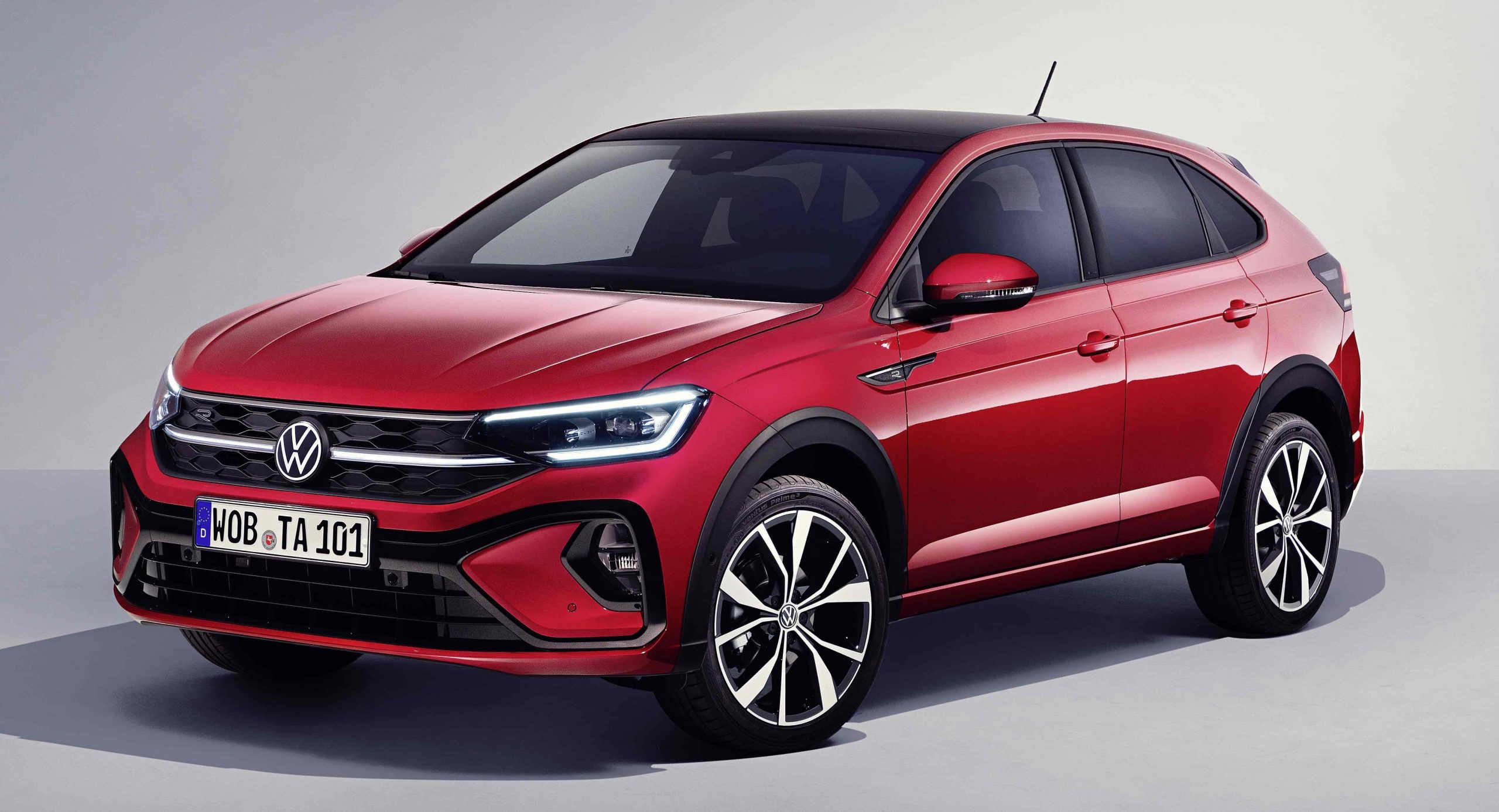
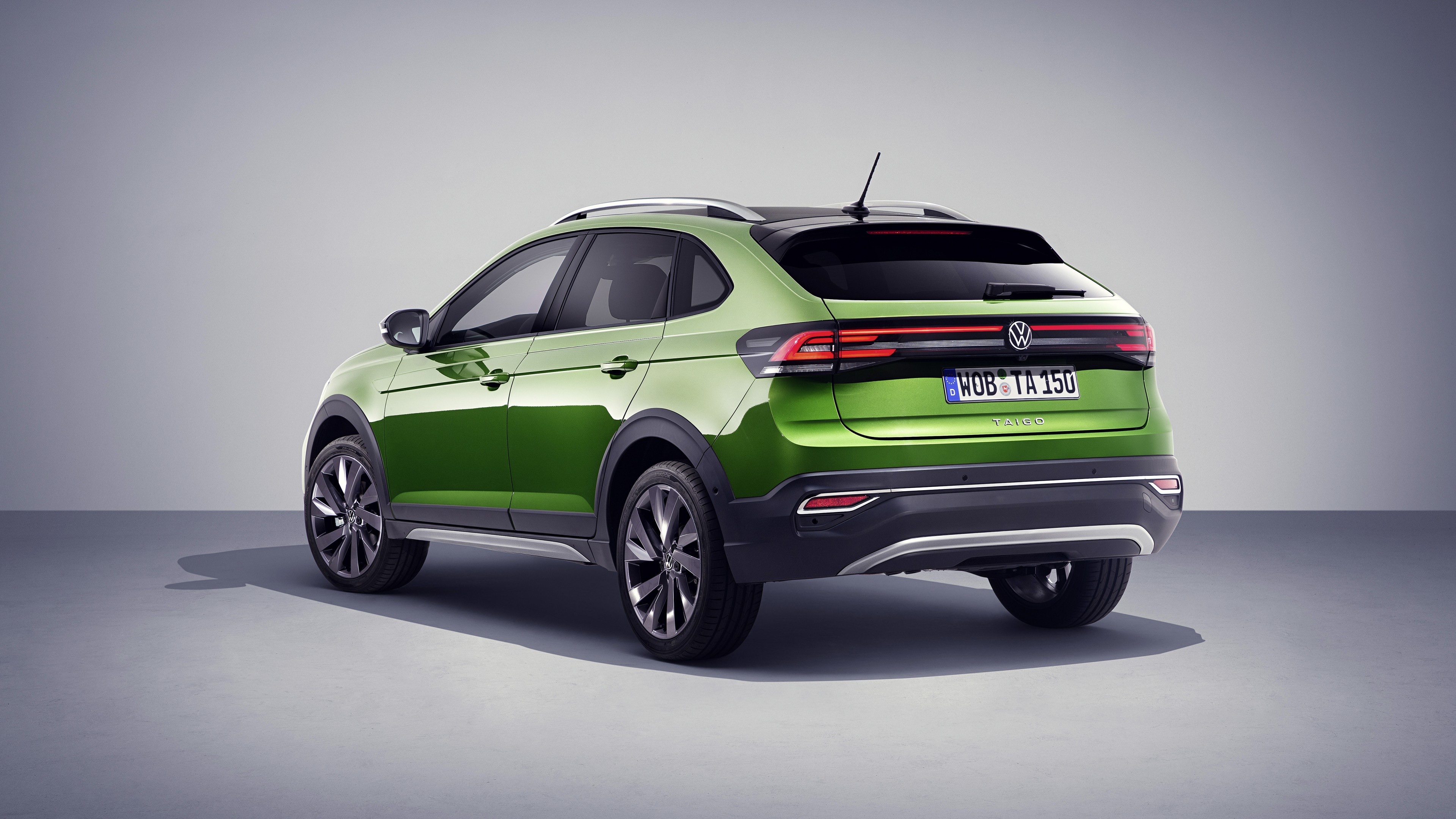
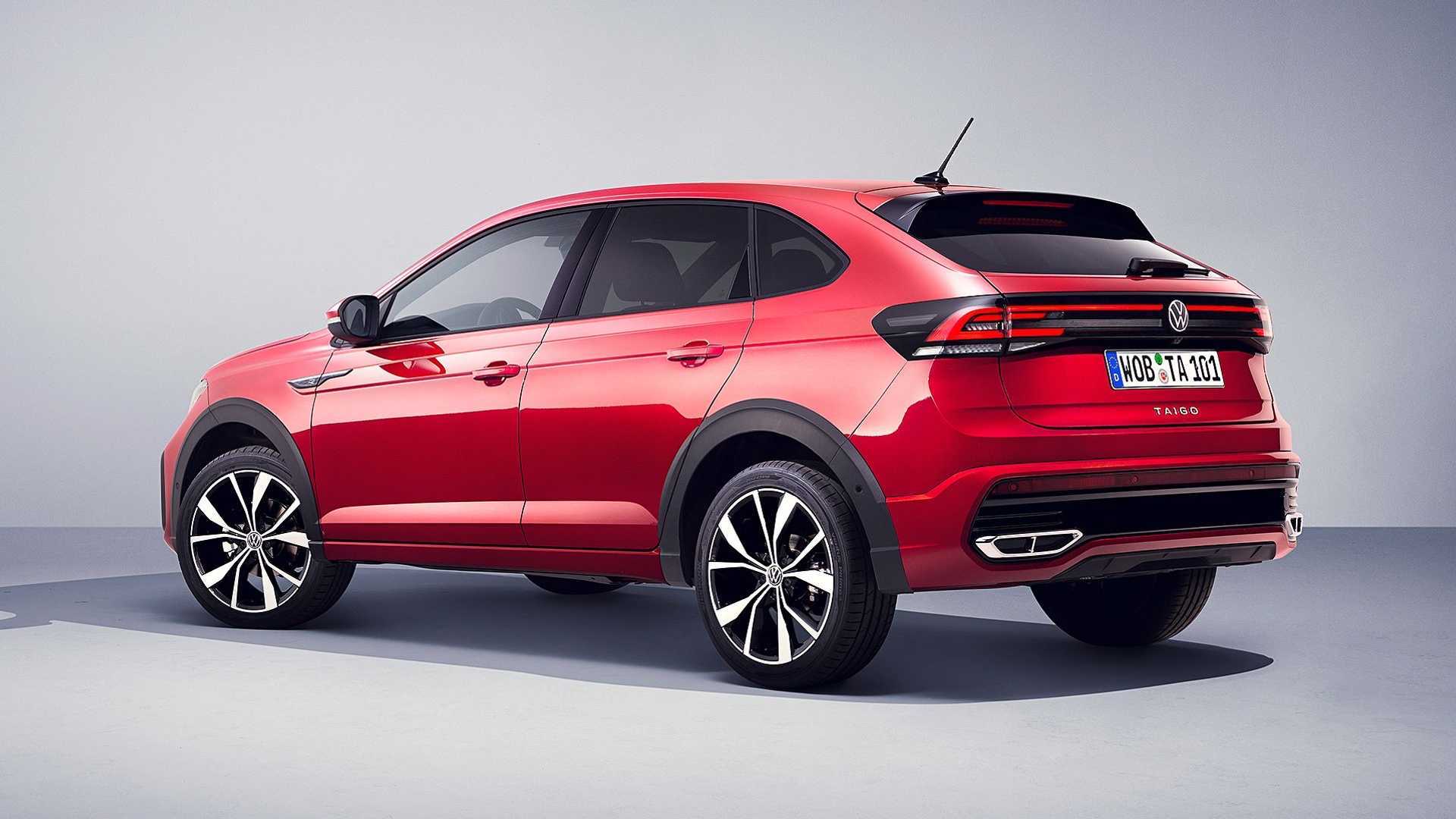
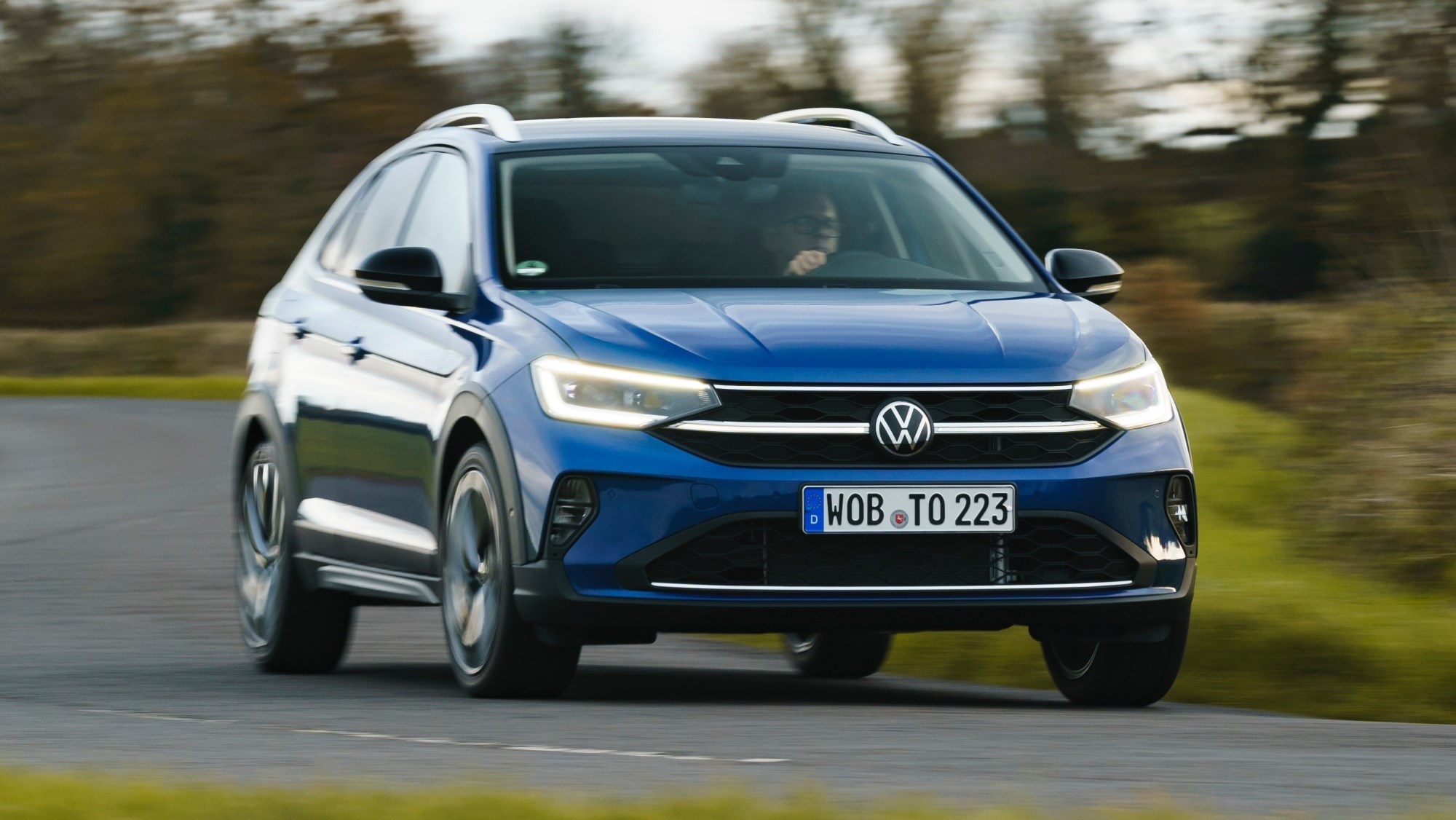
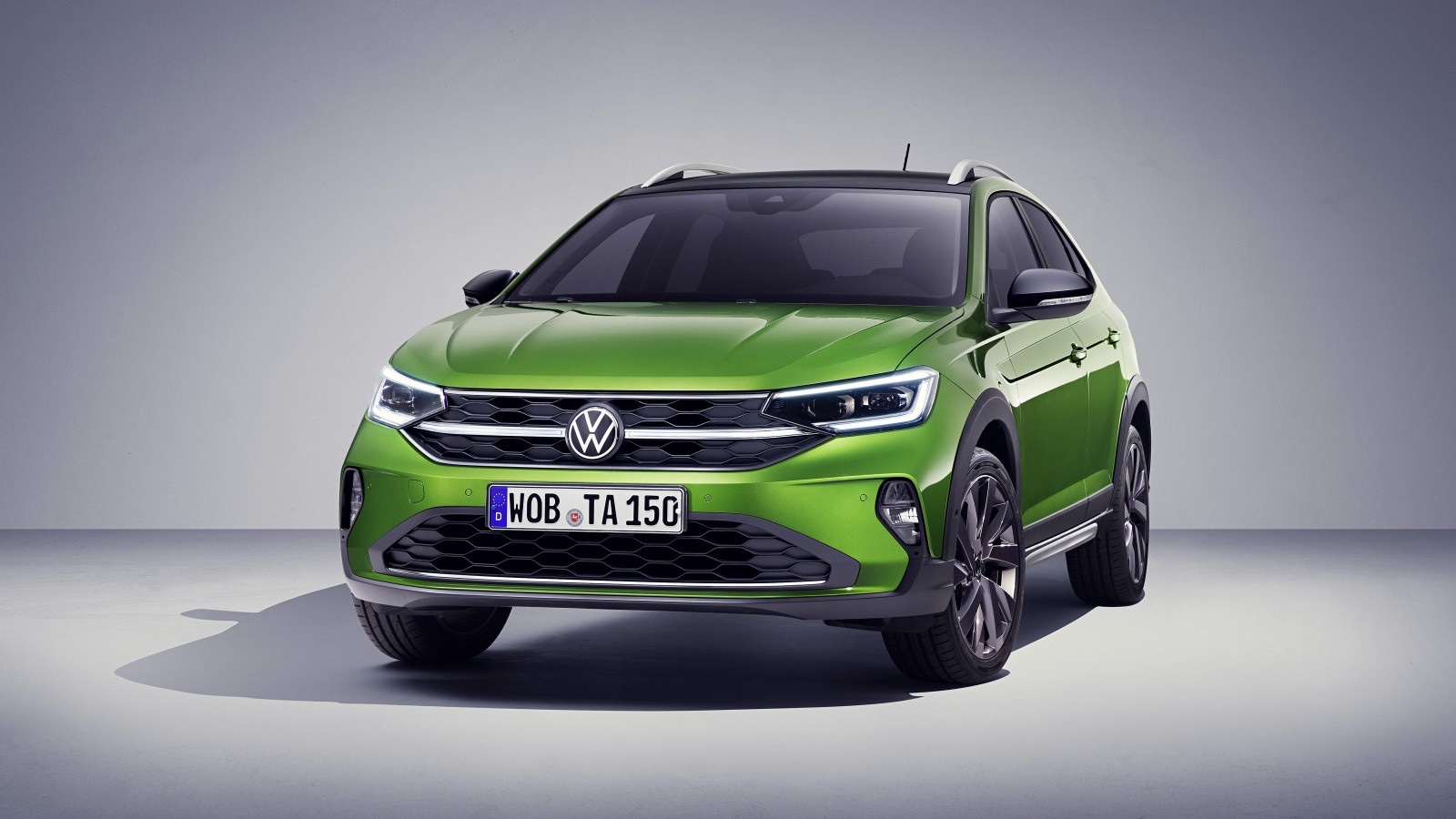
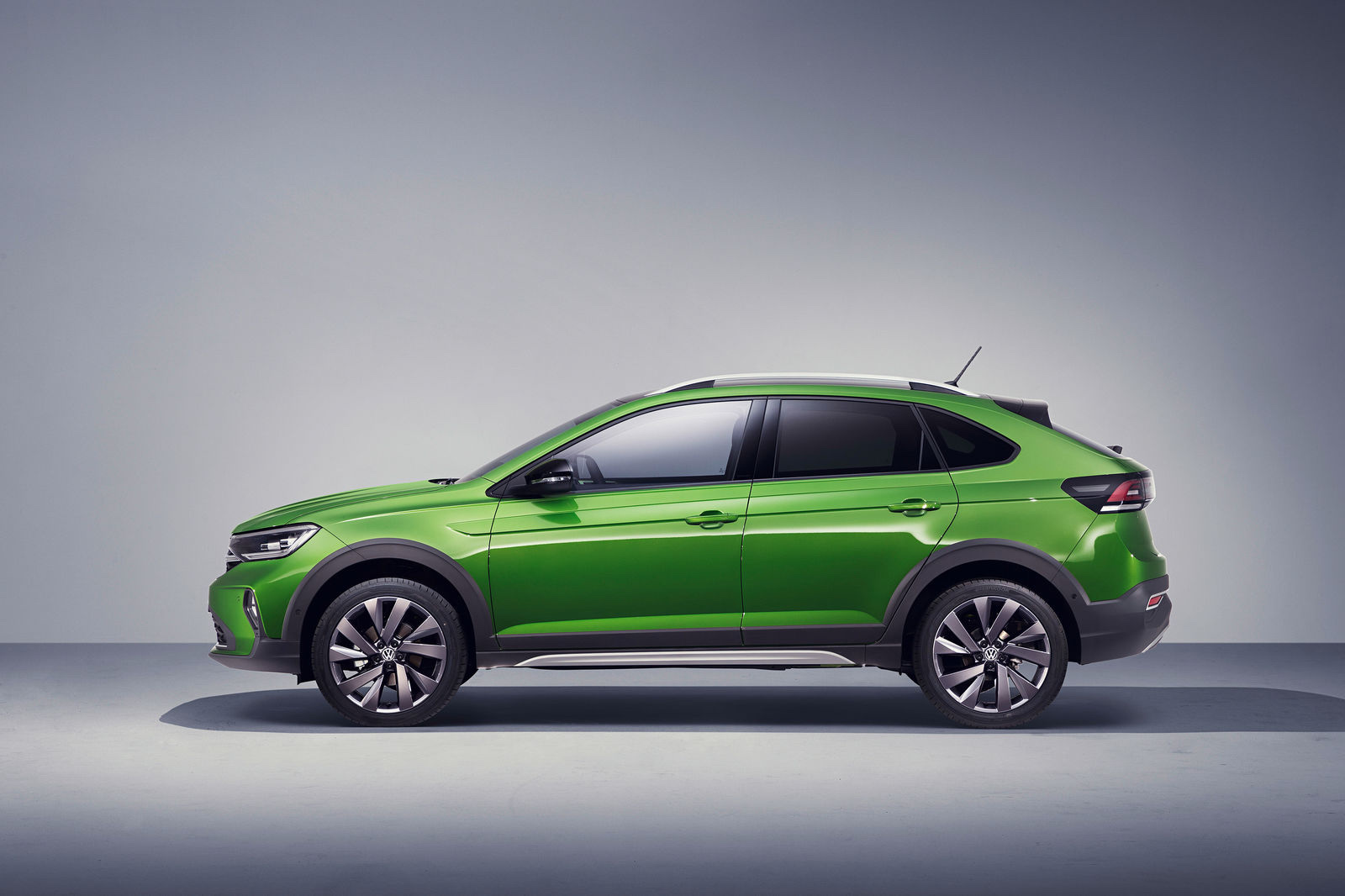
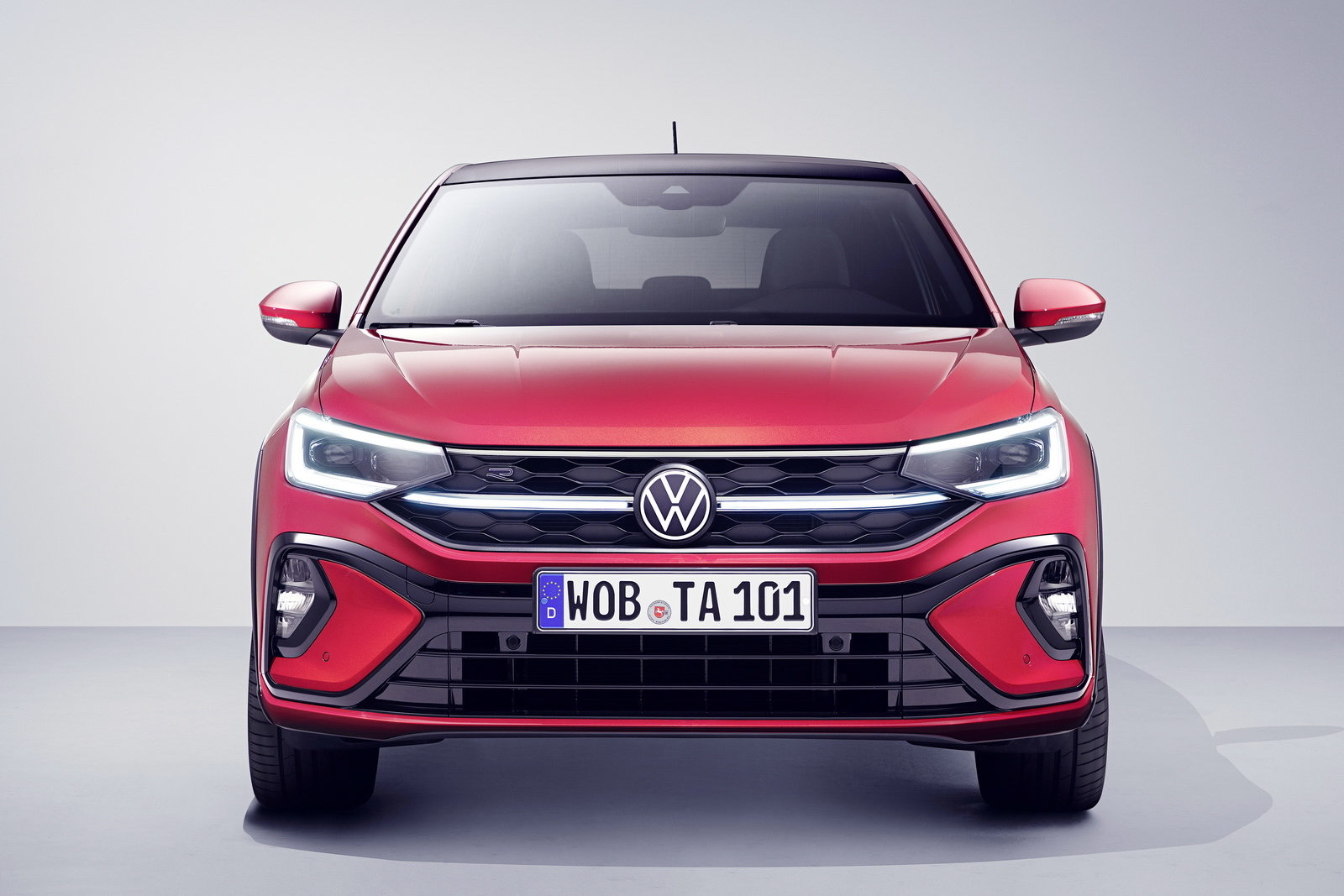
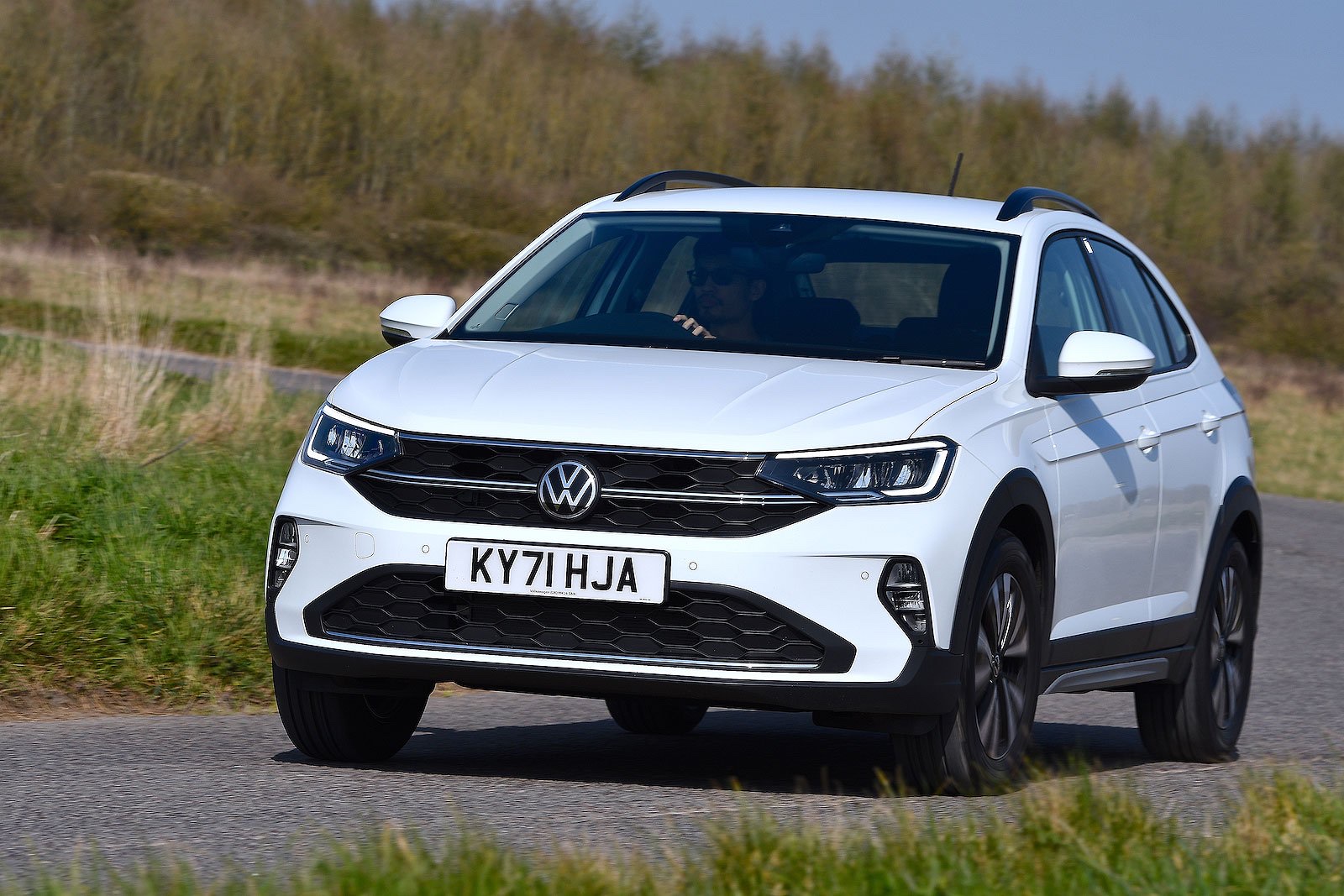
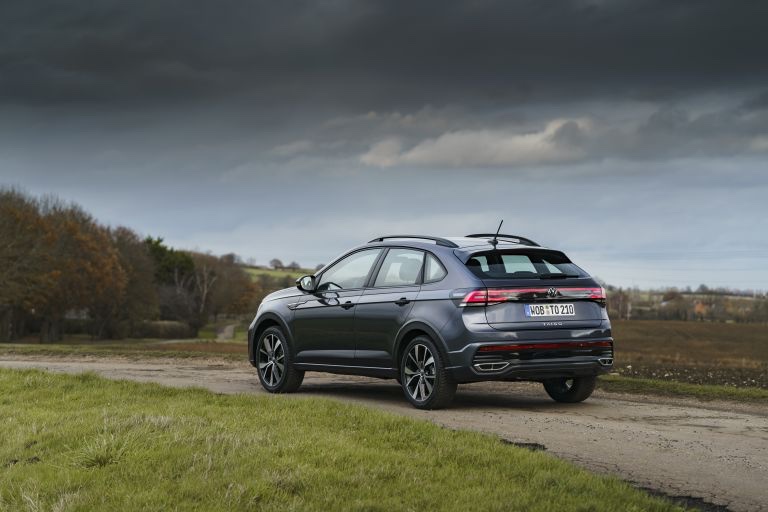
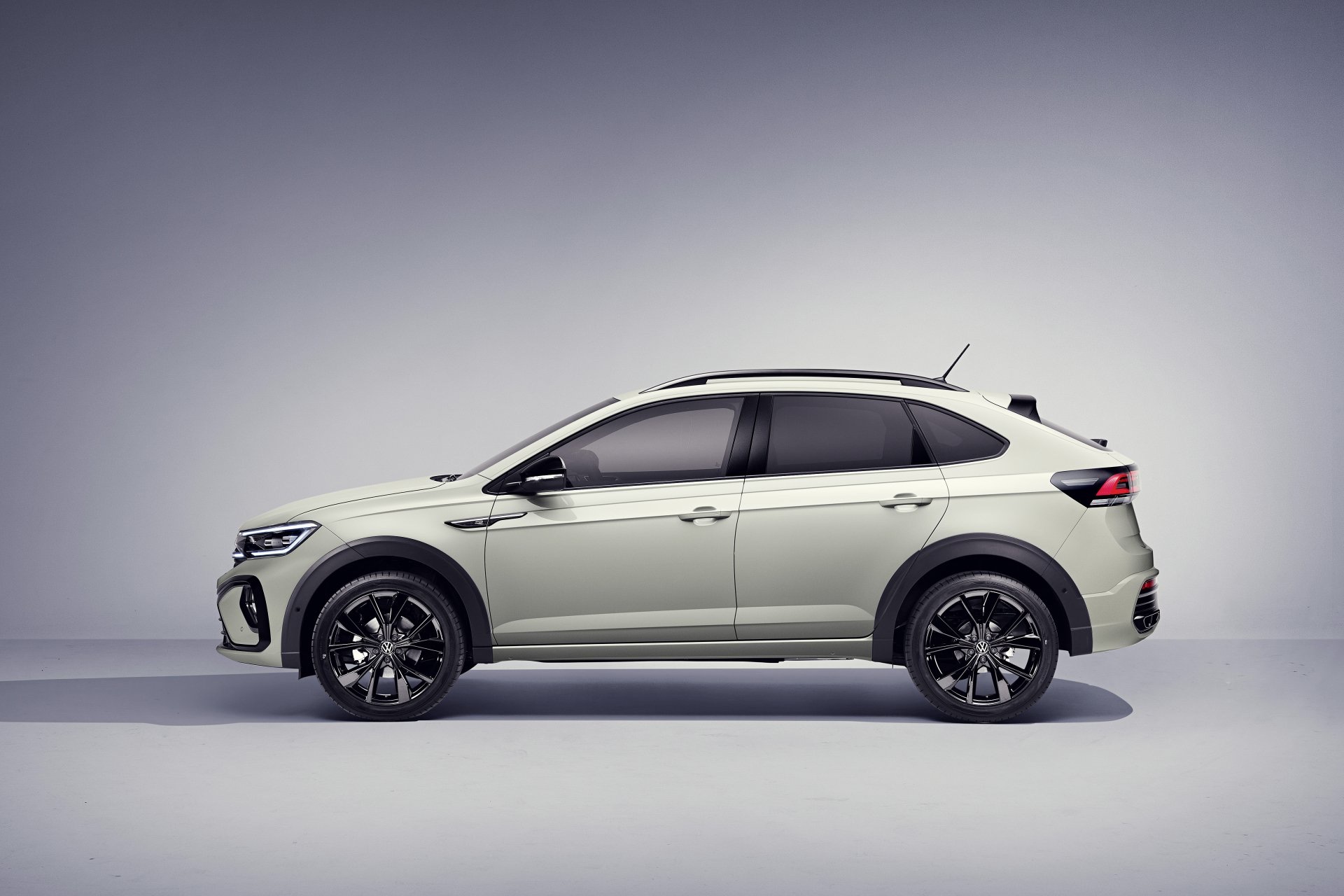
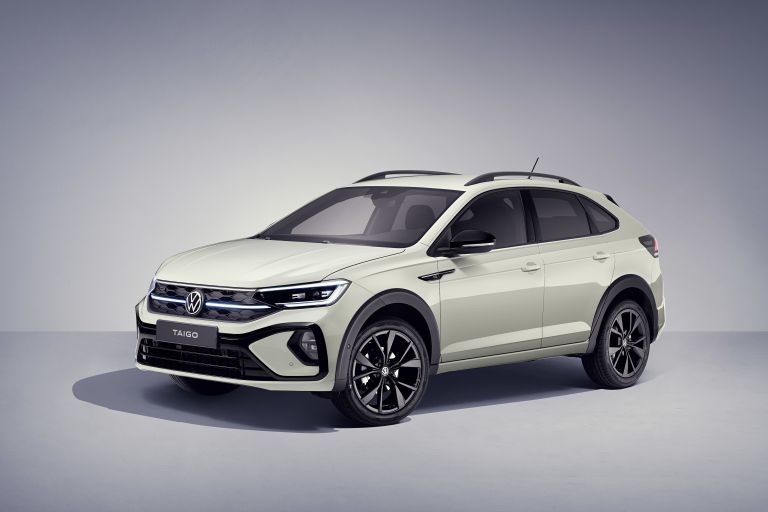
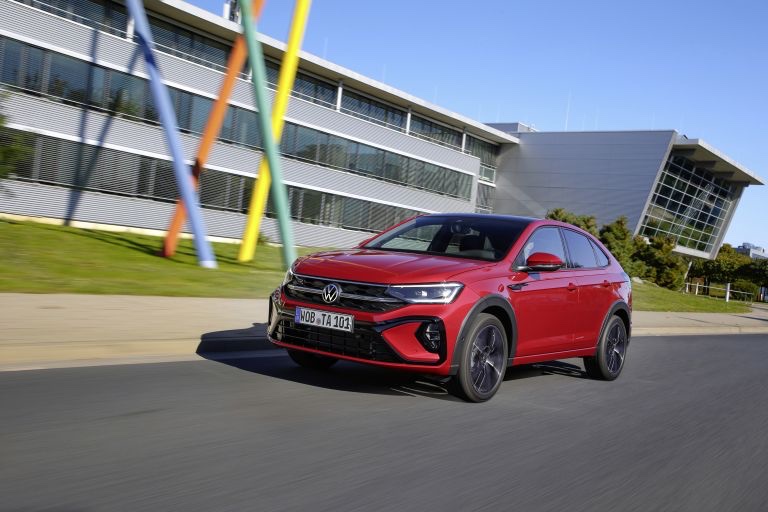
The exterior of the Volkswagen Taigo stands out with its sloping, coupe-like roofline, setting it apart from more boxy subcompact crossovers. The frontend features a signature grille with a decorative transverse strip, connecting the headlights. A sharp, pressed line runs from the front fender to the rear light strip, emphasizing its length. The entry-level version comes equipped with 16-inch wheels and standard LED headlights. Higher-tier trims upgrade to larger 18-inch wheels and advanced IQ.Light matrix LED headlights, which adapt to traffic conditions and add a more premium look to the crossover's profile.
Interior
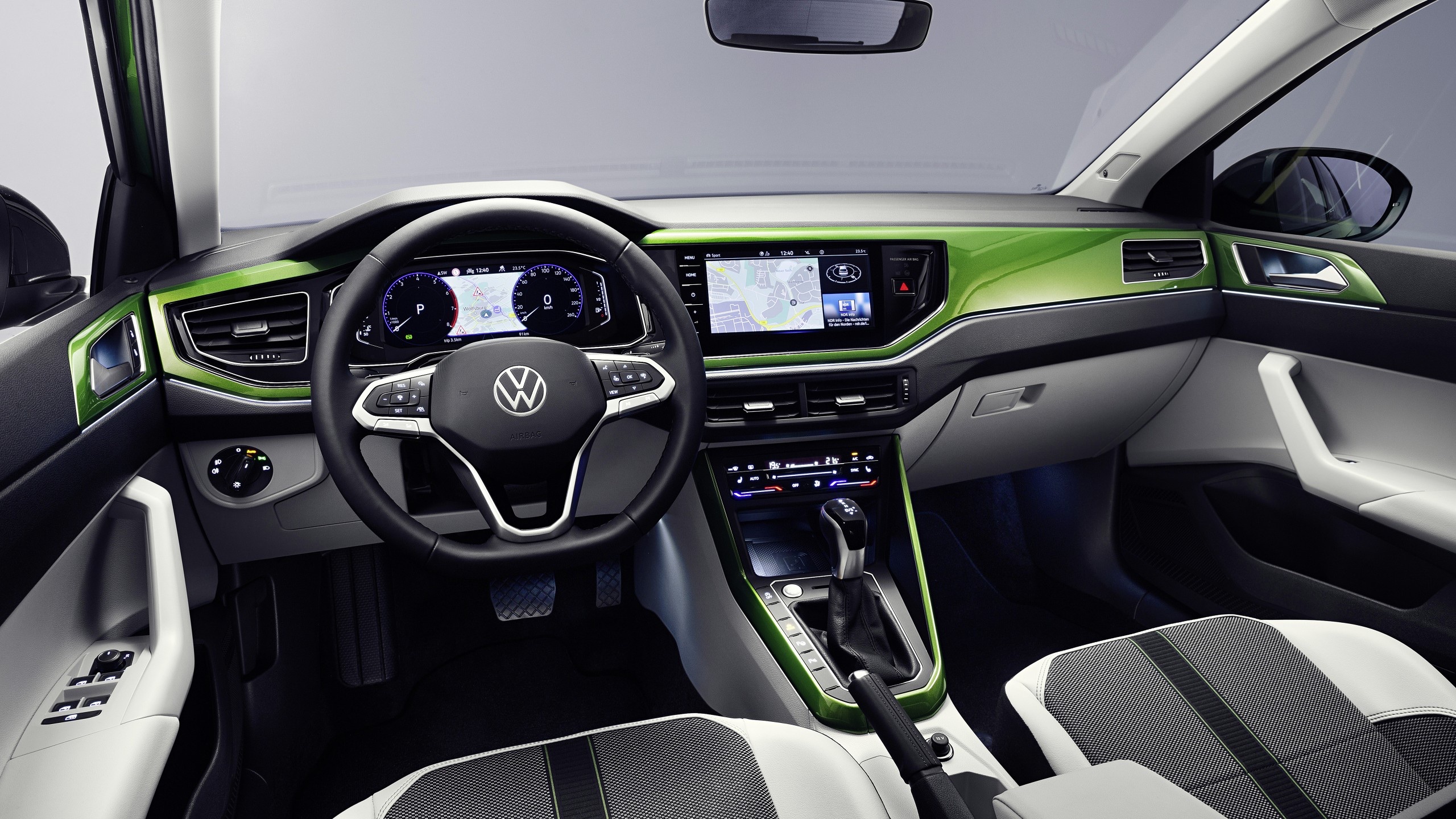
Inside, the Taigo borrows heavily from the Polo cabin layout, featuring straight, functional lines across the dashboard. Standard equipment includes an 8-inch digital instrument cluster and a 6.5-inch touchscreen for the basic infotainment setup. Opting for higher trim levels replaces these with a larger 10.25-inch digital cockpit and an upgraded MIB3.1 infotainment system with either an 8-inch or 9.2-inch screen. These advanced systems add voice control, an integrated eSIM, and wireless connectivity for both Apple CarPlay and Android Auto. Optional cabin upgrades, such as ambient lighting and color-matched trim packages, allow buyers to personalize the interior's appearance.
Performance
The Taigo is offered exclusively with turbocharged petrol engines and front-wheel drive. The entry option is a 1.0-liter TSI three-cylinder engine making 95 horsepower, paired with a five-speed manual gearbox. A more powerful version of the same 1.0-liter engine produces 110 horsepower and is available with either a six-speed manual or a seven-speed DSG dual-clutch transmission. For maximum performance, a 1.5-liter TSI four-cylinder engine delivers 150 horsepower and 250 Nm of torque, mated solely to the seven-speed DSG. The 1.5-liter model achieves a 0-100 km/h acceleration time of 8.3 seconds and a top speed of 212 km/h. All engines comply with Euro VI emission standards.
Practicality
Despite its sloped rear roofline, the Taigo maintains a reasonable degree of everyday utility. It has a cargo volume of 438 liters in the boot, providing ample space for groceries, luggage, or daily gear. The cabin seats five passengers, with a wheelbase of 2,554 mm that provides decent legroom for a subcompact vehicle. A 40-liter fuel tank is standard, and with the fuel-efficient 1.0-liter engine consuming a mixed average of 5.4 liters per 100 km, it offers a solid driving range between fill-ups. Its compact width of 1,757 mm without mirrors makes it easy to maneuver and park in tight city spaces.
Safety and tech
Standard safety features on the Taigo include automatic emergency braking, lane-keeping assist, and a central airbag mounted between the front seats to prevent occupants from colliding in a side impact. The base package also features manual air conditioning and standard LED lighting. Upper trims introduce a comprehensive suite of safety and convenience technologies, including a rearview camera, parking sensors on all sides, and the Travel Assist package, which offers level-2 semi-autonomous driving. Performance-oriented tech like the XDS electronic differential lock helps improve front-wheel-drive traction in corners.
Buyer notes
When choosing a Volkswagen Taigo, buyers should evaluate their transmission and performance needs. The 95-horsepower base engine is well suited for city driving and comes only with a manual transmission. The 110-horsepower variant offers a good balance and the option of a DSG automatic, while the 150-horsepower 1.5-liter engine provides the most highway capability. Tech-focused shoppers may want to seek out mid- to high-level trims, which replace the basic infotainment system with the modern MIB3.1 unit and add key safety features like travel assistance and a rearview camera. Trim availability and exact specifications can vary by regional market.
Trims and key specifications
Use this table to compare the main differences between available configurations.
| Trim / modification | Engine | Power | Seats | Transmission |
|---|---|---|---|---|
| 1.0 TSI (95 hp) 5-speed manual | 999 cc | 95 hp | 5 | 5-speed manual |
| 1.0 TSI (110 hp) 7-speed DSG | 999 cc | 110 hp | 5 | 7-speed dual-clutch |
| 1.5 TSI (150 hp) 7-speed DSG | 1498 cc | 150 hp | 5 | 7-speed dual-clutch |
| 1.0 TSI (110 hp) 6-speed manual | 999 cc | 110 hp | 5 | 6-speed manual |
Specifications can vary by market, model year, and equipment package. Use the trim sections below to review the full data for each configuration.
Volkswagen Taigo photo gallery
18 images are collected here with the main specifications and trim data for this model.
Photo Volkswagen Taigo
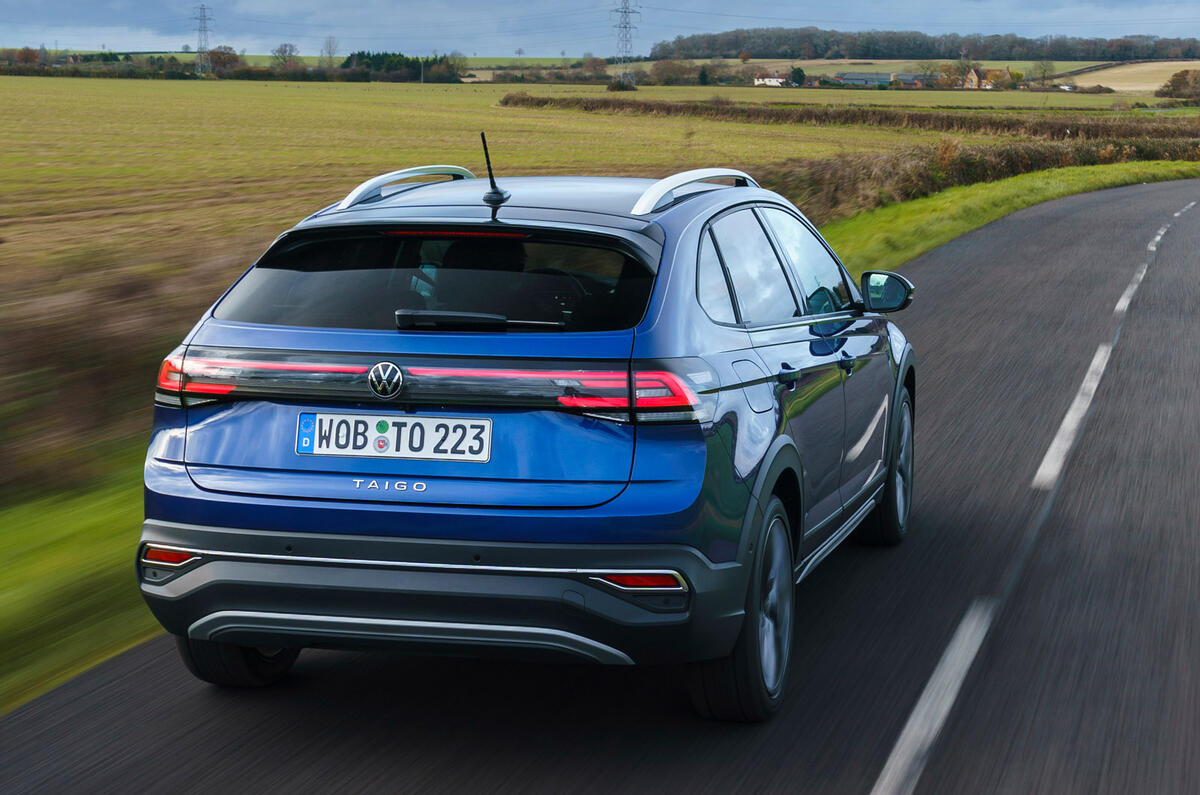
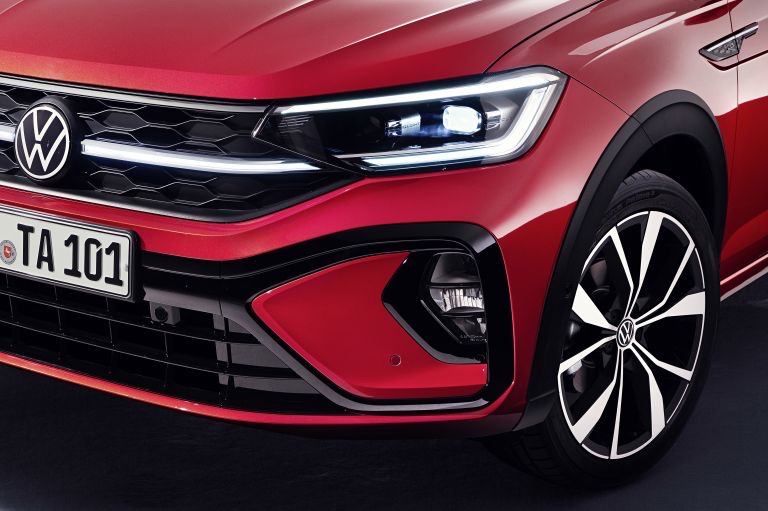
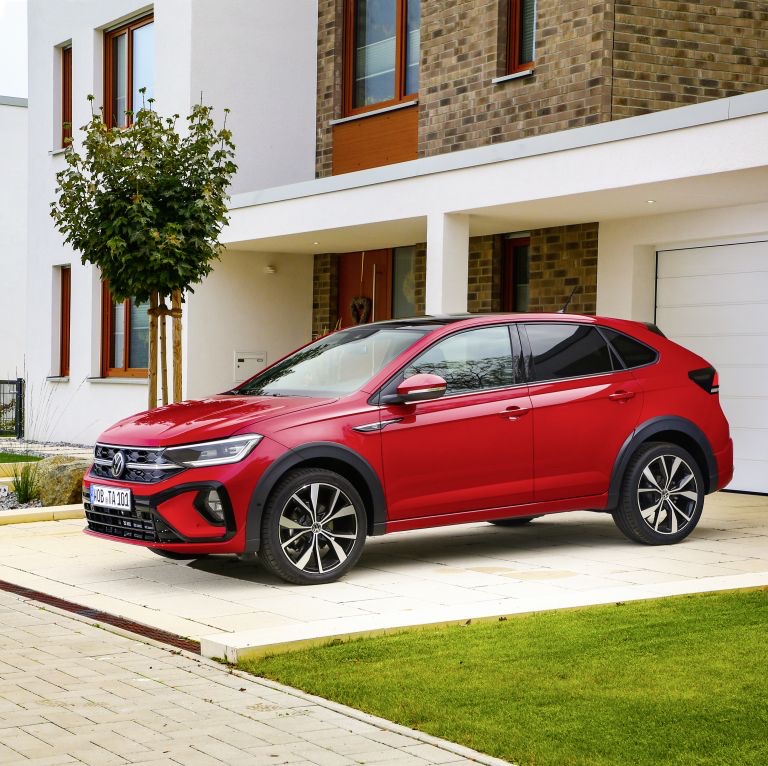
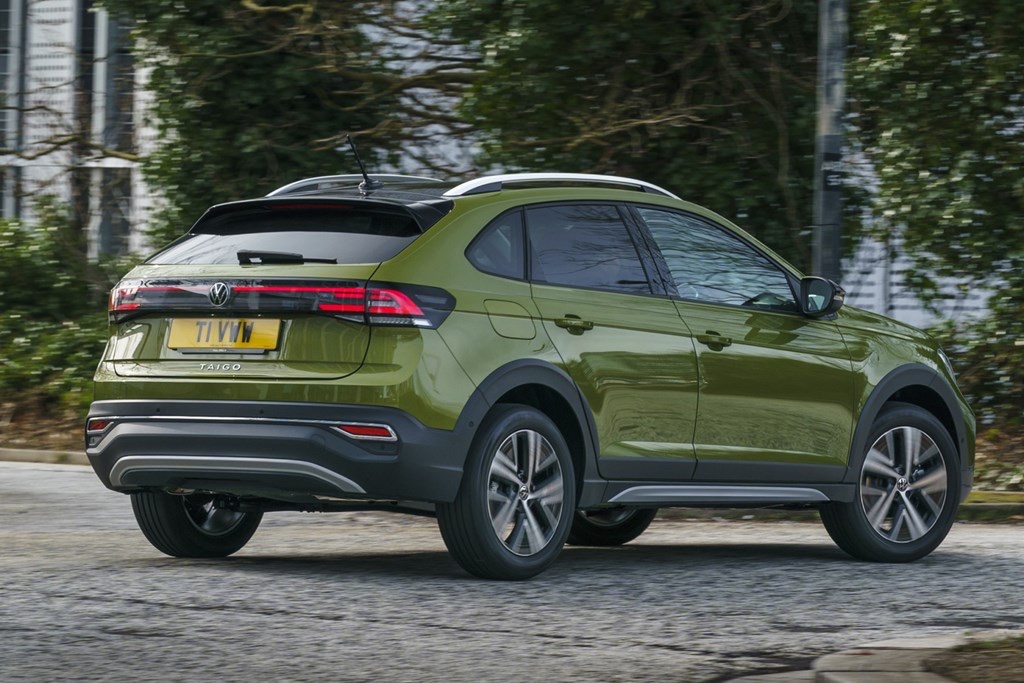
Specifications by trim
Choose a configuration below to open full technical data grouped by category.
1.0 TSI (95 hp) 5-speed manual 33 specifications
Specifications
Performance and consumption
| Fuel consumption combined, L/100 km | 5.4 |
|---|---|
| Top speed, km/h | 183 |
| Acceleration 0-100 km/h, s | 11.1 |
| Emissions standard | Euro VI |
Engine
| Engine | 1.0 TSI |
|---|---|
| Engine code | DLAC |
| Engine type | Internal combustion engine |
| Fuel type | Gasoline |
| Engine displacement, cc | 999 |
| Cylinder layout | Inline |
| Number of cylinders | 3 |
| Valves | 12 |
| Turbocharger | + |
| Power, hp | 95 |
| RPM at max power | 5000–5500 |
| Torque, Nm | 175 |
| RPM at max torque | 1600–3500 |
Dimensions
| Seats | 5 |
|---|---|
| Length, mm | 4266 |
| Width, mm | 1995 |
| Height, mm | 1515 |
| Wheelbase, mm | 2554 |
| Front track, mm | 1523 |
| Rear track, mm | 1508 |
| Kerb weight, kg | 1220 |
| Gross weight, kg | 1680 |
| Fuel tank capacity, L | 40 |
| Width without mirrors, mm | 1757 |
| Trunk capacity, L | 438 |
Transmission and drive
| Transmission | 5-speed manual |
|---|---|
| Transmission type | manual |
| Drive | Front-wheel drive |
| Number of gears | 5 |
1.0 TSI (110 hp) 7-speed DSG 35 specifications
Specifications
Performance and consumption
| Fuel consumption combined, L/100 km | 5.9 |
|---|---|
| Top speed, km/h | 191 |
| Acceleration 0-100 km/h, s | 10.9 |
| Emissions standard | Euro VI |
Engine
| Engine | 1.0 TSI |
|---|---|
| Engine code | CHZC (EA211) |
| Engine type | Internal combustion engine |
| Fuel type | Gasoline |
| Engine displacement, cc | 999 |
| Cylinder layout | Inline |
| Number of cylinders | 3 |
| Valves | 12 |
| Turbocharger | + |
| Compression ratio | 10.5:1 |
| Power, hp | 110 |
| RPM at max power | 5000-5500 |
| Torque, Nm | 200 |
| RPM at max torque | 2000-3500 |
Dimensions
| Seats | 5 |
|---|---|
| Length, mm | 4266 |
| Width, mm | 1995 |
| Height, mm | 1515 |
| Wheelbase, mm | 2554 |
| Front track, mm | 1523 |
| Rear track, mm | 1508 |
| Kerb weight, kg | 1220 |
| Gross weight, kg | 1680 |
| Fuel tank capacity, L | 40 |
| Width without mirrors, mm | 1757 |
| Trunk capacity, L | 438 |
Transmission and drive
| Transmission | 7-speed dual-clutch |
|---|---|
| Transmission type | 2-speed automated manual |
| Drive | Front-wheel drive |
| Number of gears | 7 |
| Automatic transmission | + |
1.5 TSI (150 hp) 7-speed DSG 35 specifications
Specifications
Performance and consumption
| Fuel consumption combined, L/100 km | 6.1 |
|---|---|
| Top speed, km/h | 212 |
| Acceleration 0-100 km/h, s | 8.3 |
| Emissions standard | Euro VI |
Engine
| Engine | 1.5 TSI |
|---|---|
| Engine code | DADA (EA211) |
| Engine type | Internal combustion engine |
| Fuel type | Gasoline |
| Engine displacement, cc | 1498 |
| Cylinder layout | Inline |
| Number of cylinders | 4 |
| Valves | 16 |
| Turbocharger | + |
| Compression ratio | 10.5:1 |
| Power, hp | 150 |
| RPM at max power | 5000-6000 |
| Torque, Nm | 250 |
| RPM at max torque | 1500-3500 |
Dimensions
| Seats | 5 |
|---|---|
| Length, mm | 4266 |
| Width, mm | 1995 |
| Height, mm | 1515 |
| Wheelbase, mm | 2554 |
| Front track, mm | 1523 |
| Rear track, mm | 1508 |
| Kerb weight, kg | 1220 |
| Gross weight, kg | 1680 |
| Fuel tank capacity, L | 40 |
| Width without mirrors, mm | 1757 |
| Trunk capacity, L | 438 |
Transmission and drive
| Transmission | 7-speed dual-clutch |
|---|---|
| Transmission type | 2-speed automated manual |
| Drive | Front-wheel drive |
| Number of gears | 7 |
| Automatic transmission | + |
1.0 TSI (110 hp) 6-speed manual 31 specifications
Specifications
Performance and consumption
| Emissions standard | Euro VI |
|---|
Engine
| Engine | 1.0 TSI |
|---|---|
| Engine code | CHZC (EA211) |
| Engine type | Internal combustion engine |
| Fuel type | Gasoline |
| Engine displacement, cc | 999 |
| Cylinder layout | Inline |
| Number of cylinders | 3 |
| Valves | 12 |
| Turbocharger | + |
| Compression ratio | 10.5:1 |
| Power, hp | 110 |
| RPM at max power | 5000-5500 |
| Torque, Nm | 200 |
| RPM at max torque | 2000-3500 |
Dimensions
| Seats | 5 |
|---|---|
| Length, mm | 4266 |
| Width, mm | 1995 |
| Height, mm | 1515 |
| Wheelbase, mm | 2554 |
| Front track, mm | 1523 |
| Rear track, mm | 1508 |
| Kerb weight, kg | 1220 |
| Gross weight, kg | 1680 |
| Fuel tank capacity, L | 40 |
| Width without mirrors, mm | 1757 |
| Trunk capacity, L | 438 |
Transmission and drive
| Transmission | 6-speed manual |
|---|---|
| Transmission type | manual |
| Drive | Front-wheel drive |
| Number of gears | 6 |
Volkswagen Taigo questions
Short answers based on the specifications and photos available in this catalog.
What body style is the Volkswagen Taigo?
The Volkswagen Taigo is a subcompact coupe-crossover. It features a sloping rear roofline that gives it a sportier appearance compared to traditional, boxier small SUVs like the T-Cross.
What platform is the 2021 Volkswagen Taigo built on?
The Taigo is built on Volkswagen's MQB-A0 platform. This is the same architecture that underpins other compact vehicles in the group's lineup, including the Polo hatchback and the T-Cross crossover.
Is the Volkswagen Taigo available with all-wheel drive?
No, all versions of the Volkswagen Taigo are strictly front-wheel drive. There is no all-wheel-drive option available for this model.
What engines are available for the 2021 Taigo?
The Taigo offers three turbocharged petrol engine choices. Buyers can select between two versions of a 1.0-liter three-cylinder engine, producing either 95 or 110 horsepower, or a more powerful 1.5-liter four-cylinder engine that puts out 150 horsepower.
How much cargo space does the Taigo have?
Despite its coupe-like design, the Volkswagen Taigo offers a boot capacity of 438 liters. This provides a practical amount of storage space for everyday errands and weekend travel.
What safety features are standard on the base model?
The entry-level Taigo comes equipped with key driver-assist technologies including automatic emergency braking and a lane-keeping assist system. It also features a unique center airbag between the front seats to protect passengers during side-impact collisions.