Audi Q5 Sportback (FY) specifications and photos
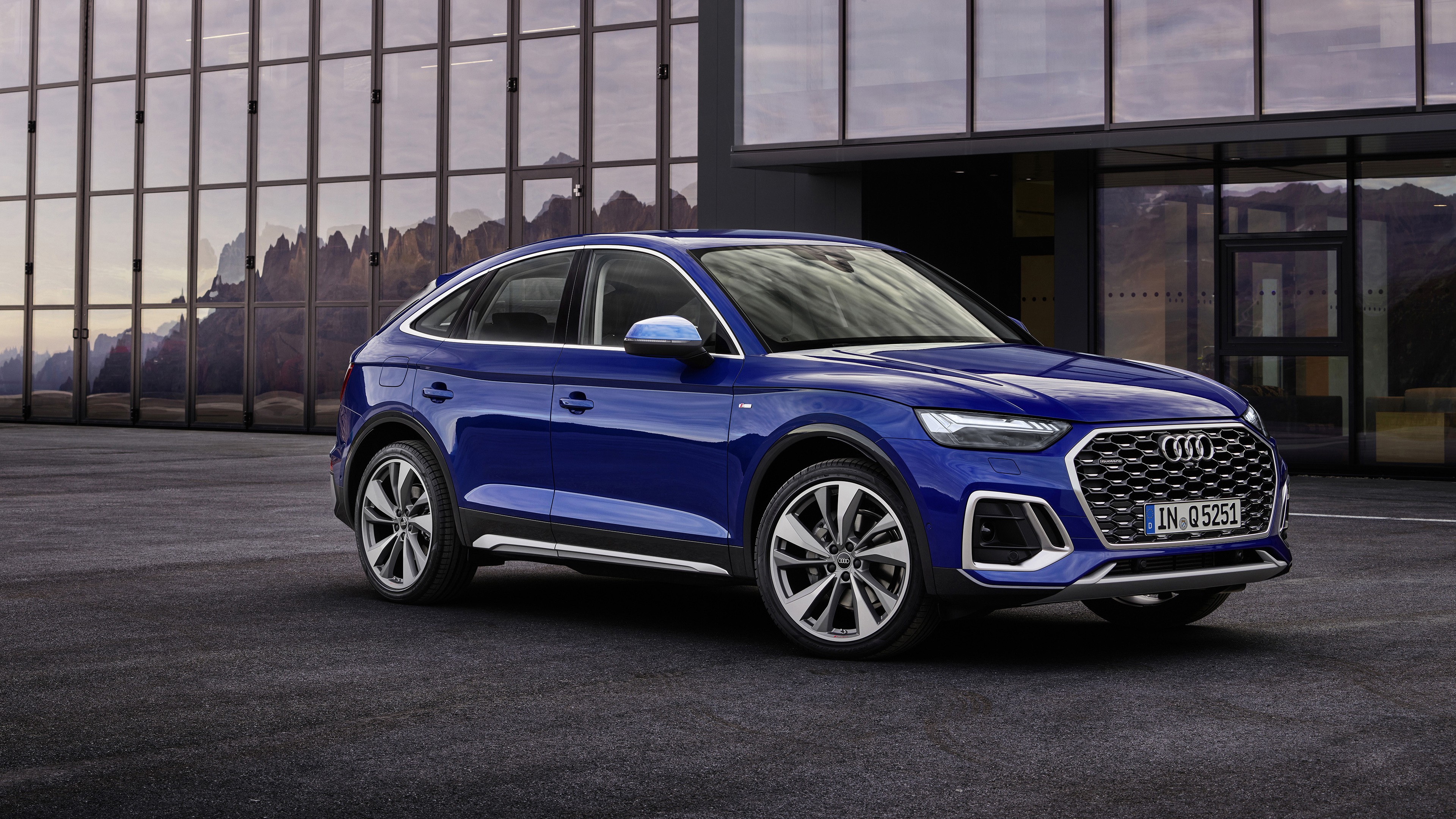
The Audi Q5 Sportback is a premium compact crossover that debuted in 2020, offering a coupe-like roofline alternative to the standard Q5. It combines everyday versatility with a more dynamic exterior profile while retaining the established technology and powertrain lineup of its traditional counterpart.
Audi Q5 Sportback (FY) at a glance
Quick model context before comparing photos and trim-level specifications.
Introduced in late 2020, the Audi Q5 Sportback responds to the growing demand for stylish SUV coupes in the premium segment. From a technical standpoint, it is virtually identical to the standard Q5, but the sloping roofline alters its visual character. This profile extends the overall length by just seven millimeters to 4,689 mm, while width and height remain unchanged. The model is aimed at buyers who prioritize exterior aesthetics over maximum cargo capacity. Despite the raked rear, Audi maintains a highly functional layout throughout the cabin. Powertrain choices are extensive, ranging from efficient 2.0-liter diesels to robust 3.0-liter V6 options, along with advanced mild-hybrid and plug-in hybrid configurations. The Sportback variant also emphasizes a slightly more engaging driving experience, featuring a sport-tuned suspension as standard equipment across the range.
- Power: 163-286 hp
- Engine displacement: 1968-2967 cc
- Transmissions: 7 S-tronic, 8-Tiptronic
- Seating: 5 seats
Photos, trims and specifications for Audi Q5 Sportback (FY)
This model page brings gallery images, trim comparison, and detailed technical data together for the 2020 generation.
Estimate fuel cost
Use trim-level fuel consumption data to estimate monthly and yearly fuel spending.
Fuel costs are estimates. Real consumption can change with driving style, traffic, tires, weather, load, and market-specific equipment.
Audi Q5 Sportback (FY) overview
Editorial context for design, cabin, performance, practicality, and buyer notes.
Design
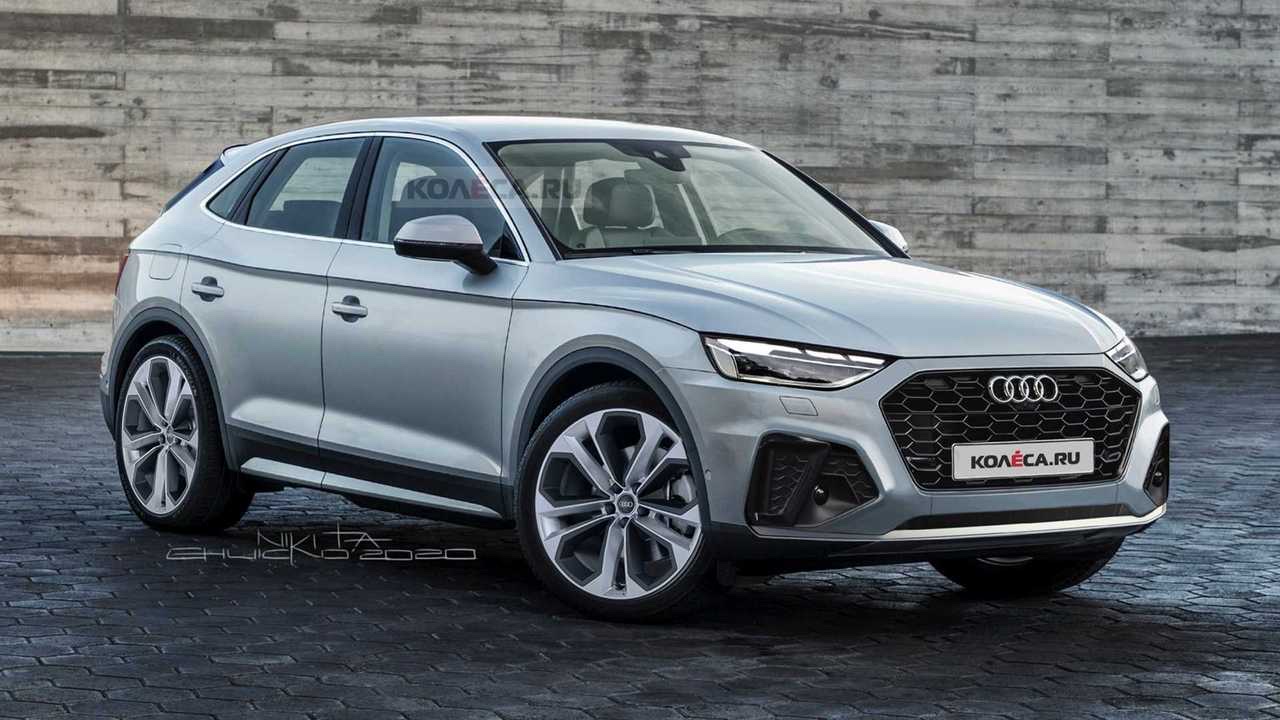
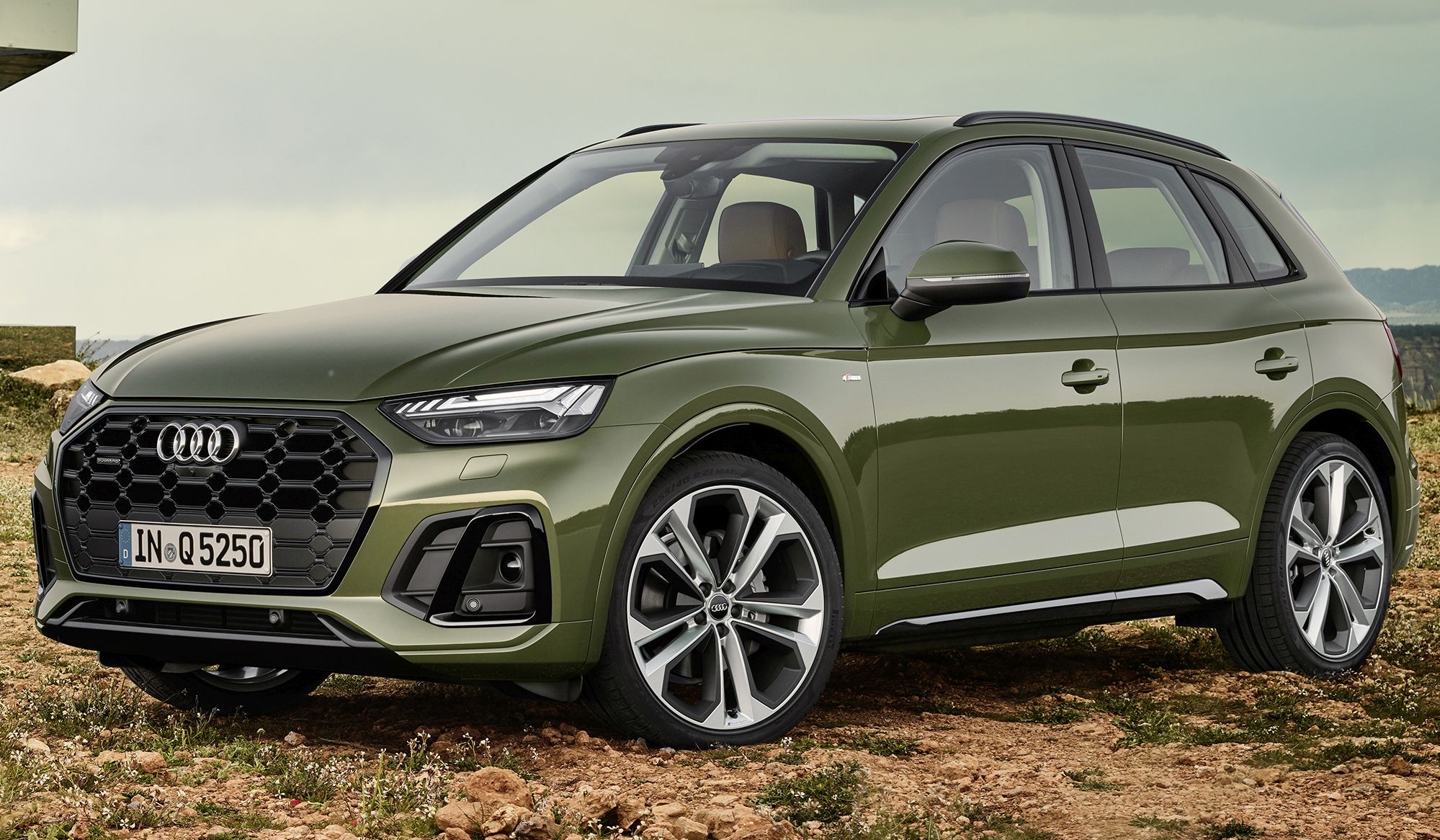
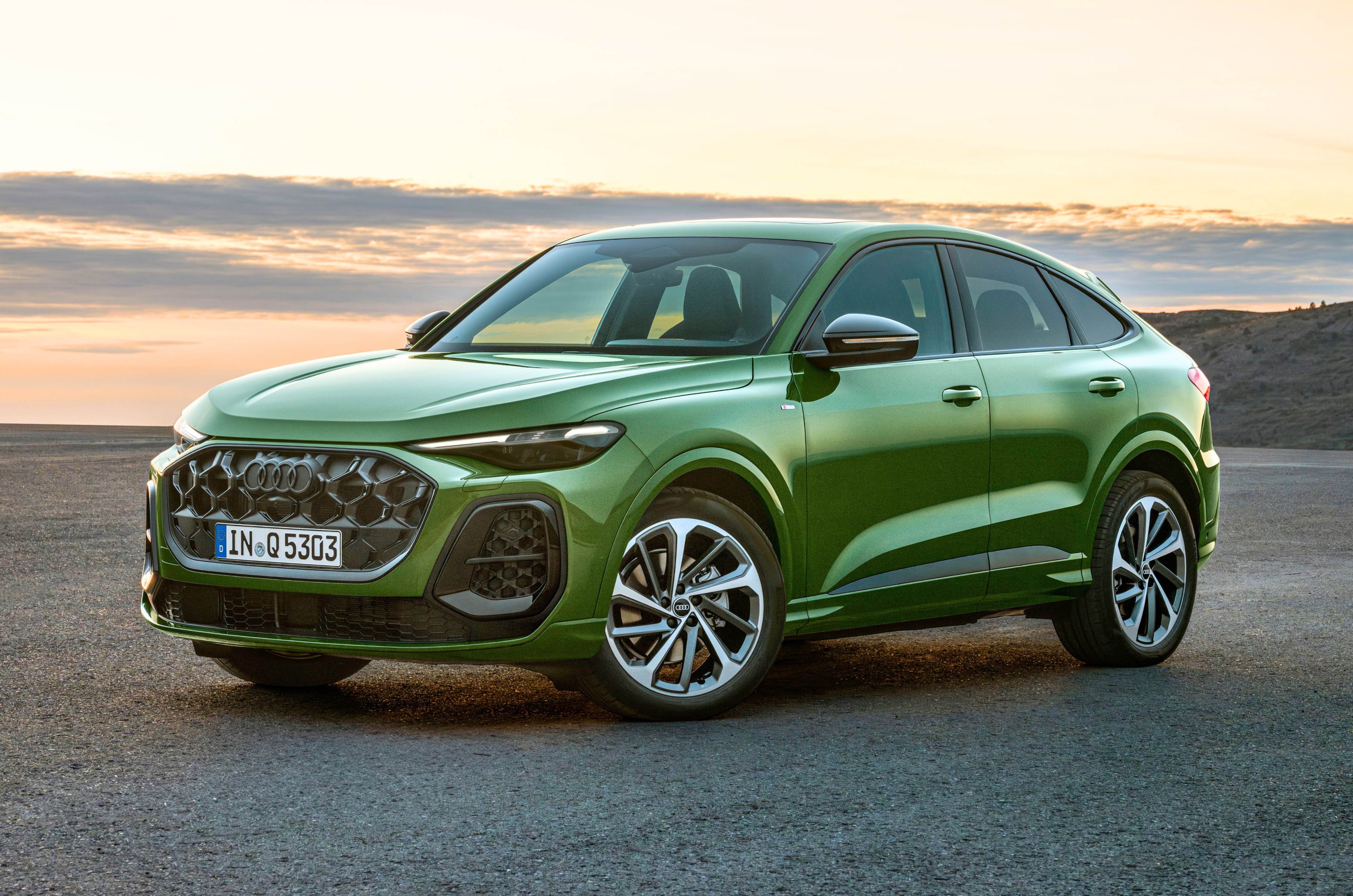
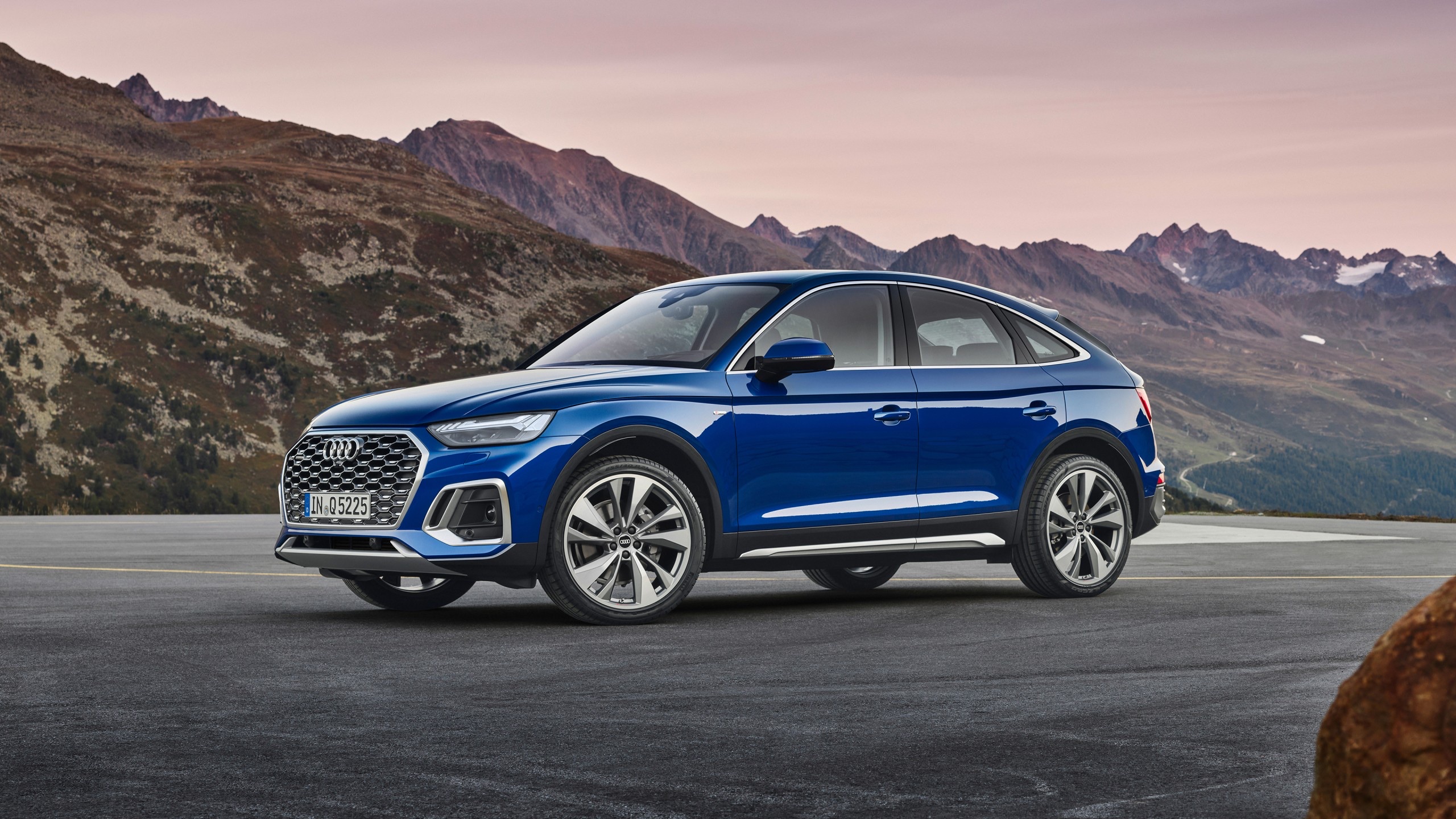
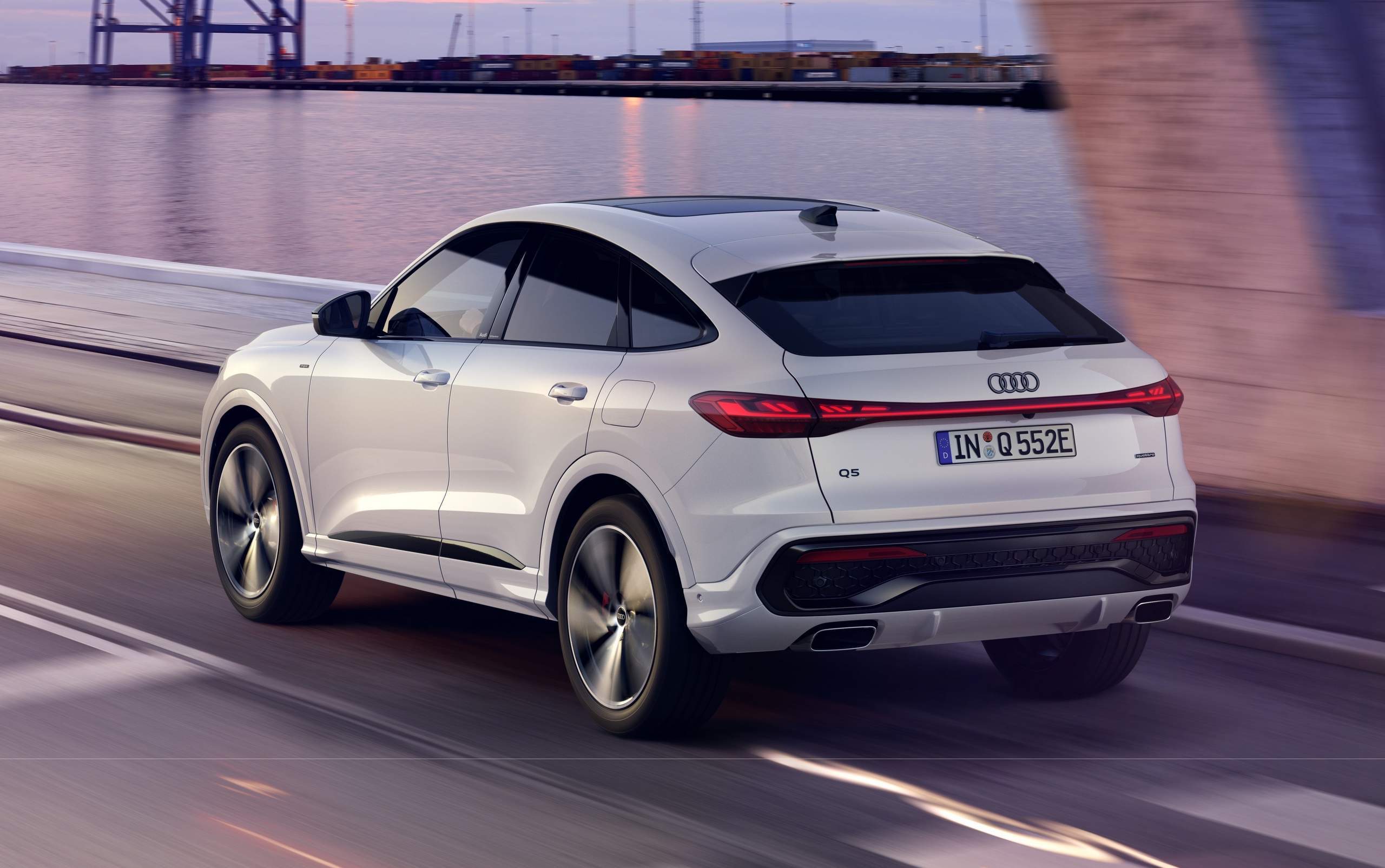
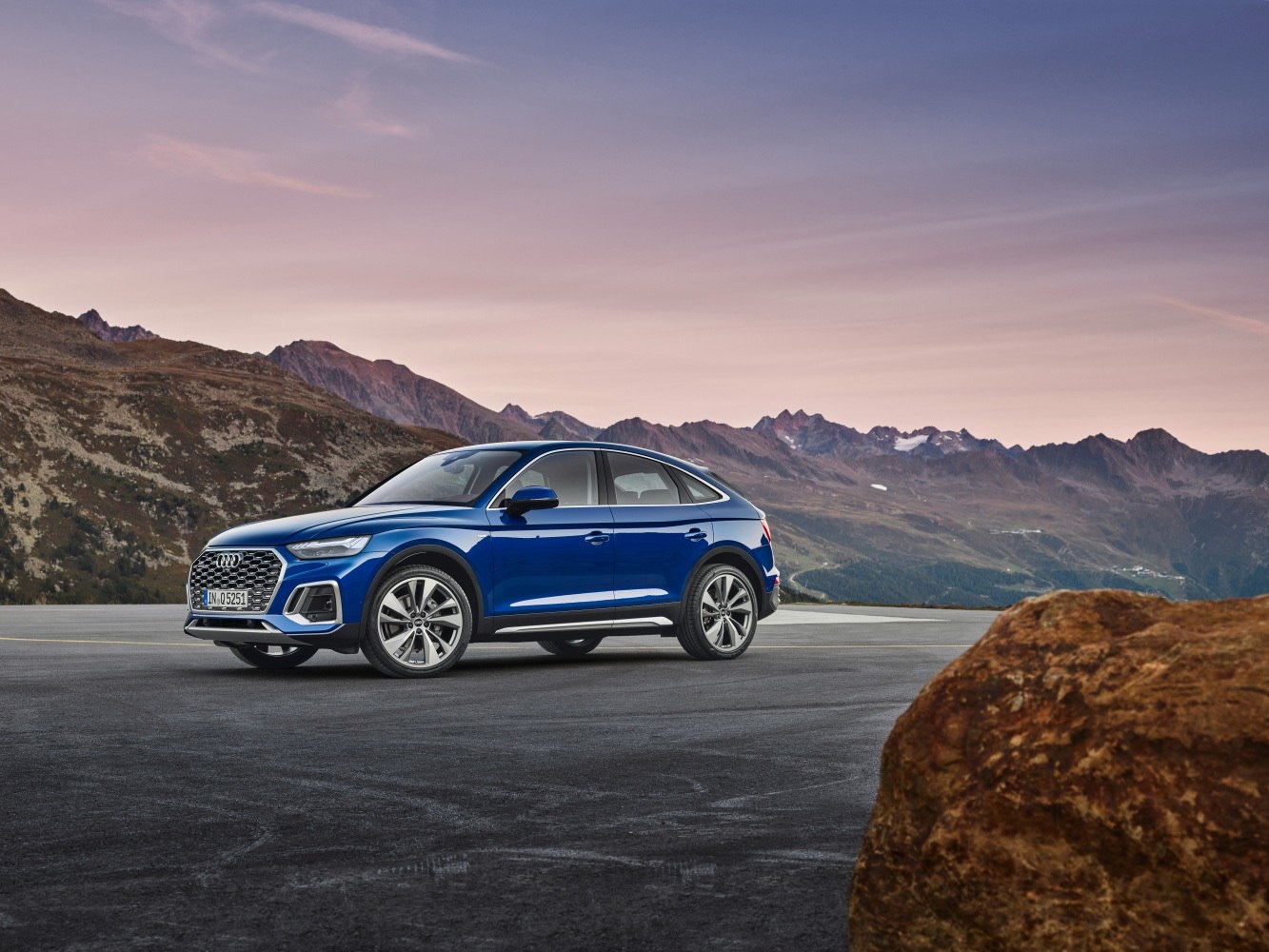
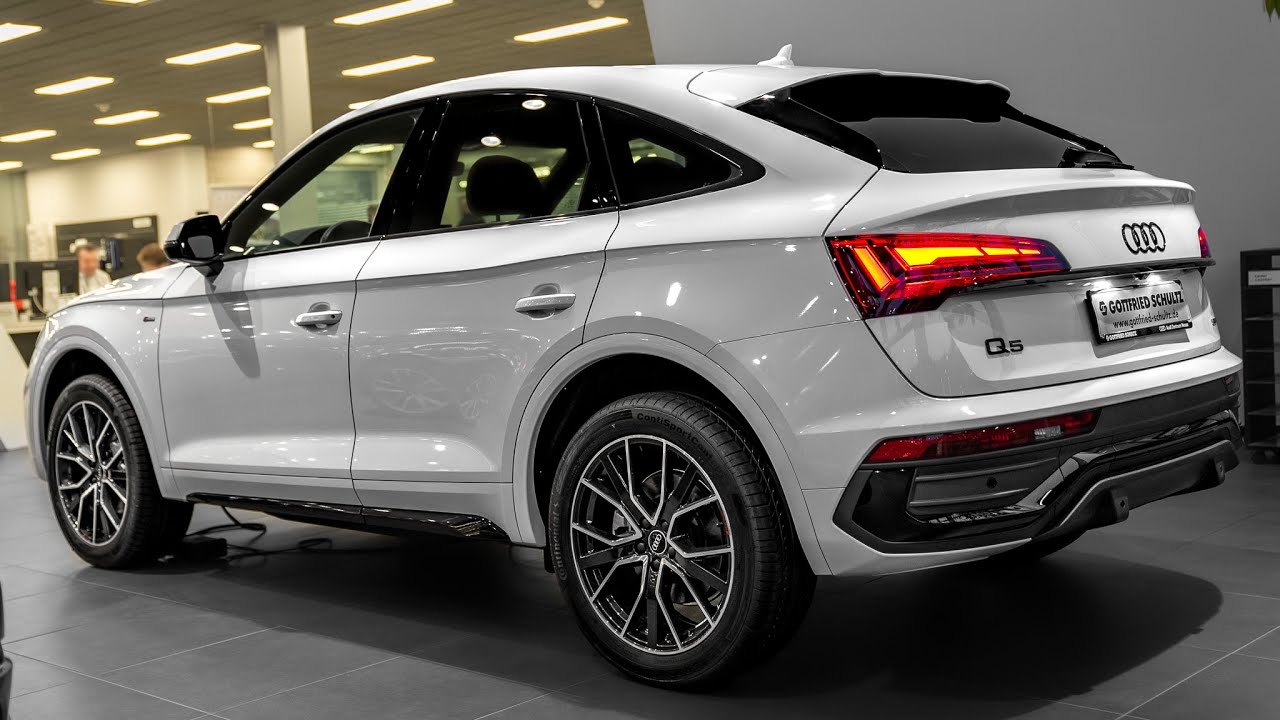
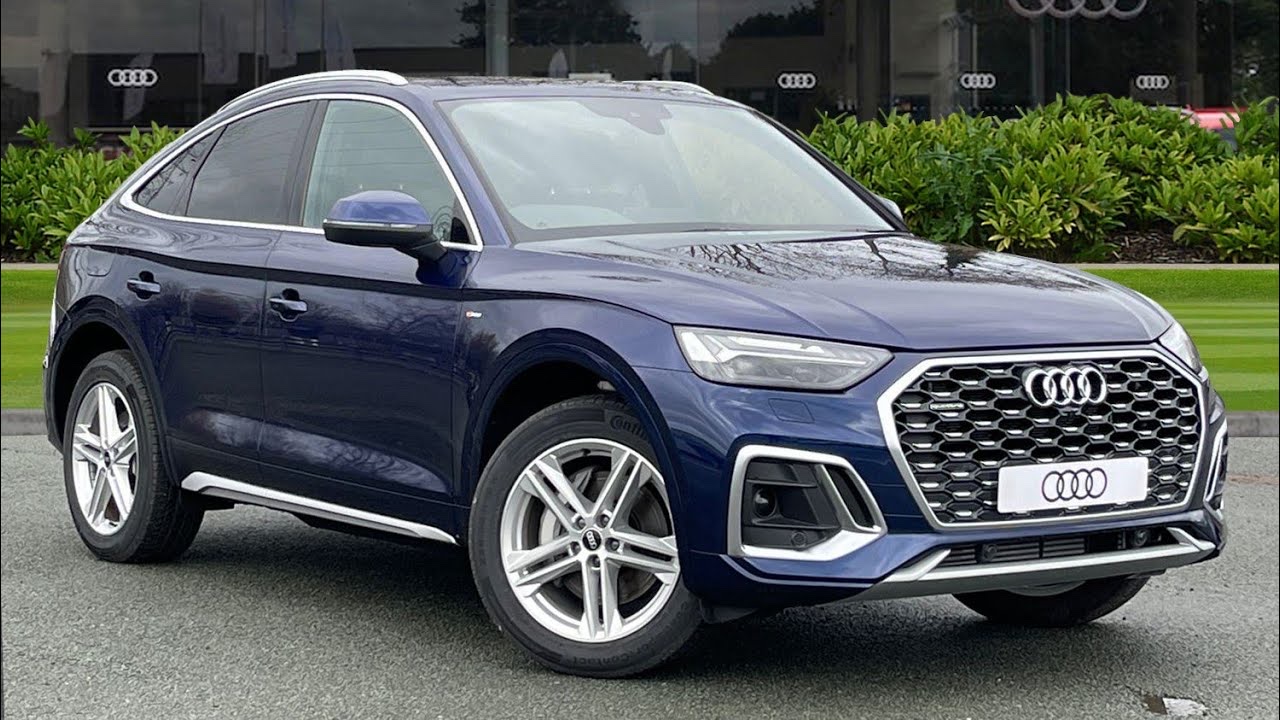
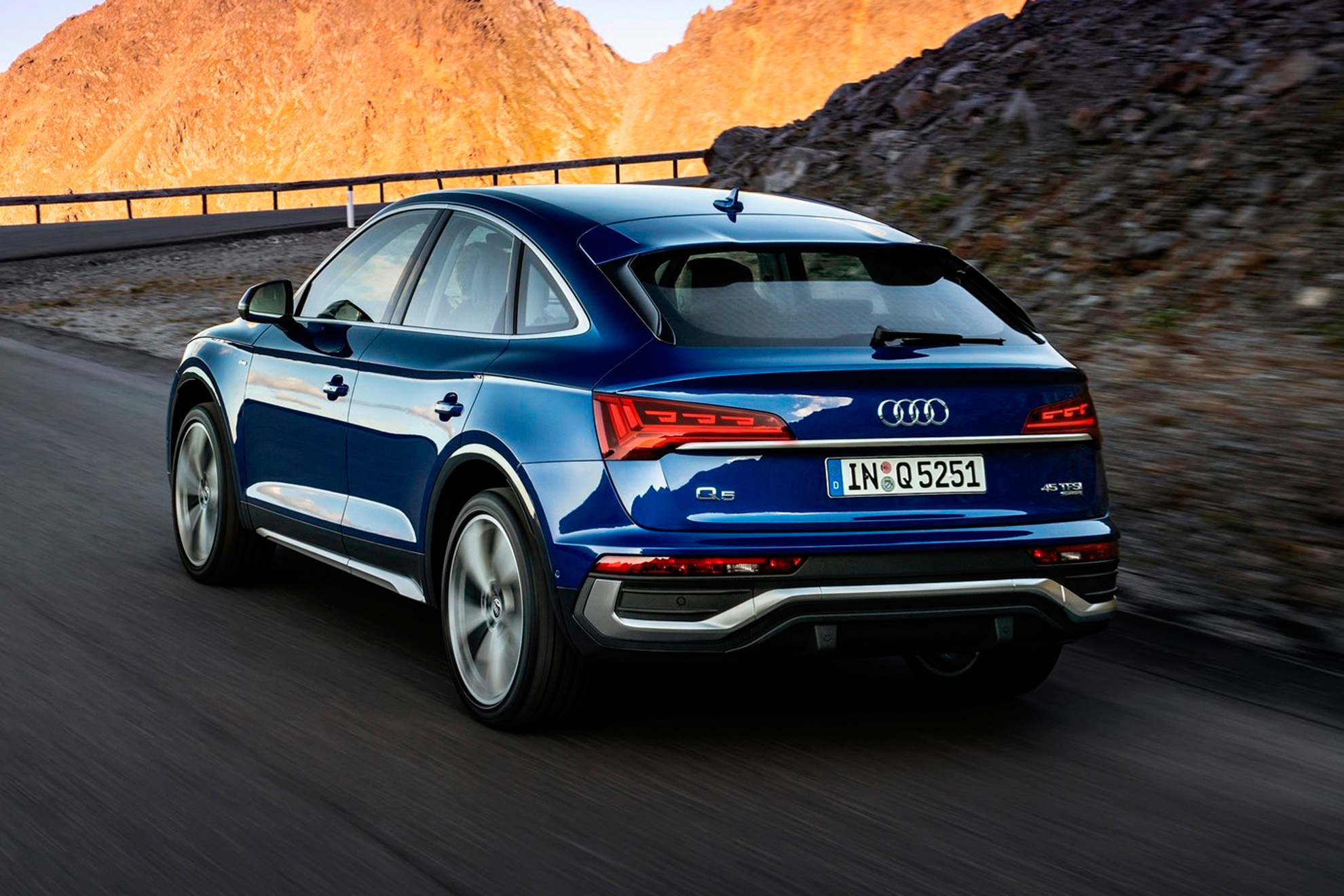
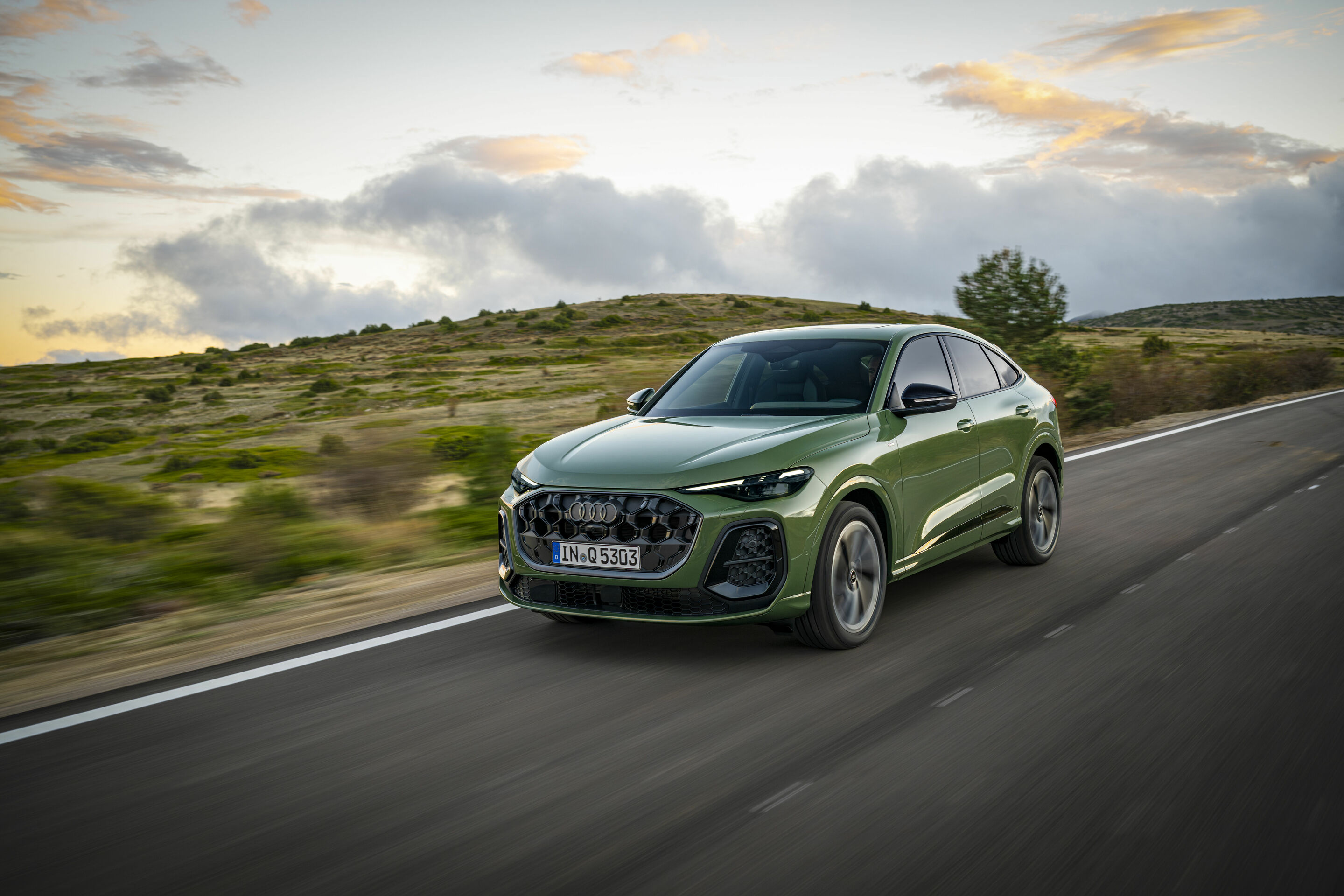
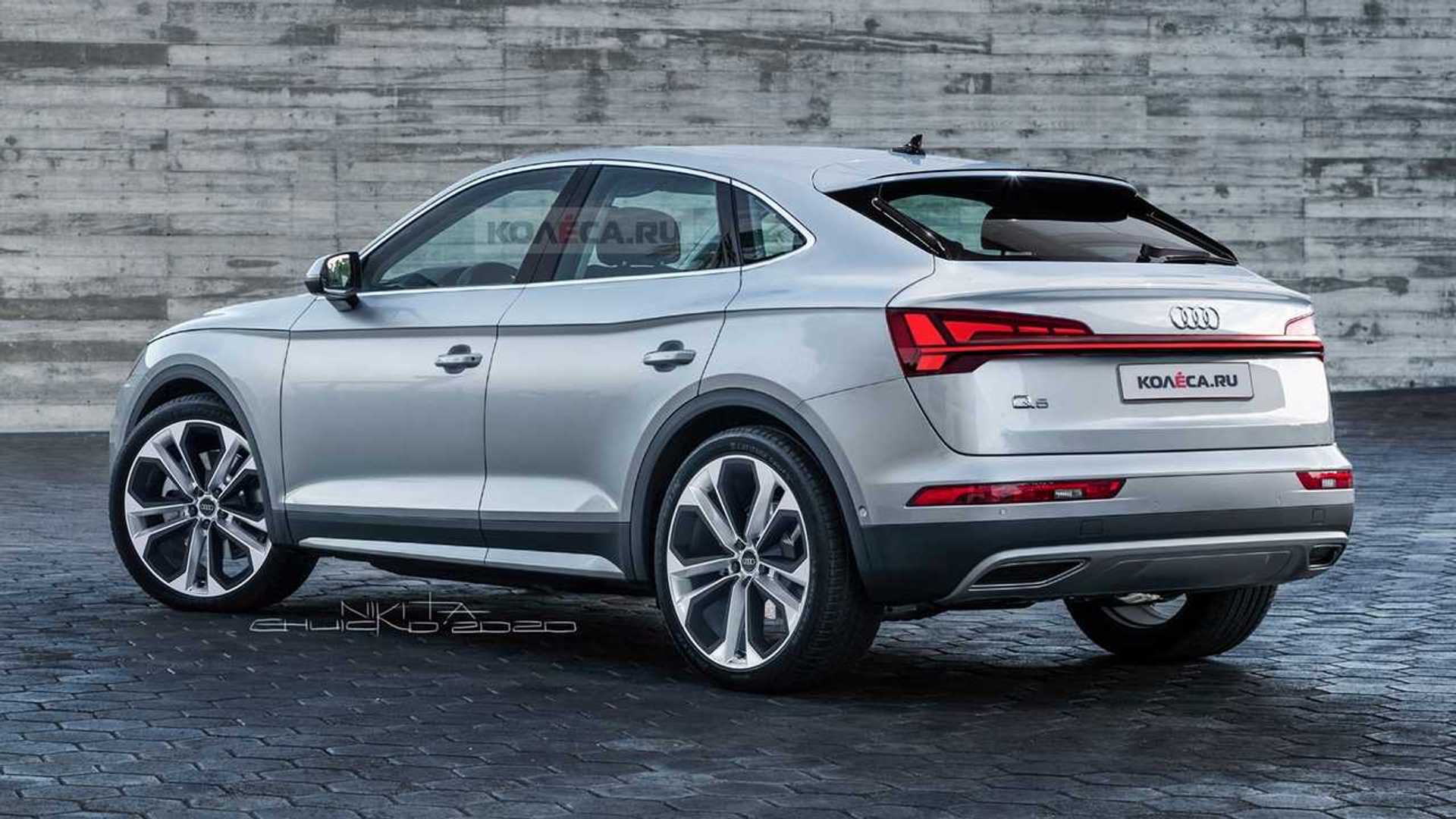
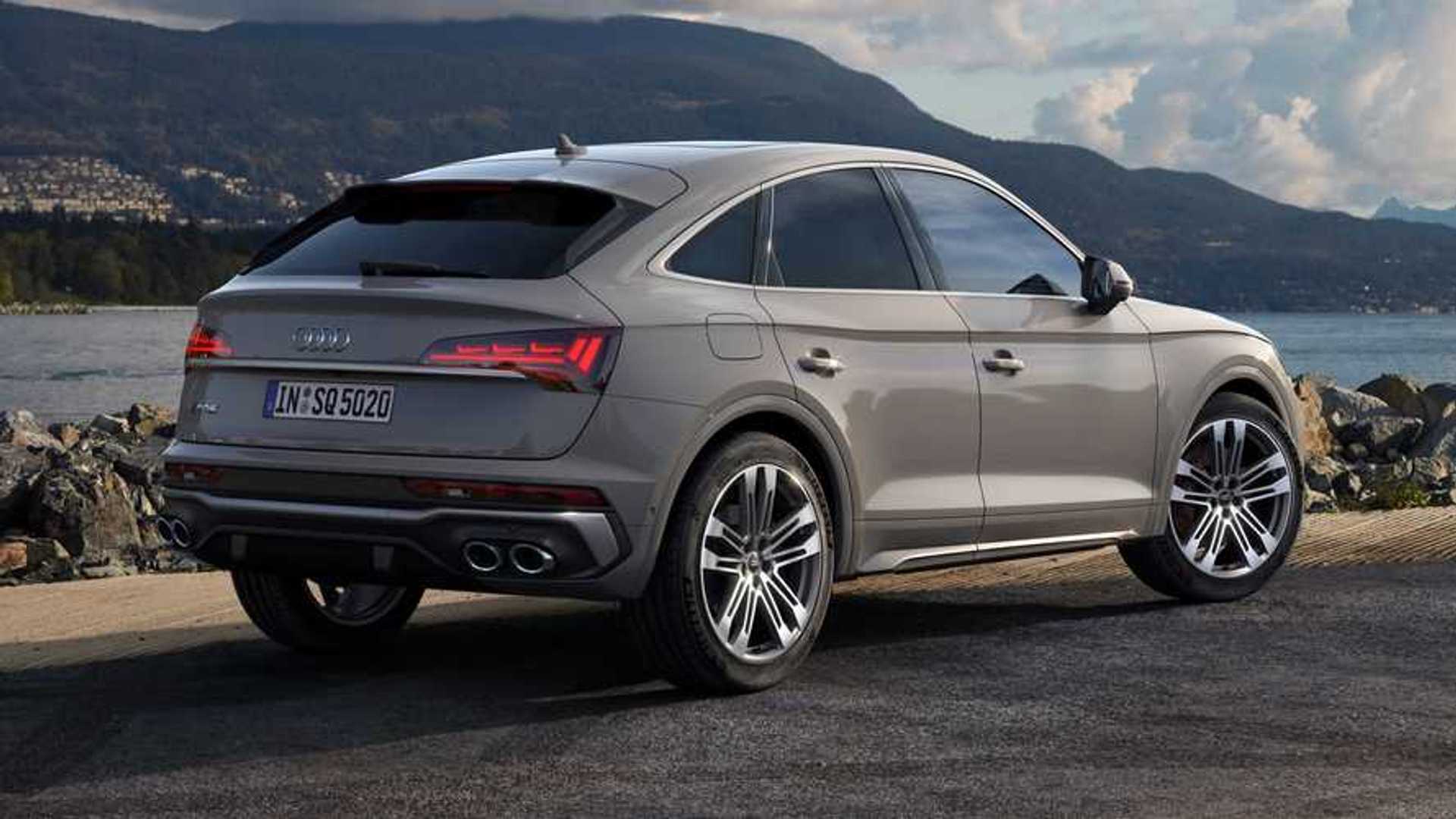
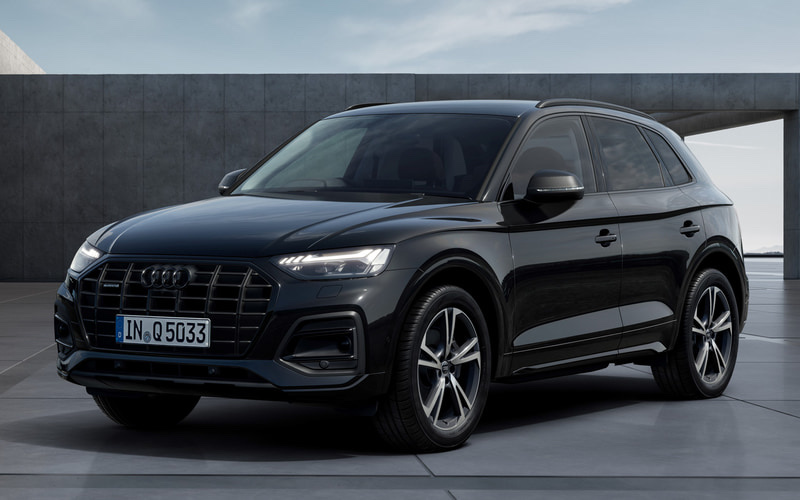
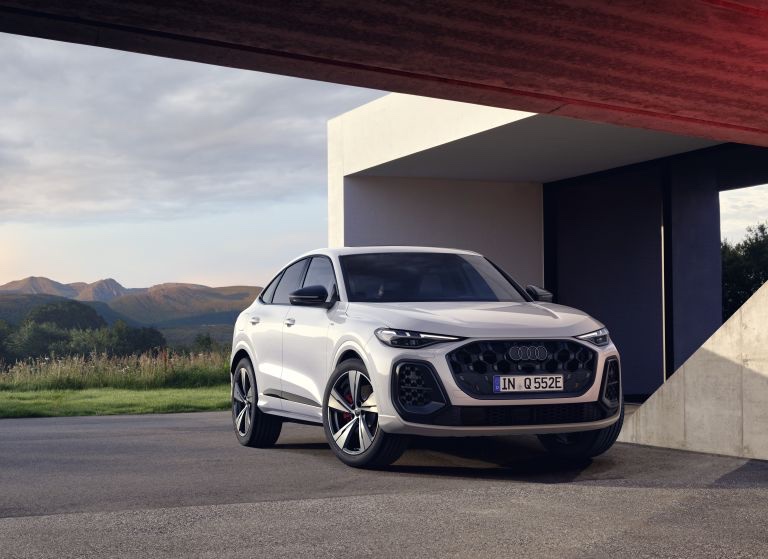
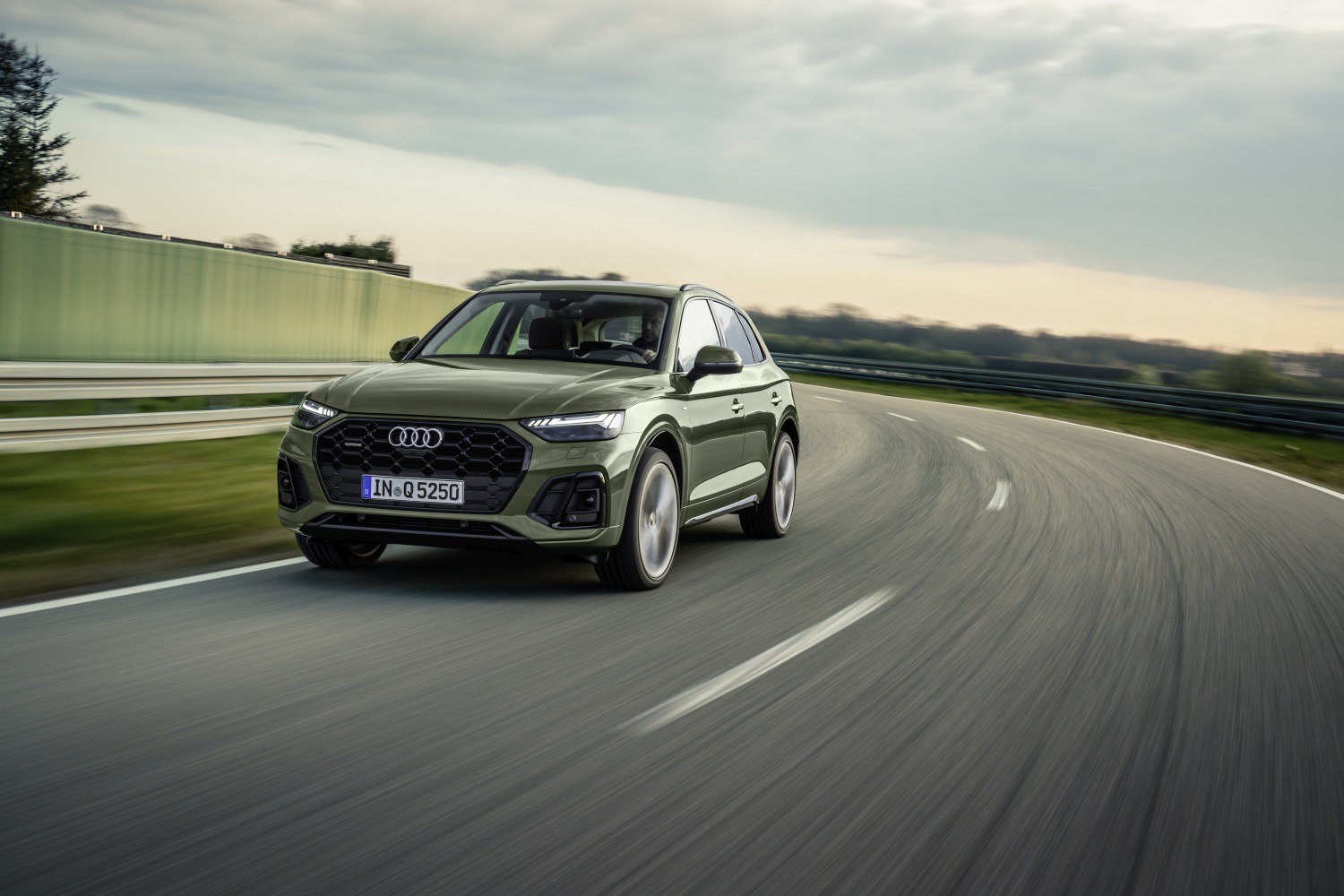
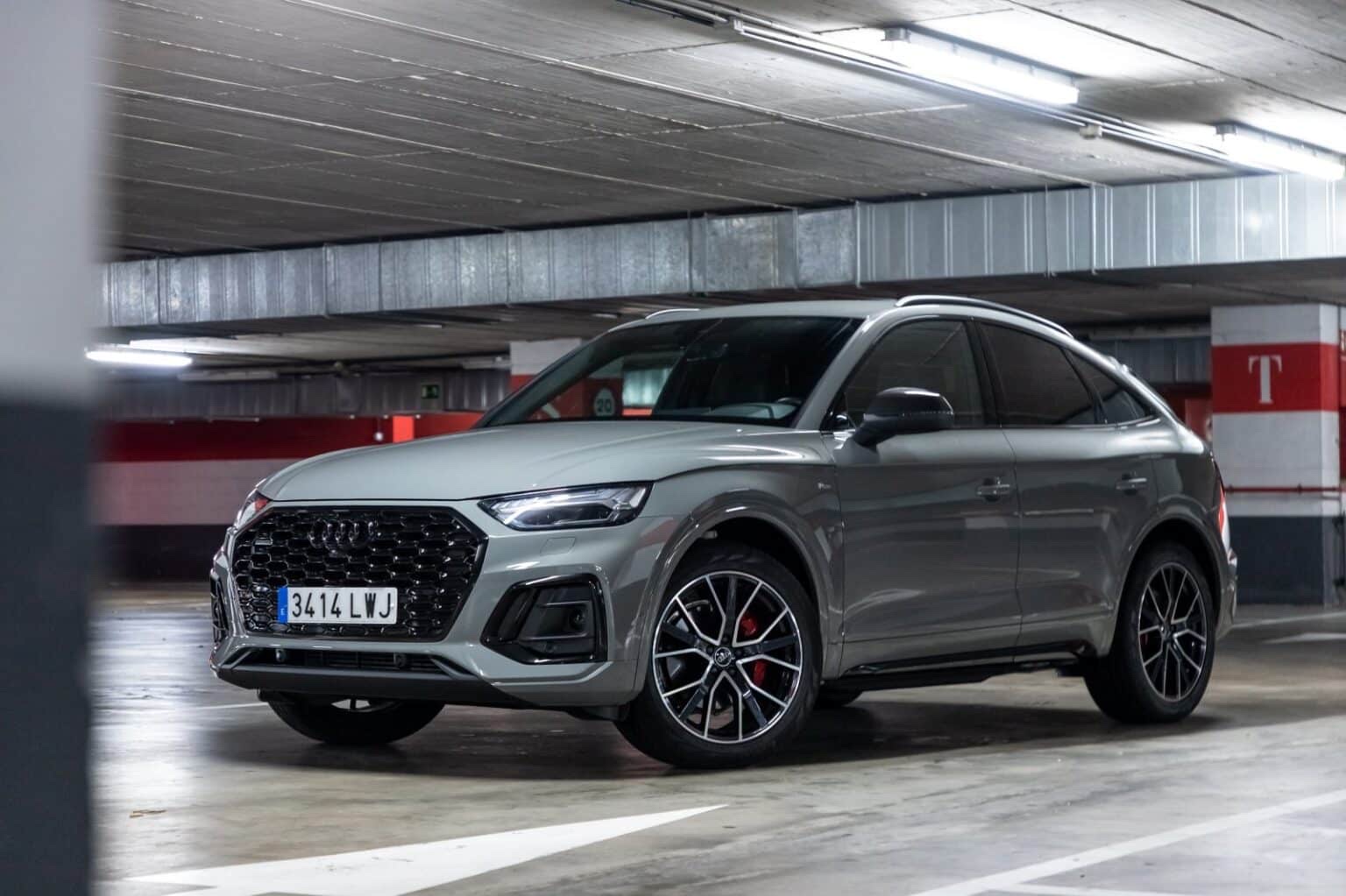
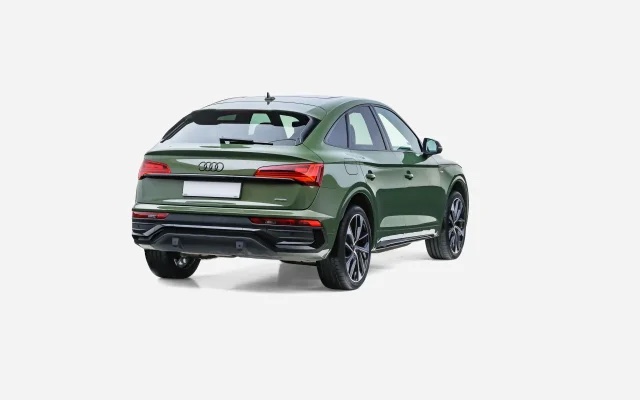
Beyond the obvious sloping roofline, the Q5 Sportback features several subtle visual distinctions from the conventional Q5. The front end sports a unique grille insert and revised side air intake surrounds, giving it a slightly more aggressive road presence. At the rear, the bumper is uniquely sculpted to integrate with the sweeping tailgate. Optional Matrix LED headlights enhance the front fascia while providing advanced forward illumination. The overall footprint remains heavily tied to the standard SUV, ensuring it fits easily into urban environments while standing out slightly more on the road.
Interior
The cabin architecture is lifted directly from the standard Q5, featuring Audi's MIB 3 infotainment system with a 10.1-inch floating touchscreen and an available 12.3-inch digital instrument cluster. Controls are slightly angled toward the driver for a highly ergonomic layout. The primary difference lies in the rear passenger compartment, where the Sportback sacrifices 16 millimeters of headroom due to the descending roof. Cargo capacity also sees a slight reduction, offering 510 liters behind the rear seats—40 liters less than the regular Q5. However, buyers can opt for a sliding second-row seat with adjustable backrests to manage passenger and luggage space.
Performance
The powertrain lineup spans 2.0-liter four-cylinder and 3.0-liter V6 engines. Diesel options include the 35 TDI (163 hp), 40 TDI (204 hp), and the 50 TDI V6 (286 hp, 620 Nm). Petrols include the 40 TFSI (204 hp) and 45 TFSI (265 hp). Four-cylinder models use a seven-speed dual-clutch automatic, paired with either front-wheel drive or on-demand all-wheel drive. The V6 employs an eight-speed torque-converter automatic with a permanent rear-biased all-wheel-drive system. All combustion variants feature mild-hybrid technology. Additionally, Audi offers 299-hp and 367-hp plug-in hybrid options. A sport suspension comes standard, with adaptive and air setups available.
Practicality
While the coupe-SUV form factor inherently compromises ultimate utility, the Q5 Sportback remains highly practical for everyday use. The 510-liter trunk is well-shaped, and the optional sliding rear bench allows owners to prioritize cargo or legroom as needed. It serves effectively as a family vehicle, handling daily commuting and road trips with ease. Though the rear headroom is slightly reduced, adult passengers will still find the back seats comfortable for typical journeys.
Safety and tech
Standard tech features are robust, centered around the intuitive touchscreen interface with voice control and smartphone integration via Apple CarPlay and Android Auto. The model can be equipped with a comprehensive suite of advanced driver assistance systems. Optional tech and comfort upgrades include a 755-watt Bang & Olufsen audio system, three-zone climate control, and ventilated front seats. High-end lighting technology is available, including advanced matrix LED systems.
Buyer notes
When comparing trims, buyers should carefully consider their drivetrain needs. Entry-level versions like the 35 TDI and 40 TFSI may be equipped with front-wheel drive rather than the all-wheel-drive system many associate with the brand. The standard sport suspension is firmer than the regular Q5; those seeking maximum comfort should seek out models equipped with the optional adaptive dampers or the height-adjustable air suspension system.
Trims and key specifications
Use this table to compare the main differences between available configurations.
| Trim / modification | Engine | Power | Seats | Transmission |
|---|---|---|---|---|
| 40 TDI | 1968 cc | 204 hp | 5 | 7 S-tronic |
| 50 TDI | 2967 cc | 286 hp | 5 | 8-Tiptronic |
| 45 TFSI | 1984 cc | 265 hp | 5 | 7 S-tronic |
| 40 TFSI | 1984 cc | 204 hp | 5 | 7 S-tronic |
| 35 TDI | 1968 cc | 163 hp | 5 | 7 S-tronic |
Specifications can vary by market, model year, and equipment package. Use the trim sections below to review the full data for each configuration.
Audi Q5 Sportback (FY) photo gallery
19 images are collected here with the main specifications and trim data for this model.
Photo Audi Q5 Sportback (FY)
Specifications by trim
Choose a configuration below to open full technical data grouped by category.
40 TDI 36 specifications
Specifications
Performance and consumption
| Fuel consumption city, L/100 km | 6.1 |
|---|---|
| Fuel consumption highway, L/100 km | 4.8 |
| Fuel consumption combined, L/100 km | 5.3 |
| Top speed, km/h | 222 |
| Acceleration 0-100 km/h, s | 7.6 |
| Emissions standard | Euro VI |
Engine
| Engine | 2.0 TDI |
|---|---|
| Engine code | DFBA (EA288) |
| Engine type | Internal combustion engine |
| Fuel type | Diesel |
| Engine displacement, cc | 1968 |
| Cylinder layout | Inline |
| Number of cylinders | 4 |
| Valves | 16 |
| Compression ratio | 16.0:1 |
| Power, hp | 204 |
| RPM at max power | 4000 |
| Torque, Nm | 400 |
| RPM at max torque | 1900-3300 |
Dimensions
| Seats | 5 |
|---|---|
| Length, mm | 4689 |
| Width, mm | 2140 |
| Height, mm | 1660 |
| Wheelbase, mm | 2819 |
| Front track, mm | 1616 |
| Rear track, mm | 1609 |
| Kerb weight, kg | 1850 |
| Fuel tank capacity, L | 70 |
| Width without mirrors, mm | 1893 |
| Trunk capacity, L | 510 |
Transmission and drive
| Transmission | 7 S-tronic |
|---|---|
| Transmission type | 2-speed automated manual |
| Drive | All-wheel drive |
| Number of gears | 7 |
| Transmission manufacturer | BorgWarner |
| Automatic transmission | + |
50 TDI 37 specifications
Specifications
Performance and consumption
| Fuel consumption city, L/100 km | 8.4 |
|---|---|
| Fuel consumption highway, L/100 km | 5.7 |
| Fuel consumption combined, L/100 km | 6.7 |
| Top speed, km/h | 240 |
| Acceleration 0-100 km/h, s | 5.7 |
| Emissions standard | Euro VI |
Engine
| Engine | 3.0 TDI |
|---|---|
| Engine code | DCPC (EA897) |
| Engine type | Internal combustion engine |
| Fuel type | Diesel |
| Engine displacement, cc | 2967 |
| Cylinder layout | V-type |
| Number of cylinders | 6 |
| Valves | 32 |
| Turbocharger | + |
| Power, hp | 286 |
| RPM at max power | 3500-4000 |
| Torque, Nm | 620 |
| RPM at max torque | 2250-3000 |
Dimensions
| Seats | 5 |
|---|---|
| Length, mm | 4689 |
| Width, mm | 2140 |
| Height, mm | 1660 |
| Wheelbase, mm | 2819 |
| Front track, mm | 1616 |
| Rear track, mm | 1609 |
| Kerb weight, kg | 1850 |
| Fuel tank capacity, L | 70 |
| Width without mirrors, mm | 1893 |
| Trunk capacity, L | 510 |
Transmission and drive
| Transmission | 8-Tiptronic |
|---|---|
| Transmission type | automatic |
| Drive | All-wheel drive |
| Number of gears | 8 |
| Transmission manufacturer | ZF |
| Automatic transmission | + |
| Transmission country | Germany |
45 TFSI 36 specifications
Specifications
Performance and consumption
| Fuel consumption city, L/100 km | 9.1 |
|---|---|
| Fuel consumption highway, L/100 km | 6.3 |
| Fuel consumption combined, L/100 km | 7.4 |
| Top speed, km/h | 240 |
| Acceleration 0-100 km/h, s | 6.1 |
| Emissions standard | Euro VI |
Engine
| Engine | 2.0 TFSI |
|---|---|
| Engine code | EA888 evo4 |
| Engine type | Internal combustion engine |
| Fuel type | Gasoline |
| Engine displacement, cc | 1984 |
| Cylinder layout | Inline |
| Number of cylinders | 4 |
| Valves | 16 |
| Turbocharger | + |
| Power, hp | 265 |
| RPM at max power | 5250–6500 |
| Torque, Nm | 370 |
| RPM at max torque | 1650–4500 |
Dimensions
| Seats | 5 |
|---|---|
| Length, mm | 4689 |
| Width, mm | 2140 |
| Height, mm | 1660 |
| Wheelbase, mm | 2819 |
| Front track, mm | 1616 |
| Rear track, mm | 1609 |
| Kerb weight, kg | 1850 |
| Fuel tank capacity, L | 70 |
| Width without mirrors, mm | 1893 |
| Trunk capacity, L | 510 |
Transmission and drive
| Transmission | 7 S-tronic |
|---|---|
| Transmission type | 2-speed automated manual |
| Drive | All-wheel drive |
| Number of gears | 7 |
| Transmission manufacturer | BorgWarner |
| Automatic transmission | + |
40 TFSI 31 specifications
Specifications
Performance and consumption
| Emissions standard | Euro VI |
|---|
Engine
| Engine | 2.0 TFSI |
|---|---|
| Engine code | EA888 evo4 |
| Engine type | Internal combustion engine |
| Fuel type | Gasoline |
| Engine displacement, cc | 1984 |
| Cylinder layout | Inline |
| Number of cylinders | 4 |
| Valves | 16 |
| Turbocharger | + |
| Power, hp | 204 |
| RPM at max power | 4500-6000 |
| Torque, Nm | 320 |
| RPM at max torque | 1500-4400 |
Dimensions
| Seats | 5 |
|---|---|
| Length, mm | 4689 |
| Width, mm | 2140 |
| Height, mm | 1660 |
| Wheelbase, mm | 2819 |
| Front track, mm | 1616 |
| Rear track, mm | 1609 |
| Kerb weight, kg | 1850 |
| Fuel tank capacity, L | 70 |
| Width without mirrors, mm | 1893 |
| Trunk capacity, L | 510 |
Transmission and drive
| Transmission | 7 S-tronic |
|---|---|
| Transmission type | 2-speed automated manual |
| Drive | Front-wheel drive |
| Number of gears | 7 |
| Transmission manufacturer | BorgWarner |
| Automatic transmission | + |
35 TDI 31 specifications
Specifications
Performance and consumption
| Emissions standard | Euro VI |
|---|
Engine
| Engine | 2.0 TDI |
|---|---|
| Engine code | EA288 |
| Engine type | Internal combustion engine |
| Fuel type | Diesel |
| Engine displacement, cc | 1968 |
| Cylinder layout | Inline |
| Number of cylinders | 4 |
| Valves | 16 |
| Turbocharger | + |
| Power, hp | 163 |
| RPM at max power | 3250-4200 |
| Torque, Nm | 370 |
| RPM at max torque | 1500-3000 |
Dimensions
| Seats | 5 |
|---|---|
| Length, mm | 4689 |
| Width, mm | 2140 |
| Height, mm | 1660 |
| Wheelbase, mm | 2819 |
| Front track, mm | 1616 |
| Rear track, mm | 1609 |
| Kerb weight, kg | 1850 |
| Fuel tank capacity, L | 70 |
| Width without mirrors, mm | 1893 |
| Trunk capacity, L | 510 |
Transmission and drive
| Transmission | 7 S-tronic |
|---|---|
| Transmission type | 2-speed automated manual |
| Drive | Front-wheel drive |
| Number of gears | 7 |
| Transmission manufacturer | BorgWarner |
| Automatic transmission | + |
Audi Q5 Sportback (FY) questions
Short answers based on the specifications and photos available in this catalog.
What body style is the Audi Q5 Sportback?
It is a premium compact SUV coupe. It features a sloping, coupe-like roofline combined with the elevated ride height of a traditional crossover.
Does it have less trunk space than the standard Q5?
Yes, the cargo capacity is slightly reduced. It offers 510 liters behind the rear seats, which is 40 liters less than the conventional Q5.
What suspension options are available?
A sport suspension comes standard. Buyers can optionally upgrade to an adaptive suspension or an air suspension system, which can adjust the vehicle's ride height for varying conditions.
Are there hybrid engines available?
Yes, all internal combustion engines feature a mild-hybrid system. There are also two distinct plug-in hybrid models available.
Is the all-wheel-drive system the same on all models?
No. Four-cylinder variants with all-wheel drive use an on-demand system, while the 3.0-liter V6 models use a permanent mechanical system with a rearward power bias.