Audi Q5 (FY) specifications and photos
The 2020 Audi Q5 represents a mid-cycle update for the second-generation (FY) luxury crossover. Unveiled in June 2020, this facelift brings subtle exterior revisions, upgraded infotainment technology, and revised powertrain options including mild-hybrid integration.
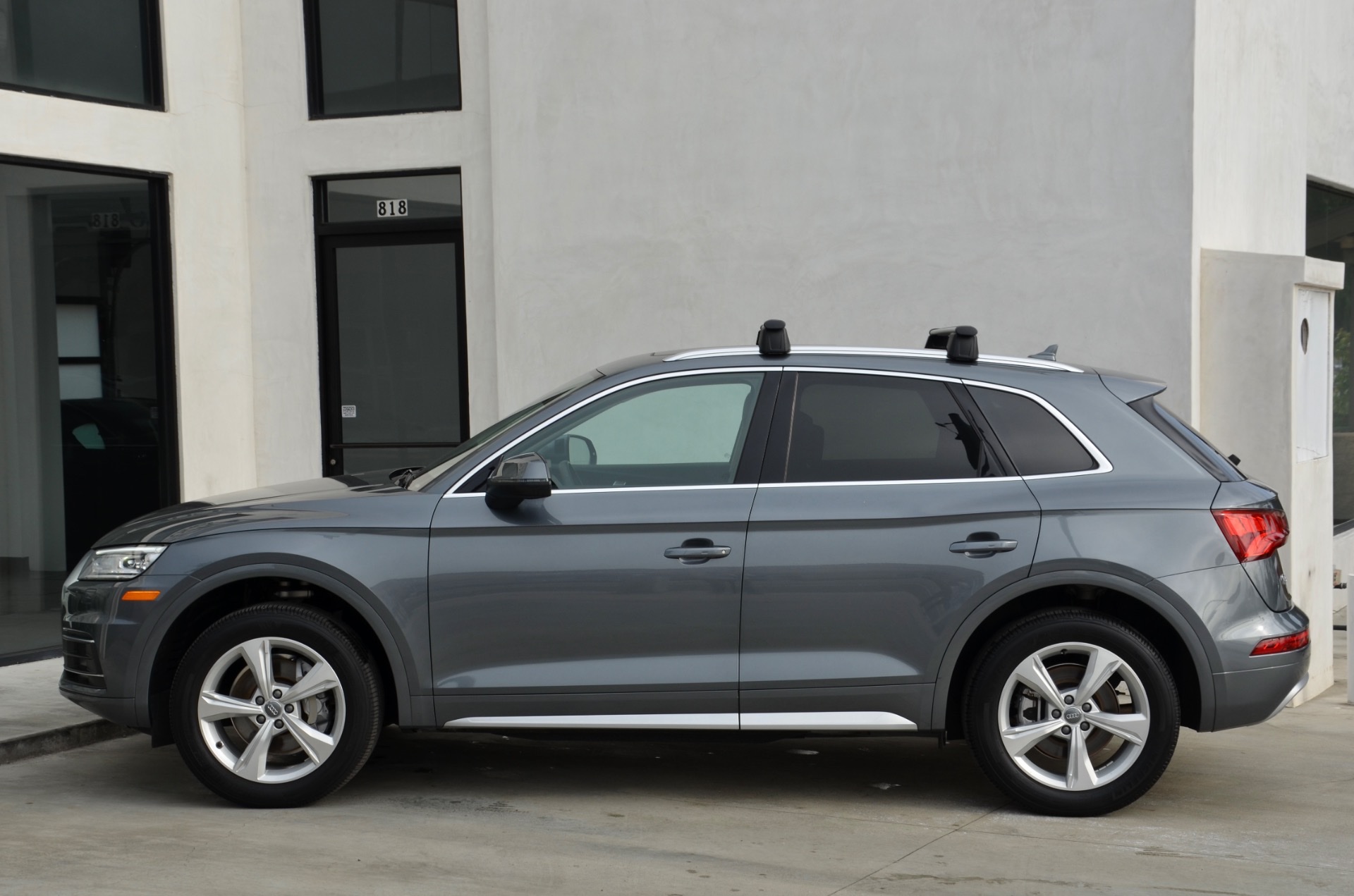
Audi Q5 (FY) at a glance
Quick model context before comparing photos and trim-level specifications.
Positioned as a strong contender in the premium mid-size SUV segment, the updated 2020 Audi Q5 retains the familiar proportions of its predecessor while introducing targeted improvements. This restyling focuses on sharpening the exterior aesthetic and modernizing the cabin technology to keep pace with competitors. A key update is the integration of a 12-volt mild-hybrid system across several four-cylinder engines, aimed at improving fuel efficiency and smoothing out the start/stop function. The lineup remains diverse, offering everything from efficient front-wheel-drive diesels to potent V6 options and plug-in hybrids, catering to a wide range of buyers looking for a balanced mix of comfort, practicality, and driving dynamics.
- Power: 163-286 hp
- Engine displacement: 1968-2967 cc
- Transmissions: 7 S-tronic, 8-Tiptronic
- Seating: 5 seats
Photos, trims and specifications for Audi Q5 (FY)
This model page brings gallery images, trim comparison, and detailed technical data together for the 2020 generation.
Estimate fuel cost
Use trim-level fuel consumption data to estimate monthly and yearly fuel spending.
Fuel costs are estimates. Real consumption can change with driving style, traffic, tires, weather, load, and market-specific equipment.
Audi Q5 (FY) overview
Editorial context for design, cabin, performance, practicality, and buyer notes.
Design
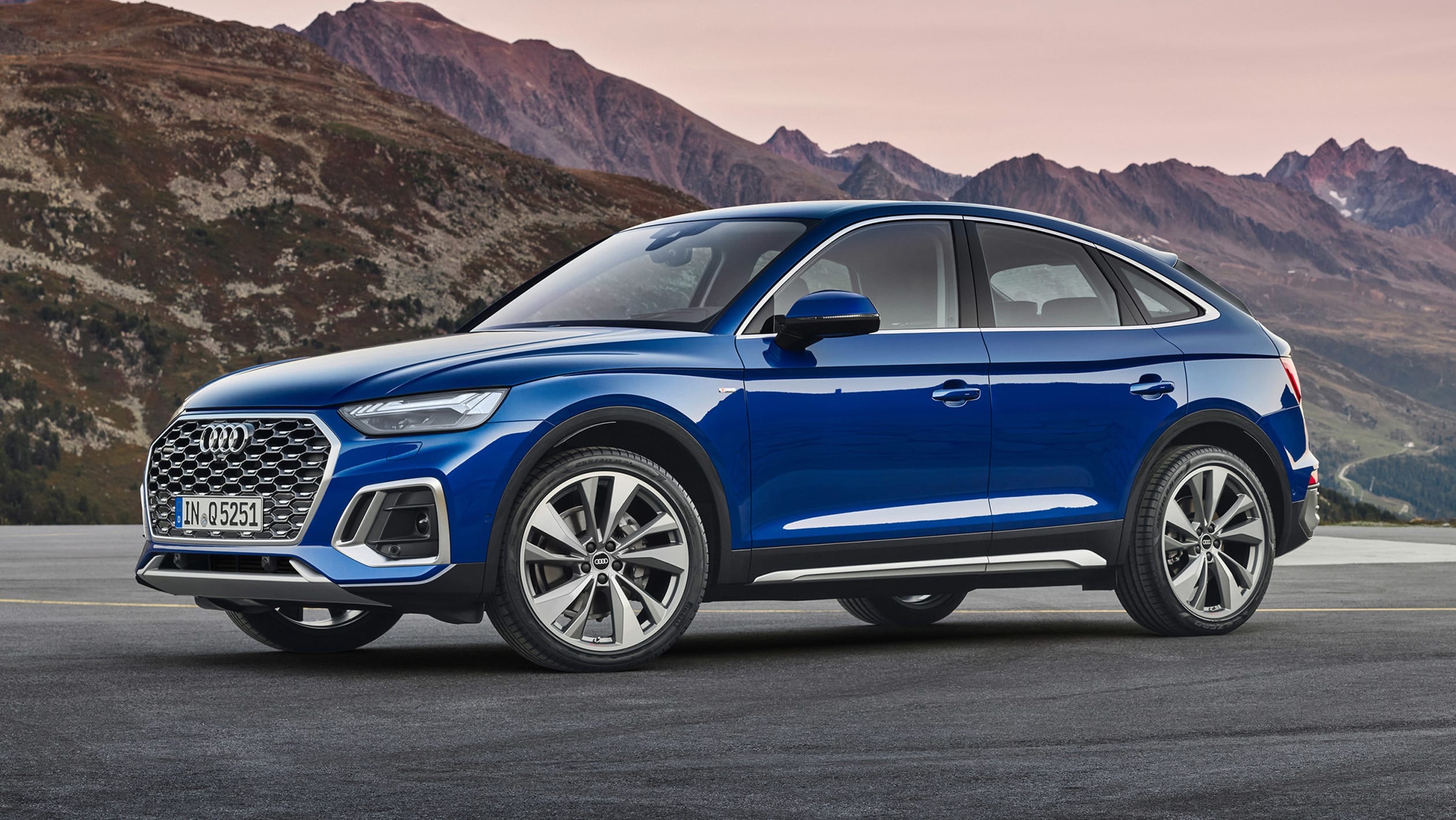
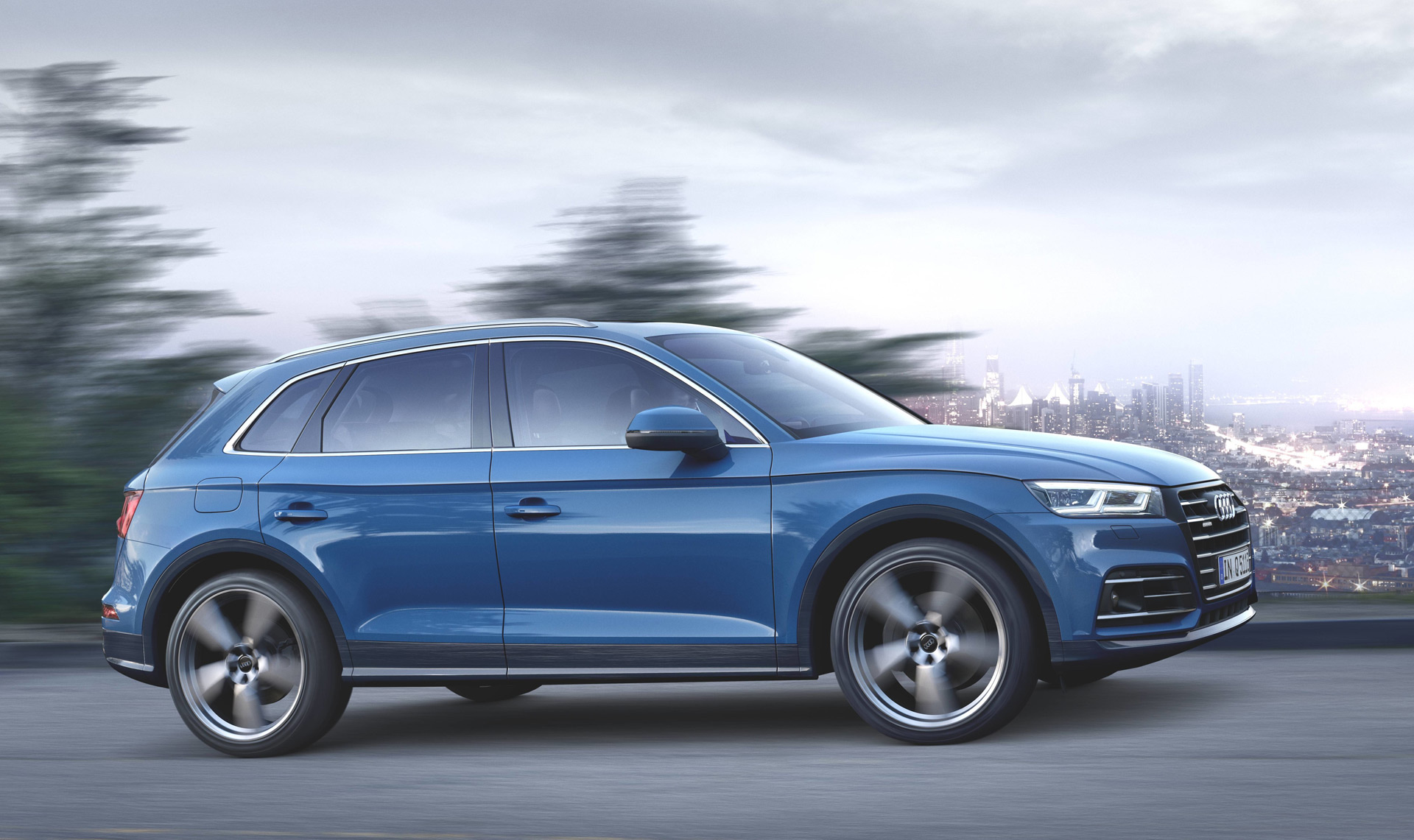
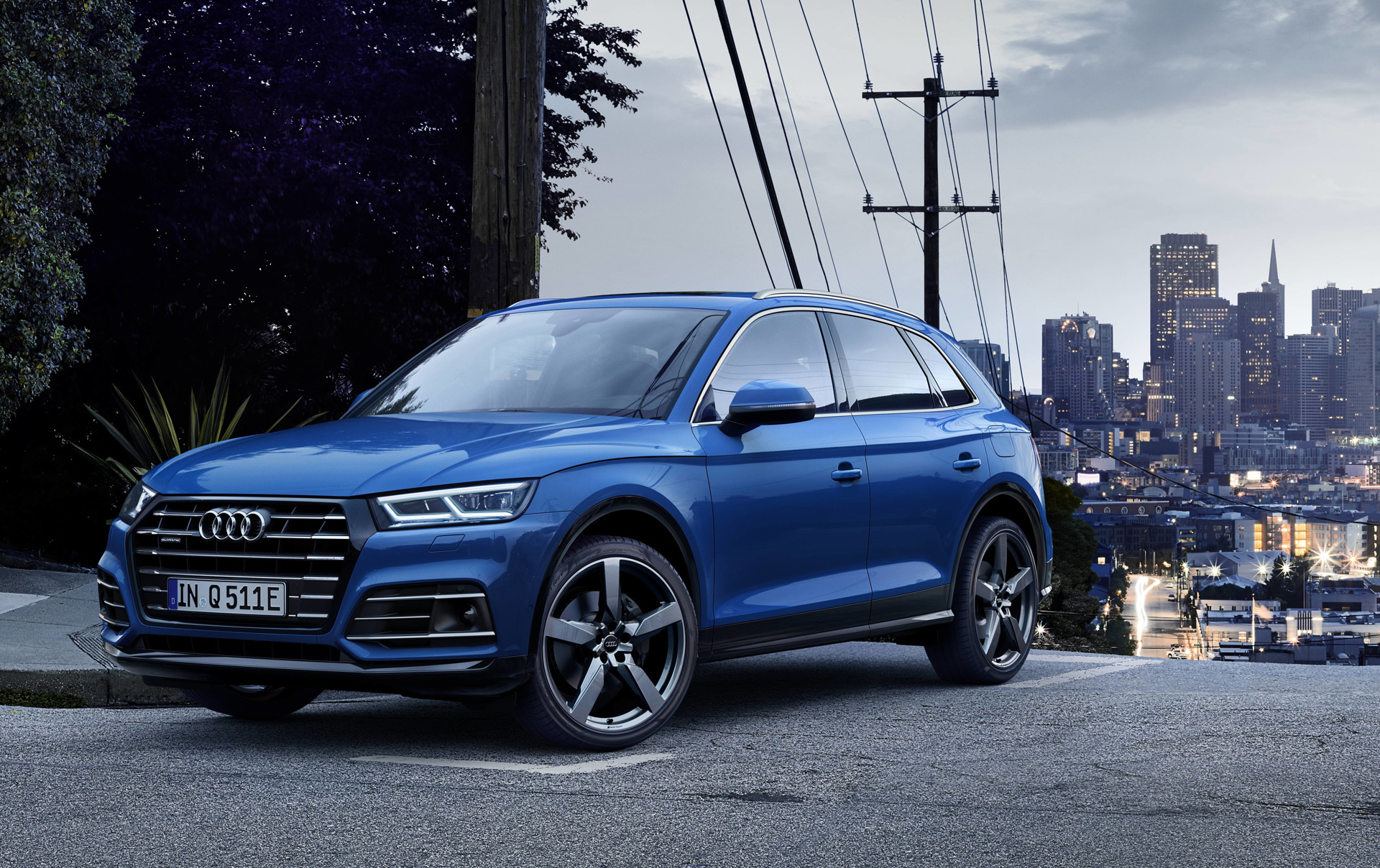
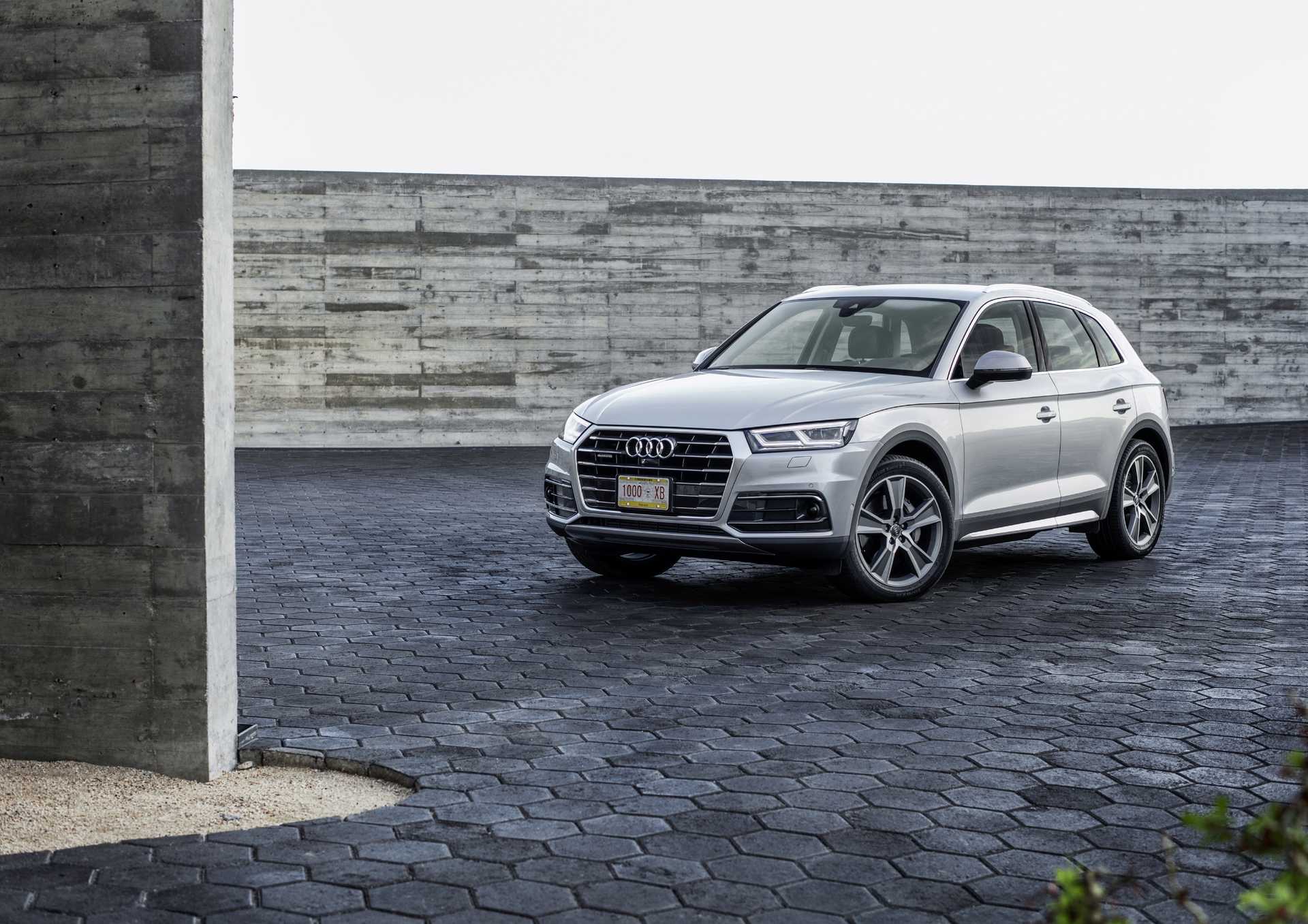
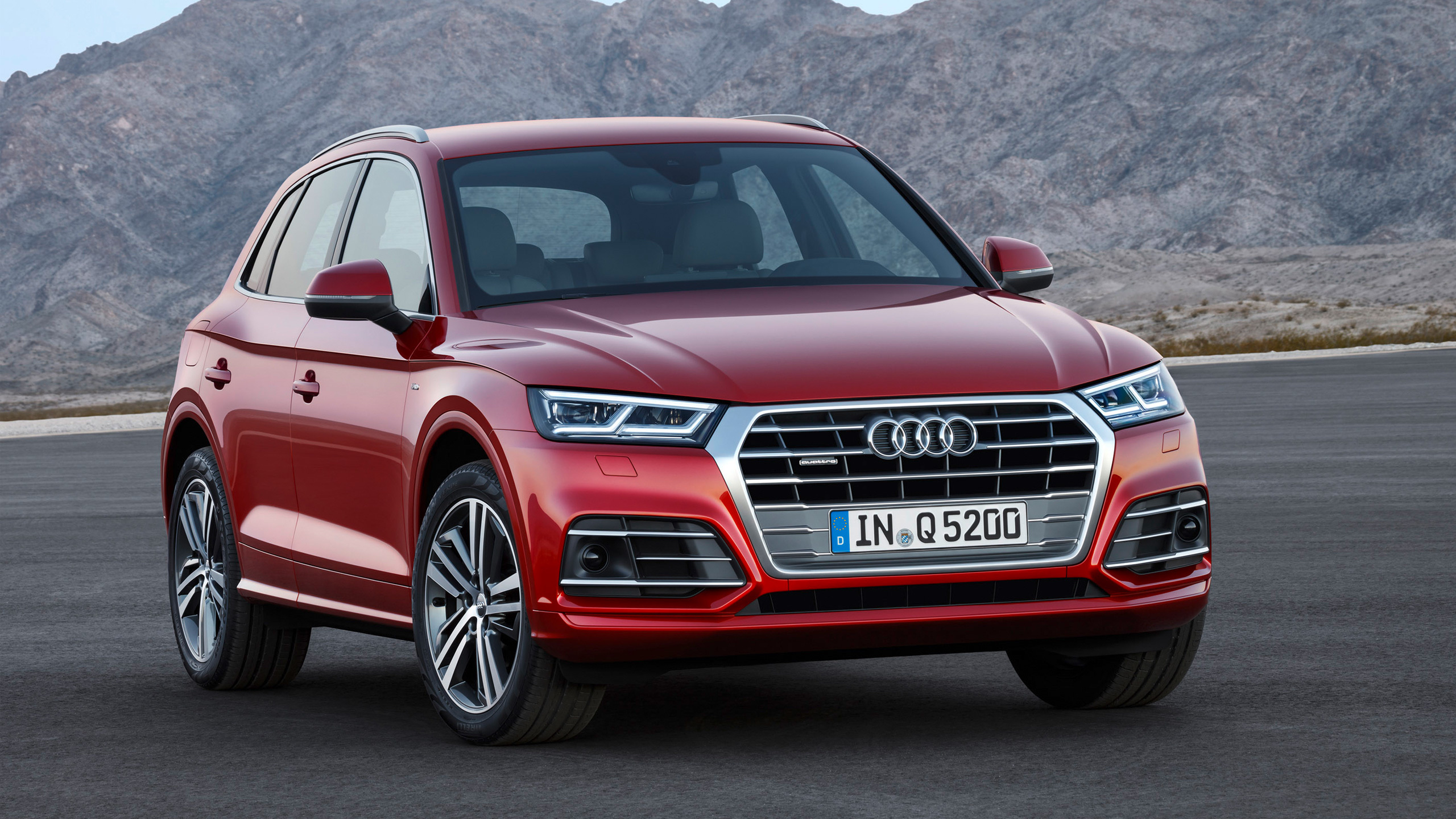
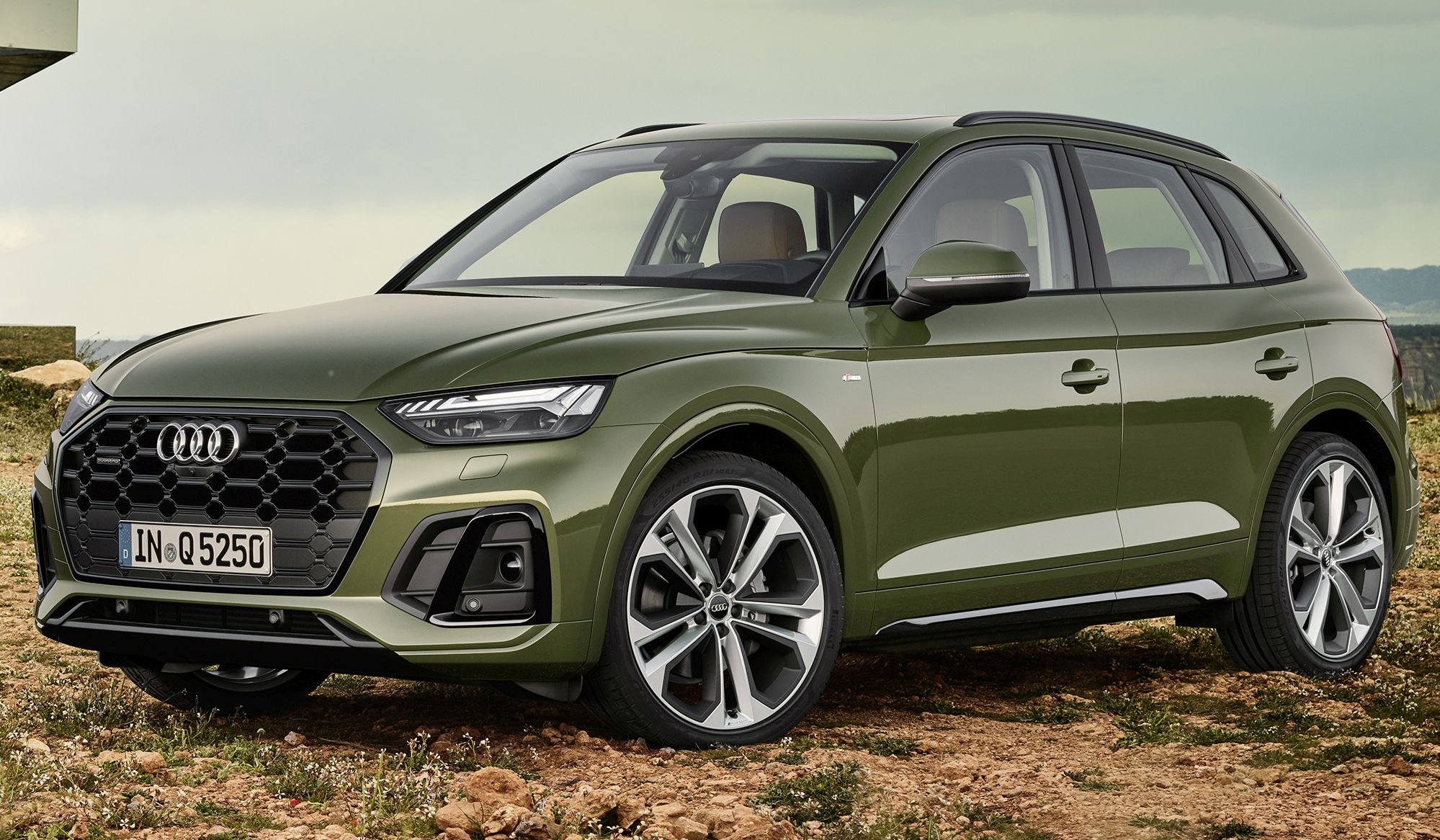
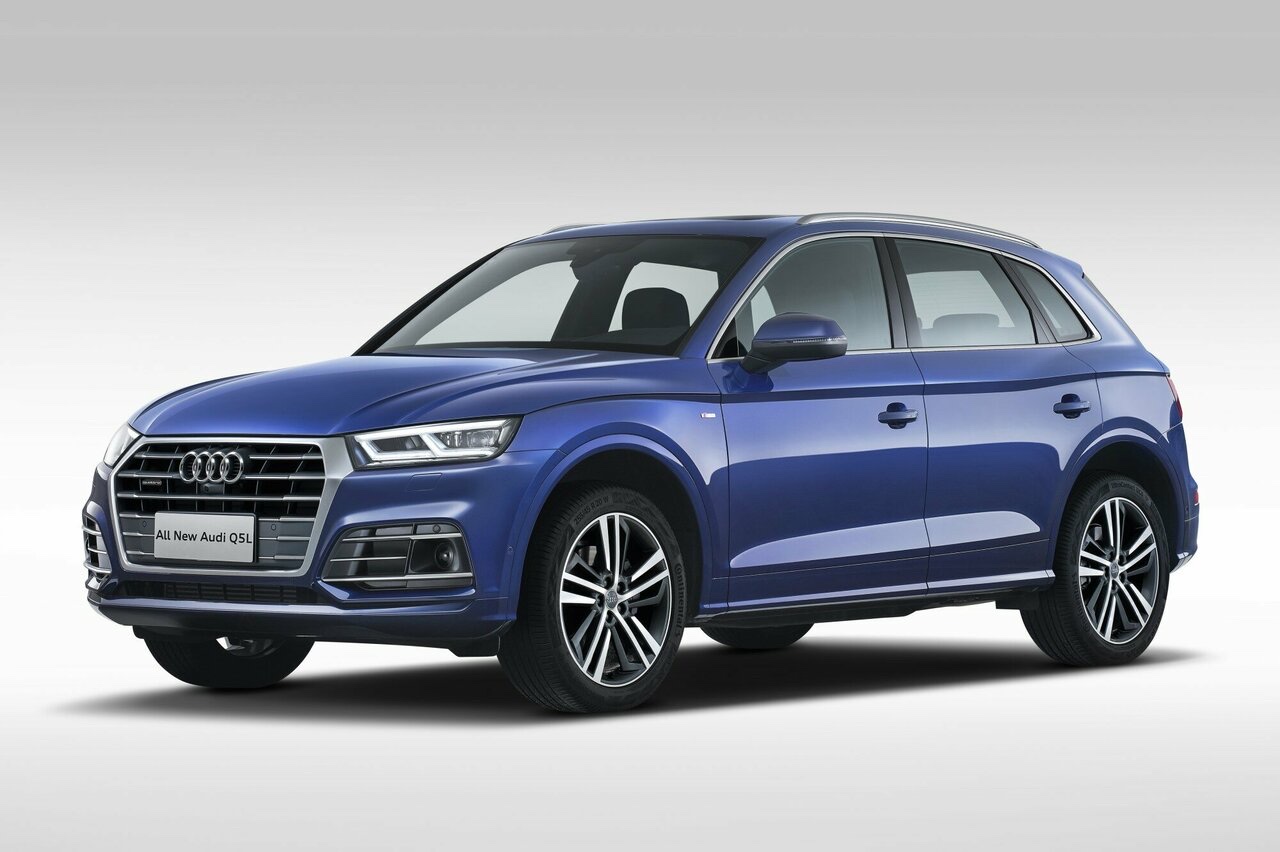
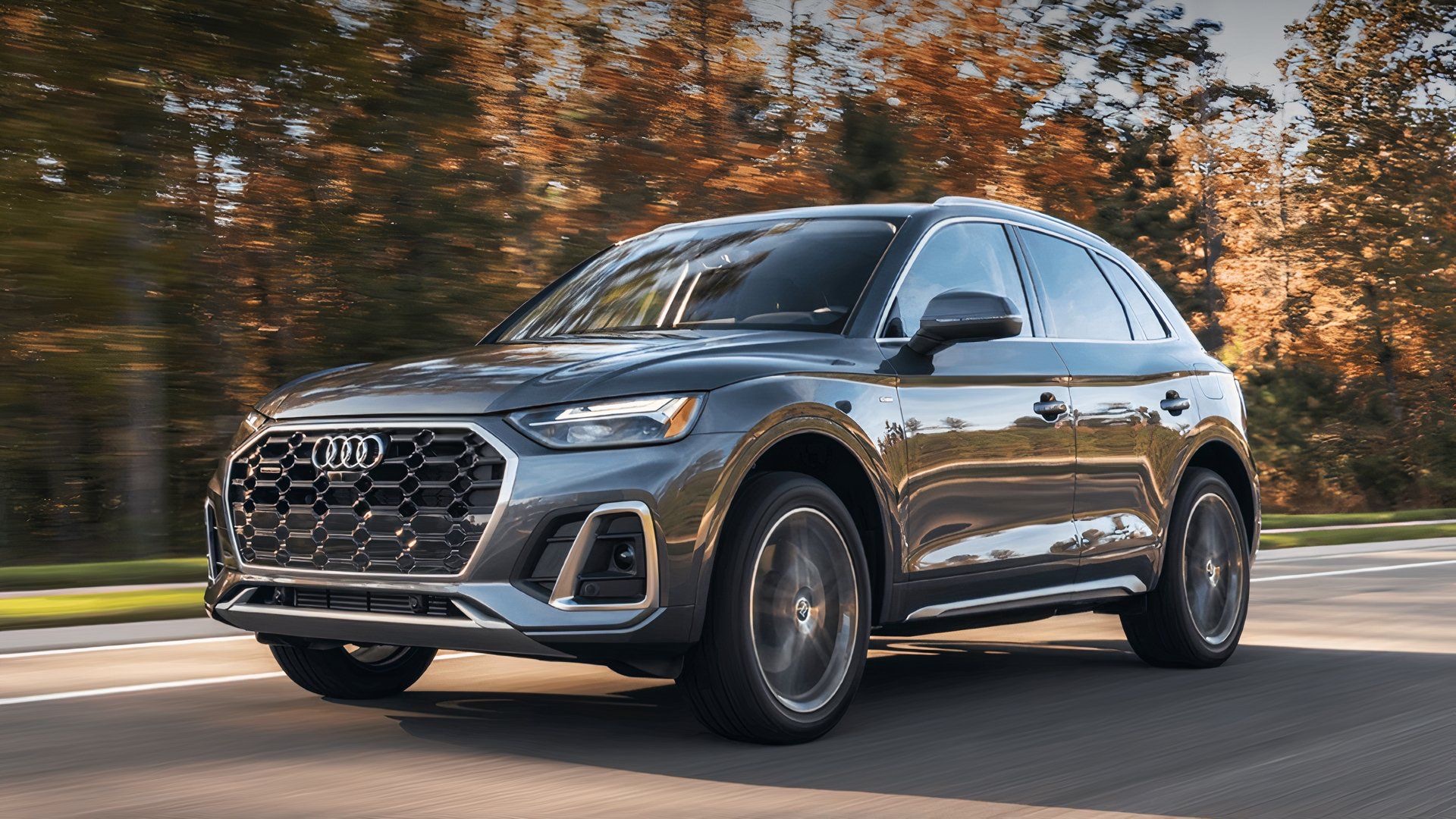
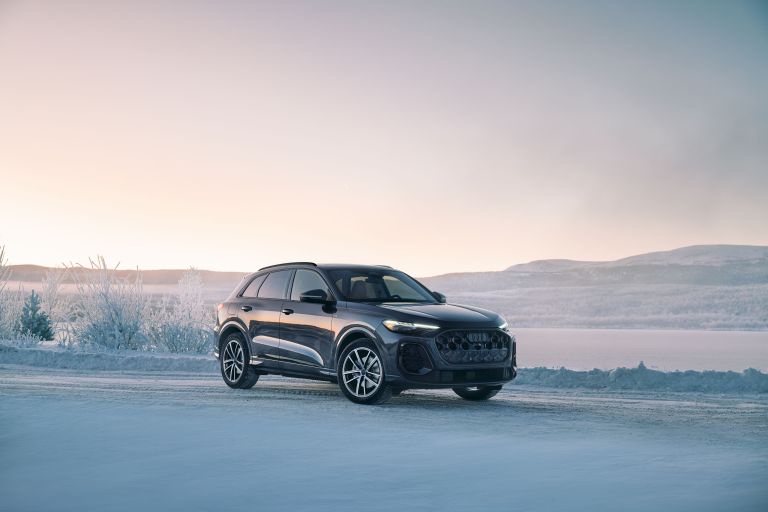
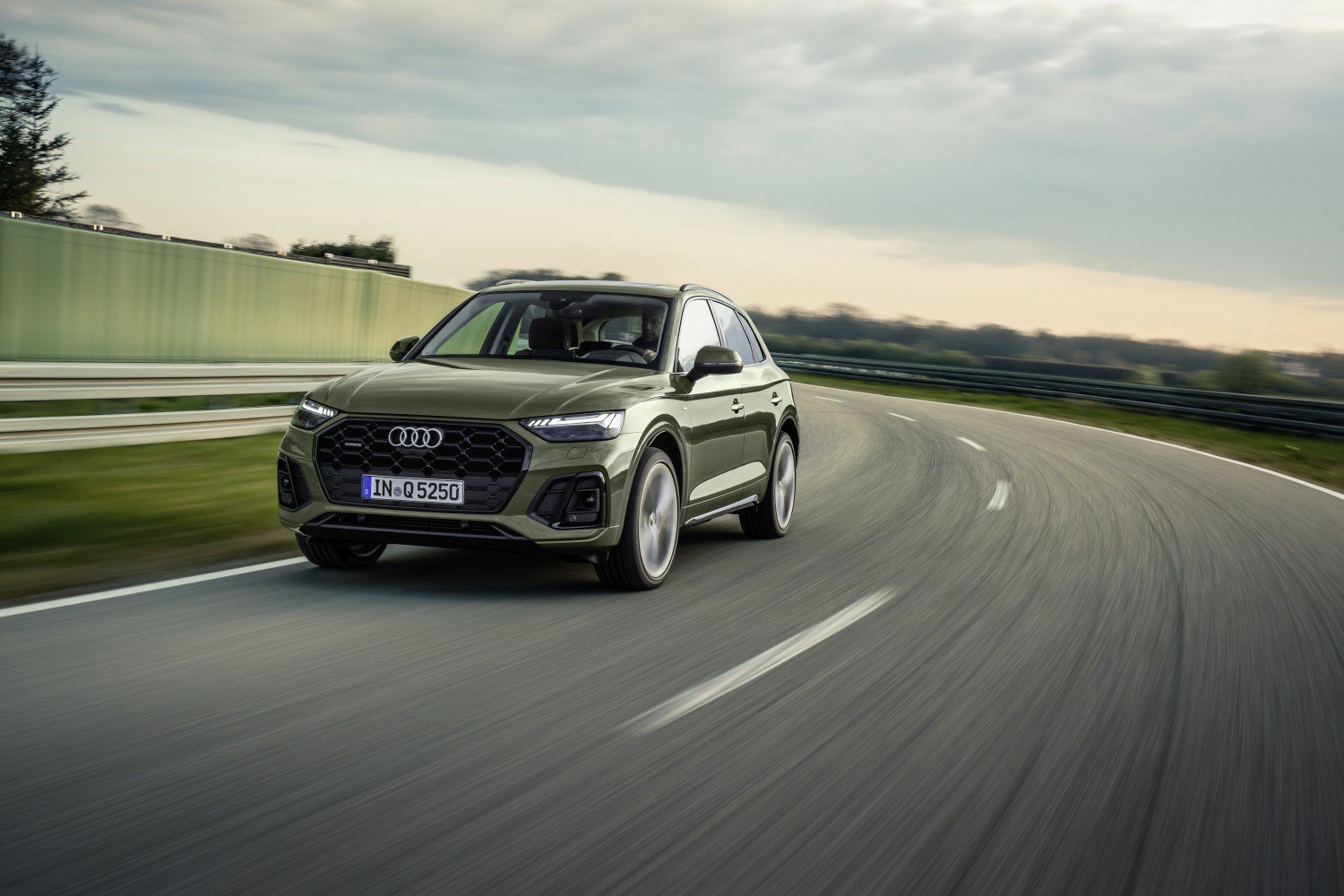
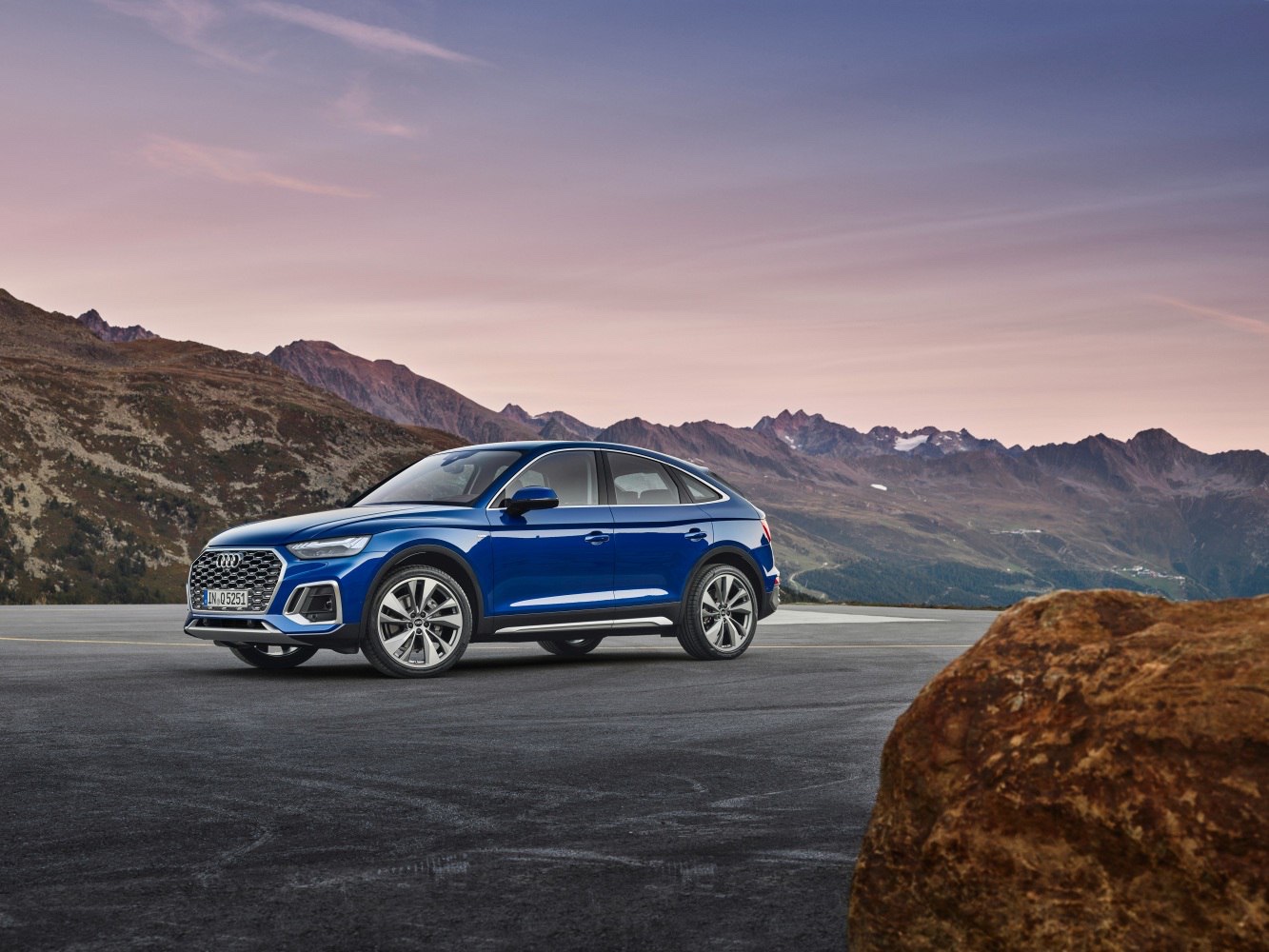
The exterior changes for the 2020 facelift are evolutionary but noticeable. The front fascia features a revised grille with a narrower surround, making it appear wider, alongside a more aggressive front bumper with larger side intakes. LED headlights are standard, with matrix LED units available as an option. The profile is slightly tweaked with reshaped side sills and newly available alloy wheel designs up to 21 inches. At the rear, the Q5 introduces optional OLED taillights. These provide a highly uniform light signature and feature a proximity sensor that illuminates all segments if another vehicle approaches within two meters while stationary. Due to the reshaped bumpers, overall length increased slightly by 19 mm to 4,682 mm.
Interior
Inside, the most significant change is the updated MMI infotainment system. The previous rotary controller on the center console has been replaced by a storage cubby, as the new 10.1-inch display is now fully touch-operated with acoustic feedback and voice control capabilities. Higher trims feature a customizable 12.3-inch digital instrument cluster. The cabin maintains its reputation for high build quality, offering available Nappa leather, a panoramic roof, and a 19-speaker Bang & Olufsen audio system. Space remains unchanged; the cargo area offers 550 liters of capacity, expanding to 1,550 liters with the 40/20/40 split-folding rear seats down. An optional sliding rear bench adds interior flexibility.
Performance
The 2020 Q5 engine range includes a variety of diesel and gasoline options. The core European model is the 40 TDI, featuring a 2.0-liter turbodiesel producing 204 horsepower and 400 Nm of torque, paired with a 12V mild-hybrid system and Quattro ultra all-wheel drive. Other options include a 163-hp 35 TDI and a powerful 286-hp 3.0-liter V6 in the 50 TDI, which uses an 8-speed Tiptronic transmission. Gasoline models include the 40 TFSI (204 hp) and 45 TFSI (265 hp). Audi also offers plug-in hybrid variants producing either 299 or 367 horsepower. Depending on the model, buyers can specify standard, sport, adaptive, or adaptive air suspension systems.
Practicality
As a mid-size luxury SUV, the Q5 remains a highly practical choice for everyday use and family duties. The standard 550-liter trunk is well-shaped and competitive for the class. The availability of a sliding rear seat allows owners to prioritize either rear legroom or cargo space depending on immediate needs. With up to 1,550 liters of total volume, it easily accommodates larger items. The raised ride height and available Quattro all-wheel drive provide confidence in varied weather conditions.
Safety and tech
The updated tech suite includes Audi connect services, offering real-time traffic updates, Google Earth imagery, and Car-to-X communication capabilities that can interface with city infrastructure, such as traffic lights. The myAudi app allows for remote vehicle connection. The transition to the third-generation MMI system improves processing speed and user interface logic. A full suite of active driver assistance systems is available, alongside convenience features like a head-up display and wireless smartphone charging.
Buyer notes
When comparing trims, pay attention to the drivetrain, as base models like the 35 TDI and 40 TFSI may be front-wheel drive, whereas most other versions include Quattro AWD. The choice of suspension ranging from standard steel springs to adaptive air setups significantly alters the driving character. Note that advanced features like the OLED taillights, matrix headlights, and the fully digital instrument cluster are often tied to higher equipment packages or standalone options. Exact engine availability and standard equipment will vary by regional market.
Trims and key specifications
Use this table to compare the main differences between available configurations.
| Trim / modification | Engine | Power | Seats | Transmission |
|---|---|---|---|---|
| 40 TDI | 1968 cc | 204 hp | 5 | 7 S-tronic |
| 35 TDI | 1968 cc | 163 hp | 5 | 7 S-tronic |
| 50 TDI | 2967 cc | 286 hp | 5 | 8-Tiptronic |
| 45 TFSI | 1984 cc | 265 hp | 5 | 7 S-tronic |
| 40 TFSI | 1984 cc | 204 hp | 5 | 7 S-tronic |
Specifications can vary by market, model year, and equipment package. Use the trim sections below to review the full data for each configuration.
Audi Q5 (FY) photo gallery
15 images are collected here with the main specifications and trim data for this model.
Photo Audi Q5 (FY)
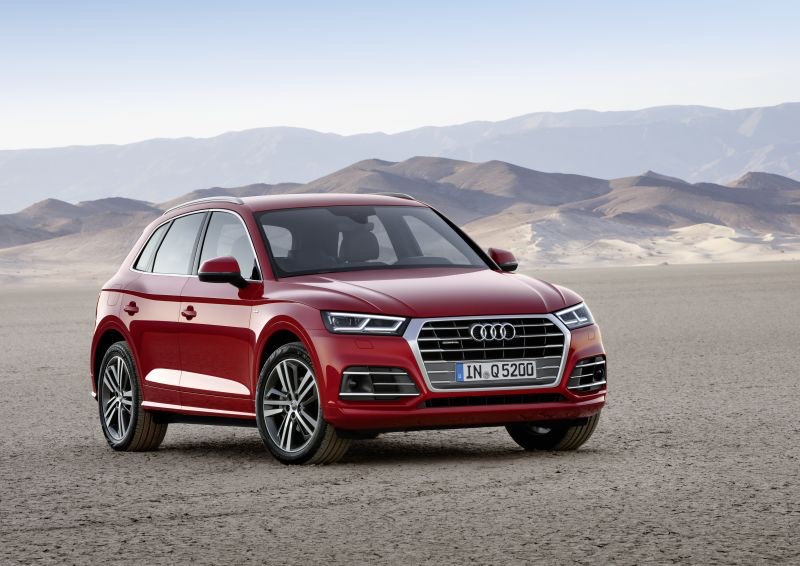
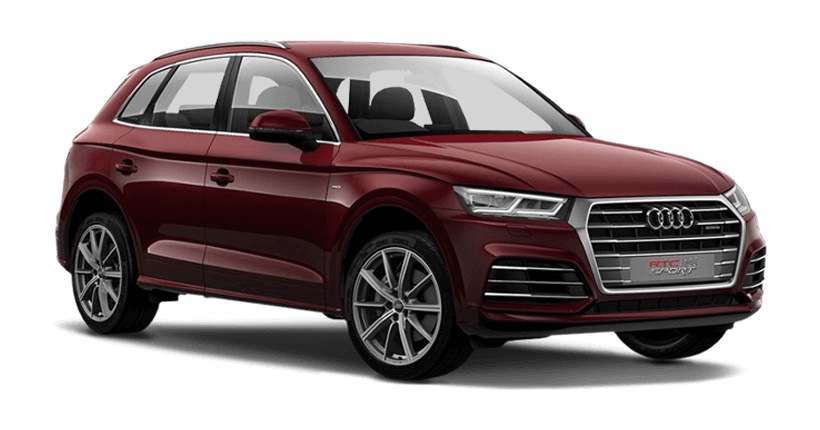
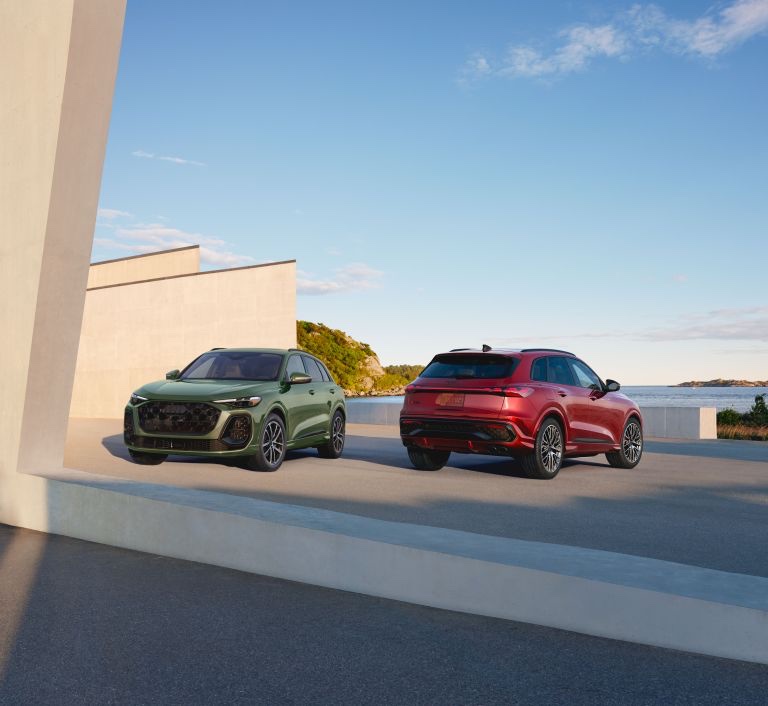
Specifications by trim
Choose a configuration below to open full technical data grouped by category.
40 TDI 38 specifications
Specifications
Performance and consumption
| Fuel consumption city, L/100 km | 6.1 |
|---|---|
| Fuel consumption highway, L/100 km | 4.8 |
| Fuel consumption combined, L/100 km | 5.3 |
| Top speed, km/h | 222 |
| Acceleration 0-100 km/h, s | 7.6 |
| Emissions standard | Euro VI |
Engine
| Engine | 2.0 TDI |
|---|---|
| Engine code | DFBA (EA288) |
| Engine type | Internal combustion engine |
| Fuel type | Diesel |
| Engine displacement, cc | 1968 |
| Cylinder layout | Inline |
| Number of cylinders | 4 |
| Valves | 16 |
| Compression ratio | 16.0:1 |
| Power, hp | 204 |
| RPM at max power | 4000 |
| Torque, Nm | 400 |
| RPM at max torque | 1900-3300 |
Dimensions
| Seats | 5 |
|---|---|
| Length, mm | 4682 |
| Width, mm | 2140 |
| Height, mm | 1662 |
| Wheelbase, mm | 2819 |
| Front track, mm | 1616 |
| Rear track, mm | 1609 |
| Kerb weight, kg | 1880 |
| Gross weight, kg | 2510 |
| Fuel tank capacity, L | 65 |
| Turning circle, m | 11.8 |
| Width without mirrors, mm | 1893 |
| Trunk capacity, L | 550 |
Transmission and drive
| Transmission | 7 S-tronic |
|---|---|
| Transmission type | 2-speed automated manual |
| Drive | All-wheel drive |
| Number of gears | 7 |
| Transmission manufacturer | BorgWarner |
| Automatic transmission | + |
35 TDI 38 specifications
Specifications
Performance and consumption
| Fuel consumption city, L/100 km | 5.5 |
|---|---|
| Fuel consumption highway, L/100 km | 4.3 |
| Fuel consumption combined, L/100 km | 4.7 |
| Top speed, km/h | 213 |
| Acceleration 0-100 km/h, s | 9 |
| Emissions standard | Euro VI |
Engine
| Engine | 2.0 TDI |
|---|---|
| Engine code | EA288 |
| Engine type | Internal combustion engine |
| Fuel type | Diesel |
| Engine displacement, cc | 1968 |
| Cylinder layout | Inline |
| Number of cylinders | 4 |
| Valves | 16 |
| Turbocharger | + |
| Power, hp | 163 |
| RPM at max power | 3250-4200 |
| Torque, Nm | 370 |
| RPM at max torque | 1500-3000 |
Dimensions
| Seats | 5 |
|---|---|
| Length, mm | 4682 |
| Width, mm | 2140 |
| Height, mm | 1662 |
| Wheelbase, mm | 2819 |
| Front track, mm | 1616 |
| Rear track, mm | 1609 |
| Kerb weight, kg | 1880 |
| Gross weight, kg | 2510 |
| Fuel tank capacity, L | 65 |
| Turning circle, m | 11.8 |
| Width without mirrors, mm | 1893 |
| Trunk capacity, L | 550 |
Transmission and drive
| Transmission | 7 S-tronic |
|---|---|
| Transmission type | 2-speed automated manual |
| Drive | Front-wheel drive |
| Number of gears | 7 |
| Transmission manufacturer | BorgWarner |
| Automatic transmission | + |
50 TDI 39 specifications
Specifications
Performance and consumption
| Fuel consumption city, L/100 km | 8.5 |
|---|---|
| Fuel consumption highway, L/100 km | 5.8 |
| Fuel consumption combined, L/100 km | 6.8 |
| Top speed, km/h | 240 |
| Acceleration 0-100 km/h, s | 5.7 |
| Emissions standard | Euro VI |
Engine
| Engine | 3.0 TDI |
|---|---|
| Engine code | DCPC (EA897) |
| Engine type | Internal combustion engine |
| Fuel type | Diesel |
| Engine displacement, cc | 2967 |
| Cylinder layout | V-type |
| Number of cylinders | 6 |
| Valves | 32 |
| Turbocharger | + |
| Power, hp | 286 |
| RPM at max power | 3500-4000 |
| Torque, Nm | 620 |
| RPM at max torque | 2250-3000 |
Dimensions
| Seats | 5 |
|---|---|
| Length, mm | 4682 |
| Width, mm | 2140 |
| Height, mm | 1662 |
| Wheelbase, mm | 2819 |
| Front track, mm | 1616 |
| Rear track, mm | 1609 |
| Kerb weight, kg | 1880 |
| Gross weight, kg | 2510 |
| Fuel tank capacity, L | 65 |
| Turning circle, m | 11.8 |
| Width without mirrors, mm | 1893 |
| Trunk capacity, L | 550 |
Transmission and drive
| Transmission | 8-Tiptronic |
|---|---|
| Transmission type | automatic |
| Drive | All-wheel drive |
| Number of gears | 8 |
| Transmission manufacturer | ZF |
| Automatic transmission | + |
| Transmission country | Germany |
45 TFSI 38 specifications
Specifications
Performance and consumption
| Fuel consumption city, L/100 km | 9.1 |
|---|---|
| Fuel consumption highway, L/100 km | 6.3 |
| Fuel consumption combined, L/100 km | 7.3 |
| Top speed, km/h | 240 |
| Acceleration 0-100 km/h, s | 6.1 |
| Emissions standard | Euro VI |
Engine
| Engine | 2.0 TFSI |
|---|---|
| Engine code | EA888 evo4 |
| Engine type | Internal combustion engine |
| Fuel type | Gasoline |
| Engine displacement, cc | 1984 |
| Cylinder layout | Inline |
| Number of cylinders | 4 |
| Valves | 16 |
| Turbocharger | + |
| Power, hp | 265 |
| RPM at max power | 5250–6500 |
| Torque, Nm | 370 |
| RPM at max torque | 1650–4500 |
Dimensions
| Seats | 5 |
|---|---|
| Length, mm | 4682 |
| Width, mm | 2140 |
| Height, mm | 1662 |
| Wheelbase, mm | 2819 |
| Front track, mm | 1616 |
| Rear track, mm | 1609 |
| Kerb weight, kg | 1880 |
| Gross weight, kg | 2510 |
| Fuel tank capacity, L | 65 |
| Turning circle, m | 11.8 |
| Width without mirrors, mm | 1893 |
| Trunk capacity, L | 550 |
Transmission and drive
| Transmission | 7 S-tronic |
|---|---|
| Transmission type | 2-speed automated manual |
| Drive | All-wheel drive |
| Number of gears | 7 |
| Transmission manufacturer | BorgWarner |
| Automatic transmission | + |
40 TFSI 33 specifications
Specifications
Performance and consumption
| Emissions standard | Euro VI |
|---|
Engine
| Engine | 2.0 TFSI |
|---|---|
| Engine code | EA888 evo4 |
| Engine type | Internal combustion engine |
| Fuel type | Gasoline |
| Engine displacement, cc | 1984 |
| Cylinder layout | Inline |
| Number of cylinders | 4 |
| Valves | 16 |
| Turbocharger | + |
| Power, hp | 204 |
| RPM at max power | 4500-6000 |
| Torque, Nm | 320 |
| RPM at max torque | 1500-4400 |
Dimensions
| Seats | 5 |
|---|---|
| Length, mm | 4682 |
| Width, mm | 2140 |
| Height, mm | 1662 |
| Wheelbase, mm | 2819 |
| Front track, mm | 1616 |
| Rear track, mm | 1609 |
| Kerb weight, kg | 1880 |
| Gross weight, kg | 2510 |
| Fuel tank capacity, L | 65 |
| Turning circle, m | 11.8 |
| Width without mirrors, mm | 1893 |
| Trunk capacity, L | 550 |
Transmission and drive
| Transmission | 7 S-tronic |
|---|---|
| Transmission type | 2-speed automated manual |
| Drive | Front-wheel drive |
| Number of gears | 7 |
| Transmission manufacturer | BorgWarner |
| Automatic transmission | + |
Audi Q5 (FY) questions
Short answers based on the specifications and photos available in this catalog.
What is the cargo capacity of the 2020 Audi Q5?
The trunk offers 550 liters of space behind the second row. With the rear seats folded, the maximum capacity expands to 1,550 liters.
Did the 2020 facelift change the interior?
The overall interior design remains similar to the pre-facelift model, but the infotainment system was significantly updated. It now uses a 10.1-inch touchscreen, replacing the older rotary dial controller on the center console.
Is the Audi Q5 all-wheel drive?
Most versions come equipped with Audi's Quattro all-wheel-drive system. However, some entry-level engines, such as the 35 TDI and 40 TFSI, are configured with front-wheel drive.
What are the OLED taillights on the Q5?
Available as an option, the OLED taillights offer a unique, bright light signature. They also include a safety feature where all light segments illuminate to warn drivers if another car approaches too closely from behind while the Q5 is stationary.
Are there hybrid versions of the Q5?
Yes, many standard four-cylinder engines feature a 12-volt mild-hybrid system to improve efficiency. Audi also offers plug-in hybrid models with significantly higher power outputs.