Ford S-Max specifications and photos
The 2019 Ford S-Max is a spacious minivan designed for families who want practicality without sacrificing a dynamic driving experience. This update to the second generation introduces refined exterior styling, advanced hybrid technology, and updated interior controls.
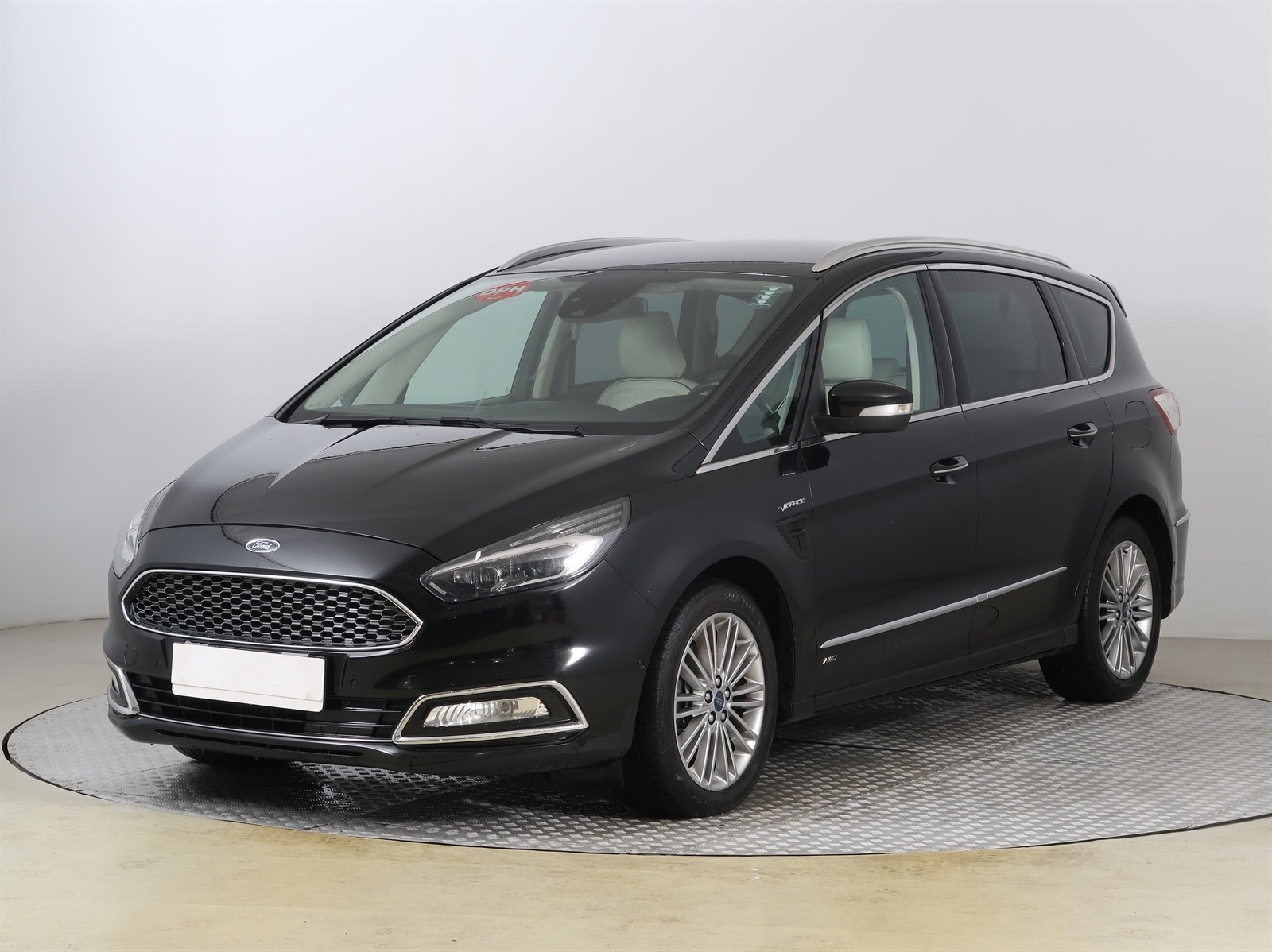
Ford S-Max at a glance
Quick model context before comparing photos and trim-level specifications.
Representing the final evolution of Ford's sporty minivan, the 2019 S-Max brings subtle but effective updates to the second-generation platform. Debuting in late 2019, this restyling focuses on modernized aesthetics and a significantly revised powertrain lineup. Ford introduced new trim options, including the luxurious Vignale and the more aggressive ST-Line, giving buyers more ways to personalize the vehicle. With seating for up to seven and the addition of a fuel-efficient hybrid model alongside strong diesel engines, the S-Max remains a compelling choice for buyers needing maximum passenger space and versatility in a more engaging package than a traditional boxy people mover.
- Power: 190-240 hp
- Engine displacement: 1997-2488 cc
- Transmissions: 8-speed automatic, eCVT
Photos, trims and specifications for Ford S-Max
This model page brings gallery images, trim comparison, and detailed technical data together for the 2019 generation.
Estimate fuel cost
Use trim-level fuel consumption data to estimate monthly and yearly fuel spending.
Fuel costs are estimates. Real consumption can change with driving style, traffic, tires, weather, load, and market-specific equipment.
Ford S-Max overview
Editorial context for design, cabin, performance, practicality, and buyer notes.
Design
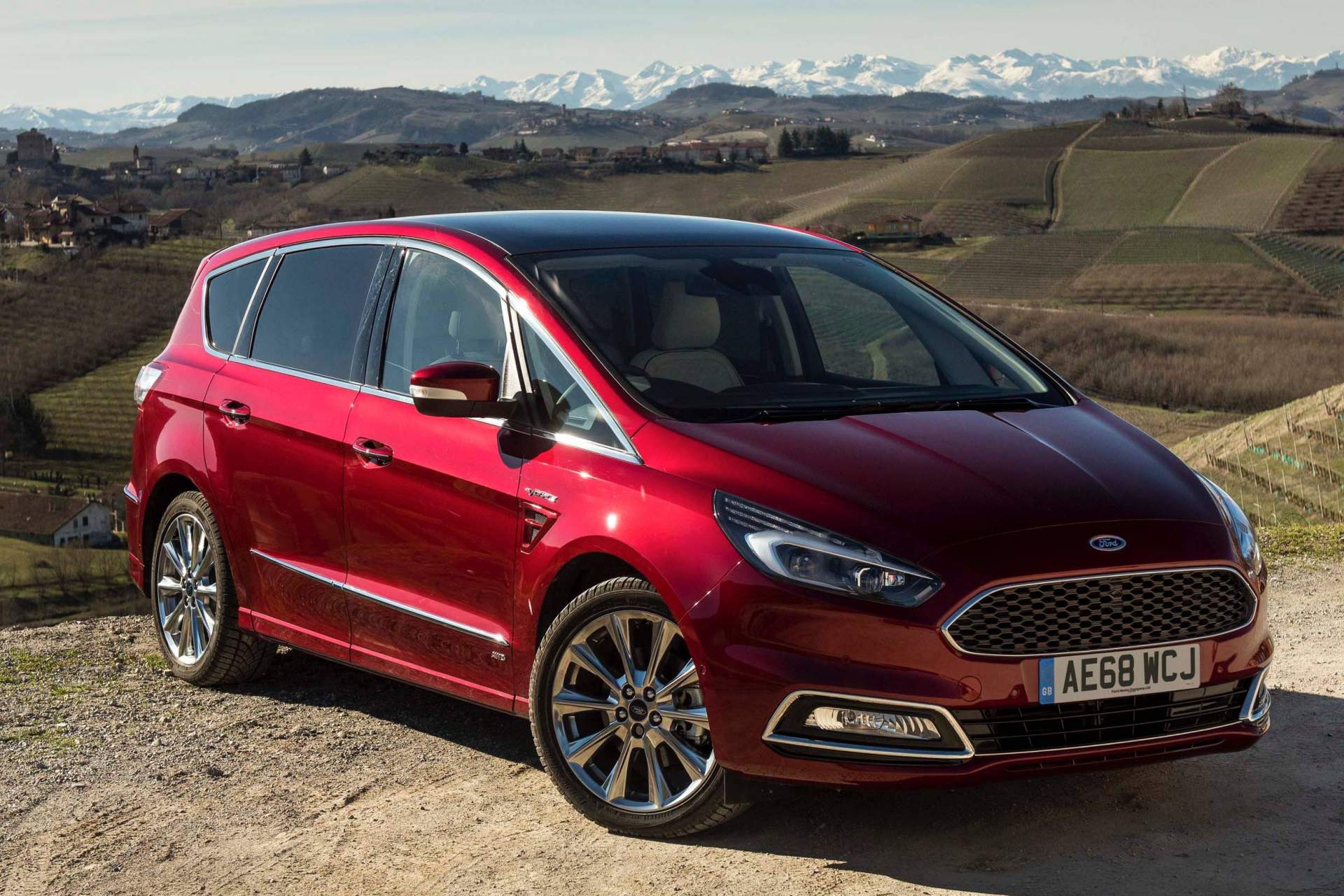
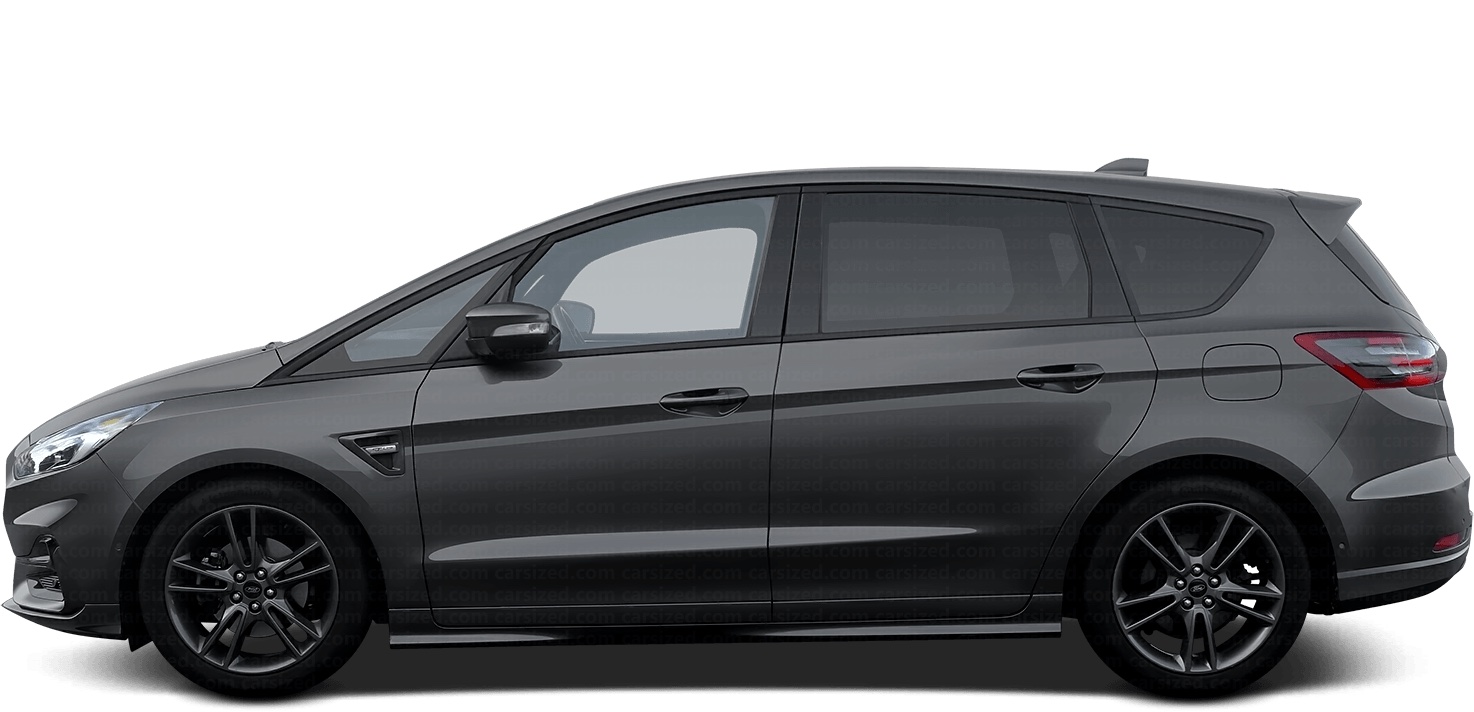
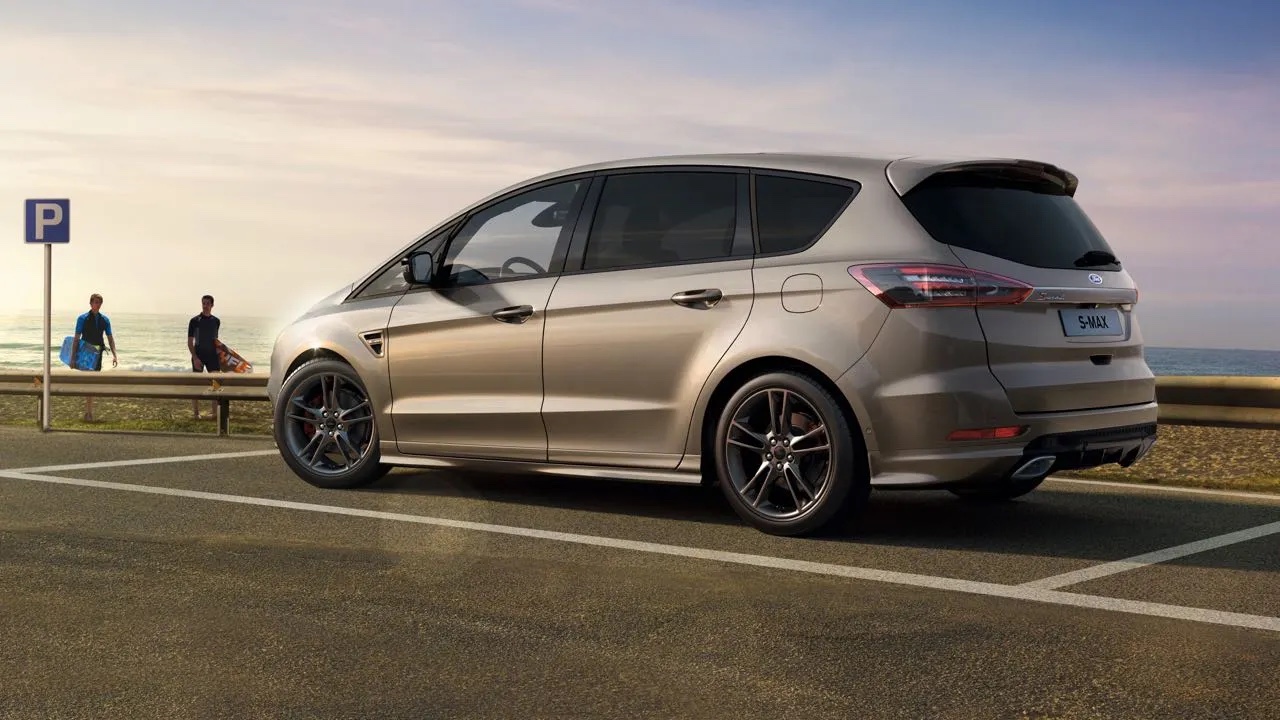
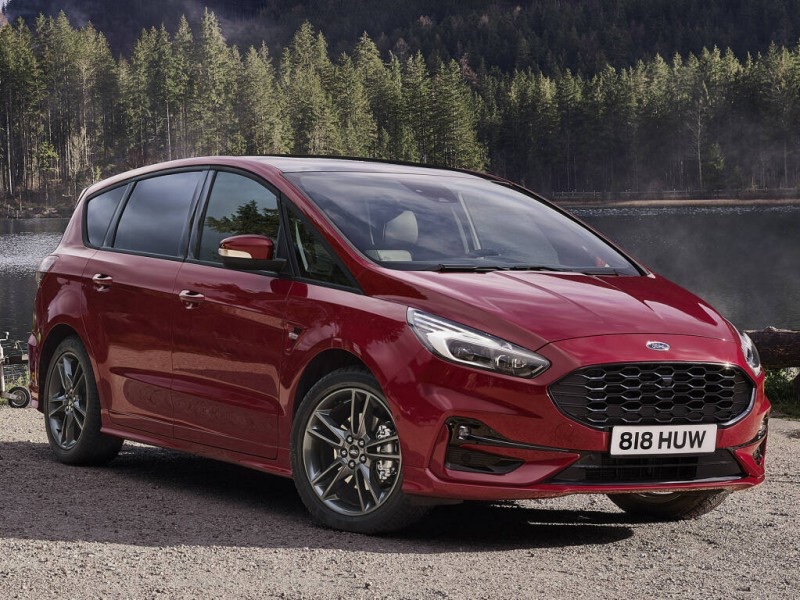
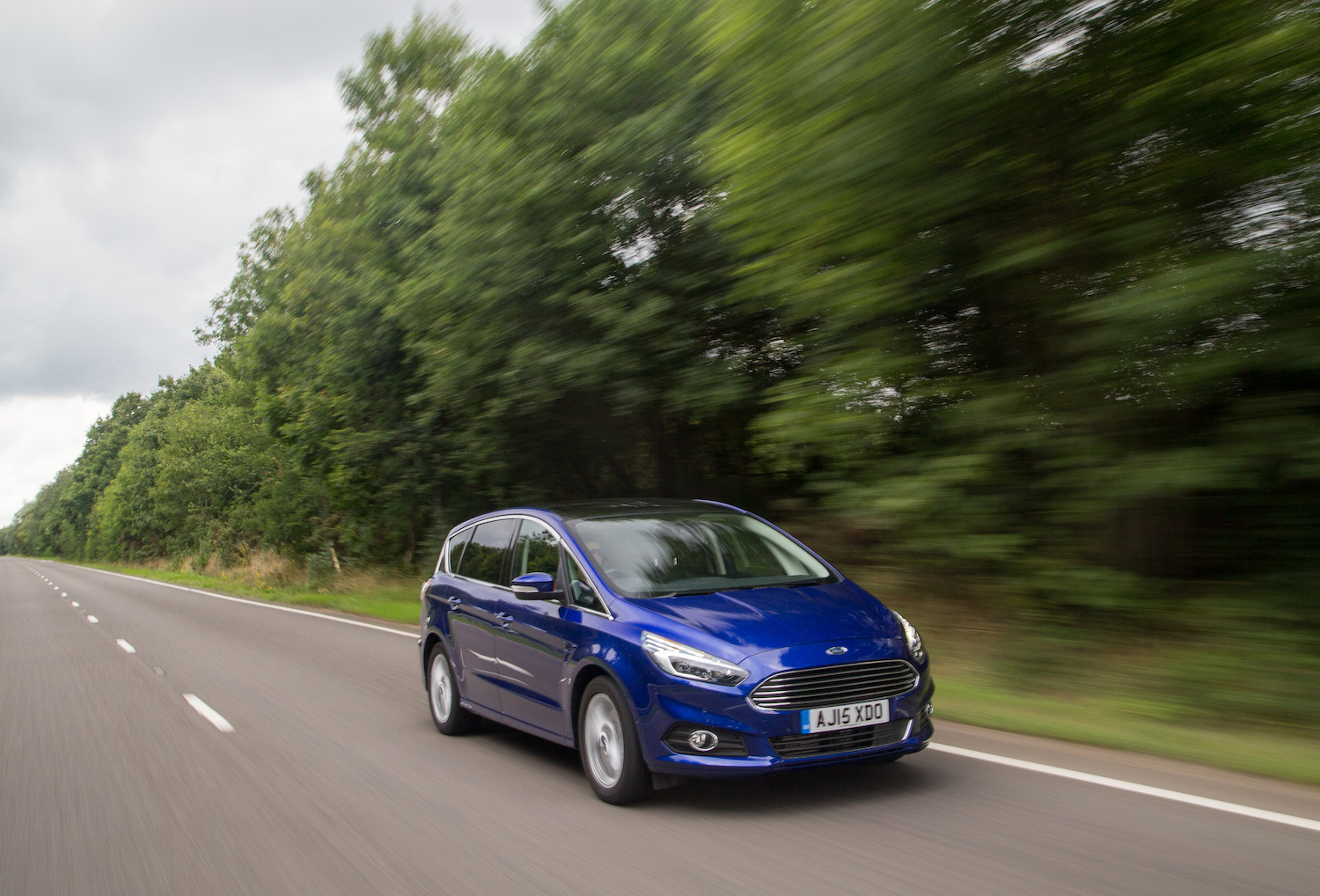
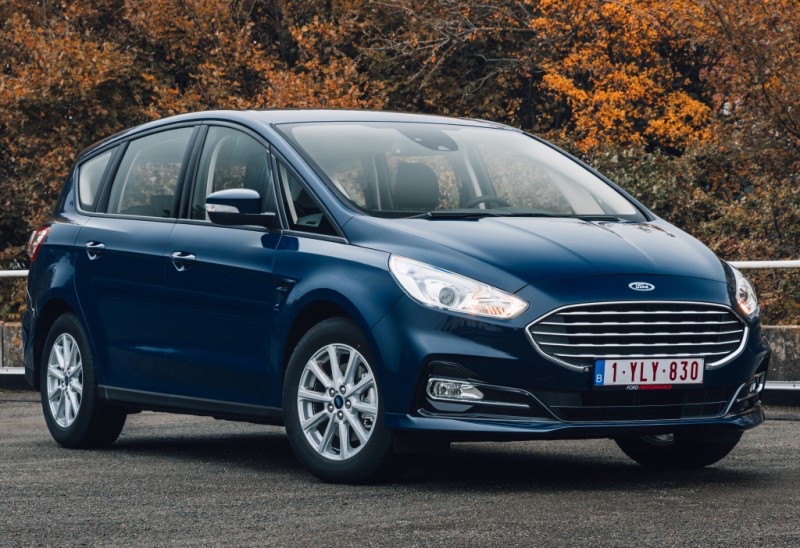
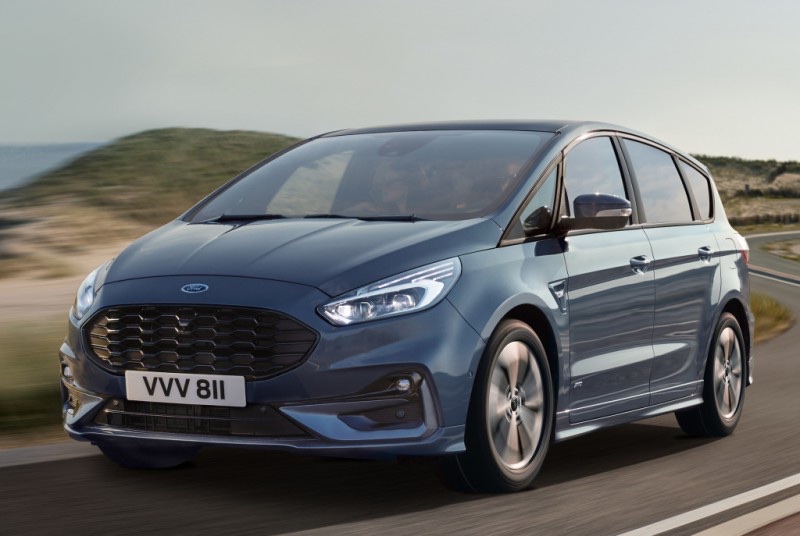
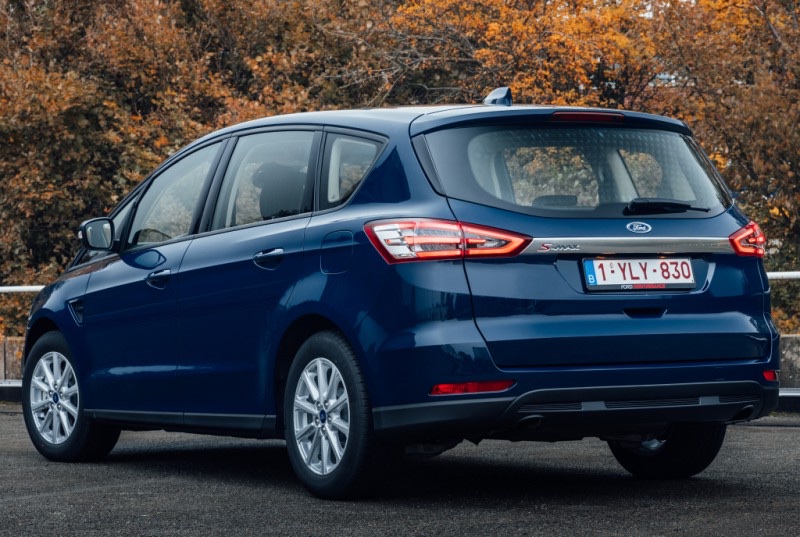
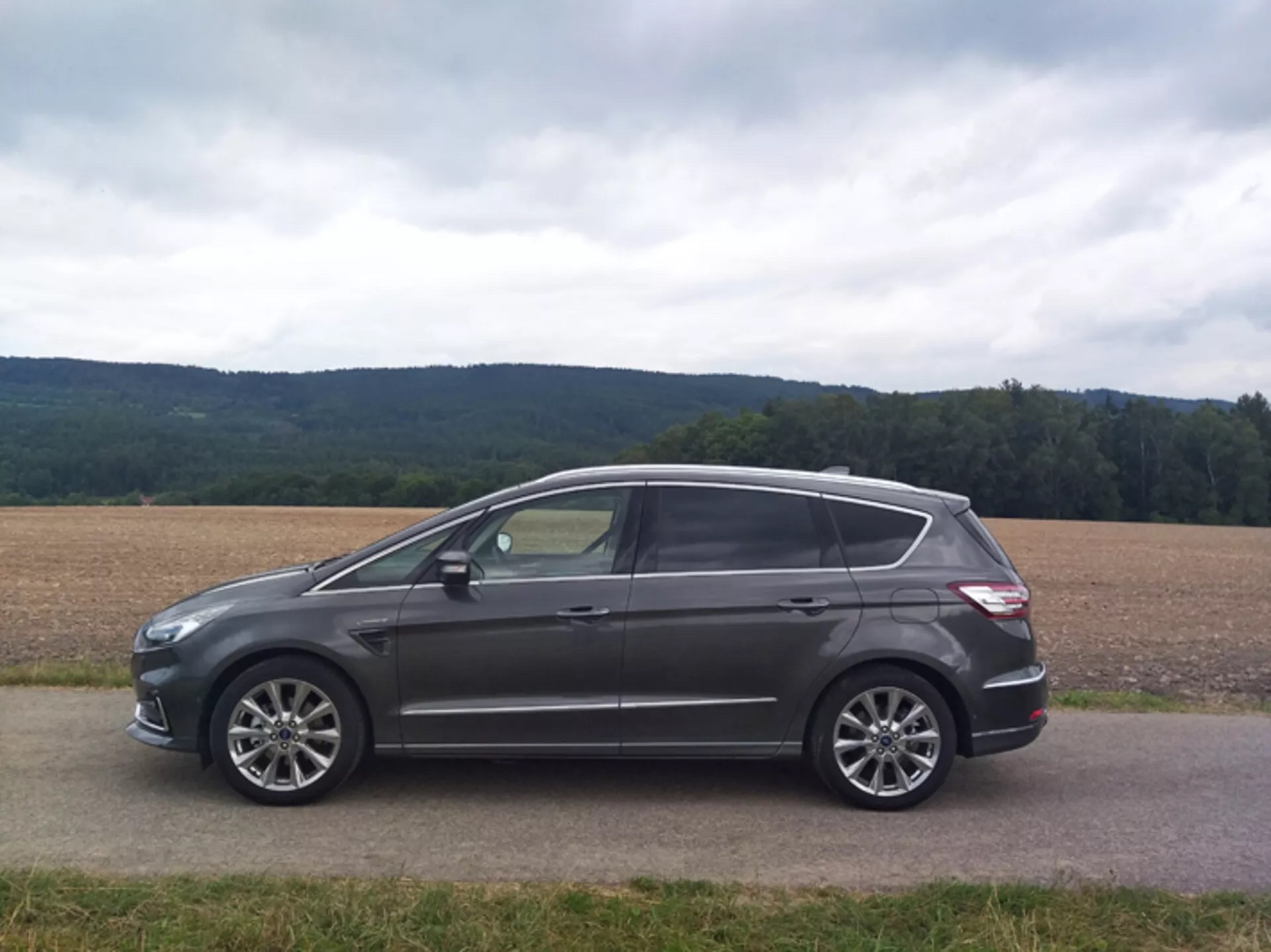
The exterior of the S-Max receives targeted updates to keep its appearance fresh. The front fascia now features an enlarged chrome grille and a revised bumper with expanded fog light surrounds. For those seeking a sportier look, the ST-Line trim equips the minivan with an aggressive front bumper, enhanced side skirts, and distinct rear styling elements. These changes maintain the signature sleek profile of the S-Max while giving it a slightly more assertive road presence compared to previous iterations.
Interior
Inside the cabin, the most notable update is the transition to a rotary dial gear selector for automatic models, which frees up center console space. The dashboard is anchored by an eight-inch Sync 3 touchscreen infotainment system, with dedicated physical climate controls logically arranged below. The instrument cluster thoughtfully integrates digital displays within the analog tachometer housing. The second row features three individual seats that fold independently, offering excellent flexibility for managing passengers and cargo.
Performance
The powertrain lineup includes a robust 2.0-liter EcoBlue diesel engine, available in 190-horsepower and 240-horsepower bi-turbo variants. These are paired with an eight-speed automatic transmission, and the 190-hp version can be equipped with an all-wheel-drive system. Additionally, Ford offers a 2.5-liter hybrid (HEV) powertrain producing a combined 190 horsepower, utilizing a continuously variable transmission (eCVT) and a compact liquid-cooled battery pack to deliver efficient urban commuting.
Practicality
Designed with family hauling in mind, the S-Max provides substantial cargo capacity. Behind the second row, the trunk offers up to 965 liters of space when loaded to the roof. Folding the second row flat expands this to a cavernous 2020 liters. An optional third-row seating arrangement is available with a 50:50 split-folding capability. Even with the third row in place, there is still 185 liters of storage space available behind the rearmost seats up to the cargo cover.
Safety and tech
The 2019 S-Max is equipped with a comprehensive suite of modern driver assistance systems. Key safety features include adaptive cruise control with a Stop&Go function for heavy traffic, lane-keeping assist, and blind-spot monitoring. The vehicle also benefits from traffic sign recognition and a rear cross-traffic alert system, providing drivers with enhanced situational awareness and peace of mind during daily commutes and long journeys alike.
Buyer notes
When comparing trims, buyers should consider whether they prioritize the sporty styling of the ST-Line or the high-end finishes of the Vignale. The choice of powertrain is also crucial; the diesel options are excellent for long-distance highway driving, particularly the AWD model for varied weather conditions, while the HEV hybrid is ideal for maximizing efficiency in mixed and urban driving.
Trims and key specifications
Use this table to compare the main differences between available configurations.
| Trim / modification | Engine | Power | Seats | Transmission |
|---|---|---|---|---|
| 2.0 EcoBlue (190 hp) 8-speed automatic | 1997 cc | 190 hp | 5/7 | 8-speed automatic |
| 2.0 EcoBlue (190 hp) 8-speed automatic 4x4 | 1997 cc | 190 hp | 5/7 | 8-speed automatic |
| 2.0 EcoBlue Bi-Turbo (240 hp) 8-speed automatic | 1997 cc | 240 hp | 5/7 | 8-speed automatic |
| 2.5 HEV (190 hp) eCVT | 2488 cc | 190 hp | 5/7 | eCVT |
Specifications can vary by market, model year, and equipment package. Use the trim sections below to review the full data for each configuration.
Ford S-Max photo gallery
14 images are collected here with the main specifications and trim data for this model.
Photo Ford S-Max
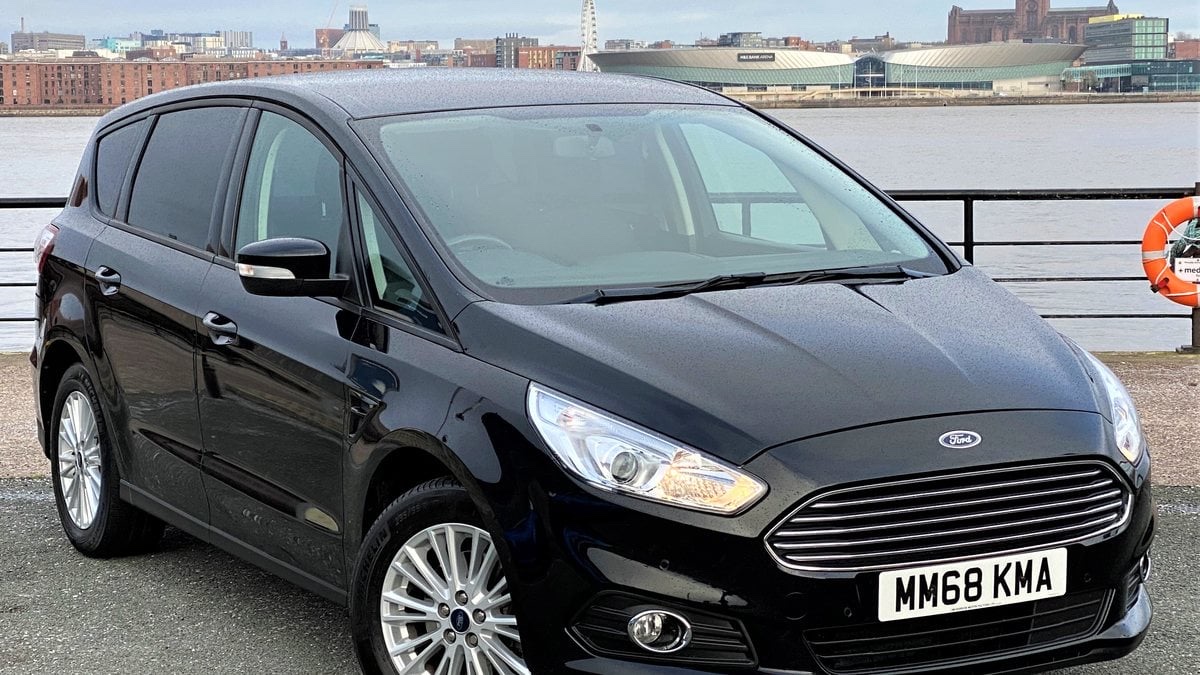
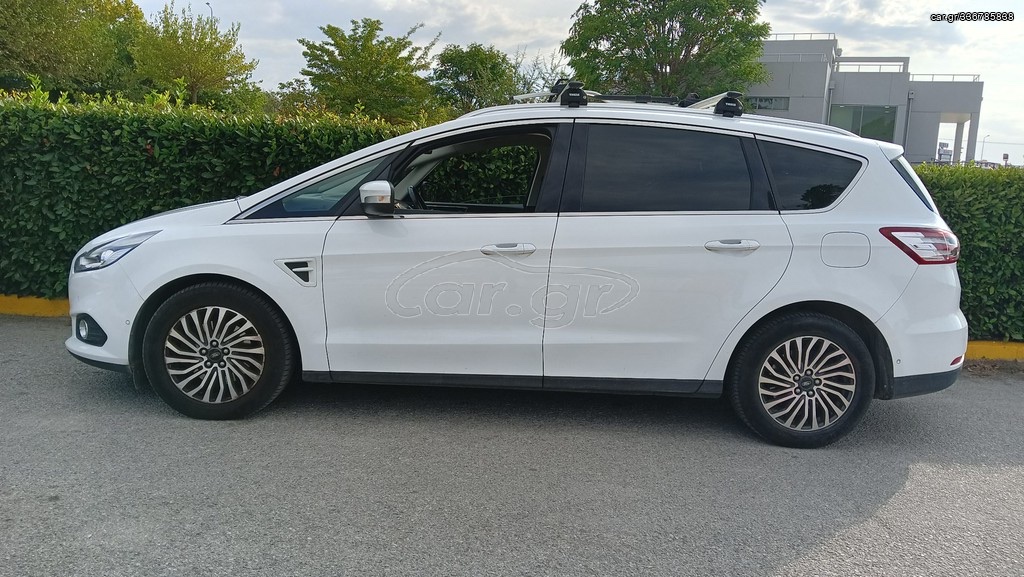
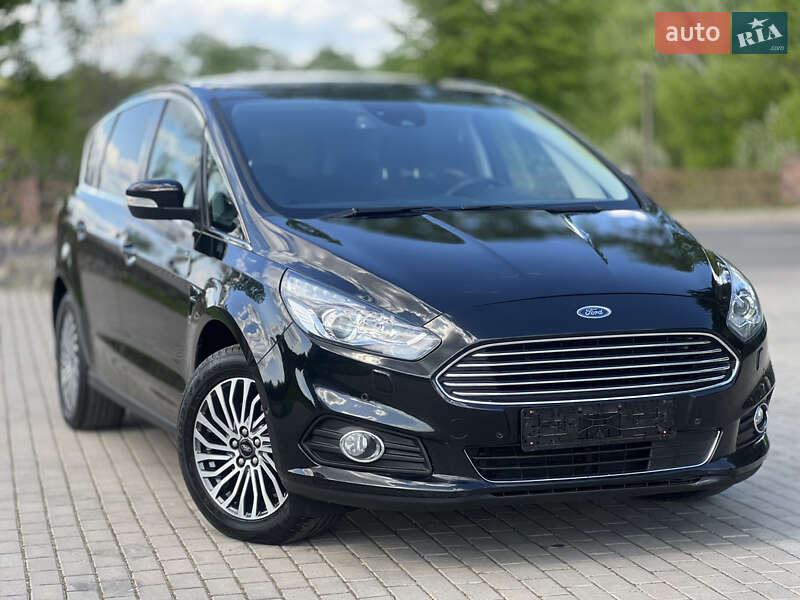
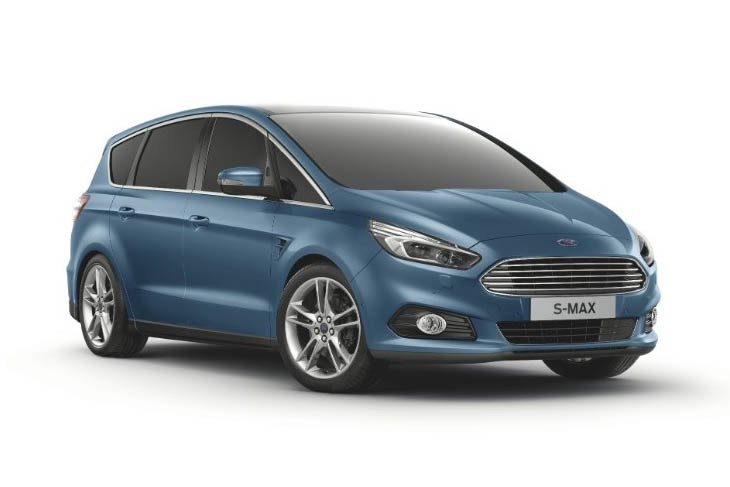
Specifications by trim
Choose a configuration below to open full technical data grouped by category.
2.0 EcoBlue (190 hp) 8-speed automatic 32 specifications
Specifications
Performance and consumption
| Fuel consumption combined, L/100 km | 5.4 |
|---|---|
| Top speed, km/h | 208 |
| Acceleration 0-100 km/h, s | 9.7 |
| Emissions standard | Euro VI |
Engine
| Engine | 2.0 EcoBlue |
|---|---|
| Engine type | Internal combustion engine |
| Fuel type | Diesel |
| Engine displacement, cc | 1997 |
| Cylinder layout | Inline |
| Number of cylinders | 4 |
| Valves | 16 |
| Turbocharger | + |
| Power, hp | 190 |
| RPM at max power | 3500 |
| Torque, Nm | 400 |
| RPM at max torque | 2000 |
Dimensions
| Seats | 5/7 |
|---|---|
| Length, mm | 4796 |
| Width, mm | 2137 |
| Height, mm | 1655 |
| Wheelbase, mm | 2850 |
| Kerb weight, kg | 1878 |
| Gross weight, kg | 2545 |
| Fuel tank capacity, L | 65 |
| Ground clearance, mm | 148 |
| Width without mirrors, mm | 1916 |
| Trunk capacity, L | 185 |
Transmission and drive
| Transmission | 8-speed automatic |
|---|---|
| Transmission type | automatic |
| Drive | Front-wheel drive |
| Number of gears | 8 |
| Automatic transmission | + |
2.0 EcoBlue (190 hp) 8-speed automatic 4x4 32 specifications
Specifications
Performance and consumption
| Fuel consumption combined, L/100 km | 6.1 |
|---|---|
| Top speed, km/h | 206 |
| Acceleration 0-100 km/h, s | 9.9 |
| Emissions standard | Euro VI |
Engine
| Engine | 2.0 EcoBlue |
|---|---|
| Engine type | Internal combustion engine |
| Fuel type | Diesel |
| Engine displacement, cc | 1997 |
| Cylinder layout | Inline |
| Number of cylinders | 4 |
| Valves | 16 |
| Turbocharger | + |
| Power, hp | 190 |
| RPM at max power | 3500 |
| Torque, Nm | 400 |
| RPM at max torque | 2000 |
Dimensions
| Seats | 5/7 |
|---|---|
| Length, mm | 4796 |
| Width, mm | 2137 |
| Height, mm | 1655 |
| Wheelbase, mm | 2850 |
| Kerb weight, kg | 1878 |
| Gross weight, kg | 2545 |
| Fuel tank capacity, L | 65 |
| Ground clearance, mm | 148 |
| Width without mirrors, mm | 1916 |
| Trunk capacity, L | 185 |
Transmission and drive
| Transmission | 8-speed automatic |
|---|---|
| Transmission type | automatic |
| Drive | All-wheel drive |
| Number of gears | 8 |
| Automatic transmission | + |
2.0 EcoBlue Bi-Turbo (240 hp) 8-speed automatic 31 specifications
Specifications
Performance and consumption
| Fuel consumption combined, L/100 km | 5.9 |
|---|---|
| Top speed, km/h | 220 |
| Acceleration 0-100 km/h, s | 8.6 |
| Emissions standard | Euro VI |
Engine
| Engine | 2.0 EcoBlue Bi-Turbo |
|---|---|
| Engine type | Internal combustion engine |
| Fuel type | Diesel |
| Engine displacement, cc | 1997 |
| Cylinder layout | Inline |
| Number of cylinders | 4 |
| Valves | 16 |
| Power, hp | 240 |
| RPM at max power | 3750 |
| Torque, Nm | 500 |
| RPM at max torque | 2000–2500 |
Dimensions
| Seats | 5/7 |
|---|---|
| Length, mm | 4796 |
| Width, mm | 2137 |
| Height, mm | 1655 |
| Wheelbase, mm | 2850 |
| Kerb weight, kg | 1878 |
| Gross weight, kg | 2545 |
| Fuel tank capacity, L | 65 |
| Ground clearance, mm | 148 |
| Width without mirrors, mm | 1916 |
| Trunk capacity, L | 185 |
Transmission and drive
| Transmission | 8-speed automatic |
|---|---|
| Transmission type | automatic |
| Drive | Front-wheel drive |
| Number of gears | 8 |
| Automatic transmission | + |
2.5 HEV (190 hp) eCVT 33 specifications
Specifications
Performance and consumption
| Fuel consumption combined, L/100 km | 6.7 |
|---|---|
| Top speed, km/h | 182 |
| Acceleration 0-100 km/h, s | 9.8 |
| Emissions standard | Euro VI |
Engine
| Engine | 2.5 HEV |
|---|---|
| Engine type | Hybrid |
| Fuel type | Gasoline |
| Engine displacement, cc | 2488 |
| Cylinder layout | Inline |
| Number of cylinders | 4 |
| Valves | 16 |
| Power, hp | 190 |
| RPM at max power | 550 |
| Torque, Nm | 200 |
| RPM at max torque | 4500 |
| Electric motor power, hp | 133 |
| Combustion engine power, hp | 150 |
Dimensions
| Seats | 5/7 |
|---|---|
| Length, mm | 4796 |
| Width, mm | 2137 |
| Height, mm | 1655 |
| Wheelbase, mm | 2850 |
| Kerb weight, kg | 1878 |
| Gross weight, kg | 2545 |
| Fuel tank capacity, L | 65 |
| Ground clearance, mm | 148 |
| Width without mirrors, mm | 1916 |
| Trunk capacity, L | 185 |
Transmission and drive
| Transmission | eCVT |
|---|---|
| Transmission type | CVT |
| Drive | Front-wheel drive |
| Transmission manufacturer | Ford |
| Automatic transmission | + |
Ford S-Max questions
Short answers based on the specifications and photos available in this catalog.
What body style is the 2019 Ford S-Max?
It is a five-door minivan, often referred to as an MPV, designed to maximize interior passenger and cargo space.
What seating configurations are available?
The S-Max comes standard with a five-seat layout featuring three independent seats in the second row. An optional third row is available, expanding capacity to seven passengers.
Does the S-Max offer a hybrid option?
Yes, a 2.5-liter hybrid (HEV) powertrain is available, delivering 190 horsepower through an eCVT for improved fuel efficiency.
Is all-wheel drive available?
Yes, all-wheel drive is available as an option on the 190-horsepower 2.0-liter EcoBlue diesel model paired with the eight-speed automatic transmission.
What is the cargo capacity?
The cargo area provides 965 liters of space behind the second row. When all rear seats are folded, the maximum capacity expands to 2,020 liters.