Hyundai Bayon specifications and photos
The 2024 Hyundai Bayon is a compact, front-wheel-drive crossover that brings a refreshed design and updated technology to the urban SUV segment. As a facelift of the first generation, it offers practical features and efficient powertrains for everyday driving.
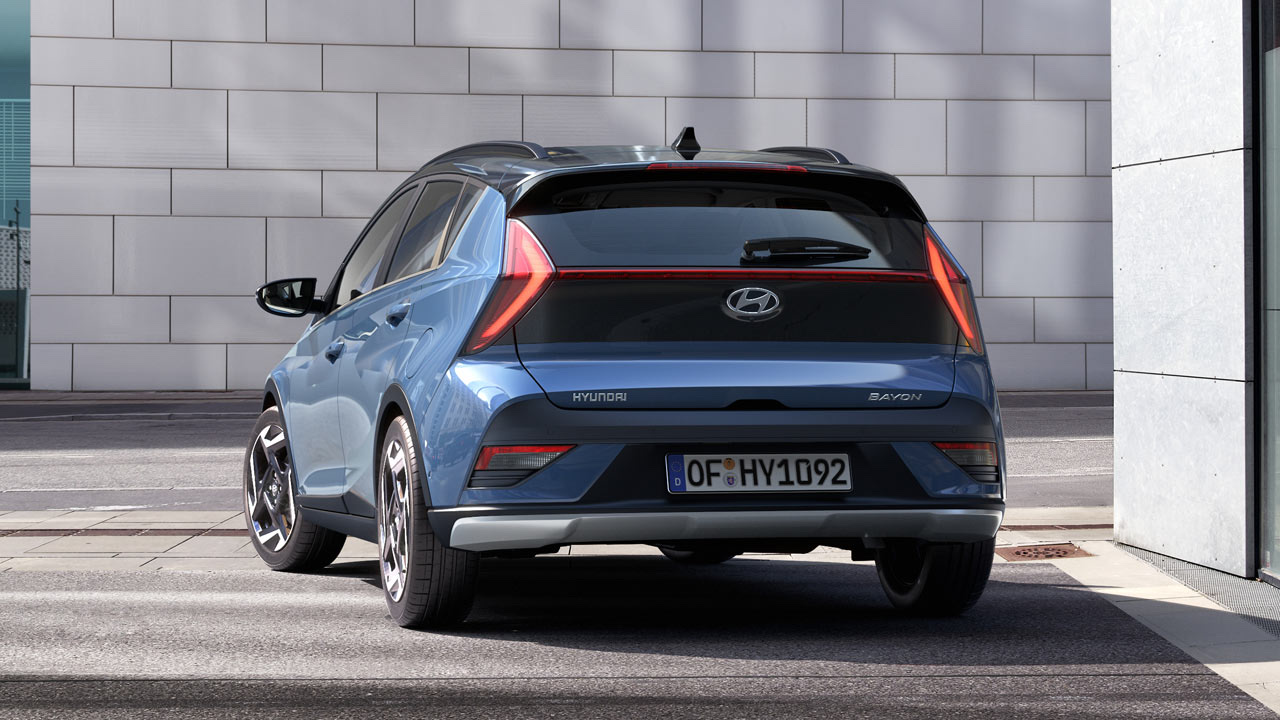
Hyundai Bayon at a glance
Quick model context before comparing photos and trim-level specifications.
Unveiled in early 2024, the updated Hyundai Bayon builds upon its first-generation foundation with styling refinements and enhanced digital features. Positioned as a versatile urban crossover, it caters to buyers looking for a compact footprint without sacrificing modern conveniences. The facelift introduces sharper exterior elements, updated lighting signatures, and improved interior tech, ensuring it remains competitive. Buyers can choose from an array of configurations, from a straightforward naturally aspirated engine to a turbocharged mild-hybrid setup, making it adaptable to different driving preferences and budgets.
- Power: 79-100 hp
- Engine displacement: 998-1197 cc
- Transmissions: 5-speed manual, 6-speed manual, 7-speed dual-clutch
- Seating: 5 seats
Photos, trims and specifications for Hyundai Bayon
This model page brings gallery images, trim comparison, and detailed technical data together for the 2024 generation.
Estimate fuel cost
Use trim-level fuel consumption data to estimate monthly and yearly fuel spending.
Fuel costs are estimates. Real consumption can change with driving style, traffic, tires, weather, load, and market-specific equipment.
Hyundai Bayon overview
Editorial context for design, cabin, performance, practicality, and buyer notes.
Design
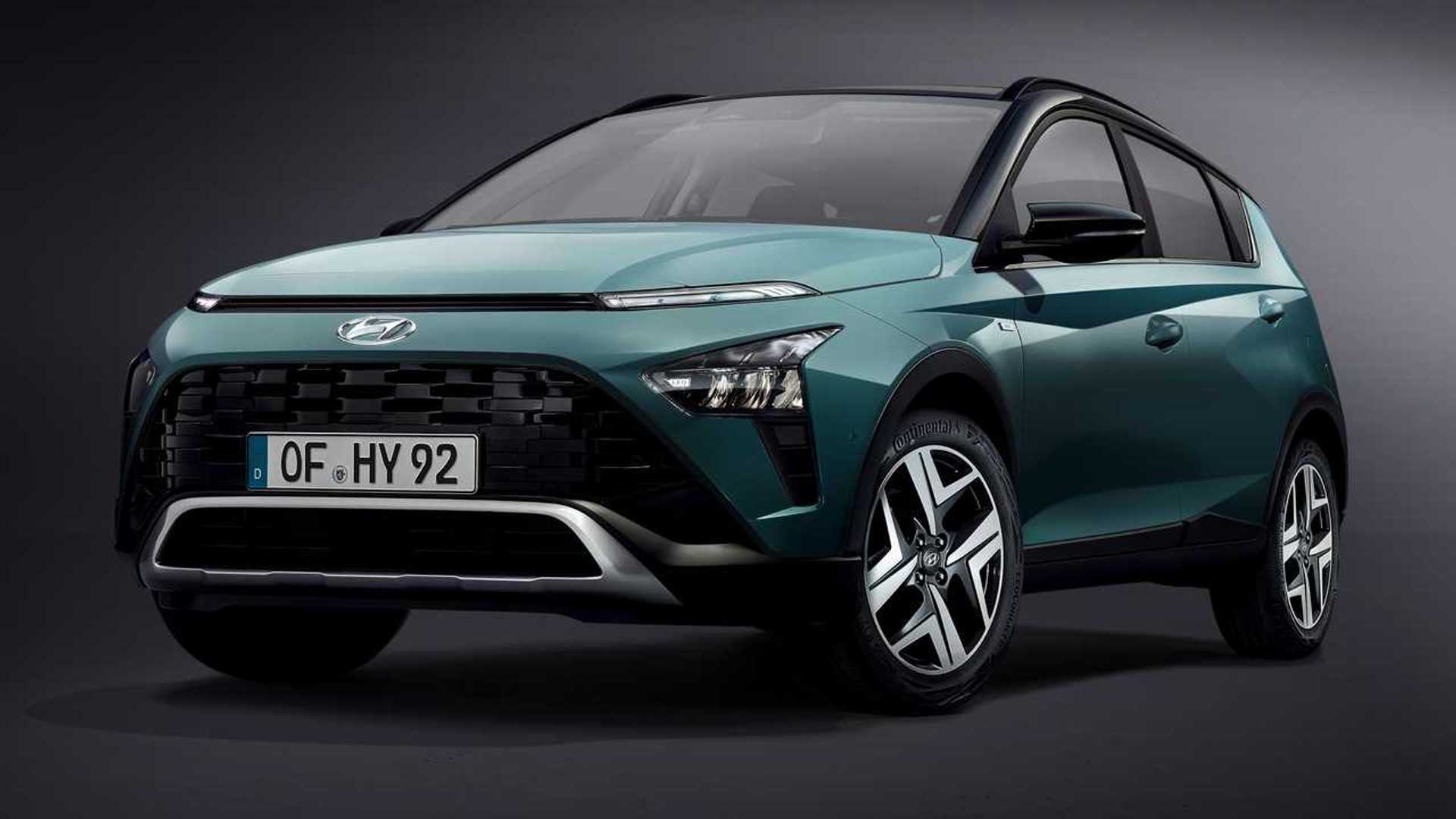
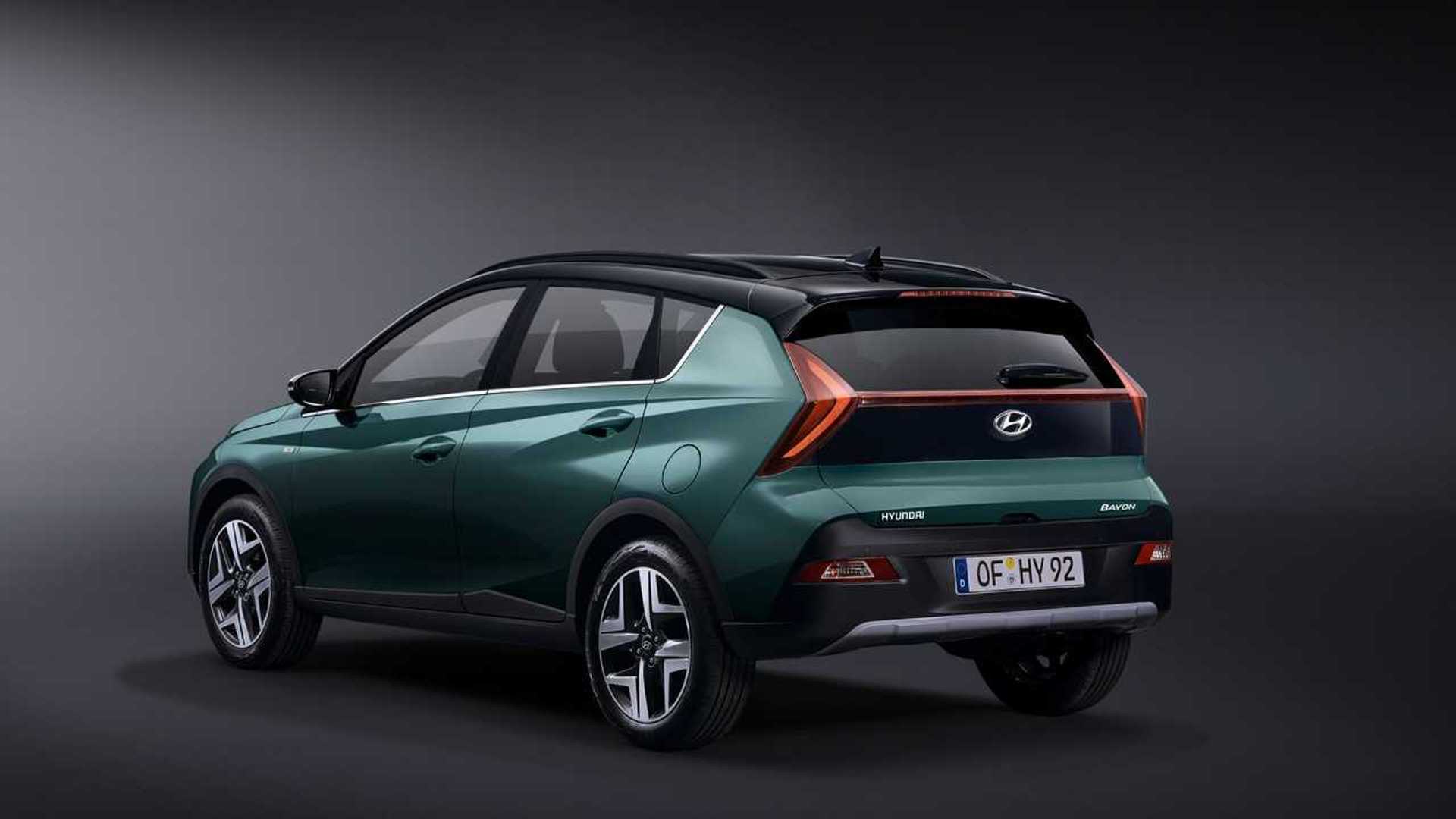
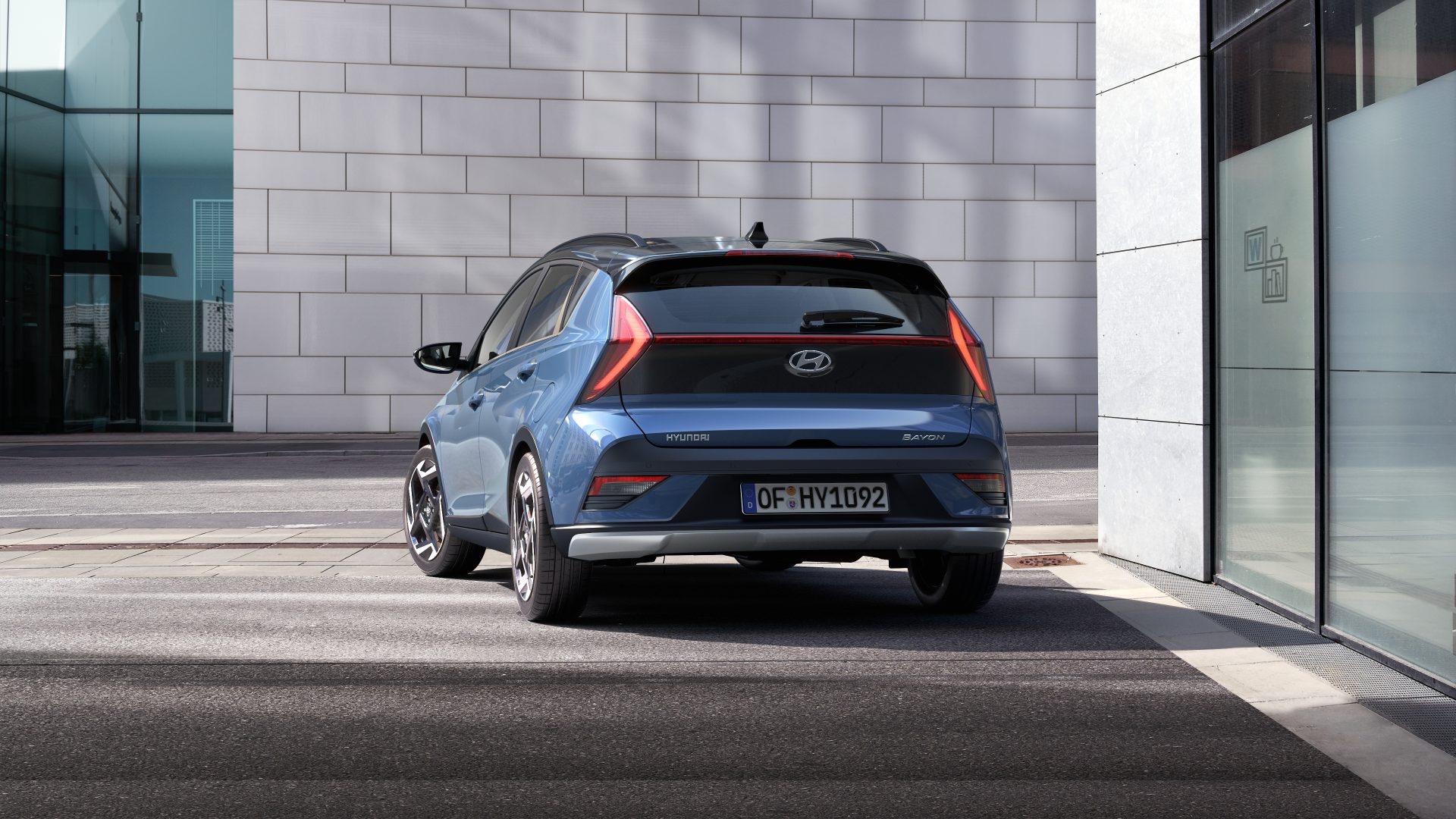
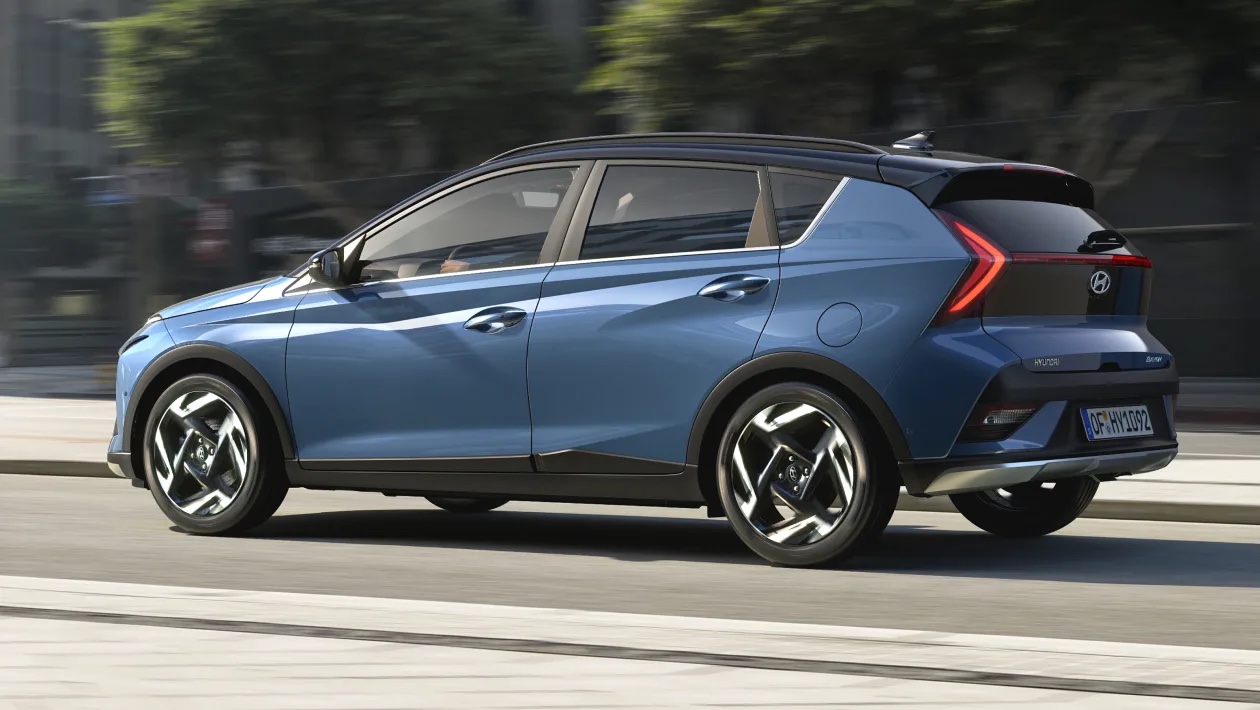
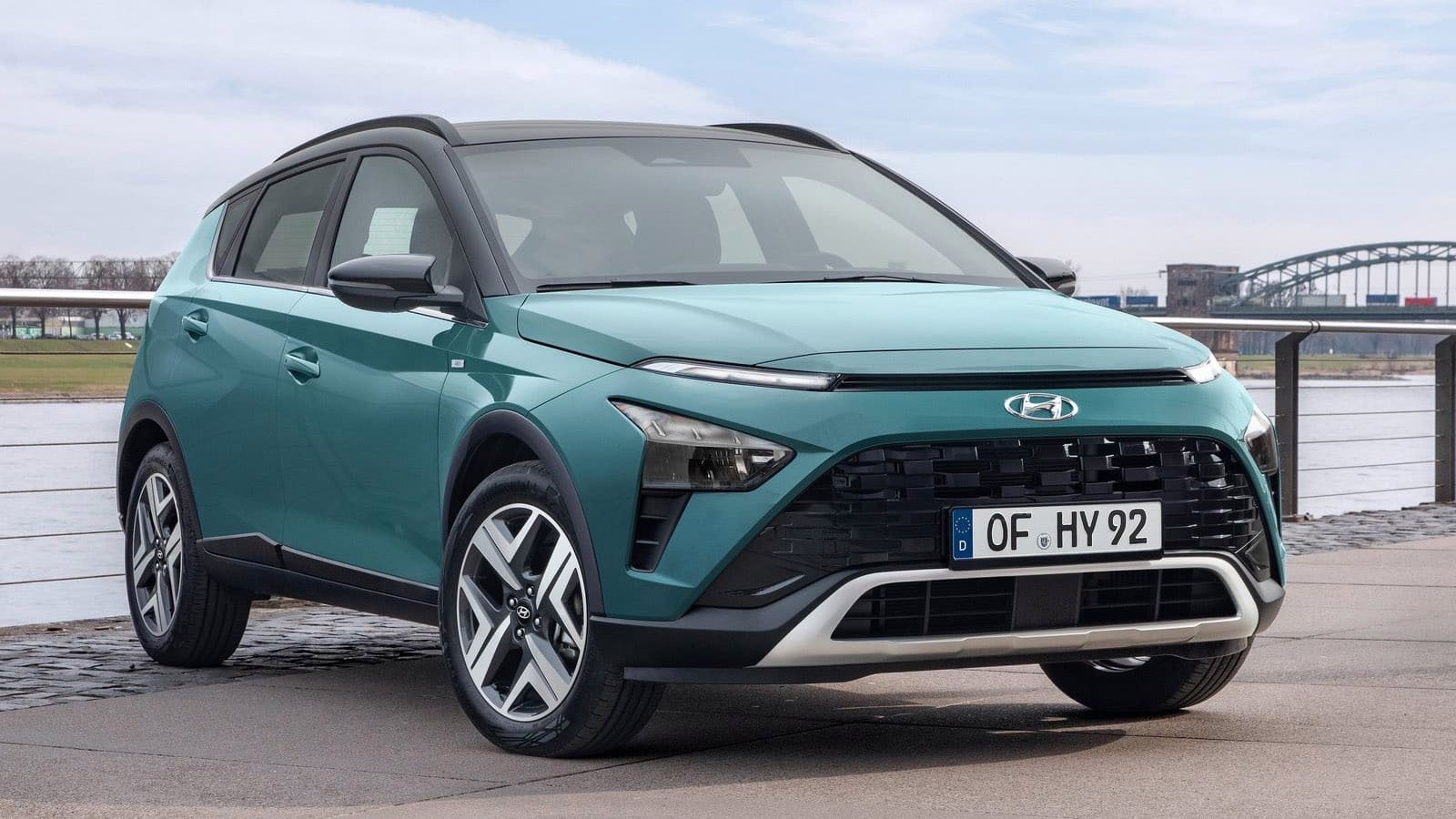
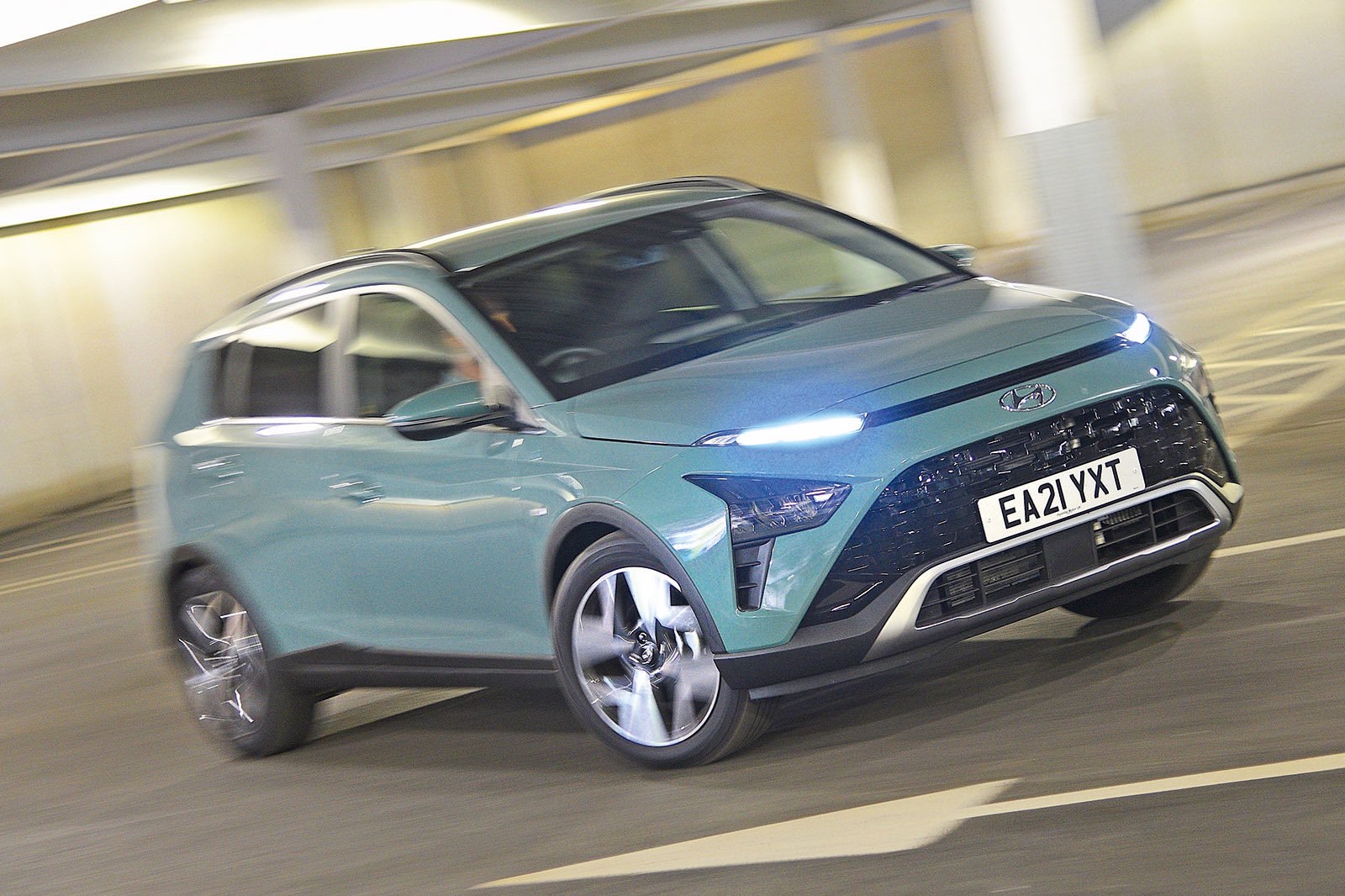
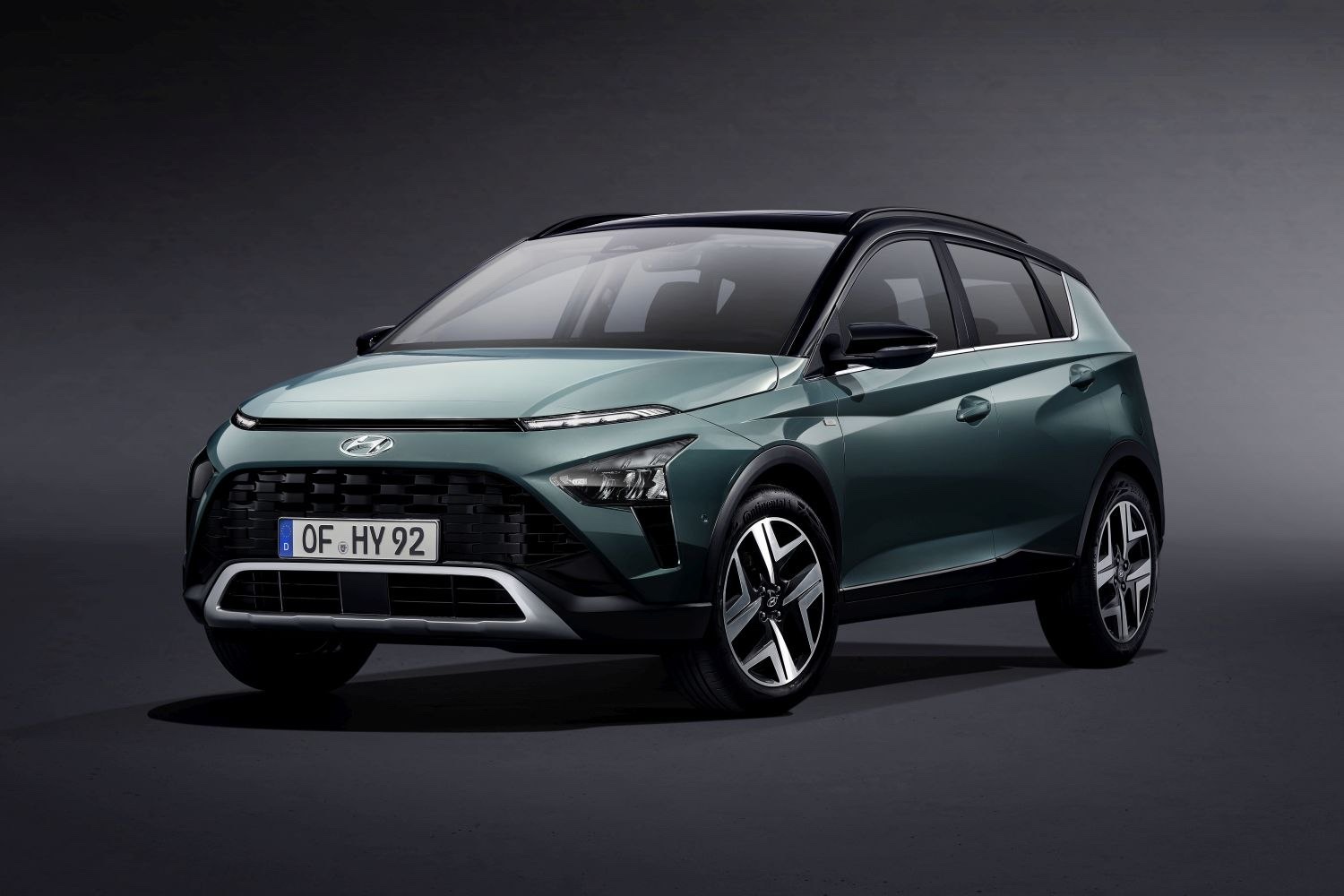
The exterior of the Bayon has been updated to feature Hyundai's Horizon LED daytime running lights, creating a seamless light bar across the front fascia. A redesigned grille and lower bumper give the crossover a more grounded stance, while sharp side creases and arrow-shaped rear taillights emphasize its distinctive profile. The vehicle is available with 16-inch or 17-inch wheels and offers nine paint colors, including vibrant new options like Lucid Lime Metallic and Meta Blue Pearl, with an available contrasting Phantom Black roof.
Interior
Inside, the cabin prioritizes comfort and connectivity. The dashboard is centered around a 10.25-inch infotainment touchscreen with Apple CarPlay and Android Auto integration, paired with a 4.2-inch digital instrument cluster. LED ambient lighting is available to customize the atmosphere. The space is practical for its size, offering USB-C ports for both front and rear passengers, an optional wireless charging pad, and an available eight-speaker Bose premium audio system.
Performance
The powertrain lineup includes straightforward and efficient options. The base engine is a 1.2-liter four-cylinder producing 79 horsepower, paired exclusively with a five-speed manual transmission. For more responsive performance, a 1.0-liter turbocharged three-cylinder engine is available, delivering 100 horsepower. This turbocharged unit can be mated to a six-speed manual gearbox or a seven-speed dual-clutch transmission (DCT), with mild-hybrid technology available on select configurations to improve efficiency.
Practicality
Measuring 4,180 mm in length with a 2,580 mm wheelbase, the Bayon is easy to maneuver in tight city streets while providing adequate space for up to five occupants. The cargo area offers a capacity of 411 liters, making it highly functional for routine errands, grocery runs, or weekend getaways. The 165 mm ground clearance provides a slight advantage over traditional hatchbacks for urban obstacles.
Safety and tech
Hyundai equips the Bayon with a comprehensive suite of safety features. Key systems include Forward Collision-Avoidance Assist with pedestrian and cyclist detection, Lane Following Assist, and Blind-Spot Collision-Avoidance Assist. Additional technologies such as Navigation-based Smart Cruise Control and Driver Attention Warning help reduce driver fatigue. The infotainment system also supports Over-the-Air (OTA) updates and Bluelink remote connectivity.
Buyer notes
Shoppers considering the Hyundai Bayon should weigh their typical driving routes when choosing an engine. The 1.2-liter engine is strictly suited for relaxed city commuting, while the 1.0-liter turbo provides better merging power and highway capability. Keep in mind that equipment like the Bose audio system, multi-color ambient lighting, and specific advanced driver-assistance features may be restricted to higher trim levels depending on the market.
Trims and key specifications
Use this table to compare the main differences between available configurations.
| Trim / modification | Engine | Power | Seats | Transmission |
|---|---|---|---|---|
| 1.2 MPi (79 hp) 5-speed manual | 1197 cc | 79 hp | 5 | 5-speed manual |
| 1.0 T-GDI (100 hp) 6-speed manual | 998 cc | 100 hp | 5 | 6-speed manual |
| 1.0 T-GDI (100 hp) 7-DCT | 998 cc | 100 hp | 5 | 7-speed dual-clutch |
Specifications can vary by market, model year, and equipment package. Use the trim sections below to review the full data for each configuration.
Hyundai Bayon photo gallery
15 images are collected here with the main specifications and trim data for this model.
Photo Hyundai Bayon
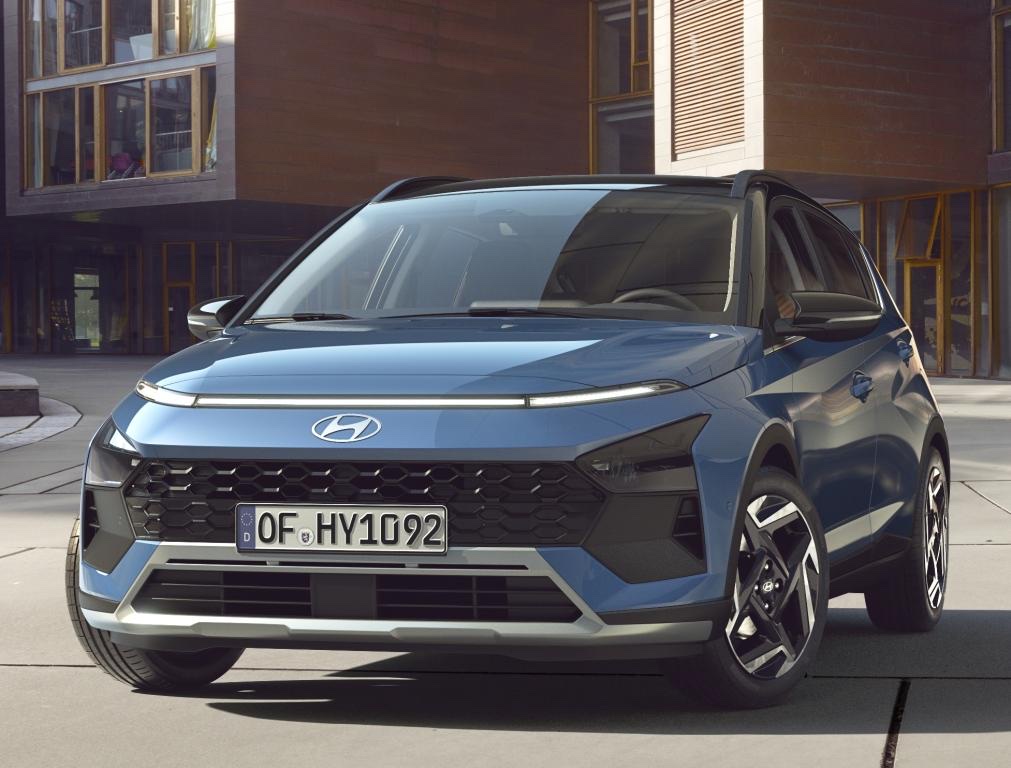
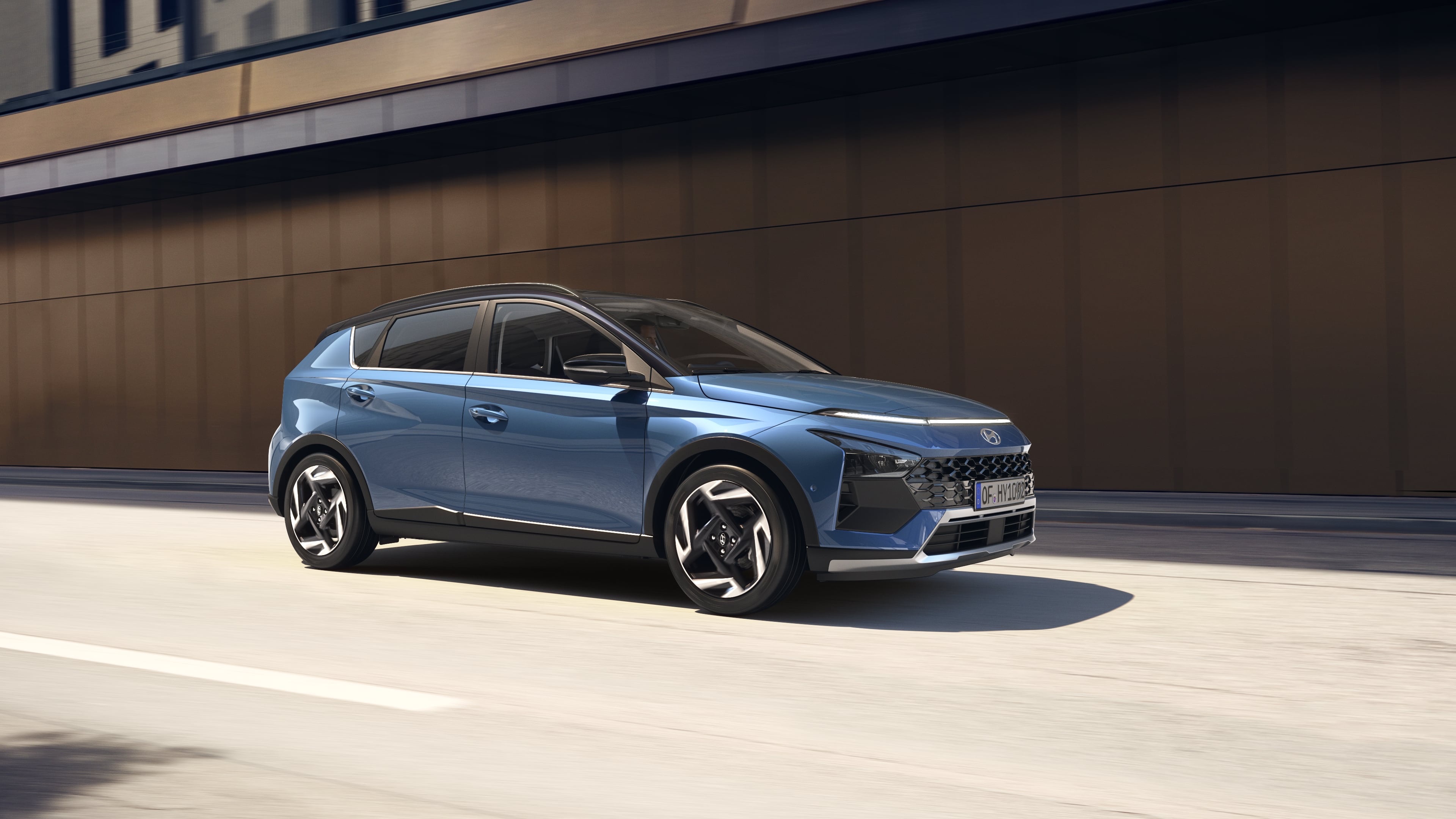
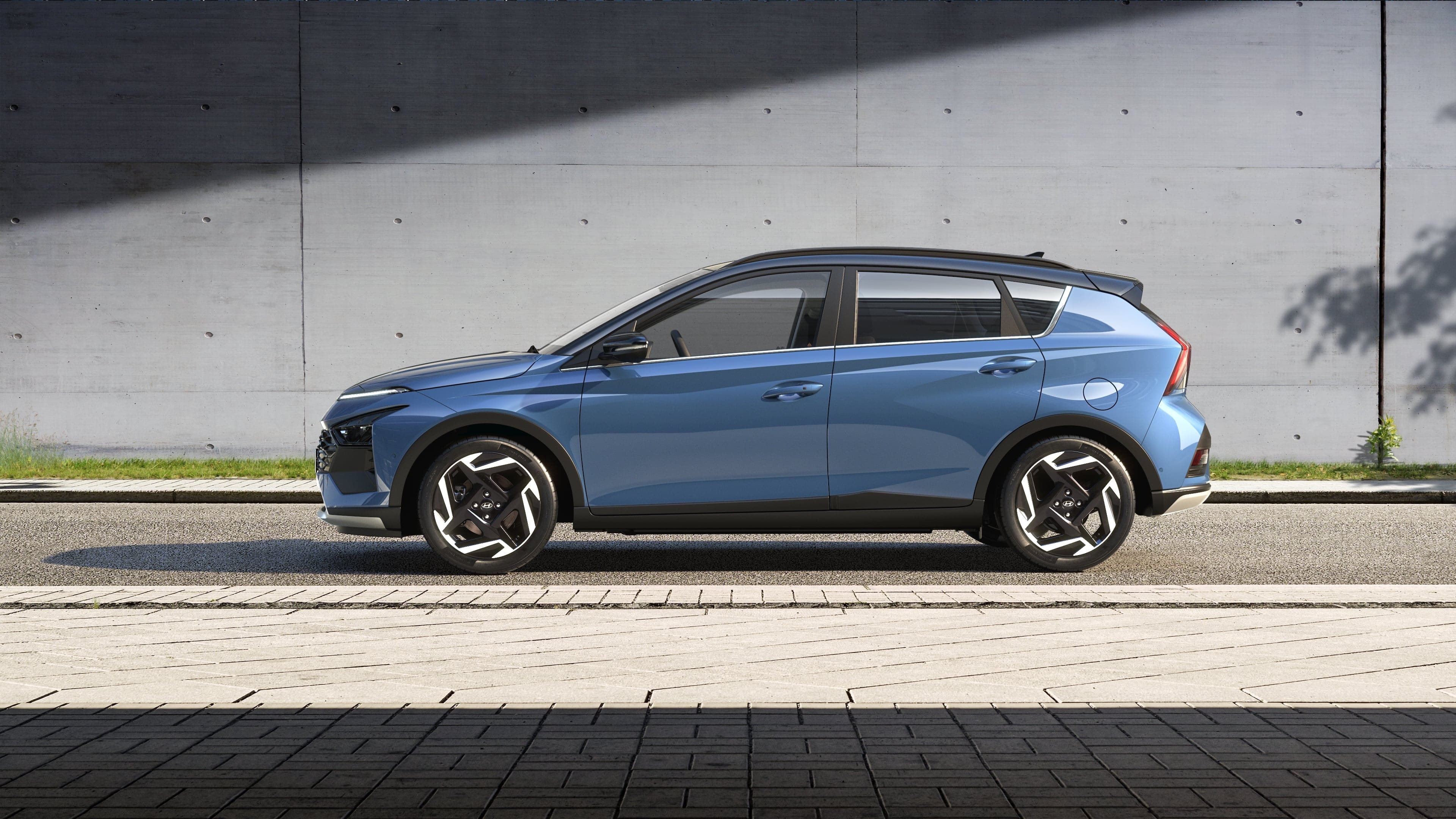
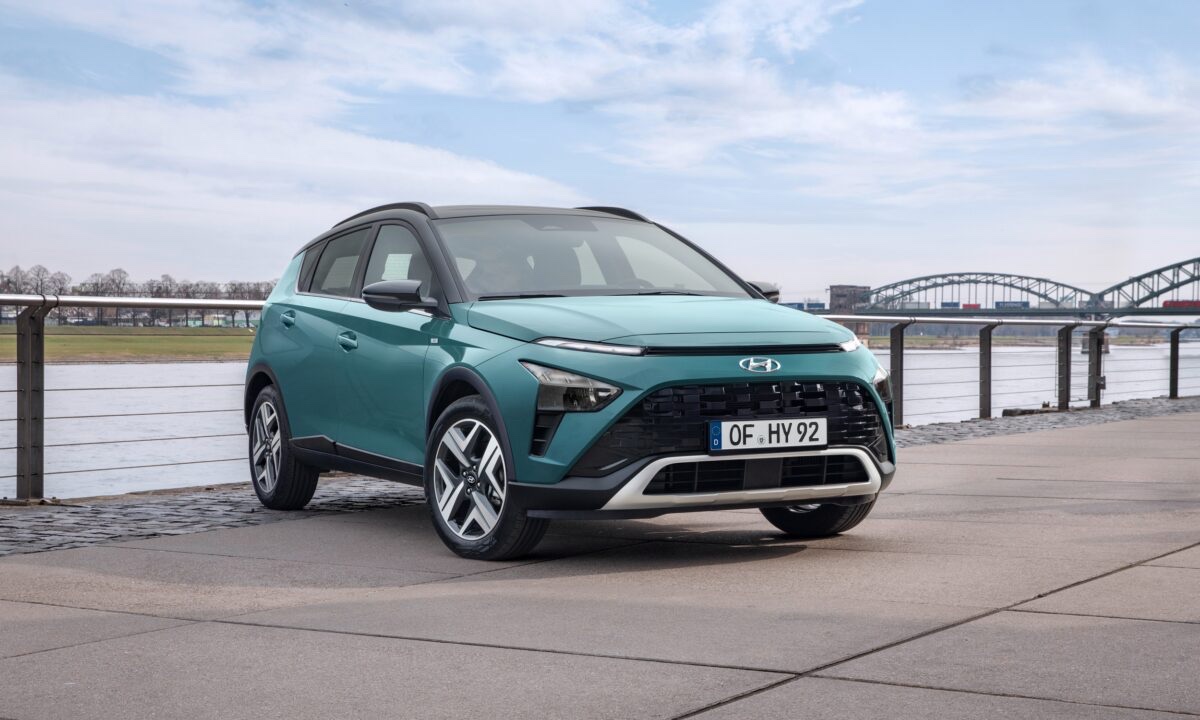
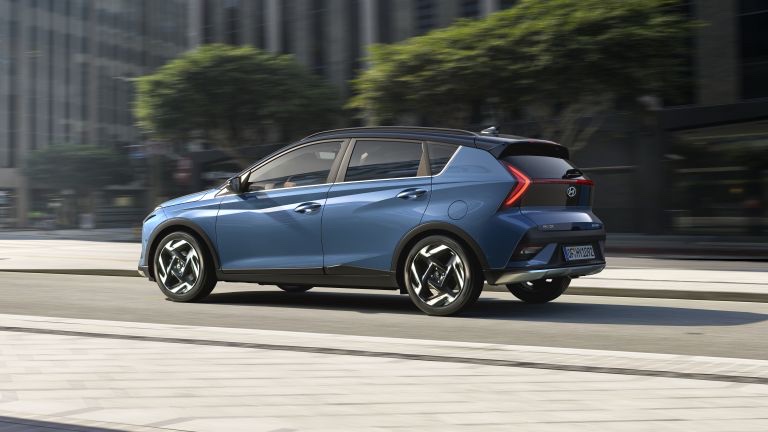
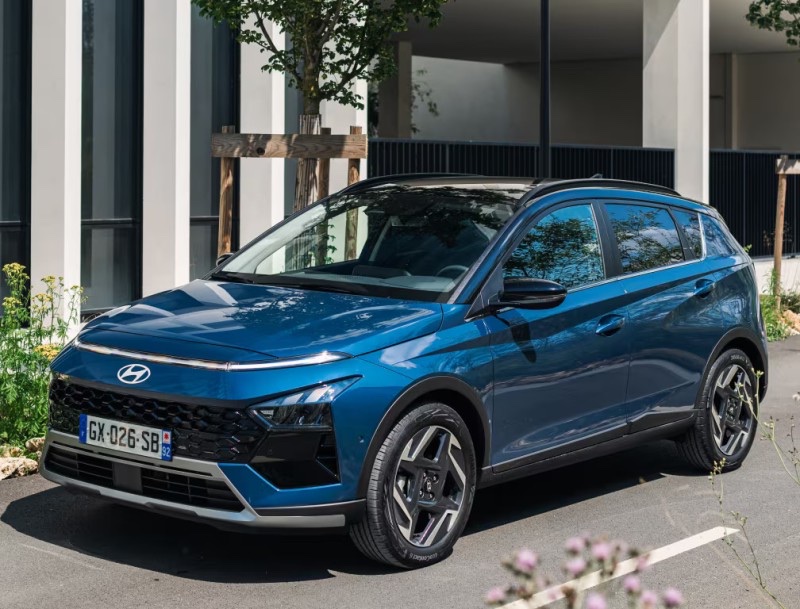
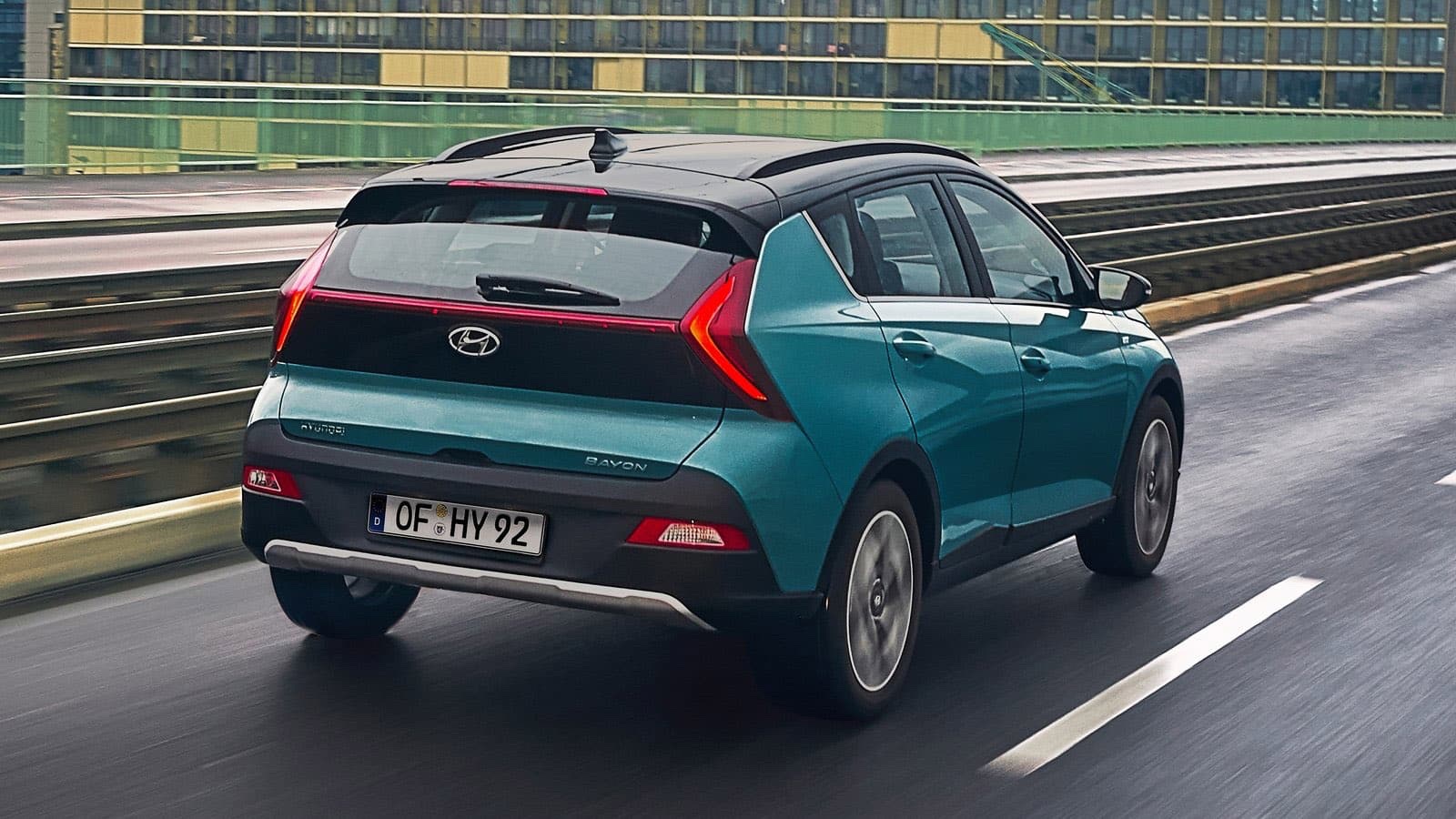
Specifications by trim
Choose a configuration below to open full technical data grouped by category.
1.2 MPi (79 hp) 5-speed manual 33 specifications
Specifications
Performance and consumption
| Fuel consumption combined, L/100 km | 5.6 |
|---|---|
| Top speed, km/h | 158 |
| Acceleration 0-100 km/h, s | 14.2 |
| Emissions standard | Euro VI |
Engine
| Engine | 1.2 MPi |
|---|---|
| Engine type | Internal combustion engine |
| Fuel type | Gasoline |
| Engine displacement, cc | 1197 |
| Cylinder layout | Inline |
| Number of cylinders | 4 |
| Valves | 16 |
| Power, hp | 79 |
| RPM at max power | 6000 |
Dimensions
| Seats | 5 |
|---|---|
| Length, mm | 4180 |
| Width, mm | 2040 |
| Height, mm | 1500 |
| Wheelbase, mm | 2580 |
| Front track, mm | 1545 |
| Rear track, mm | 1551 |
| Kerb weight, kg | 1095 |
| Gross weight, kg | 1630 |
| Fuel tank capacity, L | 40 |
| Turning circle, m | 10.4 |
| Ground clearance, mm | 165 |
| Width without mirrors, mm | 1775 |
| Trunk capacity, L | 411 |
Transmission and drive
| Transmission | 5-speed manual |
|---|---|
| Transmission type | manual |
| Drive | Front-wheel drive |
| Number of gears | 5 |
| Transmission manufacturer | Hyundai |
| Transmission country | Korea |
1.0 T-GDI (100 hp) 6-speed manual 36 specifications
Specifications
Performance and consumption
| Fuel consumption combined, L/100 km | 5.4 |
|---|---|
| Top speed, km/h | 179 |
| Acceleration 0-100 km/h, s | 11.3 |
| Emissions standard | Euro VI |
Engine
| Engine | 1.0 T-GDI |
|---|---|
| Engine type | Internal combustion engine |
| Fuel type | Gasoline |
| Engine displacement, cc | 998 |
| Cylinder layout | Inline |
| Number of cylinders | 3 |
| Valves | 12 |
| Turbocharger | + |
| Power, hp | 100 |
| RPM at max power | 4500-6000 |
| Torque, Nm | 172 |
| RPM at max torque | 1500-3500 |
Dimensions
| Seats | 5 |
|---|---|
| Length, mm | 4180 |
| Width, mm | 2040 |
| Height, mm | 1500 |
| Wheelbase, mm | 2580 |
| Front track, mm | 1545 |
| Rear track, mm | 1551 |
| Kerb weight, kg | 1095 |
| Gross weight, kg | 1630 |
| Fuel tank capacity, L | 40 |
| Turning circle, m | 10.4 |
| Ground clearance, mm | 165 |
| Width without mirrors, mm | 1775 |
| Trunk capacity, L | 411 |
Transmission and drive
| Transmission | 6-speed manual |
|---|---|
| Transmission type | manual |
| Drive | Front-wheel drive |
| Number of gears | 6 |
| Transmission manufacturer | Hyundai |
| Transmission country | South Korea |
1.0 T-GDI (100 hp) 7-DCT 35 specifications
Specifications
Performance and consumption
| Fuel consumption combined, L/100 km | 5.4 |
|---|---|
| Top speed, km/h | 176 |
| Acceleration 0-100 km/h, s | 12.4 |
| Emissions standard | Euro VI |
Engine
| Engine | 1.0 T-GDI |
|---|---|
| Engine type | Internal combustion engine |
| Fuel type | Gasoline |
| Engine displacement, cc | 998 |
| Cylinder layout | Inline |
| Number of cylinders | 3 |
| Valves | 12 |
| Turbocharger | + |
| Power, hp | 100 |
| RPM at max power | 4500-6000 |
| Torque, Nm | 172 |
| RPM at max torque | 1500-3500 |
Dimensions
| Seats | 5 |
|---|---|
| Length, mm | 4180 |
| Width, mm | 2040 |
| Height, mm | 1500 |
| Wheelbase, mm | 2580 |
| Front track, mm | 1545 |
| Rear track, mm | 1551 |
| Kerb weight, kg | 1095 |
| Gross weight, kg | 1630 |
| Fuel tank capacity, L | 40 |
| Turning circle, m | 10.4 |
| Ground clearance, mm | 165 |
| Width without mirrors, mm | 1775 |
| Trunk capacity, L | 411 |
Transmission and drive
| Transmission | 7-speed dual-clutch |
|---|---|
| Transmission type | 2-speed automated manual |
| Drive | Front-wheel drive |
| Number of gears | 7 |
| Automatic transmission | + |
Hyundai Bayon questions
Short answers based on the specifications and photos available in this catalog.
What generation is the 2024 Hyundai Bayon?
This is the facelifted version of the first generation, introduced in early 2024 with updated styling and technology.
What are the engine options?
The lineup includes a naturally aspirated 1.2-liter engine with 79 horsepower and a turbocharged 1.0-liter engine offering 100 horsepower, available with manual or dual-clutch transmissions.
How much cargo space does it have?
The Bayon provides 411 liters of boot capacity, which is competitive for a subcompact crossover.
Does it have Apple CarPlay and Android Auto?
Yes, the crossover features a 10.25-inch touchscreen system that supports Apple CarPlay and Android Auto smartphone integration.
Is the Hyundai Bayon all-wheel drive?
No, the Bayon is strictly a front-wheel-drive crossover designed primarily for urban environments.