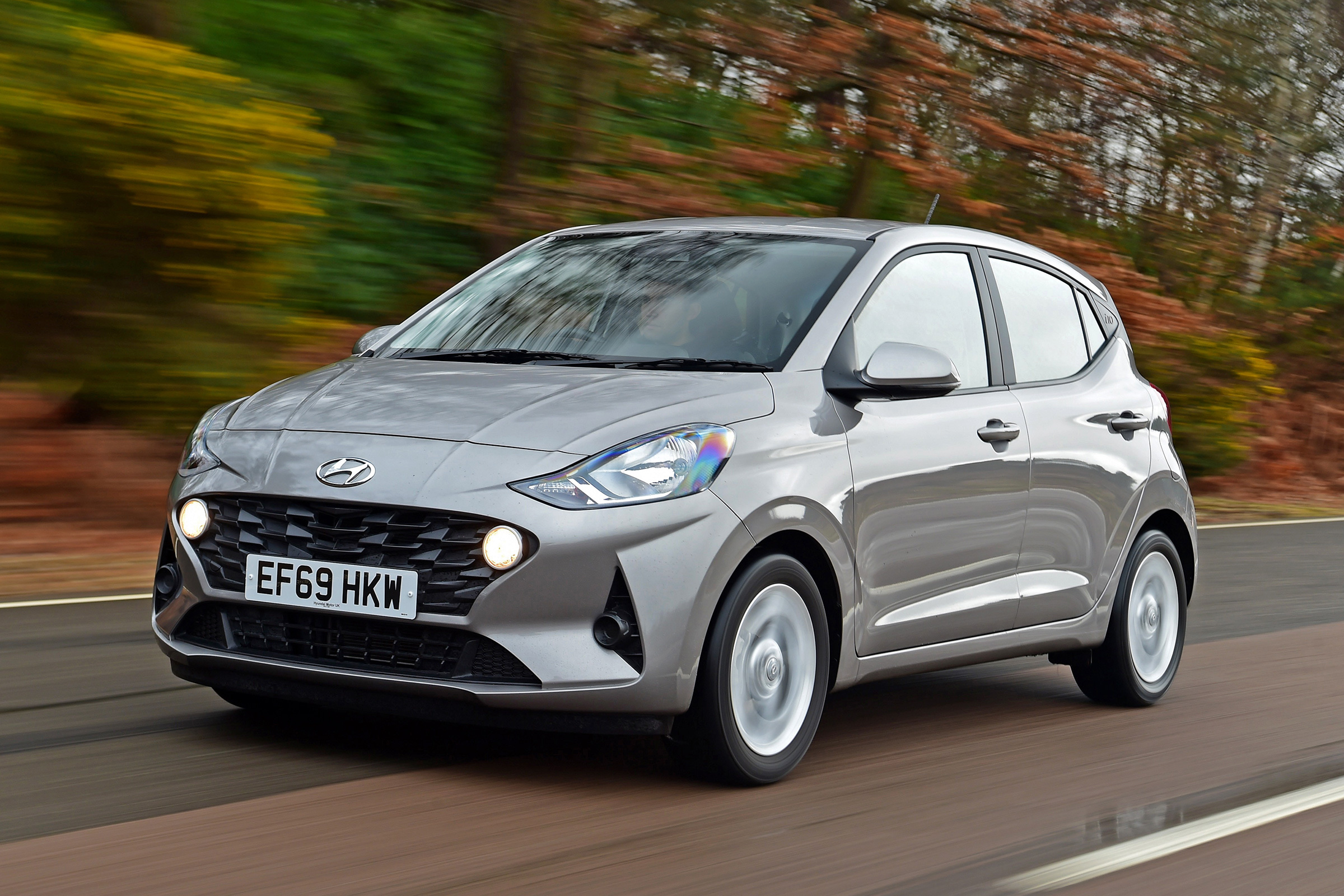
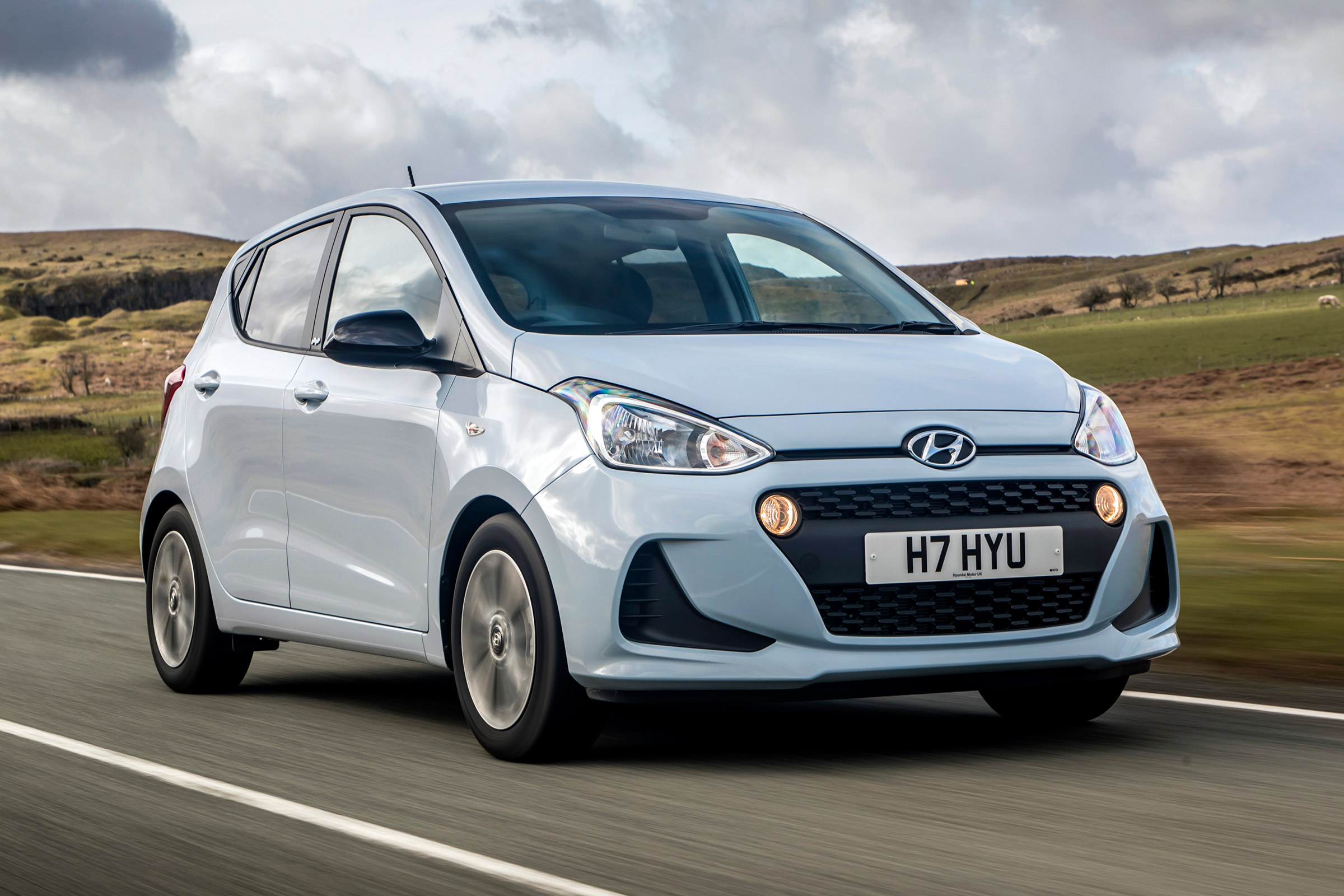
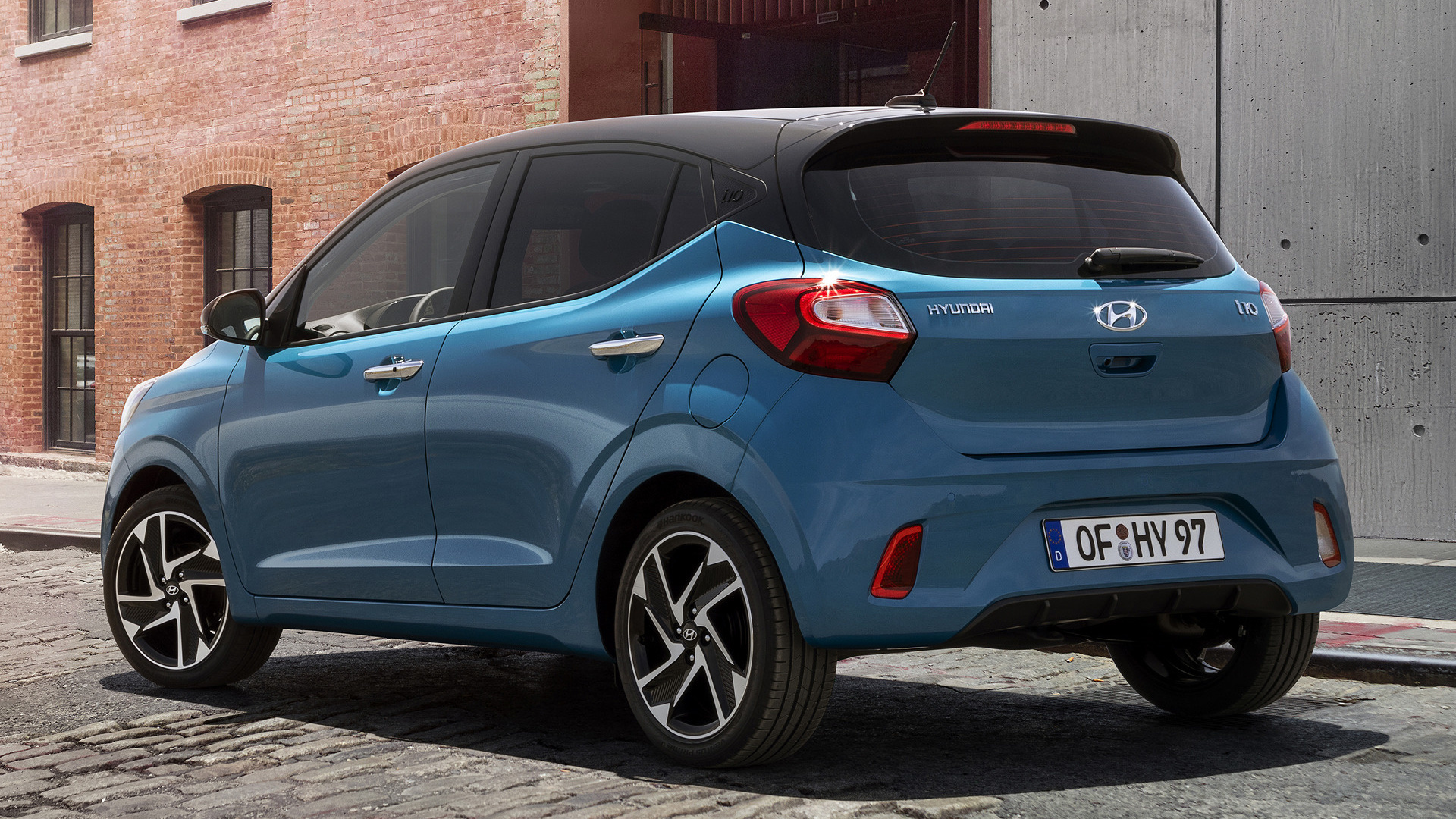
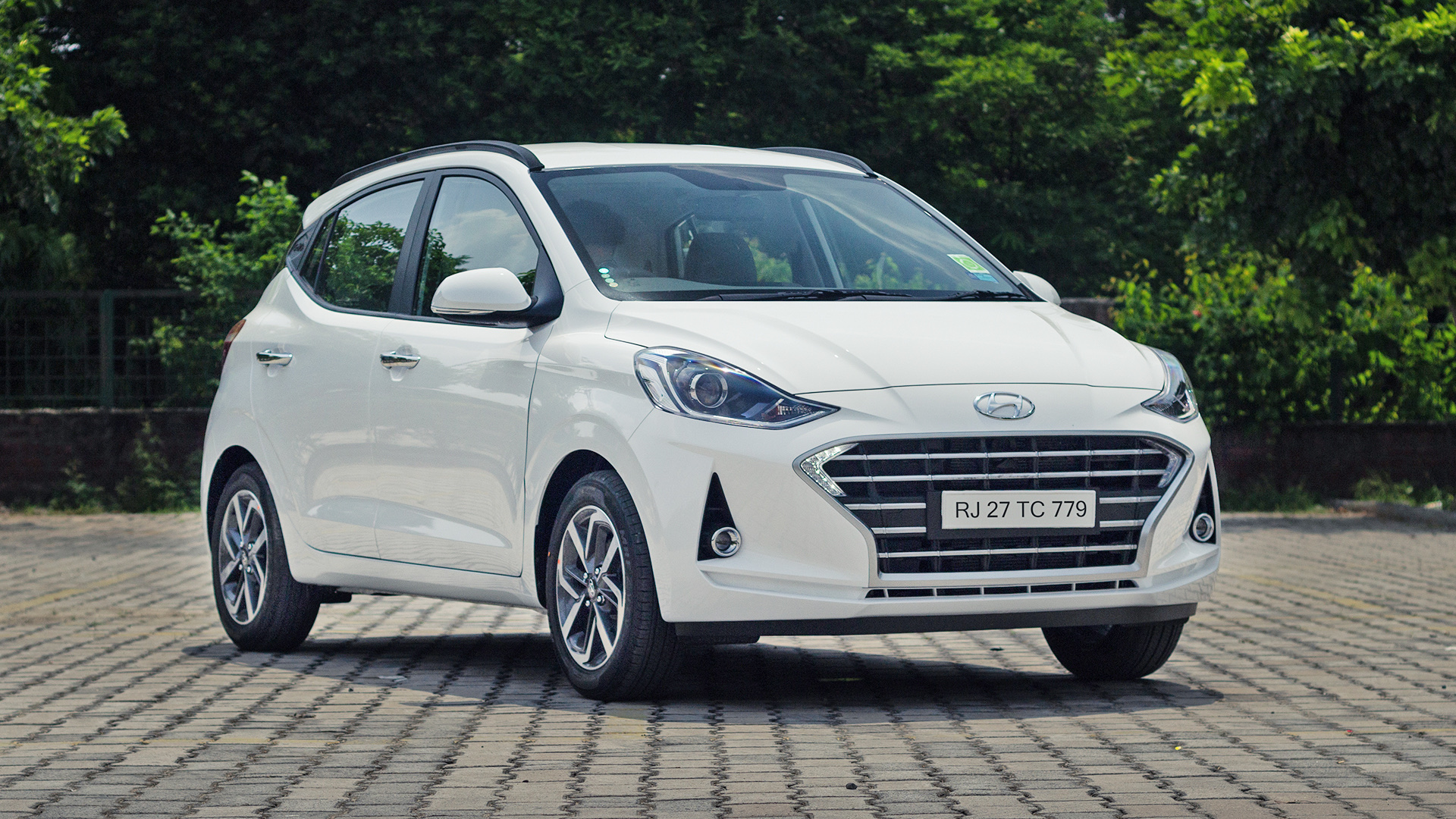
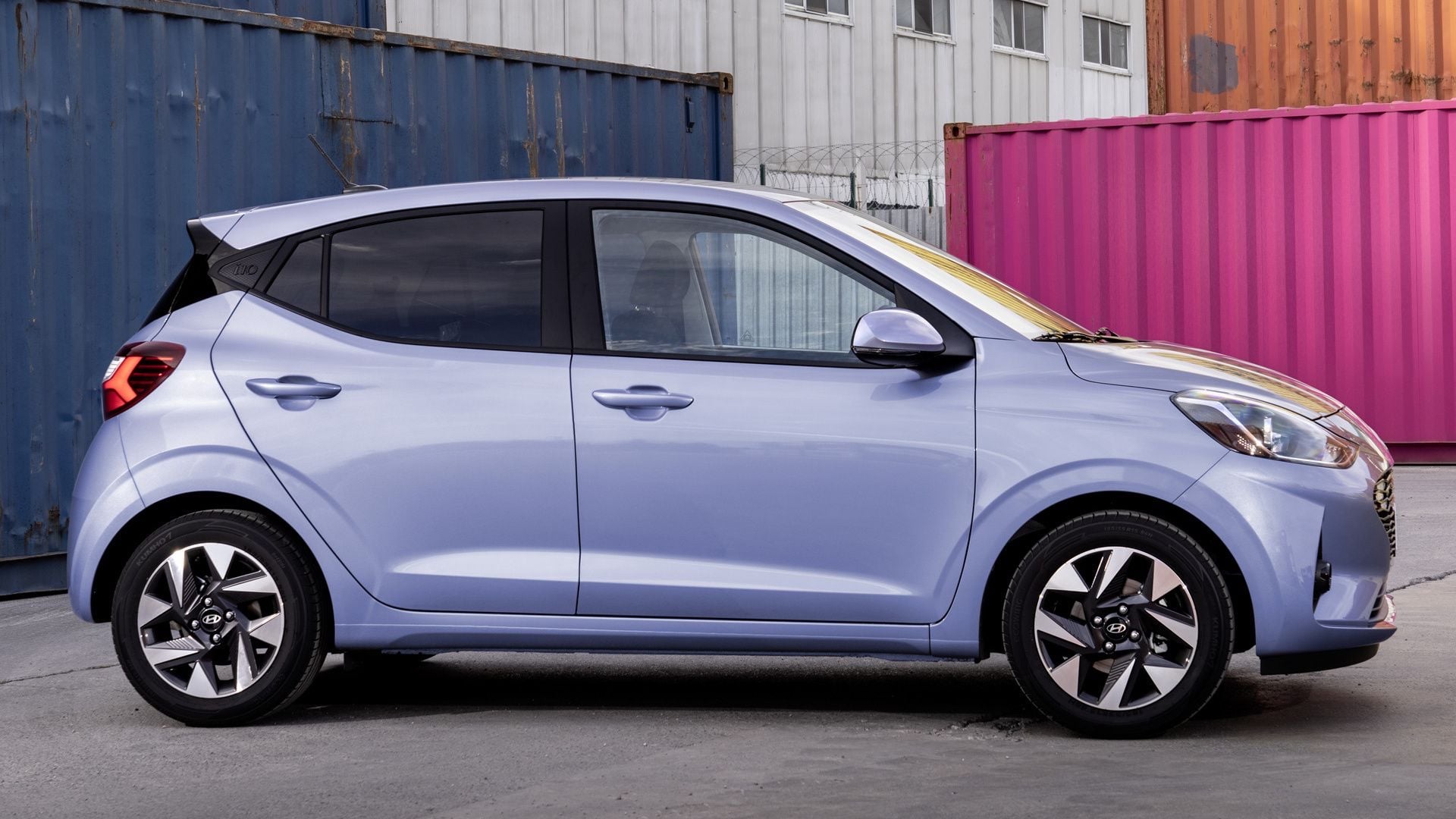
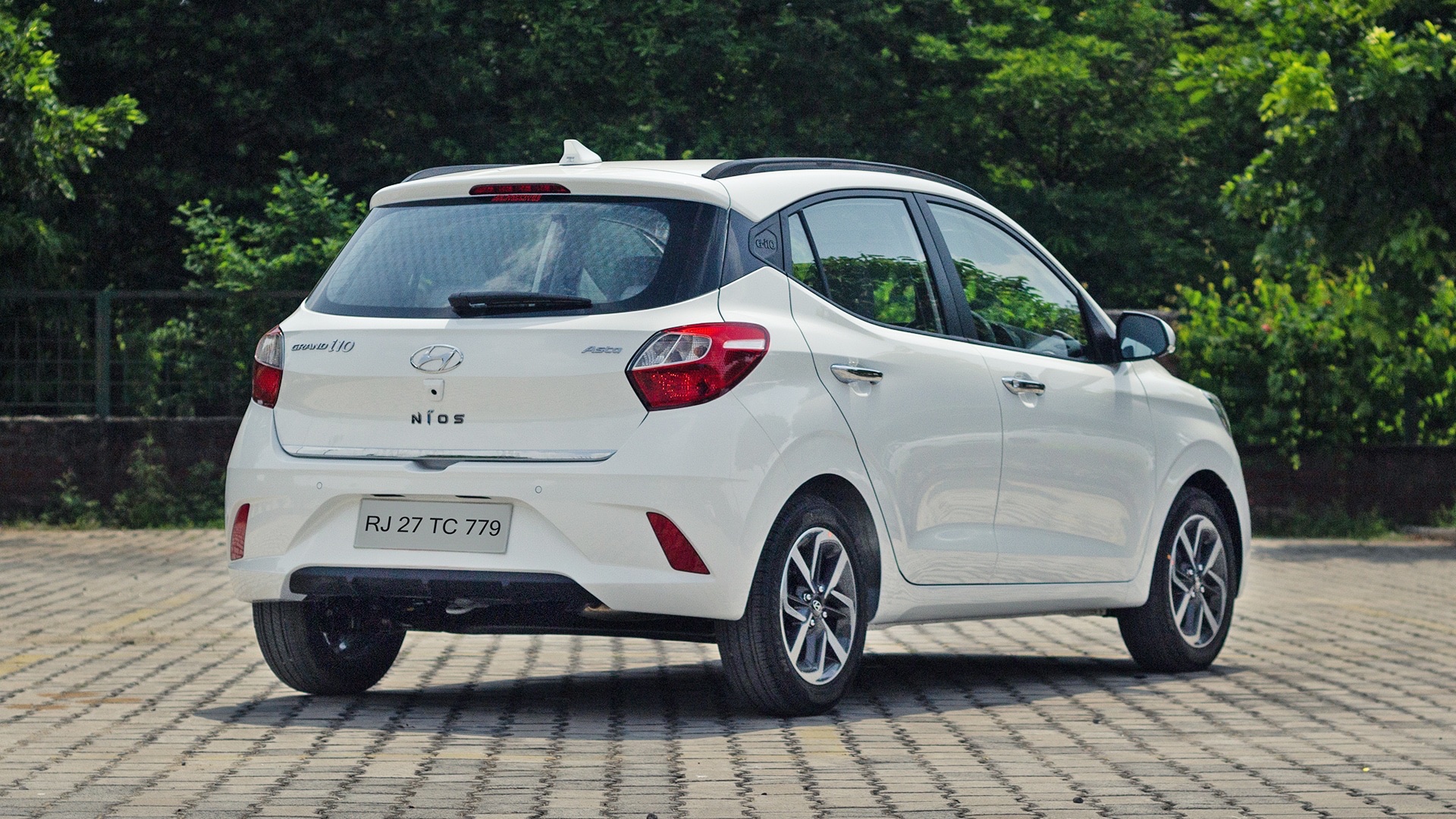
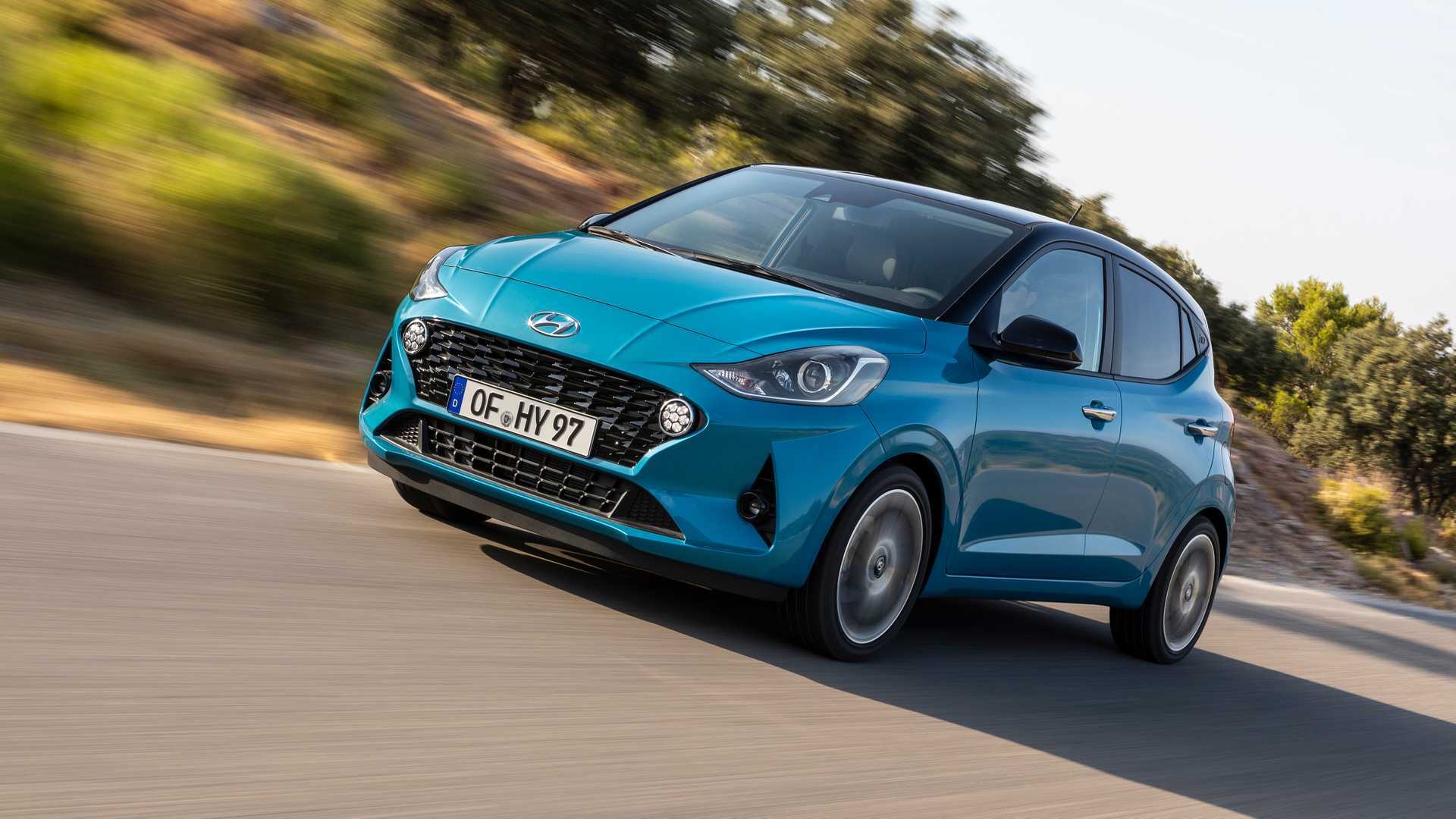
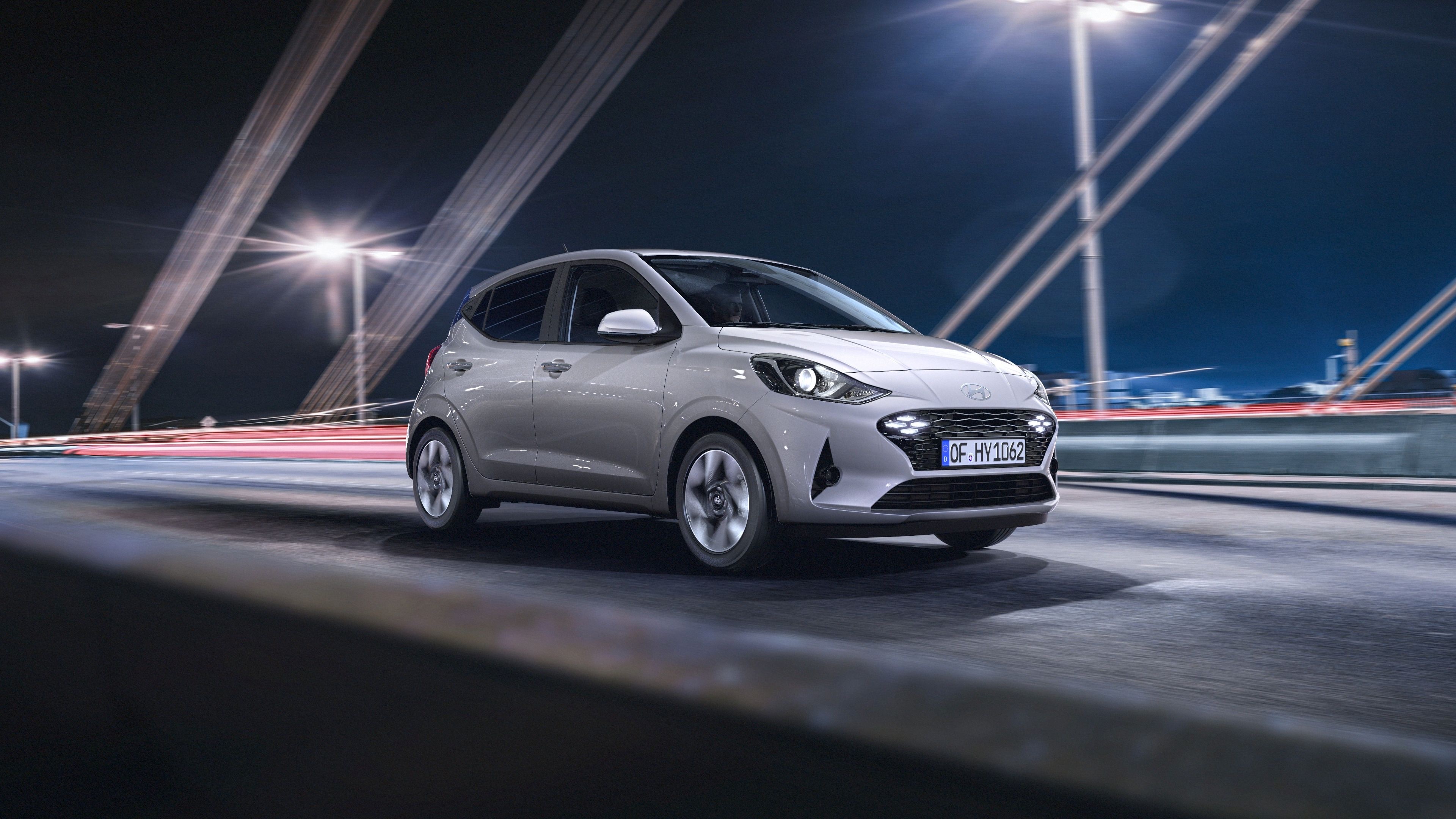
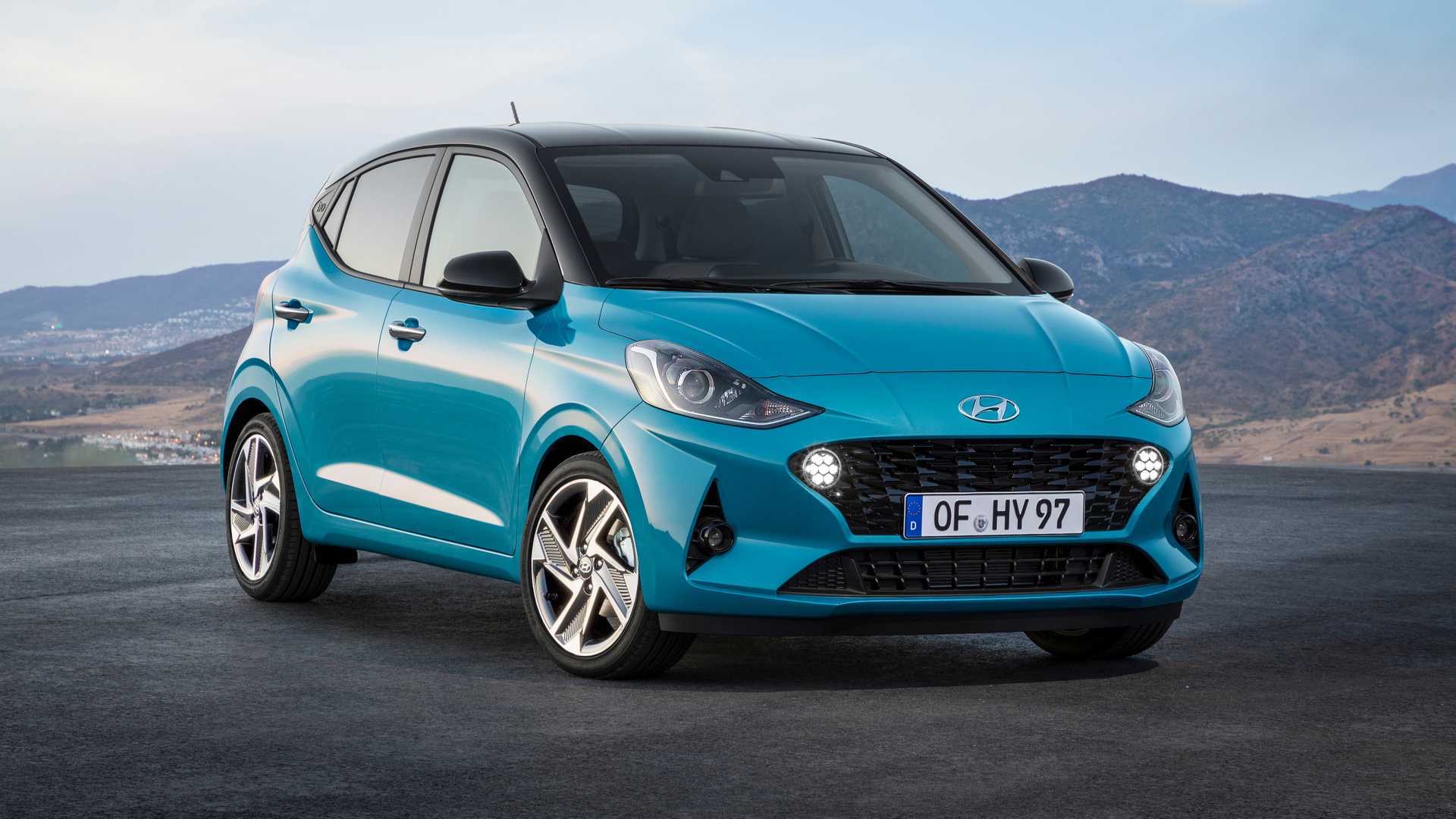
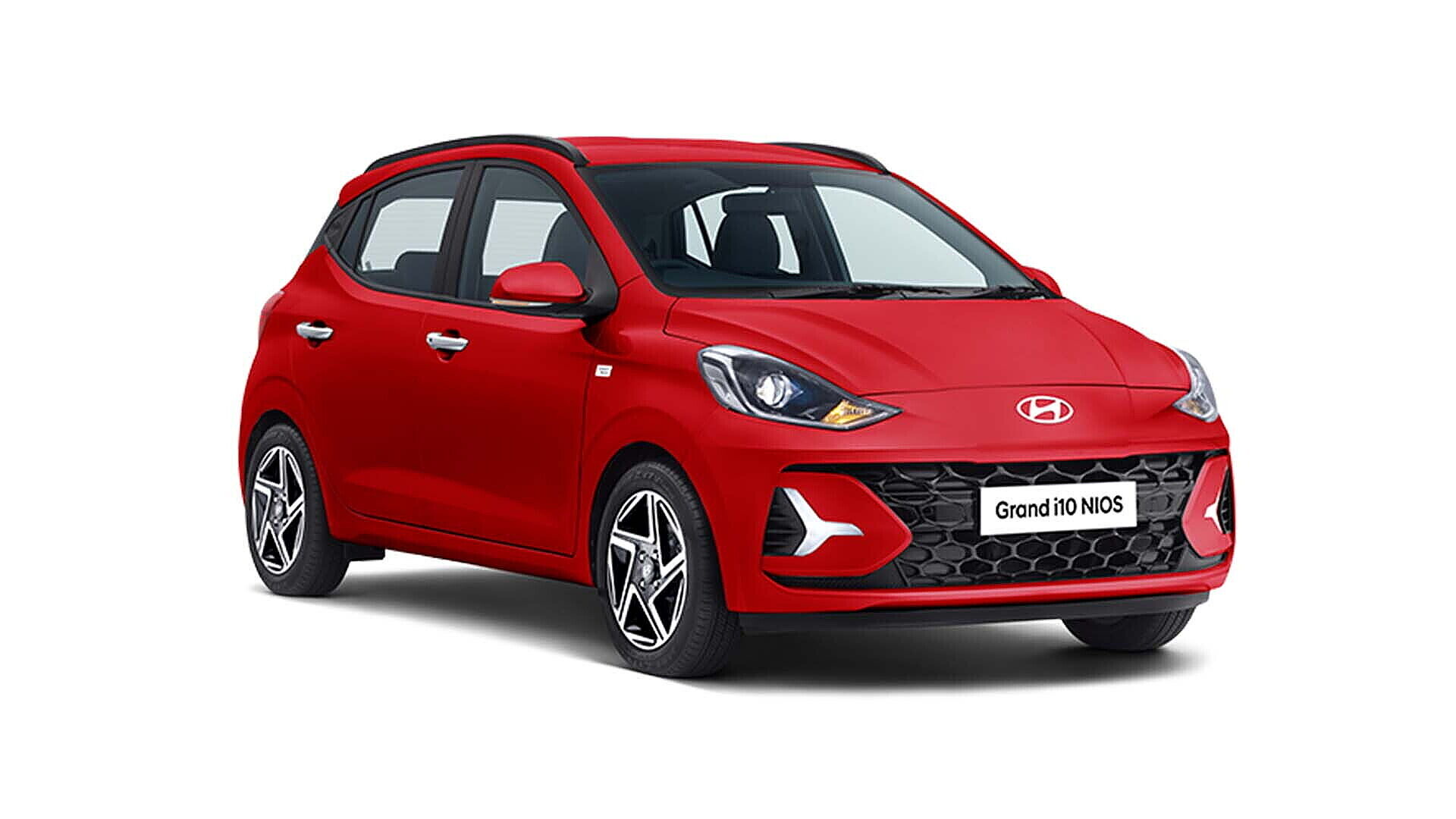
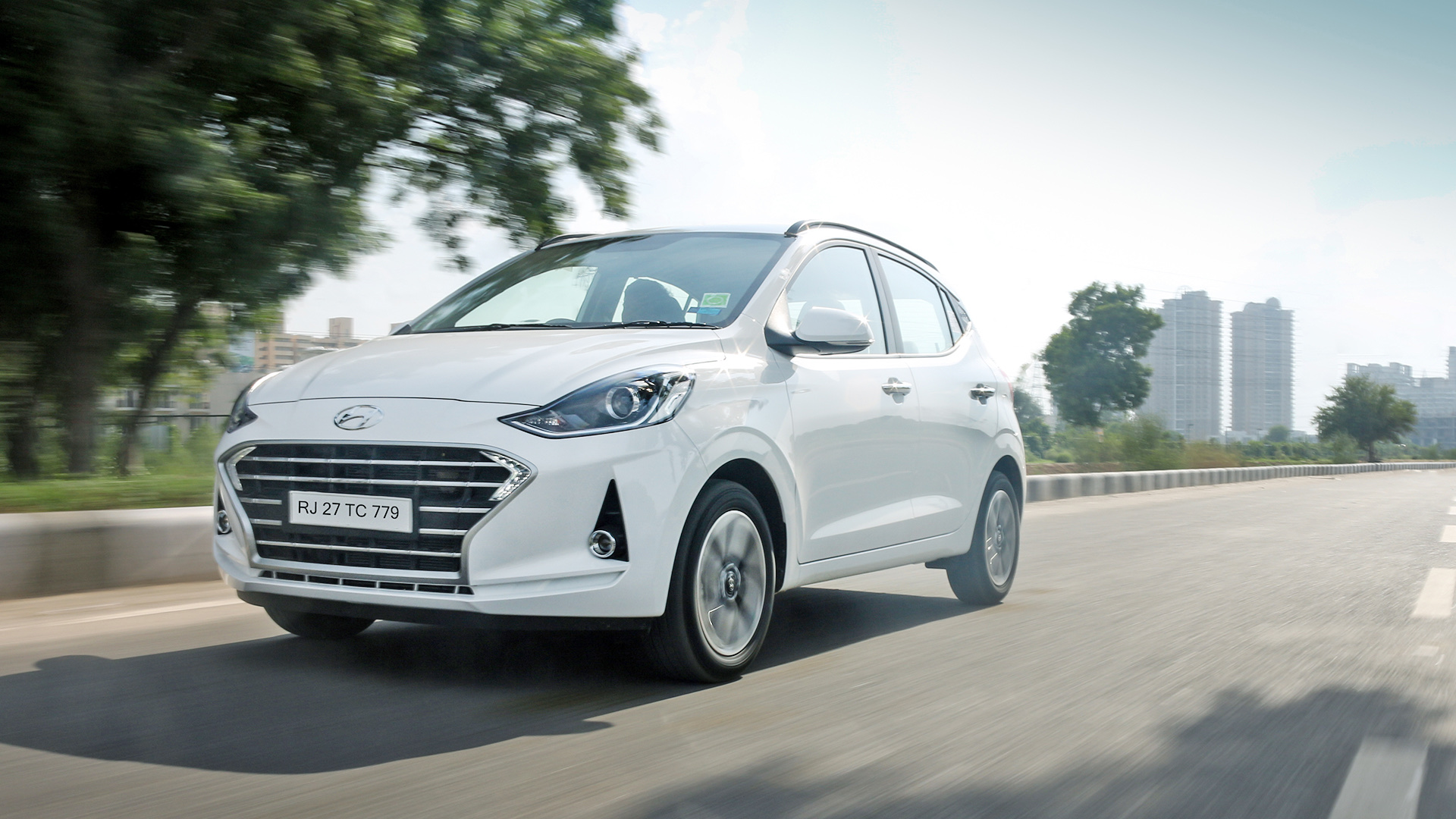
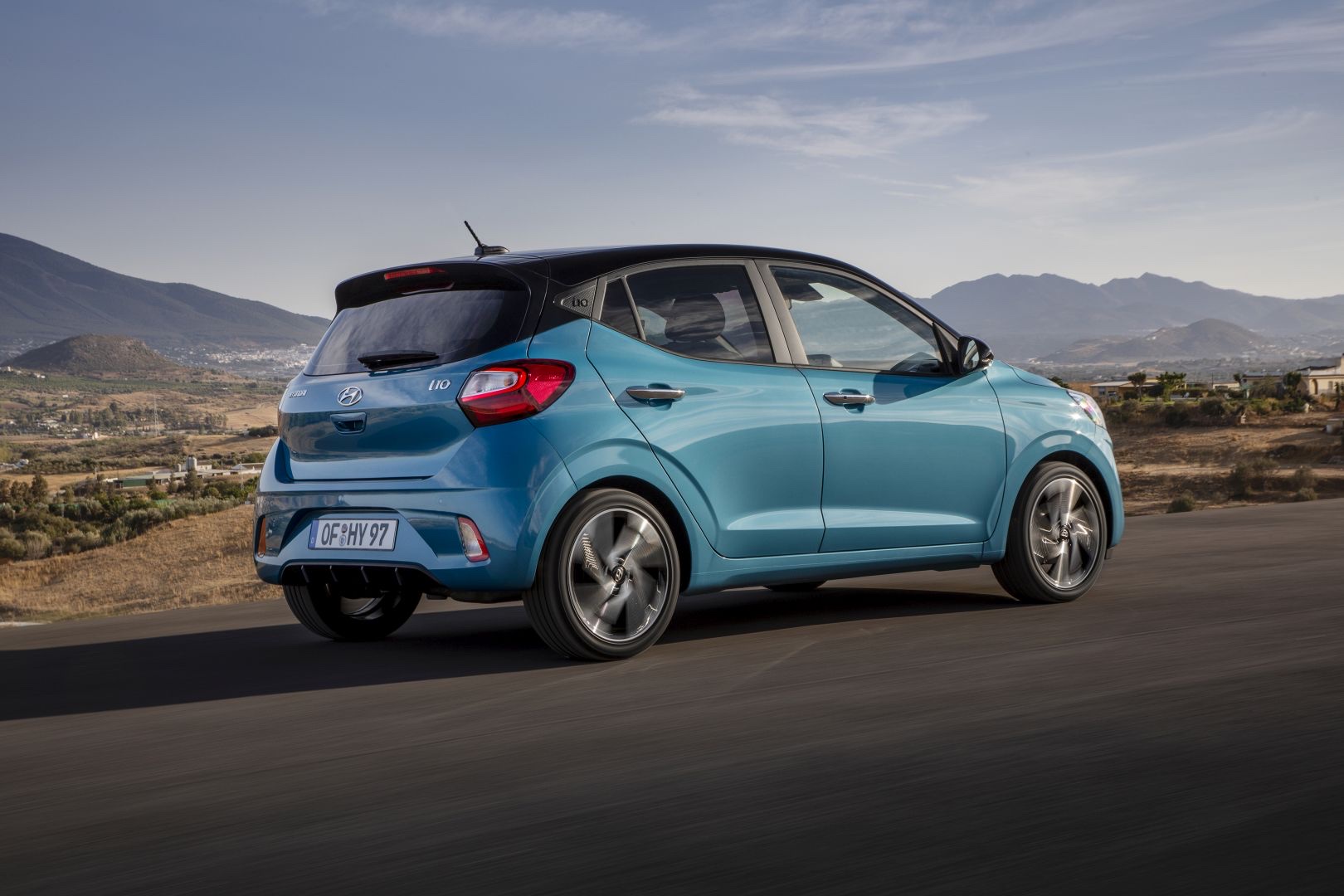
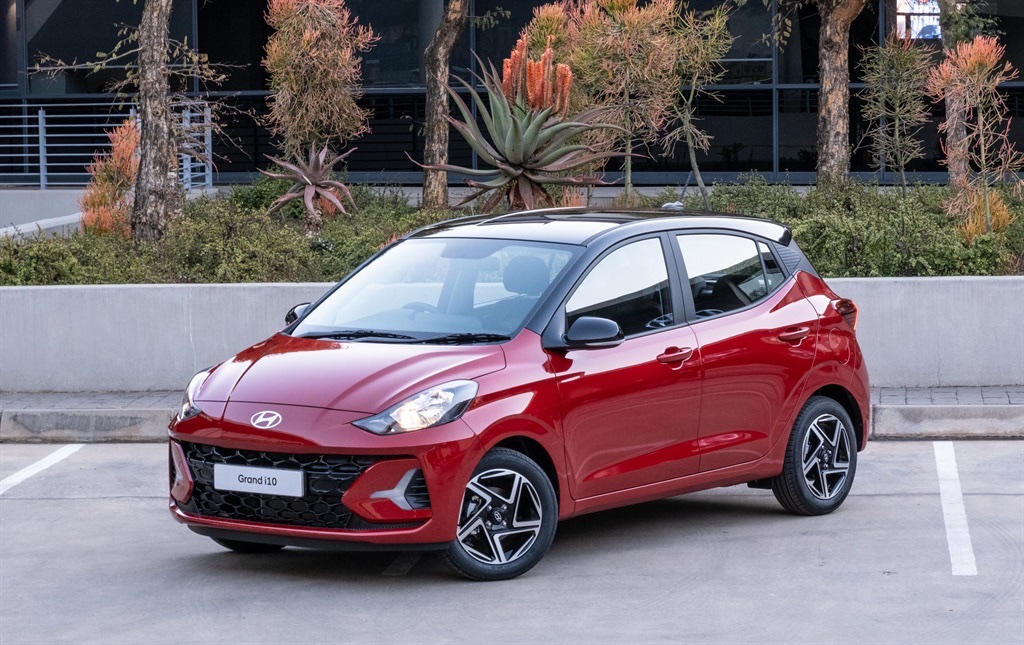
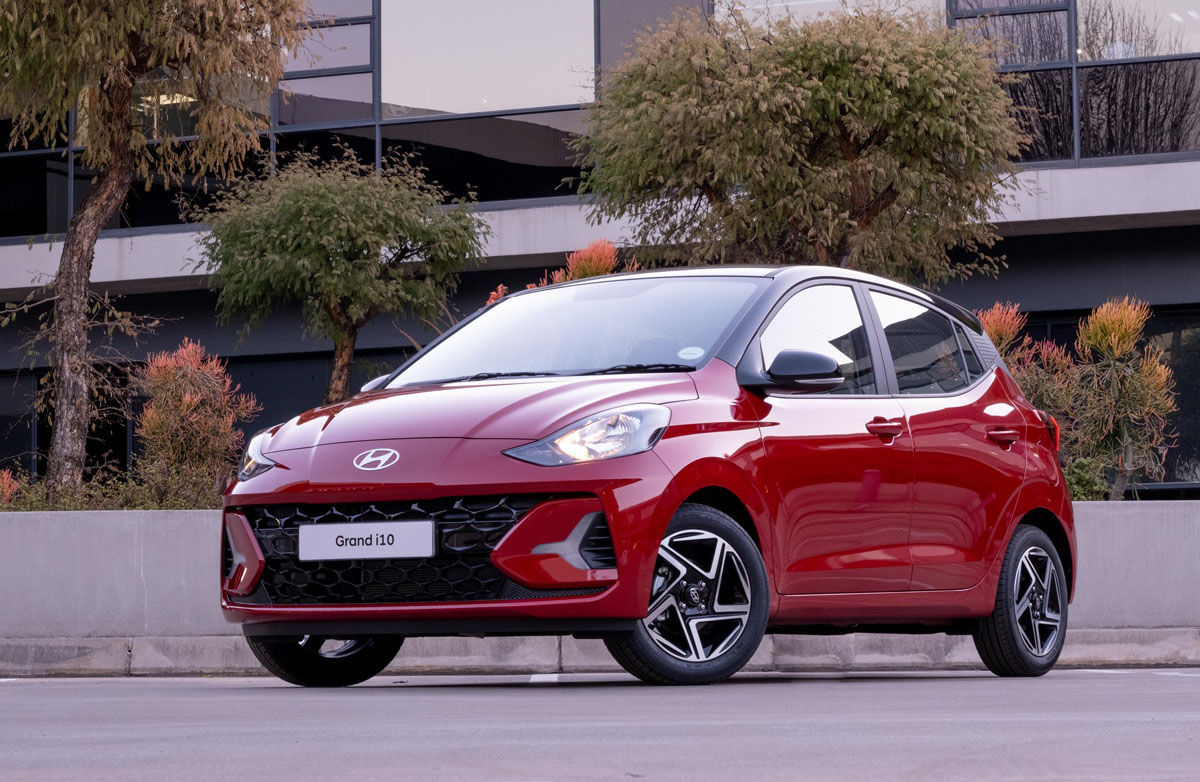
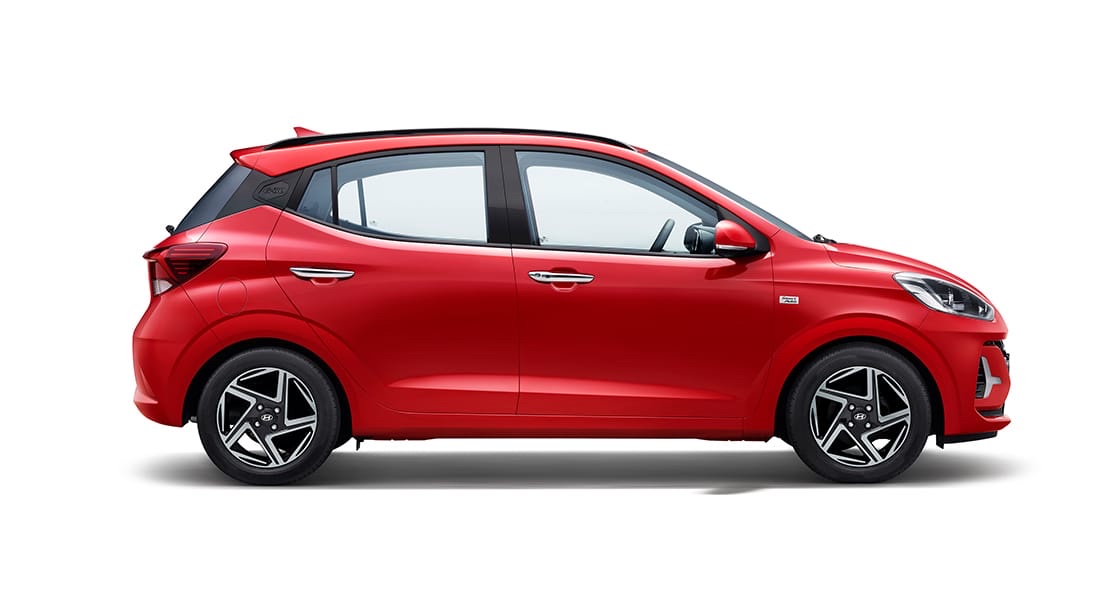
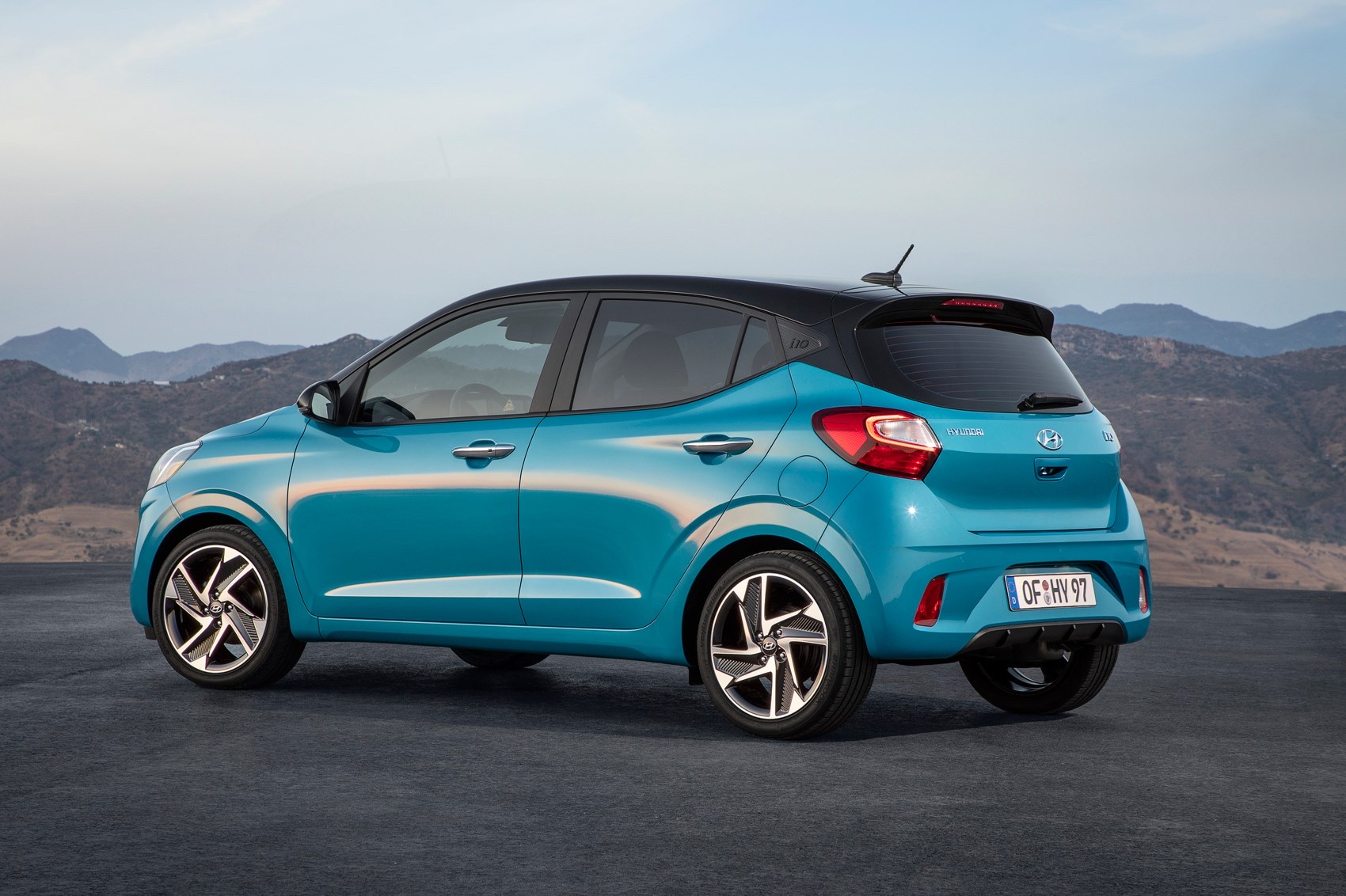
The third-generation Hyundai i10 is a front-wheel-drive, A-segment hatchback introduced at the 2019 Frankfurt Motor Show. It brings updated proportions, expanded safety technology, and revised styling to the compact city car class.
Years2019
Body typehatchback
Trims12
Photos18
Overview
Hyundai i10 at a glance
Quick model context before comparing photos and trim-level specifications.
Marking its third generation, the 2019 Hyundai i10 refines the city car formula with updated dimensions and a sharper visual identity. Hyundai expanded the vehicle's footprint slightly, lowering the roofline by 20 mm and widening the body by the same amount to create a more planted stance. The wheelbase was stretched by 40 mm to 2425 mm, improving stability and cabin space without significantly altering the car's highly maneuverable overall length of 3670 mm. Alongside standard models, the lineup introduces the N Line trim, catering to buyers looking for a sportier aesthetic and a more powerful turbocharged engine option.
Power: 67-84 hp
Engine displacement: 998-1197 cc
Transmissions: 5AMT, 5-speed manual
Seating: 5 seats
Research hub
Photos, trims and specifications for Hyundai i10
This model page brings gallery images, trim comparison, and detailed technical data together for the 2019 generation.
Use trim-level fuel consumption data to estimate monthly and yearly fuel spending.
Cost per 100 km-
Monthly cost-
Yearly cost-
Fuel costs are estimates. Real consumption can change with driving style, traffic, tires, weather, load, and market-specific equipment.
Model guide
Hyundai i10 overview
Editorial context for design, cabin, performance, practicality, and buyer notes.
Design
The exterior of the i10 takes on a more aggressive and dynamic look compared to its predecessor. Character lines on the hood and a dual-trapezoid grille design give the front end a distinct face, complemented by sharper headlamps. The side profile benefits from a lowered window line—dropped by 11 mm in the front and 13 mm in the rear—enhancing outward visibility. Hyundai also removed the large black trim piece from the rear bumper for a cleaner look. Buyers can further customize the appearance with an optional contrasting black roof and alloy wheels up to 16 inches in size.
Interior
Inside, the cabin features a noticeable redesign centered around a honeycomb texture applied to the dashboard and door panels. Fan-shaped air vents are pushed far to the edges, visually widening the space. The instrument cluster now includes two full-size analogue dials, resolving complaints about the previous generation's incomplete tachometer display. The central dashboard can be equipped with an optional 8-inch touchscreen that visually integrates with the instrument cowl. Depending on the specification, the interior can include convenience features like wireless smartphone charging, automatic climate control, and heated front seats and steering wheel.
Performance
The standard engine lineup consists of two naturally aspirated gasoline options: a 1.0-liter three-cylinder producing 67 horsepower and 96 Nm of torque, and a 1.2-liter four-cylinder making 84 horsepower and 118 Nm. Both can be paired with either a 5-speed manual transmission or a 5-speed automated manual (5AMT). For stronger performance, the i10 N Line features a 1.0-liter T-GDi turbocharged engine generating 100 horsepower, available exclusively with a manual gearbox. An available ECO Pack further optimizes efficiency with adjusted gear ratios and smaller 14-inch wheels.
Practicality
Despite its compact A-segment footprint, the i10 offers reasonable utility for everyday urban driving. The extended wheelbase improves passenger room, and the rear seating area can be configured for either two or three passengers, depending on the chosen trim and the inclusion of the ECO Pack. The cargo area provides 252 liters of volume behind the rear seats. The rear seatbacks fold in a 60/40 split to accommodate larger items, ensuring the hatchback retains essential daily practicality.
Safety and tech
The third-generation i10 introduces a comprehensive suite of safety features typically found in larger vehicle segments. Standard equipment includes a forward collision-avoidance assist system capable of detecting vehicles up to 180 km/h and pedestrians up to 64 km/h. Lane-keeping assist, automatic high beams, and cruise control are also included on base models. Higher trims add rear parking sensors, a rearview camera, and an upgraded infotainment system with an 8-inch touchscreen supporting modern smartphone integration.
Buyer notes
Shoppers looking at the Hyundai i10 should carefully consider the transmission options, as the 5AMT is a single-clutch automated unit that behaves differently than a traditional torque-converter automatic. The 1.0-liter naturally aspirated engine is strictly meant for city efficiency, while the 1.2-liter or the N Line's turbo engine provide better versatility for highway driving. Trim levels range from the essential Active to the fully equipped Style, so compare equipment lists closely to ensure features like the 8-inch display or advanced climate controls are included in your chosen specification.
Configurations
Trims and key specifications
Use this table to compare the main differences between available configurations.
Short answers based on the specifications and photos available in this catalog.
What body style is the 2019 Hyundai i10?
The 2019 Hyundai i10 is a five-door, A-segment compact hatchback designed primarily for urban environments.
What engines are available in the i10?
Standard models offer a 1.0-liter 3-cylinder engine with 67 horsepower or a 1.2-liter 4-cylinder engine with 84 horsepower. The sporty N Line trim features a 1.0-liter turbocharged engine producing 100 horsepower.
What is the trunk capacity of the i10?
The cargo volume is 252 liters behind the rear seats, which can be expanded by folding down the 60/40 split rear bench.
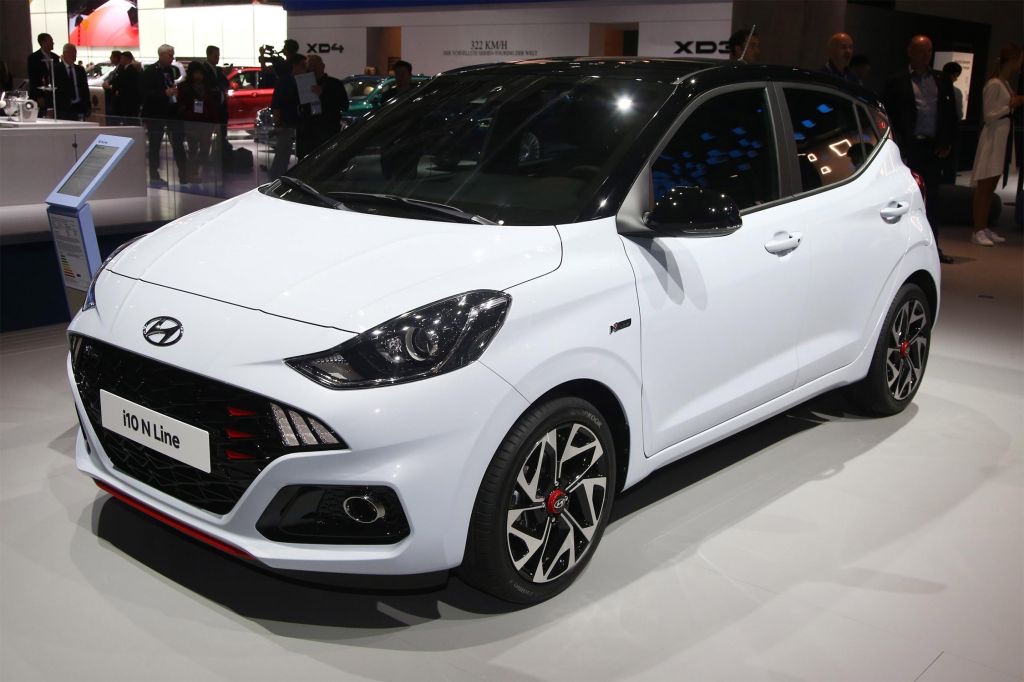
What is the difference with the i10 N Line?
The i10 N Line receives a more powerful 100-horsepower turbocharged engine, a manual transmission, unique exterior styling with dual exhausts, and interior upgrades like sportier front seats and red accents.
Does the i10 come with an automatic transmission?
Yes, the standard 1.0-liter and 1.2-liter engines can be equipped with a 5-speed automated manual transmission (5AMT). However, the high-performance N Line model is available only with a manual transmission.
Explore more
Related model pages
Continue through nearby generations, manufacturer pages, and similar body styles.