Hyundai i30 N specifications and photos
The 2021 Hyundai i30 N is a high-performance five-door hatchback built on the foundation of the restyled third-generation i30. It serves as the flagship performance model in the i30 lineup, combining everyday usability with track-focused engineering.
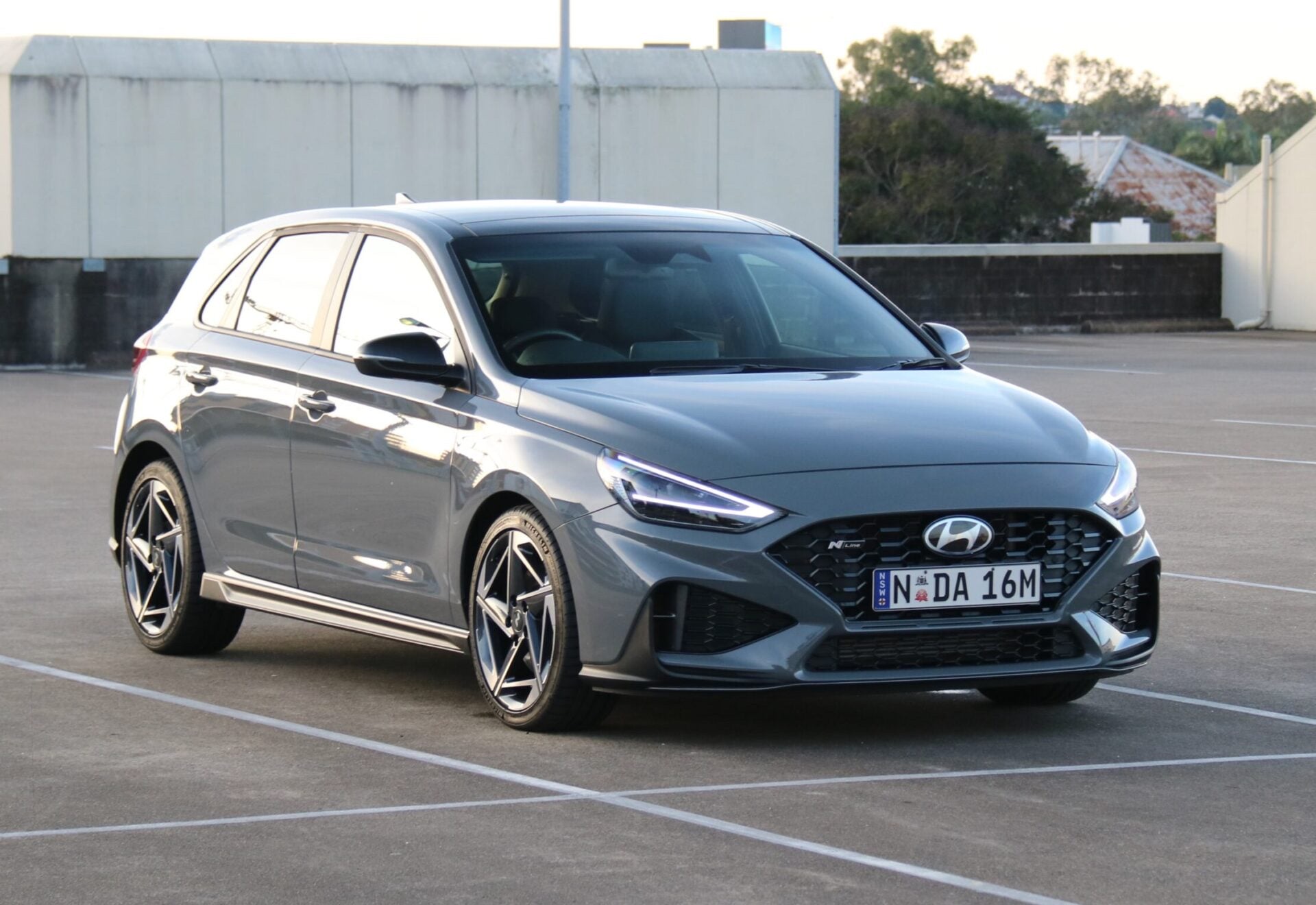
Hyundai i30 N at a glance
Quick model context before comparing photos and trim-level specifications.
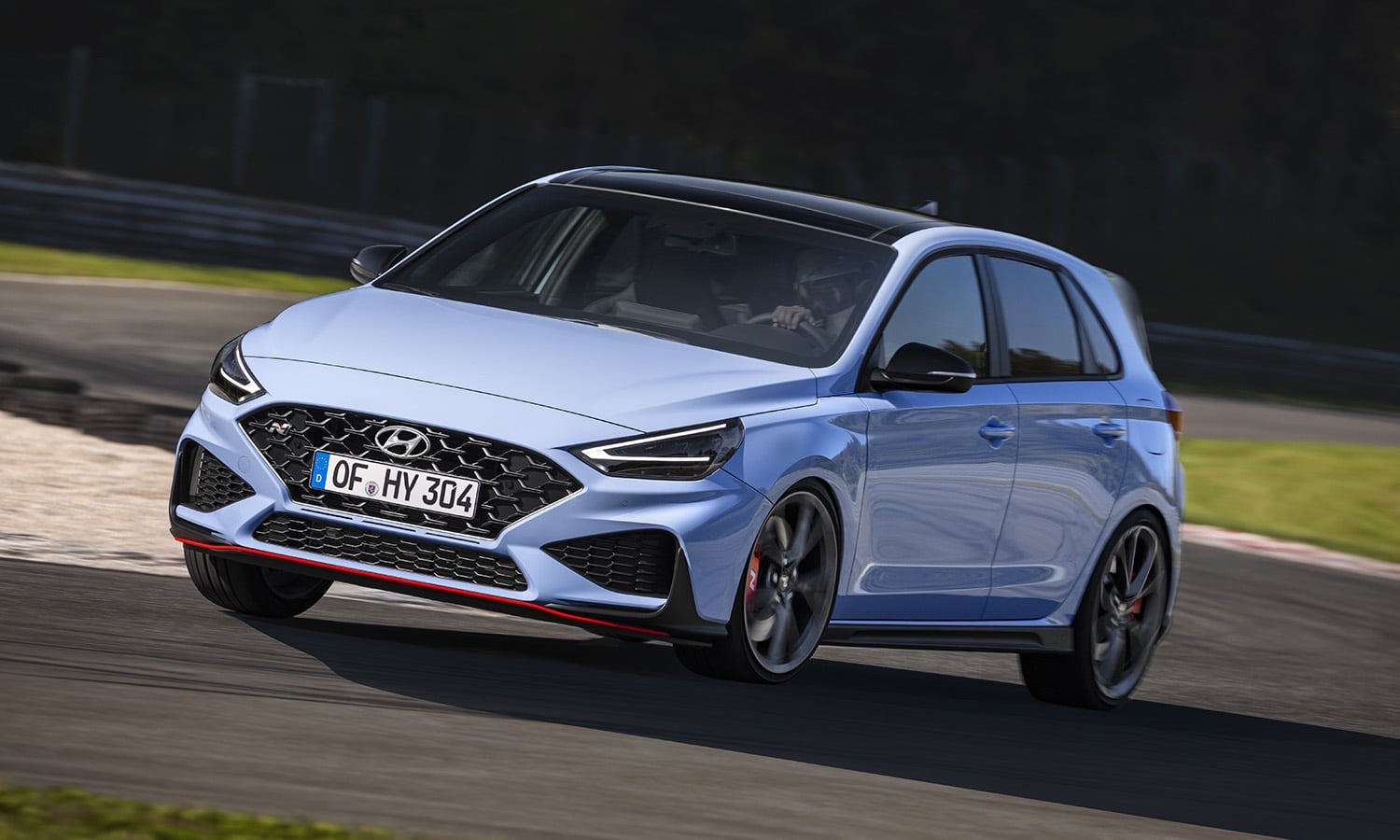
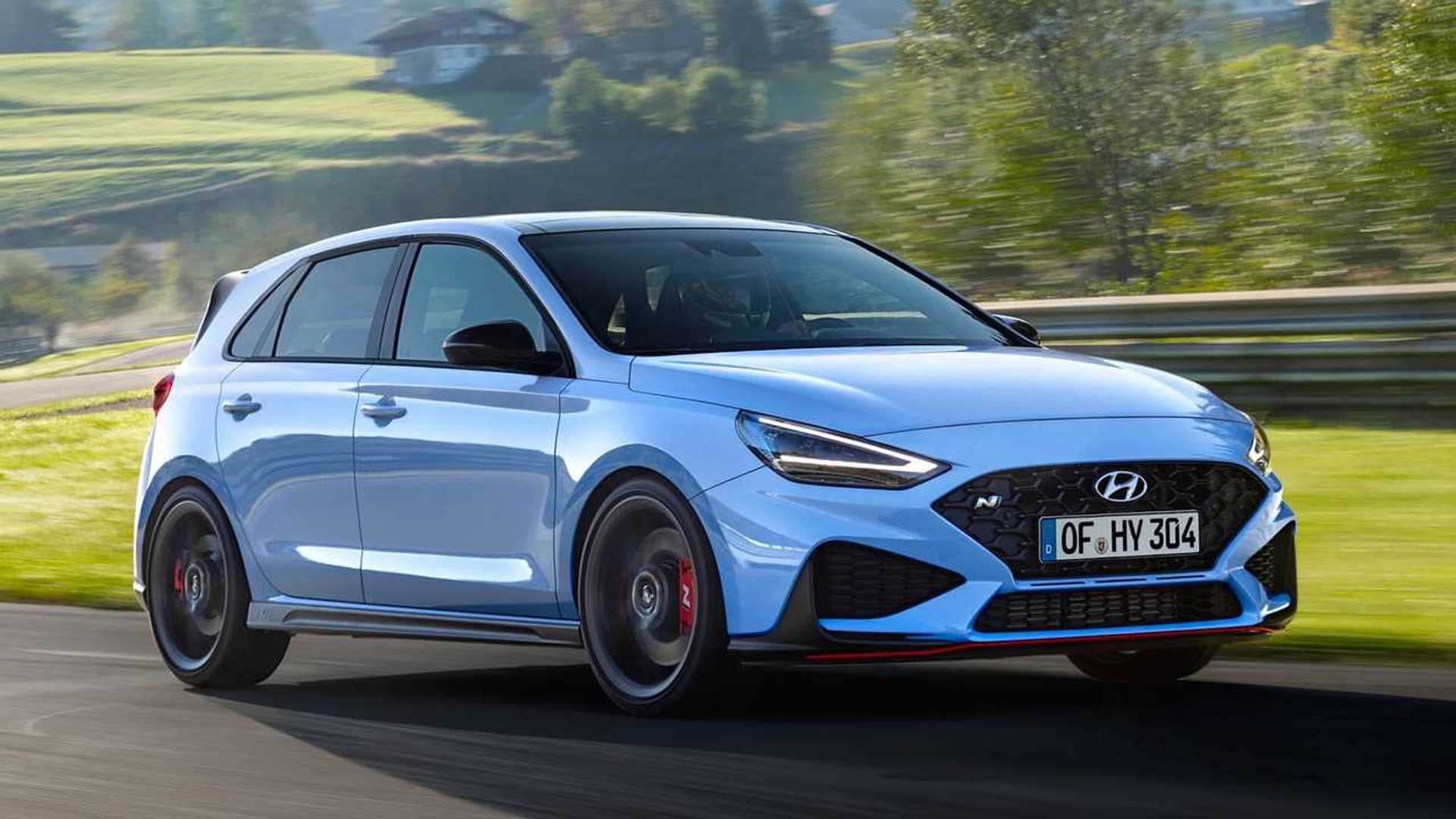
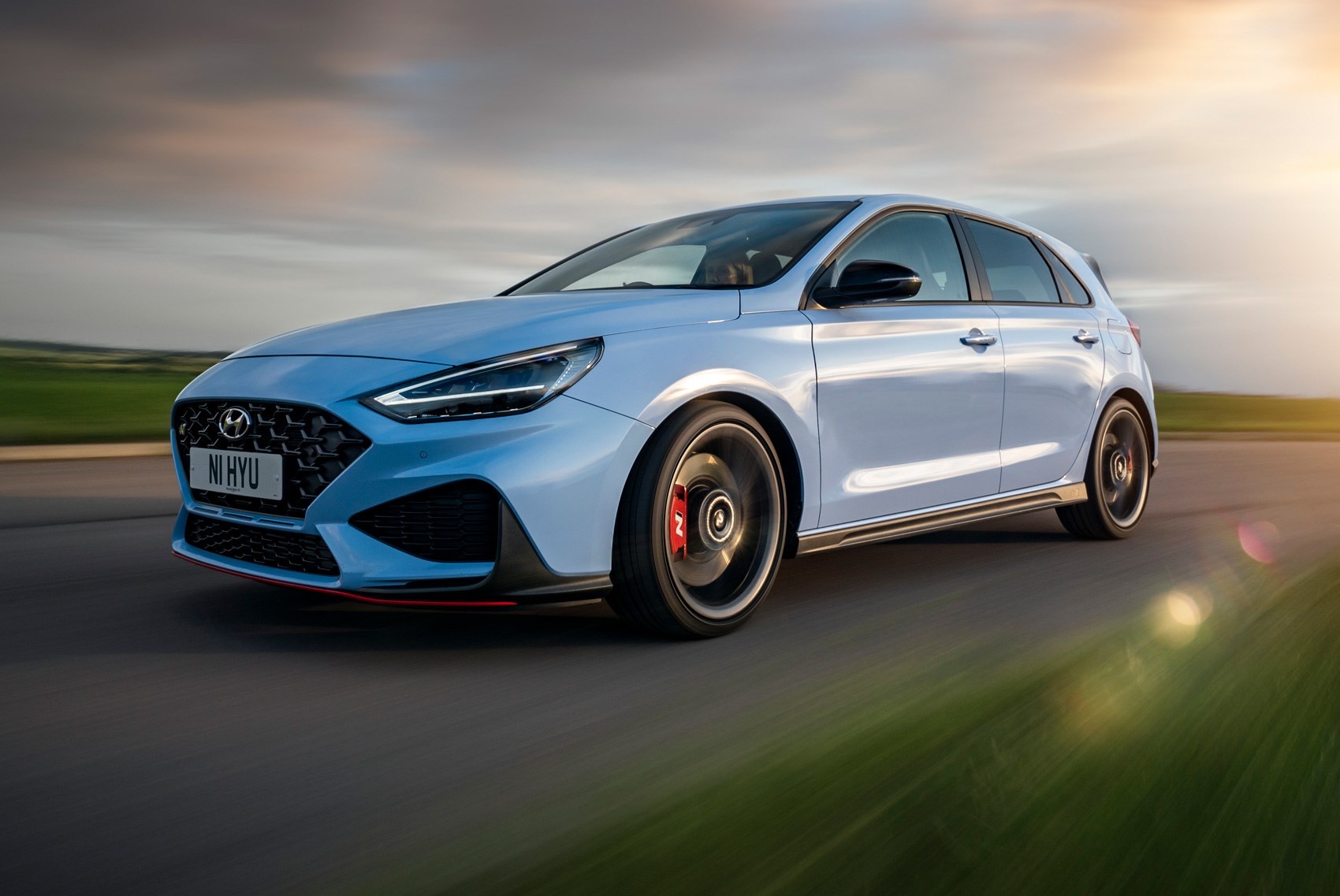
Revealed in September 2020, the updated Hyundai i30 N brings sharper styling and upgraded mechanicals to the compact segment. Building on the third-generation platform, this front-wheel-drive vehicle is offered in a standard configuration or an enhanced Performance package. The update introduces significant powertrain options, most notably an eight-speed dual-clutch transmission alongside the traditional six-speed manual. Engineered for driving enthusiasts, it incorporates adjustable driving modes and an electronically controlled suspension to balance daily comfort with aggressive track capabilities.
- Power: 250-280 hp
- Engine displacement: 1998 cc
- Transmissions: 6-speed manual, 8-speed dual-clutch
- Seating: 5 seats
Photos, trims and specifications for Hyundai i30 N
This model page brings gallery images, trim comparison, and detailed technical data together for the 2021 generation.
Estimate fuel cost
Use trim-level fuel consumption data to estimate monthly and yearly fuel spending.
Fuel costs are estimates. Real consumption can change with driving style, traffic, tires, weather, load, and market-specific equipment.
Hyundai i30 N overview
Editorial context for design, cabin, performance, practicality, and buyer notes.
Design
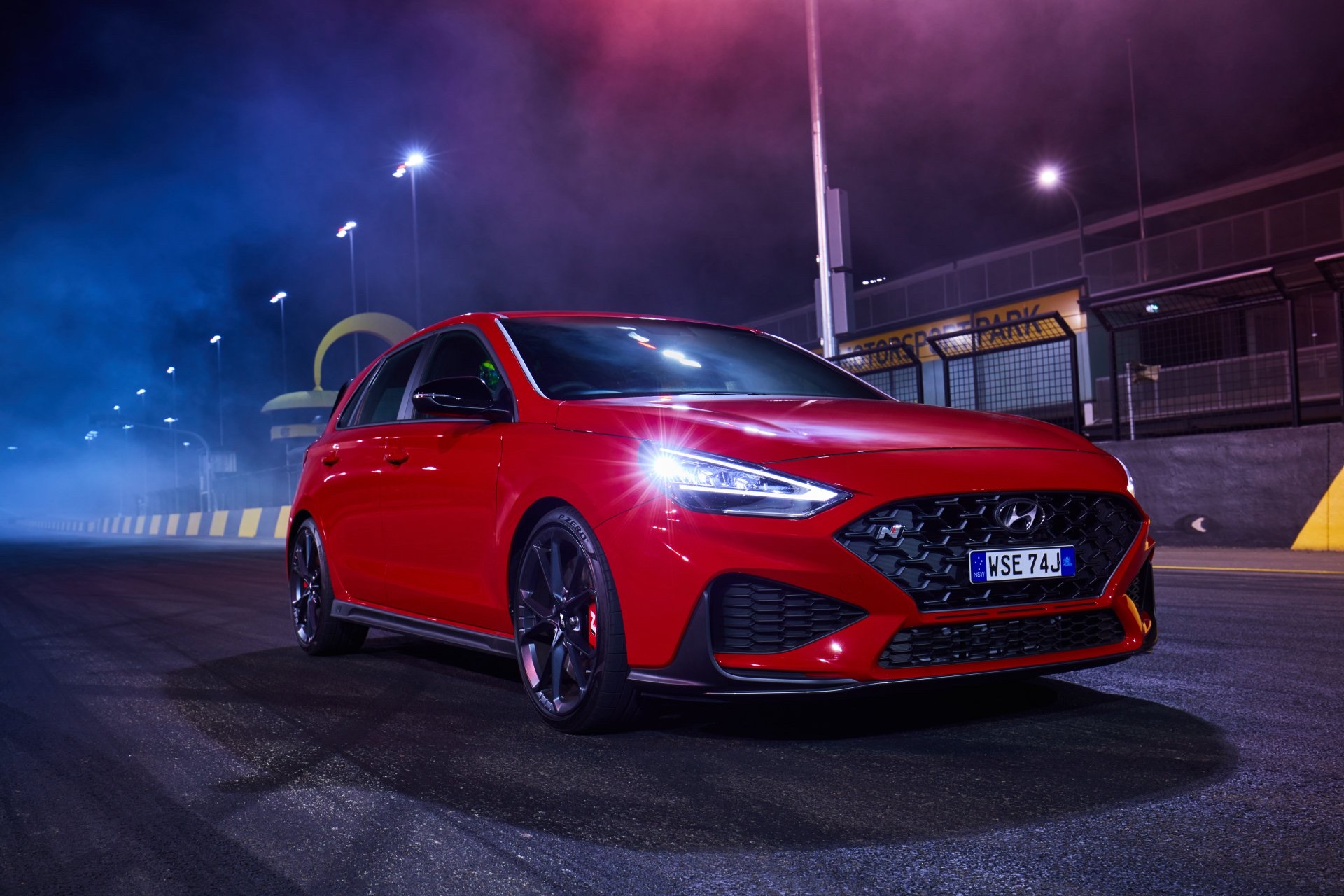
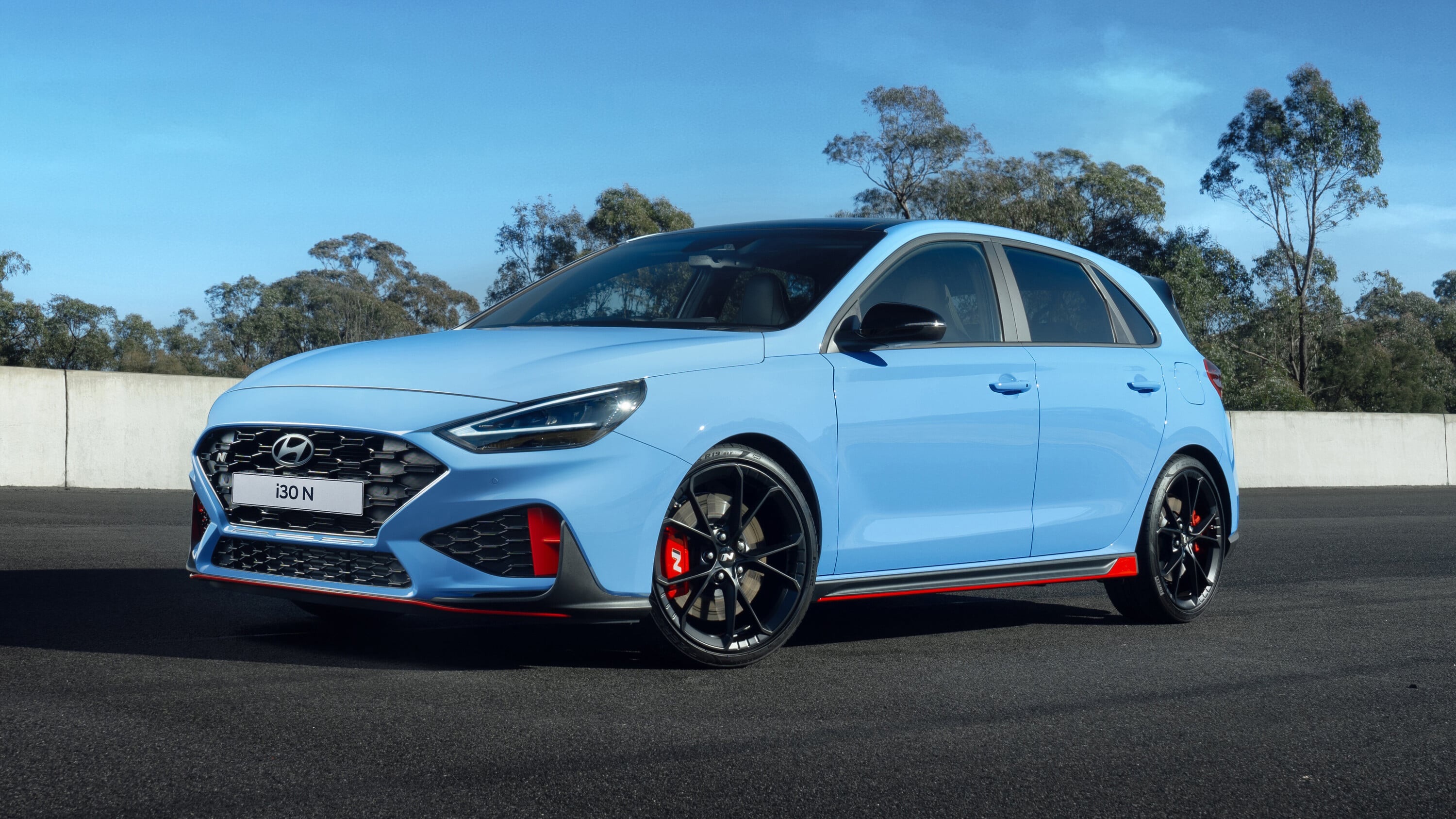
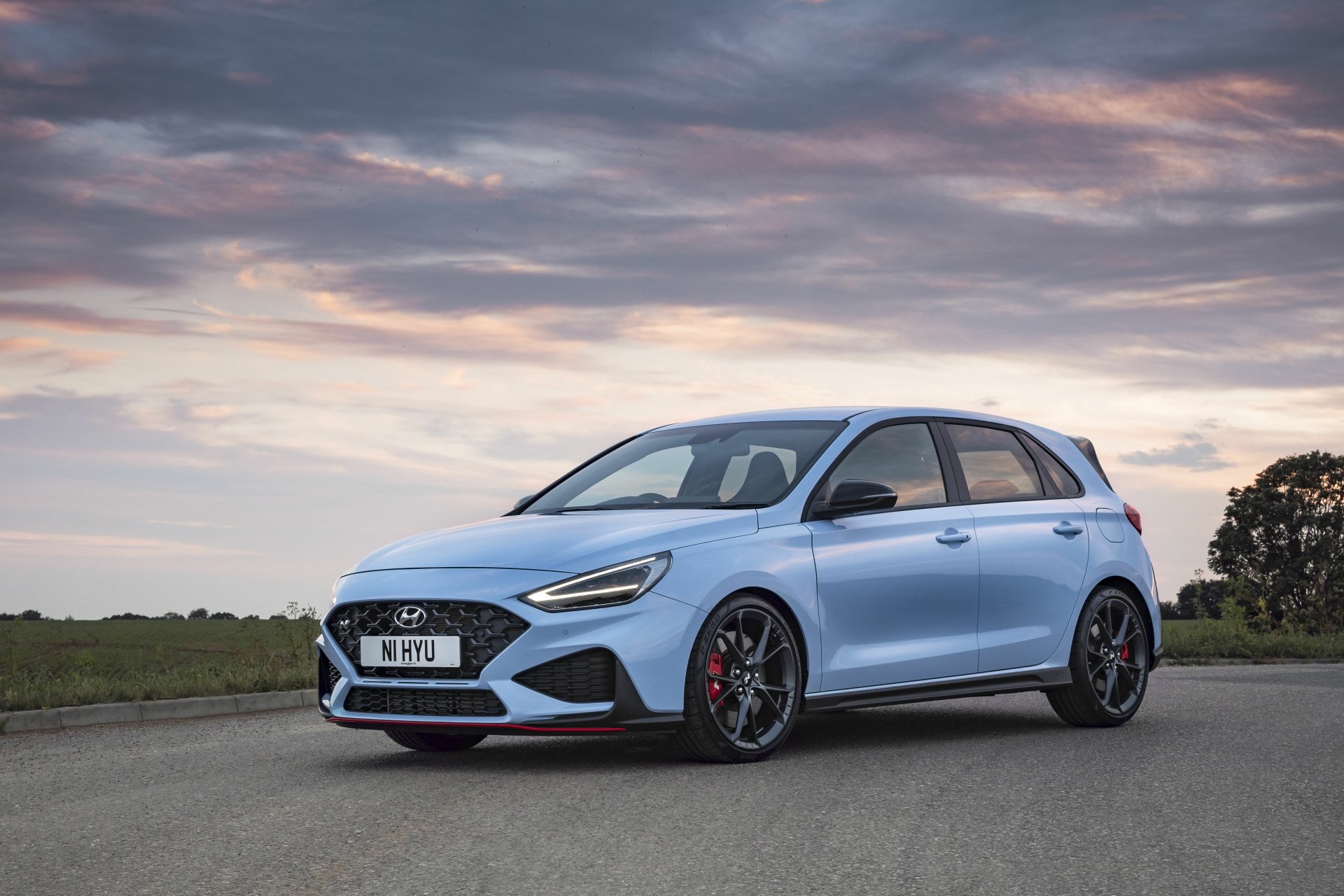
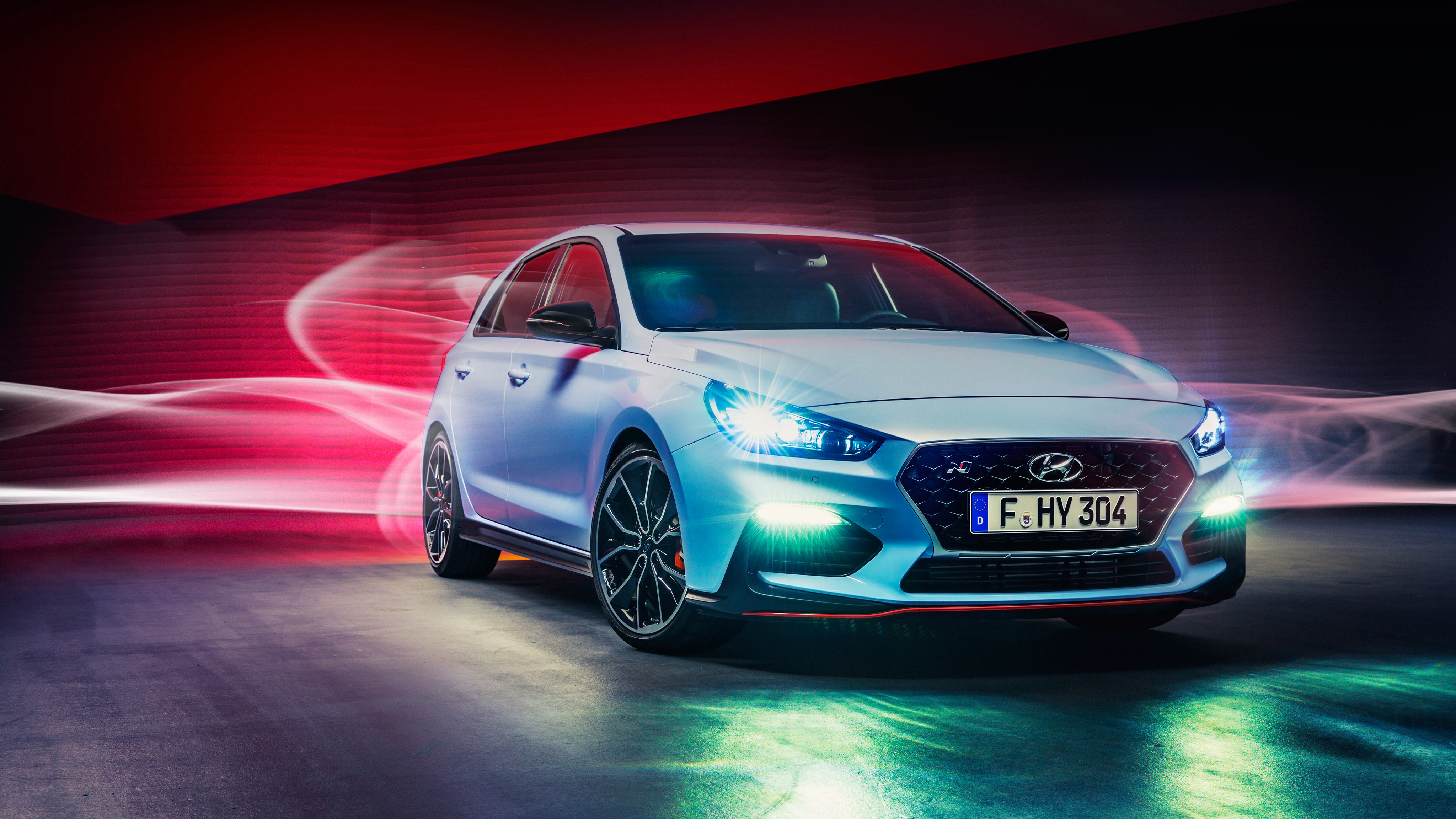
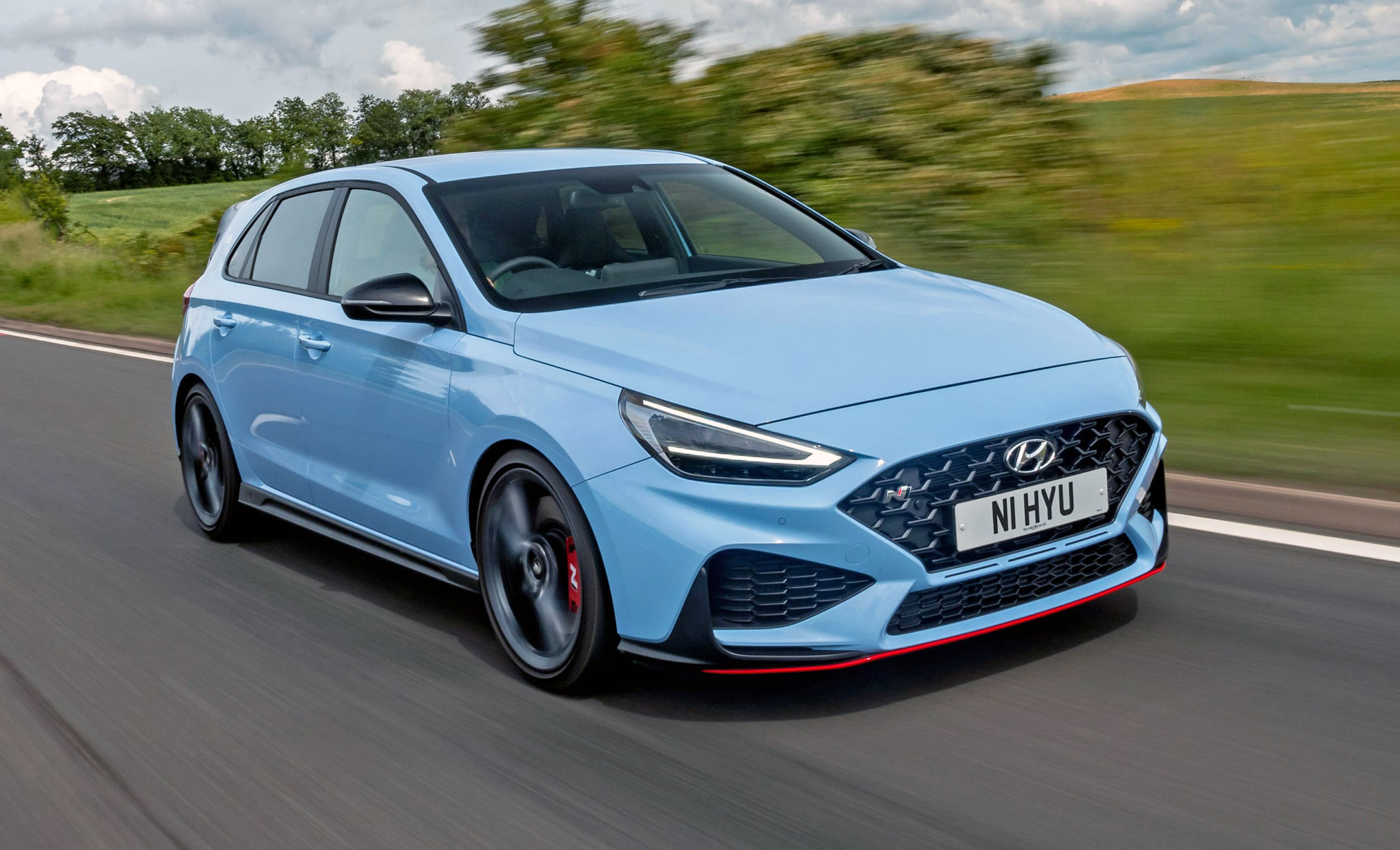
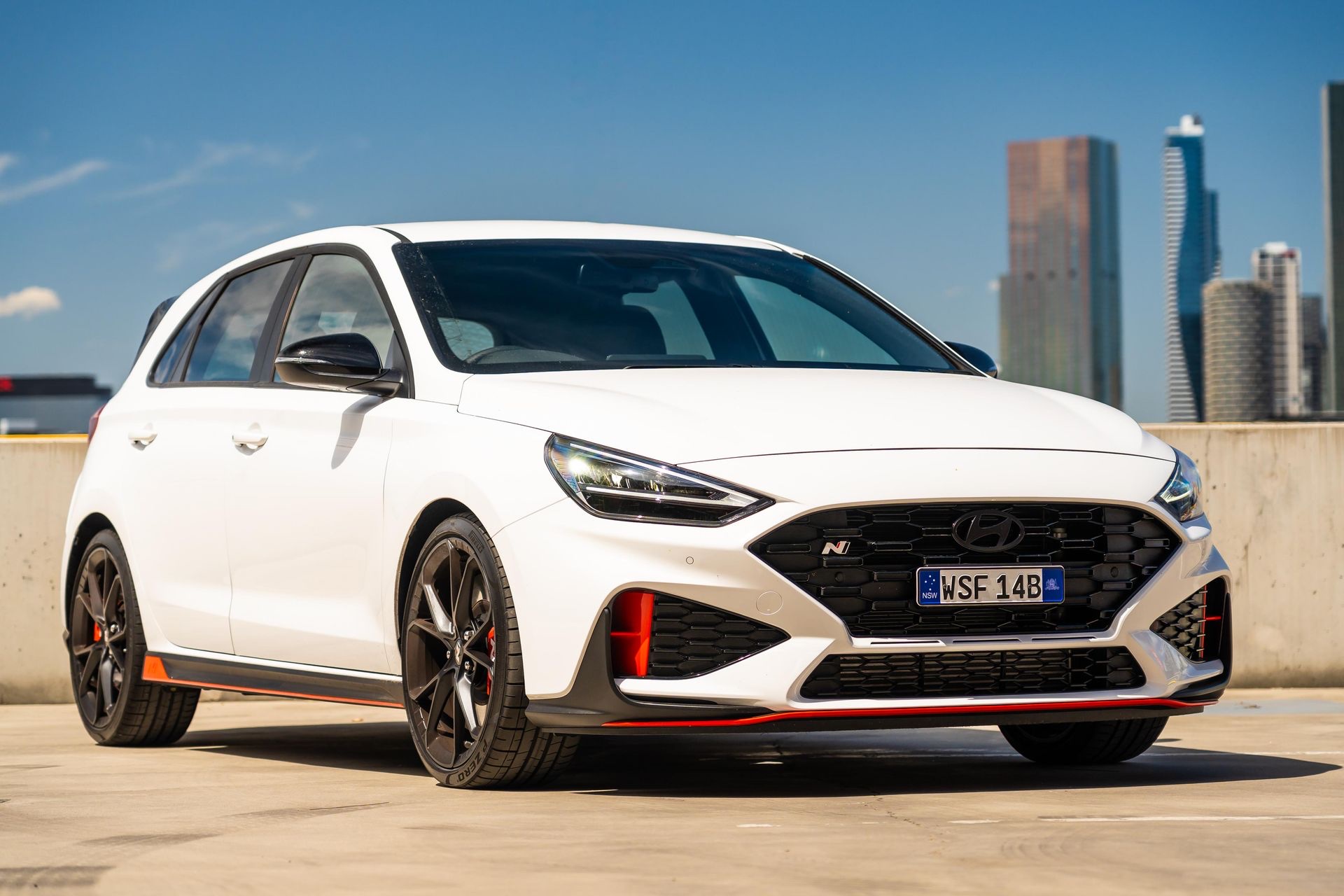
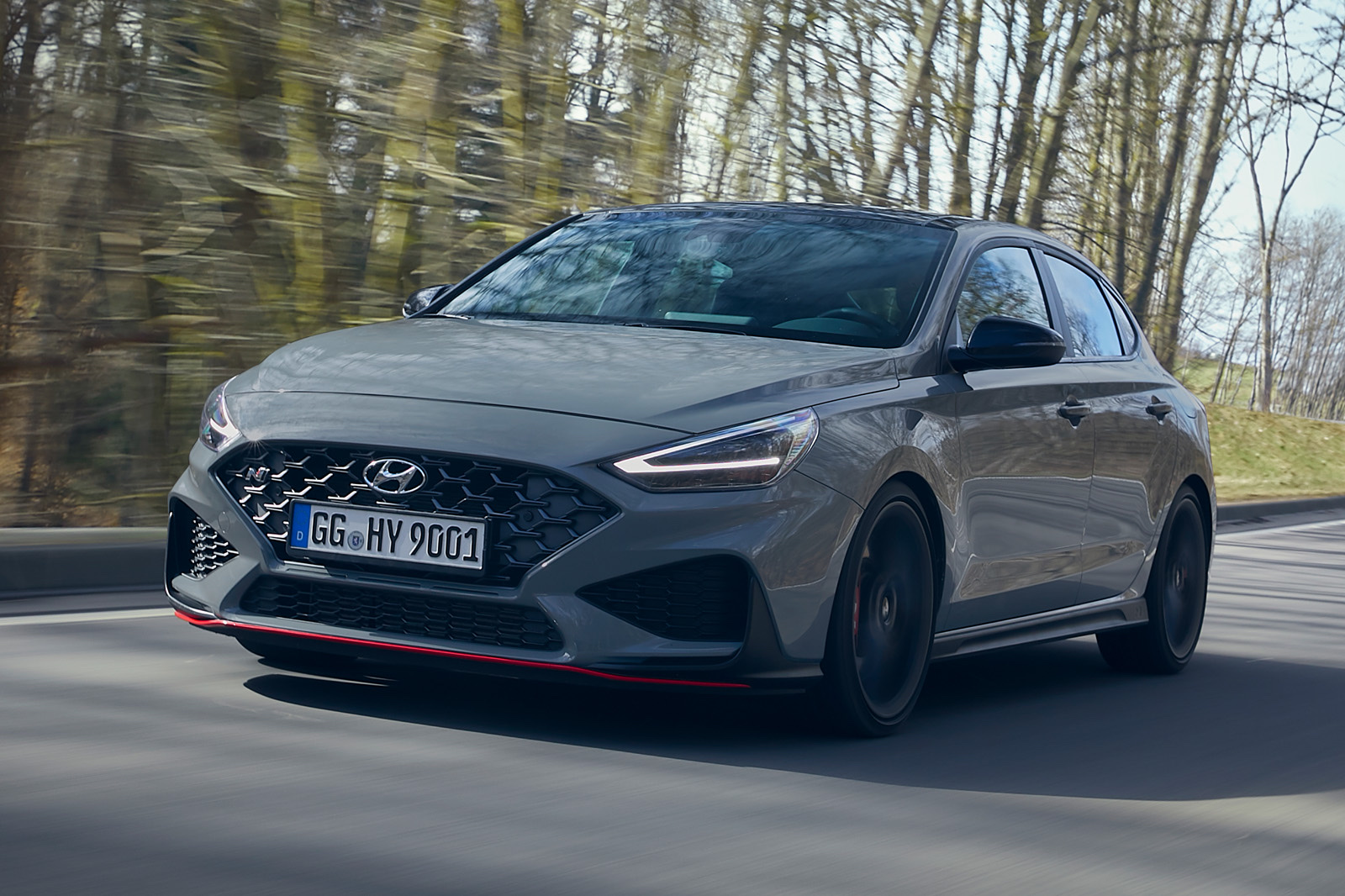
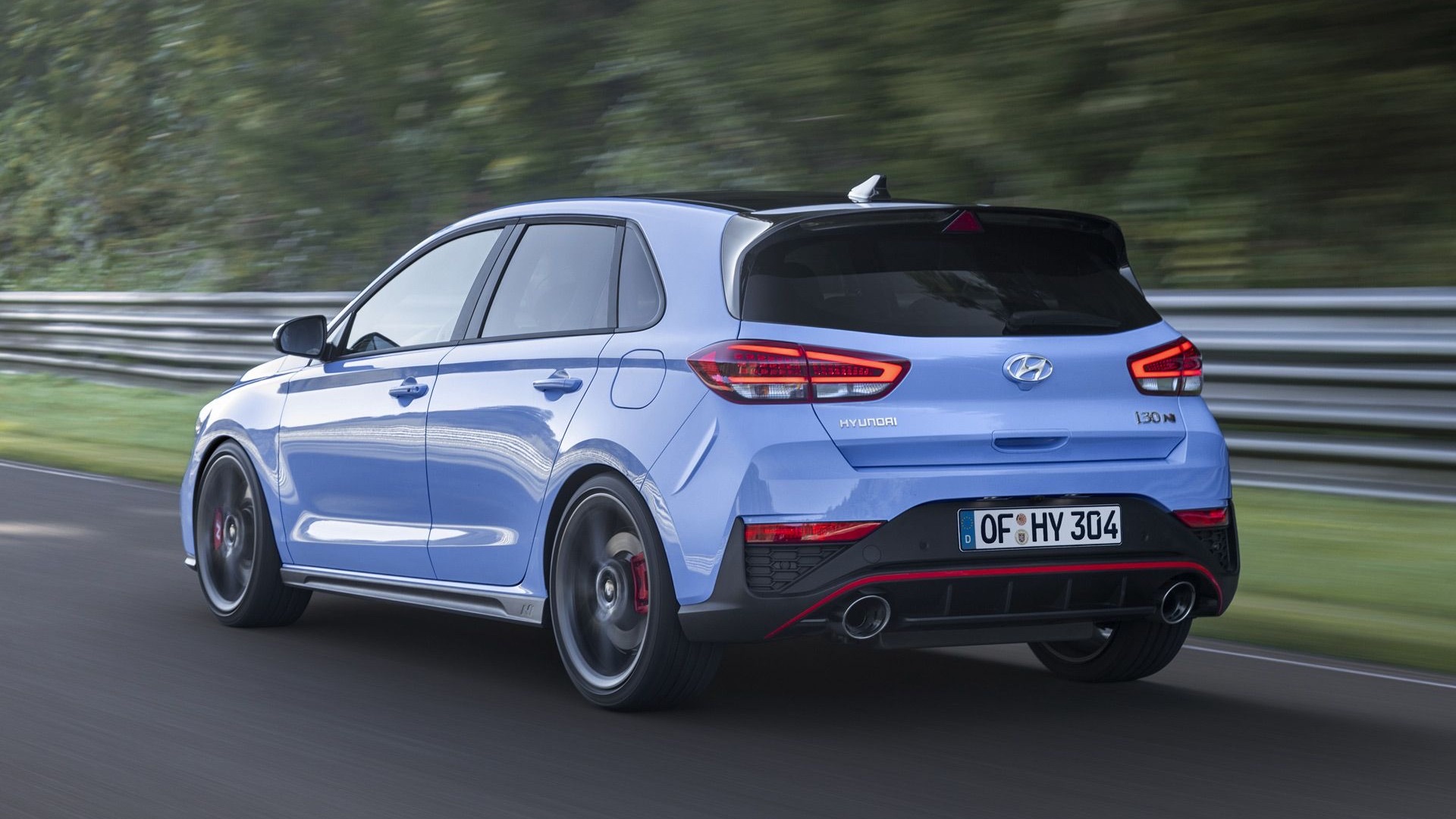
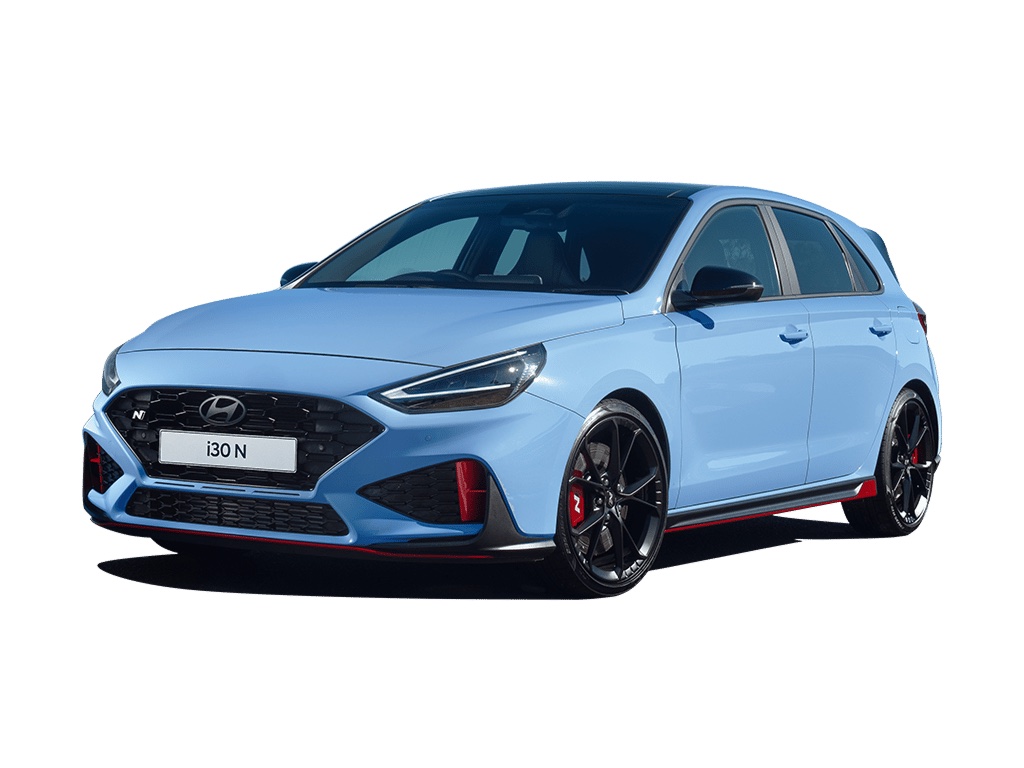
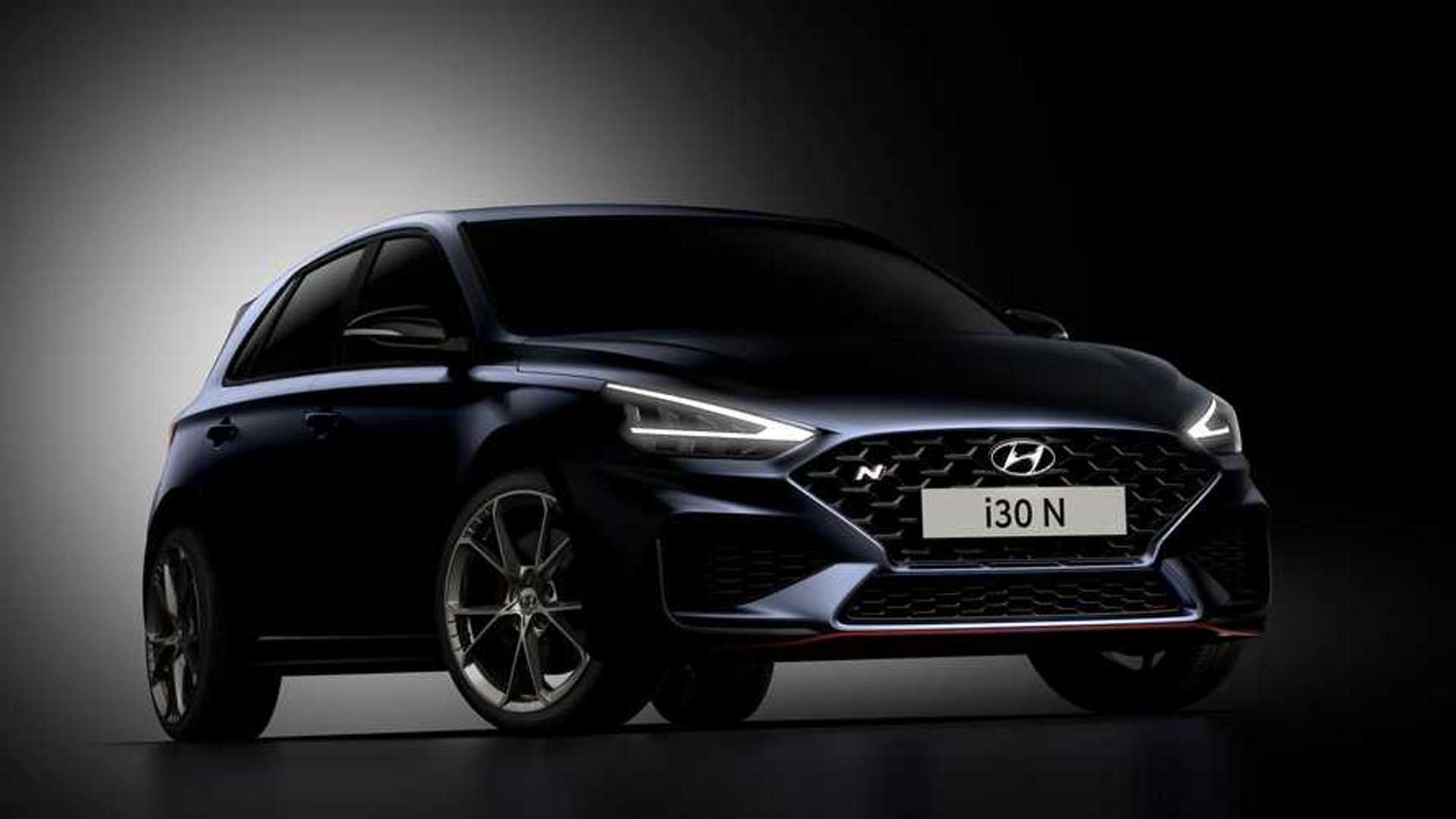
Visually, the i30 N distinguishes itself from the standard model with aggressive black exterior accents, an exclusive front bumper with integrated cooling flaps, a black rear spoiler, and oversized dual exhaust outlets. Depending on the chosen specification, it rides on either 18-inch or 19-inch wheels. The Performance package includes 19-inch forged alloy wheels, which effectively reduce unsprung weight by 14.4 kg, paired with specialized Pirelli P Zero tires.
Interior
Inside the cabin, the layout focuses on driver engagement without sacrificing modern connectivity. The interior can be equipped with lightweight bucket seats trimmed in a mix of leather and Alcantara for improved lateral support. The dashboard features a 10.25-inch touchscreen multimedia system with navigation, Apple CarPlay, and Android Auto integration. An optional panoramic roof is available, and an added rear stiffness bar in the cargo area improves body rigidity by 6%, though it slightly reduces trunk volume.
Performance
Power is delivered by a 2.0-liter turbocharged four-cylinder engine. The standard version produces 250 horsepower and 353 Nm of torque, paired with a six-speed manual transmission for a 0-100 km/h time of 6.4 seconds. The Performance package increases output to 280 hp and 392 Nm. When equipped with the optional eight-speed N DCT dual-clutch transmission, it accelerates to 100 km/h in 5.4 seconds. The DCT features dedicated shift modes like N Grin Shift for maximum power bursts and N Track Sense Shift for circuit driving.
Practicality
Despite its performance focus, the i30 N remains a highly usable five-door hatchback. It offers seating for five and a generous 395-liter trunk, making it practical for daily errands or weekend trips. The addition of the rear stiffness bar only slightly impacts luggage capacity, reducing it by 14 liters. With a ground clearance of 135 mm, it strikes a balance between a lowered center of gravity and the ability to navigate typical urban environments.
Safety and tech
The i30 N comes well-equipped with driver assistance and safety technology, featuring the Hyundai SmartSense suite. Drivers can customize the car's behavior via multiple presets—Eco, Normal, Sport, and Sport+—adjusting parameters from steering weight to exhaust sound. The Performance version further enhances dynamic safety and control with an electronically controlled limited-slip differential and upgraded front brakes featuring 360mm discs.
Buyer notes
When considering the i30 N, buyers should weigh the standard model against the Performance package. The base trim is a solid entry point, but the Performance upgrade adds significant hardware, including forged wheels, a limited-slip differential, and the option for the quick-shifting dual-clutch transmission. Availability of certain interior options, like the lightweight bucket seats or panoramic roof, may depend on the specific market.
Trims and key specifications
Use this table to compare the main differences between available configurations.
| Trim / modification | Engine | Power | Seats | Transmission |
|---|---|---|---|---|
| 2.0 T-GDI (250 hp) 6-speed manual | 1998 cc | 250 hp | 5 | 6-speed manual |
| 2.0 T-GDI (280 hp) 8-DCT | 1998 cc | 280 hp | 5 | 8-speed dual-clutch |
| 2.0 T-GDI (280 hp) 6-speed manual | 1998 cc | 280 hp | 5 | 6-speed manual |
Specifications can vary by market, model year, and equipment package. Use the trim sections below to review the full data for each configuration.
Hyundai i30 N photo gallery
14 images are collected here with the main specifications and trim data for this model.
Photo Hyundai i30 N
Specifications by trim
Choose a configuration below to open full technical data grouped by category.
2.0 T-GDI (250 hp) 6-speed manual 33 specifications
Specifications
Performance and consumption
| Fuel consumption combined, L/100 km | 7.7 |
|---|---|
| Top speed, km/h | 250 |
| Acceleration 0-100 km/h, s | 6.4 |
| Emissions standard | Euro VI |
Engine
| Engine | 2.0 T-GDI |
|---|---|
| Engine type | Internal combustion engine |
| Fuel type | Gasoline |
| Engine displacement, cc | 1998 |
| Cylinder layout | Inline |
| Number of cylinders | 4 |
| Valves | 16 |
| Turbocharger | + |
| Power, hp | 250 |
| RPM at max power | 6000 |
| Torque, Nm | 353 |
| RPM at max torque | 1450-4500 |
Dimensions
| Seats | 5 |
|---|---|
| Length, mm | 4430 |
| Height, mm | 1445 |
| Wheelbase, mm | 2650 |
| Front track, mm | 1557 |
| Rear track, mm | 1566 |
| Kerb weight, kg | 1560 |
| Fuel tank capacity, L | 50 |
| Ground clearance, mm | 135 |
| Width without mirrors, mm | 1795 |
| Trunk capacity, L | 395 |
Transmission and drive
| Transmission | 6-speed manual |
|---|---|
| Transmission type | manual |
| Drive | Front-wheel drive |
| Number of gears | 6 |
| Transmission manufacturer | Hyundai |
| Transmission country | South Korea |
2.0 T-GDI (280 hp) 8-DCT 34 specifications
Specifications
Performance and consumption
| Fuel consumption combined, L/100 km | 8.4 |
|---|---|
| Top speed, km/h | 250 |
| Acceleration 0-100 km/h, s | 5.4 |
| Emissions standard | Euro VI |
Engine
| Engine | 2.0 T-GDI |
|---|---|
| Engine type | Internal combustion engine |
| Fuel type | Gasoline |
| Engine displacement, cc | 1998 |
| Cylinder layout | Inline |
| Number of cylinders | 4 |
| Valves | 16 |
| Turbocharger | + |
| Power, hp | 280 |
| RPM at max power | 5500–6000 |
| Torque, Nm | 392 |
| RPM at max torque | 2100–4700 |
Dimensions
| Seats | 5 |
|---|---|
| Length, mm | 4430 |
| Height, mm | 1445 |
| Wheelbase, mm | 2650 |
| Front track, mm | 1557 |
| Rear track, mm | 1566 |
| Kerb weight, kg | 1560 |
| Fuel tank capacity, L | 50 |
| Ground clearance, mm | 135 |
| Width without mirrors, mm | 1795 |
| Trunk capacity, L | 395 |
Transmission and drive
| Transmission | 8-speed dual-clutch |
|---|---|
| Transmission type | 2-speed automated manual |
| Drive | Front-wheel drive |
| Number of gears | 8 |
| Transmission manufacturer | Hyundai-KIA |
| Automatic transmission | + |
| Transmission country | South Korea |
2.0 T-GDI (280 hp) 6-speed manual 33 specifications
Specifications
Performance and consumption
| Fuel consumption combined, L/100 km | 8 |
|---|---|
| Top speed, km/h | 250 |
| Acceleration 0-100 km/h, s | 5.9 |
| Emissions standard | Euro VI |
Engine
| Engine | 2.0 T-GDI |
|---|---|
| Engine type | Internal combustion engine |
| Fuel type | Gasoline |
| Engine displacement, cc | 1998 |
| Cylinder layout | Inline |
| Number of cylinders | 4 |
| Valves | 16 |
| Turbocharger | + |
| Power, hp | 280 |
| RPM at max power | 5500–6000 |
| Torque, Nm | 392 |
| RPM at max torque | 2100–4700 |
Dimensions
| Seats | 5 |
|---|---|
| Length, mm | 4430 |
| Height, mm | 1445 |
| Wheelbase, mm | 2650 |
| Front track, mm | 1557 |
| Rear track, mm | 1566 |
| Kerb weight, kg | 1560 |
| Fuel tank capacity, L | 50 |
| Ground clearance, mm | 135 |
| Width without mirrors, mm | 1795 |
| Trunk capacity, L | 395 |
Transmission and drive
| Transmission | 6-speed manual |
|---|---|
| Transmission type | manual |
| Drive | Front-wheel drive |
| Number of gears | 6 |
| Transmission manufacturer | Hyundai |
| Transmission country | South Korea |
Hyundai i30 N questions
Short answers based on the specifications and photos available in this catalog.
What body style is the Hyundai i30 N?
The Hyundai i30 N is a five-door C-segment hatchback, offering a straightforward blend of performance and interior space.
What engine options are available for the 2021 i30 N?
It is powered by a 2.0-liter turbocharged four-cylinder engine, available in two tunes: a standard 250 hp version and a 280 hp variant included in the Performance package.
Does the i30 N come with an automatic transmission?
Yes, alongside the standard six-speed manual, the Performance package offers an eight-speed wet dual-clutch transmission known as N DCT.
Is the Hyundai i30 N practical for daily use?
Yes, it retains the practical five-door layout of the standard i30, offering comfortable seating for five passengers and a 395-liter trunk.