Volkswagen T-Cross specifications and photos
The 2023 Volkswagen T-Cross is a subcompact front-wheel-drive crossover that offers updated technology and styling for its first-generation facelift. Based on the MQB A0 platform, this compact SUV is built for urban environments and daily utility. It provides a selection of efficient turbocharged engines alongside refreshed interior and exterior elements.
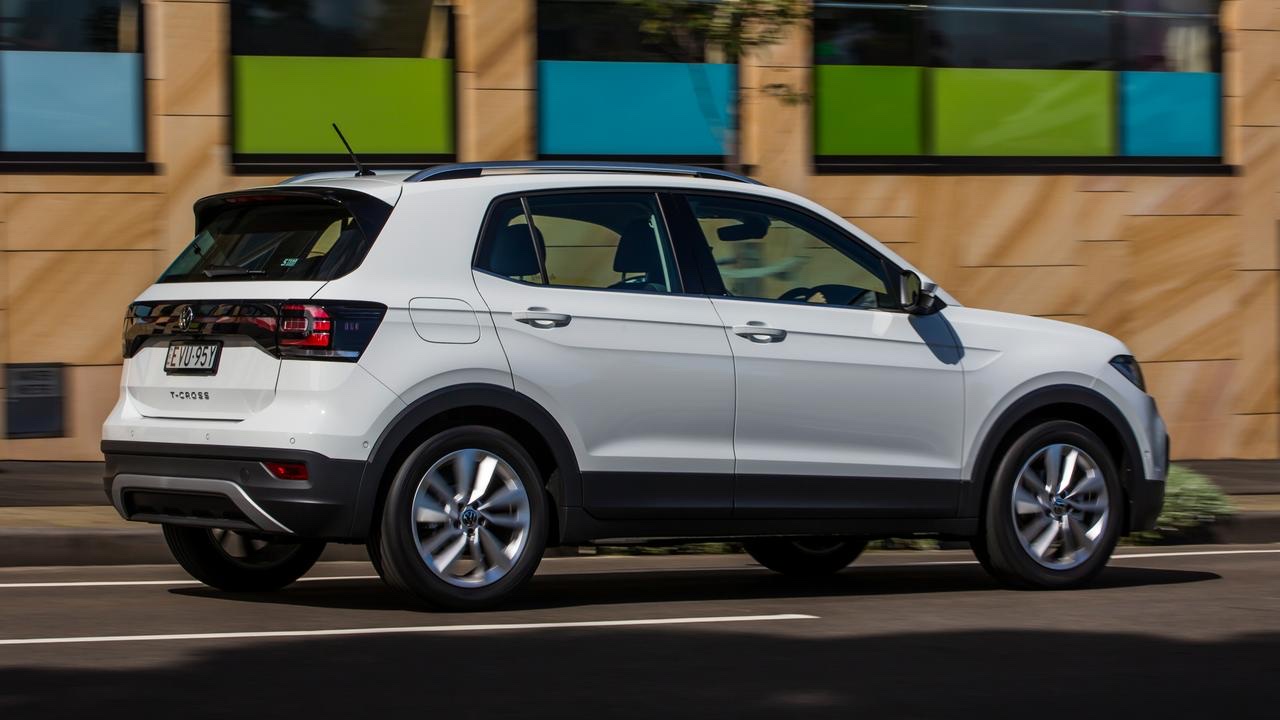
Volkswagen T-Cross at a glance
Quick model context before comparing photos and trim-level specifications.
The 2023 Volkswagen T-Cross represents a mid-cycle facelift for the brand's smallest crossover, which originally debuted in its updated form in July 2023. Built on the MQB A0 platform shared with other compact Volkswagen Group models, the T-Cross is strictly a front-wheel-drive vehicle designed to compete in the subcompact segment. This update brings revised styling to the front and rear, along with upgraded cabin materials and enhanced standard equipment. It targets buyers seeking an agile urban vehicle that does not compromise on interior flexibility or modern technology. The engine lineup remains focused on efficiency, utilizing small-displacement turbocharged gasoline options. With its compact footprint and raised seating position, the T-Cross serves as a practical choice for city drivers and small families who need a versatile vehicle that is easy to park and inexpensive to run.
- Power: 95-150 hp
- Engine displacement: 999-1498 cc
- Transmissions: 5-speed manual, 6-speed manual, 7-speed dual-clutch
- Seating: 5 seats
Photos, trims and specifications for Volkswagen T-Cross
This model page brings gallery images, trim comparison, and detailed technical data together for the 2023 generation.
Estimate fuel cost
Use trim-level fuel consumption data to estimate monthly and yearly fuel spending.
Fuel costs are estimates. Real consumption can change with driving style, traffic, tires, weather, load, and market-specific equipment.
Volkswagen T-Cross overview
Editorial context for design, cabin, performance, practicality, and buyer notes.
Design
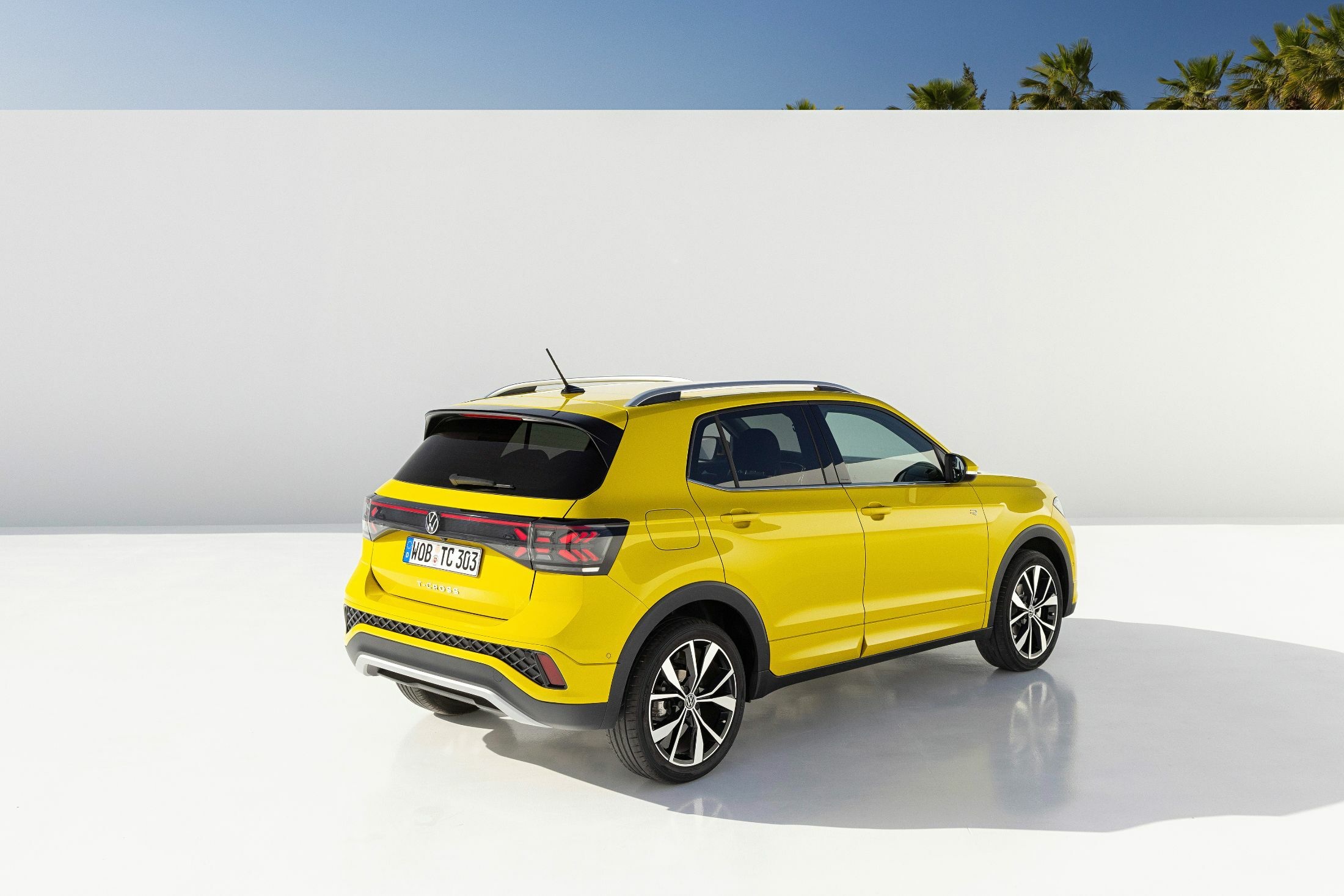
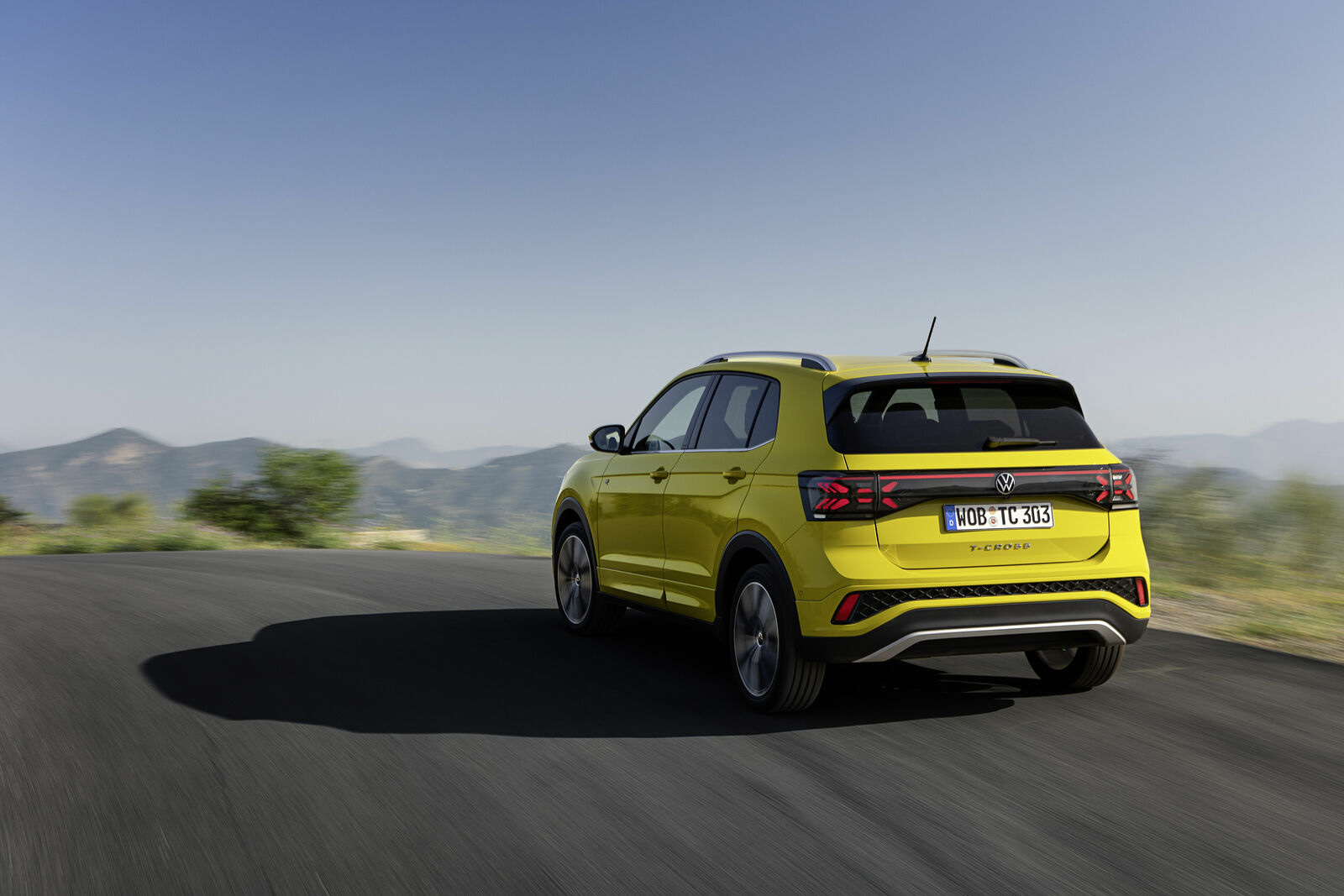
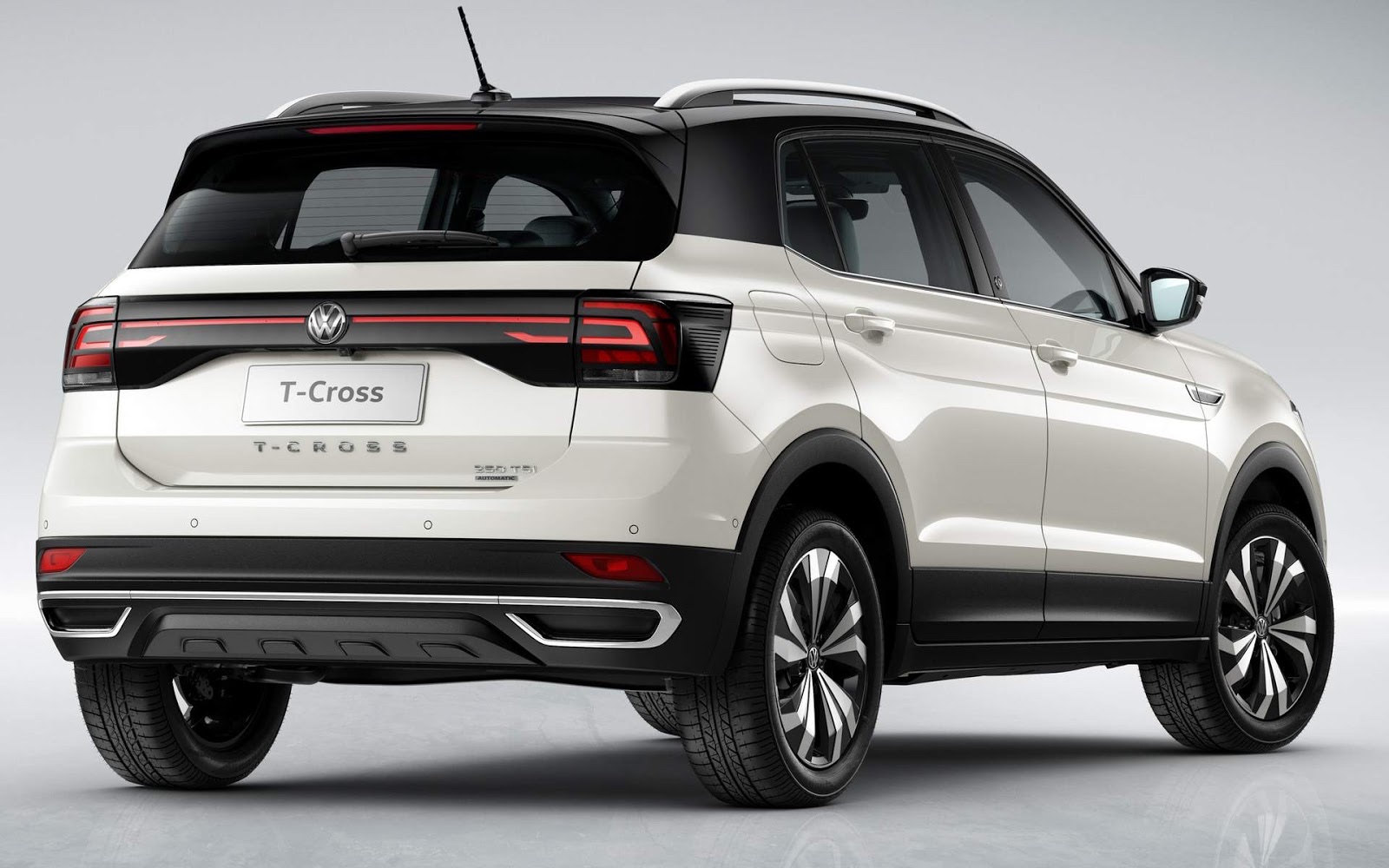
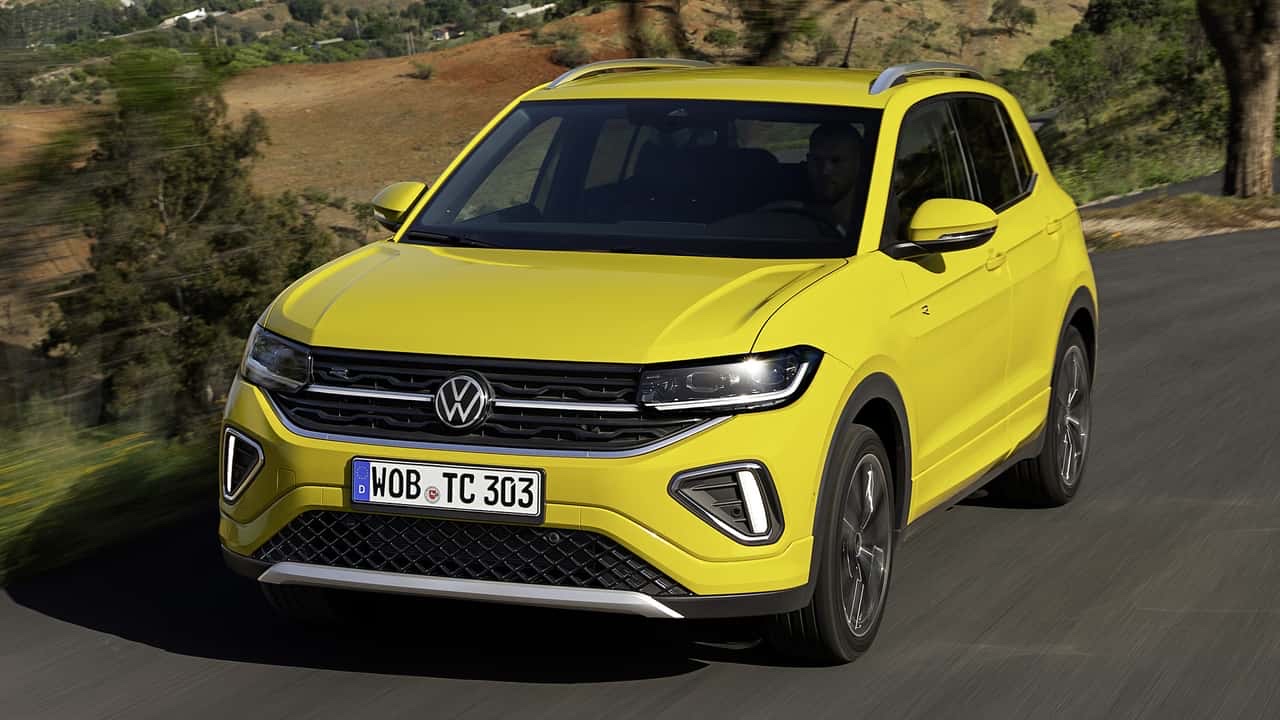
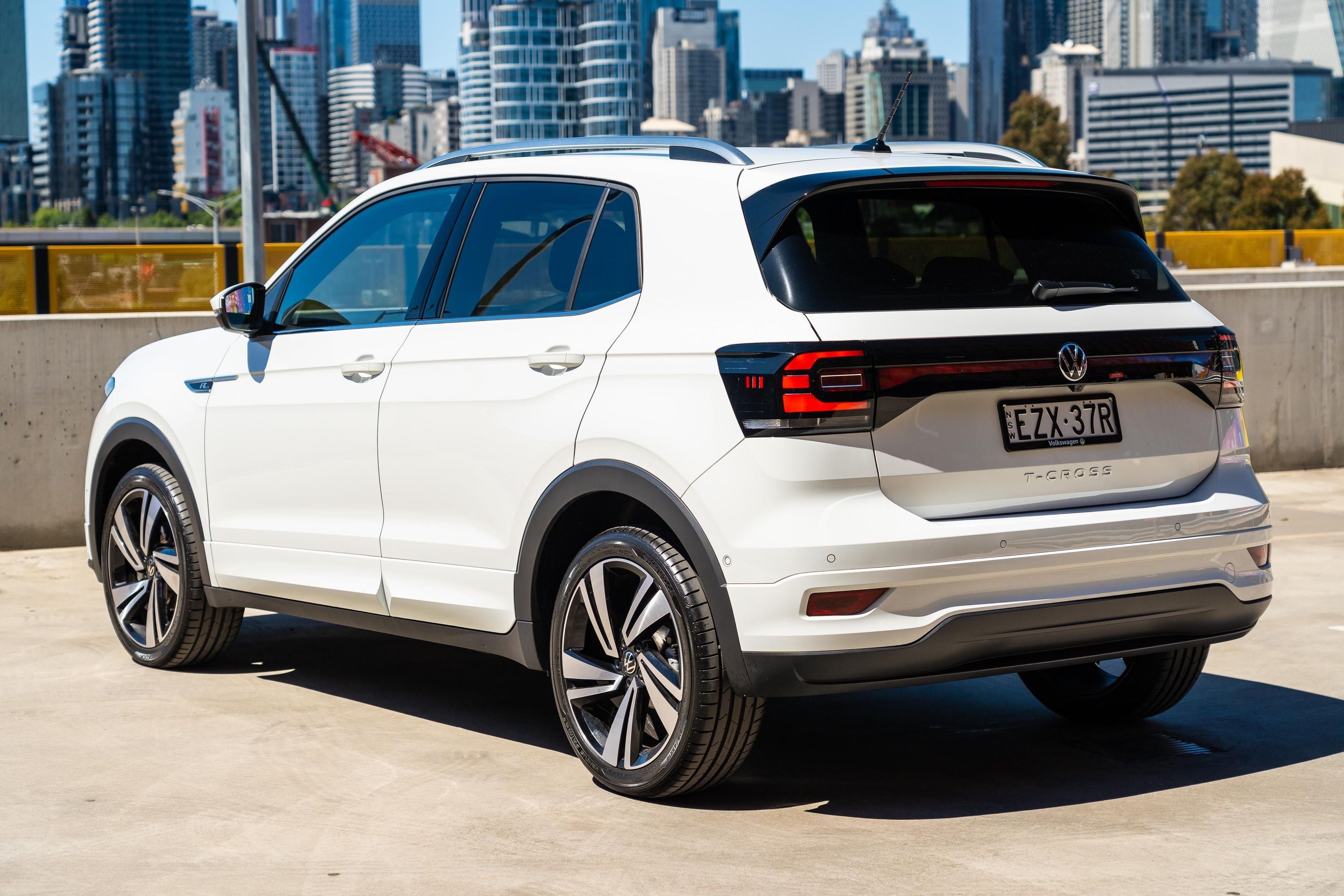
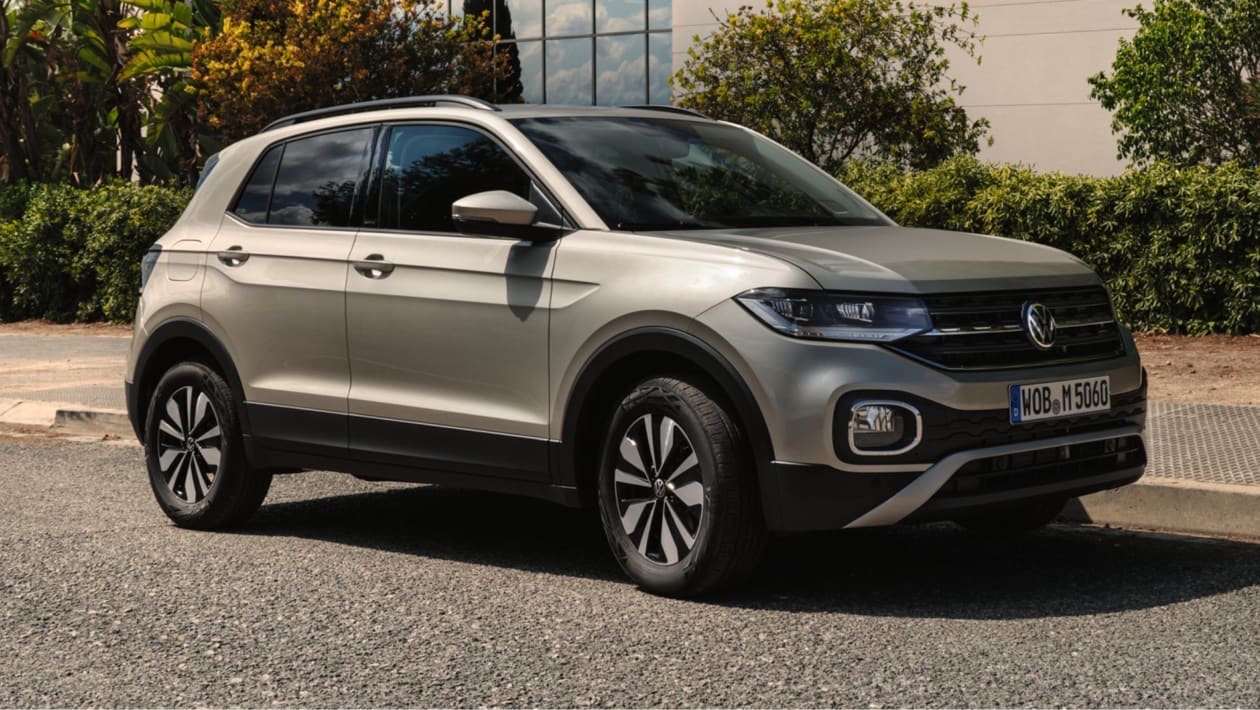
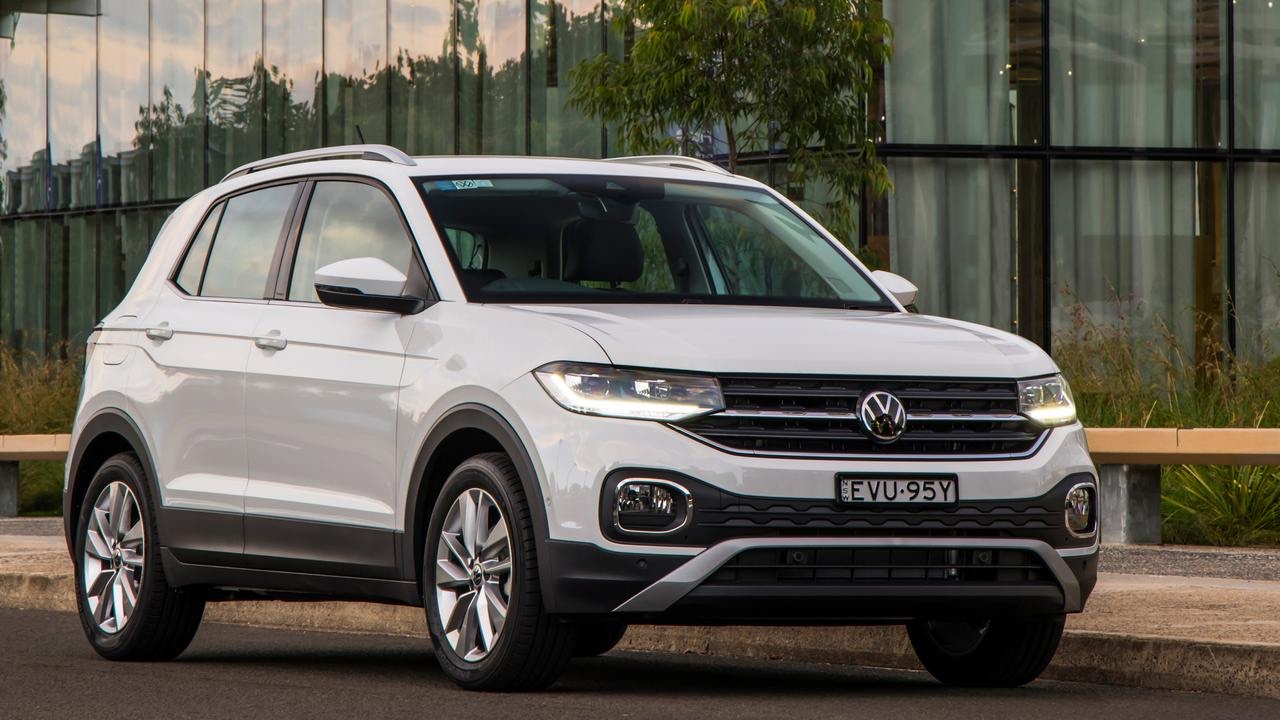
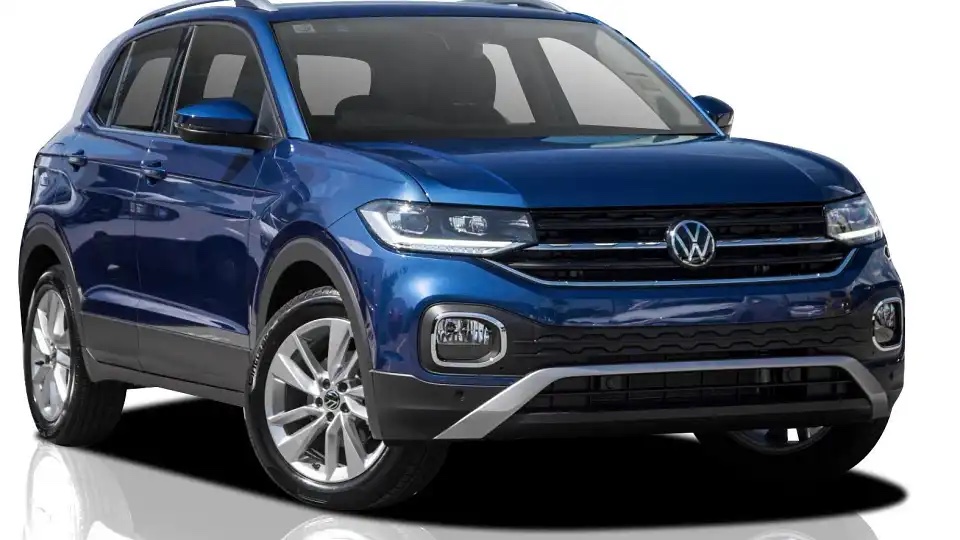
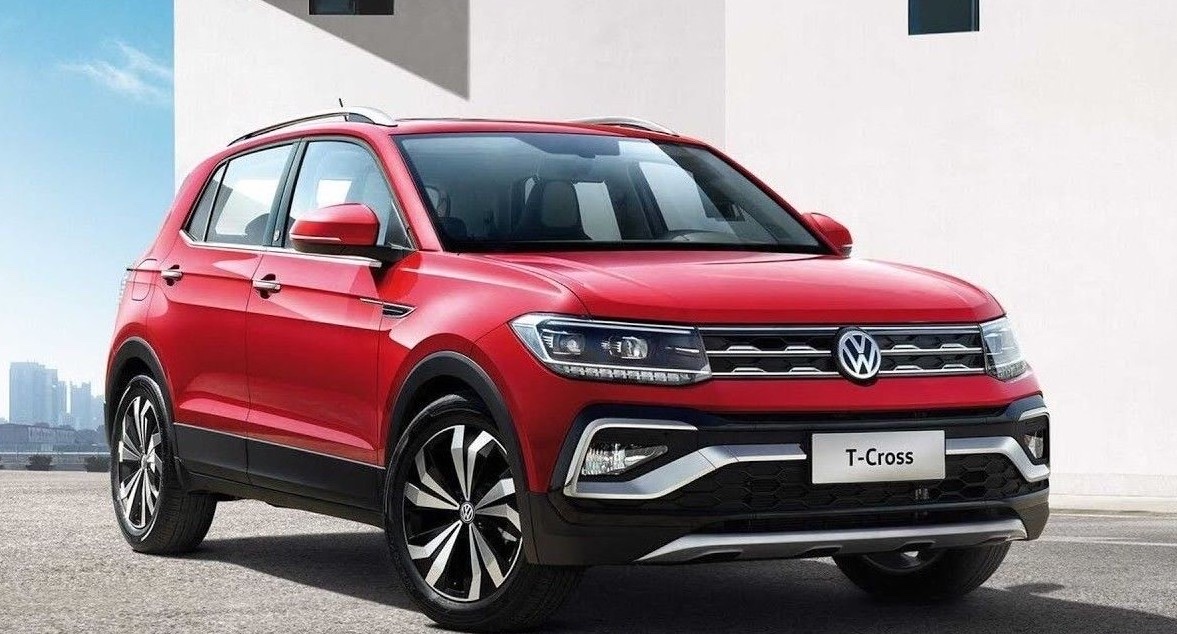
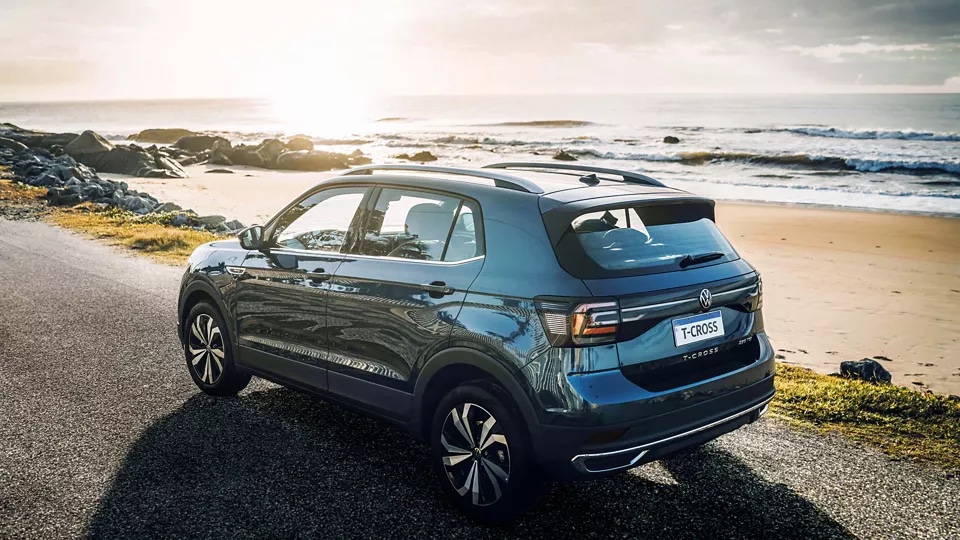
The exterior of the 2023 T-Cross features updated styling at both the front and rear, highlighted by available IQ.LIGHT LED headlights. These advanced light units provide brighter and more precise illumination. The vehicle's visual presence is refreshed with a selection of new exterior paint colors, including Grape Yellow, Clear Blue Metallic, and Kings Red Metallic. Volkswagen has also increased the maximum drawbar load capacity on the tow bar, making the crossover more capable for towing light trailers or carrying rear-mounted bicycle racks. In terms of dimensions, the crossover measures 4,127 mm in length, 1,760 mm in width (without mirrors), and 1,573 mm in height, maintaining a compact footprint that is highly maneuverable in narrow city streets and tight parking spaces.
Interior
Inside the cabin, the updated T-Cross features improved materials, including a soft-touch dashboard panel that enhances the overall feel of the interior. The central feature is the digital infotainment screen, which is offered in either 8.0-inch or 9.2-inch configurations depending on the equipment level. Drivers also benefit from a standard digital instrument cluster (Digital Cockpit) that replaces traditional physical gauges. Standard comfort features include the Air Care Climatronic automatic climate control system, which regulates cabin temperature and filters incoming air. The interior is designed to maximize passenger space within a compact frame, offering comfortable seating for up to five occupants, combined with adjustable components that allow owners to reconfigure the cabin layout as needed for passengers or cargo.
Performance
The performance lineup for the T-Cross is built around two turbocharged petrol engines with varying power outputs. The entry-level option is a 1.0-liter three-cylinder TSI engine, available in two states of tune. The 95-horsepower version is paired with a five-speed manual transmission, while the 115-horsepower variant comes with either a six-speed manual or a seven-speed dual-clutch automatic (DSG) transmission. For drivers seeking more power, a larger 1.5-liter four-cylinder TSI engine produces 150 horsepower and is mated exclusively to the seven-speed DSG. Acceleration times from 0 to 100 km/h range from 11.2 seconds for the base engine down to 8.4 seconds for the 1.5 TSI, which also achieves a top speed of 200 km/h. All variants send power to the front wheels.
Practicality
Despite its subcompact dimensions, the T-Cross offers strong practical capability. It features a flexible rear seating arrangement with sliding seats that allow owners to prioritize either rear passenger legroom or luggage volume. The cargo compartment has a base capacity of 455 liters, which can be expanded by folding down the rear seats. The increased tow bar load rating adds utility for active owners who need to transport bicycles or tow light trailers. A 10.7-meter turning circle ensures excellent maneuverability in tight spaces, making the crossover easy to handle in daily urban driving.
Safety and tech
The technological updates in the 2023 T-Cross focus on driver assistance and safety systems. The vehicle offers an optional Travel Assist system, which assists the driver by providing longitudinal and lateral vehicle control, combining adaptive cruise functions with lane guidance. The standard Lane Assist system helps keep the crossover centered within its driving lane. Safety is further supported by the IQ.LIGHT LED matrix headlights, which optimize visibility without dazzling oncoming traffic. Additionally, the standard Digital Cockpit ensures that essential driving information is clearly visible to the driver at all times, reducing distraction and enhancing overall driving safety.
Buyer notes
Buyers looking at the T-Cross should evaluate their driving habits when choosing between the transmission and engine options. The base 95-horsepower engine is suitable for city driving but is limited to a five-speed manual gearbox. The 115-horsepower version offers a more versatile six-speed manual or a quick-shifting seven-speed DSG, which is better for mixed highway commuting. The 150-horsepower 1.5 TSI provides the suitable performance but has a higher average fuel consumption of 7.6 liters per 100 km compared to the 5.6 to 5.8 liters achieved by the 1.0-liter models. Equipment levels and trim availability can vary depending on the local market.
Trims and key specifications
Use this table to compare the main differences between available configurations.
| Trim / modification | Engine | Power | Seats | Transmission |
|---|---|---|---|---|
| 1.0 TSI (95 hp) 5-speed manual | 999 cc | 95 hp | 5 | 5-speed manual |
| 1.0 TSI (115 hp) 6-speed manual | 999 cc | 115 hp | 5 | 6-speed manual |
| 1.0 TSI (115 hp) 7-speed DSG | 999 cc | 115 hp | 5 | 7-speed dual-clutch |
| 1.5 TSI (150 hp) 7-speed DSG | 1498 cc | 150 hp | 5 | 7-speed dual-clutch |
Specifications can vary by market, model year, and equipment package. Use the trim sections below to review the full data for each configuration.
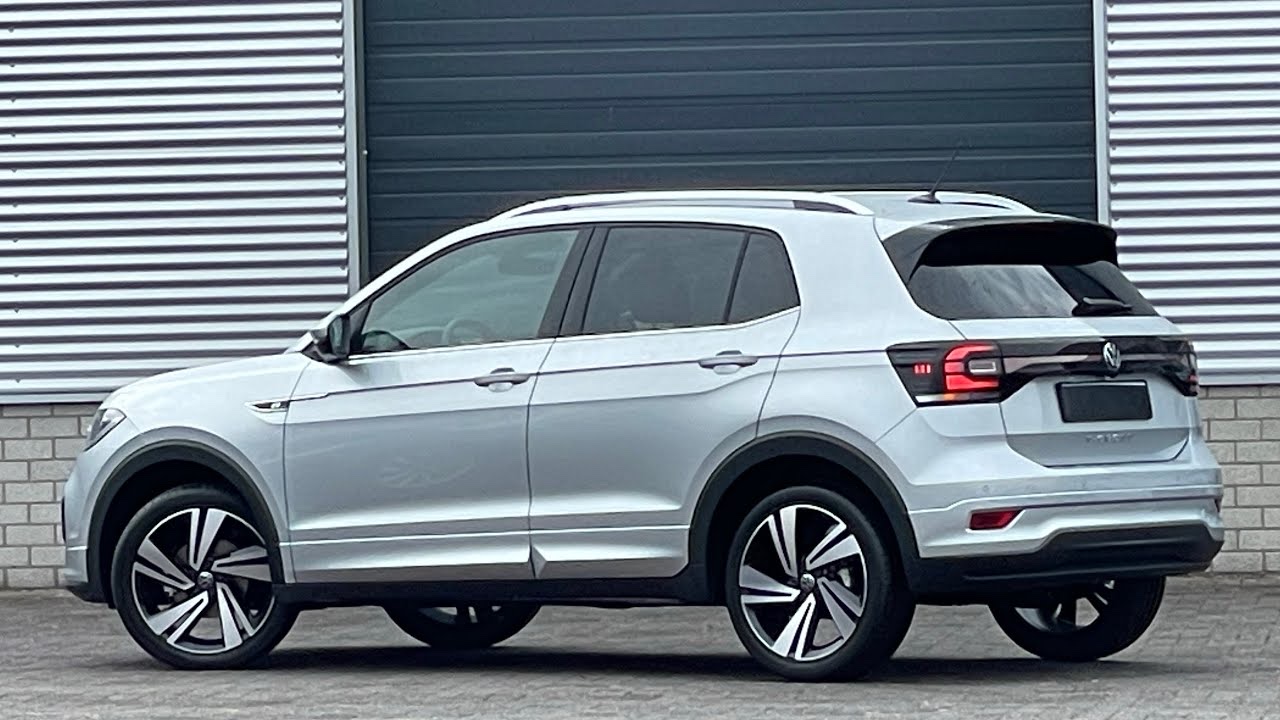
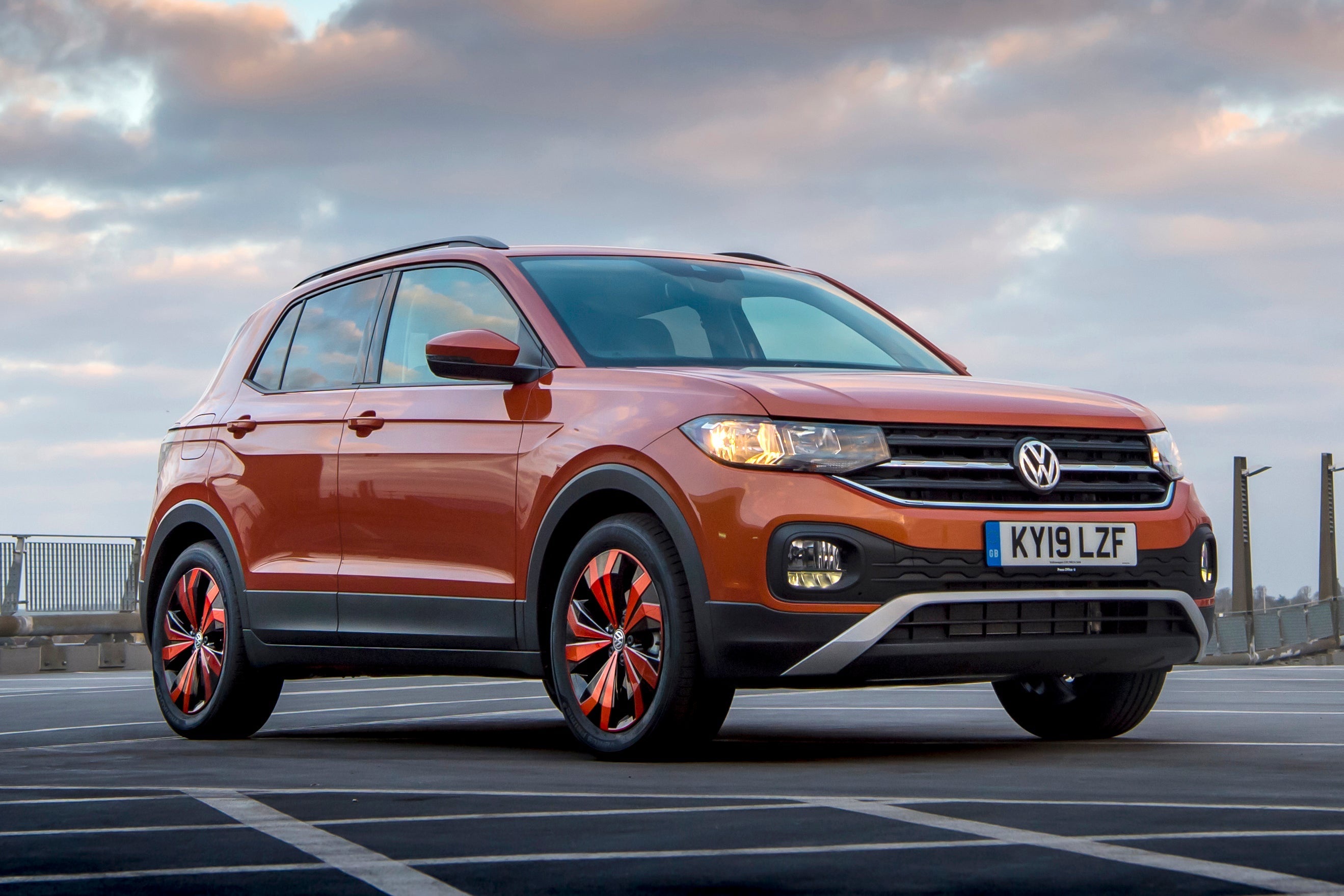
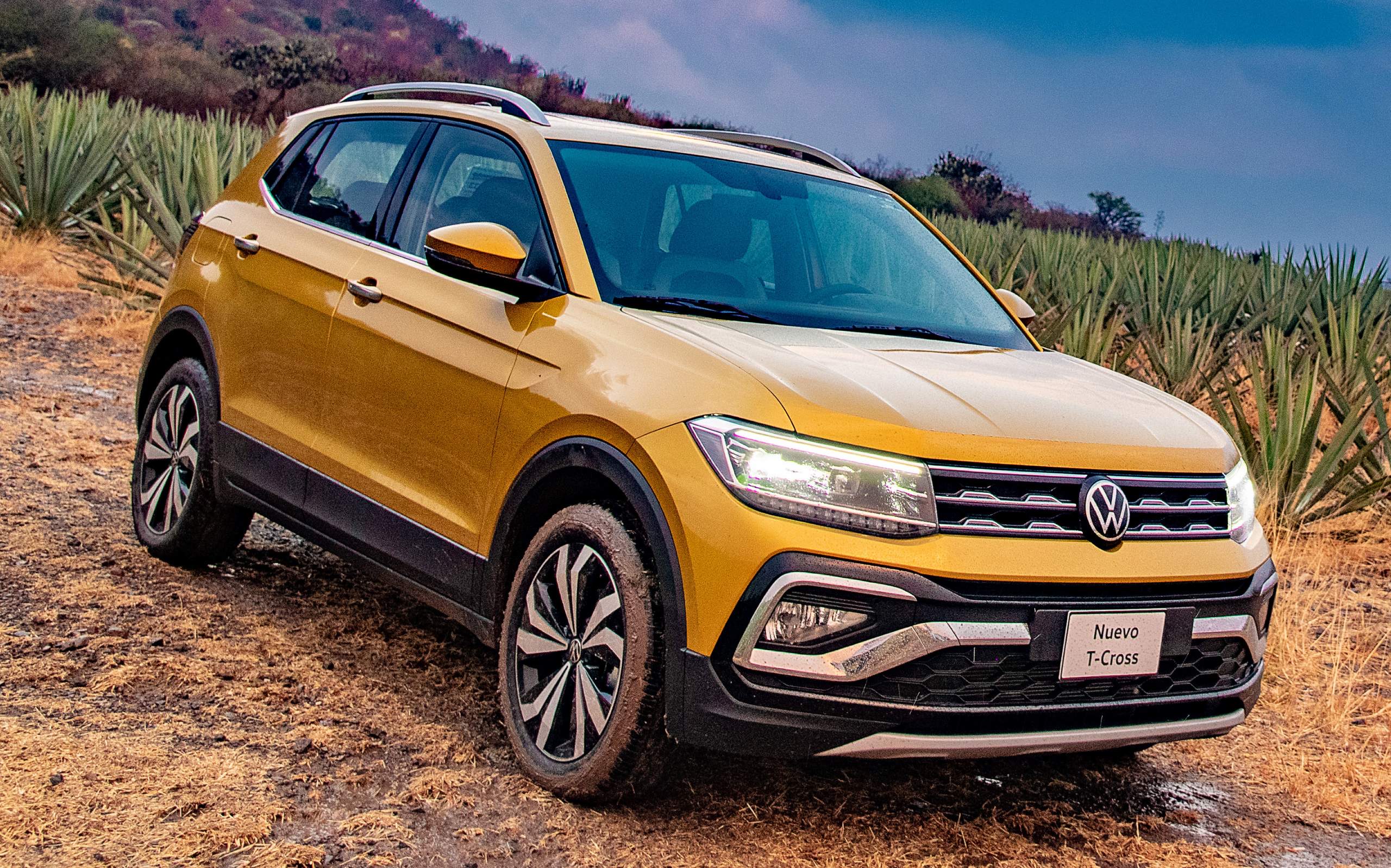
Volkswagen T-Cross photo gallery
16 images are collected here with the main specifications and trim data for this model.
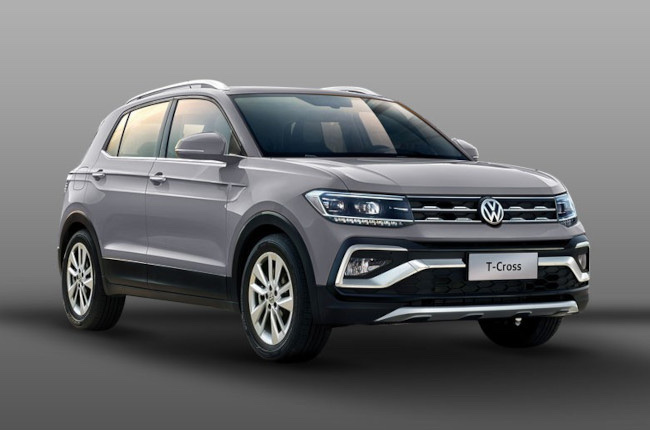
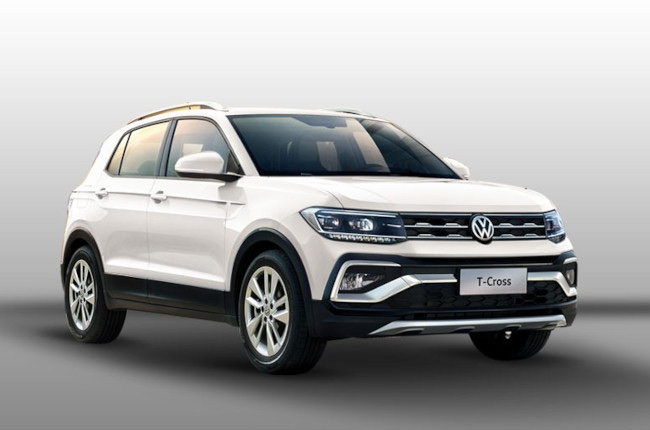
Photo Volkswagen T-Cross
Specifications by trim
Choose a configuration below to open full technical data grouped by category.
1.0 TSI (95 hp) 5-speed manual 34 specifications
Specifications
Performance and consumption
| Fuel consumption combined, L/100 km | 5.6 |
|---|---|
| Top speed, km/h | 180 |
| Acceleration 0-100 km/h, s | 11.2 |
| Emissions standard | Euro VI |
Engine
| Engine | 1.0 TSI |
|---|---|
| Engine code | DLAC |
| Engine type | Internal combustion engine |
| Fuel type | Gasoline |
| Engine displacement, cc | 999 |
| Cylinder layout | Inline |
| Number of cylinders | 3 |
| Valves | 12 |
| Turbocharger | + |
| Power, hp | 95 |
| RPM at max power | 5000–5500 |
| Torque, Nm | 175 |
| RPM at max torque | 1600–3500 |
Dimensions
| Seats | 5 |
|---|---|
| Length, mm | 4127 |
| Width, mm | 1993 |
| Height, mm | 1573 |
| Wheelbase, mm | 2551 |
| Front track, mm | 1528 |
| Rear track, mm | 1509 |
| Kerb weight, kg | 1254 |
| Gross weight, kg | 1730 |
| Fuel tank capacity, L | 40 |
| Turning circle, m | 10.7 |
| Width without mirrors, mm | 1760 |
| Trunk capacity, L | 455 |
Transmission and drive
| Transmission | 5-speed manual |
|---|---|
| Transmission type | manual |
| Drive | Front-wheel drive |
| Number of gears | 5 |
1.0 TSI (115 hp) 6-speed manual 35 specifications
Specifications
Performance and consumption
| Fuel consumption combined, L/100 km | 5.6 |
|---|---|
| Top speed, km/h | 193 |
| Acceleration 0-100 km/h, s | 10 |
| Emissions standard | Euro VI |
Engine
| Engine | 1.0 TSI |
|---|---|
| Engine code | CHZD/CHZJ/DKJA |
| Engine type | Internal combustion engine |
| Fuel type | Gasoline |
| Engine displacement, cc | 999 |
| Cylinder layout | Inline |
| Number of cylinders | 3 |
| Valves | 12 |
| Turbocharger | + |
| Compression ratio | 10.3:1 |
| Power, hp | 115 |
| RPM at max power | 5000-5500 |
| Torque, Nm | 200 |
| RPM at max torque | 2000-3500 |
Dimensions
| Seats | 5 |
|---|---|
| Length, mm | 4127 |
| Width, mm | 1993 |
| Height, mm | 1573 |
| Wheelbase, mm | 2551 |
| Front track, mm | 1528 |
| Rear track, mm | 1509 |
| Kerb weight, kg | 1254 |
| Gross weight, kg | 1730 |
| Fuel tank capacity, L | 40 |
| Turning circle, m | 10.7 |
| Width without mirrors, mm | 1760 |
| Trunk capacity, L | 455 |
Transmission and drive
| Transmission | 6-speed manual |
|---|---|
| Transmission type | manual |
| Drive | Front-wheel drive |
| Number of gears | 6 |
1.0 TSI (115 hp) 7-speed DSG 36 specifications
Specifications
Performance and consumption
| Fuel consumption combined, L/100 km | 5.8 |
|---|---|
| Top speed, km/h | 192 |
| Acceleration 0-100 km/h, s | 10.3 |
| Emissions standard | Euro VI |
Engine
| Engine | 1.0 TSI |
|---|---|
| Engine code | CHZD/CHZJ/DKJA |
| Engine type | Internal combustion engine |
| Fuel type | Gasoline |
| Engine displacement, cc | 999 |
| Cylinder layout | Inline |
| Number of cylinders | 3 |
| Valves | 12 |
| Turbocharger | + |
| Compression ratio | 10.3:1 |
| Power, hp | 115 |
| RPM at max power | 5000-5500 |
| Torque, Nm | 200 |
| RPM at max torque | 2000-3500 |
Dimensions
| Seats | 5 |
|---|---|
| Length, mm | 4127 |
| Width, mm | 1993 |
| Height, mm | 1573 |
| Wheelbase, mm | 2551 |
| Front track, mm | 1528 |
| Rear track, mm | 1509 |
| Kerb weight, kg | 1254 |
| Gross weight, kg | 1730 |
| Fuel tank capacity, L | 40 |
| Turning circle, m | 10.7 |
| Width without mirrors, mm | 1760 |
| Trunk capacity, L | 455 |
Transmission and drive
| Transmission | 7-speed dual-clutch |
|---|---|
| Transmission type | 2-speed automated manual |
| Drive | Front-wheel drive |
| Number of gears | 7 |
| Automatic transmission | + |
1.5 TSI (150 hp) 7-speed DSG 36 specifications
Specifications
Performance and consumption
| Fuel consumption combined, L/100 km | 7.6 |
|---|---|
| Top speed, km/h | 200 |
| Acceleration 0-100 km/h, s | 8.4 |
| Emissions standard | Euro VI |
Engine
| Engine | 1.5 TSI |
|---|---|
| Engine code | DADA (EA211) |
| Engine type | Internal combustion engine |
| Fuel type | Gasoline |
| Engine displacement, cc | 1498 |
| Cylinder layout | Inline |
| Number of cylinders | 4 |
| Valves | 16 |
| Turbocharger | + |
| Compression ratio | 10.5:1 |
| Power, hp | 150 |
| RPM at max power | 5000-6000 |
| Torque, Nm | 250 |
| RPM at max torque | 1500-3500 |
Dimensions
| Seats | 5 |
|---|---|
| Length, mm | 4127 |
| Width, mm | 1993 |
| Height, mm | 1573 |
| Wheelbase, mm | 2551 |
| Front track, mm | 1528 |
| Rear track, mm | 1509 |
| Kerb weight, kg | 1254 |
| Gross weight, kg | 1730 |
| Fuel tank capacity, L | 40 |
| Turning circle, m | 10.7 |
| Width without mirrors, mm | 1760 |
| Trunk capacity, L | 455 |
Transmission and drive
| Transmission | 7-speed dual-clutch |
|---|---|
| Transmission type | 2-speed automated manual |
| Drive | Front-wheel drive |
| Number of gears | 7 |
| Automatic transmission | + |
Volkswagen T-Cross questions
Short answers based on the specifications and photos available in this catalog.
What generation is the 2023 Volkswagen T-Cross?
The 2023 Volkswagen T-Cross is a facelifted version of the first-generation model. The updated crossover made its official debut in July 2023, introducing revised styling and modernized cabin technology.
What engine options are available for the 2023 Volkswagen T-Cross?
The T-Cross offers a 1.0-liter three-cylinder TSI engine producing either 95 or 115 horsepower, and a larger 1.5-liter four-cylinder TSI engine making 150 horsepower. Transmission options include five-speed and six-speed manuals, as well as a seven-speed DSG automatic.
Does the Volkswagen T-Cross have all-wheel drive?
No, all versions of the 2023 Volkswagen T-Cross are front-wheel drive. The vehicle is built on the MQB A0 platform, which is designed exclusively for front-wheel-drive configurations in this class.
How much cargo space does the 2023 Volkswagen T-Cross offer?
The T-Cross provides a boot capacity of 455 liters in its standard configuration. The luggage area can be expanded by sliding or folding down the rear seats to accommodate larger items.
What driver assistance systems are available on the T-Cross?
The T-Cross features standard Lane Assist to help keep the vehicle in its lane, alongside optional Travel Assist for combined longitudinal and lateral control. It also offers IQ.LIGHT LED headlights for enhanced visibility and night driving safety.